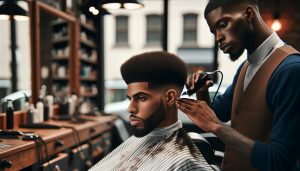
Did you know that the demand for skilled barbers has surged in recent years, making this career not only rewarding but also increasingly viable? If you’ve ever dreamt of transforming your passion for grooming into a fulfilling profession, understanding how long it takes to become a barber is crucial. From completing educational programs to mastering essential techniques, every step is integral to your journey. As you navigate your path, consider the opportunities for creativity, personal interaction, and financial stability that this profession offers. This guide will break down the complete career timeline, empowering you with the knowledge needed to achieve your goals in the barbering world. So, whether you’re a high school graduate or seeking a career change, read on to uncover the essential milestones that will define your future as a barber.
Understanding the Barbering Profession: An Overview
The world of barbering is not just about cutting hair; it’s a dynamic and creative profession where artistry meets precision. With the resurgence of classic grooming and the rise of personal style as a form of expression, barbers are more in demand than ever. Beyond performing haircuts, they often provide clients with advice on products and grooming techniques that enhance their personal style, making barbershops a social hub where community and culture thrive. The profession requires a unique blend of technical skills, creativity, and excellent interpersonal communication to build rapport with clients and understand their individual needs.
Barbers work with a variety of tools-scissors, clippers, and razors-to execute different styles and techniques, ranging from traditional cuts to modern designs. This versatility is crucial not only for fostering client satisfaction but also for staying relevant in an ever-evolving industry. Whether it’s executing a perfect fade or crafting a sharp beard line, a successful barber invests time in mastering their craft through ongoing education and practice. Furthermore, barbers are increasingly integrating technology into their practices, utilizing scheduling and management software to streamline operations and improve customer service.
Understanding the barbering profession also entails recognizing its cultural significance. Barbershops have long been places where communities gather, share stories, and receive guidance, making barbers more than just service providers-they are trusted confidants and local influencers. For aspiring barbers, reflecting on what this role means in their communities can ignite their passion and commitment, paving the way for a fulfilling career in this vibrant field.
Key Skills Required to Become a Successful Barber
To thrive in the competitive world of barbering, a diverse set of skills is essential. These skills not only encompass the technical aspects of hair cutting and grooming but also touch on creativity, communication, and business acumen. Understanding and honing these competencies can significantly enhance one’s capability to stand out in a bustling barbershop or salon environment.
Technical Skills
Mastering various cutting techniques is fundamental for a successful barber. This includes the ability to perform fades, trims, and modern styles, as well as a comprehensive understanding of different hair types and textures. Proficiency in using tools such as clippers, scissors, and razors is vital, as each tool serves specific purposes in delivering the desired look. Regular practice and ongoing education in cutting techniques and trends will keep barbers current and relevant.
Interpersonal Skills
Equally important are interpersonal skills, which facilitate building strong relationships with clients. Effective communication allows barbers to understand their clients’ needs and preferences, ensuring customer satisfaction. Active listening is key; taking the time to engage in conversations can create a comfortable atmosphere where clients feel valued and understood. Building rapport through friendly interactions can lead to repeat business and referrals, making it crucial for a barber’s long-term success.
Creativity and Style
Creativity in barbering goes beyond basic cuts; it involves an artistic touch that personalizes each client’s experience. The ability to suggest styles that enhance a client’s features or to innovate with modern looks and techniques demonstrates a barber’s expertise and eye for detail. Exploring trends and styles from different cultures can inspire unique approaches and broaden a barber’s service offerings.
Business Acumen
As the grooming industry evolves, having a grasp of business principles becomes essential. Successful barbers often exhibit strong organizational skills, managing appointments, inventory, and finances efficiently. Understanding branding, marketing, and client retention strategies can greatly enhance a barber’s ability to attract and maintain a loyal client base. Embracing technology-such as scheduling software and social media platforms-can streamline operations and boost visibility, further positioning a barber as a go-to professional in their community.
By cultivating these core skills-technical proficiency, interpersonal engagement, creative innovation, and business savvy-aspiring barbers can lay a solid foundation for a rewarding career. Whether working in a bustling barbershop or establishing their own brand, these competencies empower barbers to pursue excellence in their craft and client service.
Educational Pathways to Barbering Certification
To embark on a career in barbering, aspiring professionals must first navigate the educational pathways that lead to certification. This foundational stage is essential not only for acquiring the necessary skills but also for understanding the industry’s standards and practices. Many states require completion of a state-approved barbering program, which typically includes both theoretical coursework and practical experience. Programs often last from 9 months to 2 years, depending on the school and the structure of the curriculum.
Tuition for barbering schools can vary significantly, ranging from a few thousand to over ten thousand dollars. However, it’s important to view this as an investment in your future. Many schools also offer financial aid options or scholarship opportunities to ease the financial burden. During this time, students can expect to learn a variety of subjects, including hair cutting techniques, shaving, skincare, and customer service. Practical training often takes place in supervised environments within the school or through internships at local barbershops.
Core Curriculum
A robust barbering program typically encompasses the following core subjects:
- Hair Cutting and Styling: Techniques for various hair types and styles.
- Shaving and Beard Grooming: Safety and precision in traditional shaving methods.
- Sanitation and Safety: Health regulations and practices to ensure a clean working environment.
- Client Consultation: Skills for understanding and meeting client needs.
- Business Management: Basics of running a barbershop, including marketing and customer retention.
After successfully completing a barbering program, graduates are required to pass a licensing exam specific to their state. This exam usually includes both a written and practical component, testing the knowledge and skills acquired during training. It’s critical for aspiring barbers to thoroughly prepare for this exam to ensure a smooth transition into the professional world.
Throughout this educational journey, networking with instructors and fellow students can open doors to job opportunities and mentorships that will benefit one’s career. The connections made during this time can be invaluable as you begin to build your personal brand and client base in the bustling barbering community. Embracing every aspect of this educational pathway not only equips you with the technical skills necessary for success but also instills the confidence needed to thrive in the vibrant, creative world of barbering.
The Licensing Process for Barbers: Steps & Requirements
Every aspiring barber must navigate the intricate licensing process, an essential step toward establishing a successful career in the grooming industry. This process not only ensures that barbers meet the required educational standards and possess the necessary skills but also safeguards public health and safety by maintaining industry regulations.
To begin, potential barbers should complete a state-approved barbering program, which typically includes both theoretical studies and hands-on practice. After graduating, the next step involves preparing for the state licensing exam, which usually comprises both written and practical components. The written portion will test knowledge on various topics, including sanitation practices, hair cutting techniques, and state regulations regarding barbering services. Conversely, the practical exam assesses the candidate’s ability to perform essential barbering skills correctly and efficiently.
Once you pass the licensing examination, the next step is to submit an application to the relevant state board along with any required fees. This application often requires proof of your training and examination results. Some states may also have additional requirements, such as background checks or specific continuing education credits for renewal.
Maintaining your license typically necessitates periodic renewals, which require fulfilling state-specific continuing education requirements to stay updated on the latest trends, techniques, and regulations within the barbering profession. By staying informed and engaged, barbers not only uphold their licenses but also enhance their skills and expertise, ultimately contributing to a flourishing career and a loyal client base.
Essential Tools Every Barber Needs for Success
In the world of barbering, having the right tools can make the difference between a good haircut and a great one. Every skilled barber understands that their kit is not just a collection of instruments but an extension of their artistry and professionalism. Investing in high-quality tools not only enhances your service but also showcases your commitment to excellence in the craft.
- Clippers and Trimmers: These are the cornerstone of any barber’s toolkit. A reliable, professional-grade clipper comes with various guards for different hair lengths, enabling you to achieve versatile styles. Battery-operated trimmers are essential for detailing edges and necklines, ensuring a clean finish.
- Shears: A good pair of shears is vital for precision cutting. Invest in stainless steel shears that can handle various hair types and textures. Consider different lengths, as longer shears are ideal for cutting longer hair, while shorter shears provide better control for detailed work.
- Comb and Brushes: A variety of combs-fine-toothed for smoothing, wide-toothed for detangling, and cutting combs for precision work-should be staples in your kit. Brushes, especially boar bristle ones, help in styling and adding polish to the final look.
- Razors: Straight razors and safety razors are essential for achieving that crisp, clean line, especially in beard grooming and detailed cuts. Having a sharp set of blades not only improves the quality of your cuts but also ensures safety and comfort for your clients.
- Sanitizing Solutions: Maintaining hygiene is critical in the barbering profession. Invest in quality sanitizers and disinfectants to ensure all tools are properly cleaned after each use. This practice not only meets health regulations but also builds trust with your clientele.
Each tool in your arsenal should be selected with care, keeping in mind your barbering style and the techniques you wish to master. Emphasizing quality over quantity will enhance your efficiency and the overall cutting experience for your clients. By equipping yourself with the right tools, you set the foundation for a successful and thriving career in the barbering industry, where excellence and creativity intertwine.
Choosing the Right Barber School: What to Consider
Choosing the right barber school is a pivotal decision that can shape your professional journey in the grooming industry. With numerous institutions offering various programs, it’s essential to consider factors that ensure you receive top-notch training tailored to your ambitions. A well-chosen barber school not only equips you with the necessary skills but also prepares you for real-world challenges within the profession.
To start, research the curriculum offered by prospective schools. A comprehensive program should cover fundamental techniques, advanced styling, customer service, and business management, as these are key to your success. Look for schools that emphasize hands-on experience, allowing students to practice on live models and gain practical insights. This experience can be invaluable, preparing you to tackle a variety of client requests confidently.
Another significant aspect to weigh is the school’s reputation and outcome rates. Investigate online reviews, testimonials, or the success stories of former students. Schools that have a high job placement rate and are well-regarded in the local community can provide you with networking opportunities that are crucial for career advancement. Additionally, consider if the school fosters relationships with local barbershops for potential internships or job placements upon graduation.
Lastly, the learning environment and faculty experience are also critical components of your education. Engaged instructors with real-world barbering experience inspire confidence and lend practical insights into the trade. Furthermore, a supportive and professional atmosphere can significantly enhance your learning experience, helping you develop not just technical skills but also essential soft skills like communication and customer relations.
In summary, selecting the right barber school requires careful consideration of the curriculum, reputation, and faculty. By investing time in researching these elements, you lay a strong foundation for a successful and fulfilling career in barbering, equipped with the artistry and competence needed to thrive in this dynamic industry.
Apprenticeships: Gaining Experience and Building Skills
Gaining hands-on experience through apprenticeships is an indispensable step for aspiring barbers. It bridges the gap between classroom learning and real-world application, offering a dynamic environment to hone techniques and develop client relations. Apprenticeships provide a unique opportunity not only to practice skills learned in barber school but also to observe seasoned barbers, learning the nuances of customer service, time management, and efficient salon operations. This immersive experience is critical, as it allows new barbers to build their confidence and showcase their growing expertise.
During an apprenticeship, you can expect to engage in various tasks that enhance your skill set. These may include performing basic cuts and styles, assisting with cleanliness and equipment maintenance, and even learning about product recommendations. A well-structured apprenticeship will place emphasis on both technical abilities and the soft skills necessary for building a loyal clientele. Practicing under the guidance of experienced barbers enables you to receive immediate feedback, an invaluable component of skill development.
As you navigate your apprenticeship, consider these key benefits:
- Real-World Experience: Applying theoretical knowledge in a real-world setting solidifies your skills and prepares you for the challenges of a busy barbershop.
- Networking Opportunities: Building relationships with established professionals can lead to future job placements and mentorship.
- Client Interaction: Developing communication skills while managing diverse clientele closely mirrors the daily responsibilities of a barber.
- Portfolio Development: Documenting your work with before-and-after photos helps create a strong portfolio that can attract future clients.
Ultimately, completing an apprenticeship not only boosts your resume but also solidifies your dedication to the craft. By investing time and effort in this phase, you will emerge with a baseline of knowledge and confidence that positions you for success in your barbering career. Embrace this unique opportunity to learn, grow, and refine your style in a supportive environment, ensuring that once you step into the professional world, you’re not just prepared-you’re poised to excel.
Pursuing Advanced Barbering Techniques and Specializations
The world of barbering is not static; it’s a vibrant field that continuously evolves, offering a plethora of advanced techniques and specializations for barbers eager to enhance their skills and broaden their service offerings. Whether you’re passionate about classic grooming or drawn to contemporary styles, pursuing advanced techniques can set you apart in a competitive market. Specialists are often in high demand, as today’s clientele seeks tailored services that cater to their unique preferences and lifestyles.
Investing time in mastering advanced barbering techniques not only boosts your skill set but also allows you to diversify your offerings. Consider exploring areas such as fade designs, precision beard shaping, and hair tattoos. These specializations require a keen eye for detail and a deep understanding of hair types and textures. Additionally, knowledge in current trends like textured hairstyles, long hair grooming, or natural hair care can attract a broader clientele who are often looking for stylists capable of managing various hair challenges.
Furthermore, enrolling in specialized workshops and advanced training courses can significantly enhance your expertise. Many are taught by industry leaders and provide hands-on experience with the latest tools and techniques. Maintaining a continuous learning mindset allows you to stay ahead of trends and provides the opportunity to network with other professionals, sharing insights and techniques that further refine your skills.
Embrace the chance to become a master stylist by also delving into areas such as coloring techniques, scalp treatments, and haircare product knowledge. An understanding of how different products affect hair health can set you apart as a knowledgeable expert, instilling greater trust in your clients. By continually expanding your skill set, not only do you enhance your personal brand, but you also position yourself for greater success in the evolving barbering industry.
Navigating Job Opportunities in the Barbering Industry
The barbering industry presents a multitude of job opportunities that cater to various styles, preferences, and skill levels. Whether you’re just starting your career or are a seasoned barber looking for new challenges, understanding the diverse paths available can help you navigate your professional journey with confidence. With a growing demand for skilled barbers, this is an exciting time to immerse yourself in this vibrant profession.
One of the most common pathways for newly certified barbers is to work in established barbershops or salons. These environments often provide a steady stream of clients and the chance to learn from experienced professionals. When selecting a workplace, consider factors such as the shop’s reputation, clientele, and the styles they specialize in. A barbershop that values continued education and skill enhancement can drastically influence your growth and success. It’s beneficial to find a shop where you feel aligned with the culture and where your styles can flourish.
In addition to traditional barbershops, there are various niches and specialized roles within the industry. For example, many barbers expand their services to include grooming for weddings, photo shoots, or fashion events. Creating connections within these markets can open doors to freelance opportunities. Many barbers also choose to offer mobile services, providing convenience and a personalized experience directly to clients’ locations. This flexibility can be pivotal in building a loyal clientele and enhancing your income potential.
Networking is essential in the barbering community. Engage in local events, workshops, and industry trade shows to meet fellow barbers and potential clients. Utilizing social media platforms to showcase your work can also amplify your reach and attract new clients. Platforms like Instagram are particularly effective for visual representation of your skills, allowing you to create a portfolio that highlights your best work and style specialties.
Staying informed about industry trends and continuing your education through advanced courses can differentiate you from others in the field. Many successful barbers invest time in honing specialized skills, such as mastering beard grooming techniques or incorporating hair color services. By broadening your expertise, you can appeal to a diverse clientele and establish yourself as a sought-after professional in niche markets.
In summary, requires a strategic approach. By exploring various work environments, seeking specialized roles, networking effectively, and committing to continuous education, you can create a fulfilling and successful career in this dynamic field. Embrace every opportunity for growth, and let your passion for grooming excellence drive your professional journey.
Building a Personal Brand as a Barber: Tips for Success
Building a strong personal brand as a barber is essential in today’s competitive industry, where clients often gravitate towards professionals who resonate with their personal style and vision. A distinctive brand not only sets you apart but also fosters trust and loyalty among your clientele. To create this brand, start by defining your unique selling proposition (USP)-what makes your services different or better than others? Consider your styling techniques, customer service approach, or even your aesthetic in the barbershop. Whatever it is, ensure that it aligns with the image you want to convey.
Enhancing Your Online Presence
In our digital age, a robust online presence acts as a vital platform for building your brand. Utilize social media platforms, particularly Instagram, to showcase your work through high-quality photos and videos. Engage your audience by sharing tips on hair care, styling tutorials, or before-and-after transformation shots. Consistency is key; regularly update your feeds to keep potential clients engaged and informed about your skills. Additionally, consider starting a blog or YouTube channel where you can dive deeper into your expertise, discuss trends, or offer grooming advice, thus positioning yourself as an authority in the field.
Creating Connections within the Community
Another important aspect of branding is networking. Attend local barbershop meet-ups, industry events, and workshops. This not only builds your professional network but also creates opportunities for collaboration and cross-promotion with other barbers or businesses. Engaging within the community can enhance your visibility and credibility. Don’t hesitate to connect with satisfied clients by encouraging them to leave reviews or share their experiences on social media. A positive testimonial from a happy client can significantly boost your reputation and attract new customers.
Fostering Client Relationships
As you establish your brand, remember that the relationships you build with your clients are paramount. Focus on delivering exceptional customer service-listen to their needs, provide personalized advice, and ensure that they feel valued during their visits. A loyal clientele often leads to referrals, which can be the most effective form of advertising. Consider implementing a rewards program that encourages repeat visits, offering discounts or special services to returning clients.
By harnessing these strategies, barbers can effectively build a personal brand that reflects their unique style and services. This strong brand identity will not only attract new clients but will also ensure the long-term success of their careers in barbering.
Trends in Barbering: What Aspiring Barbers Should Know
The barbering industry is experiencing a renaissance, blending traditional techniques with modern styles and trends, creating unparalleled opportunities for aspiring professionals. One notable trend is the resurgence of personalized grooming experiences. Barbershops are no longer just places for haircuts; they have transformed into community hubs that offer tailored services such as beard grooming, scalp treatments, and even facial massages, catering to the unique preferences of each client. This shift emphasizes the importance of building relationships with clients and providing an experience rather than just a service.
As you embark on your barbering journey, it’s crucial to stay updated with the latest innovations in hair care and styling techniques. Natural and organic products are gaining popularity among clients who seek healthier options free from harsh chemicals. Incorporating these products into your offerings not only enhances your services but also aligns with a growing consumer awareness about sustainable grooming. Moreover, keeping abreast of emerging styles, such as the resurgence of vintage cuts and modern fades, will help you appeal to a broader clientele and showcase your versatility as a barber.
Social media plays a pivotal role in the modern barbering landscape. Platforms like Instagram and TikTok are not just avenues for self-promotion but also serve as resources for learning new techniques and trends. Engaging with other barbers and industry influencers can significantly expand your knowledge and inspire creative approaches in your work. By showcasing your skills and services online, you build a visual portfolio that can attract clients who resonate with your style.
Furthermore, the embrace of technology in the barbering profession is reshaping how services are delivered. Mobile apps for scheduling and payment processing, as well as tools for virtual consultations, are becoming standard. These technological advancements not only facilitate smoother operations but also enhance the overall customer experience, making it vital for aspiring barbers to be proficient in these tools to remain competitive in the industry. As the world of barbering continues to evolve, those who adapt to these trends will find ample opportunities to grow their careers and establish a loyal client base.
Frequently asked questions
Q: How long does it take to complete barber school?
A: Completing barber school typically takes between 9 to 15 months, depending on the program’s structure and the student’s schedule. Enrolling in full-time programs often accelerates graduation, while part-time options can extend the timeline. It’s essential to research and choose a program that fits your career goals.
Q: What is the average cost of barber training?
A: The average cost of barber training can range from $10,000 to $20,000, influenced by factors such as location, school reputation, and program duration. Researching various schools and exploring financial aid options can help manage costs effectively.
Q: How do apprenticeship programs benefit aspiring barbers?
A: Apprenticeship programs offer hands-on experience crucial for skill development, often allowing aspiring barbers to work under experienced professionals. This practical exposure enhances learning and can lead to job placement after certification, making it an invaluable step in your career.
Q: What skills are essential for success as a barber?
A: Essential skills for success as a barber include technical proficiency in cutting and styling, excellent communication, customer service, and a keen eye for detail. Developing these skills can significantly enhance your clientele and reputation in the industry.
Q: How important is continuing education for barbers?
A: Continuing education is vital for barbers as it keeps them informed about trends, techniques, and industry standards. Regularly participating in workshops and advanced courses can help you grow your skills and stay competitive in a rapidly evolving field.
Q: Are there any additional certifications that can benefit a barber?
A: Yes, additional certifications such as advanced haircutting, color techniques, or specialty grooming (like beard styling) can enhance a barber’s credentials. These certifications can attract more clients and improve job prospects in a competitive market.
Q: What are common challenges new barbers face?
A: Common challenges for new barbers include building a clientele, managing time effectively, and mastering diverse techniques. Overcoming these challenges requires practice, networking, and continuous learning to enhance both skills and business acumen.
Q: What trends should aspiring barbers be aware of?
A: Aspiring barbers should be aware of trends like eco-friendly products, customization of services, and the integration of technology (like online booking systems). Staying updated on these trends can help you cater to modern client expectations and stand out in the industry.
In Conclusion
As you embark on your journey to becoming a barber, remember that mastering this craft takes time, dedication, and a passion for helping others look their best. Whether you’re intrigued by traditional barbering techniques or eager to explore modern styles, our comprehensive timeline has mapped out the essential steps for success. Don’t let hesitation hold you back; seize this opportunity to transform your passion into a rewarding career today!
For further insights, check out our guides on essential barbering tools and business operations to enhance your skills and knowledge. If you’re ready to elevate your journey, consider signing up for our newsletter for exclusive tips and resources. Dive deeper into topics like modern grooming techniques or beauty product reviews to refine your expertise. Join the conversation by sharing your thoughts or experiences in the comments below; your input fosters a supportive community of aspiring and seasoned barbers alike!