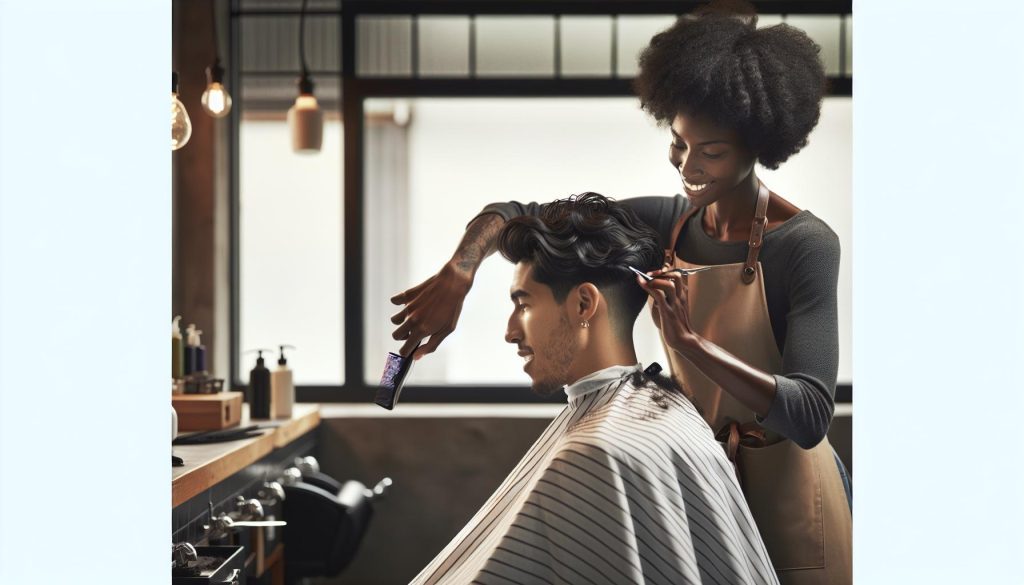
When considering a career in barbering, one of the most pressing questions is, “How much does a barber make a month?” This inquiry is not just about numbers; it’s about understanding the financial viability of a profession that combines artistry with personal service. Barbers play an essential role in enhancing personal styles and boosting confidence, making their earnings crucial for both potential barbers and clients looking for quality services. As we delve into the earnings, we’ll explore various factors influencing monthly income, from location to experience level, shedding light on what aspiring barbers can expect in this ever-evolving industry. Stay with us to discover insights that could shape your career choices and financial goals in the world of grooming.
Factors Influencing a Barber’s Monthly Income
Various elements play a crucial role in determining a barber’s monthly income, making this profession both exciting and challenging. Understanding these factors helps aspiring barbers and experienced professionals alike to navigate their careers effectively.
One of the most significant influences on a barber’s pay is location. Urban areas typically provide more opportunities and a larger client base, resulting in potentially higher earnings compared to rural settings. For instance, a barber working in a trendy metropolitan neighborhood may charge more for services than one in a small town. Additionally, the cost of living in different regions directly impacts pricing strategies and, consequently, income.
Another vital factor is the barber’s level of experience and skill set. Barbers with advanced techniques, specialization in trending styles, or those who invest in ongoing education tend to attract more clients and achieve higher earnings. Building a loyal customer base through exceptional service and personalized experiences also plays a pivotal role in enhancing income.
Moreover, the working environment influences earnings significantly. Barbers employed at high-end salons or well-established barbershops often have the potential for higher salary ranges and tips compared to those at smaller, less recognized venues. Freelancing, although offering flexibility, can come with its own set of challenges regarding income consistency and client acquisition.
Lastly, the culture of tipping within a particular community can significantly impact a barber’s monthly income. Understanding local customs around tipping can help barbers maximize their earnings through excellent customer service and relationship building. Adapting to the expectations and norms of clientele can foster a welcoming atmosphere that encourages repeat visits and generous tips.
By recognizing and leveraging these factors, barbers can strategically navigate their careers to optimize their earnings while providing exceptional grooming experiences that keep clients coming back.
Comparison of Barbershop Employment vs. Freelancing
The choice between working in a barbershop and freelancing can significantly impact a barber’s monthly earnings, shaping both their income potential and day-to-day experience. Barbershop employment typically offers a structured environment with a consistent client flow. Regular hours, built-in customer bases, and established reputations contribute to a level of financial stability that many barbers seek. Employees often earn a base salary or commission from service fees-which can range from 40% to 60% of what customers pay-coupled with tips. This model allows barbers to predict monthly earnings and benefits from shared marketing efforts undertaken by the barbershop.
In contrast, freelancing provides greater flexibility and independence, yet it comes with unique challenges. Freelance barbers can set their own rates and choose their work hours, which can lead to higher earnings if they build a loyal client base that returns for ongoing services. However, the inconsistency in income can be a double-edged sword, as client acquisition relies heavily on personal branding and marketing. Without access to a steady stream of walk-in clients or the reputation of a reputable barbershop, freelancers must cultivate relationships and actively seek referrals, which may require significant time and effort.
Both paths can lead to substantial earnings, but understanding the trade-offs is crucial for barbers weighing their options. In a barbershop, job security and benefits-such as paid vacation or health insurance-may be more accessible compared to the freelance route. Conversely, some barbers thrive in the entrepreneurial spirit that freelancing revives, enjoying the freedom to express their individuality and potentially earn more by offering specialized services tailored to niche markets or trends. Ultimately, the decision between barbershop employment and freelancing will depend on personal preferences, financial goals, and lifestyle aspirations, making it vital for barbers to consider both their immediate and long-term needs as they navigate their careers in grooming excellence.
Understanding Tipping Practices in Barbering
In the vibrant world of barbering, tipping practices can significantly influence a barber’s monthly earnings, serving as both a form of appreciation and a vital source of income. While the baseline earnings from cuts and styles form the foundation of a barber’s paycheck, tips can elevate their compensation to new heights. Tipping usually reflects the quality of service provided and the overall customer experience, making it essential for barbers to understand customer expectations and the nuances of this practice.
The standard tipping rate in salons and barbershops typically ranges from 15% to 20% of the service cost. However, factors like the complexity of the haircut, the reputation of the barber, and local customs can sway this percentage. For instance, in upscale or high-demand barbershops where specialized services are offered, clients might tip at higher rates due to the perceived value. Additionally, establishing a rapport with clients can lead to increased tips; a friendly, engaging barber who remembers returning customers’ preferences tends to be rewarded with higher gratuities.
Barbers can enhance their earning potential through proactive customer engagement. Building genuine relationships and providing personalized services not only foster customer loyalty but also encourage generous tipping. Barbers should also aim to educate their clients about proper aftercare for their cuts, suggesting products or styles that complement their features. This not only showcases expertise but also reinforces the value clients receive, often translating into enhanced gratuity.
Moreover, understanding cultural norms around tipping in specific communities can enhance a barber’s ability to cater to diverse clientele. In areas where tipping is customary, barbers can feel more secure knowing that exceptional service services are recognized. Conversely, in regions where tipping is less common, barbers may need to focus on establishing a different method of value exchange, such as offering loyalty discounts or promoting package deals for multiple haircuts. Overall, happy customers are more likely to tip well, making exceptional service a priority in boosting monthly earnings in the barbering business.
Barbering Specializations That Boost Income Potential
In the competitive landscape of barbering, specializing in certain services can significantly enhance earning potential. Barbers who cultivate niche skills and offer unique services not only broaden their client base but also command higher prices for their expertise. One exciting trend in the industry is the rise of specialty cuts and treatments that appeal to specific demographics or style preferences, setting successful barbers apart from their peers.
Popular Specializations
Barbers can amplify their earnings by focusing on areas that are in high demand, such as:
- Beard Grooming: As facial hair trends evolve, barbers who master the art of beard sculpting, trimming, and care can attract clients willing to pay a premium for specialized services.
- Hair Design: Intricate artistic hairstyles that require advanced cutting techniques and creativity are increasingly popular. Barbers who excel in designs, shaved patterns, and fades can differentiate themselves.
- Men’s Hair Color: With an increasing number of men embracing hair color for style or covering greys, mastering coloring techniques adds a lucrative avenue to traditional cutting skills.
- Children’s Cuts: Specializing in styles that appeal to young clients can develop a loyal customer base within families, often resulting in repeat business and referrals.
- Special Event Styling: Providing services for weddings, proms, and other events, including grooming and styling packages, can yield premium pricing for barbers.
Certification and Training
Furthering education and gaining certifications in specific techniques, such as hair coloring or advanced cutting methods, can set barbers apart in a saturated market. Clients are often willing to pay more for expertise backed by formal training and demonstrated skill. Participating in workshops and pursuing ongoing education keeps barbers informed about the latest trends and techniques, ultimately enhancing their service offerings and income potential.
By diversifying skills and embracing specialized services, barbers can not only increase their monthly earnings but also enhance their job satisfaction through creative expression and customization. This adaptability not only meets the evolving needs of clients but also positions barbers as leaders in a dynamic industry.
Cost of Setting Up a Barbershop Business
Setting up a barbershop can be an exciting endeavor, but it comes with a complex range of costs that potential owners must navigate to ensure profitability from the outset. Understanding these expenses is crucial for anyone looking to establish themselves in this bustling industry, as they directly impact monthly earnings and long-term success. The initial investment can vary widely based on location, size, and scope of services offered, but careful planning can set you on the right path.
One of the most significant costs is the lease or purchase of a suitable location. Rent in high-traffic areas can be costly, potentially ranging from $1,500 to $10,000 monthly, depending on the city’s demand and location quality. Following real estate, renovations and interior design are also substantial expenditures. Creating an inviting atmosphere that reflects the brand and engages clients involves furniture, decor, and renovations, which could total anywhere from $5,000 to $40,000.
Additionally, barbers will need to invest in essential equipment and supplies. High-quality barber chairs, mirrors, styling tools, and products can add up quickly. Here’s a rough breakdown of those costs:
- Barber Chairs: $1,000 – $2,500 each
- Hair Styling Tools: $300 – $1,000 (clippers, scissors, combs)
- Shampoo Stations: $1,000 – $3,000 each
- Product Inventory: $500 – $3,000 initially (shampoos, conditioners, styling products)
Utilities, insurance, and licensing fees also contribute to ongoing monthly expenses. Utilities such as water, electricity, and internet can collectively run between $500 and $1,200 per month. Barber insurance is essential for protecting your business and can cost between $200 to $600 per year, while local licenses and permits can add an initial fee of $500 to $2,000.
Finally, marketing and branding efforts should not be overlooked. An initial marketing budget of $500 to $3,000 can help promote your new venture, creating brand awareness and attracting clients right from the get-go.
In summary, understanding these initial and ongoing costs equips aspiring barbershop owners to create a realistic financial plan. Balancing these expenses against expected income is crucial for driving success. By keeping these elements in check, barbers can focus on what they do best-crafting stylish cuts and building lasting relationships with clients.
Essential Tools and Products That Affect Earnings
In the barbering industry, investing in the right tools and products is not just a matter of personal preference; it significantly influences your earning potential. High-quality equipment can enhance the efficiency and quality of your services, which in turn can lead to greater client satisfaction and retention. For instance, a premium set of clippers can streamline your haircutting process, allowing you to serve more clients within the same timeframe, ultimately increasing your monthly earnings.
Essential Tools for Every Barber:
- Hair Clippers: A top-tier clipper can cost between $100 to $300, and it is crucial for delivering precise cuts. Brands like Wahl and Andis are popular choices among professionals.
- Shears: Investing $200-$500 in high-quality shears will provide you with the ability to execute various cutting techniques effectively, allowing for more creative styles.
- Barbering Tools Kit: A complete kit including combs, brushes, and razors will typically range from $100 to $300. Having the right tools at your fingertips ensures you’re always prepared for client needs.
- Salon Chairs: Comfortable and ergonomic chairs not only improve the client experience but can also range from $1,000 to $2,500, impacting the overall atmosphere of your shop.
Beyond tools, the products you use-like shampoos, conditioners, and styling products-play a crucial role in your service offerings. Curating a selection of high-quality products can encourage upselling, which can boost your income. For example, recommending a specialized hair product to a client can add $20 to their bill, and with multiple clients per day, this can quickly pile up to a significant amount over the month. Investing around $500 to $3,000 in a diverse product inventory can differentiate your services and enhance client satisfaction.
Ultimately, being intentional about your tool and product choices not only elevates the quality of service you provide but also directly impacts your earnings. By creating an efficient, high-quality grooming experience, you position yourself to attract and retain a loyal clientele, paving the way for increased monthly income.
The Impact of Experience on Barber Salary
Gaining experience in the barbering industry directly influences one’s earning potential, creating a clear correlation between skills acquired over time and income level. As barbers enhance their technique and knowledge, they often attract more clientele, achieve a higher reputation, and can command better prices for their services. In fact, seasoned barbers can earn substantially more than those just starting, with reports suggesting that barbers with five or more years of experience can earn 20-30% more than newcomers.
Veteran barbers typically maintain a loyal clientele, built on trust and familiarity, which often results in a greater frequency of booked appointments. Experienced barbers are not only faster but also more adept at executing complex styles and services. This efficiency allows them to serve more clients throughout the day, thereby increasing their overall monthly revenue. Specialized techniques, such as advanced fades or beard grooming, are often more in demand and can significantly boost a barber’s income. Establishing a reputation for excellence and expertise can lead to increased referrals and higher tips, further enhancing earnings.
Moreover, experience opens doors to new opportunities beyond traditional cuts. Many seasoned barbers choose to train newcomers, take on managerial roles, or start their own shops, each of which presents potential for increased income. Setting up a barbershop allows experienced barbers to capitalize on their knowledge and expertise, providing them with a steady stream of revenue through not only hair services but retail as well. The learning cycle doesn’t stop once one becomes a barber; continuous education and skill development through workshops or specialized courses can further enhance a barber’s earning capacity.
Investing in ongoing training equips barbers to adapt to the latest trends and techniques, ensuring they remain competitive in an evolving industry. As a result, focusing on personal growth not only enriches a barber’s skill set but also positively impacts financial success. In summary, the journey from novice to experienced barber is not merely about learning to cut hair; it’s about cultivating a business mindset that prioritizes excellence and client satisfaction, leading to substantial financial rewards over time.
Career Advancement Opportunities for Barbers
Advancing in the barbering profession opens a wealth of opportunities that can significantly boost monthly earnings and career satisfaction. From honing specialized skills to transitioning into leadership roles, the path to career advancement is multifaceted and rewarding. A little-known fact is that specialized services can drastically influence a barber’s income; for instance, mastering techniques like straight razor shaves or intricate beard sculpting allows barbers to charge premium rates and attract a discerning clientele.
Establishing yourself as an expert in niche areas of barbering not only enhances your skill set but also elevates your reputation in the industry. Many successful barbers invest time in continuous education, attending workshops and seminars to stay abreast of the latest trends and techniques. This commitment can lead to new clients seeking out specific skills and ultimately result in increased earnings. Moreover, barbers who focus on building a strong personal brand through social media or local advertising often see a marked increase in their clientele, providing a direct correlation between marketing efforts and income growth.
Leadership roles within a salon or barbershop setting also present a significant avenue for advancement. By taking on positions such as shop manager or owner, seasoned barbers gain not just a higher income through profit sharing but also the autonomy to shape the business environment and client experience. Establishing a barbershop allows them to directly influence pricing structures, service offerings, and client engagement strategies, all of which contribute to enhanced financial rewards. For those interested in teaching, mentoring apprentices can provide additional income while also solidifying one’s status as an industry expert.
Ultimately, the key to maximizing earnings in the barbering profession involves a proactive approach to professional development, market positioning, and business acumen. By investing in oneself and seizing opportunities to diversify services and leadership roles, barbers can transform their careers and secure a lucrative income that reflects their skills and dedication to the craft.
State-Wise Breakdown of Barber Salaries
Barber salaries can vary significantly across different states in the U.S., influenced by various factors such as cost of living, demand for services, and regional trends in grooming preferences. Understanding these differences is crucial for both aspiring barbers and seasoned professionals looking to maximize their potential earnings. For instance, states with a higher cost of living, like California and New York, often see barbers earning more to compensate for expenses, while states with lower living costs tend to have lower average salaries.
Here’s a closer look at the average monthly earnings of barbers across a selection of states:
| State | Average Monthly Salary |
|---|---|
| California | $4,500 |
| New York | $4,200 |
| Texas | $3,800 |
| Florida | $3,600 |
| Ohio | $3,200 |
| Georgia | $3,500 |
While barbers in bustling urban centers may command higher rates due to increased clientele, those in smaller towns or rural areas can still achieve substantial earnings by building strong local networks and offering personalized services.
Factors such as specialization in services-like beard grooming, haircuts, and shaves-also play a role. Barbers who focus on high-demand areas, such as intricate hairstyles or vintage grooming techniques, can charge premium prices and increase their monthly income. Moreover, taking advantage of local trends, such as the rise in popularity of barbershops that offer a full grooming experience, can help elevate earnings.
Finally, barbers should consider the benefits of continuing education and professional development. Engaging in workshops or training can provide insights into advanced techniques or client management strategies, further enhancing earning potential. Build a reputation for excellence, and you’ll see a direct correlation between your skills, your brand, and your bottom line.
Tips for Maximizing Earnings as a Barber
Maximizing earnings as a barber goes beyond just offering haircuts; it involves strategic planning, skill enhancement, and effective marketing. A standout barber not only hones their craft but also positions themselves as a go-to expert in their community. One actionable approach is to specialize in high-demand services such as beard grooming, intricate hairstyles, or trendy haircuts that resonate with current styles. Clients are often willing to pay a premium for expertise in niche areas, making specialization a key tool in boosting monthly income.
Building a loyal clientele is another essential component. Establishing strong relationships with clients fosters a loyal customer base that returns for regular appointments. Implementing a referral program can also incentivize existing clients to bring in new customers, effectively expanding your network. Moreover, don’t underestimate the power of social media-showcasing your work through platforms like Instagram can attract new clients and showcase your abilities, helping you to stand out in a crowded market.
Continuing education is vital for staying ahead in the barbering business. Attending workshops or obtaining certifications can enhance your skill set, allowing you to offer the latest trends and techniques. For instance, learning advanced styling techniques or developing expertise in hair coloring can create additional revenue streams. By presenting yourself as a knowledgeable barber, you will not only attract more customers but also justify higher pricing for your services.
Lastly, evaluating your pricing strategy can be pivotal. Regularly assess your rates in comparison to others in the area and adjust accordingly. Offering packaged deals for services can encourage clients to opt for more than one service at a time, ultimately increasing your earnings per visit. Adapting to seasonal trends-like holiday grooming specials or promotions during wedding season-can also drive business during slower months, ensuring a steady income year-round. By integrating these strategies, barbers can significantly enhance their financial success and create a thriving business.
Future Trends in the Barbering Industry and Income Potential
The barbering industry is evolving rapidly, and staying ahead of the curve is essential for maximizing income potential. As grooming becomes increasingly seen as a form of personal expression, barbers can expect to see trends that not only enhance their skill sets but also increase their earnings. One of the most significant shifts is the growing demand for specialized services. Barbers who focus on niche offerings, such as ethnic hair care, luxury grooming experiences, or eco-friendly products, can attract clientele willing to pay a premium for expertise in these specific areas.
In addition, technology is playing an ever-stronger role in the barbering business. Online booking systems and digital marketing strategies, such as social media advertising and customer engagement through platforms like Instagram and TikTok, provide barbers with the tools to reach new clients effectively. This digital shift facilitates the creation of a personal brand and allows barbers to showcase their work, trends they are following, and unique selling points. Barbers who effectively leverage these platforms will likely see a substantial increase in their monthly earnings.
Moreover, the rise of mobile barbering services presents an exciting opportunity for those willing to adapt. Offering in-home barbering or pop-up barbershop experiences can attract clients looking for convenience and a personal touch. This trend shifts income potential from standard shop hours to a more flexible, client-centered approach, allowing barbers to schedule appointments that suit their availability and potentially charge more for personalized services.
As the industry grows, continued education will remain a pivotal trend. Barbers who pursue ongoing training in advanced techniques, business management, and customer service will not only refine their skills but also increase their worth in the marketplace. This dedication to growth can translate directly into higher income, as well-trained barbers can justify higher price points for their services. Embracing these future trends can lead to a rewarding and lucrative career within the barbering industry.
FAQ
Q: How much does a barber make per month?
A: On average, barbers earn around $3,464 monthly, based on an annual salary of approximately $41,570 as reported in 2023. This amount can vary significantly based on factors such as location, experience, and clientele.
Q: What factors affect a barber’s monthly earnings?
A: A barber’s monthly earnings are influenced by several factors, including geographical location, years of experience, type of employment (freelance vs. employed), and the volume of clients they serve. Enhancing skills and building a loyal client base can also increase income.
Q: Do barbers earn more in barbershops or as freelancers?
A: Freelancing can lead to higher monthly earnings for barbers due to the ability to set personal rates and build a diverse client base. However, working in a barbershop provides steady income and access to a built-in clientele, which can be beneficial for new barbers.
Q: How do tips impact a barber’s monthly income?
A: Tips significantly enhance a barber’s monthly income, often ranging from 15% to 20% of service costs. Regular clients can contribute even more through consistent tipping, ultimately helping barbers achieve a higher overall monthly salary.
Q: What are the highest-paying barber specialties?
A: Barbering specializations, such as fades, color treatments, and beard grooming, can substantially increase monthly earnings. Additionally, those who offer advanced services or operate in high-demand locations often earn above-average incomes.
Q: How does experience affect a barber’s monthly salary?
A: Experience plays a crucial role in determining a barber’s monthly salary. Entry-level barbers may start at lower wages, while seasoned professionals with established clientele can earn significantly more, reflecting their expertise and reputation.
Q: What are the best states for barbers in terms of monthly earnings?
A: States like New York and California typically offer some of the highest monthly earnings for barbers due to the cost of living and demand for grooming services. Researching state-wise salary breakdowns can help in identifying optimal locations for work.
Q: How can barbers maximize their monthly income?
A: Barbers can maximize their monthly income by offering a range of services, enhancing their skills through ongoing education, marketing their services effectively, and fostering strong client relationships that encourage repeat business and referrals.
In Summary
As you can see, understanding how much a barber makes each month is not just about numbers; it reflects the rewarding career potential in the grooming industry. With the right skills and dedication, you could elevate your earnings and find fulfillment in a profession that thrives on creativity and personal connection. If you have further questions or seek to dive deeper into techniques for boosting your income, explore our guide on maximizing barbering skills or learn about effective business operations in the grooming field.
Don’t miss out on insights that can enhance your journey-subscribe to our newsletter for tips and expert advice right to your inbox. Join our community, share your thoughts in the comments below, and consider diving into related topics, such as product reviews for the best barbering tools or makeup tutorials that can complement your grooming services. Take the first step today to master your craft and grow your success in this vibrant industry!