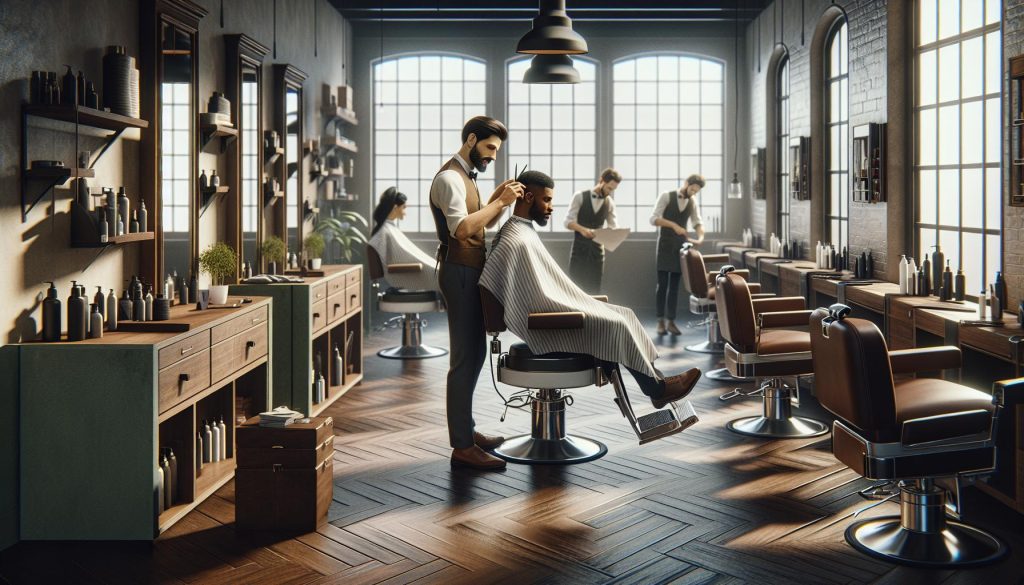
Opening a barber shop can be a rewarding venture, marrying passion for grooming with the thrill of entrepreneurship. However, aspiring barbers often find themselves asking, “How much does it really cost to start my own shop?” From securing the right location to investing in quality tools and establishing a brand, understanding the financial landscape is crucial. This guide not only breaks down the expected startup costs but also highlights the benefits of creating a successful space where clients can feel valued and stylish. As you navigate this exciting journey, you’ll discover how to translate your love for barbering into a thriving business, empowering you to make informed decisions and achieve your dream. Whether you’re a seasoned stylist or new to the industry, the insights provided here will prepare you for the road ahead, sparking your curiosity toward building a barbershop that stands out in today’s competitive market.
Understanding the Initial Investment for a Barber Shop
Opening a barber shop can be a rewarding venture, blending artistry with entrepreneurship. However, before you can begin shaping styles and cultivating customer relationships, it’s essential to grasp the financial landscape associated with this enterprise. The initial investment can vary widely based on location, size, and the level of service you plan to offer, so understanding these costs can set you on the right path.
First and foremost, consider the cost of essential equipment and supplies. This typically includes barber chairs, styling stations, clippers, scissors, and various grooming products, which can start from several thousand dollars and go upwards depending on the quality and brand you choose. For example, a quality barber chair alone can range from $300 to over $1,000. A well-stocked inventory of products such as shampoos, hair gels, and aftershaves will also add to the upfront costs.
Alongside equipment, licensing and permitting fees are crucial to consider. These regulatory requirements can vary significantly by region, with some cities imposing stringent health and safety regulations. Typically, you might expect to spend anywhere from $100 to $1,500 on licenses and permits, depending on local laws.
Choosing the right location is another critical factor that can greatly influence your initial investment. Prime locations in high-traffic areas may come with higher rent but can lead to greater visibility and customer flow, ultimately creating a higher return on investment.
Finally, effective marketing strategies need a budget too. Allocate funds for branding, online presence, and promotional materials. In today’s digital age, a strong online footprint can significantly enhance customer acquisition efforts.
By comprehensively understanding these elements, aspiring barbershop owners can better prepare for the financial commitment involved in opening their doors, setting the stage for business success.
Essential Equipment and Supplies Costs
Opening a barber shop is not just about scissors and clippers; it’s about investing in the right tools that will enhance your artistry and provide an exceptional experience for clients. The essential equipment and supplies form the backbone of your business, and understanding the costs involved is crucial for starting on the right foot. Typically, the startup expenses for these items can range from several thousand dollars to over ten thousand, depending on the quality and brand of the products you choose.
Core Equipment Costs
To bring your vision to life, you will need a variety of key pieces of equipment, including:
- Barber Chairs: Essential for client comfort, prices can vary from $300 to over $1,000 per chair. Investing in durable, adjustable chairs can pay off in the long run.
- Styling Stations: These are where the magic happens. Expect to spend around $200 to $500 for a quality station, considering storage and workspace needs.
- Clippers and Trimmers: Quality clippers range from $50 to $300. Professional-grade tools offer precision and durability, essential for varied cutting styles.
- Scissors and Shears: Good shears can cost between $100 and $500. Consider having various sizes for different cutting techniques.
Supplies and Products
Your inventory of grooming products is just as important. A well-stocked supply of items like shampoos, conditioners, styling gels, and aftershaves is crucial for a comprehensive service. Typically, this initial investment can be between $500 to $2,000. Consider focusing on high-quality, branded products that resonate with your target clientele-this not only enhances the service but can become an additional revenue stream when you retail these products.
Additional Considerations
Apart from the initial purchase of tools and products, consider the costs of maintaining and replacing equipment. Regular maintenance can prevent costly repairs, while a diverse range of tools allows you to cater to all clientele, from classic cuts to contemporary styles. Investing wisely in both quality and quantity from the start can lead to better client satisfaction and loyalty, enhancing your shop’s reputation in the community.
With the right foundation, your barber shop can flourish, providing exceptional service with every haircut, shave, and trim. Being knowledgeable about these initial costs allows you to plan better and ultimately set a standard of excellence for your business.
Licensing and Permitting Fees Explained
Navigating the maze of licensing and permitting requirements is a crucial step in establishing your barber shop. Each state and local municipality has unique regulations that determine what is necessary to legally operate your business. Failure to comply can lead to costly fines or even the closure of your shop before it has the chance to flourish. To ensure you’re well-prepared, here’s an overview of the typical fees and steps involved in obtaining the necessary licenses.
First and foremost, you will most likely need a barbershop license. This generally involves submitting an application to your state’s cosmetology board or relevant authority, along with a fee that can range from $100 to $300. This license confirms that you meet specific health and safety standards and are qualified to provide barber services. Additionally, consider the costs associated with any required inspections, which can vary widely but generally fall between $50 and $150.
Next, you should investigate zoning and business permits. Depending on your location, you may need to obtain a general business license or a specific barbering permit from your city or county. These local business licenses can amount to another $100 to $300. Furthermore, if you plan to serve alcohol (think beer or cocktails during grooming), you’ll need a liquor license, which can be significantly more costly and cumbersome to obtain due to various regulations.
Finally, it’s important to think about liability insurance. While not a license per se, having adequate insurance is critical in protecting your business from potential claims. Insurance costs can vary based on coverage levels and the specific risks associated with your operations, but budgeting around $500 to $1,500 annually is a typical range for small barbershops.
In summary, while the licensing and permitting fees may seem cumbersome, they are critical investments in the legitimacy and success of your barber shop. Taking the time to research and budget for these requirements not only helps you avoid legal pitfalls but also positions your business for long-term growth and stability. Understanding these costs is a foundational step towards creating a thriving space where patrons can enjoy exceptional grooming services.
Location Selection: Finding the Right Space
Selecting the ideal location for your barber shop is one of the most pivotal decisions you’ll face. A well-chosen space not only attracts clients but also enhances your brand’s visibility and reputation. Consider that 50% of your success can stem from location, which underscores the need for strategic thinking. Look for areas with high foot traffic, such as busy streets, shopping districts, or near local businesses where potential customers frequently visit. Additionally, being situated near complementary businesses like gyms or men’s boutiques can drive traffic and encourage collaborations.
When evaluating potential spaces, assess the demographics of the area. Understanding your target clientele-whether they’re young professionals, families, or older men-can significantly influence your design and service offerings. A location that resonates with your audience will foster a welcoming atmosphere, making customers more inclined to return. Consider visibility and accessibility; is the space easy to find? Are parking options available? These factors can drastically affect your ability to draw in clientele.
Furthermore, analyze the competition. While having competitors nearby might seem daunting, it can often be beneficial. A concentration of similar businesses can signal a healthy demand for barber services. However, ensure you differentiate your offerings-perhaps through unique services, personalized experiences, or exceptional customer service-which will give you a competitive edge.
Lease Terms and Costs
As you explore locations, pay careful attention to the lease terms. Understanding the cost implications, including base rent, maintenance fees, and potential renegotiation clauses, will save you from unforeseen financial pitfalls. It’s wise to engage with a real estate professional familiar with commercial leases to navigate this aspect effectively.
In summary, finding the right space is about more than just aesthetics; it involves strategic planning and a thorough understanding of your market environment. By taking the time to choose wisely, you’re investing in the future success and growth potential of your barber shop.
Marketing Strategies for Your New Barber Shop
Captivating potential clients starts with a marketing strategy that’s as sharp as your best haircut. Building an engaging brand presence is essential in a competitive landscape, where attracting and retaining customers can be the difference between success and stagnation. Here are some effective strategies to help your new barber shop stand out and thrive in the market.
Utilize Social Media Effectively
Social media platforms such as Instagram and Facebook are powerful tools for visual branding and client engagement. Showcase your unique styles, before-and-after transformations, and the welcoming atmosphere of your shop through high-quality images and videos. Create engaging content that resonates with your audience by sharing grooming tips, product recommendations, and behind-the-scenes glimpses of your barbers at work. Consider running targeted ads to reach specific demographics in your area, driving more foot traffic to your shop.
Implement Loyalty Programs
Rewarding your clients with loyalty programs can encourage repeat visits and foster community goodwill. Consider offering discounts or free services after a certain number of appointments, or exclusive promotions on their birthday or other special occasions. These incentives not only enhance customer satisfaction but also serve as effective marketing tools, as satisfied clients are more likely to refer friends and family.
Create Community Partnerships
Collaborating with local businesses can amplify your marketing reach. Partner with nearby gyms, cafes, or clothing stores to offer cross-promotions, such as referral discounts or special event collaborations. For example, hosting a grooming workshop or a charity event with partner businesses will attract new clients and enhance your shop’s visibility within the community.
Invest in Professional Signage
First impressions matter, and eye-catching signage is critical for attracting foot traffic. A well-designed sign not only helps to enhance your brand identity but also signals professionalism and quality. Make sure your shop is easily identifiable with clear, attractive signage that reflects the personality of your brand, setting the tone before customers even walk through the door.
Incorporating these marketing strategies will not only elevate your barber shop’s profile but also create a loyal client base that values both the service and the experience you provide. Adapt these tactics to reflect the unique vision of your shop, and watch as your customer base grows and thrives.
Hiring and Training Skilled Barbers
Finding the right talent for your barber shop is crucial; skilled barbers not only enhance your service offerings but also significantly contribute to client retention and satisfaction. The process of hiring and training barbers should be approached strategically to ensure that you build a team that shares your vision and commitment to excellence. Start by outlining a comprehensive job description that highlights the skills and experiences you seek, such as proficiency in various hair cutting techniques, customer service capabilities, and a positive attitude.
When it comes to recruitment, tap into multiple channels. Utilize social media platforms such as Instagram and Facebook, which are popular among younger barbers, and consider collaborating with barber schools to find fresh talent. Networking at industry events can also yield connections to experienced barbers looking for new opportunities. It’s essential to assess candidates not just on their technical skills but also on their personality, as a barber’s ability to connect with clients can make a significant difference in customer loyalty.
Once you have brought skilled barbers onto your team, an effective training program will ensure they are well-versed in your shop’s standards and procedures. This could involve mentorship from seasoned barbers, hands-on training sessions, and workshops on the latest trends and techniques in grooming. Additionally, fostering a culture of continuous education will keep your team engaged and up-to-date with industry developments. Encourage barbers to hone their craft further by attending hair shows or enrolling in advanced training programs.
Implement regular feedback loops within your team to facilitate personal and professional growth. Use one-on-one meetings to discuss performance, encourage barbers to share their ideas on improving service, and address any challenges they may face. This supportive environment not only boosts morale but also empowers your staff to contribute meaningfully to the shop’s success, ultimately setting the stage for a thriving barber business that stands out in today’s competitive landscape.
Budgeting for Ongoing Operating Costs
Budgeting effectively for ongoing operating costs is essential for ensuring the long-term viability of your barber shop. Understanding and anticipating these recurring expenses will allow you to maintain a healthy cash flow while providing quality services to your clients. From rent to supplies and salaries, being financially prepared is key to navigating the dynamic beauty industry.
To start, you’ll need to consider fixed costs, which are expenses that remain relatively constant, such as rent, utilities, and insurance. Typically, rent will be one of your most significant expenses, so carefully selecting a strategic location that balances visibility, accessibility, and affordability is crucial. Below are typical ongoing operational costs you should include in your budget:
- Rent and Utilities: Depending on the location, monthly rent can range significantly. Utilities such as electricity, water, and internet add to these costs.
- Product and Supply Costs: Regularly stocking products such as shampoos, conditioners, and styling products is essential. Create relationships with suppliers to negotiate bulk pricing and ensure consistency in quality.
- Employee Salaries and Commissions: If you hire barbers and support staff, you need to budget for their salaries or commission-based pay, which can vary depending on performance and clientele.
- Marketing and Advertising: Regular investments in online marketing, community engagement, and promotional events are necessary to attract and retain clients.
- Maintenance and Equipment Upkeep: Routine equipment maintenance ensures a high level of service. Allocate funds for repairs and potential replacements of tools and furniture.
- Licensing and Subscription Fees: Ongoing costs related to licenses and software for booking appointments or managing payroll should be factored into your monthly budget.
To illustrate, a typical monthly budget for a barber shop might look like this:
| Expense Category | Estimated Monthly Cost |
|---|---|
| Rent | $1,500 |
| Utilities | $300 |
| Product Supplies | $400 |
| Employee Salaries | $3,000 |
| Marketing | $200 |
| Maintenance | $150 |
| Licensing/Subscriptions | $100 |
The total estimated monthly operating costs would amount to approximately $5,700. Although the specific costs may vary based on location, size, and service offerings, creating a detailed operating budget supports informed decision-making and helps identify potential areas for cost-saving and efficiency improvement. Regularly reviewing and adjusting your budget will also allow you to adapt to fluctuations in business, ensuring sustained success in your barbering venture.
Maximizing Profit Margins in Your Barber Shop
To thrive in the competitive barbering industry, maximizing profit margins is crucial for the sustainability and growth of your business. Understanding the intricacies of your expenses and your pricing strategy will not only boost your bottom line but also enhance customer satisfaction, leading to repeat business and referrals. Implementing effective cost-control measures and attracting a loyal client base are key components in achieving greater profitability.
One effective approach is to analyze your pricing strategy. Conduct market research to assess what similar establishments are charging for comparable services in your area. Aligning your pricing not only with quality but also with the expectations of your target market ensures that you stay competitive. Consider offering tiered pricing for different services, allowing clients to choose based on their budget and desired experience. For example, premium packages that include additional services such as scalp massages or grooming consultations could justify higher price points while providing an exceptional client experience.
Engaging in strategic marketing can also boost your client intake, which directly affects profitability. Leverage social media platforms to showcase your barbers’ skills and your shop’s unique offerings. Promotional campaigns such as referral discounts for current clients or bundle deals can attract new customers while rewarding loyal ones. Regularly updating your online presence with before-and-after images or client testimonials creates trust and communicates the quality of your services to potential customers.
Furthermore, investing in high-quality tools and products is essential. While the initial expenditure may seem high, quality equipment can lead to better service outcomes and greater client satisfaction, reducing the likelihood of poor reviews and refunds. Additionally, sourcing supplies in bulk can yield discounts, allowing you to control product costs more effectively. Consider your connections with suppliers for negotiating better deals. Establishing loyal partnerships with trusted brands can also enhance your shop’s reputation.
Lastly, consider diversifying your services to maximize revenue potential. Alongside traditional haircuts, you might offer beard grooming, hair coloring, or even retailing hair care products. Creating an engaging, stylish atmosphere can turn your shop into a lifestyle destination, encouraging customers to spend more during their visits. By focusing on excellent customer service, innovative marketing, and strategic financial management, you can significantly enhance your profit margins and ensure the long-term success of your barber shop.
Common Financial Challenges and Solutions
Financial challenges are an unavoidable reality when opening a barber shop, yet understanding how to navigate these hurdles can set you on the path to success. One primary challenge many entrepreneurs face is the initial startup costs. Beyond equipment and supplies, hidden expenses such as renovations, furniture, and initial inventory can quickly accrue. To mitigate this, it’s vital to create a comprehensive budget that outlines all expected costs, allowing for a buffer to account for unexpected expenditures.
Another significant hurdle is maintaining consistent cash flow, especially in the early months when establishing your clientele. Revenue may be lower than expected while fixed costs-rent, utilities, and salaries-persist. To combat this, consider implementing a robust marketing strategy before your shop opens. Utilizing social media platforms to tease your services and attract potential clients can create initial buzz. Additionally, offering introductory discounts or loyalty programs can encourage customer retention and stimulate repeat business from day one.
Moreover, the nature of the barbering industry requires ongoing investment in training and skill development. As trends evolve, so should your skillset and those of your barbers. Allocate funds for continuous education in the form of workshops and seminars. Emphasizing the importance of staying current with styles and techniques can not only enhance service quality but also improve customer satisfaction and loyalty.
Finally, navigating compliance with evolving health and safety regulations can be daunting. From sanitation standards to employee certifications, ensuring your barber shop adheres to regulations demands both time and cost. Streamlining administrative processes or hiring expert consultants can help in maintaining compliance, ultimately saving you significant costs related to potential penalties or re-inspections.
By recognizing these financial challenges and implementing strategic solutions, aspiring barber shop owners can create a robust framework for sustainability and growth.
Exploring Financing Options for Startups
When embarking on the journey to open a barber shop, understanding and exploring various financing options can be the lifeline that ensures your business not only starts but thrives. Many aspirants overlook the breadth of resources available, settling for personal savings or loans from friends and family. However, a wealth of options exists beyond these traditional routes, allowing you to make informed decisions that align with your financial capabilities and business goals.
Start with small business loans, which are typically offered by banks and credit unions specifically for entrepreneurs. These loans come with competitive interest rates and longer repayment terms, making them an attractive option for funding your startup costs, such as equipment and initial inventory. Another viable option is a line of credit, which provides flexibility to draw funds as needed. This can be particularly useful for managing cash flow during the initial months when income may be uncertain.
Additionally, consider seeking out grants from local small business associations or programs aimed at supporting minority-owned businesses. Grants provide funds that don’t need to be repaid, allowing you to invest in high-quality equipment or marketing initiatives without the pressure of debt. Crowdfunding platforms also offer unique avenues for financing. By showcasing your business concept on platforms like Kickstarter or GoFundMe, you can raise funds from your community and potential clients who believe in your vision.
Lastly, forming partnerships with other professionals in the beauty industry can lead to investment opportunities. By aligning your barber shop with complementary businesses, such as hair product lines or salons, you can leverage shared resources and financial support, creating a mutually beneficial growth environment. This collaborative approach enhances community ties while spreading the financial burden, ensuring your barber shop not only launches successfully but also lays the groundwork for a flourishing career in grooming excellence.
Business Registration and Insurance Considerations
Before opening a barber shop, understanding the nuances of business registration and insurance is crucial. This foundational step not only legitimizes your venture but also provides a safety net in case of unforeseen incidents. In many states, barber shops must be registered and comply with local, state, and federal regulations, which can involve securing a business license, an Employer Identification Number (EIN), and possibly a sales tax permit if you’re selling products.
With business registration, the type of business structure you choose-be it a sole proprietorship, partnership, LLC, or corporation-can impact everything from taxes to personal liability. For instance, an LLC can provide you with limited liability, protecting your personal assets in the event of a lawsuit. Once you have the legal structure in place, don’t overlook the importance of insurance. Having general liability insurance can protect you from claims related to accidents or injuries that might occur in your shop, while professional liability insurance offers coverage against claims of negligence resulting from the professional services you provide.
Including workers’ compensation insurance is also vital if you plan to hire barbers or other staff. This safeguards against potential workplace injuries and is often a requirement for employing others. Taking the necessary steps to legally operate and protect yourself and your business lays a strong groundwork, creating not just a successful barber shop but also a reputation that instills trust within your community. This commitment to professionalism resonates well with clients who are increasingly looking for reputable establishments that prioritize both style and safety.
Growth Potential: Expanding Your Barber Shop Business
The barbering industry continues to flourish, presenting exciting growth potential for shop owners who are eager to expand beyond their initial setup. The key to expansion lies in adaptability and strategic planning, allowing you to capitalize on your successes while navigating challenges that the market may present. As inquiries rise for personalized grooming experiences, leveraging your unique identity can make your barber shop a destination for clients seeking style, sophistication, and community connection.
Franchising or Multi-Location Operations
One of the most promising avenues for growth is the establishment of additional locations or even franchising your brand. This method not only amplifies your reach but also transforms your brand into a recognizable name in the community. Consider conducting thorough market research to identify suitable neighborhoods for new outlets. Your established reputation can be a compelling selling point for franchise opportunities with potential investors who wish to replicate your success.
Diversifying Services
Additionally, diversifying the services you offer can significantly enhance your revenue streams. Introduce services such as skin care treatments, additional grooming services, or retailing premium products like quality hair care lines or grooming tools. Collaborating with local artisans or brands can also foster community ties and draw in new customers intrigued by unique offerings. This access to varied demographics not only increases customer satisfaction but also boosts your overall brand image.
Utilizing Digital Platforms
In today’s digital age, optimizing your online presence is not just beneficial; it’s essential. Utilize social media channels and a well-designed website to promote services, share customer testimonials, or highlight staff expertise. Implement an online booking system to enhance customer experience and streamline operations, thus freeing up more time to focus on personalized services. Engaging your clientele with informative content, such as grooming tips or style guides, establishes your authority within the industry while fostering an interactive community.
Investment in Staff Development
To ensure sustainable growth, investing in the ongoing training and development of your barbers is vital. By equipping your team with the latest trends and techniques, you not only enhance service quality but also build a loyal client base that trusts your expertise. Encourage barbers to participate in industry events, competitions, and educational programs to keep them motivated and skillful. Such investment positions your shop at the forefront of the grooming landscape, capable of adapting to ever-changing consumer preferences.
Ultimately, effective growth strategies hinge on a mix of operational excellence, community engagement, and innovative marketing. Each step taken towards expansion should resonate with your brand’s core values while responding to the needs of your clientele. By embracing a forward-thinking mindset, your barber shop can evolve into a thriving hub that continues to attract and retain a diverse range of customers while setting trends in the grooming industry.
Q&A
Q: What are the ongoing costs associated with running a barber shop?
A: Ongoing costs for a barber shop typically include rent, utilities, staff salaries, insurance, supplies, and marketing. Budgeting for these expenses is crucial for sustainability. Detailed financial planning ensures you cover all monthly obligations without affecting service quality.
Q: How do I estimate the startup budget for my barber shop?
A: To estimate your startup budget, list initial costs such as equipment, supplies, licenses, and location expenses. Research local market rates and consult with other barber shop owners. This will give you a realistic view of the financial commitment required before opening.
Q: What type of licensing is required to open a barber shop?
A: Opening a barber shop requires specific licenses, which can include a barber’s license for you and your staff, a business license, and possibly health department permits. Check local regulations to ensure compliance and avoid fines.
Q: How can I finance my barber shop startup?
A: Financing options include personal savings, bank loans, small business grants, and investors. Consider creating a solid business plan to present to potential lenders or investors. Research local resources, such as small business development centers, for additional support.
Q: What equipment is essential for a new barber shop?
A: Essential equipment for a barber shop includes barber chairs, clippers, scissors, mirrors, and styling products. Consider quality equipment that enhances service efficiency. Investing in ergonomic tools also helps improve your staff’s comfort and productivity.
Q: How do I choose a location for my barber shop?
A: When choosing a location, consider foot traffic, competition, accessibility, and demographics of the area. Analyze nearby businesses and residential neighborhoods to find a spot that attracts your target audience. A prime location can significantly impact your shop’s visibility and success.
Q: What marketing strategies can attract customers to my new barber shop?
A: Effective marketing strategies include social media promotion, local partnerships, referral programs, and community engagement. Leveraging online reviews and offering promotions during the opening phase can also create buzz and draw in customers.
Q: What is the average cost to open a barber shop?
A: The average cost to open a barber shop ranges from $20,000 to $100,000, depending on location, size, and the equipment you choose. It’s important to create a detailed financial plan that covers all initial investments and operational costs for the first few months.
Key Takeaways
As you consider your journey to open a barber shop, remember that the right planning can turn your vision into reality. Understanding the costs and essential steps is vital for success, so don’t hesitate to refer back to our comprehensive guide for clarity. To dive deeper into related topics, check out our articles on effective marketing strategies for barber shops and essential tools every barber should have. Ready to take the leap? Subscribe to our newsletter for the latest tips and trends in the barbering industry, or explore our consultation services to refine your business plan. Your dream barber shop is within reach-let’s make it happen together! Share your thoughts or questions in the comments, and keep exploring for more valuable insights.