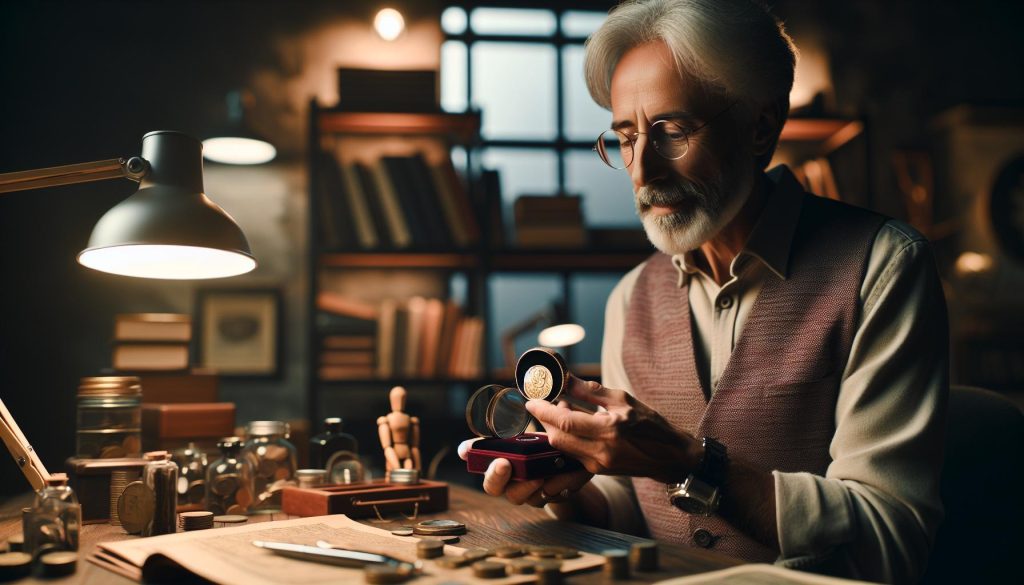
Did you know that some coins can tell fascinating stories about the past while also holding significant value? The Barber Coin series, minted between 1892 and 1916, is a perfect example of this intersection between history and currency collecting. For enthusiasts and novices alike, understanding what a Barber Coin is can not only enhance your collection but also serve as a valuable investment opportunity. As we delve deeper into this collector’s guide, you’ll uncover tips on identifying, valuing, and preserving these stunning pieces of artistry. Whether you’re looking to start a new hobby or expand your current collection, exploring the world of Barber Coins will ignite your curiosity and appreciation for the rich tapestry of American numismatics. Let’s embark on this enlightening journey together, where each coin shines a light on history and potential wealth.
What Are Barber Coins? A Quick Overview
Barber coins, minted in the United States from 1892 to 1916, are renowned among numismatists for their distinctive design and historical significance. These silver coins, which include the dime, quarter, and half dollar, were created by the famous engraver Charles E. Barber. The term “Barber coinage” refers specifically to this series. What makes these coins captivating for collectors and history enthusiasts alike is their embodiment of a transitional period in American coinage, bridging the gap between the more ornate designs of the past and the simplified motifs of the 20th century.
The Barber coins are distinguished by their obverse, featuring a classical bust of Liberty adorned with a laurel wreath, and their reverse, showcasing a bold eagle. The artistry reflects the late 19th-century American ideals of strength and self-reliance. However, the coins were not universally loved; they faced criticism for their lack of innovation in design. This aspect has ironically contributed to their appeal among collectors, as it marks an era that began to embrace more modern aesthetics in currency.
Collectors often find that Barber coins have a variety of mint marks, which can impact their rarity and value. As you explore the world of Barber coins, you will discover that their historical context, unique designs, and the stories behind individual coins form a rich tapestry that enhances their allure. Whether you are a seasoned collector or a newcomer to the hobby, understanding what Barber coins represent adds depth to your appreciation of these fascinating pieces of American history.
History of Barber Coins: Origins and Design
Barber coins emerged during a pivotal era in American numismatic history, reflecting the nation’s evolving artistic sensibilities and economic landscape. Minted between 1892 and 1916, these coins, which include the dime, quarter, and half dollar, were designed by Charles E. Barber, the Chief Engraver of the U.S. Mint. Notably, the issuance of Barber coins marked a departure from the decorative style of earlier American coins, such as the more ornate Seated Liberty and Morgan designs, embodying the simpler and more Americanized aesthetics of the late 19th century.
The design of Barber coins features a classic bust of Liberty on the obverse, complemented by a laurel wreath that signifies victory and honor. The reverse showcases a majestic eagle, a symbol of strength and freedom. This imagery resonates deeply with the ideals of the time, as the United States was confidently establishing itself as a prominent figure on the world stage. Despite their eventual embrace by collectors, Barber coins were met with criticism during their initial release. Many numismatists viewed the designs as uninspired, lacking the intricate artistry of their predecessors. This very criticism, however, has paradoxically increased their desirability among collectors who appreciate the unique character of these coins.
One fascinating aspect of Barber coins is their mint marks, which can significantly influence their scarcity and market value. Coins minted in places like San Francisco, known for producing lower overall volumes, are often viewed as more valuable than their Philadelphia and Denver counterparts. As the collector navigates the realm of Barber coins, understanding these nuanced details about origins, designs, and markings becomes essential to appreciating their historical significance and potential investment value.
Overall, the history and design of Barber coins offer a captivating glimpse into a transformative period in American coinage. They serve not only as currency but also as artifacts that encapsulate the spirit of an evolving nation, making them a cherished addition to any coin collection.
Recognizing the Different Barber Coin Types
Recognizing the different types of Barber coins is essential for any collector looking to navigate the world of American numismatics. Barber coins, designed by Charles E. Barber, include three main denominations: the Barber Dime, the Barber Quarter, and the Barber Half Dollar. Each coin showcases distinct design features that collectors should familiarize themselves with in order to make informed decisions and enhance their collections.
The Barber Dime, minted from 1892 to 1916, features a depiction of Liberty wearing a cap adorned with a band inscribed “LIBERTY”. One notable aspect of this coin is the variation in mint marks. Dimes produced in San Francisco are generally more sought after than those struck in Philadelphia or Denver due to their lower mintage. Collectors should pay attention to the mint mark’s location, which can be found on the reverse side, just below the wreath.
The Barber Quarter, produced during the same time frame, similarly features Liberty’s portrait, but the coin’s larger size and visual detail make it a favorite among many collectors. On the reverse side, this coin displays an eagle with outstretched wings, alluding to national strength. When assessing a Barber Quarter, inspect the wear on high points like the eagle’s wings and the leaves-these areas tend to show signs of wear more quickly than others.
Lastly, the Barber Half Dollar stands out with its larger dimensions and intricate designs. The coin features Liberty in profile and has the same eagle motif on the reverse. As with the other denominations, understanding the importance of mint marks is critical; San Francisco mint half dollars can command significantly higher values compared to their counterparts from other mints.
Collecting these coins requires a discerning eye, as each type not only has variations in design but also differences in quality and condition. Factors such as the coin’s grade, rarity, and overall interest in different mint issues can significantly affect a coin’s value. Understanding these factors and recognizing the key differences among the Barber coin types will empower collectors to build a valuable and diverse collection.
Why Barber Coins Are Considered Valuable
Barber coins hold a special place in the hearts of collectors, not just for their artistry but also for the rich history and cultural significance they embody. Made from 1892 to 1916, these coins mark a pivotal moment in American numismatics while recognizing the craftsmanship of Charles E. Barber. Their value stems from a combination of rarity, historical context, and the intricate designs that appeal to both novice and experienced collectors alike.
The lure of Barber coins also arises from their historical backdrop. This era was marked by significant economic and societal changes in the United States, reflecting a time when the nation was solidifying its identity. As a result, owning these coins provides a tangible connection to past events, making them not just currency, but artifacts of American heritage. Furthermore, variations in mint marks and limited production numbers contribute to the collectability, with coins minted in San Francisco often demanding the highest premiums.
Additionally, the condition of Barber coins plays a critical role in determining their value. Coins that are well-preserved or graded high by professional numismatic organizations can attract higher bids in the market. Collectors often seek out gem-quality pieces that showcase the striking details and artistry of the design. Understanding grading scales, such as those outlined by the American Numismatic Association, can empower collectors to make informed investments in their collections.
Ultimately, the blend of historical significance, artistic appeal, and rarity underpins the value of Barber coins, making them coveted items for collectors. By delving deeper into understanding these aspects, enthusiasts can navigate the market more effectively, enhancing their collections while celebrating a vital part of American history.
Key Factors That Impact Barber Coin Value
The value of Barber coins is influenced by several key factors, ranging from their historical significance to their physical condition. These coins are not merely currency; they echo the narratives of a bygone era, which can enhance their desirability among collectors. Understanding what drives the value of these numismatic treasures can empower collectors to make informed decisions and elevate their collections.
Rarity and Demand
One of the primary factors impacting the value of Barber coins is their rarity. Certain issues, such as those with low mintage or specific mint marks, can be particularly sought after. For instance, Barber coins minted in San Francisco typically command higher prices due to their limited production numbers and the collector competition for these pieces. In contrast, more common coins may be less desirable, highlighting the critical relationship between scarcity and buyer interest.
Condition and Grading
The physical condition of a Barber coin plays a fundamental role in its value. Coins are graded on a scale that ranges from Poor (P) to Mint State (MS), with higher grades attracting higher premiums. Collectors often aim for coins that showcase fine detailing and minimal wear. Utilizing grading systems from reputable organizations, such as the American Numismatic Association, can help collectors assess the quality of their coins accurately and make educated purchases. Well-preserved coins not only appeal to collectors but are also more likely to yield better returns when sold or traded.
Market Trends
Another significant impact on value is the fluctuation of market trends. Like any collectible, the demand for Barber coins can rise and fall based on economic conditions, collector interest, and even fashion. Staying informed about current trends through auction results, price guides, and numismatic forums can offer insights into potential future values and help collectors strategize their buying and selling. The dynamic nature of the coin market means that what is invaluable today may change tomorrow, emphasizing the importance of continuous learning.
Ultimately, Barber coins represent an intriguing blend of artistry, history, and economics. By focusing on rarity, condition, and market trends, collectors can better navigate the complexities of the hobby and build collections that not only bring joy but also hold lasting value.
How to Start Your Barber Coin Collection
Starting a collection of Barber coins can be an exhilarating journey into the world of numismatics, revealing a fascinating blend of history and artistry. These coins not only serve as currency but also as tangible pieces of American heritage, often embodying remarkable stories from the past. To embark on this rewarding hobby, one must first cultivate an understanding of the different types of Barber coins available, which include the Barber dime, quarter, and half dollar. Each denomination presents unique features and historical significance, making it essential to research and familiarize yourself with their distinguishing traits.
Setting a budget is an important first step in your collecting journey. Decide how much you are willing to invest, keeping in mind that prices can vary significantly based on the coin’s rarity, condition, and demand. As you begin to search for Barber coins, consider joining forums or participating in local coin clubs, where you can connect with fellow enthusiasts, share insights, and perhaps even find coins available for sale. Networking with experienced collectors can provide invaluable tips and guidance, enhancing your collecting experience and helping you avoid common pitfalls.
To kick off your collection, start with coins that capture your interest and fit within your established budget. Focus on acquiring coins in better condition, as their value appreciates more steadily over time. As you build your collection, ensure you keep meticulous records of your purchases, including purchase dates, prices, and conditions-these details will enrich your understanding of the market and assist in future valuations.
Lastly, take the time to educate yourself about proper coin storage techniques to preserve your Barber coins. Use acid-free holders, coins flips, or albums specifically designed for coin collections to protect them from wear and tarnish. By taking these steps and remaining curious, your Barber coin collection can evolve not just as a hobby but as a cherished legacy of your dedication to the art of collecting.
Essential Tools for Collecting Barber Coins
Starting a collection of Barber coins can be a captivating experience, filled with the thrill of discovery and the joy of preserving pieces of history. To navigate this journey successfully, having the right tools is essential. Equipping yourself with specialized equipment not only enhances your ability to care for and evaluate your coins but also enriches your overall collecting experience.
To begin with, a magnifying glass or a jeweler’s loupe is indispensable for inspecting the fine details and identifying key features of Barber coins. This tool can help you examine mint marks, assess the condition, and even spot subtle variations among different types. Additionally, a reliable digital scale is crucial for weighing your coins, as weight can be a significant factor in determining authenticity and value, especially for collectors interested in rarities.
Proper storage and maintenance tools cannot be overlooked. Investing in acid-free holders or coin flips made from mylar prevents environmental damage, such as tarnishing and corrosion. Using coin albums to organize your collection not only helps to keep your coins safe but also provides an aesthetically pleasing way to showcase your Barber coins. Furthermore, a good quality tissue or microfiber cloth helps in gentle cleaning, ensuring that you do not scratch or adversely affect the coin’s surface while handling them.
Lastly, consider incorporating a database or spreadsheet to meticulously record your collection. Keep track of purchase prices, coin conditions, and provenance. This organized approach not only aids in tracking your investments but also increases your enjoyment as you can easily access your collection’s history. With these essential tools, you will be well-equipped to begin your Barber coin collection, ensuring you appreciate each piece’s beauty and significance in the world of numismatics.
Caring for Your Barber Coins: Maintenance Tips
Caring for Barber coins requires a thoughtful approach to preserve their condition and value over time. These historical treasures are not only fascinating pieces of currency but also investments that can appreciate in value as your collection grows. To maintain their beauty and integrity, start by handling them with clean hands or using gloves to prevent oils and dirt from transferring to the coin’s surface.
Storage is another critical element in preserving your coins. Utilize acid-free holders or coin flips made from inert materials to protect them from environmental factors such as humidity, light, and dust. Coins should be stored in a cool, dry place, away from direct sunlight to prevent fading and tarnishing. A dedicated coin album can not only keep your Barber coins organized but allows for easy viewing while safeguarding against potential damage.
Cleaning your Barber coins should always be approached with caution. If necessary, lightly wipe them with a microfiber cloth to remove any surface dirt. Avoid using harsh chemicals, ultrasonic cleaners, or abrasive materials, as these can scratch or degrade the coin’s surface, significantly diminishing its value. If a coin requires more intensive cleaning, consult a professional numismatist who can provide guidance tailored to your specific coin type and condition.
Lastly, documenting your collection can enhance your experience and help track the value of your coins over time. Create a simple database or spreadsheet listing details such as acquisition methods, costs, and current conditions. This not only fosters a better understanding of your collection but can also assist in making informed decisions during potential sales or trades in the future. By adopting these care practices, you’ll ensure that your Barber coins remain in pristine condition, preserving their historical significance and monetary value for years to come.
Common Mistakes to Avoid When Collecting
Diving into the world of collecting Barber coins can be an exhilarating journey, but it’s easy to stumble into pitfalls that can undermine your experience and investment. One of the most common mistakes is not conducting thorough research before purchasing. The allure of a coin’s appearance can cloud judgment, leading collectors to overlook essential details such as its history, rarity, and market value. A well-informed collector understands the specifics of Barber coins, including their various types and the factors that influence their worth, which can significantly impact both buying and selling decisions.
Another frequent error is neglecting proper storage and handling techniques. Many collectors underestimate the importance of protecting their coins from environmental damage. Exposure to moisture, light, and air can lead to tarnishing and deterioration. To avoid this, store your Barber coins in acid-free holders or coin flips and keep them in a stable, cool environment. Use clean gloves when handling your coins to prevent oils and dirt from damaging their surface, ensuring that your investment remains in prime condition for years to come.
Collecting without a clear strategy can also lead to disorganization and missed opportunities. It’s crucial to track your collection details, including purchases, values, and conditions. Having an organized inventory helps you understand the growth of your collection and can inform future buying or selling actions. Utilize a dedicated spreadsheet or specialized software to keep records accurate and accessible. This strategy not only aids in personal assessments but can significantly ease the selling process when the time comes.
Lastly, many collectors fall into the trap of fad chasing-purchasing coins based on trending demand rather than personal interest or knowledge. While it’s tempting to invest in what seems popular, long-term value typically lies in coins that resonate with you personally and align with your collecting goals. Focusing on your passion rather than fleeting trends will lead you to make better purchasing decisions and foster a more satisfying collecting experience overall. By avoiding these common pitfalls, you can cultivate a meaningful and prosperous Barber coin collection that reflects both historical significance and personal enjoyment.
Market Trends: The Future of Barber Coins
Interest in Barber coins has shown a notable resurgence in recent years, driven largely by a growing appreciation for historical currency and the collectible market. As collectors seek tangible pieces of Americana, Barber coins-minted from 1892 to 1916-offer not only aesthetic appeal but also a rich narrative that connects enthusiasts to American heritage. With their classic designs and varying degrees of rarity, these coins present unique investment opportunities that appeal to both seasoned numismatists and newcomers alike.
Emerging Market Trends
The market for Barber coins is currently experiencing a trend towards increased online sales platforms, enhancing accessibility for collectors. Traditional coin shops are being supplemented-and in some cases supplanted-by online auctions and marketplaces. This shift enables collectors to find a wider array of Barber coins across different grades and conditions, often at competitive prices. Furthermore, the rise of social media platforms has created vibrant communities where collectors share knowledge, celebrate their finds, and discuss market movements. Engaging with these online communities can provide valuable insights into new trends and investment opportunities.
To maximize the potential of a Barber coin collection, it’s essential to stay informed about market fluctuations. Rare dates, mint marks, and uncirculated conditions tend to command the highest prices. Collectors should pay attention to auction records and price guides such as the Red Book or the Greysheet, which track historical values and market trends. As interest grows in well-preserved pieces, mid-range Barber coins are now fetching higher prices, indicating a maturation of the collector base.
Long-Term Value and Diversification
Although Barber coins have shown price stability, collectors are encouraged to think long-term and diversify their collections. Investing in a range of coin types-such as quarters, dimes, and half dollars-can provide a buffer against market volatility. Consider setting specific collection goals, such as completing a date-mint mark set or acquiring coins from specific years. This strategic focus not only enhances the joy of collecting but also positions the collection more favorably in potential resale scenarios.
The future of Barber coins looks bright, especially with increasing interest in historical textiles and artifacts. As more people discover the stories behind these coins, their appeal is bound to grow, both for aesthetic enjoyment and investment potential. Embracing this trend can lead collectors to uncover valuable pieces while also engaging with a broader historical narrative that enriches their understanding of America’s past.
Where to Buy and Sell Barber Coins
An exciting aspect of collecting Barber coins is knowing where to find and manage your transactions to enhance your collection. Whether you’re looking to buy your first Barber coin or seeking to sell duplicates, understanding the various avenues available can empower your collecting journey.
Local coin shops are an excellent starting point for collectors, as they often have knowledgeable staff who can provide personalized insights and assistance. These shops typically carry a range of Barber coins, from common varieties to rarer finds. Building a rapport with your local dealer can lead to exclusive offers or early notifications about incoming inventory. You can also request to trade coins, which may prove beneficial if you have pieces that no longer fit your collection goals.
Online marketplaces have revolutionized the way collectors buy and sell Barber coins. Websites like eBay, Heritage Auctions, and Stack’s Bowers feature extensive inventories, often including photographs and detailed descriptions that help you assess condition and authenticity. However, it’s crucial to read seller reviews and check return policies before making any purchases. Connecting with dedicated coin collector forums can also yield insider tips, as members frequently share listings and offer advice on where to find the best deals.
Specialized Auctions and Coin Shows
Participating in specialized auctions and attending coin shows present unique opportunities to buy and sell Barber coins. Auctions, particularly those focused on numismatics, offer a competitive atmosphere where collectors can acquire coveted items. Similarly, coin shows allow for face-to-face interactions that foster networking and knowledge exchange among collectors and dealers. You might uncover rare Barber coins or get fair market prices for those you’re selling, all while engaging with like-minded enthusiasts.
In addition to these avenues, leveraging social media platforms can be particularly rewarding. Many collectors share their collections, seek trades, or post items for sale through community groups on Facebook or Instagram. These platforms not only enhance your visibility to potential buyers but also allow you to join conversations about trends, pricing, and upcoming events, keeping you engaged and informed.
Considerations for Smart Transactions
Always keep an eye on market trends and prices, as they can fluctuate based on demand and condition. Acquaint yourself with reputable price guides like the Red Book or Greysheet, which document the historical valuations of Barber coins based on sales data. When selling, be upfront about the coin’s condition and any flaws to build trust and avoid disputes. Additionally, consider getting coins appraised or graded by reputable services, as professionally graded coins can command higher prices in the collector market.
By strategically navigating the buying and selling landscape for Barber coins, you not only enhance your collection but also position yourself as a knowledgeable participant in the numismatic community. Each interaction, whether in-store or online, is an opportunity to grow your understanding and deepen your appreciation for these historical pieces that reflect a unique aspect of American history.
Resources for Further Learning About Barber Coins
For anyone diving into the world of Barber coins, a plethora of resources exists to enrich your understanding and foster a successful collecting journey. Engaging with a variety of materials and communities can elevate your knowledge from novice to expert, enabling you to appreciate not just the coins themselves, but also the history and artistry they represent.
One of the foremost places to start is with comprehensive literature dedicated to Barber coins and numismatics in general. Consider getting a copy of the “Red Book” or the “Official American Numismatic Association Grading Standards for United States Coins.” These texts not only provide valuation insights but also detail historical contexts and offer guidance on grading. Exploring online platforms like the American Numismatic Association (ANA) also presents a wealth of information, including articles and webinars that can guide you through the fundamentals of coin collecting.
Online forums and communities are another vital resource for collectors. Websites such as Coin Talk and The Collector’s Society encourage discussion among enthusiasts at all levels. Here, you can ask questions, share discoveries, and gain insights about Barber coins from experienced collectors and industry experts. Joining local or national coin clubs can also offer you networking opportunities, access to exclusive events, and mentorship from seasoned collectors.
To complement your reading and networking, consider immersing yourself in media such as YouTube channels focused on numismatics. Channels like “CoinWeek” and “The Coin Geek” feature engaging videos that cover everything from coin reviews to insights on the latest trends in collecting, making complex information accessible and enjoyable. Additionally, podcasts like “The Coin Show Podcast” provide insights while you’re on the go, making them a great way to stay current with market trends and collecting tips.
Lastly, don’t overlook social media platforms where collecting communities thrive. Facebook groups, Instagram pages, and Reddit forums dedicated to numismatics can provide real-time news, tips for acquiring coins, and firsthand exchanges of knowledge. Participating in these spaces not only keeps you informed about Barber coins but also connects you with a diverse network of collectors who share your passion.
By utilizing these resources, you can enhance both your understanding and appreciation of Barber coins, turning what might initially feel like a solitary hobby into a vibrant community experience. Whether you choose to delve into literature, engage with online forums, or immerse yourself in audiovisual content, these avenues provide invaluable opportunities for growth and discovery in your collecting journey.
Q&A
Here’s an SEO-optimized FAQ section tailored for “What Is a Barber Coin? Collector’s Guide to Valuable Currency,” complete with concise answers formatted for quick visibility and engageability:
Q: What is the historical significance of Barber coins?
A: Barber coins, minted from 1892 to 1916, hold historical significance as they represent a transitional period in American coin design and minting. The coinage features designs by renowned engraver Charles E. Barber, reflecting the era’s artistry and economic conditions. For more on their origin, check the “History of Barber Coins” section.
Q: How can I identify counterfeit Barber coins?
A: To identify counterfeit Barber coins, inspect the details for clarity and weight, compare actual measurements against official specifications, and look for telltale signs such as incorrect markings. Specialized tools like magnifying glasses and weighing scales can assist in this process.
Q: Are there specific years that Barber coins are more valuable?
A: Yes, certain years, such as 1892-O and 1913-S, are known for their rarity and higher value among collectors. The demand and minting numbers of specific years greatly influence their market price. For a thorough breakdown, see the “Key Factors That Impact Barber Coin Value” section of the article.
Q: What is the best way to store Barber coins to maintain their value?
A: To maintain the value of Barber coins, store them in protective holders, such as capsules or coin flips, and keep them in a climate-controlled environment, away from humidity and direct sunlight. Learn more in the “Caring for Your Barber Coins” section.
Q: Where can I find reputable dealers for buying Barber coins?
A: Reputable dealers for buying Barber coins can often be found at coin shows, numismatic clubs, and verified online platforms. Make sure to check their credentials and customer reviews to ensure authenticity.
Q: What are the most common Barber coin types collectors seek?
A: The most common Barber coin types collectors seek include the Barber dime, quarter, and half dollar. Each type has unique features and varying levels of availability, adding to their collectibility. For insights on types, refer to “Recognizing the Different Barber Coin Types” in the article.
Q: How can I accurately assess the condition of a Barber coin?
A: To accurately assess the condition of a Barber coin, use the Sheldon Scale, which rates coins from poor to mint state based on factors like surface quality and wear. For practical applications, see the “Essential Tools for Collecting Barber Coins” section.
Q: What mistakes should I avoid when starting a Barber coin collection?
A: Avoid overpaying by not conducting thorough research and neglecting proper coin storage. Additionally, don’t rush into purchasing without examining the coin’s condition or provenance; patience is key in the collector’s journey. Further guidance can be found in the “Common Mistakes to Avoid When Collecting” section.
This FAQ section is designed to be easily understandable, informative, and valuable for users seeking deeper insights into Barber coins while encouraging exploration of the connected content in the main article.
Wrapping Up
As you dive deeper into the world of Barber Coins, remember that this fascinating collector’s market not only offers a chance to own a piece of history but also the potential for significant value appreciation. Whether you’re a seasoned numismatist or just beginning to explore this intriguing currency, understanding the unique features of Barber Coins can set you on the right path to making informed decisions in your collecting journey. Don’t miss your opportunity to enrich your collection-start your hunt today!
If you’re eager to learn more, check out our detailed guides on identifying rare coins and maximizing your numismatic investments. Still have questions? Feel free to explore our FAQs or leave a comment below. Join our community by signing up for our newsletter, where you’ll receive exclusive tips and insights directly to your inbox! Remember, the world of collectibles is vast, and every coin has a story-begin yours now.