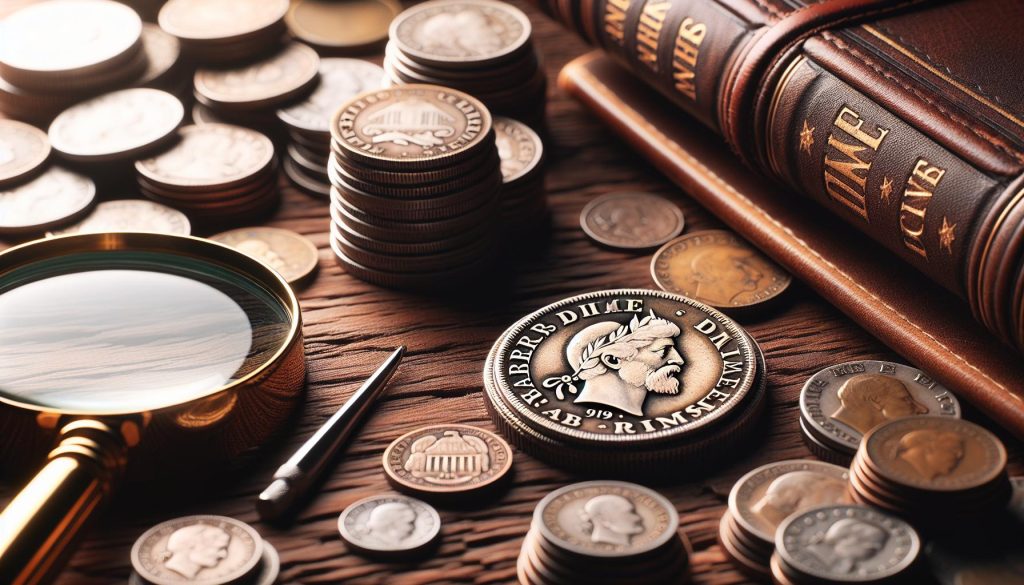
Did you know that the Barber Dime, officially known as the 1892-1916 Liberty Head Dime, is not just a piece of history but also a highly sought-after collectible? For both coin enthusiasts and casual collectors, understanding the value of this vintage coin can unlock doors to intriguing investments and historical storytelling. Many budding collectors face the challenge of differentiating between common coins and those with true value. This guide will delve into the significance of Barber Dimes, their historical context, and how to accurately assess their worth in today’s market. Whether you’re looking to enrich your collection or simply satisfy your curiosity about vintage coins, gaining insight into the Barber Dime will be both enlightening and rewarding. Join us as we uncover the fascinating world of Barber Dimes and discover the potential treasures that await in your coin collection.
What is a Barber Dime?
The Barber dime is a remarkable piece of American numismatic history, embodying not only the aesthetic appeal of coinage from the late 19th and early 20th centuries but also serving as a testament to the craftsmanship and design excellence of its era. Struck from 1892 to 1916, this ten-cent coin features an iconic portrayal of Liberty, symbolizing the values and aspirations of a nation in transition. Many collectors and history enthusiasts are drawn to the Barber dime for its rich heritage and the artistry that reflects the time when it was minted.
At first glance, the Barber dime captivates with its striking design crafted by famed engraver Charles E. Barber. The obverse showcases a beautifully rendered head of Liberty adorned with a laurel wreath, while the reverse features an eagle perched on a shield, clutching a bundle of arrows and an olive branch. This symbolic representation of the United States captures the spirit of a nation that was expanding and evolving. The Barber series, which also includes the quarter and half dollar, marked a significant shift in American coin design, moving towards more realistic portrayals rather than the classical figures that had dominated earlier coins.
Collectors often find themselves enchanted not only by the Barber dime’s artistic elements but also by the variety of minting locations and design variations that exist. Coins produced at different mints-such as Philadelphia, San Francisco, and Denver-feature slight variations in their finishes and markings, which can significantly influence their value. This diversity offers a treasure trove of opportunities for collectors to explore, making each Barber dime a unique piece of history waiting to be uncovered.
Moreover, understanding the nuances of these coins is crucial for anyone looking to delve into the world of vintage coin collections. The Barber dime is more than just a collectible; it represents an invitation to explore American history through the lens of its monetary artifacts. Engaging with these coins can lead to a deeper appreciation for their significance and artistry, encouraging collectors to pursue their own passions for history and craftsmanship. Whether you’re a novice or an experienced collector, delving into Barber dimes can enhance your appreciation for numismatics while offering the thrill of discovery with each coin.
History of the Barber Dime Coin
The Barber dime emerged at a pivotal time in American history, symbolizing not just the monetary, but also the cultural evolution of the nation. Introduced in 1892 and minted until 1916, this ten-cent coin replaced the previously circulating seated liberty dimes, marking a distinct shift towards refined artistic expressions in American coinage. As the country was undergoing rapid industrialization, urbanization, and the influx of immigrants, the Barber dime reflects the aspirations, values, and traditions of a diverse and growing society.
The need for a new design was partly instigated by the Coinage Act of 1890, which mandated a new series of coins. Charles E. Barber, the Chief Engraver of the United States Mint, was commissioned to create this new dime. His design features a profile of Liberty, an iconic representation that many collectors and historians admire for its grace and strength. The Liberty head is adorned with a laurel wreath, symbolizing victory, while the reverse showcases a powerful eagle, which embodies the spirit of the United States. This balance of elements offered a fresh symbolism as the nation was starting to view itself as a world player, transitioning from a youthful nation into an established power.
What makes the history of the Barber dime truly captivating is its relation to contemporary socio-political events. The coin was minted during a period marked by significant economic events, including the Panic of 1893, which ushered in a deep depression. These times not only affected Americans’ perception of currency but also instigated discussions about the monetary system itself, leading to extensive debates on bimetallism versus the gold standard. The Barber dime, during its years of circulation, became a silent witness to the evolution of American economic policies and societal challenges, adding historical depth to each coin.
As the Barber dime became a fixture in everyday transactions, it began to evolve in the eyes of collectors. Many sought to collect the various mintages produced in Philadelphia, San Francisco, and Denver, with each location imparting unique characteristics to the coins. This quest for variety quickly attracted numismatists, leading to the Barber dime’s enduring legacy as a collectible. Its historical significance, combined with its artistic merit, has secured the Barber dime’s status not only as a monetary artifact but also as a cherished piece of Americana, bridging the gap between currency and cultural history.
In conclusion, the Barber dime stands as a testament to America’s past, offering collectors a tangible link to history. Whether admired for its artistry or collected for its investment potential, it represents a rich narrative that transcends its value as mere currency. Each Barber dime has a story to tell, making the journey of collecting them an exploration of both personal and national heritage.
Design Features of the Barber Dime
The Barber dime is celebrated not only for its historical significance but also for its striking design, which encapsulates the artistic vision of its era. Engraved by Charles E. Barber, the coin showcases a stunning profile of Liberty that is an embodiment of grace and strength. The intricate details of the design invite admiration from both casual observers and seasoned numismatists. As the coin ushers in a glimpse of the American spirit during the late 19th and early 20th centuries, it delivers an artistic statement that resonates deeply with each collector’s journey.
Front Design: Profile of Liberty
On the obverse, Liberty is portrayed in profile wearing a cap adorned with a laurel wreath. This wreath symbolizes victory and honor, reflecting the diverse and ambitious nature of American society at that time. The flowing hair and serene expression further convey a sense of peace and strength that resonates with the ideals of freedom and democracy. Surrounding Liberty’s portrait are the words “LIBERTY” and the year of minting. Attention to detail is paramount; the delicate engravings echo Barber’s meticulous craftsmanship, making the coin aesthetically pleasing and historically valuable.
Reverse Design: The Eagle in Valor
Flipping the Barber dime reveals a powerful eagle, a symbol synonymous with American resilience. The eagle clutches a bundle of arrows in one talon and an olive branch in the other, representing the balance between war and peace. This imagery suggests an America prepared for both defense and diplomacy, encapsulating the complexities of the nation during a period of growth and change. Above the eagle are the words “UNITED STATES OF AMERICA,” with the denomination “ONE DIME” elegantly displayed beneath it. Such design choices serve to elevate the coin beyond mere currency into a representation of national identity.
Mint Mark Significance
Collectors also pay close attention to the mint marks located on the reverse of the coin, which indicate where the coin was produced: “P” for the Philadelphia Mint, “S” for the San Francisco Mint, and “D” for the Denver Mint. Each mint produced dimes that hold different values and rarity levels, making understanding these distinctions crucial for new collectors. The variations in minting processes can often lead to subtle differences in the final appearance, creating a fascinating depth to the collecting experience.
In essence, the Barber dime is not just a coin; it is an art piece steeped in history, rich in symbolism, and layered with detail. Its design features are essential for appreciating both its monetary value and its cultural significance. Understanding these elements can enhance any collector’s experience, enriching the narrative of their collection while celebrating a pivotal chapter in American history.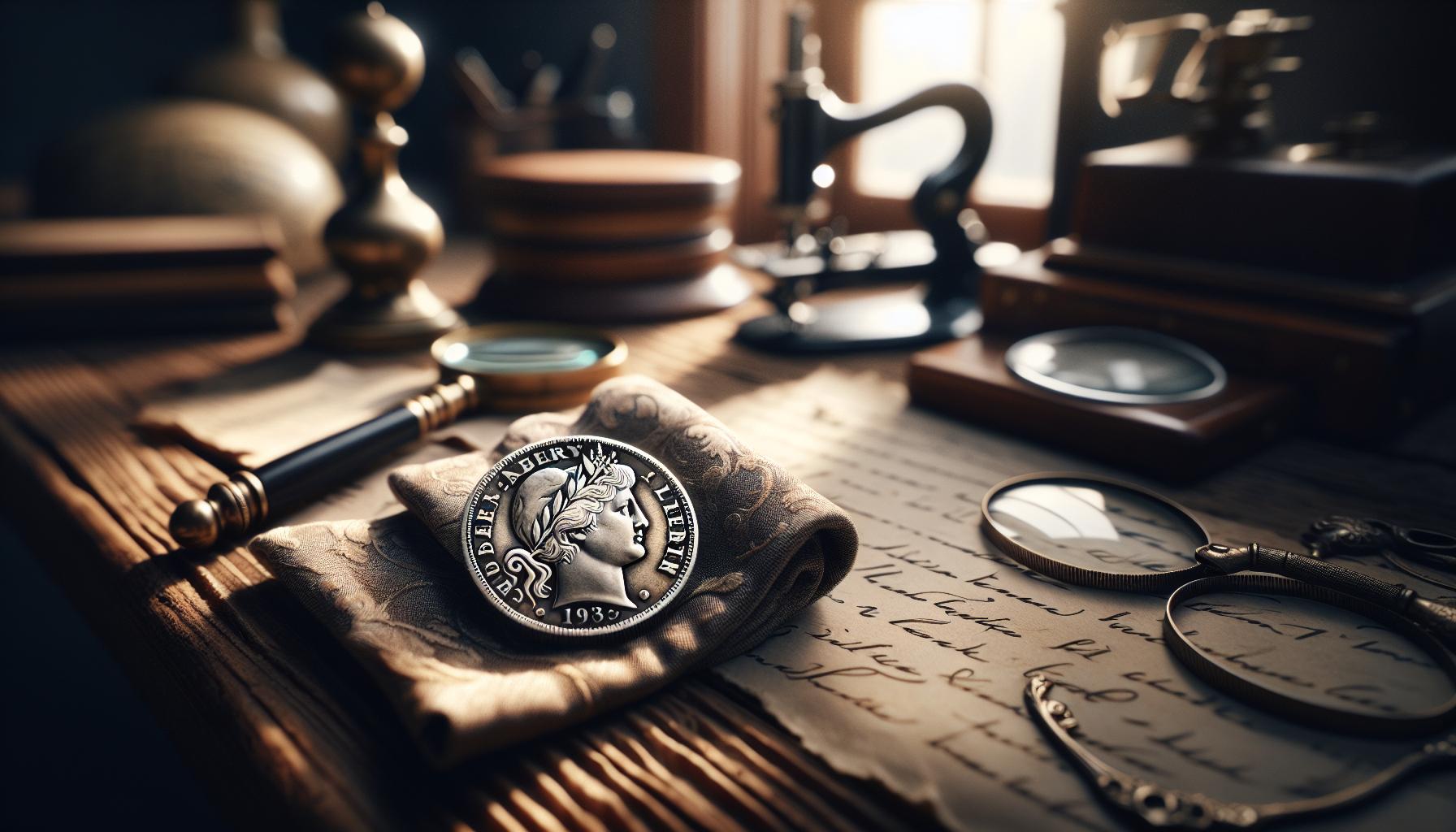
Barber Dime Minting Locations Explained
When collecting Barber dimes, the location where each coin was minted plays a crucial role in determining its rarity and value. Between 1892 and 1916, the Barber dime was struck at three different facilities, each imparting unique characteristics that can significantly affect a collector’s interest. Understanding these minting locations not only enhances the appreciation of the coins but also aids in making informed purchasing decisions.
The most prolific mint was the Philadelphia Mint, which produced the largest share of Barber dimes. Marked by the absence of a mint mark, coins from Philadelphia are often the most accessible, making them more common in circulation. Despite their prevalence, some specific years, such as 1894, produced a limited number of coins, resulting in higher values for well-preserved pieces from that year.
The San Francisco Mint (designated with an “S” mint mark) was where coins were minted with finer detail and quality. Coins originating here are often valued higher due to decreased mintage and the quality of craftsmanship. The San Francisco Mint occasionally produced coins that demonstrate noticeable detail, making them particularly appealing to numismatists. For example, the 1901-S Barber dime is one of the most coveted due to its low mintage of just 24,000 coins, significantly raising its demand and value in the collector market.
Lastly, there’s the Denver Mint, with an identifying “D” mint mark. Though it produced fewer Barber dimes compared to its San Francisco counterpart, it introduced a uniqueness that collectors seek. Coins from Denver can carry a distinctive character dependent on the minting process, which might incorporate slight variances in the coins’ striking or the quality of the metal used. While the overall mintage may be less than Philadelphia and San Francisco, certain years from the Denver Mint, like the 1916-D, are highly prized due to their scarcity.
Understanding the significance of these minting locations is essential for collectors eager to enhance their collections. Checking the mint mark and being aware of the specific historical context around production years can lead to more informed buying choices. The pursuit of Barber dimes goes beyond mere collection; it’s an exploration of American history and craftsmanship, bringing together passionate individuals who appreciate the art of numismatics. Each coin tells a story not just through its imagery but through its journey from mint to collector’s hands. Collectors should always research and keep careful track of their acquisitions, especially when it comes to coins marked by specific mints, to fully grasp the potential value and significance of their Barber dimes.
Grading Barber Dimes: A Comprehensive Guide
Grading Barber dimes involves a keen eye for detail and an understanding of various factors that contribute to the overall quality and value of these historic coins. Collectors and enthusiasts alike recognize that the condition of a coin can drastically influence its desirability. The American Numismatic Association (ANA) developed a grading system that employs specific standards, allowing collectors to assess the quality of coins more objectively.
When evaluating Barber dimes, it’s critical to familiarize yourself with the scale typically used, which ranges from Poor (P-1) to Perfect Mint State (MS-70). Each grade comes with distinct characteristics:
- Agreed Mint State (MS-60 to MS-70): Coins in these grades show no signs of wear; MS-70 denotes a perfect coin with pristine surfaces.
- Extra Fine (EF-40 to EF-45): Minor wear is present, often limited to high points, yet much of the detail remains intact.
- Very Fine (VF-20 to VF-35): Coins showcase moderate wear with clear details in the design but show more flattening in high relief areas.
- Fine (F-12 to F-15): Noticeable wear can be observed, with the design becoming less distinct but remaining identifiable.
- Good (G-4 to G-6): Heavy wear results in a loss of detail, yet the coin’s identity is still recognizable.
Factors to Consider When Grading
Numerous factors play into the grading decision, and understanding these can enhance your grading proficiency. Here are critical considerations:
Surface Quality: Look for scratches, dents, and other blemishes. A coin with fewer imperfections commands a higher grade.
Toning: Natural toning can add beauty, but excessive tarnish or discoloration can detract from a coin’s value.
Strike Quality: Observe how well the design details are struck. Poor strikes that lack detail might lower the overall grade.
Rarity and Demand: While a lower-grade coin might still command significant value based on rarity, a high-grade common coin might not hold as much appeal.
Practical Steps for Grading
- Visual Inspection: Use a magnifying glass or loupe to inspect the coin closely, allowing you to note minute details.
- Refer to Grading Resources: Utilize reputable guides and online tools from coin grading services to compare your findings against established standards.
- Practice Consistency: When grading multiple coins, apply the same criteria to develop a consistent approach, enhancing both personal enjoyment and potential investment strategies.
Developing your grading skills can enhance your appreciation for Barber dimes’ intricate craftsmanship while guiding smart purchasing choices. As you dive deeper into the nuances of grading, you’ll find that the beauty of these coins lies not only in their design, but also in the stories and histories they represent.
Identifying Key Variations and Errors
Many collectors and enthusiasts are drawn to the Barber dime not just for its historical significance, but also for the various unique variations and errors that contribute to its charm and collectible value. Understanding these differences can significantly impact both your collection and its worth, especially when hunting for rare pieces or seeking to evaluate those that have been passed down through generations.
One of the most sought-after variations of the Barber dime is the “1901-S” Barber dime, known for its rarity. Only a limited number were minted, making it especially valuable among numismatists. Other noteworthy dates include the 1892 and 1893 versions, which also command high prices due to their mintage numbers and collector demand. The unique coins carry historical weight, and their value is further enhanced by factors like condition, grading, and the presence of any unusual errors.
When it comes to identifying errors, it’s crucial to be aware of common varieties, such as the “Doubled Die” or “Off-Center” strikes. Doubled dies can be identified by looking for doubled images on the coin’s surface; this occurs when a coin is improperly aligned during the strike process. Off-center strikes, on the other hand, result from the coin not being perfectly positioned in the striking chamber, creating a coin that is unevenly shaped. These errors not only add character but can also fetch substantial premiums in the market, attracting the attention of seasoned collectors.
Another variation worth noting is the “Repunched Mint Mark” (RPM), where the mint mark appears more than once on the coin. This anomaly presents a fascinating opportunity for collectors looking to enhance their Barber dime collections. Checking for these variations can be a thrilling part of the collecting journey, often leading to unexpected discoveries that enrich your understanding of the Barber series.
To capture and maintain the value of these unique coins, employing the right viewing tools, such as a magnifying glass, can help in spotting these subtle features. Additionally, consulting reputable numismatic guides will allow you to compare your finds against established standards, making your journey into the world of Barber dimes both informative and enjoyable. By investing time in understanding these variations and errors, you position yourself to enhance your collection’s value and unlock the captivating stories behind each coin.
Current Market Trends for Barber Dimes
As the world of numismatics continues to evolve, the current landscape for Barber dimes has witnessed notable fluctuations influenced by various factors, ranging from market demand to condition standards. Collectors are increasingly keen to understand these evolving trends, particularly as they navigate their purchasing decisions and investment opportunities.
One of the most significant trends is the increasing interest in high-grade Barber dimes from both seasoned collectors and new entrants. Coins graded at MS-65 and above have seen a remarkable appreciation in value due to their rarity and excellent minting condition. For instance, a pristine 1892 Barber dime can auction for several thousands of dollars, emphasizing the premium placed on these high-quality specimens. This trend is not merely a passing fad; rather, it reflects a broader movement within the collecting community to emphasize condition and provenance.
Moreover, online marketplaces have transformed the way collectors buy and sell Barber dimes. Platforms like eBay and specialized numismatic auction houses provide easier access to a variety of coins, empowering collectors to find rare pieces that may have previously been hidden in private collections. It’s important to stay vigilant on these platforms, as prices can vary significantly. Monitoring completed sales can offer valuable insights into current market values, and setting up alerts for specific coins can help collectors make timely acquisitions.
Additionally, education and resources available to collectors have expanded significantly, leading to a more informed collector base. Many sites and forums dedicated to numismatics now offer price guides and expert insights that help collectors navigate the complexities of Barber dime values. Utilizing these resources can enhance decision-making when it comes to buying or selling these coins. Collectors are encouraged to immerse themselves in the community by participating in forums or joining local coin clubs. These interactions not only foster learning but also facilitate access to potential sales, trades, and valuable networking opportunities.
In conclusion, recognizing the is essential for anyone looking to enter or advance in the world of coin collecting. By understanding the importance of coin condition, leveraging online platforms, and engaging with educational communities, collectors can enhance their collecting journey and make informed decisions that reflect their passion for this historic coin.
How to Assess Barber Dime Value
Assessing the value of a Barber dime goes beyond simply looking at what others are willing to pay. It requires an understanding of several critical factors that influence market value, ensuring that collectors can make informed decisions about their investments.
First and foremost, coin condition is paramount. Barber dimes are typically graded using a 70-point scale, with coins earning higher grades commanding significantly higher prices. For instance, a Barber dime graded at MS-65, which denotes mint state and exquisite preservation, can fetch thousands of dollars at auction compared to a well-circulated example graded at VG-8 or lower, worth less than a hundred dollars. Collectors should familiarize themselves with grading criteria, perhaps by investing in grading services or guides that delineate the differences between grades like AU (About Uncirculated) and MS (Mint State).
Key Factors in Valuing Barber Dimes
- Rarity: Certain years and mint marks are rarer than others; for example, the 1894-S Barber dime is famously scarce and can reach six figures in auctions.
- Market Demand: Trends among collectors can influence value. Dimes in high demand due to historical events or anniversaries may see price increases.
- Die Variations and Errors: Unique die variations or errors (like doubled dies) can also raise a coin’s value dramatically, sometimes unexpectedly.
- Provenance: A coin with a rich history or previous ownership by notable collectors may command a premium due to its story and authenticity.
Once you’ve assessed coin condition, it’s beneficial to research recent auction results or listings in numismatic retail markets to gauge the current going rates for Barber dimes similar to your own. Websites dedicated to coin sales often maintain archives of past sales that can give you a benchmark for your coin. Additionally, engaging with online communities or local coin clubs can provide anecdotal insights that enhance your understanding of the landscape.
Finally, understanding the nuances of the Barber dime collectible market isn’t just about recognizing hard figures. It’s about appreciating the coin’s historical significance, design elements, and cultural context. The Barber dime tells a story of its time, from its design by famed engraver Charles E. Barber to its role in America’s economic history. By intertwining monetary value with an appreciation for the artistry and history, collectors can foster a deeper connection to their Barber dimes, transforming mere investment into a rewarding passion.
Tips for Buying and Selling Barber Dimes
When venturing into the world of Barber dimes, whether as a buyer or seller, understanding the market dynamics is essential for making informed decisions. With a history steeped in numismatic significance, Barber dimes present not only a potential investment opportunity but also a connection to America’s past. Therefore, adopting a strategic approach to buying and selling can pave the way for a rewarding experience.
Exploring reputable sources is crucial when purchasing Barber dimes. Start with established dealers who specialize in coins and provide certification from recognized grading services, such as the Professional Coin Grading Service (PCGS) or Numismatic Guaranty Corporation (NGC). This ensures the authenticity and condition of your coin, preventing costly mistakes. Attending coin shows and conventions can also be extraordinarily beneficial; they offer a chance to interact with knowledgeable dealers and collectors, where you can ask questions, check conditions firsthand, and even negotiate prices.
When it comes to selling, the timing of your decision can significantly impact your return on investment. Being aware of market trends is vital-certain coins, especially rare variations like the 1894-S Barber dime, may fetch higher prices during peak demand periods. Moreover, utilizing online platforms such as auction websites or dedicated numismatic marketplaces can expand your reach to wider audiences compared to local sales alone. However, be cautious of the fees associated with these platforms; they can eat into your profits.
Essential Tips for Success
- Keep Records: Document your purchases, including photographs and purchase prices, to track your collection and facilitate future sales.
- Ask for References: Don’t hesitate to request references from dealers, especially when engaging in larger transactions. Trust is paramount in numismatics.
- Do Your Research: Familiarize yourself with recent auction results for Barber dimes similar to yours. This will give you a realistic idea of what buyers are willing to pay.
- Network with Collectors: Joining forums or local clubs can enhance your understanding and provide opportunities for trades or sales that you might not find in mainstream markets.
Lastly, patience is key; the world of coin collecting is not a sprint but rather a marathon. Take your time to learn, explore, and enjoy the intricate beauty of Barber dimes. By employing these strategies and nurturing your passion, you’ll not only build a valuable collection but also develop a deeper appreciation for the historical narratives each coin carries.
Storage and Preservation Techniques for Coins
When it comes to preserving the value and beauty of your Barber dimes, the way you store and handle them is just as important as their historical significance. Coins are sensitive to their environment, and improper storage can lead to tarnishing, scratches, or other forms of damage that can diminish their value. Therefore, adopting best practices for storage and preservation is crucial for both novice collectors and seasoned numismatists.
To begin with, it’s essential to use the right type of materials for storage. Avoid touching your Barber dimes directly with your fingers, as oils and dirt can leave residues that harm the coin’s surface. Instead, utilize cotton gloves when handling your coins and when placing them in protective holders. After handling, store your coins in acid-free holders such as coin flips, capsules, or protective albums that are designed specifically for numismatic items. These materials prevent exposure to harmful chemicals that are often present in regular paper or plastic storage options.
Optimal Environmental Conditions
Furthermore, consider the environment where your coins are stored. Coins should be kept in a controlled environment, ideally at a stable temperature and low humidity. High humidity can lead to corrosion, while extreme temperatures can cause metals to expand and contract, risking cracks or distortion. The ideal range is a temperature of around 70°F (21°C) with relative humidity below 50%. Using dehumidifiers or silica gel packets can help maintain these conditions, especially in climates prone to moisture.
Regular Maintenance
Aside from environmental conditions, regular checks and maintenance of your collection are vital. Inspect your Barber dimes periodically for any signs of tarnishing or deterioration. If you notice any issues, consult a professional conservator rather than attempting to clean the coins yourself, as improper cleaning techniques can lead to irreversible damage. For particularly rare or valuable coins, the option of encapsulation by a reputable grading service not only preserves the coin but also enhances its resale value.
By integrating these storage and preservation techniques into your care routine, you will not only protect your Barber dimes but will also enrich your coin collecting experience. Each dime is a piece of history, and through proper care, you can ensure these treasures are preserved for future generations to admire and appreciate.
Collecting Barber Dimes: Beginner to Advanced
Every collector has a unique journey, and the allure of Barber dimes can be particularly captivating for both novice enthusiasts and seasoned numismatists alike. Whether you’re just starting out or have been collecting for years, these historical coins provide not only a connection to the past but also a rewarding pursuit that can enhance your understanding of American history and artistry in coin design.
For beginners, it’s essential to understand the fundamentals. Start by educating yourself about the Barber dime series, which was minted from 1892 to 1916. Focus on key details such as the coin’s design, which features Liberty on the obverse and an eagle on the reverse. Familiarize yourself with the various mint locations (Philadelphia, San Francisco, and New Orleans), as these can significantly affect the coin’s value. Joining online forums or local coin clubs can also be immensely beneficial for networking with other collectors and gaining valuable insights.
As you progress, consider establishing a more focused collection by identifying specific types of Barber dimes you’d like to pursue-such as specific dates, mint marks, or conditions. It’s also crucial to develop a keen eye for spotting differences in grading-coins rated in higher grades will naturally carry more value. Resources such as the PCGS Price Guide can offer up-to-date valuations and grading standards, helping you make informed decisions during transactions.
For advanced collectors, diving into the nuances of Barber dimes can yield exciting discoveries. This includes hunting for rare varieties and errors, such as double dies or misstrikes, which not only add uniqueness to your collection but can also lead to significant appreciation in value. Advanced collectors may also explore investment strategies, using their knowledge of market trends to make savvy purchases and trades.
Ultimately, the journey of collecting Barber dimes is as much about the coins themselves as it is about the stories and connections they represent. From your first purchase to the thrill of discovery, embracing both the historical and community aspects of coin collecting can transform a simple hobby into a lifelong passion, filled with endless opportunities for learning and growth.
Resources for Barber Dime Collectors
Engaging with the world of Barber dimes can be a rewarding journey, enriched by various resources available to collectors at every level. Understanding where to turn for the most reliable information can make a significant difference in both the enjoyment and effectiveness of your collecting endeavors. From educational websites and literature to active communities, the avenues for deepening your knowledge are plentiful.
One of the most comprehensive online resources is the Professional Coin Grading Service (PCGS) website, which provides detailed information on Barber dimes, including historical context, grading guidelines, and current market values. Furthermore, the Numismatic Guaranty Company (NGC) also offers similar resources, and their forums are a great place to exchange insights with fellow collectors. Engaging in discussions on platforms like these can help seasoned and new collectors alike to refine their understanding and potentially discover valuable tips on assessing coin conditions.
Joining local and online coin clubs can significantly enhance your collecting experience. Many clubs host meetings where members can learn from guest speakers, share experiences, and even participate in auctions. The American Numismatic Association (ANA) is a notable organization that fosters a sense of community, offering educational resources and organizing events that tap into the enthusiasm of collectors nationwide. Additionally, platforms like Reddit have vibrant communities dedicated to numismatics where collectors discuss Barber dimes and share photographs and experiences, which can prove invaluable for identifying details such as variations and errors.
For those looking to delve deeper into the financial aspects, dedicated market analysis websites and publications offer robust insights into trends and valuations. Coin World and Numismatic News publish regular updates that can inform your buying and selling decisions. Moreover, the use of mobile applications like Coinoscope allows you to quickly scan coins and access pricing guides on the go, providing unparalleled convenience when it comes to assessing Barber dimes in real-time.
Lastly, books and guides specific to Barber dimes are excellent long-term resources. Titles like “The Complete Guide to Barber Dimes” by Q. David Bowers not only provide extensive histories of the series but also detailed valuation charts that can guide your purchasing decisions. Collectively, harnessing these resources will empower you to build a collection that reflects both the beauty of this iconic coinage and its historical significance, allowing you to thoroughly enjoy the journey of Barber dime collecting.
Frequently Asked Questions
Q: What is the historical significance of the Barber Dime?
A: The Barber Dime holds historical significance as it was minted from 1892 to 1916, designed by Charles E. Barber. It represents a transition in U.S. coinage, moving toward more artistic and detailed designs. Collectors value it not only for its artistry but also for its role in America’s numismatic evolution.
Q: What are the key characteristics that determine a Barber Dime’s value?
A: Key characteristics determining a Barber Dime’s value include its mint year, condition, and any unique variations or errors. Higher grades and rare dates in good condition can significantly increase value. For a detailed grading guide, see our section on Grading Barber Dimes.
Q: How can I tell the difference between a genuine and a counterfeit Barber Dime?
A: To distinguish a genuine Barber Dime from a counterfeit, examine the coin’s weight, edge inscription, and design details. Genuine coins have a specific weight and a finely detailed design. Consulting expert resources or guides on identifying key variations can also help ensure authenticity.
Q: Where can I find reputable dealers for buying Barber Dimes?
A: Reputable dealers for buying Barber Dimes can often be found at numismatic shows, local coin shops, or online marketplaces with strong buyer protection policies. Look for established dealers who are members of recognized numismatic organizations for enhanced credibility.
Q: What factors influence the current market trends for Barber Dimes?
A: Current market trends for Barber Dimes are influenced by collector demand, market availability, and broader economic conditions affecting the coin market. Keeping an eye on auction results and price guides will help you stay informed about shifting values.
Q: When is the best time to sell my Barber Dime collection?
A: The best time to sell a Barber Dime collection is when market demand is high, often during numismatic shows or when prices for silver are trending upwards. Keeping track of market changes and consulting with experienced dealers can help you maximize your profit.
Q: Are there specific storage techniques for preserving Barber Dimes?
A: Yes, storing Barber Dimes in a stable, controlled environment is crucial for preservation. Use acid-free holders or coin tubes and avoid touching the coins with bare hands. Refer to our section on Storage and Preservation Techniques for in-depth guidelines on keeping your collection safe.
Q: What are some common mistakes to avoid when collecting Barber Dimes?
A: Common mistakes when collecting Barber Dimes include failing to research the coins’ history and value, neglecting proper storage techniques, and buying from unreliable sources. Educate yourself on grading and market trends to avoid these pitfalls and enhance your collecting experience.
Feel free to explore our article sections for detailed insights on each aspect of Barber Dimes and expand your knowledge about this fascinating vintage coin collection!
Concluding Remarks
Now that you understand the significance of the Barber Dime and its potential value in vintage coin collections, it’s time to take action! Whether you’re considering starting your collection or want to appraise one you already own, don’t hesitate to explore more about coin grading and the best resources to maximize your investment. For further insights, check out our detailed guide on Coin Collecting Basics and discover tips on Caring for Vintage Coins to keep your treasures in pristine condition.
Feeling inspired? Join our newsletter for the latest updates on coin collecting trends and valuation tips that can elevate your collection. Have questions or thoughts about your own Barber Dime experience? Share them in the comments below-we love hearing from you! Remember, each coin tells a story, and understanding its value could open doors to new opportunities. Don’t miss out-dive deeper into the fascinating world of numismatics today!