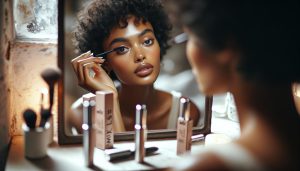
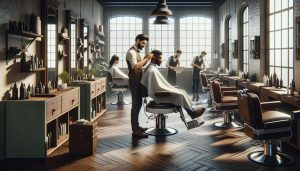
In the world of grooming, mastering the art of technique can make all the difference, whether you’re a seasoned barber or just starting your personal grooming journey. Did you know that the right grooming skills not only enhance your appearance but also boost your confidence and influence how others perceive you? In “Will Barber: Master Craftsman’s Grooming Techniques,” you’ll discover essential tips and expert advice that cover everything from the latest styling trends to the best tools for achieving that polished look. This guide emphasizes the importance of grooming not just as a routine, but as a personal statement that reflects your style and professionalism. By the end, you’ll have actionable insights to elevate your grooming game, ensuring you stand out in any crowd. Prepare to unlock the secrets of exceptional grooming techniques that will inspire your journey towards elegance and self-expression.
Step-by-Step Grooming: Techniques for Every Hair Type
To achieve excellence in barbering, it’s essential to master grooming techniques tailored to diverse hair types. Understanding the unique characteristics of hair-such as texture, thickness, and growth patterns-enables barbers to deliver precise cuts and style that suit each individual’s needs. Whether you’re dealing with straight, curly, wavy, or coily hair, each type requires a different approach, tools, and techniques to ensure optimal results.
For straight hair, use shears for clean cuts and precision. The point cutting technique can add texture without compromising the overall length, while blunt cuts offer a sleek look. Consider using thinning shears for those who require a lighter feel without drastically altering the length. For clients with wavy hair, embrace the natural wave by employing a sliding technique with scissors to enhance movement and prevent frizz. Keep in mind that products are also essential-using a lightweight mousse can define waves without weighing them down.
When working with curly hair, it’s crucial to respect the curl pattern. Utilize the curly cut technique, cutting the hair dry to see how it falls naturally. Incorporating layering helps avoid bulkiness while enhancing shape and softness. For coily hair types, a moisturizing approach is vital. Use a combination of clippers and shears for shaping, focusing on creating clean lines while maintaining the integrity of the curl. After cutting, recommend deep conditioners to nourish and hydrate the curls, preserving their bounce.
By adapting techniques to each hair type, barbers not only enhance their technical skills but also build a reputation for delivering personalized grooming experiences. Always communicate with clients about their desired outcomes and educate them on proper hair maintenance, creating trust and lasting relationships that are fundamental to thriving in the barbering industry.
Crafting the Perfect Beard: Styles and Maintenance
Crafting an exceptional beard is not just about growth; it encompasses select styles and ongoing maintenance that result in a polished, well-groomed appearance. The right beard can enhance facial features and serve as a personal style statement. Whether a client desires a full beard, a goatee, or something more intricate, understanding the nuances of each style is paramount for any barber looking to offer expert grooming services.
To begin with, recognizing the various beard styles is essential. Each style can complement different face shapes and hair textures. Popular styles include the classic full beard, which works well for round faces by adding dimension, and the light stubble that gives a rugged appearance but requires less commitment. The goatee, on the other hand, can elongate the look of a shorter face, making it a favored choice for many.
Maintenance Techniques
Regular maintenance is crucial for achieving a well-groomed beard. Here are some practical tips to share with clients:
- Trimming: Regular trimming, ideally every few weeks, keeps the beard looking tidy. Use sharp scissors for slight adjustments or clippers for a more uniform length.
- Cleaning: Encourage clients to wash their beards with a specialized beard shampoo to remove dirt and excess oils. This keeps the beard fresh and reduces irritation on the skin beneath.
- Conditioning: Applying beard oil or conditioner daily not only moisturizes the beard but also helps to prevent itchiness and flaking. Oils containing natural ingredients like argan or jojoba nourish the hair and promote a healthy sheen.
- Styling: Recommend using a mustache wax or styling balm to shape and define the beard. This is particularly helpful for those with longer beards or specific styles that require more control.
Building Client Relationships
An effective consultation is key to crafting the perfect beard for each individual. Engage clients in discussions about their desired style, maintenance routines, and lifestyle to tailor the grooming experience to their needs. By providing personalized advice and maintaining open dialogue about their grooming habits, barbers can forge strong, lasting relationships that encourage repeat visits and referrals.
In conclusion, the art of beard crafting goes beyond simple aesthetics and dives deeply into tailored care and maintenance. By embracing various styles and emphasizing the importance of routine grooming, barbers not only elevate their craft but also empower clients to take pride in their personal grooming journey.
Understanding Hair Textures: Customizing Cuts and Styles
Understanding hair textures is crucial for barbers who aspire to deliver customized cuts and styles tailored to each client’s unique hair characteristics. Hair texture varies widely-from straight and fine to wavy, thick, coily, and everything in between-each requiring distinct approaches during cutting and styling. Recognizing these variations not only impacts the technique but also enhances the overall aesthetic appeal and manageability of the hairstyle.
For instance, straight hair often falls flat, making it essential to incorporate texture to create volume. Techniques such as point cutting or slide cutting can effectively remove weight, leading to a more dynamic look. In contrast, curly or coily hair requires a different approach, emphasizing the natural curl pattern. Layering can enhance shape and reduce bulk, while ensuring that the curls remain defined and bouncy. Clients with wavy hair may benefit from both layering and texturizing techniques to accentuate the soft waves without losing control.
Customizing Cuts for Different Textures
When customizing cuts, consider these practical guidelines based on hair texture:
- Straight Hair: Opt for blunt cuts for a sleek appearance or layered styles for added movement. Avoid excessive thinning to maintain fullness.
- Wavy Hair: Utilize long layers to enhance the natural wave and ensure the style holds its shape. Texturizing can help manage frizz while keeping the waves defined.
- Curly Hair: Always cut curls when they’re dry to see the final shape. Consider the “DevaCut” method, which involves cutting curls in their natural state for optimal shape and volume.
- Coily Hair: Use sharp shears to create clean, defined lines. Embrace shape through layered cuts that reduce bulk while maintaining curl integrity.
Clients often wonder how to manage their hair textures, making it essential for barbers to recommend suitable styling products. Encourage the use of specific products that cater to their hair type, such as lightweight mousses for straight hair or curl creams for enhancing and defining curls. Educate clients about proper washing and conditioning routines tailored to their texture, which can significantly affect manageability and health.
By emphasizing these customized cutting and styling techniques, barbers not only elevate their craft but also empower clients, allowing them to wear their natural hair textures with confidence and style. Encouragement and education play a vital role in building lasting relationships, ultimately leading to a more satisfied clientele.
Skin Care Basics for Barbers: The Foundation of Grooming
The importance of skin care in the grooming profession cannot be overstated. As a barber, you are not only responsible for cutting hair but also for providing a service that can enhance your client’s overall appearance, including their skin health. An understanding of essential skin care basics will equip you to offer comprehensive grooming services, ensuring your clients leave your chair looking and feeling their best.
A solid skin care regimen begins with cleansing. This process removes dirt, excess oil, and sweat that accumulate throughout the day, preventing clogged pores and breakouts. For barbers, it’s essential to recommend cleansers that suit different skin types, such as gel formulations for oily skin and cream-based cleansers for dry or sensitive skin. Additionally, incorporating an exfoliating step once or twice a week can help remove dead skin cells, revealing a fresher, brighter complexion.
Moisturizing: The Key to Healthy Skin
Following cleansing, moisturizing is critical to maintaining skin hydration and elasticity. It’s essential to choose a moisturizer that fits the client’s skin type. For example, lightweight, oil-free moisturizers are ideal for oily skin, while richer creams may work better for dry or mature skin. Encouraging clients to apply moisturizer after cleansing, particularly when their skin is still slightly damp, can help lock in moisture effectively.
Sun protection is another vital aspect of skin care that barbers must address. Daily sunscreen application should be stressed to clients, regardless of skin type or season. Broad-spectrum sunscreen with an SPF of at least 30 protects against harmful UV rays, preventing premature aging and skin cancer. Make it a part of your grooming consultation to assess whether clients are using adequate sun protection.
Skin Care Tools for Barbers
Incorporating tools into your skincare regimen can elevate the grooming experience. Some essential tools include:
- Facial Brushes: These can enhance cleansing efficacy.
- Exfoliating Scrubs: A must for maintaining smooth skin.
- Serums: Target specific skin concerns such as aging or dullness.
- Facial Masks: Offer periodic treatments to hydrate or detoxify the skin.
By incorporating these skin care principles, barbers not only enhance their clients’ overall grooming experience but also build trust and loyalty. Addressing skin care basics ensures your clients feel valued and understood, solidifying your role as their go-to grooming expert. Encourage regular skin care habits and stay informed on products and techniques to provide the best advice, making skin care a natural part of your grooming services.
Enhancing Personal Style: Trends and Tips for Clients
Every client who sits in your barber chair comes with unique aspirations for their personal style. Understanding how to enhance these desires while staying on top of the latest trends is essential for barbers aiming to build lasting client relationships. With a keen eye for style and the right advice, you can empower your clients to express their individuality through grooming-a vital component of their overall look.
To begin, staying informed about current trends is crucial. Social media platforms, fashion magazines, and influencer content can provide insight into what’s popular-be it specific haircuts, beard styles, or skincare regimens. For instance, embracing textured hairstyles has gained popularity, especially among those looking to enhance their natural curls or waves. On the other hand, clean lines and minimalist styles may appeal to clients who favor a more classic look. Tailoring your recommendations based on these trends while considering what suits your client’s face shape, hair type, and lifestyle is the hallmark of a master craftsman.
Personal Style Tips for Clients
Encouraging your clients to consider their overall aesthetic when selecting hairstyles can significantly impact their personal style. Here are some practical tips you can share:
- Know Your Face Shape: Different hairstyles complement different face shapes. For example, soft layers can soften angular features, while sharp cuts can enhance a strong jawline.
- Color as an Accessory: Hair color has the power to transform a look. Subtle highlights or bold color changes can help your clients stand out or add depth to their style.
- Maintenance Matters: A stylish look should also be manageable. Help clients choose hairstyles that fit their lifestyle-discussing maintenance can prevent future frustration and enhance their experience.
- Accessorize Wisely: Educate clients on the impact of hair products and styling tools-finding the right mousse, pomade, or hairdryer can elevate their look dramatically.
Fashion isn’t static; keeping abreast of grooming techniques that adapt to changing styles is essential for barbers. Encourage your clients to indulge in the occasional refresh-whether through a subtle trim or a drastic change in style, regular visits can keep their looks sharp and on-trend. By fostering an environment where personal expression and trends intersect, you position yourself as a trusted advisor in your clients’ grooming journeys, further solidifying their loyalty and satisfaction.
Business Savvy for Barbers: Building a Thriving Practice
A well-rounded business strategy is just as crucial for barbers as mastering cutting techniques. To truly thrive in the competitive landscape of grooming services, barbers must blend their artistic skills with sound business acumen. Creating a welcoming environment in your barbershop is a powerful way to attract and retain clients. Consider the layout, decor, and atmosphere. A clean, well-organized space with inviting aesthetics can make a significant impact on a client’s first impression, encouraging repeat visits.
Establishing an effective marketing strategy is essential. Use social media to showcase your work, share grooming tips, and engage with your clientele. Posting high-quality images of your cuts and styles, along with before-and-after shots, can garner interest and build your online reputation. Additionally, consider offering promotions or referral discounts to incentivize new clients and encourage your regulars to spread the word about your services.
Understanding your finances is key to sustained success. Keep detailed records of your income, expenses, and inventory. Investing in professional accounting software can help streamline this process. Establishing a budget lets you forecast expenses such as supplies, tools, and marketing initiatives, allowing for more strategic growth. Further, consider diversifying your service offerings, such as adding hair coloring, skincare, or retailing grooming products. This not only meets varying client needs but also increases potential revenue streams.
Lastly, ongoing education cannot be underestimated. The grooming industry is consistently evolving, with new trends, products, and techniques emerging regularly. Attend workshops, engage in online courses, or network with fellow barbers to expand your expertise. Staying informed not only enhances your skills but also positions you as a knowledgeable resource for your clients, fostering their trust and loyalty.
By integrating these strategies into your practice, you set the stage for business growth and a thriving barbering career. Build relationships, stay informed, and maintain an eye for detail, and you’ll pave your way to becoming a sought-after barber in your community.
Continual Learning: Educational Pathways for Aspiring Barbers
To excel in the field of barbering, continual learning and development are vital. Not only do techniques evolve, but so do the tools, trends, and client expectations. A commitment to education can significantly impact your skillset and ultimately your client base. Whether you are fresh out of barber school or an experienced professional looking to enhance your service offerings, nurturing a mindset of growth will keep you relevant and competitive.
One of the most effective ways to expand your expertise is through formal education. For aspiring barbers, enrolling in accredited barber schools provides foundational training in cutting techniques, styling, and grooming practices. These programs typically include practical, hands-on experience, ensuring that you learn the art and science of hair care. Furthermore, obtaining a barber’s license upon completion can open doors to employment opportunities and help establish credibility within the industry.
Beyond traditional schooling, online courses and workshops can serve as excellent platforms for skill enhancement. Many professional barbers and industry experts offer specialized training that focuses on everything from advanced cutting techniques to the latest trends in men’s grooming. Websites like Skillshare and Udemy allow you to learn at your own pace, enhancing your knowledge and confidence without the constraints of a traditional classroom setting. Additionally, attending hairstyling expos or industry conventions can provide hands-on workshops and networking opportunities, helping you stay connected with the latest innovations and fellow professionals.
Moreover, continually seeking mentorship or apprenticing with seasoned barbers can provide invaluable insights that raise your skills to a new level. This kind of experiential learning fosters practical techniques and develops a keen understanding of client management. By observing and participating in real-world scenarios, you refine your craft and learn how to address clients’ unique needs effectively.
In conclusion, embracing a philosophy of lifelong learning not only enriches your repertoire of skills but also enhances your professional reputation. By actively pursuing various educational pathways, you position yourself as a knowledgeable barber, ready to meet the demands of a dynamic beauty landscape. Remember, in the world of grooming, staying ahead means committing to learning, adapting, and perfecting your craft.
Client Consultation: Understanding Needs and Building Trust
Every successful grooming experience begins with effective client consultation, a critical step that sets the foundation for trust and satisfaction. Understanding a client’s needs goes beyond merely discussing styles; it’s about building a relationship where they feel valued and understood. Establishing this rapport can significantly enhance client loyalty, leading to repeat visits and positive word-of-mouth referrals.
To create an insightful and effective consultation, consider employing the following strategies:
- Active Listening: Pay close attention to what your clients say. Listening not only helps you understand their desired look but also demonstrates that you value their input. Ask open-ended questions that encourage them to express their preferences and concerns.
- Visual Aids: Use images or a portfolio of previous works to help clients visualize different styles. This can serve as a great starting point to spark discussions about what they like or dislike.
- Assessing Lifestyle: Consider the client’s daily life and how their grooming choices align with their routines. For instance, a client who leads a busy lifestyle may prefer lower-maintenance styles that require minimal upkeep.
- Texture and Growth Patterns: Discussing hair texture and growth patterns is crucial to ensuring the chosen style will work effectively. Tailor your recommendations based on these natural characteristics to elevate the final result.
A personal touch can also strengthen the client-barber connection. Remembering details, such as their previous cuts or preferences for specific products, shows clients that you are attentive and genuinely care about their experience. You might consider keeping notes on each client’s preferences for future reference.
Moreover, transparency during consultations fosters trust. Clearly communicate what styles are achievable based on hair type, maintenance levels, and expected results. Honesty builds credibility, and clients are more likely to return if they feel they received genuine advice and care.
Incorporating these practices not only enhances the client’s experience but also helps you refine your craft as a barber. Each interaction provides valuable feedback and insights that can inform your future work. Ultimately, creating an environment where clients feel seen and heard will make them more likely to return, contributing to a thriving grooming practice.
Grooming Products 101: Recommended Brands and Ingredients
The right grooming products can elevate any barber’s skill, ensuring clients leave the chair looking and feeling their best. Various brands and ingredients specifically tailored for hair and skin care not only contribute to the quality of services but also enable barbers to provide personalized experiences that cater to diverse needs. Consider incorporating products that reflect both performance and results, allowing clients to maintain their look with ease long after they leave the salon.
Key Product Categories:
- Shampoos and Conditioners: Look for sulfate-free formulas that clean without stripping natural oils. Brands like Pureology and Moroccanoil offer high-quality options that nourish and protect hair while enhancing its overall appearance.
- Styling Products: From pomades to gels, having a variety of styling products is essential. American Crew provides versatile options that suit different hair types, while Baxter of California is known for its high-hold, matte finish products that appeal to a modern clientele.
- Beard Care: As beard grooming continues to trend, products such as beard oils and balms are indispensable. Honest Amish and Beardbrand create natural, effective formulations that soften and condition, making them perfect additions to your service menu.
- Skincare: A good grooming practice extends beyond hair. Recommend moisturizers and sunscreens tailored for men’s skin, such as Kiehl’s or Jack Black, that hydrate and protect while being easy to apply.
When selecting grooming products, aim for those containing beneficial ingredients. Ingredients like argan oil, shea butter, and tea tree oil can provide moisture and relief from dryness or irritation. For example, argan oil not only adds shine but also helps to repair damaged hair. Understanding which ingredients work best for different hair and skin types allows barbers to customize recommendations, thus enhancing client satisfaction and loyalty.
Incorporating these quality products into your barbering toolkit not only demonstrates professionalism but also encourages clients to invest in their grooming habits at home. Educating clients on the benefits of using these products can transform their grooming routine, ensuring they consistently enjoy the results of your expert techniques. Ultimately, the strategic use of reputable brands and well-formulated products will enhance your offerings, create a lasting impression, and establish your practice as a trusted authority in the grooming industry.
Transforming Skills: Advanced Barbering Techniques for Master Craftsmen
Elevating your barbering skills requires a commitment to continuous improvement and the mastery of advanced techniques that set you apart. As trends evolve and client expectations rise, aspiring master craftsmen must refine their skill set and incorporate innovative methods into their repertoire. From precision cutting to advanced fading techniques, understanding the nuances of these artisan practices can dramatically enhance your effectiveness as a barber.
Precision and Attention to Detail
At the heart of advanced barbering lies the necessity for precision. Utilizing tools such as high-quality clippers and scissors, along with a keen eye for symmetry, allows barbers to create intricate hairstyles that reflect each client’s unique personality. Mastering techniques like the *clipper-over-comb* and *point cutting* not only enhances your control but also helps to create seamless transitions between different hair lengths and textures. Practice these techniques frequently to gain confidence and develop your signature style.
Mastering Fade Techniques
Fading is a cornerstone of modern barbering and requires a blend of artistry and technical skill. Understanding the three types of fades-low, mid, and high-opens up endless styling possibilities. An effective fade can breathe life into a simple haircut, transforming it into a statement look. Begin by selecting the appropriate guard length, and blend the transition areas using a flick-out technique to achieve that flawless finish. To further enhance your fading technique, invest in a quality trimmer for crisp edges and detailing.
Texturizing for Dimension
Adding texture to haircuts not only enhances the aesthetic appeal but also makes the style more manageable for clients. Advanced methods such as *chipping*, *sliding*, and *notching* can be employed to create layers and separation, contributing depth to both short and long styles. When combined with a strategic approach to shaping and styling products, texture can transform how clients wear their hair daily.
Building Client Relationships Through Consultation
Advanced barbering isn’t just about technical skill; it’s also about creating a personalized experience for each client. Successful consultations should involve understanding customers’ needs and preferences, discussing face shapes, hair types, and lifestyle choices. Establishing rapport and trust during these consultations often leads to loyal clientele who appreciate your expert recommendations for styles and maintenance. This level of service can distinguish your practice in a crowded marketplace of barbers.
Transforming your skills into those of a master craftsman demands not only dedication and practice but also an embrace of innovation and personalization. By combining technique with client engagement, you set the foundation for a successful barbering career that is both fulfilling and highly regarded. Embrace the journey of mastering these advanced skills, and let your passion for grooming shine through every cut.
Frequently asked questions
Q: What are the essential techniques for mastering the art of barbering?
A: Mastering barbering involves foundational techniques such as proper cutting angles, fading, and texturizing. Learning these techniques allows barbers to customize styles according to individual hair textures and client preferences, ensuring a personalized grooming experience.
Q: How can barbers choose the right tools for their craft?
A: Choosing the right tools involves understanding the specific needs of services provided, such as trimmers, clippers, and shears. Quality tools can enhance precision and efficiency, so investing in reputable brands and regularly maintaining your equipment is vital for achieving optimal results.
Q: What are the best grooming techniques for different hair types?
A: Different hair types require tailored grooming techniques. For instance, thick hair may need heavy-duty clippers for effective cutting, while curly hair benefits from specific texturizing methods. Understanding these nuances helps barbers provide clients with the best styles and maintenance advice.
Q: How do I maintain my beard properly after a barbering session?
A: Proper beard maintenance includes regular washing with suitable cleansers, trimming to maintain shape, and moisturizing to prevent dryness. Also, using tailored grooming products can enhance texture and overall appearance, ensuring your beard remains healthy and stylish.
Q: Why is client consultation important in barbering?
A: Client consultation is crucial as it establishes trust and helps barbers understand individual needs and preferences. Effective communication during consultations leads to better service outcomes and enhances client satisfaction, ultimately building a loyal client base.
Q: What are some current trends in grooming and styling for barbers?
A: Current trends include blending modern styles with classic cuts, such as undercuts and textured hairstyles, alongside tailored beard styles. Staying updated with trends allows barbers to offer clients fashionable and relevant grooming options that enhance personal style.
Q: When should barbers pursue continual education?
A: Barbers should pursue continual education regularly, ideally every few years or when new techniques arise. Workshops, online courses, and industry exhibitions can keep skills sharp and updated, allowing barbers to provide the best service possible to their clients.
Q: How can barbers effectively enhance their business savvy?
A: Enhancing business savvy involves learning about marketing, customer service, and business management. Attending seminars or online courses can provide valuable insights into building a thriving practice, improving client retention, and maximizing profitability.
In Retrospect
Thank you for exploring “Will Barber: Master Craftsman’s Grooming Techniques,” where you’ve unlocked expert insights into mastering both traditional and modern grooming practices. Remember, the right tools and techniques can elevate your grooming routine, whether you’re stepping up your personal style or enhancing your professional services. Don’t miss out on our detailed makeup tutorials and product reviews for Seint, Thrive, and more. Dive deeper into your grooming journey today!
We invite you to join our newsletter for exclusive tips and updates. Curious about specific tools or cleansing routines? Check out our resources section for recommendations that align perfectly with the skills you’ve just learned. Engage with our community by sharing your thoughts or experiences below, and explore related topics that can further enhance your craft. Embrace this journey of beauty and grooming excellence-your unique style is just a step away!