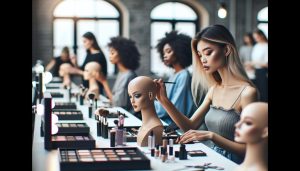
In a world increasingly defined by personal expression, the intersection of faith and beauty raises fascinating questions, particularly regarding nuns and their approach to makeup. Many people wonder: can nuns wear makeup, or does their vow of modesty restrict their choices? This exploration not only illuminates religious beauty guidelines but also addresses common concerns around self-expression and identity in faith communities. Understanding these guidelines can provide insights into how nuns balance their spiritual commitments with personal grooming, allowing readers to appreciate the nuances of beauty within religious life. As we delve deeper, uncovering the cultural and theological aspects will bring clarity to this intriguing topic, inviting curiosity and encouraging an open-minded perspective on beauty and religion.
Understanding the Religious Context of Makeup for Nuns

reveals a complex interplay between personal expression and adherence to spiritual principles. Historically, many religious orders have emphasized modesty and simplicity, which can influence views on cosmetics. However, the perception of makeup within various communities varies greatly; some see it as a tool for enhancing God-given beauty, while others believe it detracts from spiritual focus.
Many nuns navigate these guidelines by considering the intent behind their makeup use. Spirituality often prioritizes inner beauty and selflessness, leading to a preference for minimalistic approaches that reflect their commitment to faith. For instance, in some orders, light makeup may be acceptable for special occasions or community events. This flexibility allows nuns to craft their personal style while remaining respectful of the community’s values.
Furthermore, contemporary discussions around beauty standards in religious life highlight evolving attitudes. As society shifts and diverse expressions of beauty gain acceptance, nuns are finding ways to express individuality while still adhering to their vows of modesty. Engaging with current beauty trends, such as minimalist skincare routines or natural looks, can help harmonize the need for self-care and the commitment to a humble lifestyle. This balance underscores a broader understanding of beauty that encompasses both spiritual integrity and personal expression within the framework of their religious commitments.
Historical Perspectives on Nuns and Beauty Practices

Throughout history, nuns have navigated the complex intersection of faith and beauty, often reflecting their spiritual values in how they present themselves. In various religious communities, strict guidelines have traditionally emphasized simplicity and modesty, directly impacting beauty practices, including the use of makeup. A significant part of a nun’s vocation involves embodying humility, which often translated to a more subdued appearance, focusing on inner rather than outer beauty. However, as societal norms around femininity and beauty evolve, so too do the practices among nuns.
In earlier centuries, nuns typically avoided makeup altogether, considering it a distraction from their spiritual path. Many religious orders implemented strict dress codes and simplicity in lifestyle, which naturally extended to grooming and cosmetics. For instance, the veils worn by nuns not only signify their commitment to their faith but also serve as a physical representation of modesty and piety, discouraging any flamboyant expressions of beauty. However, within this framework, some religious orders began to explore more flexible interpretations of beauty as part of their outreach and community engagement, recognizing that personal grooming could also serve as a form of respectful self-expression.
As we moved into the modern era, a broader acceptance of individual expression has encouraged nuns to reconcile their spiritual commitments with contemporary beauty standards. Many nuns now use minimal makeup to cultivate a natural look, enhancing their features without compromising their vows. These practices do not fully abandon historical perspectives but rather adapt them to fit a modern understanding of beauty that allows for personal identity within a communal lifestyle. By embracing minimalist skincare and makeup routines, nuns today can find ways to engage with current beauty trends while remaining grounded in their faith principles, illustrating how the journey of beauty can align harmoniously with a life of devotion.
Ultimately, the historical perspectives of nuns regarding beauty practices encapsulate a journey of evolving values where modesty meets personal expression. As beauty norms continue to shift, nuns contribute their unique perspectives, participating in a broader conversation about femininity, spirituality, and the multifaceted nature of beauty.
What Are the Guidelines for Nuns’ Makeup Use?
While perceptions regarding makeup among nuns have evolved over the years, the guidelines for makeup use often vary significantly across different religious orders. Generally, these guidelines emphasize modesty, simplicity, and the reflection of one’s inner spiritual life. Nuns are typically encouraged to approach beauty practices with the intention of enhancing their natural features rather than hiding behind layers of cosmetics. This minimalist approach allows them to maintain their commitments while also engaging with contemporary beauty standards.
Many nuns find common ground in the belief that makeup should not distract from their devotion and service. Therefore, acceptable guidelines often include:
- Subtlety is Key: Nuns are encouraged to use makeup that enhances their features without being overly bold or attention-grabbing. Think natural tones for foundation and neutral shades for eyes and lips.
- Minimal Application: The use of products should be minimal. A lightweight tinted moisturizer, a hint of blush, and possibly a swipe of mascara can often suffice to achieve a polished look.
- Focus on Skin Care: Skincare routines might take precedence over makeup. Many nuns advocate for healthy skin, ensuring their complexion is well-cared for. This includes the use of protective and hydrating products that allow their natural beauty to shine through.
- Occasional Use for Special Occasions: While daily routines may favor a bare look, some communities allow for slightly more makeup during special events, emphasizing that it should still adhere to their guiding principle of modesty.
In keeping with the principles of humility and community service, makeup is seen as a tool for personal expression that should not overshadow their primary focus on spirituality and their roles within their communities. Some nuns have noted that adopting a natural makeup look can help them feel confident and respected, facilitating better interactions within the communities they serve.
Ultimately, the guidelines surrounding makeup for nuns reflect a delicate balance between religious vows and personal expression. By embracing a philosophy of simplicity and modesty in their beauty practices, nuns can successfully navigate the intersection of their faith and contemporary beauty standards, creating a personal aesthetic that aligns with their spiritual journey.
Cultural Variations in Nuns’ Beauty Standards
The diversity in beauty standards among nuns across various cultures offers a fascinating insight into how faith and identity intersect in unique ways. Different religious orders and geographic regions often influence how makeup and bodily adornment are perceived and practiced within the monastic community. While some nuns adhere to strict guidelines that limit or even prohibit the use of makeup, others embrace a more modern approach that allows for personal expression through beauty practices, all while maintaining a commitment to modesty.
In many Western countries, nuns may be more inclined to adopt subtle makeup as a form of self-care rather than an act of vanity. They often choose natural hues and minimal products, focusing on enhancing their features while staying true to their vows of simplicity. For instance, many Sisters in the United States lean towards tinted moisturizers and neutral lip shades during modest social engagements, as these choices reflect both their commitment to inner beauty and the realities of their communal interactions.
Conversely, in some African or Asian cultures, the approach to beauty among nuns can vary significantly. For example, nuns in certain regions may draw upon local beauty traditions that incorporate more noticeable adornments or colorful clothing, yet within a framework that respects their spiritual commitments. This cultural specificity allows them to express their identity while conforming to the foundational tenets of their religious life. Makeup, in these contexts, can symbolize cultural pride and the celebration of individual adornment that resonates with local beauty standards.
Moreover, the evolving landscape of beauty norms invites discussion and flexibility around makeup use among various nun communities. Social media and globalization have introduced new beauty trends, causing some nuns to reconsider traditional views on makeup and adopt contemporary practices in a way that aligns with their spiritual beliefs. Ultimately, the acceptance of makeup and beauty rituals among nuns illustrates a broader dialogue between personal expression and commitment to faith across cultures, fostering a respectful approach to beauty that harmonizes individual identity with communal values.
Makeup Products Considered Acceptable by Nuns
In the realm of beauty and self-expression, nuns navigate a delicate balance between personal aesthetics and their religious commitments. While some nuns adhere to strict guidelines that limit their use of makeup, many find ways to explore acceptable products that promote a sense of well-being and respect their vows. Products that align with their values typically emphasize simplicity and modesty while enhancing natural beauty.
For nuns looking to integrate makeup into their routines without compromising their principles, items designed for a natural look are often preferred. Common choices include:
- Tinted moisturizers: These provide light coverage while hydrating the skin, allowing nuns to maintain a fresh appearance without heavy makeup.
- Natural mineral foundations: Lightweight and breathable, mineral foundations can offer a smooth, matte finish without the heaviness of traditional foundations.
- Neutral lip colors: Shades like soft pinks and beige can offer a touch of color while remaining subtle and appropriate for various settings.
- Clear or lightly tinted brow gels: These help to groom and set brows in place, providing a polished look with minimal effort.
When choosing products, many nuns lean towards brands like Ilia and Thrive, which focus on clean, skin-friendly ingredients that promote overall skin health. ELF offers affordable options that still adhere to a mindful approach to beauty, making it easier for nuns to stay within their guidelines while exploring makeup. A focus on skincare is also essential; using gentle, effective cleansers and moisturizers can serve as a foundation for any makeup routine, ensuring that the skin remains healthy and radiant.
Ultimately, the choice of make-up products reflects a nuanced understanding of personal expression within the framework of nuns’ lives. By selecting items that enhance their natural features and align with their spiritual practices, these women demonstrate that beauty can be both a personal journey and a commitment to their faith.
The Role of Personal Expression in Religious Life
In many religious contexts, personal expression often intertwines with spiritual practices, creating a rich tapestry of belief and individuality. For nuns, makeup can serve as a silent affirmation of their identity and creativity while honoring their commitment to faith. Despite the variations in guidelines regarding cosmetic use across different orders, the fundamental desire for personal expression remains a constant thread. For nuns who embrace an intentional approach to beauty, makeup becomes a means to enhance rather than mask, reflecting their inner spirit and dedication to their religious community.
Nuns often navigate the complex relationship between self-expression and religious devotion through thoughtful choices in makeup and personal grooming. Many view makeup not as an act of vanity, but as a way to cultivate self-respect and showcase their reverence for their bodies, which are considered temples of the Holy Spirit. This perspective allows for a nuanced understanding of beauty-one that celebrates individuality while adhering to principles of modesty. The careful selection of products becomes a deliberate act of personal expression that aligns with their spiritual values.
When integrating makeup into their lives, many nuns find joy in selecting items that align with their beliefs and enhance their natural beauty. For instance, lightweight products that provide subtle enhancements, such as tinted moisturizers or soft lip colors, are popular choices. These products allow nuns to feel vibrant and confident without overwhelming their appearance or contradicting their commitment to simplicity. By choosing brands known for their clean ingredients like Ilia and Thrive, nuns can maintain both their beauty routine and their integrity.
Moreover, the act of applying makeup can also serve as a meditative practice, inviting moments of reflection and mindfulness into a nun’s everyday routine. This ritual fosters a deep connection to self and spirituality-an opportunity to pause, breathe, and appreciate the beauty of creation. As each brushstroke and dab of color enhances their features, it reinforces their identity as dedicated women, balancing both personal style and religious commitment in a harmoniously expressive way.
Balancing Beauty and Modesty: How Nuns Approach Makeup
Makeup for nuns represents more than just aesthetics; it’s a complex interplay of faith, identity, and personal expression. For many nuns, the approach to makeup is rooted in a desire to enhance their natural beauty while remaining faithful to their religious commitments. They often see the act of beautifying themselves as a tribute to their bodies-treated as temples of the Holy Spirit-rather than indulging in vanity. Choosing to apply makeup thoughtfully allows nuns to navigate the careful balance between personal expression, modesty, and their spiritual identity.
To achieve this balance, nuns may favor subtle makeup choices that align with their values. The emphasis is typically on minimalism, with products that enhance rather than disguise. Popular items include tinted moisturizers that provide a sheer coverage and soft lip balms or natural tints that add a hint of color without being too bold. These choices reflect an awareness of their surroundings and community, allowing them to engage with the world while adhering to personal and religious guidelines. Furthermore, the use of brands focused on clean ingredients, such as Ilia or Thrive, reinforces their commitment to integrity and health, supporting the belief that beauty doesn’t need to come at the cost of ethics.
Furthermore, applying makeup can be transformed into a meditative practice that fosters self-reflection. By incorporating this ritual into their daily routine, nuns can create space for mindfulness, turning the mundane into meaningful moments. Each application can be seen as a way to appreciate oneself and celebrate one’s unique identity, all while keeping a grounded perspective on beauty and modesty. This encouraging approach uplifts the spirit, fostering confidence and a sense of belonging within their faith community, allowing nuns to express themselves authentically while maintaining their dedication to simplicity and faith.
Ultimately, the nuanced relationship between beauty and modesty in the lives of nuns offers valuable lessons in self-care and expression. They illustrate that true beauty reflects inner values and can coexist with a profound commitment to spiritual life, paving the way for a holistic experience that embraces both personal style and devotion.
Expert Opinions: Nuns Weigh in on Makeup Use
It’s a common misconception that the lives of nuns are devoid of personal expression, especially when it comes to beauty and makeup. However, many nuns view makeup as a means to honor their physical appearance, which they believe to be a reflection of their inner spirituality. According to Sister Anne, a member of a contemplative order, “Makeup is not about vanity; it’s an act of love towards oneself and the community. When we care for our appearance, we show respect for the gifts God has given us.” This perspective emphasizes that self-care can coexist with a profound commitment to faith and humility.
In discussing beauty practices, Sister Teresa highlights that nuns are encouraged to approach makeup with thoughtfulness and simplicity. “Our guiding principle is to enhance our natural beauty without drawing undue attention to ourselves. A touch of lip balm and a hint of blush can go a long way,” she explains. This minimalist approach aligns with their values, allowing for personal expression while adhering to their communal and spiritual responsibilities. They often opt for brands that reflect their ethical beliefs, such as Ilia or Thrive, which focus on clean, sustainable ingredients, showing that beauty practices can also resonate with deeper convictions.
Furthermore, the dialogue around makeup use among nuns reflects broader cultural shifts in society. Many younger nuns, influenced by contemporary beauty ideals, are embracing skincare and makeup as part of a holistic routine that prioritizes well-being. They express that makeup can be a tool for self-empowerment, helping them to engage with the world confidently while maintaining their spiritual focus. Sister Joy stated, “Wearing makeup makes me feel more connected to the world around me and more comfortable in my own skin. It’s about feeling good while remaining true to my faith.”
Engaging with makeup as a form of personal care can also serve a practical purpose in helping nuns feel presentable during public services or community interactions. Yet, this practice is approached with a strong sense of balance. Nuns like Sister Clara affirm that the essence of beauty lies in authenticity and integrity, reminding themselves that their beauty is ultimately a reflection of their dedication to their faith and service. This perspective not only enriches their personal grooming practices but also fosters a deeper connection with their spiritual journey.
How Nuns Achieve Natural Looks with Minimal Makeup
Achieving a natural look with minimal makeup revolves around an understanding of skincare, simplicity, and enhancement rather than transformation. This approach resonates deeply with many nuns who embrace a lifestyle grounded in humility while still appreciating personal care. Rather than masking their features, the goal is to enhance their natural beauty in a way that reflects their inner spirituality and commitment to their faith.
To start, a solid skincare routine forms the foundation for any successful makeup application. Prioritizing hydration with a lightweight moisturizer can help achieve a healthy glow. Nuns often advocate for products rich in natural ingredients; brands like Thrive and Ilia offer options that not only nourish the skin but align with ethical values too. Incorporating a gentle sunscreen is also vital, protecting the skin while providing a dewy base for makeup.
When it comes to makeup, a minimalist palette is key. Here are some essential products and techniques that can help nuns and anyone seeking a natural look:
Essential Products for a Natural Look
- Tinted Moisturizer or BB Cream: A light coverage product can even out skin tone without feeling heavy. Look for those with additional skincare benefits.
- Cream Blush: A touch of cream blush can create a healthy flush on the cheeks. Opt for soft, muted colors that blend seamlessly with the skin.
- Tinted Lip Balm: This adds color while keeping lips moisturized, ideal for a fresh, uncomplicated look.
- Clear Mascara: For a bit of definition without drama, clear mascara can enhance lashes naturally while keeping them looking polished.
Applying these products requires a gentle hand and a focus on subtlety. Start by applying a tinted moisturizer with fingers for a light, skin-like finish. Pat a bit of cream blush onto the cheeks, blending with a sponge or fingertips for a soft radiance. A dab of tinted lip balm completes the look without overwhelming the senses, emphasizing a connection to inner beauty over external adornment.
In this manner, nuns define beauty not through heavy makeup but by honoring their individuality and reflecting their unique spirit. This balance of simplicity and self-expression invites a broader audience to explore minimalism in their beauty routines, recognizing that less can indeed be more. Whether for personal empowerment or communal gatherings, achieving a natural look focuses on enhancing features while maintaining the dignity and modesty cherished in the calling.
Nuns and Skincare: Essential Routines to Follow
A well-maintained skincare routine is not just a luxury; for many nuns, it serves as an essential part of their daily life, contributing to both their physical and spiritual well-being. Achieving healthy skin allows them to feel comfortable and confident in their appearance while adhering to their values of simplicity and modesty. This commitment to personal care often incorporates natural products that align with their beliefs, fostering a connection between inner spirituality and outer presentation.
To build an effective skincare regimen, nuns typically focus on three core steps: cleansing, moisturizing, and sun protection. Cleansing is crucial for maintaining skin health, particularly after a long day of work or communal activities. A gentle, hydrating cleanser helps remove impurities without stripping the skin of its natural oils. Following cleansing, a lightweight moisturizer is critical to maintain hydration and support the skin’s barrier. Nuns are encouraged to select moisturizers enriched with natural ingredients known for their soothing properties, such as aloe vera or chamomile.
The final vital step is sun protection, which helps guard against premature aging and other skin issues. A mineral-based sunscreen can be a non-negotiable addition to their routine, as it aligns with many nuns’ preferences for products that are both effective and ethically sourced. Many nuns view proper skincare not merely as vanity but as a form of respect for the body they believe is a temple.
In summary, a thoughtful approach to skincare focused on simplicity and purity allows nuns to maintain their natural beauty without conflicting with their values. By emphasizing gentle cleansing, nourishing moisturization, and diligent sun protection, they embody a graceful balance of personal care that resonates with their spiritual lifestyle. This routine not only enhances their outer appearance but also reflects their inner commitment to their faith.
Influential Nuns Who Changed Beauty Perceptions
Throughout history, numerous nuns have emerged as influential figures, challenging traditional perceptions of beauty and femininity within their religious communities. These women often disrupted the expected norms by embracing both their spiritual commitments and a nuanced understanding of beauty, thus paving the way for a broader acceptance of personal expression among nuns.
One notable figure is Sister Wendy Beckett, an English nun and art historian, whose television programs on art presented a distinctive blend of spirituality and discourse around beauty. Sister Wendy’s passionate insights not only educated viewers about art history but also encouraged a deeper appreciation for aesthetic experiences in the context of faith. Her ability to discuss beauty in a manner that resonated with the masses showcased a different kind of influence that transcended mere makeup and aesthetics-it was about seeing beauty as a vehicle for spiritual reflection.
Another impactful figure is Mother Teresa. While not typically associated with makeup or conventional beauty standards, her legacy emphasizes inner beauty, simplicity, and humility. She taught that true beauty lies in selfless love and service to others, influencing countless women, including those in religious life, to focus on their inner qualities rather than external appearances. Her life and message have opened dialogues on redefining beauty standards that prioritize character and compassion over physical attributes.
Furthermore, religious communities today are slowly recognizing the evolving role of women, including their approach to beauty. Many nuns are beginning to embrace contemporary beauty trends, arguing that personal grooming-when done with intention and thoughtfulness-can complement their spiritual identities without contradicting their vows. This shift reflects a broader cultural movement towards embracing personal style as a form of self-expression, challenging outdated notions that associate spirituality solely with plainness.
As we look at these influential figures, it becomes clear that nuns can participate in the beauty discourse in ways that reinforce their spiritual missions. By finding harmony between self-care and religious duties, they inspire others to consider a more inclusive definition of beauty-one that encompasses both inner radiance and, when appropriate, the joy of personal expression through makeup and style.
Modern Trends in Beauty Among Religious Women
Contemporary religious women are increasingly redefining beauty norms within their communities, showcasing a vibrant trend of personal expression through grooming and makeup. This evolution stems from a broader cultural dialogue surrounding beauty, where many religious women view self-care as an integral part of their spiritual journey rather than a contradiction to their vows. By embracing a more holistic approach, these women are making informed choices about beauty that align with their identities and faith.
One trend is the growing acceptance of minimalist beauty routines. Many nuns opt for natural looks that enhance their features while remaining modest and appropriate for their lifestyle. Products from brands like Seint and Thrive have caught their attention, offering versatile cosmetics that provide good coverage without overpowering one’s natural beauty. These products can be used to create looks that emphasize freshness and vitality rather than glamour, promoting the idea that makeup can serve to uplift one’s spirit while respecting religious guidelines.
Another noteworthy shift is the incorporation of skincare into daily routines, an area often overlooked in the past. Many contemporary religious women are taking to heart the importance of skin health, recognizing that a well-maintained complexion reflects both self-respect and care for the body. Simple cleansing routines utilizing gentle products from brands like Ilia and ELF not only nourish the skin but also align with the values of simplicity and purity. This trend is accompanied by the understanding that caring for oneself can be a form of spiritual expression.
Moreover, social media platforms have become vital in amplifying these modern beauty trends among religious women. Influencers and nuns alike share makeup tutorials, skincare advice, and personal stories that inspire others. This sharing creates a supportive community where traditional beauty views are challenged, and personal style is celebrated. The dialogue encourages others to explore their own beauty journeys, finding a balance between self-expression and spiritual devotion.
As these trends continue to evolve, it’s clear that modern religious women are embracing a more inclusive and dynamic understanding of beauty-one that honors their faith while allowing them to express their individuality in ways that foster confidence and self-acceptance. By harmonizing their grooming routines with their spiritual commitments, they are redefining the landscape of beauty within religious communities, inspiring all to explore and celebrate the beauty in simplicity and authenticity.
Frequently Asked Questions
Q: Can nuns wear makeup in their daily lives?
A: Yes, nuns can wear makeup in their daily lives, though guidelines vary by order. Many nuns choose minimal, natural makeup to uphold modesty while allowing personal expression. For specific guidelines, refer to the section on “What Are the Guidelines for Nuns’ Makeup Use?”
Q: What types of makeup are considered acceptable for nuns?
A: Acceptable makeup for nuns typically includes natural and subtle products, such as tinted moisturizers or soft powders. Bright colors and heavy cosmetics are generally avoided to maintain the spirit of modesty and simplicity. This is detailed in “Makeup Products Considered Acceptable by Nuns.”
Q: How do different cultures influence nuns’ makeup choices?
A: Cultural backgrounds play a significant role in nuns’ makeup choices, determining what is considered appropriate or attractive. In some cultures, wearing makeup is more accepted, while in others, a more austere appearance is encouraged. Explore this in the section on “Cultural Variations in Nuns’ Beauty Standards.”
Q: Are there any religious prohibitions against makeup for nuns?
A: There is no universal prohibition against makeup for nuns; however, many religious orders emphasize modesty and simplicity in appearance. Each community may have specific guidelines, so it’s essential to check with local traditions or leadership.
Q: What is the significance of beauty in a nun’s life?
A: Beauty for nuns can reflect their inner spiritual life and commitment to their faith. Many view personal grooming and modest makeup as a way to honor their vows while expressing individuality. This topic is further explored in “The Role of Personal Expression in Religious Life.”
Q: How can nuns achieve a natural look with minimal makeup?
A: Nuns can achieve a natural look by using lightweight products, focusing on enhancing their features gently. Simple techniques include using tinted moisturizer, light blush, and subtle lip colors. Detailed methods are covered in “How Nuns Achieve Natural Looks with Minimal Makeup.”
Q: Is skincare important for nuns who use makeup?
A: Yes, skincare is vital for nuns who use makeup, as it ensures a healthy complexion. A regular skincare routine, which includes cleansing and moisturizing, can help maintain skin health, as discussed in “Nuns and Skincare: Essential Routines to Follow.”
Q: How have influential nuns shaped beauty standards?
A: Influential nuns have often shaped beauty standards by promoting the idea that modesty can coexist with personal expression. Their efforts challenge stereotypes and encourage a balanced view of spiritual and physical beauty, highlighted in the section “Influential Nuns Who Changed Beauty Perceptions.”
Insights and Conclusions
As we’ve explored the nuanced question of whether nuns can wear makeup, it’s essential to recognize that the guidelines vary widely among different orders and personal beliefs. Understanding these religious beauty standards empowers individuals to appreciate both the spiritual and aesthetic aspects of life. If you’re eager to learn more about integrating beauty into your routine, check out our detailed makeup tutorials and product reviews on Seint and ELF, which cater to diverse styles and preferences.
Don’t miss the chance to deepen your knowledge further! Subscribe to our newsletter for exclusive insights into grooming techniques, or explore related topics like professional barbering tips and modern styling essentials. Your journey to beauty excellence starts now-share your thoughts in the comments below or connect with us on social media. Engage with our content today, and continue to expand your skills and understanding in the vibrant world of beauty!