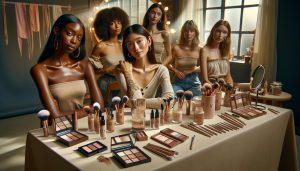
The intersection of makeup and spirituality can stir deep emotions and questions. Many wonder, “Is wearing makeup a sin?” This intriguing inquiry invites reflection on personal values, societal norms, and religious teachings. For those seeking to express individuality through beauty, understanding the perspectives of various religious leaders can illuminate the balance between self-adornment and spiritual integrity. As societal perceptions of beauty evolve, it’s essential to explore how faith communities navigate this issue and what guidance they offer. Join us as we delve into the insights of religious authorities, revealing how their teachings resonate with both makeup enthusiasts and those grappling with their beliefs, ultimately encouraging a more profound understanding of self-expression within spiritual frameworks.
Theological Perspectives on Makeup Use

Makeup has long been a topic of theological debate and discussion across various religious traditions. Many faiths bear cultural narratives that shape their perspectives on beauty and self-adornment, frequently influencing followers’ views on the morality and appropriateness of wearing makeup. To understand these theological perspectives, it’s essential to explore how different religions interpret divine guidance regarding appearance, showcasing both liberating and restrictive viewpoints.
For instance, in some interpretations of Christianity, particularly among evangelicals and conservative groups, makeup is seen as a potential distraction from one’s spiritual focus. They may cite biblical scripture that emphasizes inner beauty over outward appearance, urging believers to embody humility and modesty. Contrarily, other denominations take a more lenient stance, viewing makeup as a form of self-expression that can enhance one’s confidence and individuality, aligning with the belief that God created beauty in diversity.
In Islam, opinions on makeup can vary significantly depending on cultural context and interpretation of religious texts. Many Islamic scholars advise moderation, suggesting that while enhancing one’s appearance is permissible, it should not lead to vanity or draw undue attention. Makeup is often viewed as a means of beautifying oneself for one’s husband, reinforcing the balance between adherence to modesty while embracing personal aesthetics.
Similarly, Hinduism embraces the concept of beauty within its spiritual practices, often associating specific colors and adornments with deities and cultural rituals. Makeup, particularly during significant celebrations or rites, is considered a means to honor the divine and express reverence for one’s faith. This perspective fosters an appreciation for the artistic and ritualistic elements of makeup, setting it apart from mere vanity.
Ultimately, the reflect a complex interplay between religious beliefs, cultural influences, and personal values. Followers are encouraged to navigate these waters thoughtfully, seeking a balance that honors their faith while allowing for personal expression. Whether through modest enhancement or elaborate adornment, the dialogue around makeup in religious contexts continues to evolve, inviting individuals to reflect on their motivations and the messages they wish to convey.
Cultural Views on Makeup in Religion
By delving into the intersection of culture and religion regarding makeup, one encounters a rich tapestry of beliefs, rituals, and practices that reflect deeper meanings behind self-adornment. Various religious traditions offer distinct perspectives on beauty that can either embrace or challenge contemporary practices around makeup. This multiplicity greatly influences how followers of these faiths navigate their own beauty standards and behaviors.
In many cultures, beauty is often colored by historical narratives and religious doctrines. For example, in Christianity, some adherents believe that vanity is discouraged by scripture, advocating for a simplicity that prioritizes inner beauty over external appearances. This perspective may resonate particularly within more conservative denominations, where individuals are encouraged to keep their adornments minimal as a reflection of their faith. In contrast, other Christian groups celebrate makeup as a tool for self-expression, arguing that enhancing one’s appearance is a celebration of the beauty created by God. They view the act of wearing makeup not as a deviation from faith but as an extension of one’s personal identity and artistic expression.
Similarly, in Islam, cultural contexts heavily influence views on makeup. Scholars often emphasize moderation; makeup is acceptable if worn with the right intention and without crossing into vanity. Many Muslim women see makeup as a way to beautify themselves for special occasions or within the privacy of their homes, reflecting an understanding that personal grooming has its place within the broader framework of modesty emphasized by Islamic teachings. This nuanced approach allows for personal expression without abandoning core values.
Hindu culture is another fascinating example, where beauty often intertwines with spirituality and ritual. Makeup is considered an integral part of many religious ceremonies, serving as a means to honor deities and signify cultural heritage. Rich colors, intricate designs, and specific adornments embody stories and symbolisms that connect practitioners to their faith. This deep-seated reverence for beauty elevates makeup beyond mere vanity and situates it firmly within the realm of spiritual expression.
Understanding these diverse cultural views on makeup unveils the complexity of the conversation around beauty and faith. Individuals navigating these landscapes are encouraged to reflect on their motivations, seek spiritual guidance, and find a balance that aligns with their beliefs while embracing their personal aesthetic. Regardless of the stance taken, the ongoing dialogue about makeup in religious contexts remains fresh and evolving, inviting individuals to forge their paths amid traditional expectations and modern expressions.
Makeup in the Context of Modesty

In the multifaceted dialogue surrounding modesty and beauty, makeup occupies a nuanced position that varies widely across religions and cultures. For many believers, the idea of modesty is not merely a set of restrictions but a guiding principle that influences personal expression in diverse ways. This means that while some may view makeup as a divergence from modesty, others interpret it as a manifestation of their identity within the framework of their faith.
A common thread among religious teachings is the emphasis on intention. For example, in Islamic contexts, the wearing of makeup can be aligned with the concept of “niqab,” or modesty, as long as it is approached with the right mindset. Muslim women often use makeup to enhance their beauty for significant occasions, affirming that such practices can coexist with their commitment to modesty. Makeup becomes an opportunity to celebrate one’s appearance without succumbing to vanity, relying instead on personal intent and cultural norms to navigate this balance.
Practical Considerations in Religious Contexts
When considering modesty in relation to makeup, it’s essential to contemplate both the cultural and theological implications of one’s choices. Here are some practical guidelines that can help navigate these waters:
- Understand Core Teachings: Familiarize yourself with the specific teachings of your faith regarding beautification and modesty. Seek guidance from religious texts or leaders to understand how these principles apply to your daily life.
- Intention Matters: Reflect on the reasons behind your desire to wear makeup. If your intention is to enhance your natural beauty rather than seek attention, you are more likely to stay aligned with modest values.
- Choose Products Wisely: Opt for makeup products that align with your ethical beliefs-considering cruelty-free, vegan options, or organic products can reflect a commitment to values shared in many faith communities.
- Moderation is Key: In many faiths, moderation is a vital tenet. Less is often more; a subtle application can enhance your features without overpowering your natural beauty.
For practitioners of Hinduism, the role of makeup often intertwines with spirituality, as certain rituals necessitate adornments as part of honoring deities. Here, makeup does not conflict with modesty; instead, it enhances the spiritual experience and connects followers deeper with their traditions.
Ultimately, how one approaches makeup within the context of modesty is deeply personal. Whether it becomes a means for self-expression or adherence to faith, finding a harmonious balance allows individuals to navigate their beauty practices with confidence and integrity. By seeking to understand the cultural and religious dynamics that shape these views, one can embrace their beauty journey authentically while respecting the values they hold dear.
Historic Stances of Major Religions on Makeup
Throughout history, major religions have held distinct views on the use of makeup, often reflecting broader societal attitudes toward beauty, modesty, and identity. In many traditions, the application of makeup has oscillated between celebration and condemnation, often aligned with the prevailing norms of the time. For example, in ancient Egypt, makeup was not only commonplace but revered; Egyptians used kohl to accentuate their eyes, reflecting a belief that beauty could also convey spiritual protection. This cultural acceptance highlights how makeup can serve as both a practical tool for self-expression and a symbol of divine approval.
In contrast, some religious traditions have deemed makeup to be potentially deceitful or distracting. For instance, early Christian teachings often emphasized inner beauty over external appearance, arguing that the use of cosmetics could lead to vanity and moral decay. Figures such as Tertullian critiqued women who adorned themselves excessively, suggesting that it was a violation of modesty and a departure from a virtuous life. This thread of thought continued through the centuries, influencing a wide array of Christian beliefs about femininity and presentation. The tension between self-adornment and spiritual authenticity remains a topic that religious leaders navigate sensitively today.
Judaism presents a multifaceted perspective that can also reflect both the historical and contemporary discourses surrounding beauty. Traditional texts may encourage women to maintain modesty, yet they also acknowledge the significance of beauty within the context of life-cycle events and rituals. The Talmud reflects on the adornment of brides, suggesting that creating moments of beauty can honor communal and familial ties while simultaneously encouraging a deep respect for the sacred. This nuanced understanding supports the notion that makeup can be a form of reverence rather than rebellion.
As contemporary society grapples with the fast-evolving standards of beauty, religious leaders are increasingly embracing discussion around makeup, seeing it as an opportunity for dialogue about authenticity, self-esteem, and personal expression. They stress the importance of intention and the heart behind one’s choices, echoing sentiments that have persisted through history yet adapting them to modern circumstances. In this way, the historical stances of various religions on makeup continue to inform current debates, fostering a broader conversation about how beauty intersects with faith and personal identity.
Contemporary Opinions from Religious Leaders

In an age where personal expression and authenticity are highly valued, many religious leaders are re-examining the role of makeup within their communities. Statements from clergy across various faiths indicate a shift toward recognizing makeup as a tool for self-expression rather than a source of sin. For instance, prominent figures within modern Christianity have begun to advocate for a more nuanced understanding of scripture that allows for personal choice in beauty practices. Instead of condemning makeup, they emphasize the importance of intention and the heart behind the use of cosmetics. This perspective encourages individuals to consider their motivation-whether it stems from self-confidence or societal pressure-and to pursue beauty that aligns with their inner values.
Many religious leaders also underscore the significance of cultural context when discussing makeup. In Islamic teachings, while modesty is a critical principle, some scholars point out that adornment can be acceptable in private or celebratory settings, provided it doesn’t compromise one’s modesty or lead to vanity. For example, weddings are often seen as occasions where women can showcase beauty as part of their cultural heritage without entering the territory of sin. Similarly, within Jewish communities, leaders often reference the Talmud’s recognition of beauty in the context of life-cycle events, suggesting that there is a place for makeup in honoring significant moments while remaining true to one’s values.
Furthermore, contemporary religious discussions bring to light the psychological well-being that can come from using makeup. Many leaders recognize that makeup can boost self-esteem and help individuals feel empowered in their identity. This supportive stance encourages reflection on how personal grooming choices can enhance one’s life without conflicting with religious beliefs. They remind congregants that beauty is multifaceted, embracing both internal virtues and external expressions.
Ultimately, as discussions around makeup evolve, religious leaders are increasingly open to fostering conversations that acknowledge both the challenges and opportunities inherent in makeup use. By urging followers to focus on personal intent and self-acceptance, they create an environment where individual choices about beauty can be reconciled with faith traditions, offering a supportive framework for navigating these often-contentious topics.
Makeup as Self-Expression: A Religious Debate
The conversation surrounding makeup as a form of self-expression within religious contexts is rich with complexity. Many faith leaders emphasize that makeup can serve as not just a cosmetic tool but also a medium of personal expression and empowerment. This shift in perspective acknowledges the profound realities of identity, culture, and the desire for beauty that each individual carries. By framing makeup within a broader context of self-acceptance and confidence, religious discussions begin to soften the strictures traditionally associated with its use.
A notable part of this debate involves understanding the intention behind makeup application. Religious leaders across various faiths encourage followers to reflect on whether their use of cosmetics stems from a desire to enhance their natural beauty, express their personality, or conform to societal expectations. For instance, many Christian leaders suggest that as long as makeup is used thoughtfully and does not become a tool of vanity, it can be embraced. They highlight examples of biblical figures who adorned themselves, interpreting these actions as affirmations of beauty that do not contradict spiritual teachings.
Cultural contexts also play a crucial role in this discussion. In many traditions, special occasions such as weddings or religious ceremonies are seen as moments where adornment is not just acceptable but celebrated. For example, in Islamic communities, scholars note that while modesty is paramount, embellishments in appropriate settings can reflect cultural heritage and joy. Similarly, in Jewish tradition, rituals often include elements of beauty that underscore celebration, thereby validating the use of makeup within the framework of community and faith.
Ultimately, the ongoing dialogue around makeup as self-expression reveals a growing acceptance within many religious communities. By embracing diverse views and encouraging personal intent and cultural context, faith leaders guide congregants toward understanding that personal beauty and style can coexist with religious values. This evolving perspective fosters an environment where individuals can celebrate their uniqueness without fear of judgment, allowing beauty practices to become an integral part of their spiritual journey.
The Psychological Impact of Makeup on Individuals
The psychological dimension of makeup usage is a compelling field of exploration that intersects with individual identity, self-worth, and societal perception. Many studies highlight that wearing makeup can significantly boost confidence and enhance mood, often serving as an important tool for self-expression and personal empowerment. This uplift in psychological well-being can manifest in various ways, such as increased self-esteem and a more positive self-image, especially when individuals feel they can present themselves in a manner that aligns with their personal style and beliefs.
A notable aspect of the psychological impact lies in the concept of transformation. Makeup allows individuals to alter their appearance, whether to feel more polished for a professional setting or to embrace creativity in more casual environments. This notion ties into the ability to perform different roles in life; the right shade of lipstick or expertly blended foundation can help one navigate different social contexts with greater ease and authenticity. For some, this transformation is also about reclaiming agency over their bodies, which can be particularly powerful within certain religious frameworks that may offer mixed messages about beauty and personal adornment.
However, it’s crucial to recognize the fine line between constructive self-expression and the pressure to meet unrealistic beauty standards perpetuated by society and media. This pressure can lead to anxiety and dissatisfaction, especially when individuals internalize messages that their worth is contingent upon physical appearance. Thus, religious leaders play an essential role in guiding followers to find balance, encouraging a thoughtful approach to makeup that honors both personal beauty practices and underlying values, such as modesty and authenticity.
In navigating these complex dynamics, individuals can engage in reflective practices that consider their motivations for wearing makeup. Questions such as “Am I applying makeup to genuinely express myself, or am I trying to conform to external expectations?” can be instrumental in fostering a more mindful relationship with beauty. By emphasizing the intention behind makeup use, religious teachings can provide valuable insights, empowering individuals to find harmony between their personal style and faith-based values, ultimately fostering a healthier psychological relationship with the practice of beautification.
Case Studies: Religious Followers and Makeup Choices
In the intricate tapestry of religious beliefs, the discourse surrounding makeup varies significantly across different faiths. Many religious followers navigate the use of cosmetics through the lenses of cultural norms, doctrinal teachings, and personal convictions, leading to a spectrum of choices that reflect their identities and beliefs.
- Case Study: Muslim Women and Makeup – Among Muslim women, the use of makeup can sometimes create a nuanced conversation regarding modesty. While some interpretations of Islamic teachings advocate for modesty and simplicity, others embrace makeup as a means of personal expression. For instance, many women may wear makeup for special occasions, weddings, or communal gatherings, seeing it as a form of beautification that does not contradict their faith. The diversity in practice showcases a blend of personal choice and communal values.
- Case Study: Christian Perspectives – Within Christianity, opinions on makeup can be quite diverse. Some denominations emphasize inner beauty and modesty, citing scripture to justify a more natural appearance. However, other Christian communities view makeup as a tool for self-expression and confidence. For example, members of more contemporary or progressive congregations may encourage women to embrace cosmetics as a celebration of individuality, thereby enhancing their self-esteem without compromising their faith.
- Case Study: Jewish Women and Cultural Expression – In the Jewish tradition, opinions on makeup also vary widely. Many Orthodox Jewish women adhere to a more modest aesthetic, often avoiding makeup in daily life. Conversely, during celebrations and festivals, the application of makeup may be embraced, highlighting the joy of festive occasions. This duality reflects a deeper cultural respect for tradition while recognizing a space for personal expression during significant events.
- Case Study: Hindu Practices – In Hinduism, makeup and adornments hold cultural significance, with many rituals integrating beauty practices. For instance, during weddings and religious festivals, elaborate makeup and henna are not only customs but also crucial elements that enhance the spiritual experience. The traditional belief that beauty can elevate one’s spiritual state allows many Hindu women to view makeup as an extension of their cultural and religious practice rather than a conflicting choice.
Ultimately, the decisions surrounding makeup use within religious contexts are deeply personal and often shaped by a blend of individual beliefs and community influences. By fostering open dialogues within their communities, religious leaders can help followers understand that makeup can serve both as an act of personal expression and a means of upholding modesty, allowing individuals to navigate their beauty practices in harmony with their faith.
Engaging with Religious Communities on Beauty Standards
Engaging with religious communities about beauty standards requires a nuanced approach, one that respects individual beliefs while promoting confidence and self-expression through makeup. Many followers of various faiths find themselves in delicate conversations about the use of cosmetics, often wondering whether embracing beauty practices aligns with their religious values. Understanding this dynamic can help bridge gaps and foster an environment where individuals feel empowered to explore their beauty alongside their faith.
One effective strategy for engaging these communities is facilitating open discussions led by trusted community leaders. These dialogues can provide a platform for sharing diverse viewpoints and experiences surrounding makeup. It also allows members to voice their unique interpretations of religious teachings related to beauty. For example, integrating workshops that include makeup education, like the use of products from brands such as Seint or Thrive, can showcase how individuals can align their beauty routines with their personal and communal values. Providing opportunities for community members to share their experiences of using makeup during religious celebrations, or in everyday life, highlights the possibility of reconciling beauty practices with faith.
Volunteer-led initiatives can also help members of religious communities explore the relationship between beauty and spirituality. For instance, organizing beauty tutorials that emphasize inclusivity, enhancing personal style without compromising religious teachings, is vital. These sessions can demonstrate step-by-step applications while respecting cultural norms-using products that are ethically sourced and aligned with the community’s values. This is an opportunity to create a trustful atmosphere where individuals can experiment and learn about beauty without fear of judgment.
Lastly, it’s crucial to emphasize that beauty standards within religious communities are not monolithic. Many believers navigate their aesthetics by considering personal convictions, family traditions, and cultural influences. Encouraging discussions about these varying perspectives not only fosters respect for individual choices but also broadens the understanding of what beauty can represent. By nurturing a safe space for these exchanges, religious communities can empower their members to express themselves authentically while honoring their faith.
Navigating Personal Beliefs and Beauty Practices
Navigating the intersection of personal beliefs and beauty practices can be both an enlightening and challenging journey. For many individuals, the choice to wear makeup often stirs a contemplation of their values and how these align with their faith. Whether it’s a daily ritual or an occasional indulgence, understanding the broader implications of makeup can empower individuals to make informed choices that reflect both their personal style and their beliefs.
When considering the use of makeup, it’s essential to engage in honest self-reflection. Ask yourself questions like: What does makeup mean to me? and How does it fit within my spiritual beliefs? This introspection can lead to a deeper understanding of your motivations. For some, makeup may serve as a tool for self-expression or confidence-building; for others, it may be perceived as vanity or in conflict with modesty principles. Thus, framing your beauty practices within the context of your life’s values is key.
Connecting with your community can also provide valuable insights during this navigation process. Engaging in discussions with trusted religious leaders, mentors, or peers can help clarify differing perspectives. Participating in workshops that combine beauty education with a focus on ethical practices allows individuals to explore products that align with their values. Brands like Seint and Thrive offer foundations and cosmetics that not only highlight features but are ethically sourced, enabling users to enhance their beauty without compromising their beliefs.
Finally, embracing the idea that beauty standards are diverse and individualized can alleviate some of the pressures surrounding makeup use. Recognizing that many within your religious community hold varying viewpoints on makeup can create a supportive atmosphere. Personal stories of how others successfully blend beauty practices with their faith can inspire confidence and foster acceptance. The journey through personal beliefs and beauty is not one-size-fits-all; by championing authenticity, individuals can honor their own paths while respecting the convictions of others.
Advice for Balancing Faith and Personal Style
Navigating the blend of faith and personal style can feel daunting, especially when the use of makeup is intertwined with one’s beliefs. The first step is to recognize that makeup can be a form of art and self-expression, rather than an act of vanity. While some religious teachings emphasize modesty and simplicity, applying makeup thoughtfully can allow individuals to enhance their natural beauty without straying from their values. It’s essential to view makeup as a tool for boosting confidence rather than a means of altering one’s identity.
To align your makeup choices with your faith, consider the following approaches:
- Understand Your Values: Reflect on what your faith teaches about beauty and self-presentation. Are there specific guidelines or teachings that resonate with you? This understanding can help you establish a personal beauty philosophy that feels authentic.
- Choose Products Wisely: Seek out brands that align with your ethical beliefs. For example, brands like Seint and Thrive emphasize cruelty-free practices and the use of natural ingredients. Knowing that your products reflect your values can give you peace of mind as you apply them.
- Practice Moderation: If modesty is paramount in your faith, consider adopting a minimalistic approach to makeup. You can use lighter coverage foundations, such as those from Ilia or ELF, which offer a fresh, natural look while still celebrating your beauty.
- Engage with Your Community: Talk with fellow members of your faith community about their practices and beliefs regarding makeup. Hearing diverse perspectives can help you feel supported in your choices and inspire you to find a balance that resonates with your values.
Ultimately, the goal is to create a makeup routine that feels right for you, blending personal style with the teachings of your faith. This journey is not only about physical appearance but also about nurturing a sense of inner confidence that radiates authenticity. Remember, beauty is subjective, and embracing your unique approach is what truly brings forth the essence of who you are while honoring your beliefs.
Exploring Makeup Ethics Across Different Faiths
Exploring the ethical implications of makeup usage can uncover a rich tapestry of perspectives shaped by religious traditions. Various faiths approach the concept of beauty and adornment in nuanced ways, often reflecting their core values and teachings. For instance, many religious leaders emphasize the importance of inner beauty, suggesting that while makeup can enhance physical appearance, it shouldn’t overshadow one’s character or actions. This perspective encourages individuals to focus on personal virtues alongside any aesthetic choices.
In Christianity, attitudes toward makeup can vary widely between denominations. Some advocate for natural beauty and simplicity, believing that excessive adornment may lead to vanity. Conversely, others celebrate makeup as a creative form of expression that can empower individuals, acknowledging that beauty can serve as a means to connect with others and foster confidence. Understanding these nuances can provide insight into how individuals choose to present themselves while remaining true to their faith.
In Islamic teachings, the conversation around makeup often emphasizes moderation. Many scholars argue that makeup is permissible as long as it aligns with the principles of modesty outlined in the Quran. The practice can be seen as a form of self-care, provided it doesn’t draw undue attention or conflict with one’s modest attire. For many Muslim women, applying makeup is not about vanity but rather about feeling empowered and confident in their skin.
Hinduism offers another interesting lens on makeup ethics, particularly with the cultural significance of adornment in festive or ritual contexts. Make-up often symbolizes beauty and devotion, encouraging women to embrace their cultural heritage through adornment. Yet, similar to other faiths, the underlying principle is that external beauty should be complemented by inner values, such as kindness and humility.
Ultimately, navigating the interplay of faith and beauty practices is a highly personal journey. Understanding the varied ethical stances on makeup across different religions can empower individuals to make informed decisions that resonate with their beliefs. Engaging in dialogue with others in faith communities and reflecting on personal values is crucial, allowing for a balance of self-expression and adherence to faith.
Faq
Q: Is wearing makeup considered a sin in Christianity?
A: Wearing makeup is not universally considered a sin in Christianity. Many religious leaders emphasize that makeup should enhance beauty without leading to vanity or distracting from one’s inner faith. It’s vital to stay true to personal beliefs and cultural context. For more insights, see the section on Theological Perspectives on Makeup Use.
Q: What do different religions say about makeup?
A: Views on makeup vary significantly among religions. While some faiths encourage simplicity, others view makeup as a form of self-expression. Understanding specific religious teachings can help individuals navigate their choices. Refer to the Cultural Views on Makeup in Religion section for detailed perspectives.
Q: How can I express my personal style and religious beliefs while wearing makeup?
A: You can express personal style by selecting makeup that aligns with your values. Opt for subtle looks that reflect your faith’s teachings. Engage in discussions with your religious community to find a balance that respects both your beliefs and personal expression.
Q: Are there any historical perspectives on makeup in religion?
A: Historically, makeup has been perceived differently across cultures and religions. Some viewed it as a tool for empowerment, while others associated it with deceit. Researching historic stances can provide clarity on contemporary views. See the Historic Stances of Major Religions on Makeup section for more.
Q: How should I approach wearing makeup if I belong to a modest religion?
A: If you belong to a modest religion, consider wearing makeup that enhances your features subtly rather than dramatically. Choose natural tones and minimal application that align with your values of modesty while reflecting your personality.
Q: What are the psychological impacts of makeup when viewed through a religious lens?
A: The psychological impacts of wearing makeup can vary. For some, makeup boosts confidence; for others, it may create pressure to conform to beauty standards. Understanding these effects helps in making informed choices that align with your faith. Refer to the Psychological Impact of Makeup on Individuals section for more insights.
Q: Do religious leaders support the use of beauty products?
A: Many religious leaders recognize beauty products as a personal choice, emphasizing moderation and intention. They encourage followers to use makeup to enhance their natural beauty rather than obscure it. For contemporary opinions, check the Contemporary Opinions from Religious Leaders section.
Q: Can wearing makeup affect my standing within my religious community?
A: Wearing makeup can influence your perception within your religious community, depending on its cultural norms. Engaging with community members can help you navigate expectations while remaining true to your personal style and beliefs. Explore Engaging with Religious Communities on Beauty Standards for further guidance.
In Retrospect
As we’ve explored the perspectives surrounding the question, “Is Wearing Makeup a Sin?” it’s clear that both personal conviction and cultural context play significant roles in this discussion. If you’ve found yourself reflecting on your own beliefs, remember that makeup can be an expression of creativity rather than a source of guilt. For further insights, consider exploring our articles on makeup application techniques and product reviews, including top brands like Seint and Thrive, to enhance your skills and confidence.
Take the next step by subscribing to our newsletter for the latest beauty tips and barbering techniques directly in your inbox. Don’t hesitate to leave your thoughts in the comments below-your experiences can help others on their beauty journey. Remember, embracing your unique beauty is a journey, and we’re here to support you every step of the way. Dive deeper into creating your personalized beauty routine and let’s keep the conversation going!