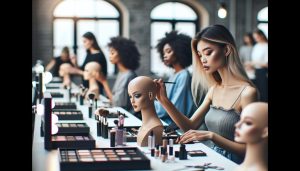
The intersection of faith and beauty often raises an intriguing question: what does the Bible really say about makeup? Many believers grapple with the balance between embracing personal beauty and adhering to spiritual principles. This guide aims to illuminate biblical insights on makeup, exploring how scripture influences our choices in appearance while encouraging a heart-focused approach to beauty. By understanding these biblical principles, readers can navigate the world of cosmetics with confidence, knowing their choices reflect their values and beliefs. Whether you’re a makeup enthusiast seeking to align your passion with your faith or someone exploring the implications of beauty standards, this guide will provide valuable insights and practical wisdom. Dive in as we uncover a biblical perspective on makeup that honors both your individuality and your spiritual journey.
Understanding the Biblical Context of Makeup
The discourse surrounding makeup in a biblical context often evokes mixed feelings among believers. While some see it as a tool for enhancing natural beauty, others view it as a potential distraction from inner virtues. Understanding this context requires a balance of scriptural insights, historical practices, and modern interpretations. The Bible does not explicitly mandate or prohibit the wearing of makeup; rather, it provides principles that can guide personal choices.
In biblical history, we find several instances where beauty practices, including the use of makeup, were evident. For example, the ancient Israelites utilized various oils and perfumes, as noted throughout Scripture. Notably, Esther underwent beauty treatments as part of her preparation to become queen (Esther 2:12), showcasing that beauty rituals were woven into the cultural fabric of that time. This suggests that beauty can serve a positive purpose within one’s community and personal identity.
Moreover, key scripture passages encourage a focus on the inner qualities over the external. 1 Peter 3:3-4 emphasizes that true beauty comes from within, highlighting a gentle and quiet spirit which is of great worth to God. This does not diminish the significance of outward beauty but rather repositions it within the framework of holistic self-expression. As individuals navigate the use of makeup, it’s essential to approach it with the right intentions-aiming to reflect one’s unique identity without compromising spiritual values.
Embracing makeup can thus be viewed not just as an act of beautification but as an opportunity for self-expression and creativity. It allows individuals to celebrate their features and style in a way that honors both their personal identity and, ultimately, their faith. Recognizing this connection can inspire a more thoughtful and meaningful approach to makeup that aligns with Christian principles, fostering a sense of confidence and empowerment in one’s appearance.
Makeup in Historical and Cultural Perspectives

In the ancient world, makeup was not merely a tool for beautification; it held profound cultural and social significance that has shaped contemporary perceptions of beauty. Historical evidence suggests that cosmetics were widely utilized across civilizations, particularly in Mesopotamia and Egypt, where they were seen as essential to both personal grooming and social status. Documents and artifacts depict women adorned with intricate eye makeup and vibrant pigments, indicating that fashion and beauty rituals were deeply embedded in daily life. For instance, the use of kohl to line the eyes was prevalent, despite some biblical text expressing disapproval of its use, suggesting that even in ancient societies, beauty practices were sometimes contested or viewed through a moral lens1.
Cosmetics were often tied to notions of spirituality and status, influencing how individuals presented themselves in both religious and secular contexts. For example, Queen Esther underwent extensive beauty treatments, which the Bible describes as part of her preparation to meet the king, signifying that beauty rituals could play a role in significant life transitions and public representation2. In ancient Egypt, makeup was not only used for adornment but was also believed to have protective properties, warding off evil spirits and illness. The application of cosmetics could thus be seen as a ritualistic practice, blending aesthetics with deeper cultural beliefs.
As societal attitudes toward beauty evolved, so too did the perceptions of makeup’s role in self-expression. Historical perspectives on beauty reveal that while some cultures embraced elaborate adornment, others held a more restrained viewpoint, equating natural beauty with virtue. This duality persists today, where the use of makeup can invoke questions of authenticity and intention. Understanding this historical context enables individuals to cultivate a personal approach to makeup that honors both cultural heritage and contemporary identity, allowing for a harmonious balance of self-expression and spiritual values.
Navigating this rich tapestry of beauty norms invites further exploration into how modern Christian communities interpret makeup. Are these historical practices seen as a celebration of God-given creativity, or do they prompt caution regarding potential distractions from inner beauty? Reflection upon these values can cultivate a deeper appreciation for makeup as a form of art, while also encouraging mindful discussions about its role in modern faith and identity.
Exploring Key Scripture Passages Related to Makeup

Throughout the Bible, various passages touch on themes that intersect with the use of makeup, personal adornment, and the concept of beauty. Understanding these scriptures can offer valuable insights into how one can approach the topic of makeup within a faith context.
One of the most frequently cited passages is found in 1 Samuel 16:7, where the Lord tells Samuel, “…For the Lord sees not as man sees: man looks on the outward appearance, but the Lord looks on the heart.” This verse emphasizes the significance of inner beauty over external appearance, reminding believers that while makeup may enhance outer beauty, it is ultimately one’s character and intentions that hold greater value in the sight of God.
In addition, Proverbs 31:30 illuminates the idea of charm and beauty: “Charm is deceptive, and beauty is fleeting; but a woman who fears the Lord is to be praised.” This not only highlights the transient nature of physical beauty but also encourages an appreciation for a woman’s reverence for God as the true source of lasting value. When interpreting this verse, it can inspire individuals to use makeup as a means of expressing creativity and confidence without overshadowing the importance of spiritual virtues.
Another interesting reference comes from Esther 2:12, which describes the beauty treatments Queen Esther underwent before approaching King Xerxes. Her preparation included cosmetics and perfumes, signifying that beauty rituals were recognized and practiced even by figures of faith. This illustrates that the application of makeup can be seen as aligning with one’s identity and purpose, even in significant contexts.
Furthermore, 1 Peter 3:3-4 provides practical guidance: “Your beauty should not come from outward adornment, such as elaborate hairstyles and the wearing of gold jewelry or fine clothes. Rather, it should be that of your inner self, the unfading beauty of a gentle and quiet spirit, which is of great worth in God’s sight.” This passage advocates for balance, suggesting that while outward adornment is not wrong, it should not overshadow the development of one’s inner qualities.
Engaging with these scriptures allows for a nuanced approach to makeup-encouraging believers to appreciate and enjoy the creativity of beauty practices while prioritizing their inner selves and spiritual commitments. The goal is to express oneself authentically and confidently, using makeup not merely as a tool of vanity but as a vehicle for showcasing individuality and honoring God through one’s personal style.
Theological Views on Beauty and Self-Expression

Beauty has long been a source of fascination and debate in theological discussions, especially as it pertains to self-expression through adornment and makeup. Within a faith context, understanding beauty involves more than the physical appearance; it encapsulates how one expresses individuality while also reflecting deeper spiritual values. In many religious communities, makeup is seen not just as an enhancement but as a powerful means of communicating one’s personality and honoring divine creativity. While there may be a spectrum of acceptance regarding makeup, it is important to recognize that the primary focus should always be on the heart and character, as emphasized in scriptures like 1 Samuel 16:7.
From a theological standpoint, the artistry involved in makeup application can be viewed as an expression of the uniqueness bestowed upon each individual by the Creator. The use of products, whether it’s a tinted moisturizer or a vibrant lip color, can encourage a sense of confidence and self-respect, which in turn can enhance one’s interaction with the world. Practical steps in makeup application-like using quality products from brands such as Seint or Thrive-can empower individuals to curate their looks in ways that feel authentic to them. Whether enhancing natural features through subtle techniques or embracing bold colors as forms of self-expression, the theological view supports the idea that beauty and creativity are gifts to be celebrated, not stifled.
Moreover, engaging in beauty practices such as makeup application can serve as an act of devotion, aligning with an individual’s mission and identity in Christ. For instance, makeup can be a way to reflect the inner qualities of joy and boldness, showcasing a believer’s commitment to living fully and vibrantly. This perspective encourages individuals to use makeup as a medium of self-expression, where the focus remains on uplifting oneself and others rather than mere vanity.
In navigating the complex interplay of modesty and self-expression, it’s essential to strike a balance. While 1 Peter 3:3-4 invites believers to cultivate inner beauty, it does not deny the value of outward expression. Each person is invited to interpret this balance in their way, fostering a personal style that reflects not just creativity but also a conscientious alignment with their values and beliefs. By integrating thoughtful practices-like cleansing routines to care for skin and tools such as brushes and sponges that enhance application-one can embody a holistic approach to beauty that resonates with their faith.
Ultimately, the journey of using makeup as a form of self-expression can be both enriching and affirming when viewed through a theological lens. By engaging with these practices mindfully, individuals can elevate their experiences, empowering themselves through beauty while remaining grounded in their spiritual truths.
Makeup as a Form of Worship or Expression
Using makeup can transcend the realm of mere aesthetics, evolving into a profound form of personal expression and even worship. Many believers find that the process of applying makeup serves as a moment of reflection, allowing them to connect with their identity as creations of God. This act can be seen as a creative engagement that mirrors the divine artistry that designed each individual uniquely. In this light, makeup not only enhances exterior beauty but also uplifts the spirit, providing an opportunity to honor one’s physical self as a vessel for divine expression.
Makeup application can also act as a spiritual ritual, similar to traditional forms of worship that involve preparation and intention. Engaging in practices like skincare or beautification with mindfulness and prayer can transform the routine into a sacred experience. By selecting products that align with personal values-such as cruelty-free brands like Thrive or Seint-individuals can express their commitment to stewardship of creation while enhancing their beauty. In this way, makeup becomes not just a tool for vanity, but a meaningful way to celebrate one’s faith and individuality.
In practical terms, this approach to makeup involves selecting products that both nourish the skin and express personal values. For example, a makeup routine may include gently cleansing the face using a mild cleanser followed by a hydrating serum and a high-quality foundation like Ilia that reflects one’s unique skin tone. This foundation can help to create a canvas that resonates with authenticity. Each product chosen can be an extension of personal beliefs, offering a canvas to reflect inner qualities such as joy, love, and appreciation for the beauty around us.
Ultimately, when approached with intention, the practice of applying makeup can serve as a form of worship and expression. By embracing beauty as a celebration of the divine, individuals can not only enhance their appearance but also embody their faith in every aspect of life. This seamless integration of personal style and spiritual beliefs fosters an empowering journey of self-discovery and fulfillment.
Practical Guidance for Christian Makeup Wearers

Makeup can be a beautiful outlet for self-expression, and for Christian makeup wearers, aligning beauty routines with faith can create a deeper, more meaningful experience. Embracing the art of makeup doesn’t mean compromising values; rather, it can be a celebration of one’s identity as a creation of God. Begin with some essential practices that honor both personal style and spiritual beliefs.
To start, focus on a solid skincare routine. Healthy skin is the best canvas for makeup. Cleanse your face with a gentle, sulfate-free cleanser to remove impurities without stripping the skin’s natural oils. Follow this with a hydrating serum; products containing ingredients like hyaluronic acid or glycerin will help maintain moisture levels. Make sure to use a broad-spectrum sunscreen during the day, safeguarding your skin while allowing your beauty to shine through naturally.
When selecting makeup products, consider those that align with your values, such as cruelty-free and sustainably sourced options. Brands like Thrive and Seint not only offer high-quality products but also reflect a commitment to ethical beauty. Choose a foundation that matches your skin tone-Ilia’s foundation range, for example, is known for its blendable, natural finish and diverse shade selection, allowing for a flawless application that enhances your features. Start with a small amount and build as needed for a look that feels authentic rather than overdone.
For practical application, think of makeup application as a way to enhance your unique features. Here’s a simple step-by-step approach:
- Base: Apply your chosen foundation with a beauty sponge or brush for an even layer.
- Conceal: Use concealer for any blemishes or under-eye circles, blending it well.
- Blush and Highlight: Add a natural flush to your cheeks with cream blush for a dewy finish, and apply highlighter to areas like the cheekbones for a radiant glow.
- Eyes: For daily wear, a neutral eyeshadow palette can work wonders. Start with lighter shades on the lid and deepen it with a darker shade in the crease. Finish with a coat of mascara to open up your eyes.
- Lips: Choose a lip color that resonates with your personality, whether it’s a bold statement or a soft tint.
Finally, approach makeup with intention. Consider dedicating time for application as a moment of reflection or prayer, transforming the routine into a sacred ritual that honors your body and spirit. As you explore beauty, balance the dual focus of self-expression and modesty, remaining mindful of how your outward adornments reflect your inner values. This holistic approach to beauty can empower not only personal style development but also nurture a fulfilling journey of faith and authenticity.
The Impact of Makeup on Personal Identity
Makeup has the extraordinary power to shape our personal identity, acting as a form of self-expression that transcends mere aesthetics. Throughout history, individuals have used colors and formulations not just to enhance their physical appearance, but to communicate their personality, beliefs, and social status. In the context of Christianity, where the perception of beauty can often be complex, makeup serves as a medium to celebrate one’s God-given identity while remaining mindful of spiritual values.
Understanding how makeup influences personal identity begins with acknowledging its diverse roles. For many, applying makeup is an empowering ritual-transforming the everyday into a canvas for creativity. A Christian perspective can enrich this experience by encouraging individuals to see makeup not as a way to mask their true selves but as an avenue to highlight and celebrate the features God created. This recognition can turn the act of beautifying oneself into an expression of gratitude and appreciation for one’s unique attributes, fostering confidence in one’s God-given identity.
To navigate the nuances of identity and makeup effectively, individuals can adopt a thoughtful approach. Instead of adhering strictly to societal norms or trends, consider personal values and spiritual beliefs when curating beauty routines. For instance, selecting products from ethical brands like Thrive, Seint, or Ilia not only enhances one’s appearance but also aligns with a commitment to integrity and sustainability. By making conscious choices, wearers can cultivate their identity in a manner that reflects their faith and values, creating a harmonious relationship between outward expression and inner beliefs.
Moreover, the application of makeup can also be a form of storytelling. Each choice- from the boldness of a red lip to the subtlety of a tinted moisturizer- can express individuality and personal journey. Engaging with makeup in this way allows for a deeper exploration of self, where the transformative power of beauty meets spiritual authenticity. For those concerned about the balance between self-adornment and modesty, it can be helpful to remember that the goal is not to obscure one’s true self but to enhance it, creating a radiant reflection of both personality and faith. Embracing this perspective empowers individuals to embrace makeup as a positive affirmation of their identity in Christ.
Navigating the Fine Line: Modesty vs. Adornment
Navigating the balance between modesty and adornment can often feel like a tightrope walk, particularly within the Christian community where both self-expression and humility are valued. The Biblical perspective on beauty encourages believers to embrace their God-given identity while also reflecting on the intentions behind their beauty choices. This approach emphasizes that adorning oneself, whether with makeup or through other means, should never overshadow the more profound virtue of modesty, nor should it signal a lack of self-worth.
To approach makeup and self-adornment in a manner that honors both personal style and spiritual values, consider the following guiding principles:
- Intent Matters: Before reaching for the makeup brush, reflect on the purpose behind your choices. Are you enhancing your features to feel confident, or are you compensating for insecurities? The former aligns with a healthy self-image rooted in Christ’s love.
- Less Can Be More: Embrace the art of subtlety. For instance, using a tinted moisturizer from brands like Thrive can enhance your natural radiance without appearing overly dramatic. A touch of color on the cheeks and a swipe of mascara can create a polished look while preserving authenticity.
- Context is Key: Different environments call for different levels of adornment. For church gatherings, opting for a more understated approach may align better with the communal focus on worship and fellowship. In contrast, personal outings or events may open doors for more expressive makeup choices.
- Set an Example: As followers of Christ, your choices can inspire those around you. Show that beauty isn’t merely skin deep; it can reflect an inner joy and peace that comes from faith.
Ultimately, the conversation between modesty and adornment in makeup should not be viewed as restrictive but rather as a framework for creating beauty in ways that are thoughtful and spiritually aligned. One can express individuality while also demonstrating humility and an appreciation for the gifts God has provided. A healthy balance allows for personal expression and glorification of God through the beauty of creation, showcasing how true elegance comes from a heart and spirit in harmony with faith.
Makeup Trends and Their Spiritual Implications
Makeup trends often reflect broader cultural narratives, but they also offer unique opportunities for believers to explore their spiritual implications. In a world where vibrant palettes and bold statements reign supreme, the choices made in cosmetic application can convey meaning that goes beyond mere aesthetics. The desire for self-expression through makeup can sometimes blur the lines between artistic creativity and a potential distraction from spiritual pursuits. Understanding how these trends interact with faith can help one navigate such choices meaningfully.
Consider how current trends lean towards minimalism or “no-makeup” makeup. This approach values natural beauty and emphasizes skin health, aligning closely with the biblical principle of valuing inner beauty over outward appearances. As you engage with these trends, reflect on the intention behind them. Are you using a lightweight foundation to enhance your features naturally, or is there a desire to conceal out of fear of vulnerability? Embracing minimalism can be a reminder of the biblical teachings on authenticity and humility-showing that the beauty of God’s creation, including oneself, is worthy of celebration without heavy embellishments.
On the other hand, more expressive trends such as bold lip colors or graphic eyeliner allow for creativity and individuality, fostering a sense of empowerment. When choosing to participate in brighter or bolder makeup applications, consider how your choices can reflect your identity in Christ. Makeup can be a tool for showcasing the joy and creativity bestowed upon you, reminding others of the creativity found in the Creator. Yet, it’s crucial to balance self-expression with a heart attuned to worship. Ask yourself: does this look represent my values and beliefs? Does it draw attention to God’s work in my life, or does it overshadow the spiritual essence of who I am?
In essence, navigating makeup trends as a Christian involves integrating spiritual reflection with practical choices. As you explore makeup’s role in your life, consider these guiding principles:
- Evaluate Intent: While experimenting with makeup, ask yourself what message your look conveys. Is it elevating your spirit or perhaps distracting from your spiritual walk?
- Find Balance: Blend trendy looks with your personal style, ensuring your choices reflect both beauty and modesty.
- Encourage Conversations: Engage with others about the spiritual implications of beauty trends, fostering a community that uplifts and encourages genuine self-expression.
Ultimately, staying attuned to the deeper meanings behind makeup trends can transform your approach to beauty, allowing it to serve as an avenue for both creative expression and spiritual growth. Embrace the opportunity to reflect Christ in your choices, celebrating beauty that is both external and rooted in a foundation of faith.
How Makeup Reflects Inner Qualities and Values
The way we choose to present ourselves through makeup can serve as a powerful reflection of our inner qualities and values. It’s essential to recognize that makeup is not merely a superficial layer; it often embodies deeper messages about self-esteem, creativity, and identity. When we apply makeup, we’re staging a personal narrative, crafting a visual story that resonates with our beliefs and experiences. This act becomes a blend of artistry and self-expression that can illuminate who we are at our core.
Makeup can signify confidence or vulnerability, showcasing our willingness to embrace our individuality. The choice of colors, styles, and techniques can communicate messages of empowerment or humility. For instance, opting for bold eye makeup might suggest a spirited approach to life and an enjoyment of vibrant self-expression, while a more natural look may reflect a desire for authenticity and simplicity. Regardless of the style chosen, the underlying intention matters. When approached mindfully, each makeup application can be a moment of reflection that aligns with personal values and beliefs.
Engaging with makeup in a thoughtful way encourages a conversation about beauty that goes beyond exterior aesthetics. Here’s a succinct way to ensure that your makeup choices reflect your inner self:
- Intent Matters: Before applying makeup, consider the intentions behind your choices. What message are you hoping to convey? Are you celebrating your unique features, or are you trying to mask insecurities?
- Highlight Unique Qualities: Use makeup as a means to accentuate traits that make you uniquely you. Whether that’s emphasizing your eyes or enhancing your natural glow, let your makeup choices reflect your inner vibrancy.
- Consistency with Values: Align your makeup choices with your personal values. If modesty is important to you, find ways to express beauty that embrace elegance without excess.
- Encourage Open Dialogue: Use makeup as a springboard for conversations about beauty standards and self-acceptance within your community, fostering a culture of support and encouragement.
Ultimately, makeup can become a celebration of God’s creation when approached with mindfulness and purpose. Choosing to highlight one’s features can serve as a reminder of the beauty within, inviting others to appreciate the individual traits that reflect the divine creativity bestowed upon us. By allowing makeup to express inner values, believers can showcase a form of worship that encompasses both external beauty and internal strength, reinforcing the idea that we are fearfully and wonderfully made.
Interpreting Makeup in Modern Christian Communities
In contemporary Christian communities, the interpretation of makeup and personal adornment has evolved significantly, prompting important discussions among believers about beauty, identity, and faith. Many Christians now see makeup not as a symbol of vanity or compromise but as a versatile tool for self-expression, creativity, and even stewardship of one’s appearance. While some congregations may emphasize modesty and simplicity in alignment with biblical teachings, others encourage the thoughtful use of makeup as a means to celebrate individuality and foster confidence.
Engaging in these discussions can highlight the diversity within Christian perspectives on beauty. For example, many women view makeup as an extension of their identity-offering a way to express their personality and style while adhering to their faith. This view is particularly important in settings that emphasize authenticity and self-acceptance. A profound realization for many is that the choice to wear makeup, or not, can reflect deeper values and beliefs about one’s body and divine creation.
### Practical Considerations
When discussing makeup in modern Christian contexts, consider these key points:
- Intentionality: Encourage individuals to reflect on why they choose to wear makeup. Is it for confidence, artistic expression, or social acceptance? Understanding personal motives can foster more meaningful application.
- Community Standards: Each church community may have different views on makeup. Engaging with local norms while expressing personal style can foster unity and mutual respect within congregations.
- Empowerment and Education: Many churches are providing workshops or events focused on self-care and beauty, highlighting how makeup can be a fun and uplifting activity that supports mental well-being.
- Bold Conversations: Open dialogues about beauty, including the use of makeup, can lead to richer discussions about self-worth, body image, and societal pressures, ultimately encouraging collective growth in faith-based communities.
By nurturing an inclusive environment that appreciates diverse views on makeup, Christian communities can allow individuals to feel empowered in their choices while fostering a supportive space to explore faith and identity. Such discussions not only strengthen community bonds but also opening doors to deeper conversations about the intersection of beauty and belief, affirming that an authentic expression of oneself can coexist harmoniously with a commitment to one’s spiritual path.
Advice for Parents: Discussing Makeup with Teens
To navigate the evolving landscape of beauty and identity, it’s essential for parents to engage thoughtfully with their teens about makeup. This conversation can serve as a valuable opportunity to instill values that resonate with both personal expression and spiritual beliefs. Discussing makeup opens doors for meaningful dialogue about self-image, societal influences, and the essence of inner versus outer beauty, aligning with biblical principles of authenticity and stewardship of one’s appearance.
When approaching this topic, start by asking open-ended questions. Encourage your teen to articulate their thoughts and feelings about makeup. Here are some points to facilitate the discussion:
- Understanding Intent: Explore together the motivations behind wanting to wear makeup. Is it to enhance self-confidence, express creativity, or fit in with peers? Understanding these intentions can guide a respectful dialogue about external versus internal beauty.
- Reflecting Faith Values: Discuss how makeup can be a personal choice that reflects their identity as a child of God. Encourage them to consider how their choices, including the use of makeup, align with their values and beliefs.
- Balancing Expression and Modesty: Foster a conversation about striking a balance between creative expression and biblical modesty. Discuss how the Bible encourages simplicity and authenticity, and how makeup can fit into that framework when used thoughtfully.
- Setting Boundaries: Establish guidelines that resonate with your family’s values. This could include discussions about age-appropriate products, the occasions for makeup use, and the quantity that feels comfortable.
By cultivating an environment of trust and open communication, parents can help their teens make informed decisions about makeup. Encourage experimentation and creativity, suggesting that they view makeup as a form of art rather than a necessity. Consider practical steps they can take, such as trying makeup tutorials together or visiting beauty workshops offered in the community. This collaborative approach empowers teens to confidently express themselves while remaining grounded in their faith and values. In this journey, ensure that discussions reflect an understanding that beauty is multidimensional-encompassing character, faith, and personal style.
Faq
Q: What does the Bible say about the use of makeup?
A: The Bible does not specifically condemn the use of makeup. While some interpret scriptures to advise modesty, others recognize that it doesn’t explicitly forbid makeup. Context is vital, and personal intent behind wearing makeup should reflect inner values rather than provoke temptation or vanity.
Q: Is wearing makeup considered a sin in Christianity?
A: Wearing makeup is not inherently a sin in Christianity. The significant concern is the intention behind it. If used to enhance beauty without leading to pride or temptation, it is generally accepted. It’s essential to focus on inner beauty and modesty, as emphasized in numerous scripture passages.
Q: What Bible verses address beauty and adornment?
A: Key verses often referenced include 1 Timothy 2:9-10, which speaks about modesty, and 1 Peter 3:3-4, focusing on inner beauty. These verses encourage a balance between outward appearance and heart disposition, suggesting that beauty should come from within.
Q: How can Christians approach makeup from a faith perspective?
A: Christians can approach makeup by ensuring it enhances rather than distracts from their God-given identity. Reflect on scriptures that guide personal conduct and consider how makeup aligns with one’s faith principles. Strive for a balance between self-expression and modesty.
Q: Are there any biblical role models for using makeup?
A: The Bible features figures like Esther and Jezebel, both of whom used makeup. Esther’s use was part of her preparation for a significant role, suggesting that makeup can be used meaningfully in certain contexts, while Jezebel’s story serves as a caution against vanity and manipulation.
Q: How should parents discuss makeup with their teens from a biblical perspective?
A: Parents can encourage open dialogue about makeup by instilling values from the Bible that emphasize inner beauty and modesty. Discuss the intentions behind makeup use and guide teens to understand its role in self-expression rather than a means to seek validation.
Q: What is the difference between adornment and vanity in biblical terms?
A: Adornment generally refers to enhancing one’s appearance while maintaining modesty and respect for oneself and others. Vanity, however, focuses on excessive pride or preoccupation with appearance, which the Bible cautions against. Balance is key to honoring one’s faith while expressing beauty.
Q: Does cultural context influence the Bible’s views on makeup?
A: Yes, cultural context significantly affects interpretations of the Bible’s stance on makeup and adornment. What is considered modest or appropriate can vary widely across different cultures and times. Understanding the historical background can help navigate contemporary applications.
Wrapping Up
Understanding what the Bible says about makeup grants deeper insight into how we can embrace beauty while honoring our faith. Remember, the essence of beauty lies not just in appearance, but in our hearts and intentions. To explore how biblical principles apply to modern beauty practices, consider checking out our articles on applying makeup for the glory of God and the role of beauty in Christian values.
Don’t miss the chance to enhance your beauty knowledge further! Join our newsletter for fresh tips and expert insights. Whether you’re looking for makeup tutorials, product recommendations like Seint or Ilia, or professional grooming advice, we’re here to support your journey towards beauty excellence. Share your thoughts in the comments below-your voice is essential to our community! Continue your quest for knowledge, and let’s embrace beauty that reflects our inner selves.