Mudvayne’s transformation from their iconic, face-painted look to a more stripped-down aesthetic marks a significant evolution in their identity as a band. This shift not only reflects changes in their musical journey but also addresses larger themes of authenticity and personal expression in the music industry. Fans often wonder about the reasons behind such a transition-whether it was a creative decision, a response to changing trends, or a move towards a more mature image. Understanding this evolution can deepen your appreciation for their music and the diverse facets of their artistry. Join us as we explore when Mudvayne bid farewell to their signature makeup, revealing how this change intertwines with their artistic narrative and resonates with broader issues of self-expression and personal style.
When Mudvayne Embraced Their Iconic Makeup Style
Mudvayne’s decision to embrace their iconic makeup style marked a transformative period not only for the band but also for the heavy metal landscape. The introduction of face paint and uniforms helped them cultivate a visceral stage presence that resonated deeply with fans, establishing a distinct identity that set them apart from their contemporaries. Their aesthetic, characterized by dark, intricate designs and bold colors, became a symbol of their music’s intensity and complexity.
The band’s makeup was not merely decorative; it was a critical element of their artistic expression. Early performances showcased them as theatrical figures, engaging the audience not just with sound, but with a visually compelling narrative. Each member’s unique look contributed to a cohesive visual branding that reflected themes present in their lyrics and musical style. This commitment to image was pivotal in their rise during the late ’90s and early 2000s, as they joined the ranks of other visually striking artists in the metal scene.
In essence, the embrace of makeup became synonymous with Mudvayne’s identity, enhancing their live performances and creating an immersive fan experience. It also allowed them to explore themes of anonymity and alter egos, which became integral aspects of their storytelling. As the band evolved, so did their use of makeup, laying the foundation for future explorations of their identity and image-ultimately leading to significant shifts in their style as they transitioned through different phases of their career.
The Origins of Mudvayne’s Distinctive Look
The unmistakable visual identity of Mudvayne, marked by striking face paint and elaborate costumes, was born out of a desire to blend music with theatrical performance. Originating in Peoria, Illinois, the band formed in 1996 and quickly recognized the power of a visual aesthetic as a means of storytelling. Their distinct look emerged as a pivotal element that not only complemented their heavy sound but also elevated their overall stage presence. This synthesis of music and image drew heavily from various influences, including the visual intensity found in horror films and the performance art typical of heavy metal’s more theatrical acts.
In crafting their distinctive appearance, Mudvayne members would often collaborate in the design process of their makeup and costumes, making every performance an opportunity for artistic expression. Each member developed a unique persona, with designs that varied in color and intricacy, reflecting their individual musical style and contributing to the band’s cohesive whole. The makeup served as a vehicle for anonymity, allowing them to embody alter egos that resonated with their audience on a deeper psychological level. This concept of theatricality was not just about aesthetics; it provided a framework through which fans could engage more fully with the band’s music and themes.
The band’s choice to adopt a strong visual style was also a strategic move, setting them apart during a time when many heavy metal and nu-metal bands began to embrace a more casual, laid-back image. As Mudvayne ascended to fame in the late ’90s and early 2000s, their makeup and costumes became integral to their brand, symbolizing the intensity and complexity that characterized their music. This blend of audacious visuals and aggressive sound solidified their identity, making them a unique fixture in the heavy metal landscape, and establishing a visual continuity that would evolve alongside their musical journey.
Ultimately, Mudvayne’s distinctive look laid the groundwork for their exploration of identity and image throughout their career, leading to significant transformations in their style as they navigated the ever-changing music scene and their personal artistic journeys.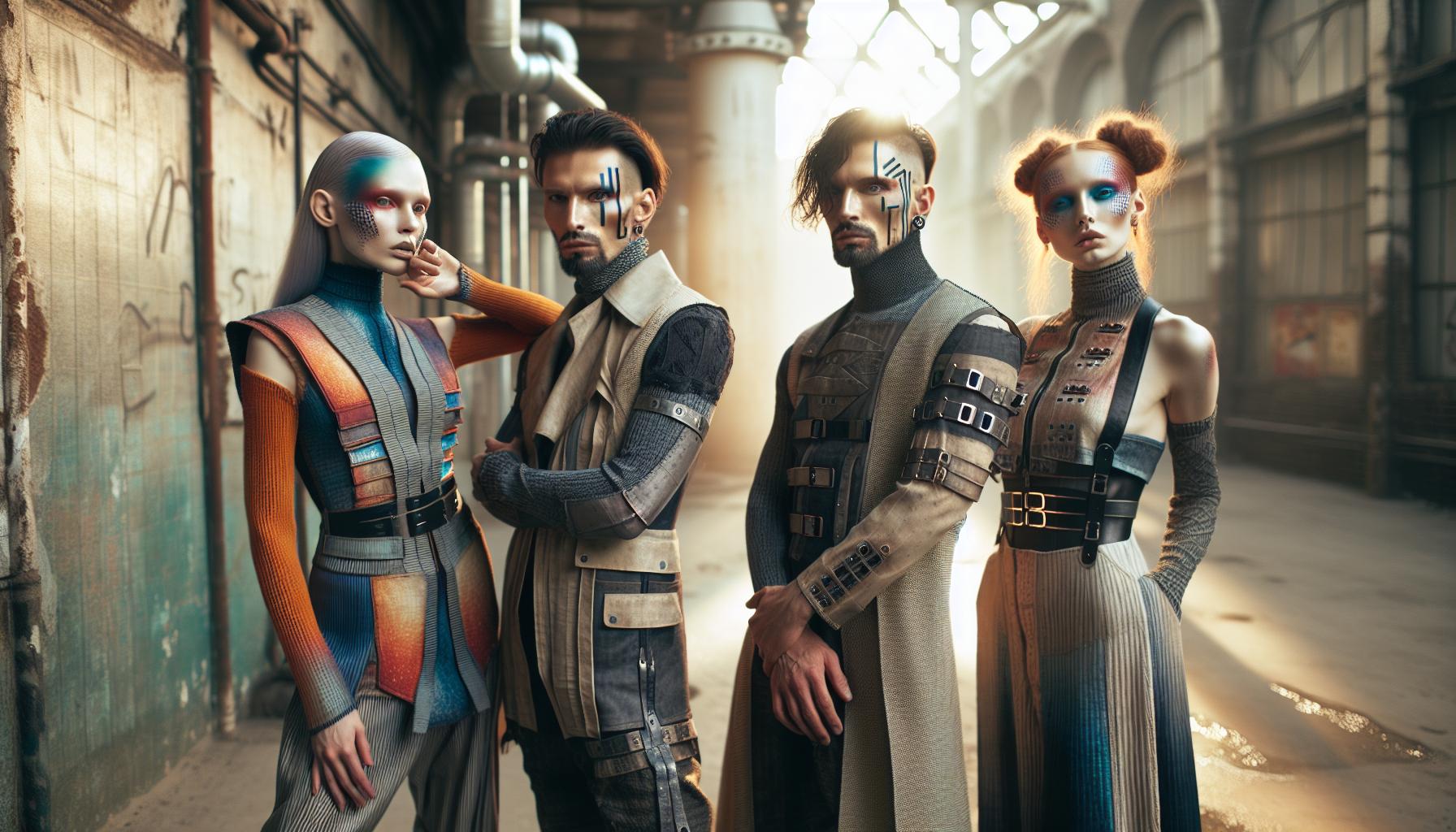
Key Moments in Mudvayne’s Style Evolution
Mudvayne’s visual evolution is a fascinating journey that reflects not just a change in aesthetics but an exploration of artistic identity. One pivotal moment occurred during their breakthrough album, “L.D. 50,” released in 2000, when the band solidified their signature look of striking face paint and industrial-themed outfits. This period was marked by high-octane performances, where their elaborate makeup not only captivated audiences but also enhanced the overall cathartic experience of their music. Their face art, often a blend of dark colors and jagged designs, became emblematic of the heavy themes they explored, allowing them to create a powerful psychological connection with fans.
As albums like “The End of All Things to Come” and “Lost and Found” followed, there were notable shifts in their style that paralleled the band’s musical experimentation. By the mid-2000s, they began to scale back the elaborate makeup in favor of a more raw and authentic representation, as seen in the “Lost and Found” album cover. This was not merely a casual shift; it signified an intentional departure from the theatricality that initially defined them, as the band aimed for greater artistic honesty. Fans noticed this evolution during live shows, where the intricate face paint of their early days gradually gave way to simpler stylistic choices, reflecting their evolving identity.
The 2009 album “Mudvayne” marked a significant transition, encapsulating their style evolution into a new era of accessibility. As the band began to embrace a more straightforward aesthetic, they moved toward a look that emphasized their musicianship and maturity over performance art. This not only appealed to a wider audience but also resonated with the shifts in the heavy metal landscape, where numerous bands were leaning towards a more grounded image. The transition allowed them to express their authenticity while maintaining a connection to their roots.
Ultimately, these highlight the band’s adaptability and growth. Each stage of their visual representation was meticulously crafted to align with their musical direction, offering fans a lens through which to understand their artistic narrative. Whether through the vibrant face paint of the early days or the more subdued looks of later years, Mudvayne’s journey is a testament to the profound interplay between music and visual identity, affirming their place in the ever-changing landscape of heavy metal.
The Significance of Makeup in Mudvayne’s Identity
The use of makeup in Mudvayne’s identity is not just an aesthetic choice; it’s a powerful form of expression that has shaped their musical journey and audience connection. For the band, makeup served as a visual representation of their sound, encompassing the raw emotion, anger, and darkness often found in their lyrics. The elaborate face paint, designed with aggressive colors and chaotic patterns, not only distinguished them from other bands but also created a dramatic persona on stage that resonated with fans. It was a visual cue that invited listeners to delve deeper into the themes of their music, bridging emotional experiences with striking imagery.
As the band transitioned through various albums, the role of makeup evolved alongside their sound and artistic intent. Early on, the theatricality of their look was integral to their performances, enhancing the intensity of their music and creating a spectacle that drew audiences in. The makeup became a signature component of their brand, akin to the heavy riffs and intricate rhythms that defined their songs. It was a strategy not solely focused on appearance but a thoughtful extension of their artistry, reflecting the dark and complex narratives they aimed to convey.
However, as Mudvayne continued to grow, the simplification of their makeup reflected a broader shift in their musical direction-a conscious move toward authenticity and relatability. By scaling back on the elaborate designs, they aimed to connect with their audience on a more personal level, highlighting the musicianship rather than the spectacle. This evolution signifies a search for honesty in their artistic expression, allowing fans to focus on the emotional weight of their music without the distraction of an overwhelming visual façade.
In summary, makeup has played a critical role in Mudvayne’s identity, serving as both a visual anchor and a thematic enhancer of their music. Its significance lies not only in its initial purpose of creating a striking image but also in its ability to adapt and evolve with the band’s artistic journey. Understanding this interplay between their image and sound provides insight into the profound ways in which artists can use visual elements to deepen their connection with audiences.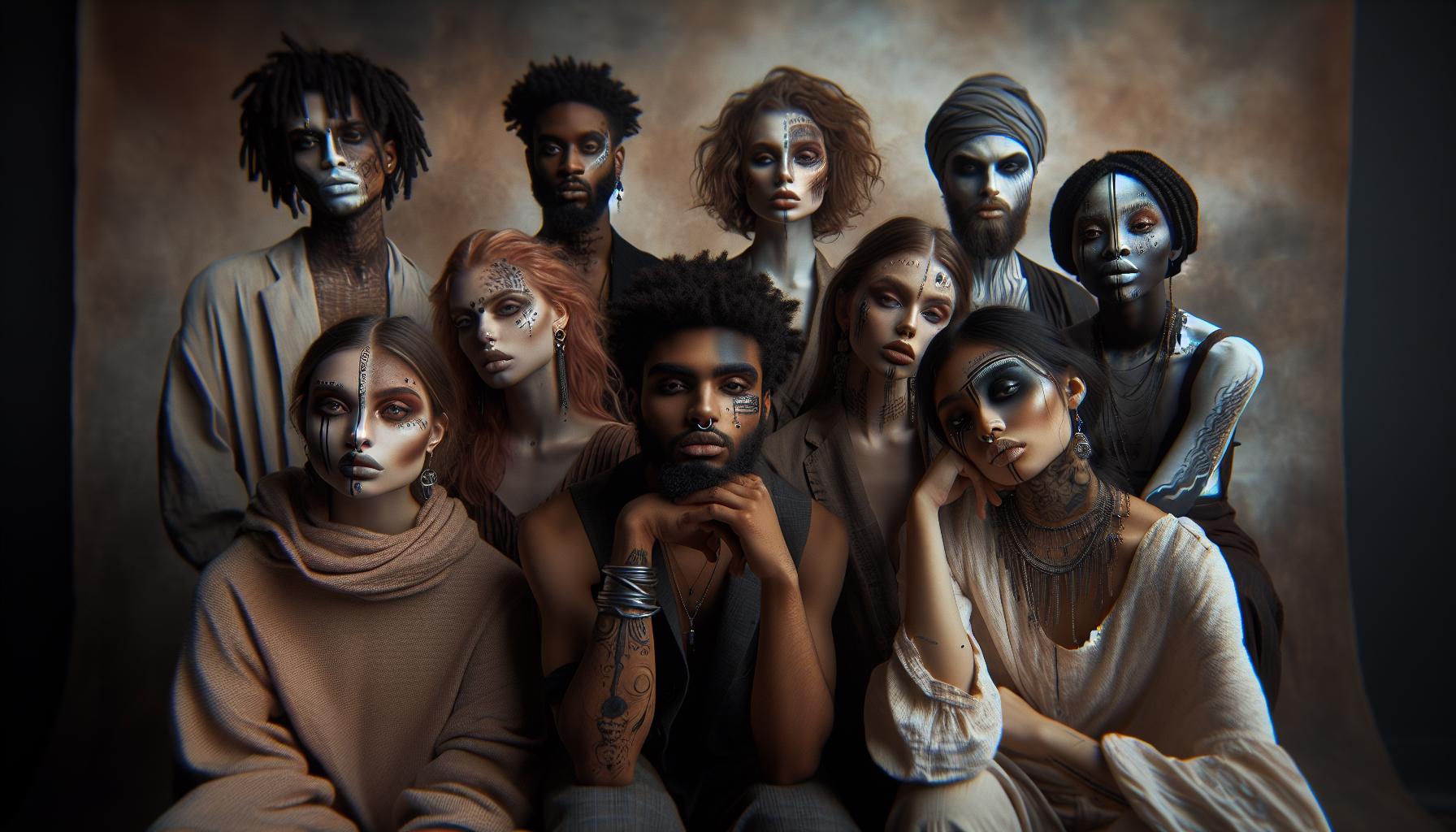
When Did Mudvayne Transition Away from Makeup?
The evolution away from Mudvayne’s iconic makeup can be traced to the release of their 2008 album, Mudvayne, which marked a pivotal moment in the band’s visual and musical identity. This album signified a conscious shift towards a more stripped-down and authentic representation of their artistry. While the elaborate face paint had previously been integral to their persona, the band began to embrace a more natural look that aligned closely with their desire for musical honesty and direct emotional connection with their audience.
In the years following Mudvayne, particularly as they transitioned into their hiatus around 2010, the makeup that once defined their stage presence became less prominent. When the band reunited in 2021 for new music and performances, it was evident that they had opted for a less theatrical approach. The focus shifted towards showcasing their musicianship rather than relying on visual spectacle. This change reflected a broader trend in modern music towards authenticity, where bands sought to connect with fans on a deeper, more personal level.
Fans have responded to this evolution in varying ways. Some have expressed nostalgia for the vibrant and chaotic visuals of the past, while others appreciate the maturity and authenticity that the new direction embodies. This shift in style not only mirrors Mudvayne’s growth as artists but also emphasizes the idea that an artist’s visual presentation can successfully evolve while still preserving the core essence of their music. As they move forward, Mudvayne’s approach to makeup and presentation will likely continue to adapt, further deepening their connection with both long-time fans and new listeners alike.
Influences Behind Mudvayne’s Changing Aesthetic
The transition away from Mudvayne’s iconic makeup style was influenced by a confluence of artistic and cultural factors that reflected the band’s evolution over time. One of the main drivers of this change was the desire for authenticity and emotional connection in their music. As the landscape of heavy metal evolved, artists increasingly sought to present themselves in a way that resonated more deeply with their audience, steering away from the theatricality that had dominated previous decades. This shift can be seen across various genres but had a particularly pronounced effect on bands like Mudvayne, who began their journey with a heavily stylized persona.
Another significant influence on Mudvayne’s changing aesthetic was the rise of social media and the changing ways in which fans consume music. In a digital age where artists share a more personal glimpse into their lives, the expectation for musicians to convey their true selves became paramount. This shift towards self-representation is evident in Mudvayne’s decision to adopt a more stripped-down visual approach that emphasized their musicianship over an elaborate facade. This evolution allowed the band to connect with listeners on a more personal level, fostering a sense of community that transcended the superficial trappings of makeup and costumes.
Moreover, the broader cultural movements towards minimalism and authenticity in art cannot be overlooked. As many bands began to embrace a more grounded and sincere aesthetic, Mudvayne appeared to align themselves with this trend, seeking to strip down their visual identity in favor of a look that prioritizes rawness and immediacy. This change not only reflected their personal growth as artists but also signaled a broader embrace of the idea that true creativity can shine through without the need for elaborate gimmicks.
In summary, the encompass a blend of personal, cultural, and industry dynamics. As they embraced a more authentic and straightforward representation, they responded not only to their creative impulses but also to the evolving expectations of their audience, redefining what it means to connect through music in the modern era.
Fan Reactions to Mudvayne’s Style Changes
Fans of Mudvayne have exhibited a wide array of reactions to the band’s evolution away from their iconic makeup and stylized persona. For many longtime listeners, the visual components of Mudvayne’s identity, characterized by intricate face paint and dramatic costumes, were as integral to their appeal as the music itself. This theatrical presentation resonated deeply within the nu-metal scene of the late ’90s and early 2000s, creating a loyal fanbase that appreciated the immersive experience these visuals provided. However, as the band transitioned towards a more authentic representation, opinions varied significantly within the community.
Many fans embraced this transformation, praising Mudvayne for their willingness to evolve and prioritize musicianship and emotional authenticity over visual gimmicks. Supporters highlighted how shedding makeup allowed the band to connect more personally with their audience, stripping away layers of artifice to reveal the true essence of their artistry. For those who favor a more raw and honest approach in music, this shift was viewed as a testament to Mudvayne’s growth and dedication to their craft, reinforcing the sentiment that authenticity often resonates more profoundly than theatrics.
Conversely, some fans felt a sense of nostalgia for the original, makeup-clad Mudvayne. This group appreciated the unique aesthetic that made the band stand out during their heyday and expressed concerns that the lack of their signature look diluted the band’s identity. Such reactions illustrate how deeply intertwined an artist’s image can be with their music; for some, the visual component was inseparable from their emotional connection to the songs. To them, the elaborate visuals were not simply a performance element but a crucial part of the band’s narrative and appeal.
Overall, fan reactions reflect a complex interplay between nostalgia and a longing for authenticity. As Mudvayne continues to define their identity in the evolving landscape of heavy metal, the diverse responses from their audience highlight an important discussion about the role of aesthetics in music. Whether embraced or critiqued, this transformation shows that the connection between musicians and their fans can navigate through changes in visual and artistic direction, ultimately illustrating the multifaceted nature of musical identity.
Comparing Mudvayne’s Early and Later Looks
From their inception, Mudvayne’s visual style was a driving force behind their identity, leaving a lasting impact within the nu-metal genre. In the early days, the band’s use of intricate makeup and dramatic costumes established a compelling aesthetic that set them apart. The members often donned elaborate face paint, theatrical outfits, and unique hairstyles, intertwining their visual presentation with the high-energy performances they were known for. This striking visual artistry was not merely for show; it created an immersive atmosphere that resonated deeply with fans and contributed significantly to the band’s rebellious and edgy persona.
As Mudvayne evolved, their look began to shift, mirroring a broader transformation in their music and artistic direction. In the mid-2000s, the band started appearing in public with less emphasis on makeup and theatricality. This gradual transition symbolized their intent to connect with fans on a more personal level, allowing their raw talent and musicianship to take center stage. The absence of face paint and elaborate costumes stripped back the artifice, favoring a more authentic representation of the band members as individuals. This change was both polarizing and significant; while some fans embraced the newfound authenticity, others felt a nostalgic pull toward the distinctive visual aesthetic that had initially attracted them to the band.
The comparison between Mudvayne’s early and later looks reveals a striking dichotomy in the use of visual elements to complement their musical expression. Initially, the band’s makeup served as a vehicle for artistic storytelling, while in later years, their stripped-down appearance appeared to signal a maturation of both their sound and their image. Their evolving style invites deeper reflection on the relationship between music and visual identity, illustrating how a band can redefine itself without entirely losing the essence of what first captivated its audience. Ultimately, the progression from the bold and vivid makeup of their early years to a more understated, authentic representation speaks volumes about Mudvayne’s journey through the music industry and their desire to forge genuine connections with their fans.
The Role of Music and Image in Mudvayne’s Brand
Mudvayne’s distinctive makeup and visual presentation have always been integral to their brand identity, weaving a narrative that resonates deeply with fans. The band’s early aesthetic was not merely a gimmick; it served as a powerful tool to enhance their music’s aggressive tones and thematic content. By adopting a striking appearance-characterized by elaborate face paint and theatrical costumes-they created a captivating visual experience that complemented their musical performance. This synergy between music and image allowed them to forge a memorable persona within the nu-metal landscape, establishing a loyal fanbase drawn to both their sonic and visual boldness.
As their music evolved, the role of image in Mudvayne’s branding began to shift. The gradual move away from intricate makeup could be interpreted as a strategic decision to prioritize authenticity over spectacle. This transition reflected broader trends within the music industry, where fans increasingly valued genuine connections and raw musicianship over theatricality. For example, as they released albums that showcased more complex musical structures and lyrical depth, the stripped-down visuals served to highlight the band’s growth as artists. This change allowed Mudvayne to redefine their engagement with audiences, encouraging listeners to focus on their musical evolution rather than just the flashy aesthetics.
In essence, the shift in Mudvayne’s visual representation over the years illustrates how music and image can coexist yet evolve independently. Their journey emphasizes that as artists mature, they may choose to peel back layers of artifice in favor of an authentic self-expression that resonates more deeply with both the band and its audience. This transformation can inspire other artists to consider how their visual identity impacts their brand, encouraging a balance between creativity and authenticity that speaks to fans on multiple levels. Ultimately, Mudvayne’s brand remains a testament to the fluid relationship between music and image, showcasing the power of visual storytelling within the broader context of artistic evolution.
Impact of the Change on Mudvayne’s Music and Image
As Mudvayne transitioned away from their signature makeup and theatrical presentation, the impact on their music and image became increasingly apparent. The band’s evolution mirrored a profound shift within the music industry, where the emphasis began favoring authenticity over spectacle. This pivot allowed them to explore deeper musical complexities, as their stripped-down visuals prompted audiences to engage more with their sound instead of the performance. The absence of face paint and elaborate costumes shifted focus to the raw energy of their music, inviting listeners to appreciate the intricate songwriting and musicianship, which was particularly evident in albums like The End of All Things to Come and Lost and Found.
This change in visual representation also aligned Mudvayne with a growing trend where many artists began to favor genuine expressions over theatricality. The band sought to forge a more relatable image, displaying their evolution as musicians rather than simply as performers. Fans began to connect with Mudvayne not just through their sonic aesthetic but also by recognizing the band’s maturity and authenticity. This connection fostered a deeper emotional bond, allowing long-time listeners to experience the music as an evolving narrative rather than a static performance style.
Moreover, the distinction between Mudvayne’s earlier and later looks signified a broader cultural shift within the nu-metal scene itself. As the genre matured, so did the expectations and tastes of its audience. By opting for a more understated appearance, Mudvayne seemed to encourage a collective reflection about identity in music and how different visuals contribute to a band’s overall narrative. Their journey illustrates how artistic identities can redefine over time, encouraging both current and aspiring artists to embrace authenticity and individuality in their creative expressions.
Looking ahead, Mudvayne’s decision to simplify their aesthetic may set the stage for further evolution, blending their established sound with new influences. As they prepare for new music, the foundation laid by their visual changes invites speculation about future artistic directions, suggesting that the relationship between their sound and image will continue to adapt and grow.
The Future of Mudvayne’s Style: What’s Next?
As Mudvayne looks towards the future, the evolution of their visual and musical identity hints at exciting possibilities that bridge their rich history with contemporary influences. With their recent announcement of the L.D. 50 25th Anniversary Tour, there’s a palpable buzz about reconciling their past performances with the creative shifts they’ve undergone. Fans eagerly anticipate how the band will reinterpret their iconic look without the trappings of face paint and costumes, focusing instead on authenticity and raw energy.
The future may see Mudvayne blending elements of their past aesthetics with modern styles, creating a new visual identity that resonates with both longtime fans and newer audiences. By embracing minimalist yet striking artistic expressions-perhaps through updated fashion choices or innovative stage designs-they can maintain the powerful impact of their performances while focusing on musicality. Drawing inspiration from current trends in both music and fashion could help highlight their maturity as artists while paying homage to their roots.
Furthermore, the relationship between their sound and image will likely evolve. Collaborations with other artists and exploration of different genres might inspire changes not just in music but also in how they present themselves on stage. Innovative use of technology-such as interactive visuals during live performances-can create a fresh experience for fans, emphasizing the band’s commitment to artistic growth while staying true to their musical foundation.
Ultimately, Mudvayne’s future style promises to be an amalgamation of homage and innovation. As they prepare for new music and performances, there’s an exciting opportunity for the band to redefine their identity-showcasing that while they may have stepped away from elaborate makeup, they remain committed to delivering powerful messages, both sonically and visually. The anticipation surrounding this journey reflects a broader conversation about how artists can evolve while still honoring where they came from, making it a compelling narrative for fans and observers alike.
Exploring Other Bands’ Makeup Evolution for Context
Exploring the evolution of makeup styles among iconic bands offers valuable insight into the thematic shifts and identity transformations that reflect broader cultural trends. Mudvayne’s journey away from face paint and elaborate costumes can be better understood in the context of other artists who have similarly redefined their appearances over time.
Take, for example, the legendary band Kiss, whose flamboyant makeup and costumes became a staple of their brand in the 1970s. Over the years, while they have maintained some elements of their stage personas, Kiss has also embraced moments where less emphasis was placed on makeup, particularly during stripped-down acoustic performances. This evolution allowed them to connect more intimately with fans, demonstrating the powerful narrative that can emerge when a band transitions between visual extremes.
In a different vein, bands like Slipknot have also navigated their relationship with makeup. Known for their grotesque masks and jumpsuits, they have occasionally shown a desire to reveal a more personal side through costume changes and performances that focus more on musicality. Their shifts suggest an awareness that a band’s appearance can either reinforce their image or create a deeper connection with their audience, depending on how it evolves in tandem with their sound.
The allure of authenticity has led many bands to simplify their looks, moving from elaborate makeup to more understated styles. For instance, the evolution of Marilyn Manson’s aesthetic often reflects the themes of the albums he’s promoting; at times, he embraces minimalist makeup that enhances his message rather than distracts from it.
As Mudvayne stands on the brink of a new chapter, reflecting on these examples underscores the importance of adaptability in a band’s image. Their journey away from makeup can echo the paths of these iconic groups, emphasizing that while distinct visuals may capture attention, the music’s resonance ultimately defines their legacy. This process allows artists to explore authenticity, presenting themselves in a way that feels genuine while continuing to evolve within the landscape of modern music.
Frequently asked questions
Q: When did Mudvayne start to change their makeup style?
A: Mudvayne began to shift their makeup style around the mid-2000s, as they started to focus more on their musical evolution. The transition was gradual, reflecting changes in their artistic identity and audience reception.
Q: Why did Mudvayne stop wearing makeup?
A: Mudvayne stopped wearing makeup primarily to align their visual identity with their evolving musical direction. They aimed for a more authentic representation of themselves as artists, moving away from the theatricality that characterized their earlier years.
Q: How did Mudvayne’s style evolve over the years?
A: Mudvayne’s style evolved from a heavily painted and masked aesthetic in their early career to a more stripped-down look in recent years. This change emphasizes their music’s raw energy and sincerity, often showcased in their newer performances.
Q: What impact did the change in makeup have on Mudvayne’s fanbase?
A: The change in Mudvayne’s makeup had a mixed impact on their fanbase. Some fans welcomed the shift as a sign of growth, while others missed the visual spectacle that initially defined the band’s image. This evolution sparked discussions about identity and authenticity in music.
Q: Are there any specific concerts where Mudvayne’s makeup evolution was notable?
A: Yes, notable concerts during the mid-2010s showcase Mudvayne’s transition, where their stripped-down look became prominent in performances. These changes often highlighted their musical prowess over their visual theatrics, particularly during their reunion tours.
Q: How does Mudvayne’s current image compare to their early days?
A: Mudvayne’s current image contrasts sharply with their early days, where elaborate makeup and costumes were a trademark. Today, they favor a more natural presentation, aligning closer to other contemporary bands while still maintaining their unique musical edge.
Q: What insights can fans gain from Mudvayne’s style evolution?
A: Fans can gain insights into the importance of authenticity and personal growth in artistic expression. Mudvayne’s evolving style reflects their journey as musicians and their desire to connect more genuinely with their audience and their music.
Q: How has the music of Mudvayne changed alongside their visual style?
A: Mudvayne’s music has become more focused on complex compositions and lyrical depth alongside their visual style changes. The absence of makeup has allowed their musicianship and songwriting to take center stage, enhancing their overall artistic presence.
In Summary
As we dive into the evolution of Mudvayne’s style, it’s clear that their journey reflects a unique blend of artistry and personal expression. Understanding when Mudvayne stopped wearing makeup offers insights not only into their artistic transformation but also into the broader themes of identity and change within the music industry. Now is the perfect time to delve deeper into related topics like “The Impact of Makeup on Rock Bands” or explore “Mudvayne’s Greatest Hits” – they might just ignite your curiosity even further!
Don’t miss out on the latest updates about upcoming Mudvayne music, which Chad Gray has confirmed is on the horizon for the first time since 2009. Join our community for exclusive content and discussions by signing up for our newsletter. Whether you’re a longtime fan or new to their music, we encourage you to leave a comment below with your thoughts on their style evolution. Your voice matters! Explore more and stay connected to keep the conversation going!