In a world where first impressions count, mastering the art of makeup can empower you to express your unique style and boost your confidence in just 15 minutes. Whether you’re rushing to work, preparing for a social event, or looking to enhance your everyday look, understanding the foundational techniques is essential. This guide will take you through the basics of makeup application, equipping you with the skills to transform your routine effortlessly. From choosing the right products to applying them with precision, you’ll discover how to elevate your makeup game, regardless of your experience level. Join us as we simplify the process, demystifying makeup application to help you feel radiant and self-assured every day. Your beauty journey begins here!
Master Essential Makeup Tools and Products
The right tools can make all the difference in your makeup application, elevating your look from ordinary to extraordinary. Whether you’re just starting your beauty journey or looking to refine your technique, mastering the essential makeup tools and products is key. These tools not only enhance your makeup’s effectiveness but also streamline your routine, allowing you to achieve that polished finish in just 15 minutes.
Essential Tools
To create a flawless makeup look, consider investing in the following essential tools:
- Foundation Brush or Beauty Sponge: A quality foundation brush or damp beauty sponge helps achieve an even application. Brushes can provide more coverage, while sponges work well for a soft, airbrushed effect.
- Eyeshadow Brushes: Look for a blending brush, a flat brush for packing on color, and a smudge brush for creating depth. Good brushes allow for seamless blending and precise application.
- Eyebrow Brush and Spoolie: A dual-sided brush with a spoolie end is perfect for grooming brows and ensuring product is evenly distributed.
- Blush and Contour Brushes: A tapered blush brush and an angled contour brush will help define your features effortlessly.
- Pencil Sharpener: Keep your makeup pencils, like eyeliners and lip liners, sharp for precise application.
Must-Have Products
In addition to tools, a selection of quality products can enhance your makeup routine:
- Primer: A good primer smooths your skin and creates a base for long-lasting makeup. Choose one suited for your skin type-matte for oily skin and hydrating for dry skin.
- Foundation: Select a foundation that provides the coverage you desire, available in various formulas like liquid, cream, or powder. Brands like Ilia and Thrive offer clean beauty options that perform beautifully.
- Eyeshadow Palette: A versatile palette with neutral and bold shades allows for creativity and variety in your looks.
- Lip Products: From tinted balms to bold lipsticks, the right lip products can pull your entire look together.
- Setting Spray or Powder: Keep your makeup fresh all day with a setting spray or powder that locks in your look and reduces shine.
Embrace these tools and products as a way to express your creativity and personal style. Each tool serves a purpose, elevating not just your makeup but your confidence in applying it. As you become familiar with each item, experimenting and refining your technique will transform your makeup routine into an enjoyable art form.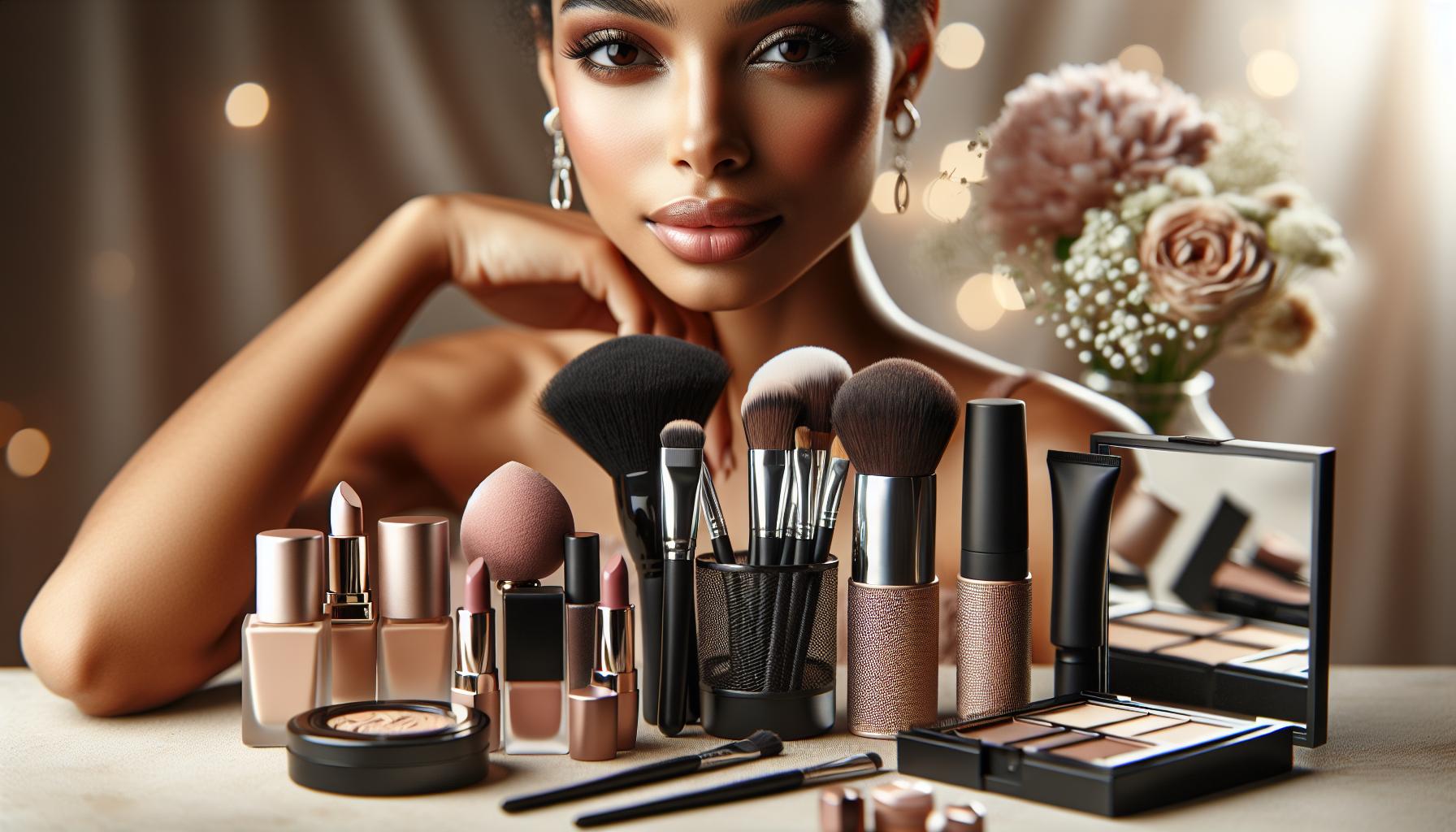
Quick Prep: Skincare Steps Before Makeup
The foundation of a successful makeup application lies not just in the colors and techniques you use, but also in the health and preparation of your skin. Before reaching for your makeup tools, it’s essential to establish a skincare routine that sets the stage for a radiant and flawless look. By investing a few minutes into your skincare prep, you can enhance makeup performance and longevity, giving you a fresh and polished appearance that lasts throughout the day.
Start with a gentle cleanser that suits your skin type, whether that’s oily, dry, or combination. Thoroughly cleanse your face to remove impurities and excess oil. This step is vital, as any residual makeup from previous applications can create a barrier that prevents newer makeup from adhering properly. After cleansing, follow up with a toner to balance your skin’s pH levels and prepare it for moisture absorption.
Once your skin is clean and balanced, apply a broad-spectrum sunscreen, especially if you’ll be spending time outdoors. Look for lightweight formulas that provide hydration without leaving a greasy residue. A good sunscreen not only protects your skin but also creates a smooth base for makeup. After sunscreen, you may layer on a hydrating moisturizer suitable for your skin type. A hydrating moisturizer helps plump the skin and minimizes the appearance of fine lines, ensuring your foundation glides on seamlessly.
Lastly, don’t overlook the power of primer. A quality primer smoothes the skin’s texture and fills in pores, allowing your foundation to apply evenly. Choose a formula tailored to your needs-mattifying for oily skin, hydrating for dry skin, or illuminating for a radiant look. With these skincare steps performed, you’ll find that your makeup not only looks better but also feels more comfortable throughout the day.
Creating a Flawless Base: Foundation Techniques
Creating a flawless base is essential for achieving that coveted smooth and radiant look, and mastering foundation techniques is crucial in this journey. The right foundation can enhance your natural beauty, even out your skin tone, and provide a perfect canvas for the rest of your makeup. Whether you’re getting ready for a special occasion or just want to look fresh for a day out, these techniques will help you achieve a stunning base every time.
Begin by selecting the right foundation type for your skin. Liquid foundations are popular for their versatility and range, providing everything from sheer to full coverage. Cream foundations offer a more hydrating option, ideal for dry skin types. For those who prefer a lightweight feel, tinted moisturizers or BB creams can provide a subtle glow while delivering skincare benefits. Always choose a shade that matches your skin tone; testers at beauty counters can help you find your perfect match, or you can use online tools to assist in selecting the correct hue.
When it comes to application, the tools you use can significantly impact the finish. A damp beauty sponge or a foundation brush can offer different results; a sponge tends to deliver a more natural finish, while a brush can yield higher coverage. Start application from the center of your face and work outward, which helps in blending and reduces product buildup around the edges. Remember to apply in layers, starting with a small amount of foundation and building up coverage where needed. This not only ensures a more natural look but also allows you to control the intensity without looking cakey.
Don’t forget the importance of setting your foundation. After achieving your desired coverage, dust a translucent setting powder to lock everything in place. This step is especially crucial if you have oily skin or are headed to an event that requires long wear. If you prefer a dewy finish, a setting spray can help enhance your glow while keeping your makeup in check. Experiment with different products to find the perfect combination for your skin type, and soon you’ll be able to create a flawless base that lasts all day long.
Embrace the art of foundation application as a way to express your personal style and enhance your confidence. With practice and the right techniques, you’ll master a flawless look that reflects the best version of yourself.
Secrets to Perfectly Blended Eyeshadow
Achieving the perfect eyeshadow blend can elevate your makeup game from basic to breathtaking. The secret lies not only in the colors you choose but also in the techniques and tools that you use. Begin with a strong foundation by ensuring that your eyelids are prepped correctly; applying an eyeshadow primer can greatly enhance the pigment and longevity of your eyeshadow.
When selecting your eyeshadow, consider using a few complementary shades. A standard palette usually works well with a light shade for the base, a medium shade for the crease, and a darker shade for the outer corner and liner effect. This creates depth and dimension, bringing your eyes to life. To blend your shadows seamlessly, start with the lightest shade and apply it to the entire lid, extending it slightly beyond the crease.
As you move on to the middle shade, use a blending brush-preferably one with soft, fluffy bristles. This tool allows for a smooth transition between colors. Apply the medium shade to your crease using a windshield wiper motion, then gradually build the color to your desired intensity. When transitioning to the darker shade, make sure to use a small, precise brush to define the outer corners and the crease line.
For additional blending perfection, always have a clean blending brush on hand. Use it gently in circular motions to buff out any harsh lines created during the application. This technique softens the look, making your eyeshadow appear more cohesive and professionally done. If you find any areas needing correction, a small amount of concealer or the lighter base shade can help to clean up edges without disrupting the overall look.
Remember, practice makes perfect! Experiment with different color combinations and blending techniques to discover what works best for your eye shape and personal style. No matter your experience level, mastering these blending secrets will empower you to create mesmerizing eye looks with confidence. Enjoy the creative process, and allow your eyes to be the captivating focal point of your makeup.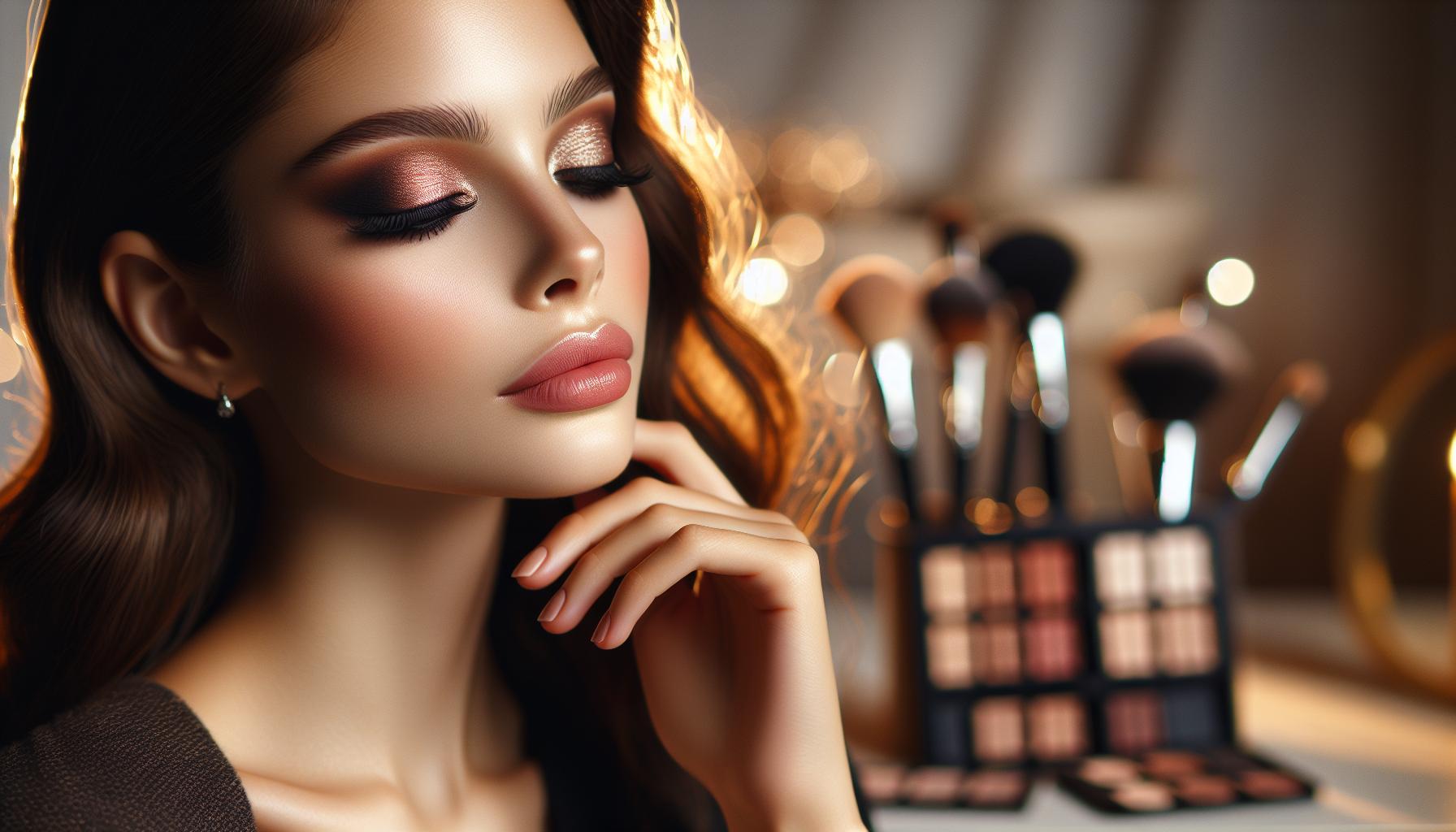
Defining Your Features: Contouring Basics
Contouring is a transformative technique that can redefine your facial structure, enhancing your natural beauty with just a few strokes of makeup. This age-old practice allows you to sculpt your features and create dimension, making your face appear more balanced and defined. Whether you prefer a subtle enhancement or a more dramatic look, mastering the basics of contouring is essential for any makeup enthusiast.
To begin, select the right products that suit your skin type and tone. Cream contours offer a more blended, natural look, while powder products can provide a matte finish. For beginners, consider a contour kit that includes both shades and highlighting products. A contour should be a few shades darker than your natural skin tone, while a highlighter should be about two shades lighter.
Essential Steps for Contouring
- Prep Your Skin: Start with a clean, moisturized face. A primer can help your makeup apply smoothly and last longer.
- Map Your Face: Using a mirror, identify the areas you want to contour. Common spots include under the cheekbones, along the jawline, and on the sides of the nose.
- Application: Apply the contour product with a brush or sponge, using a stippling or tapping motion for seamless blending. A small, angled brush works well for precision.
- Blend, Blend, Blend: The key to a flawless contour is blending. Use a clean brush to diffuse any harsh lines, ensuring a natural look. Foil your contour with a highlighter on the top of cheekbones, brow bone, and down the bridge of the nose to add luminosity.
- Set Your Work: Finish with a translucent setting powder to hold everything in place, especially if you have oily skin.
Tips for Success
Begin with a light hand and build up the intensity as needed. It’s easier to add more product than to remove excess. Also, consider the light source; natural light can help you see how your contouring looks in real life. For those still finding their footing, consider following online makeup tutorials to visually grasp the technique.
Ultimately, the goal of contouring is to enhance, not mask, your unique features. With practice, you’ll gain confidence and develop a technique that works best for your personal style, allowing you to highlight the beauty that is distinctly yours. Enjoy the creative journey, and remember that makeup is about self-expression and fun!
Lush Lips: Choosing the Right Lip Products
Choosing the right lip products can be a game-changer that elevates your makeup look and expresses your unique style. A luscious lip can transform not just your face, but your entire demeanor, making you feel confident and empowered. Start by understanding the different types of lip products available on the market, each offering its own finish and color payoff to suit various occasions and personal preferences.
When selecting lip products, consider your desired look and the overall effect you want to achieve. Lipsticks are a classic choice, available in a range of finishes from matte to glossy. Liquid lipsticks tend to offer long-lasting wear, making them ideal for busy days or nights out. If you prefer a lighter application that gives a hint of color, tinted lip balms or lip stains can provide a more understated touch while hydrating your lips. For a glam finish, lip gloss can add shine and enhance the look of your lips, particularly when layered over other products.
Tips for Choosing the Right Lip Product
- Consider Your Skin Tone: Warmer undertones often pair well with coral, orange, and warm reds, while cooler tones can shine with pinks, berries, and blue-based reds. Testing the product on your lips rather than just your hand can provide a more accurate depiction of how it will look.
- Match the Occasion: For everyday wear, a nude or soft pink can be versatile, whereas bold colors like deep red or vibrant purple enhance evening looks. Tailor the intensity of your lips to complement the rest of your makeup.
- Texture Matters: Examine how the product feels on your lips. Some may prefer the lightweight feel of a tinted balm, while others may opt for the velvety finish of a cream lipstick. Consider hydration levels too-during dry seasons, go for moisturizing formulas to keep your lips supple.
- Layering Techniques: For added dimension, layer products. Start with a lip liner to define the shape, then fill in with lipstick, finishing with a gloss for a plumped-up appearance.
Remember, the perfect lip product not only complements your attire but also reflects your personality. Don’t be afraid to experiment with colors and textures until you find what resonates with you and enhances your beauty. With just a bit of practice and the right choices, you can master the art of luscious lips that make a lasting impression.
The Art of Blush: Adding a Natural Flush
Adding blush to your makeup routine can elevate your look, creating a radiant and healthy glow that instantly brightens your complexion. A well-applied blush mimics the natural flush of your skin, allowing you to enhance your features without overwhelming the face. Understanding how to select the right shade and apply it effectively is key to mastering this essential makeup step.
To begin, select a blush shade that complements your skin tone. Generally, those with cooler undertones may find that pinks and berries work best for them, while peaches and corals tend to flatter warmer undertones. When choosing a product, consider the finish; matte blushes provide a more natural look, while shimmery options add a touch of luminosity, making them great for special occasions or evenings out.
Application technique plays a crucial role in achieving that perfect flush. Start with a small amount of product on your brush-less is more when it comes to blush. Smile gently to identify the apples of your cheeks; this is the area where you’ll want to apply the blush. Using a light hand, sweep the brush in a circular motion starting from the apple and working up towards your temples. This upward motion not only enhances your features but also prevents the blush from dragging down the face.
Blush Application Tips
- Layering: For a more natural look, consider layering your blush. Start with a cream blush for a fresh base, then set it with a powder blush of a similar shade to increase longevity.
- Tools Matter: The right brush is essential. A fluffy angled brush works well for powder blush, while a stippling brush can help with cream formulation for a seamless application.
- Blend Well: Always ensure that your blush is well blended. Harsh lines will detract from the natural look you’re aiming for; take the time to blend until the product seamlessly integrates with your foundation.
- Consider Your Overall Look: Match the intensity of your blush to the rest of your makeup. If you are going bold on the eyes or lips, opt for a lighter touch on the cheeks, and vice versa.
With a few practice sessions, you’ll be able to master the art of blush, achieving that natural flush of color that brightens your face and enhances your overall makeup look. Remember, the goal is to bring warmth to your complexion, so don’t be afraid to experiment until you find the perfect shade and technique that works for you!
Setting Your Makeup for All-Day Wear
Achieving a long-lasting makeup look can feel elusive, especially with the daily wear and tear our faces endure. However, with the right techniques and products, you can set your makeup to withstand anything from morning meetings to evening outings. The key lies in effective preparation and utilizes specific setting products that lock in your look.
Begin with a primer tailored to your skin type. A good primer creates a smooth canvas, helping your foundation adhere better and last longer. For oily skin, consider a mattifying primer to control shine, while those with dry skin might benefit from hydrating options that add moisture. Once you’ve applied your foundation, concealer, and other base products, it’s crucial to set them into place.
Setting Techniques
- Translucent Powder: Lightly dust a translucent setting powder over your makeup using a fluffy brush. Focus on areas that tend to get oily, such as the T-zone. This step not only minimizes shine but helps to lock in liquid products.
- Setting Spray: To further ensure your makeup stays put, use a setting spray. Hold the spray about 8-12 inches from your face and mist it evenly. Look for formulas that offer long-lasting wear or control oil, depending on your needs.
- Blotting Sheets: Carrying blotting sheets can be a game changer for touch-ups throughout the day. These sheets absorb excess oil without disturbing your makeup, maintaining a fresh appearance without the heaviness of powder.
In addition to these techniques, consider your environment when selecting products. High humidity levels may require more resilient formulations; waterproof options in your mascara and eyeliner can help. Furthermore, remember to hydrate your skin adequately underneath all the makeup to avoid it looking cakey or settling into fine lines.
By mastering the art of setting your makeup, you ensure not only a beautifully applied face but also one that radiates confidence as it withstands the day’s challenges. Investing a little extra time and choosing quality products will reward you with makeup that keeps looking fresh and fabulous from dawn to dusk.
Makeup Mistakes to Avoid for Beginners
Many beginners often find themselves making avoidable mistakes that can hinder their makeup journey. One common error is skipping skincare before applying makeup. This crucial step lays the foundation for a flawless application. Using a moisturizer suitable for your skin type ensures that your makeup adheres properly and looks fresh throughout the day. Neglecting this step can lead to a cakey appearance, especially if your skin is dry or dehydrated. Remember, a well-hydrated face serves as the best canvas for makeup.
Another frequent pitfall is choosing the wrong shade of foundation. It’s essential to test foundation shades under natural light to see how they interact with your skin tone. Many women select a shade that seems perfect in store lighting but is too light or dark once outside. To find your perfect match, swipe a few shades along your jawline and choose the one that blends seamlessly into your skin. This small effort can drastically improve the overall look of your makeup.
When it comes to application techniques, less is often more. Beginners tend to layer too many products, leading to a heavy, unnatural look. Instead, consider using a beauty sponge or brush to blend products more lightly and build coverage gradually. This technique not only applies makeup more evenly but also resembles a second skin.
Lastly, one of the biggest mistakes is neglecting to set your makeup. After applying your base products and eyeshadow, using a translucent powder and setting spray keeps everything in place and enhances longevity. Additionally, be conscious of over-packing products, which can lead to unwanted shine and a bulky appearance. Utilizing blotting sheets can help manage oil throughout the day without the need for reapplication.
By being mindful of these common missteps, beginners can elevate their makeup game significantly. Taking the time to prepare your skin, select the right products, and employ effective application techniques will instill confidence and ensure beauty shines through, offering a radiant glow that speaks for itself.
Quick Fixes: Makeup On-The-Go Tips
For those days when you’re pressed for time yet still desire to look polished, mastering quick fixes for makeup on the go can be a game changer. Whether you’re heading from the office to dinner or just need to freshen up after a busy day, having a streamlined approach to your makeup application will help you shine effortlessly.
One essential strategy is to keep a compact makeup kit with all your must-have products. Opt for multi-functional items like a cream blush that doubles as a lip tint, or a tinted moisturizer with SPF, eliminating the need for several products while providing hydration and coverage. Additionally, choose products that are designed for travel, such as mini sprays or stick form makeup which are easier to apply and carry around. This allows you to quickly swap out your daytime look for something more evening-appropriate without fussing over multiple items.
To efficiently refresh your makeup, start with blotting sheets to absorb excess oil and mattify your skin. Follow up with a quick spritz of setting spray to hydrate and revive your makeup without the need for complete reapplication. When you’re ready to reapply your foundation or tinted moisturizer, use a damp beauty sponge for a seamless blend that won’t disturb your existing makeup while adding a fresh touch. For your eyes, a swipe of eyeliner can elevate your look, while a coat of mascara instantly opens the eyes, making you appear more awake.
Remember, when time is of the essence, versatility and ease are your best friends. Keep your look simple but striking-choose a bold lip color that can be applied swiftly or a statement necklace for an instant style upgrade. By mastering these quick fixes, you not only save time but also build confidence in your ability to look fabulous in just minutes, enabling you to conquer your day with grace and style.
Elevate Your Look: Intermediate Techniques
Elevating your makeup look from basic to intermediate doesn’t just enhance your appearance but also builds your confidence as you master various techniques. One of the first steps to achieving this is by incorporating more advanced application methods and utilizing versatile products that can transform your look without complicating your routine.
For a polished base, focus on color correcting before applying foundation. Utilizing a green color corrector can neutralize redness, while a peach tone can brighten under-eye areas. The key to a flawless finish is blending well using a damp beauty sponge. This tool not only assists in smooth application but also helps to meld your foundation seamlessly into your skin for that coveted airbrushed look. For those who prefer a more luminous finish, consider mixing a few drops of liquid highlighter with your foundation to create a beautiful glow from within.
Eyeshadow application can also elevate your entire makeup look. Instead of sticking to one solid color, experiment with the “gradient technique.” Start with a lighter shade from your lash line and gradually blend darker shades into the crease. This technique creates depth and dimension, making your eyes appear larger and more defined. To add an impressive finish, use a small, flat brush to apply a shimmery shade to the center of your eyelid, which catches the light and adds vibrancy.
Don’t overlook the power of defining your features through contouring and highlighting. Rather than heavy contouring, which can often appear harsh in natural light, opt for cream-based products to softly sculpt your face. Lightly apply contouring cream under your cheekbones, along the jawline, and on the sides of your nose. Blend well to ensure there are no harsh lines. Follow this with a highlighter on the high points of your face – top of the cheekbones, bridge of the nose, and cupid’s bow – to bring forth a radiant and youthful luminosity.
Finally, lip color selection can be a game-changer in elevating your look. Instead of a standard lipstick application, try out the “ombre lip” technique. Start with a lip liner that’s a shade deeper than your lipstick. Apply the lipstick only on the center of your lips, blending outward with your finger or a small brush to create a gradient effect that adds volume and dimension to your lips. This technique not only looks chic but also elongates the wear time of your lip color as it naturally fades.
As you integrate these intermediate techniques into your makeup routine, remember that practice makes perfect. Embrace each new method, and explore different combinations of products to discover what enhances your beauty best. With time, these elevated skills will not only reflect your personal style but also your expertise in makeup artistry.
Personalizing Your Makeup Routine for Unique Needs
Creating a makeup routine tailored to your unique needs can greatly enhance not only your look but also your confidence. With countless products and techniques available, it’s essential to understand that personalizing your makeup doesn’t mean you have to follow every trend; it’s about discovering what works best for your individual features, lifestyle, and preferences. This journey begins with self-reflection and understanding your skin type, tone, and personal style.
First, consider your skin type when selecting products. For individuals with oily skin, opt for matte foundations and setting powders that control shine, while those with dry skin may benefit more from hydrating foundations and cream-based products that provide a dewy finish. Additionally, understanding your undertones can help guide your choices in foundation and concealer shades, ensuring a more natural appearance. For instance, warm-toned individuals should lean towards foundations with a yellow or golden base, while cool-toned individuals will find a better match with pink or neutral undertones.
Choosing Versatile Products
Incorporating versatile products into your routine can simplify the process while allowing for creativity. Multifunctional items, such as lip and cheek tints, simplify application and save space in your makeup bag. Investing in high-quality brushes can also transform your application experience-synthetic brushes work well with cream and liquid products, while natural brushes are ideal for powders.
Moreover, don’t hesitate to experiment with colors. If you typically opt for neutral shades, try incorporating pops of color that flatter your eye or lip tones, using the color wheel as a guide. For instance, greens can enhance brown eyes, while purples complement green eyes. The goal is to enhance your natural beauty, and sometimes, a bold choice can add the perfect twist to your look.
Building a Practical Routine
Your daily routine should align with your lifestyle. If you are constantly on the go, opt for long-wear products that can withstand various activities and conditions. Additionally, having a few quick fixes ready for touch-ups can be invaluable. For instance, keep a tinted powder to reduce shine, a mini setting spray, or a simple lip balm in your bag to refresh your look effortlessly.
Ultimately, embrace the process of personalization as a creative endeavor. Keep refining your routine based on what makes you feel confident and beautiful, and remember that there’s no one-size-fits-all approach to makeup. With practice and exploration, you will develop a unique makeup routine that reflects your personality and enhances your beauty daily.
Q&A
Q: What are the essential makeup tools for beginners?
A: To master the basics of makeup in 15 minutes, beginners should have a foundation brush, beauty blender, eyeshadow brushes, an eyeliner brush, and a lip brush. Additionally, include tools like tweezers and a good quality mirror to enhance efficiency during application. For detailed tool insights, refer to the section on essential tools in the article.
Q: How can I quickly prep my skin before applying makeup?
A: Quick skin prep involves cleansing your face, applying a toner, and moisturizing. Consider using a primer for a smooth base, which helps makeup adhere better and last longer. These steps ensure your skin is healthy and ready for makeup, as outlined in the skincare section of the article.
Q: What foundation technique helps achieve a flawless finish?
A: For a flawless foundation finish, apply using a damp beauty blender or foundation brush, starting from the center of your face and blending outward. This technique creates an even layer that helps cover imperfections without looking cakey. Learn more in the foundation techniques section of the article.
Q: How can I blend eyeshadow effectively in under 15 minutes?
A: Use a fluffy brush for seamless blending. Start with a transition shade in the crease, then layer darker colors gradually, blending between each application. Keep the look simple with just two or three shades to save time. More tips can be found in the eyeshadow blending section of the article.
Q: What are the basics of contouring for beginners?
A: Beginners should use a cream or powder contour that is two shades darker than their foundation. Apply it under the cheekbones, along the jawline, and on the nose for a natural look. Blending is key; use a makeup sponge or brush for a soft finish. Refer to the contouring basics section for more details.
Q: How should I choose the right lip product?
A: For a quick lip look, select a product that is easy to apply, such as a tinted balm or a lip stain. Choose a shade that complements your overall makeup, and opt for formulations that provide hydration for comfortable wear. Details on product selection are available in the lip products section of the article.
Q: What are some quick fixes for common makeup problems?
A: Common makeup issues like smudged eyeliner or over-applied blush can be quickly fixed with a cotton swab and a bit of makeup remover. To tone down blush, blend with a clean foundation brush. The article includes more on quick fixes and troubleshooting tips throughout.
Q: How do I set my makeup for all-day wear?
A: To ensure your makeup lasts all day, apply a setting spray or powder after your makeup routine. This locks in the product and reduces shine. Additionally, consider using a blotting paper throughout the day if you tend to get oily. For further setting techniques, check the makeup setting section of the article.
Wrapping Up
Congratulations on mastering the basics of makeup in just 15 minutes! Remember, the key takeaways include understanding your face shape, selecting the right products like Seint and Thrive, and perfecting your application techniques. If you’re eager to deepen your makeup skills, check out our detailed tutorials on advanced techniques and product reviews, guiding you towards the best options like Ilia and ELF.
Don’t forget to share your progress-your makeup journey inspires others! For the latest tips and trends, subscribe to our newsletter and explore our other resources on beauty and barbering. Ready to take your skills to the next level? Dive into our expert guides on grooming excellence and personalized styling techniques! You’re on your way to becoming the best version of yourself-keep experimenting and enjoying the process!