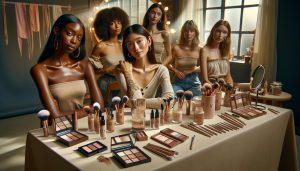
In a world where self-expression is celebrated through beauty, becoming a Makeup Artist (MUA) opens doors to creativity, confidence, and career opportunities. The artistry behind makeup is not just about enhancing appearance; it’s a powerful means of storytelling and empowerment. If you’ve ever dreamed of transforming faces and expressing individuality through color and technique, this guide is your first step. With insider tips from industry professionals, you’ll learn essential skills, discover must-have products, and gain insights into building a thriving career. Whether you’re a complete beginner or looking to refine your craft, understanding the intricacies of this vibrant industry is key to unlocking your potential. Get ready to dive into the world of makeup artistry, where every brushstroke brings you closer to your dreams!
How to Choose the Right Makeup Artist Courses

Choosing the right makeup artist course is a pivotal step for anyone aspiring to thrive in the beauty industry. With various options available, from online classes to in-person workshops, it can be overwhelming to pinpoint the ideal path. However, understanding your goals and the type of clientele you wish to serve can guide you in selecting the most beneficial course. For instance, if your passion lies in bridal makeup, seeking out courses that specialize in techniques and trends relevant to that niche would be advantageous.
When evaluating potential courses, consider the credentials and experience of the instructors. Look for programs that are taught by industry professionals who have a proven track record and can share real-world insights. Additionally, review the course curriculum carefully; it should include essential topics such as color theory, skin types, product application, and the latest trends in makeup artistry. Don’t overlook the importance of hands-on practice-courses that include practical workshops will significantly enhance your learning experience.
Another crucial factor is the course’s reputation. Seek testimonials and reviews from former students to gauge their experiences. A well-regarded program will not only provide you with skills but also foster connections in the industry, which can be invaluable for building your network. Finally, consider the format and duration of the course; whether you prefer intensive boot camps or more extended, flexible training suited to your schedule can impact your overall learning and growth. Remember, the right course should not only align with your professional aspirations but also empower you to express your unique creativity as a makeup artist.
Essential Tools Every Aspiring MUA Needs
Every aspiring makeup artist (MUA) should equip themselves with a comprehensive toolkit that not only enhances their skills but also inspires confidence in their clients. Whether you’re just starting your journey or looking to refine your artistry, having the right tools at your disposal is essential for creating flawless looks. Here’s a look at the fundamental items every MUA needs to ensure both their and their clients’ success.
Essential Makeup Tools
- Brush Set: A high-quality brush set is crucial. Invest in a variety of brushes, including foundation, concealer, blending, and precision brushes. Natural hair brushes often offer a smoother application, but synthetic brushes are easier to clean and can work well with cream products.
- Sponges: Makeup sponges, like the Beauty Blender, are indispensable for achieving a seamless foundation finish. They are perfect for blending and can be used wet or dry depending on the desired coverage.
- Palettes: Having a selection of eyeshadow, contour, and highlighting palettes allows for creativity and versatility. Look for palettes that offer a range of colors to suit different skin tones and preferences.
- Quality Makeup Products: Stock your kit with a variety of foundations, concealers, and pigments from reputable brands. Consider investing in popular lines like Seint, Thrive, Ilia, and ELF, which offer quality options for diverse needs.
- Sanitizing Supplies: Hygiene is paramount in makeup artistry. Have alcohol wipes, hand sanitizer, and brush cleaner readily available to ensure all products and tools are sanitized before each use.
Additional Essential Tools
- Setting Spray and Powder: These products help to lock in makeup for longevity, a critical aspect for events like weddings or photoshoots.
- Portable Mirror: A compact, adjustable mirror is essential for precise application, particularly when working in varied lighting conditions.
- Tool Organizer: To keep your workspace organized, invest in a stylish tool organizer or train case. It not only helps you find your tools quickly but also presents a professional image to clients.
- Light Source: Good lighting is key for accurate makeup application. Consider investing in a portable LED ring light for optimum visibility regardless of location.
Building the right kit is the foundation of becoming a successful MUA. As you expand your skills and style, you’ll likely discover additional tools that resonate with your personal artistry. Always remember that the best tool in your kit is your creativity and passion for makeup, combined with the ability to adapt and learn. Whether you are providing glamorous bridal looks or sleek everyday styles, having a well-equipped toolkit ensures you are prepared for any challenge that comes your way.
Developing Your Unique Makeup Style
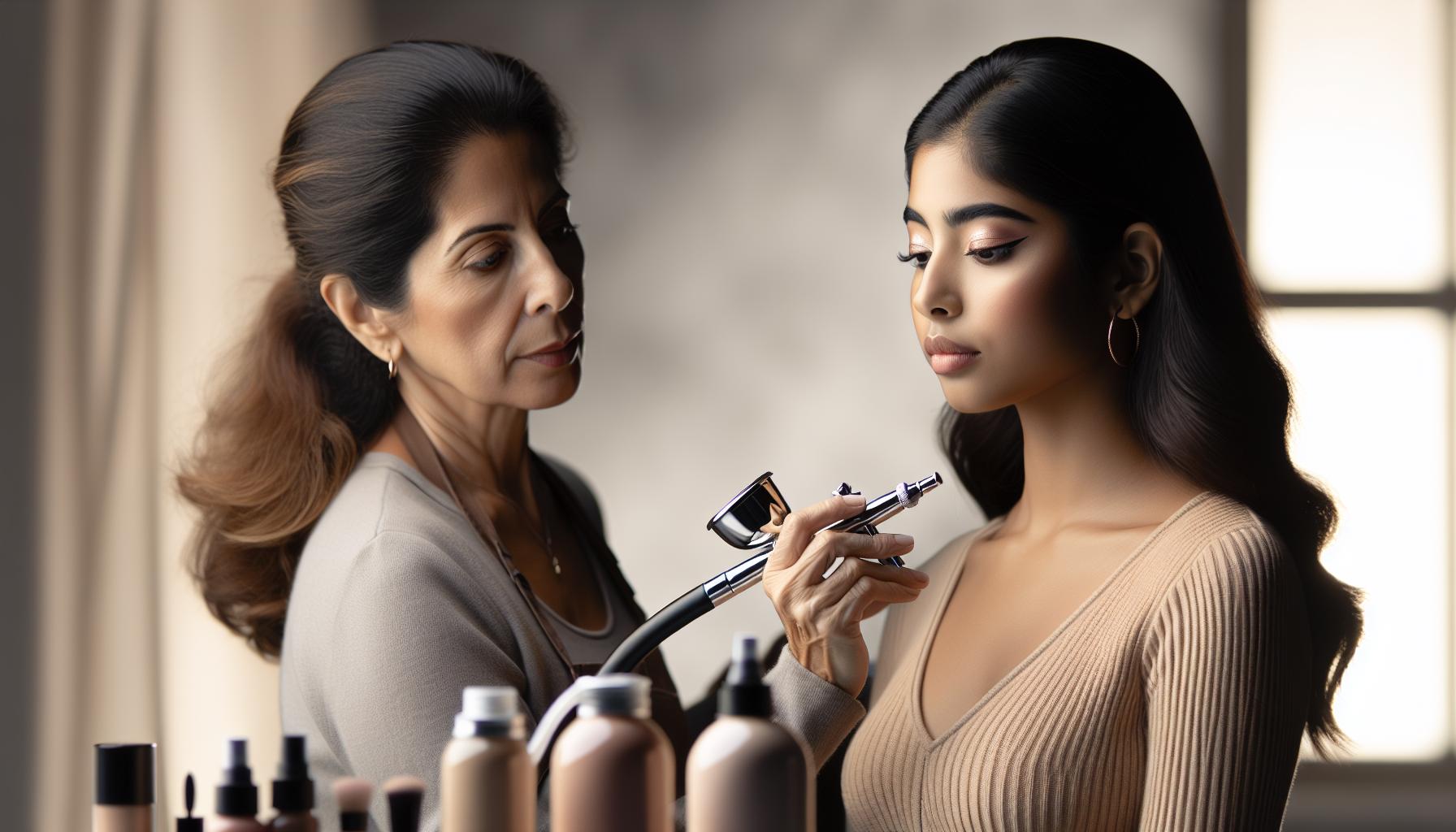
Every makeup artist’s journey is as unique as the artistry they create; it’s vital to carve out your own style to differentiate yourself in a competitive market. Developing a distinct makeup style isn’t simply about technique; it’s about understanding your preferences, inspirations, and the trends that resonate with your vision. A strong point of departure can be analyzing your favorite looks, whether they lean toward natural beauty, high glam, or avant-garde artistry. Reflecting on what inspires you-be it color theory, nature, fashion, or historical art-can guide you in creating signature looks that feel authentic.
As you hone your unique makeup style, consider experimenting with popular products from reputable brands like Seint, Thrive, Ilia, and ELF. Each line offers different textures and finishes that can help you discover what works best for your artistic vision. For instance, Seint’s versatile cream formulations are perfect for achieving a dewy finish, while Thrive’s vibrant colors can elevate any look. Working with these products allows you not just to refine your skills but also to develop preferences that are uniquely yours.
A practical step in this journey is to document your creations. Maintain a visual diary or a social media portfolio showcasing your work, which serves a dual purpose: it tracks your progress and provides visual inspiration for future projects. Engage with your audience through before-and-after transformations, close-up details of makeup looks, or tutorial snippets. As you share your distinct style, you’ll naturally cultivate a following that resonates with your approach, thus enhancing your brand’s visibility.
Finally, remember that your style will evolve. Stay curious and open to learning new techniques, as the beauty industry is always changing. Attend workshops, follow trends on social media, and take cues from other artists, but ensure that any new influences blend seamlessly into your personal aesthetic. This balance between inspiration and individuality is key to developing a distinctive makeup style that sets you apart and attracts clients who appreciate your unique artistry.
Building a Professional Makeup Portfolio

Building a compelling makeup portfolio is not just about showcasing your ability to apply products; it’s a reflection of your artistic vision, technical skills, and personal brand. A well-curated portfolio can open doors to opportunities and help you stand out among other makeup artists in a competitive landscape. Start by collecting high-quality images of your work, ensuring they highlight a diverse range of styles, techniques, and makeup categories. Utilize natural lighting to capture the true essence of your makeup applications and avoid overly edited images that could misrepresent your skills.
When organizing your portfolio, consider the following elements to enhance its impact:
- Variety: Include looks that cater to different occasions, such as bridal, editorial, fashion, special effects, and everyday wear. This diversity will demonstrate your versatility.
- Quality: Prioritize high-resolution images that are well-composed. Every photo should represent you at your best, capturing intricate details and overall aesthetics effectively.
- Process: Consider incorporating before-and-after photos or step-by-step images that reveal your technique. This can attract clients interested in understanding your creative process.
- Client Testimonials: If possible, include short quotes or feedback from clients alongside certain looks. Positive reviews can establish your credibility and rapport with potential clients.
- Digital Presence: Ensure your portfolio is accessible online by creating a dedicated website or leveraging social media platforms. Regularly update your content as you acquire new skills and experiences.
Incorporating these elements can enhance your professional image and attract attention from prospective clients and industry peers. Networking within beauty communities or collaborating with photographers can help you capture stunning images that stand out in the saturated market. Remember, your portfolio is not only a record of your work but a powerful marketing tool that communicates who you are as an artist and helps potential clients envision how your unique style can cater to their needs. Keep it authentic, refined, and reflective of your journey as you continue to evolve in your makeup artistry career.
Networking Tips for Makeup Artists
In the fast-paced world of makeup artistry, building a robust network is as essential as mastering your techniques. Networking not only opens doors to new opportunities but also helps you grow your reputation and connect with other professionals who can inspire and support your journey. Establishing a broad network of beauty enthusiasts, fellow artists, and industry influencers can lead to collaborations, referrals, and invaluable industry insights.
Start by attending industry events such as beauty trade shows, workshops, and exhibitions. These venues provide unparalleled opportunities to meet other makeup artists, brand representatives, and potential clients. Engaging in conversations at these events can lead to meaningful connections. Don’t hesitate to introduce yourself, share your work, and ask for business cards-this simple act can initiate future collaborations. Remember, effective networking isn’t just about handing out your card; it’s about building genuine relationships. Follow up with the people you meet on social media, compliment their work, and engage in their posts to keep the connection alive.
Utilizing social media platforms is another vital aspect of networking. Create a professional presence on platforms like Instagram and LinkedIn, where the beauty community thrives. Regularly showcase your work, share tutorials, and engage with others in the industry by commenting on their content or sharing their posts. Consider using relevant hashtags to increase your visibility and attract followers from your target audience. A well-curated online presence can lead to numerous opportunities, such as collaborations with brands or featured spots in beauty blogs and magazines.
Joining local makeup artist groups can also enhance your network. Many cities have community boards or social media groups where makeup artists share job opportunities, tips, and resources. Participating in these groups can offer support and promote collaboration rather than competition, allowing you to grow alongside your peers. Additionally, consider workshops or classes not only for skill enhancement but also as an avenue for meeting fellow makeup artists and industry professionals.
Ultimately, becoming a successful makeup artist involves more than just technical skills; it’s about the connections you create along the way. By actively networking and building authentic relationships, you position yourself for growth and success in the vibrant makeup industry.
Staying Ahead with Makeup Industry Trends
Staying relevant in the makeup artistry world requires a keen understanding of emerging trends, which are constantly evolving. As a makeup artist, awareness of the latest styles, techniques, and products is essential not just for personal growth but also to meet the demands of clients and the market. Engaging in continuous learning and adapting your skills are key to remaining competitive.
One effective way to keep up with industry trends is to follow renowned beauty influencers and brands across social media platforms. Platforms like Instagram and TikTok are treasure troves for discovering the latest looks, innovative products, and application techniques. By consistently engaging with trending content, you can glean new ideas and gather inspiration for your work. Additionally, participating in online beauty communities and forums can provide insights and discussions on what’s gaining traction in the beauty world.
Moreover, subscribing to beauty magazines or online platforms that specialize in beauty news can be a great source of information. These platforms often highlight upcoming trends, new product launches, and expert tips that can elevate your artistry. Don’t forget to attend trade shows, workshops, and beauty expos, where you can witness trends firsthand and engage with industry leaders.
Maintaining an adaptable approach is also crucial. For instance, the shift towards clean beauty products and sustainable practices will continue to influence consumers’ purchasing decisions. Familiarizing yourself with brands that align with these values, such as Seint and Ilia, can not only enhance your service offerings but also build your portfolio in alignment with current consumer preferences. Being proactive about incorporating these trends into your practice will not only elevate your artistry but also position you as a forward-thinking professional in the makeup industry.
Pricing Your Makeup Services Fairly

Determining how to price your makeup services can be one of the most challenging aspects of establishing your career as a makeup artist. Striking the right balance between affordability for your clients and the value of your expertise is crucial. Many artists make the mistake of undervaluing their skills, resulting in burnout and decreased motivation. To set competitive yet fair prices, start by researching what other makeup artists in your area charge. This will provide a baseline for your pricing and help you understand the local market demand.
When considering your rates, take into account various factors, including your level of experience, the complexity of the services provided, and your target clientele. For instance, bridal makeup typically commands higher fees due to the time, travel, and preparation involved. Also, assess the average duration each service takes; charging per hour or creating package deals for services can provide clarity to clients while maximizing your earning potential.
Additional Pricing Considerations
It’s essential to reflect on the costs associated with running your business. Factor in product costs, equipment maintenance, travel expenses, and any marketing efforts that contribute to client acquisition. Offering tiered pricing can also appeal to different client budgets. For example, you might establish a standard rate for everyday makeup and a premium rate for special occasions or artistry that requires more skill and time.
Communicating your value is as vital as setting your prices. Highlight your unique skills, training, and any specialized techniques that differentiate you from others in the industry. Building a portfolio that showcases your work can significantly support your pricing structure, allowing potential clients to see the quality of your results. Remember, establishing a pricing strategy is an ongoing process; regularly reassess your rates based on experience gained, client feedback, and evolving market trends to ensure they align with the value you provide.
Mastering Makeup Techniques for Every Occasion
Mastering the art of makeup is more than just applying products; it’s about understanding the nuances of different occasions and how to tailor your techniques to meet varied needs. Whether it’s a casual day out, a glamorous evening event, or a wedding, knowing how to adapt your skills can set you apart as a proficient makeup artist. Each occasion presents its unique challenges and opportunities, enabling you to showcase your artistry while making clients feel beautiful and confident.
To excel in this area, familiarize yourself with several key techniques that cater to various settings. For instance, natural looks are ideal for day events, focusing on a fresh, glowing complexion using tinted moisturizers or light foundations paired with soft blush and neutral eye shades. Incorporating products like cream highlighters can enhance the dewy effect while ensuring longevity throughout the day.
For evening events, experimentation with bold colors and dramatic techniques can elevate your makeup game. This might include smoky eyes, richer lip tones, or intricate eyeliner styles. Utilizing long-wear products and setting sprays will help your work endure through the night. Weddings call for another layer of understanding-bridal makeup requires not just beauty but also durability, as the focus will be on the bride throughout the day. Techniques such as airbrush makeup or using waterproof formulas can be pivotal in ensuring the bride retains her flawless appearance from the ceremony to the reception.
As you refine these techniques, practice with various products that suit each occasion. Building a professional kit tailored to diverse needs will enhance your versatility. Tools like beauty blenders for flawless application, a range of brushes for detailed work, and high-quality pigments will allow you to achieve the desired results effortlessly. Staying updated with the latest beauty trends and continuously refining your skills through tutorials and workshops will further enrich your portfolio and keep your artistry relevant in a fast-evolving industry.
With each occasion, focus on ensuring that the finished look not only aligns with your client’s vision but also showcases your signature style, blending personal flair with professional execution.
The Importance of Brand and Personal Marketing
In today’s competitive makeup artistry landscape, establishing a strong brand and marketing presence is not just beneficial; it’s essential for success. Your personal brand conveys your unique artistry, style, and the value you offer to clients. As potential clients sift through many artists, a well-defined brand helps you stand out. It allows you to communicate your personality and expertise through visual elements, such as your logo, color palette, and the aesthetics of your social media profiles and portfolio. Consider that your brand is more than your name-it’s the entire experience clients have when they engage with you, from the first moment they encounter your social media to the interaction at their appointment.
Effective personal marketing strategies can significantly elevate your visibility in the industry. Start by curating a dynamic online presence on platforms like Instagram and Pinterest, which are visual-centric and perfect for sharing your work. Regularly post high-quality images and videos of your makeup looks, alongside tips, tutorials, or product reviews. Using popular hashtags relevant to your niche can also help reach a broader audience. Don’t underestimate the power of storytelling; share your journey, your inspirations, and your unique approach to makeup to build a genuine connection with your audience. Engaging content keeps your followers interested, which increases the likelihood of referrals and repeat clients.
Networking plays a crucial role in personal marketing; collaborate with photographers, fashion stylists, and influencers to create stunning portfolio pieces together. This not only expands your portfolio but also opens doors to new opportunities as their audiences discover your work. Attending beauty events, workshops, and trade shows can also help you connect with other professionals and potential clients. Leave a lasting impression by bringing business cards featuring your branding and showcasing your work.
Ultimately, investing time in building your brand and mastering personal marketing will pay off by enhancing your reputation as a talented MUA. Take stock of your skills, refine your artistic voice, and ensure that every marketing effort reflects your passion and professionalism. When you align your branding and marketing with your artistic vision and services, you position yourself not just as a makeup artist but as a sought-after beauty expert in the industry.
Navigating Makeup Product Reviews and Recommendations
When it comes to choosing makeup products, the plethora of options available can be overwhelming. As an aspiring makeup artist, understanding how to navigate product reviews and recommendations is crucial for both your personal toolkit and your clients’ satisfaction. Start by recognizing that not all reviews are created equal; the credibility of the review source can significantly influence your product choices. Look for reviews on reputable beauty websites, blogs run by professional MUAs, and platforms like YouTube where experienced artists demonstrate products in action. Search for detailed descriptions of product performance, skin compatibility, and application techniques.
Analyzing Product Reviews
To better understand a product’s suitability, break down reviews into key components. Look for the following aspects:
- Ingredients: Check the formulation for skin sensitivity and compatibility with various skin types.
- Longevity: Does the product last throughout the day, or does it require frequent touch-ups?
- Application: Is the product easy to apply? Do reviewers offer tips for achieving the best results?
- Finish: Consider whether the product provides a matte, dewy, or satin finish based on your clients’ preferences.
Utilizing Recommendations Wisely
Incorporate recommendations from professional brands and artists into your practice. Familiarize yourself with popular brands such as Seint, Thrive, Ilia, and ELF. Each offers unique products suited for different looks, skin types, and budgets, allowing you to cater to a diverse clientele:
| Brand | Key Features | Ideal For |
|———|——————————————————|————————-|
| Seint | Cream-based makeup that adapts to skin tones | Natural, everyday looks |
| Thrive | High-performance formulas with clean ingredients | Sensitive skin types |
| Ilia | Organic products that offer skincare benefits | High-fashion applications |
| ELF | Affordable options without compromising quality | Beginners and everyday use |
As you build your collection, try to incorporate a variety of products based on these reviews and recommendations. This approach not only adds versatility to your artistry but also positions you as a trusted source for your clients seeking expert guidance on products tailored to their needs.
Ultimately, approaching product reviews with a critical yet open mind will empower you to make informed decisions that enhance your makeup artistry skills while ensuring your clients receive the best possible service. By curating a selection of products that align with your artistic vision, you’ll be well on your way to establishing a trusted reputation in the makeup industry.
Getting Your First Clients and Growing Business
Opening your doors as a makeup artist can be both exciting and daunting. The journey to securing your first clients involves a blend of showcasing your skills, leveraging social media, and establishing a personal brand that resonates with potential customers. One of the most effective strategies is to create a strong presence online. Utilize social platforms like Instagram and TikTok to display your work; share before-and-after photos, video tutorials, and client testimonials. Engaging content will not only attract attention but also build a community around your brand.
Building Your Network
Networking plays a crucial role in growing your client base. Attend beauty expos, workshops, and local events where you can meet other professionals and potential clients. Collaborating with photographers and hairstylists can also enhance your portfolio while generating referrals. Offering to do makeup for free or at a discounted rate for events, such as charity functions or fashion shows, can provide exposure and help establish your reputation.
Word of Mouth and Referrals
Never underestimate the power of word-of-mouth marketing. Encourage happy clients to spread the word about your services and incentivize referrals with discounts or perks for both the referrer and new clients. Creating a loyalty program can foster repeat business, as it rewards clients for their continued patronage.
Establishing an Online Presence
Having a user-friendly website or online portfolio is vital. Make sure it showcases your services, pricing, and a gallery of your work. Including a blog can also position you as an authority in the field and provide valuable content that could entice potential clients.
As you embark on this venture, remember that developing relationships and maintaining a high standard of service are key components. Utilizing these strategies will not only help you gain your first clients but also cultivate a thriving makeup business. By showcasing your artistry, networking effectively, and providing exceptional service, you will lay a strong foundation for growth and success in the beauty industry.
Continuing Education and Skill Enhancement for MUAs
To thrive as a makeup artist in today’s fast-paced beauty industry, continuous education and skill enhancement are paramount. The landscape of makeup artistry is ever-evolving, with new techniques, products, and trends emerging that can significantly influence your work. Committing to lifelong learning not only sharpens your skills but also sets you apart from your competition, allowing you to cater to a diverse clientele and meet their varied needs.
One effective way to enhance your skills is by attending advanced makeup workshops and classes. Look for sessions held by recognized experts in the industry; these opportunities can provide insights into the latest trends, cutting-edge techniques, and even hands-on experience with high-quality products. Online platforms have also made it more accessible to learn from global professionals through webinars and video tutorials, often at a fraction of the cost of in-person workshops. Consistently engaging with these learning resources ensures that you remain knowledgeable about the latest innovations in makeup, from high-definition techniques to the use of diverse cosmetics that suit various skin types and tones.
Additionally, participate in industry events, beauty expos, and trade shows where you can network with other professionals and gain exposure to new products. These venues provide a platform not just for learning but also for sharing techniques and tips with peers. Surrounding yourself with fellow artists can inspire creativity and help you find your unique style while learning best practices and discovering valuable resources.
Moreover, investing in your makeup kit by regularly exploring and trying out new brands is crucial. Regularly updating your toolkit with products from sought-after brands can enhance your repertoire and allow you to offer modern solutions to your clients. For instance, familiarizing yourself with brands like Seint, Thrive, Ilia, and ELF can diversify your offerings, ensuring you’re prepared for a range of client preferences and needs.
Ultimately, prioritizing continuous education and professional development is not a one-time endeavor but an ongoing journey. By engaging in workshops, networking with industry professionals, and staying attuned to new products, you can cultivate a successful career marked by adaptability and artistry excellence.
Frequently Asked Questions
Q: What are the essential skills needed to become a successful MUA?
A: To succeed as a Makeup Artist (MUA), essential skills include color theory understanding, application techniques, attention to detail, and creativity. Strong communication skills are also critical for understanding client preferences and building relationships. Regularly practicing and experimenting with different styles will further enhance your expertise.
Q: How do I get certified as a professional makeup artist?
A: Certification can often be obtained by attending a recognized makeup artistry school that offers courses in makeup application, hygiene, and skin care. Look for reputable programs with hands-on training, and consider obtaining additional certifications in specializations, such as bridal or editorial makeup, to enhance your credentials.
Q: What makeup trends should I focus on to stay relevant in the industry?
A: To stay current, keep an eye on trends such as sustainable and clean beauty, natural-looking makeup, and bold eye looks. Following prominent beauty influencers and attending fashion shows can provide insights into emerging trends. Regularly updating your skills will help maintain your competitive edge in the evolving makeup landscape.
Q: How can I effectively market myself as a new MUA?
A: Effective marketing as a new MUA involves creating a strong online presence through social media platforms like Instagram or TikTok. Build a professional website showcasing your portfolio, utilize SEO strategies to enhance visibility, and engage with your audience through informative content about makeup techniques and industry insights.
Q: What should I include in my makeup artist portfolio?
A: Your makeup artist portfolio should showcase a diverse range of looks, including bridal, editorial, and special effects makeup. Include high-quality photographs, descriptions of the techniques used, and testimonials from clients. Highlight any collaborations with photographers or stylists to demonstrate your ability to work in various settings.
Q: How do I set my prices as a new makeup artist?
A: Begin by researching local market rates for makeup services to understand standard pricing. Consider your skill level, experience, and the complexity of the services offered when setting your prices. As you gain experience and a solid client base, you can adjust your rates accordingly while ensuring they reflect the quality of your work.
Q: How can networking benefit my career as a makeup artist?
A: Networking allows you to connect with industry professionals, including photographers, models, and stylists, which can lead to collaboration opportunities and referrals. Attend local beauty events, workshops, and trade shows to expand your contacts. Building relationships can significantly enhance your visibility and career growth.
Q: What are the common challenges faced by aspiring MUAs?
A: Aspiring MUAs often face challenges such as developing a unique style, gaining initial clients, and navigating competition. Additionally, keeping up with trends and maintaining a strong portfolio can be demanding. Embrace continuous learning and perseverance to overcome these hurdles and succeed in your makeup artistry career.
Future Outlook
As you embark on your journey to become a successful Makeup Artist, remember that the skills and insights shared in this guide are just the beginning. Embrace the art of makeup with passion, and don’t hesitate to explore our detailed tutorials on product applications and reviews, such as our favorites from Seint, Thrive, and Ilia. Ready to elevate your skills? Consider signing up for our newsletter for exclusive tips and the latest trends in the beauty industry.
If you’re still uncertain about your next steps, check out our essential guides on professional barbering and cleansing routines to enhance your beauty toolkit. Your dream career is within reach-start applying what you’ve learned today! Feel free to share your experiences and questions in the comments below; your voice matters, and we’re here to support your growth. Keep creating and inspiring, and let your creativity shine as a Makeup Artist!