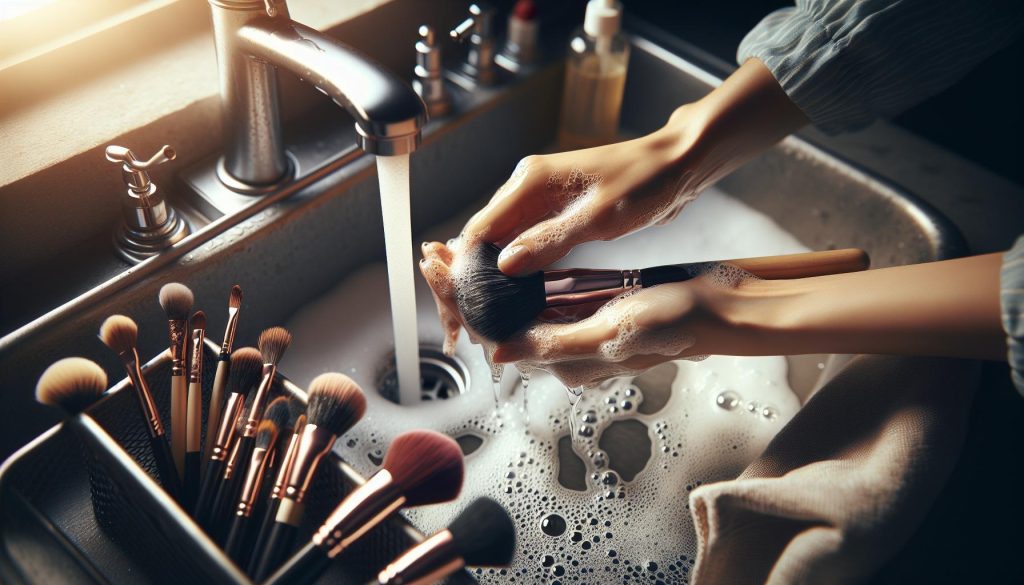
Did you know that properly cleaning your makeup brushes can dramatically improve your skin’s health and the longevity of your products? Neglecting this crucial step can lead to breakouts and uneven makeup application, which is a common frustration for many beauty lovers. In “How to Clean My Makeup Brushes: Hygiene Tips That Work,” we’ll explore simple yet effective techniques to keep your tools in pristine condition. By investing just a little time regularly, you not only enhance your makeup routine but also safeguard your skin from harmful bacteria. Join us as we dive into the essential practices that every makeup enthusiast, from novices to seasoned pros, should adopt for a flawless, healthy beauty regimen.
Choosing the Right Makeup Brush Cleaning Products
Choosing the right products for cleaning your makeup brushes is not only crucial for maintaining the integrity of the brushes but also for preserving your skin’s health. With brushes housing a build-up of makeup, oils, and bacteria, investing in effective cleaning solutions can make a significant difference. While there are numerous dedicated brush cleansers available, it’s essential to understand their unique benefits to make an informed choice.
A variety of brush cleaning products are available, from sprays to deep-cleaning solutions, each designed for specific cleaning needs. Look for options with gentle ingredients that effectively dissolve makeup residue without damaging the bristles. Some popular ingredients in these cleansers include isopropyl alcohol for disinfecting, and natural oils like argan or jojoba oil, which can help condition the bristles. Additionally, consider purchasing a silicone brush cleaning mat or glove; these tools help with the scrubbing process and can enhance the effectiveness of your chosen solution by preventing residue from redistributing onto the brush.
When selecting a brush cleaner, think about how often you’ll use it and your preferred method of cleaning. For quick cleans between uses, an alcohol-based spray can quickly lift leftover makeup, allowing you to switch colors or styles with ease. For a more thorough clean, liquid cleansers that require rinsing are ideal; they can be used on a schedule, such as once a week, depending on your makeup habits. Emphasizing the importance of a good brush cleaning routine is essential; it not only extends the life of your brushes but also ensures that the makeup you apply is as flawless and unhindered as possible.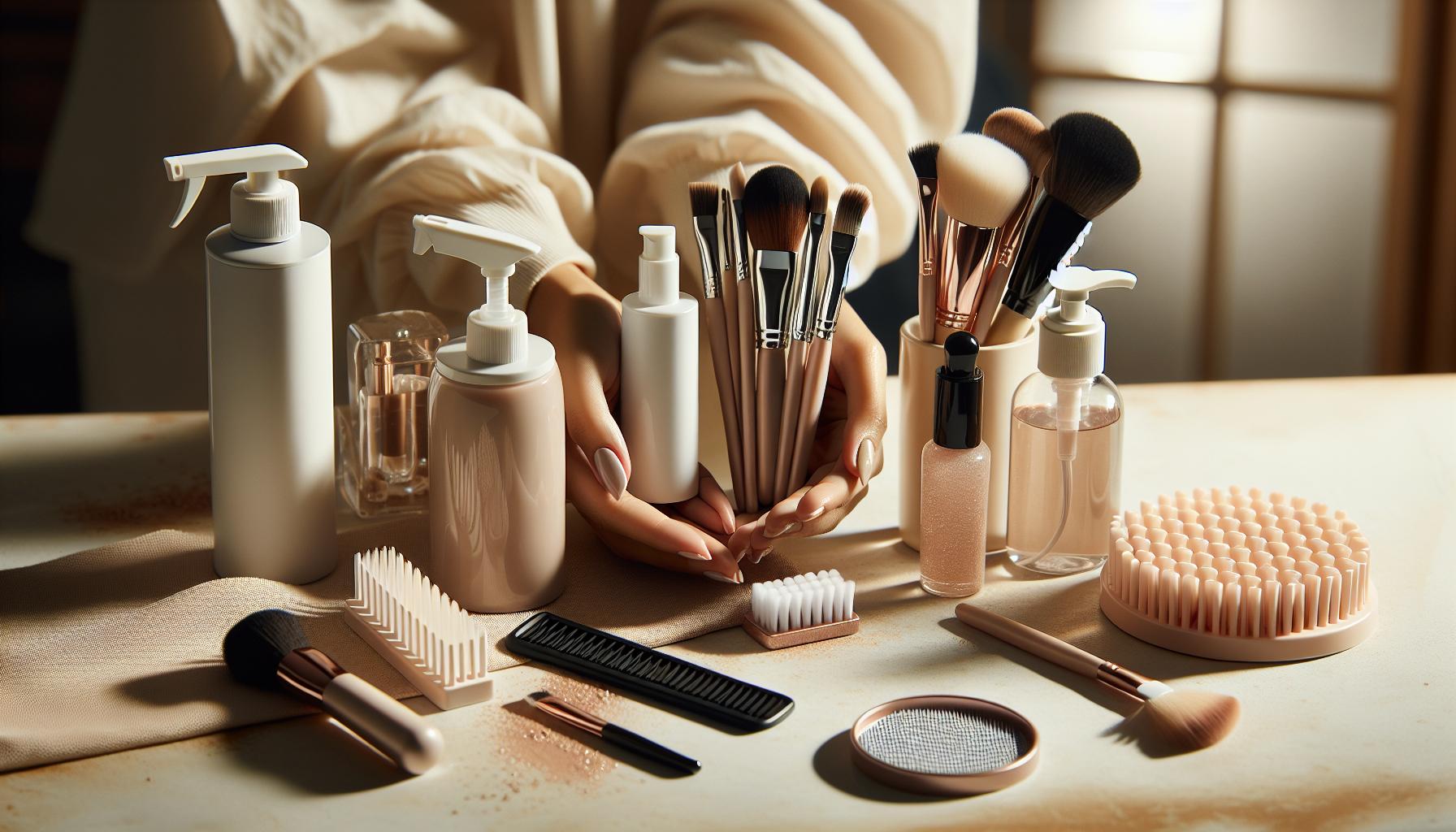
Essential Tools for Cleansing Your Brushes
Cleaning your makeup brushes is an essential practice not just for maintaining the quality of the tools, but also for ensuring flawless application and overall skin health. To effectively tackle this task, equipping yourself with the right tools can make the process smoother and more efficient.
- Brush Cleansers: The foundation of brush cleaning lies in using effective cleansers. Options range from quick-dry sprays to more intensive liquid solutions. Look for formulas that eliminate makeup buildup without compromising the integrity of the bristles. A product containing gentle ingredients and essential oils can double as a disinfectant while conditioning the brush hairs.
- Silicone Cleaning Mats: These textured mats are an intuitive addition to your cleaning toolkit. They provide a surface that enhances the scrubbing action while preventing brush hairs from getting tangled. The grooves help to dislodge residues, making it easier to achieve a thorough cleanse.
- Microfiber Cloths: Soft and absorbent, microfiber cloths are perfect for wiping brushes between uses, especially when dealing with cream or liquid products. They can quickly lift residue without the need for a full wash, saving time while keeping your brushes clean.
- Warm Water: While often overlooked, the temperature of the water plays a crucial role in the cleaning process. Warm water helps to dissolve products more effectively, loosening stubborn makeup remnants for easier removal.
Investing in these essential cleaning tools not only simplifies the brushing cleaning routine but also elevates your overall makeup experience. Regularly maintaining your brushes ensures optimal performance and the longevity of your tools, empowering you to create beautiful looks with confidence and ease.
Step-by-Step Guide to Effectively Clean Brushes
To ensure your makeup brushes not only perform at their best but also contribute to your skin’s health, an effective cleaning routine is vital. A well-maintained brush can significantly enhance your application techniques and extend the life of your tools. Here’s how to do it effectively.
Start by wetting the bristles under lukewarm water, ensuring that the water does not go over the ferrule (the metal part that holds the bristles) as this can loosen the glue and damage the brush. Next, apply a small amount of your chosen brush cleanser directly to the bristles, or pour a bit into a small bowl. Gently swirl the brush in the cleanser, being careful not to apply too much pressure to avoid damaging the bristles. For stubborn makeup buildup, you can use your silicone cleaning mat to work the cleanser into the bristles. This adds an extra layer of effectiveness with its textured surface.
Once the brushes are thoroughly cleaned, rinse them under lukewarm water until the water runs clear. Squeeze out any excess water gently-never twist the bristles as this can cause them to bend or fray. After rinsing, reshape the bristles and lay them flat on a clean towel to dry. This position prevents water from entering the ferrule, which can lead to mold or deterioration of the brush materials. Avoid standing brushes on a surface to dry, as this encourages water to seep down into the ferrule.
Incorporating this routine into your beauty regimen not only keeps your brushes immaculate but also elevates your makeup application experience. Regular cleaning helps to prevent skin issues caused by leftover bacteria and product buildup, ensuring that every stroke promotes a flawless finish. With proper care, your brushes can be your best ally in achieving beauty excellence.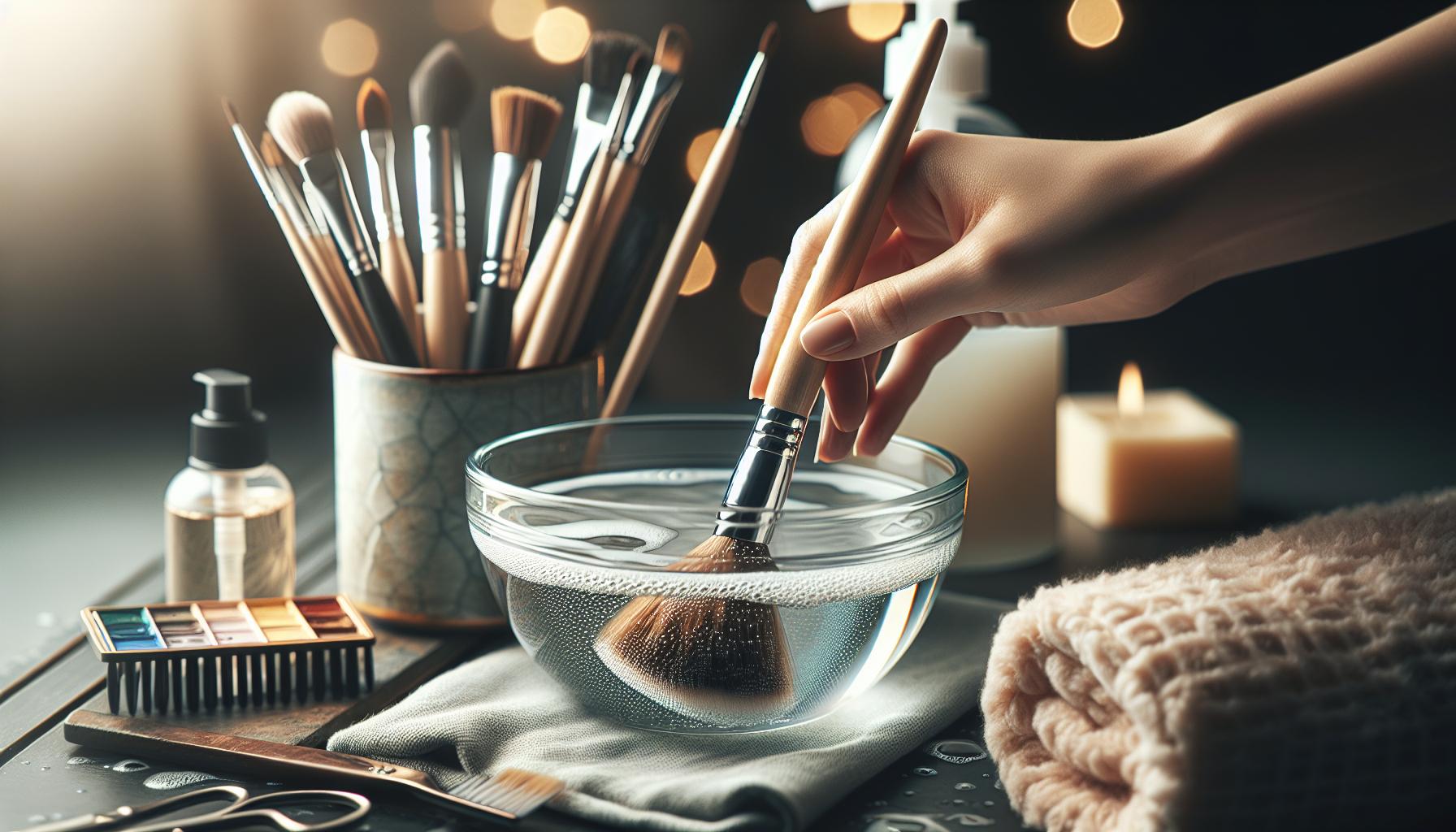
How Often Should You Clean Your Makeup Brushes?
Keeping your makeup brushes clean is essential not only for flawless application but also for maintaining healthy skin. With daily use, brushes accumulate makeup residue, oil, and bacteria, which can lead to breakouts and uneven makeup. The frequency of cleaning brushes can vary greatly depending on personal habits and the type of products used.
For brushes used with liquid or cream products, such as foundation or concealer, it’s advisable to clean them after every use. This prevents product buildup and ensures your makeup remains fresh. For powder brushes or tools that aren’t as heavily used, a deep clean once a week is generally sufficient. However, a quick cleanse-using a brush cleaner or gentle soap-after each use can extend the life of your brushes and enhance their performance.
A good rule of thumb is to assign a specific day each week as your brush cleaning day. This routine not only reinforces the habit but also makes it easier to remember. For busy individuals, consider using a gentle brush cleaner to quickly wipe down brushes after daily application. Don’t forget to keep an eye on sponges; these should be cleaned with the same frequency as your foundation brushes, ideally after every use, due to their porous nature which can harbor bacteria.
By integrating these cleaning practices into your beauty routine, you are not only ensuring the longevity of your brushes but also promoting better skin health and a more polished makeup look. It’s an investment in both your technique and your complexion.
The Importance of Sanitizing Your Brushes
Using dirty brushes is akin to applying makeup with your fingers after a day at the gym-unpleasant and potentially harmful. cannot be overstated, as neglecting this fundamental step can lead to a plethora of skin issues, including breakouts and irritation. Every time you use your brushes, they collect not only makeup residue but also oils and bacteria from your skin. This buildup creates an environment ripe for acne and other skin problems.
To truly grasp the significance of brush sanitation, consider this: studies show that makeup brushes can harbor the same bacteria responsible for skin infections. For makeup artists and enthusiasts alike, a regular sanitization routine is crucial-not just to maintain makeup hygiene but to ensure the skin remains undisturbed and healthy. Think about how often you touch your face; if you apply makeup with brushes that haven’t been sanitized, you’re simply transferring bacteria back onto your skin.
Incorporating a sanitizing process into your cleaning routine is a straightforward yet impactful way to protect both skin health and brush longevity. Use a dedicated brush cleaner or a gentle disinfectant for a quick swipe after each use. This habit not only keeps your brushes clean, but it also enhances their performance and lifespan. Remember to store your brushes upright to avoid contamination and maintain bristle shape, ensuring they’re ready to create flawless looks every time you reach for them.
By committing to a consistent sanitizing practice, you elevate your makeup game and prioritize skincare. This approach empowers you to not just look good but to feel confident that you’re doing right by your skin-a win-win for both beauty enthusiasts and professionals.
Common Makeup Buildup and How to Tackle It
Using makeup brushes that are laden with residue can significantly impair your beauty routine and skin health. Among the most common offenders are foundation, concealer, and eyeshadow, which not only leave behind pigment but also oils, dead skin cells, and bacteria. This accumulation can lead to uneven application and, even worse, clogged pores and breakouts. Understanding the types of buildup your brushes face is crucial for effective cleaning and maintenance.
To effectively tackle makeup buildup, start by recognizing that different products require different approaches. Pigmented products like cream blushes or liquid foundations can leave stubborn stains. For these, consider using a brush cleanser specifically designed to dissolve these types of formulations. While store-bought solutions can be effective, you can also opt for a DIY solution like a mix of gentle shampoo and warm water, which works wonders for general cleaning.
When cleaning your brushes, ensure to follow a systematic approach. Wet the bristles without soaking the handle, apply your chosen cleanser to the bristles, and gently swirl the brush in the palm of your hand or a silicone cleaning mat to loosen the buildup. Rinse thoroughly until the water runs clear, and reshape the bristles before laying the brushes flat to dry. This not only removes the product residue but also maintains the integrity of the bristles, prolonging the life of your brushes.
Incorporate a routine where you check your brushes regularly for any stubborn buildup or wear. If you notice brushes are consistently holding onto product, you may need to invest in a more potent cleaner or even replace them after extensive use. Maintaining this discipline not only enhances your makeup application but importantly promotes better skin health, allowing your natural beauty to shine through.
DIY Cleaning Solutions for Makeup Brushes
To keep your makeup brushes in pristine condition, exploring DIY cleaning solutions can be both economical and effective. Commercial brush cleansers may be convenient, but they often contain chemicals that can be harsh on both your brushes and skin. Crafting your own cleaning solution allows for a personalized approach tailored to your needs, using natural ingredients that are gentle yet powerful.
One of the simplest and most effective DIY solutions is to mix equal parts of gentle dish soap and olive oil. The dish soap acts as a cleansing agent that removes makeup residue, while the olive oil conditions the bristles, preventing them from becoming brittle. Just combine these ingredients in a small bowl, dip the brush bristles into the mixture, and gently swirl them to remove buildup. Follow this with rinsing the brushes under lukewarm water until the water runs clear, ensuring all soap and oil residues are removed.
Another popular method includes a mixture of vinegar and water. Combine one part white vinegar with two parts water in a bowl. Vinegar is not only a natural disinfectant but also helps dissolve stubborn makeup residues. Soak the brush bristles in the solution for a few minutes, then gently swirl and rinse thoroughly. Additionally, a few drops of baby shampoo mixed with water creates a sweet-smelling and effective cleaner that’s gentle enough for sensitive skin.
Always remember to reshape your brushes after cleaning and lay them flat to dry. Avoid standing your brushes upright while they dry, as this can cause water to seep into the handle, potentially damaging the adhesive and the bristles. Implementing these DIY cleaning solutions will not only prolong the life of your brushes but also enhance your makeup application and overall skin health, ensuring you look and feel your best every day.
Tips for Drying and Storing Clean Brushes
To maintain the integrity and longevity of your brushes, proper drying and storage techniques are essential. After cleaning, the way you dry your brushes can significantly influence their performance and lifespan. Brushes should always be laid flat to dry on a clean, dry towel. This prevents water from seeping into the ferrule and handle, which can loosen the adhesive and lead to bristle shedding over time. You might consider rolling the towel with the brushes inside to absorb excess moisture, ensuring a thorough drying process.
Additionally, positioning your brushes with the bristles facing down can help further prevent water damage. A simple yet effective method is to create a simple brush holder by using a cup or a glass filled with uncooked rice or small pebbles. This not only keeps the brushes secure but also allows them to air dry while maintaining their shape. It’s vital to reshape the bristles while damp to ensure that they dry in their correct form, maintaining their functionality for the next application.
When it comes to storage, opt for a clean, dry, and dust-free environment. Consider using a brush roll, storage cup, or even a drawer lined with a soft fabric to lay your brushes flat. Ensure they are not piled on top of each other to prevent any deformation of the bristles. For travel, a brush holder that keeps them upright and protected is a fabulous investment, allowing you to keep your tools in top shape while on the go.
Lastly, remember to store your brushes away from direct sunlight and extreme temperature changes, as these conditions can break down both the bristles and the adhesive. By following these tips, you can ensure that your brushes remain in optimal condition, helping you achieve flawless makeup applications for years to come.
Understanding Different Brush Types and Their Care
Understanding the different types of makeup brushes and their specific care requirements is essential for maintaining optimal hygiene and performance. Each brush is designed for a unique purpose, and understanding their structure can guide you in proper cleaning techniques, ultimately prolonging their lifespan. For instance, synthetic brushes are often used for liquid products, while natural hair brushes are preferred for powder-based formulas. Knowing this distinction not only informs your brush cleaning routine but also ensures that you use the appropriate brush for each makeup application.
To keep your brushes in excellent condition, regular maintenance is crucial. For synthetic brushes, warm water combined with gentle soap is usually the best choice for cleaning. These brushes can withstand harsher cleaning methods without compromising their integrity. On the other hand, natural hair brushes require a more delicate approach; use mild shampoos or specially formulated brush cleansers to maintain the softness of the bristles. When cleaning, always lather gently, focusing on the ferrule (the metal part holding the bristles) to remove any buildup effectively.
Another key aspect to consider is the bristle shape and density. Flat brushes, like foundation brushes, often hold more product and can harbor bacteria if not cleaned thoroughly. In contrast, fluffy brushes used for blending should be cleaned regularly but can withstand a more casual washing routine. Setting a specific day each week for brush cleaning can streamline the process, allowing you to enjoy clean brushes without fuss.
Lastly, don’t forget the importance of proper drying techniques. Reshape the bristles after washing and lay the brushes flat or hang them upside down to prevent water from entering the ferrule, which can weaken the adhesive over time. Each brush’s care routine may differ, but understanding these elements ensures not just hygiene but also a flawless makeup application every time. By taking the time to care for your brushes, you invest in the future of your makeup application and skin health.
Mistakes to Avoid When Cleaning Makeup Brushes
Cleaning makeup brushes is crucial for maintaining both the lifespan of the brushes and the health of your skin. However, many people unknowingly make mistakes that can hinder the cleaning process and even damage their brushes. One common error is using hot water. Although it seems intuitive to use hot water for a thorough cleanse, it can actually warp synthetic bristles and damage natural hair fibers. Always opt for lukewarm water to preserve the integrity of your brushes.
Another frequent misstep involves neglecting to clean the ferrule-the metal part connecting the bristles to the handle. This area can collect grime and bacteria, which can transfer back to your skin, potentially leading to breakouts or irritation. When washing your brushes, gently lather the bristles and focus particularly on the ferrule to ensure comprehensive cleaning. Additionally, many brush cleaners require rinsing with water, but some users skip this step and leave residues, which can also degrade brush quality over time. Always ensure you rinse thoroughly to prevent any product buildup.
A pervasive misconception is that all brushes can be cleaned in the same manner. For instance, using the same cleaning technique for both powder and liquid brushes could lead to issues. Liquid foundation brushes, which gather more product, typically need more attention and deeper cleaning. Conversely, a light rinse may suffice for a fluffy blush brush. Understanding your brushes’ specific needs promotes better cleanliness and prolongs their lifespan.
Finally, improper drying methods can lead to permanent damage. Placing brushes upright in a cup can cause water to seep into the ferrule, loosening the glue that holds the bristles. Always lay them flat or hang them upside-down to keep moisture away from the ferrule. By avoiding these common pitfalls, you not only enhance your makeup application experience but also maintain healthier skin and extend the functional life of your tools.
Signs You Need to Replace Your Makeup Brushes
Noticing the right signs that indicate your makeup brushes need replacing can significantly impact your beauty routine and skin health. Over time, brushes can accumulate not only product buildup but also bacteria, which can hinder your makeup application and lead to skin issues. So how do you know when it’s time to say goodbye to your trusted tools?
First, examine the bristles. If they are frayed, split, or discolored, it’s a clear indication that your brushes have reached the end of their useful life. Brushes with ruined bristles won’t apply makeup smoothly and can cause streaking. Additionally, if bristles are excessively shedding, they’re likely too worn out to be effective. You might notice the brush does not maintain its intended shape during use, making it struggle to pick up and distribute product properly.
Next, be aware of odors. If your brushes have developed an unusual smell that persists even after cleaning, this may indicate a buildup of bacteria or mold. Such odors are a sign that the brush has been compromised and replacing it will ensure your cosmetic application remains hygienic.
Lastly, observe how your skin reacts after using your brushes. If you find yourself experiencing increased breakouts or irritation, it might be due to the unhygienic state of your tools. Continually using old brushes that have not been effectively cleaned can lead to a cycle of bacteria transferring back onto your skin, causing problems that affect your overall complexion.
Investing in new brushes tailored to your makeup style not only improves your application techniques but also supports healthy skin. Remember, quality brushes can transform your makeup routine. So, prioritize replacing them regularly for optimal performance and skin safety.
Maintaining Brush Hygiene for Better Skin Health
To achieve radiant skin and flawless makeup application, understanding the relationship between brush hygiene and skin health is vital. Makeup brushes harbor bacteria, oils, and old product residues that can become breeding grounds for impurities. Regularly cleaning and maintaining your brushes not only enhances the effectiveness of your makeup but also safeguards your skin against acne and irritation.
Start by establishing a cleaning routine that fits seamlessly into your beauty regimen. Aim to clean your brushes at least once a week if you use them daily, or every two weeks for occasional users. This consistent practice helps prevent product buildup, which can lead to clogged pores and skin infections. Use a gentle brush cleaner or a DIY solution made from natural ingredients like olive oil and dish soap. These cleaners effectively dissolve makeup while being gentle on the bristles, ensuring longevity and maintaining their soft texture.
It’s also crucial to store your brushes properly after cleaning. Lay flat or store upright in a clean container to prevent bristle damage and contamination. Avoid using a damp brush; ensure it’s fully dry to thwart mildew growth. Additionally, diversify your routine by using different brushes for distinct makeup types, such as applying cream versus powder; this minimizes cross-contamination and allows for versatile application techniques.
Incorporate these best practices into your beauty routine not only to enhance the lifespan of your tools but also to protect your skin’s health. Healthy brushes contribute to a glowing complexion, allowing for a smoother makeup application and reduced chances of skin issues, making them a cornerstone of an effective beauty regimen.
Q&A
Q: How often should I clean my makeup brushes?
A: You should clean your makeup brushes at least once a week to prevent bacteria buildup and ensure optimal performance. For brushes used with liquid makeup, daily cleaning is recommended. Regular cleaning helps maintain skin health and prolongs the life of your brushes.
Q: Can I use soap to clean my makeup brushes?
A: Yes, you can use mild soap to clean your makeup brushes. Choose a gentle liquid soap or a baby shampoo to remove makeup and oils effectively. Make sure to rinse thoroughly to avoid leaving any soap residue, which can irritate your skin.
Q: What are the signs that my makeup brushes need cleaning?
A: You should clean your makeup brushes if you notice a build-up of product, a change in brush texture, or if they emit an unpleasant odor. Additional signs include irritation on your skin after use, indicating that your brushes may harbor bacteria.
Q: Can I clean my brushes with natural ingredients?
A: Yes, you can use natural ingredients like olive oil and vinegar to clean your brushes. Mix equal parts olive oil and vinegar to cleanse and sanitize. This method is effective and safe for most brush types, allowing for a gentle cleaning experience.
Q: How should I dry my makeup brushes after cleaning?
A: To dry your makeup brushes, lay them flat on a clean towel or hang them upside down. This prevents water from seeping into the ferrule, which can damage the glue and bristles. Avoid drying brushes upright in a cup to ensure longevity.
Q: What common mistakes should I avoid while cleaning my brushes?
A: Common mistakes include using hot water, which can damage bristles, and soaking brushes, which can weaken the glue. Additionally, neglecting to thoroughly rinse out soap or product can lead to skin irritation. Always use proper techniques for best results.
Q: Is it necessary to sanitize my makeup brushes?
A: Yes, sanitizing your makeup brushes is crucial, especially if you share them or use them for various products. Regular sanitation helps eliminate bacteria and reduces the risk of infections or breakouts, ensuring better skin health.
Q: How do I store my makeup brushes after cleaning?
A: After cleaning, store your brushes in a cool, dry place. Use a brush holder or a case that allows air circulation. Keeping brushes upright helps maintain their shape, while proper storage prevents damage and extends their lifespan.
For more tips on maintaining your brushes and enhancing your makeup routine, check out the sections on “Tips for Drying and Storing Clean Brushes” and “Common Makeup Buildup and How to Tackle It” in our article.
Key Takeaways
Cleaning your makeup brushes is essential for maintaining their performance and ensuring your skin stays healthy. Now that you have the techniques at your fingertips, it’s time to implement them and elevate your beauty routine. Don’t forget to check out our guide on the best cleaning tools and techniques or discover the perfect skincare routine to complement your makeup for a flawless look.
Take a moment to share your experiences in the comments below-what tips worked best for you? For more insights, sign up for our newsletter and stay updated on the latest beauty trends and techniques. Remember, clean brushes lead to better makeup application, so don’t delay; start your cleaning routine today for a more radiant look tomorrow!