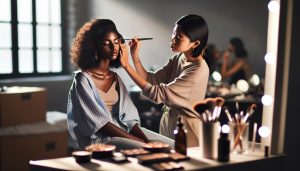
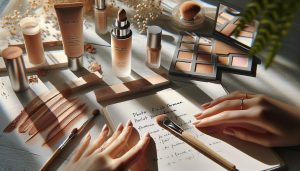
Covering a scab with makeup may seem daunting, but with the right techniques, you can achieve a flawless appearance while promoting healing. Many people face the challenge of hiding imperfections caused by minor injuries or skin irritations, and doing so sensitively is vital for both your confidence and skin health. This guide will walk you through gentle, effective methods to conceal your scab without aggravating your skin. Embrace the art of careful application, discover the right products, and learn how to enhance your natural beauty while nurturing your skin. Ready to master the delicate balance of beauty and healing? Let’s dive in!
Choosing the Right Makeup for Scabs

Choosing makeup that suits the specific needs of scab coverage can make a significant difference in your overall look and confidence. When dealing with scabs, it’s crucial to prioritize products that provide both coverage and care, ensuring that they don’t irritate the healing skin underneath. Look for makeup that is non-comedogenic, fragrance-free, and contains soothing ingredients, as these will help to minimize irritation while providing the coverage you need.
When selecting a foundation, opt for a lightweight, buildable formula that allows for layering without appearing cakey. Such foundations can help conceal the texture of a scab while still allowing your skin to breathe. Mineral foundations are a great choice, as they often contain skin-friendly ingredients that promote healing. For those requiring more coverage, consider a cream or stick foundation, which can be gently tapped over the area for a naturally blended finish.
Additionally, a dedicated concealer can work wonders for scabs. Look for a full-coverage concealer that comes in a pump or tube, as this allows for precise application. It’s essential to select a shade that matches your skin tone or is slightly lighter to brighten the area without drawing attention to the scab itself. Finally, setting your makeup with a translucent powder will not only prolong its wear but also help to blur any harsh lines, creating a seamless appearance that can boost your confidence throughout the day.
In summary, choosing makeup for scabs involves a careful selection of products that prioritize healing while effectively providing coverage. By focusing on lightweight, breathable formulations, you can achieve a beautiful look that respects your skin’s journey toward healing.
Gentle Cleansing Methods Before Makeup Application

Ensuring a clean canvas before applying makeup is paramount, especially when addressing scabs that require not just coverage but also gentle care. A well-rounded cleansing routine can help maintain skin integrity and promote healing while ensuring that makeup adheres smoothly and looks flawless. Whether you’re dealing with a recent scrape or a healing blemish, the right cleansing techniques can make a significant difference.
Begin your pre-makeup routine with a gentle cleanser that is free from harsh chemicals and fragrances. Opt for a hydrating formula, such as a cream or gel cleanser that contains soothing agents like aloe vera or chamomile. These ingredients can help calm the skin, preventing irritation that might arise from scrubbing or using abrasive products. When cleansing, use lukewarm water, as hot water can exacerbate dryness and irritation.
Next, employ a patting technique instead of rubbing, which can further agitate sensitive areas. After cleansing, consider using a micellar water or a soothing toner with ingredients like witch hazel or rose water. Apply it gently with a cotton pad to remove any residue while imparting hydration. It’s essential to allow your skin to air dry or gently pat it with a soft towel rather than rubbing, which helps preserve delicate skin around scabs.
Incorporating a light exfoliation once a week can also be beneficial, but be very cautious to avoid any harsh scrubs or physical exfoliants directly on the scab. Instead, consider using a chemical exfoliant with gentle AHA or BHA to help remove dead skin cells from surrounding areas, promoting a smoother makeup application while avoiding the sensitive scab area. Always follow up with a lightweight moisturizer to ensure the skin remains hydrated and prepped for makeup.
By prioritizing a gentle and effective cleansing method, not only do you prepare your skin for the makeup that will follow, but you also contribute to its healing process. Embracing a soft-touch approach ensures that while the goal is to look your best, the health of your skin remains at the forefront of your beauty routine.
Preparing the Skin: Moisturizing and Healing Tips

To effectively support and heal your skin while preparing for makeup application over scabs, a nurturing approach is essential. Not only does the right skincare routine enhance the absorption of products, but it also aids in the overall recovery of your skin. Moisturizing is not merely about hydration; it’s about creating an environment where your skin can thrive and heal.
Start by selecting a high-quality moisturizer that contains nourishing ingredients known for their healing properties. Look for formulations with hyaluronic acid for hydration, ceramides for barrier support, and vitamins C and E for their skin-repairing antioxidants. These components work together to provide moisture while encouraging the regeneration of skin cells.
Incorporate a healing serum into your routine that features ingredients such as niacinamide, which helps to soothe inflammation and improve the overall texture of the skin. Apply this serum gently, ensuring that you do not disturb the scab itself. It’s best to let these products fully absorb; give your skin a few minutes to soak in the moisture before proceeding to makeup application.
Maintain a daily ritual that includes a lightweight, non-comedogenic sunscreen if you’re venturing outdoors. UV protection is crucial for healing skin, as sun exposure can lead to further irritation and potential scarring. Look for mineral-based sunscreens with zinc oxide or titanium dioxide, which are less likely to cause breakouts or reactions.
Lastly, consider incorporating occlusive agents like petroleum jelly or lanolin in the evening, particularly on areas where scabs are prominent. This creates a barrier that locks in moisture overnight, minimizing dryness and allowing the skin to heal more effectively. With consistent care and the right products, you’ll prepare your skin not only for a flawless makeup application but also for a swift recovery.
Step-by-Step Guide to Covering Scabs
To achieve a flawless appearance over scabs, it’s essential to adopt a gentle approach that balances coverage with skin care. Start by ensuring your scabs are well-treated and moisturized, as this will create the best canvas for your makeup.
Begin with a lightweight concealer specifically designed for sensitive skin. Look for formulas that are creamy and provide full coverage without being too thick. Using a small, pointed brush or your fingertip, gently dab a small amount of concealer onto the scab, carefully working it into the surrounding skin. This method ensures that you aren’t pulling at the skin, which could cause discomfort or irritation.
Next, set your concealer with a finely milled translucent powder. Lightly dust it over the concealed area using a fluffy brush. This step not only helps to lock in the concealer but also reduces shine, making the covered area look more seamless. Remember to use a gentle hand-too much pressure can disrupt your work and cause the concealer to lift, exposing the scab again.
After setting the concealer, proceed with the application of foundation. Choose a hydrating foundation that provides good coverage but feels light on the skin. Using a damp makeup sponge, start applying foundation from the outer edges of your face towards the scab, blending it in for a natural look. This technique will help avoid disturbing the concealed area while providing an even skin tone across your face.
Finally, use a setting spray to seal your makeup and ensure longevity throughout the day. Keep in mind the importance of touch-ups; carry a small concealer stick with you for quick fixes if necessary. Embracing these techniques can not only enhance your makeup application but also empower you to feel confident in your skin, regardless of any imperfections.
Best Makeup Products for Scab Coverage
To effectively cover scabs with makeup, selecting the right products is essential for achieving a seamless finish while also being kind to your skin. A successful arsenal for this task includes sheer formulations that provide coverage without further irritation, allowing your skin to heal even beneath the makeup. Below are some top recommendations that marry efficacy with gentle application.
1. Moisturizing Primer: Begin with a hydrating primer that creates a smooth base. Products like the e.l.f. Hydrating Face Primer or Smashbox Photo Finish Primer Water help keep your skin moisturized while forming a barrier between your makeup and sensitive areas. A good primer not only enhances your makeup’s longevity but also ensures that it doesn’t settle into imperfections.
2. Full-Coverage Concealer: Opt for a creamy, full-coverage concealer that’s suitable for sensitive skin. Brands like Thrive Causemetics Buildable Blur CC Cream and Ilia True Skin Serum Concealer provide buildable coverage without the heaviness. These products are designed to camouflage scabs while also containing skin-loving ingredients that promote healing.
3. Lightweight Foundation: When selecting a foundation, consider something like the Seint IIID Foundation, which offers excellent coverage but feels weightless on the skin. The key is to find a formula that evens out your skin tone without exacerbating any irritation. Hydrating foundations are often best as they won’t dry out the skin around the scabs.
4. Finely Milled Setting Powder: To ensure your makeup stays put, use a translucent setting powder like the Laura Mercier Loose Setting Powder. Its finely-milled texture won’t cling to dry patches or scabs, ensuring a smooth finish. Lightly dust it over the concealed area to lock in your foundation and prevent shine without adding excess weight to your makeup.
5. Setting Spray: Finally, a quality setting spray like Urban Decay All Nighter can provide extra security to your makeup. This step helps keep everything intact throughout the day while also giving your skin a bit of hydration.
By integrating these specific products into your routine, you’ll be equipped to cover scabs effectively without compromising your skin’s healing process. Each choice focuses on minimizing irritation, enhancing your natural beauty, and helping you feel confident in your skin-regardless of any imperfections. Remember, the goal is to balance coverage with skin health, offering not just a cosmetic solution but a holistic approach to beauty.
Applying Foundation: Techniques for a Flawless Finish
To create a flawless finish while covering scabs, mastering the application of foundation is essential. It’s not just about the product itself; the technique plays a pivotal role in achieving an even, natural look that enhances your beauty without emphasizing imperfections. Start with a lightweight, hydrating foundation that provides adequate coverage without feeling heavy or irritating your skin. Opt for formulas like the Seint IIID Foundation or other skin-friendly options known for their blendability and comfortable wear.
Begin by applying your foundation with a damp makeup sponge or a duo-fiber brush; these tools allow for a seamless application. Wetting the sponge helps to maintain moisture, ensuring that the foundation glides on smoothly rather than clinging to dry areas around the scabs. Lightly bounce the sponge on your skin, building up coverage gradually. This technique not only ensures even distribution but also helps to minimize the visibility of scabs, creating a smooth surface. Always remember to avoid dragging the sponge across the skin, as this can aggravate sensitive areas.
When applying foundation to areas with scabs, be mindful to use a stippling motion to deposit product without further irritating the skin. Focus on building coverage in layers rather than slathering on a single thick layer, which could accentuate imperfections. It’s often effective to start from the outer edges of the face and work your way inward, blending towards the center. This way, you’re applying excess product where it’s needed most, while keeping the skin naturally luminous elsewhere.
To enhance the longevity of your foundation, set it with a finely milled translucent powder like Laura Mercier Loose Setting Powder. Lightly dust it across your face-focusing on areas prone to shine-to help your makeup stay in place without emphasizing texture. A well-applied foundation will not only mask scabs effectively but also boost your confidence, allowing you to face the world, embracing your journey.
Using Concealer: Tricks to Mask Imperfections
To effectively mask imperfections such as scabs, mastering the art of concealer application is vital. Concealer acts as a powerful ally in your makeup kit; it must be chosen and applied correctly to ensure that scabs are not only concealed but also blend seamlessly with the surrounding skin. The right concealer can create the illusion of an even complexion, making a significant difference in your overall look and boosting your confidence.
Start with selecting a concealer that matches your skin tone closely for the best results. Creamy formulas tend to offer the most coverage without being overly dry or heavy on the skin. Look for products like the Thrive Causemetics Buildable Blur CC Cream or ILIA’s True Skin Serum Concealer, which provide a balance of hydration and coverage while still allowing the skin to breathe. A lighter, illuminating concealer can be used as an option to highlight areas without making scabs more prominent.
When applying concealer, use a clean, small brush or a fingertip to gently tap the product onto the scab, applying in a small, controlled amount. Instead of rubbing it in, use a dabbing motion to avoid disturbing the underlying skin. This technique not only places the product precisely where you want it but also helps create a soft edge that diffuses the concealer into your foundation. After the initial application, assess whether more coverage is needed. A thin layer is preferable; build gradually to avoid a cakey appearance.
Don’t forget to set your concealer! A light dusting of setting powder is crucial to lock your concealer in place and to prevent any creasing or fading throughout the day. Use a finely milled translucent powder like ELF’s HD Setting Powder, applied with a small, fluffy brush, focusing to dabbing rather than swiping to maintain the integrity of your concealer work.
Remember, the goal here is to enhance your natural beauty, not to mask or hide your skin completely. Be patient and gentle with your technique, and soon you’ll find that you can confidently embrace your flawless finish, bringing out the best version of yourself while practicing proper skin care.
Blending Techniques: Achieving a Natural Look
Blending is crucial when it comes to achieving a natural look while covering scabs, as it can make the difference between a flawless finish and an obvious application. The goal is to seamlessly integrate the concealer into the surrounding skin without drawing attention to the area. Start with a gentle touch; using your fingertip or a damp makeup sponge can create a soft, diffused effect that mimics the skin’s natural texture.
One effective technique is the “tapping” method. After applying your concealer, use your fingertip or a damp sponge to lightly tap around the edges of the concealer application. This helps to blend the product into your skin and softens any harsh lines. Make sure not to rub or drag the skin, as this can irritate the area further and draw attention to the scab. Instead, focus on building the product gradually; if you require more coverage, it’s best to apply it in thin layers and blend in between until you reach your desired level of concealment.
Another important aspect of blending is choosing the right tools. A small, tapered brush can work wonders for more precision in blending around a scab. These brushes allow you to reach contour areas while still maintaining control over the application. The fibers should be soft, ensuring they won’t irritate the skin. Additionally, using a beauty sponge dampened with setting spray can provide an extra boost of hydration, facilitating an even blend without over-drying the area.
Finally, the finishing touch is setting your makeup to lock in your hard work. A translucent setting powder lightly dusted over the concealed area can help prevent the appearance of shine and set the product in place. Remember to focus on dabbing rather than sweeping the powder, as this technique preserves the effort you put into blending and ensures the coverage lasts throughout the day. By employing these blending techniques, you can create a natural look that enhances your overall appearance, allowing you to wear makeup with confidence while caring for your skin.
Makeup Mistakes to Avoid When Covering Scabs
When covering scabs with makeup, it’s crucial to avoid common pitfalls that can lead to a less-than-flattering appearance or exacerbate skin issues. One of the most frequent mistakes is opting for heavy, full-coverage products that can appear cakey and draw attention to the area. Instead of heavy foundations, consider using lightweight, breathable formulas that can provide coverage without suffocating the skin or emphasizing imperfections. Lightweight products that offer a semi-matte or natural finish will blend seamlessly with your skin and keep the focus away from the scab.
Another essential aspect to consider is the application technique. Rubbing the product onto the scab can irritate the area and disrupt the healing process. Always apply your makeup with a gentle touch-using stippling or tapping motions with a clean brush or sponge can make a significant difference. Instead of layering product directly onto the scab, build coverage gradually in thin layers. This technique allows for better blending and a more natural finish, preventing the scab from being overly noticeable. Remember, it’s about enhancing your natural beauty rather than concealing it completely.
Additionally, avoiding mismatched colors is a common slip-up that can lead to an unnatural look. Be sure to choose concealers and foundations that match your skin tone precisely. Testing products in natural light can help you find the right shade. If your scab is darker or redder than your surrounding skin, a color-correcting concealer in green or peach can neutralize those tones before applying your foundation.
Lastly, neglecting to set your makeup can result in uneven wear throughout the day. A light dusting of translucent powder can help keep everything in place without adding doughiness or additional coverage that may accentuate the scab. Just remember to dab lightly-swiping can disturb your carefully applied makeup and draw attention to the area. Understanding and avoiding these common mistakes will empower you to cover your scabs confidently, allowing your skin to heal while maintaining a polished appearance.
Aftercare: Caring for Your Skin Post-Makeup
After applying makeup to cover a scab, proper aftercare is essential for both the health of your skin and the longevity of your look. Immediately after removing your makeup, it’s crucial to cleanse the area gently to avoid irritation. Opt for a mild, hydrating cleanser that can lift away makeup without stripping your skin of its natural oils. Look for products containing soothing ingredients like chamomile or aloe vera, which not only cleanse but also promote healing and reduce inflammation.
Post-cleansing, take the time to moisturize the area effectively. Apply a lightweight, non-comedogenic moisturizer that contains healing ingredients such as hyaluronic acid or ceramides. This step is vital, as maintaining hydration helps the skin heal faster and reduces the risk of scarring. If the scab is still fresh, consider a specialized healing ointment or balm that creates a protective barrier without clogging pores.
Additionally, don’t underestimate the importance of sun protection. If you plan to be outdoors, apply a broad-spectrum sunscreen with SPF 30 or higher to shield the skin from harmful UV rays, which can darken scars. Look for mineral-based sunscreens containing zinc oxide, as they are often gentler on sensitive skin. It’s also advisable to reapply throughout the day, especially if you are sweating or in direct sunlight.
Lastly, consider incorporating products with active ingredients like niacinamide or glycyrrhetinic acid in your skincare routine. These components can help accelerate cell turnover and improve skin texture, ultimately supporting a smoother recovery from any blemishes or scabs. Embrace this ritual, celebrating each step as a means to nurture your skin and enhance your natural beauty while allowing your complexion to heal beautifully.
When to Seek Professional Help for Scabs
Sometimes, despite our best efforts to heal a scab, it can become more than just a minor annoyance. Recognizing the signs that indicate a need for professional help is crucial in ensuring both your skin’s health and your confidence. If you observe any concerning symptoms, such as swelling, redness that spreads beyond the area, or increased warmth around the scab, it may be indicative of an infection. Additionally, if the scab does not show signs of healing after a week or continues to bleed, it’s essential to consult a healthcare provider.
It’s also vital to be alert for any changes in texture, color, or discharge. If the scab has a foul smell or is producing pus, these could signal complications that require medical attention. In some cases, scabs can be more significant than they appear, and conditions like dermatitis or psoriasis might be misidentified as simple skin injuries. Early intervention can make a huge difference in treatment options and outcomes, so don’t hesitate to seek assistance.
For those considering makeup to conceal scabs, remember that healthy skin is the foundation of any beauty regimen. If the skin around a scab appears inflamed or irritated, layering products can exacerbate issues. Seeking a dermatologist’s or skincare professional’s assessment can provide insights not only for healing the scabs but also for establishing a personalized skincare routine that enhances healing while complementing your makeup application.
Boosting Confidence: Embracing Your Skin’s Journey
Embracing your skin’s journey, particularly during times when scabs or blemishes disrupt your natural appearance, can be a transformative experience, not just physically, but emotionally as well. Understanding that every mark has a story is vital to fostering a healthier mindset about your skin. Consider that scars from past injuries are often reminders of resilience-each one signifies a moment of healing and growth. When you approach your skin with care and acceptance, you empower yourself to wear your confidence like a badge of honor.
Utilizing makeup to enhance your self-image can significantly boost your confidence, particularly when covering scabs. Start by selecting products that are both effective and skin-friendly. For instance, a gentle moisturizer with healing properties can create a smooth canvas while promoting recovery. Ingredients like hyaluronic acid and aloe vera are excellent choices. Remember, the best makeup application begins with healthy skin; nourishing it is key. Embracing this dual approach of care and beauty equips you to confront any insecurities you may have about visible imperfections.
Moreover, creating a personalized makeup routine allows you to tap into your creativity, making the process enjoyable. As you master techniques for applying foundation and concealer, you might discover that your skills give you an outlet for self-expression. Try experimenting with various products and tools, such as beauty sponges for an airbrushed finish or brushes for precision. Confidence builds as you learn what works for you, culminating in a look that highlights your individuality rather than concealing it.
Finally, it’s essential to engage with a well-rounded aftercare routine post-application. Cleansing your skin gently and allowing it to breathe overnight reinforces the healing process, ensuring that scabs and surrounding areas do not become inflamed due to makeup residue. Regularly revisiting this routine cultivates a sense of accomplishment and reinforces your commitment to both beauty and health, allowing you to truly embrace your skin’s journey every step of the way.
Frequently asked questions
Q: How can I make my makeup stay on a scab?
A: To ensure makeup stays on a scab, use a primer designed for sensitive skin before application. Choose a long-wear foundation and set it with a translucent powder. Additionally, avoid heavy formulations that may cake and focus on lightweight, breathable products that promote healing.
Q: What ingredients should I look for in makeup for scabs?
A: Look for makeup products that are fragrance-free and contain soothing ingredients like aloe vera, chamomile, or calendula. Products labeled non-comedogenic are beneficial as they won’t clog pores and can help prevent irritation on the healing skin.
Q: How can I hide a scab without irritating it?
A: To hide a scab without causing irritation, first, moisturize the area with a thin layer of a healing ointment. Then, apply a lightweight concealer with a soft makeup sponge. Finish with a mineral setting powder to help reduce shine while allowing the skin to breathe.
Q: Is it safe to use regular foundation on a scab?
A: It’s generally not advisable to use regular foundation on a scab as it may irritate the healing skin. Instead, opt for mineral foundations or specifically formulated products for sensitive skin, which can provide coverage while being gentler on damaged areas.
Q: How do I choose between concealer types for covering scabs?
A: Choose a creamy concealer for scab coverage, as it offers better blendability and hydration than thicker options. Look for products with light-reflective properties, which can help mask imperfections without emphasizing the texture of the scab.
Q: Can I wear makeup over a healing scab?
A: Yes, you can wear makeup over a healing scab, but it’s essential to use gentle, hydrating products to minimize irritation. Ensure the scab is not broken or weeping before applying makeup, and always patch test new products on healthy skin first.
Q: What techniques help achieve a natural look when covering scabs?
A: To achieve a natural look, gently tap a concealer over the scab rather than rubbing. Blend the edges into surrounding skin with a damp makeup sponge. Using light layers and setting with a minimal amount of powder can also help soften the appearance.
Q: When should I stop using makeup on a scab?
A: Stop using makeup on a scab when it becomes fully healed and the skin underneath shows no signs of irritation. It’s important to give your skin ample time to recover, and switching to breathable products can promote healing during this period.
The Way Forward
Thank you for exploring our techniques on how to cover a scab with makeup using gentle methods. Remember, your skin deserves the best care; always opt for nourishing products that promote healing while providing coverage. Want to deepen your skills? Check out our detailed makeup tutorials and product reviews featuring brands like Thrive, Seint, and Ilia.
Don’t miss out on our insights about professional grooming that can elevate your techniques-perfect whether you’re a makeup novice or an aspiring professional barber. Sign up for our newsletter for more beauty tips and exclusive content that empowers your personal style journey. We invite you to share your thoughts in the comments below and explore further resources on skincare and makeup artistry. Your journey to beauty should be both inspiring and fulfilling!