Blemishes can be a source of frustration, affecting confidence and how we present ourselves to the world. Did you know that 80% of people experience acne at some point in their lives? Fortunately, makeup offers a powerful solution. In this guide, we’ll explore artist-approved tips for effectively covering blemishes, enabling you to achieve a flawless complexion. Whether you’re preparing for a big event or just want to boost your everyday look, mastering the art of blemish concealment is essential. By understanding the right products and techniques, you’ll not only enhance your natural beauty but also embrace your unique features with confidence. Get ready to discover actionable strategies that transform blemish coverage into an empowering skill!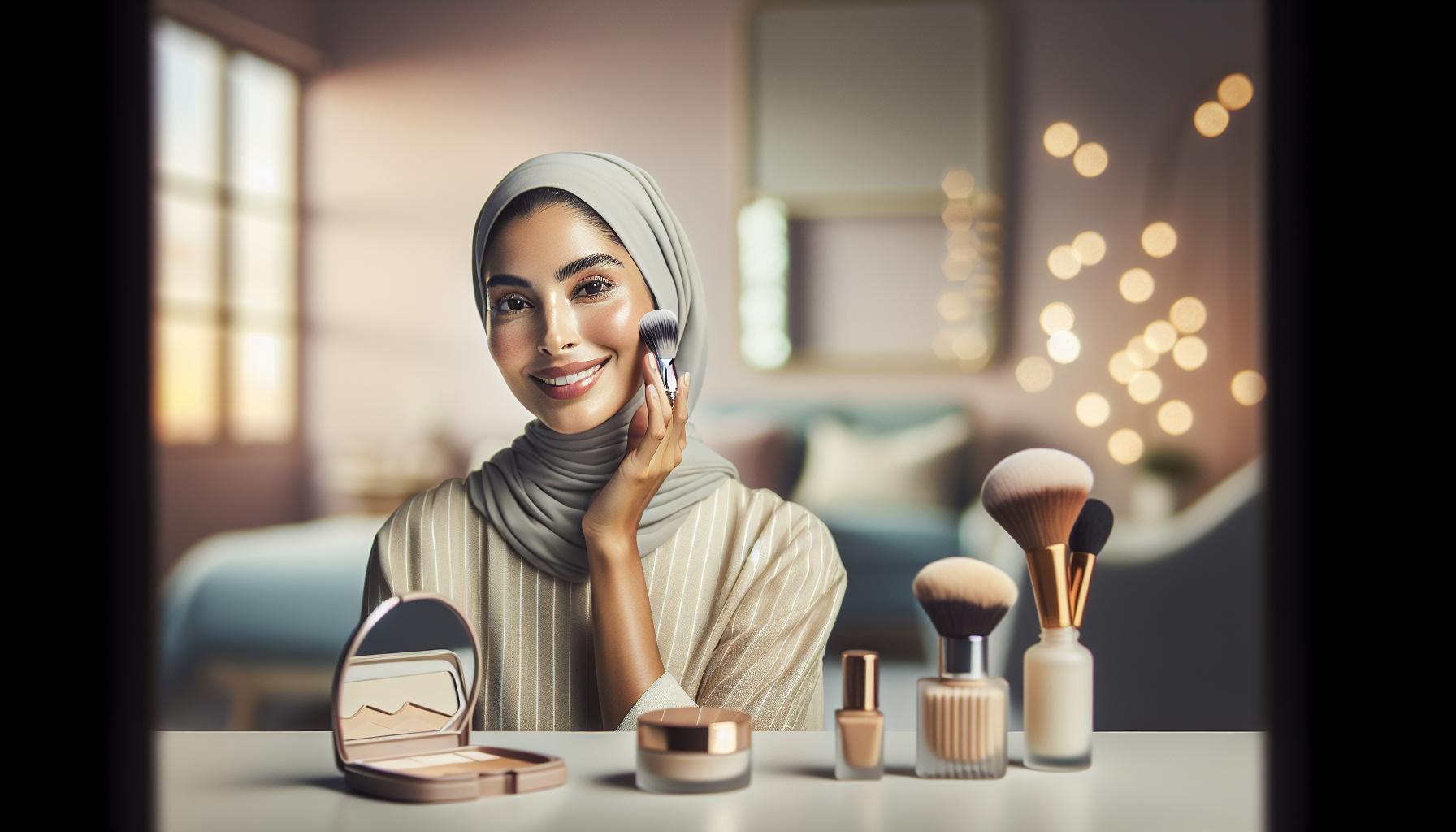
How to Choose the Right Concealer for Blemishes
Choosing the right concealer for blemishes involves understanding your skin type, the nature of the blemish, and the finish you desire. For effective coverage, you need to look for a concealer that provides the right consistency and pigmentation. Creamy formulas are often ideal as they offer a thicker consistency that adheres well to the skin, making them perfect for covering redness or imperfections. If you have oily skin, opt for a matte finish that will resist shine throughout the day; for drier skin, a hydrating formula can prevent additional dryness and flakiness.
When selecting a shade, always consider the color of the blemish. Green-toned concealers are excellent for neutralizing redness, while peach or orange formulas can counteract dark spots or under-eye discoloration. It’s crucial to choose a shade that closely matches your skin tone-and consider needing a few options to handle various blemish colors effectively. One of the best practices is to swatch a few shades on your jawline and observe them in natural light to ensure seamless blending into your skin.
Another tip to remember is to use minimal product. Start with a tiny dot of concealer and build up coverage as needed. This method avoids the risk of cakiness and allows for a more natural finish. Blending techniques also play a vital role in the application process; using a small brush or your fingertip gently taps the product into the skin, making it appear seamless. Additionally, for delicate areas like the face, selecting a concealer with a lightweight formula that contains skincare benefits, such as hydrating ingredients, can provide long-lasting comfort throughout the day.
Following these guidelines will not only help you choose the right concealer for blemishes but also enhance your overall makeup application, ensuring you feel confident and radiant.
Mastering the Art of Blemish Camouflage
Mastering the art of concealing blemishes is essential for anyone looking to achieve a flawless complexion. The right techniques transform a challenging blemish into a mere footnote in your beauty routine. One of the most effective strategies is to start with a solid base: clean, moisturized skin sets the stage for successful camouflage. Before applying any makeup, ensure your skin is prepped well, as this allows products to adhere better and perform optimally.
Start by selecting the right concealer. For blemishes, look for formulations that offer both coverage and a finish suitable for your skin type. A creamy or full-coverage concealer is ideal for hiding imperfections effectively. Using your fingertip or a clean brush, apply a small amount directly onto the blemish. Less is more – you can always build up the coverage if needed. Gently tap the edges to blend the product into the surrounding skin, ensuring a seamless transition.
Blend Wisely for a Natural Finish
Blending is crucial in achieving a natural appearance. Rather than sweeping the product across your skin, use a stippling motion to press it into the blemish. This technique not only masks the blemish but also helps the product meld with your skin, reducing the appearance of texture. A damp makeup sponge can aid in this process, allowing for an even softer blend. Remember to avoid touching the area after application to keep the coverage intact.
Setting the Stage for Longevity
To ensure your hard work lasts throughout the day, setting your makeup is vital. Use a translucent setting powder sparingly over the concealed areas to lock your concealer in place without adding excess volume. Be cautious not to overdo it; a light dusting is often sufficient. For extra oil control, especially on blemish-prone skin, a matte-setting spray can help maintain your look and ensure a polished finish.
With these techniques, achieving a beautifully blended, natural look is not just a skill-it’s an art. Embrace your individual beauty, and remember that practice makes perfect. By refining your application technique, you can transform your approach to blemishes, making them less of a concern and more of an opportunity to showcase your makeup prowess.
Step-by-Step Guide to Blemish Cover-Up
To achieve a flawless cover-up for blemishes, begin by establishing a strong foundation with a clean, hydrated base. This not only enhances the application of makeup but also helps it adhere better throughout the day. Prepare your skin by cleansing thoroughly, followed by applying a lightweight moisturizer tailored to your skin type. For those with oily skin, consider a mattifying primer that helps control shine and creates a smooth canvas for your concealer.
Next, choose a concealer specifically designed for blemish coverage. Look for full-coverage formulas-cream or liquid-that suit your skin type and desired finish. Color correction can also be valuable; for redness, opt for a green-tinted concealer, while a peach or orange tone can help with darker blemishes. Using a clean brush or your fingertip, gently dab a small amount of concealer directly onto the blemish.
Application Techniques
Utilize a stippling method to blend the edges of the concealer into your skin, as this helps reduce the appearance of texture. Avoid dragging the product across the skin; instead, lightly tap and press it in to create an even surface. If more coverage is needed, avoid applying a large amount at once. Build the coverage gradually, allowing the initial layer to set before adding more.
Setting for Long-lasting Wear
Once you’re satisfied with the coverage, set your work in place. Lightly dust a translucent setting powder over the concealed areas with a fluffy brush, ensuring not to disturb the coverage underneath. This final step not only locks in the concealer but also reduces excess shine and smooths out the complexion. For added longevity, a light spritz of a setting spray designed for matte finishes can also be beneficial, especially for those with oily skin.
By following these straightforward steps, you can transform blemishes from a concern into a minor detail within your beauty routine. Remember, the key lies in choosing the right products, applying with care, and setting everything in place for a seamless finish.
Expert-Approved Application Techniques
To achieve a flawless and professional finish when concealing blemishes, mastering the art of application is paramount. Skilled makeup artists often emphasize the importance of using the right tools and techniques to ensure that blemishes are not just covered up, but seamlessly blended into the surrounding skin, creating an appearance that is both natural and radiant.
One highly effective method is the stipple technique, which involves using a brush or a makeup sponge to lightly tap (or stipple) the concealer onto the blemish. This gentle tapping motion helps to create a gradient effect, blending the edges of the concealer with the surrounding skin. For larger blemishes, start by applying a small amount of product at the center and work your way outward, gradually increasing the coverage as needed. This prevents a heavy, cakey look and allows for more control over the coverage level. Additionally, using a damp makeup sponge can help to diffuse the product further while ensuring it melds beautifully with your skin.
Another essential practice is to allow each layer of concealer to set before adding more. Patience during application leads to a more polished finish. If further coverage is needed, wait for the first layer to dry completely-this micro-pause can make a significant difference in preventing excess product from accumulating, which often leads to an unnatural finish. Applying concealer in thin, buildable layers rather than one thick layer is crucial, especially for those with prominent blemishes.
Choosing the right tools is also vital. A small, precise brush is perfect for targeting individual blemishes, while a larger, fluffy brush is ideal for blending out concealer. When selecting brushes, look for synthetic fibers, as they tend to work better with creamier formulations, providing a smoother application. For those who prefer sponges, opt for one that can seamlessly blend the product without soaking it up, ensuring that the coverage remains intact.
Finally, a light dusting of setting powder can lock in your hard work and prevent any creasing throughout the day. Simply use a fluffy brush to set the concealed areas lightly, avoiding any swiping motions that could disturb the delicate layers you’ve created. This final touch not only extends the wear of your makeup but also enhances the overall smoothness of your complexion, making your blemish concealment efforts look flawless in any light. With these expert techniques under your belt, the mastery of blemish camouflage is within reach, empowering you to face the world confidently.
Essential Makeup Tools for Flawless Coverage
To adeptly handle blemish coverage, the right makeup tools are indispensable-they can elevate your concealment game from basic to truly professional. Utilizing well-chosen tools allows for precise application, blending, and a flawless finish that looks natural rather than caked-on. Whether you’re a makeup novice or a seasoned artist, having the proper arsenal ensures your blemish camouflaging efforts yield the best results.
A small, precise brush is your best friend when targeting individual blemishes. Look for brushes with synthetic fibers, as they effectively apply creamier formulations without absorbing excess product. Pair this brush with a larger, fluffy brush for blending; it helps diffuse harsh lines and provides that seamless finish you strive for. Additionally, using both a flat and a tapered makeup sponge can transform your application. A flat sponge allows for precision in dabbing the concealer directly onto the blemish, while a tapered sponge works wonders for blending into the surrounding skin, ensuring that the edges of your concealer vanish into your complexion.
Essential Makeup Tools
- Precision Brush: Ideal for targeted application of concealer.
- Fluffy Blending Brush: Use for smoothing out edges to create a seamless look.
- Flat Makeup Sponge: Perfect for dabbing on concealer directly onto blemishes.
- Tapered Makeup Sponge: Excellent for blending and diffusing edges.
Beyond brushes and sponges, having a reliable setting powder is essential. Apply a light dusting with a clean fluffy brush after your concealer has set to lock in your work and minimize creasing. Remember to avoid swiping motions; instead, lightly press the powder into the skin for a smooth, natural finish that withstands the test of time. Mastering the tools of the trade empowers you to achieve a polished look, giving you the confidence to tackle any blemish with ease and precision.
The Best Products for Blemish Coverage
When it comes to covering blemishes, the right products can make all the difference. Many makeup artists agree that the selection of your concealer can not only affect the coverage but also how natural your makeup appears. Opt for formulations that are specifically designed to conceal while allowing your skin to breathe; this helps avoid exacerbating the very issues you’re trying to hide. Here are some top recommendations for achieving flawless blemish coverage.
One standout option is Seint’s Concealer, renowned for its creamy texture and full coverage. Its blendable formula allows it to melt into the skin seamlessly, making it suitable for both full face applications and targeted blemish concealment. Pair it with a precision brush for best results to ensure you deposit just the right amount on the area needing coverage.
For a lighter feel, Thrive’s Buildable Blur CC Cream provides excellent hydration while giving subtle coverage. This multitasking product not only helps conceal blemishes but also incorporates skincare benefits, making it a great choice for those who choose to keep their makeup routine minimal without sacrificing effectiveness.
If you’re looking for a budget-friendly solution, e.l.f. Flawless Concealer is a gem. Its lightweight coverage is buildable, making it ideal for layering as needed. Plus, it comes in various shades to suit a range of skin tones, ensuring everyone can find their perfect match.
Additionally, consider using color correctors to tackle specific types of blemishes. For example, Ilia’s True Skin Serum Concealer offers a peach shade that counteracts dark spots, while their green color corrector neutralizes redness. This technique gives you an added layer of control over your blemish coverage.
Lastly, always remember to set your concealer with a lightweight setting powder to lock in your hard work. A finely-milled powder applied with a clean, fluffy brush provides a soft-focus finish and helps your concealer stay in place throughout the day. By integrating these products into your routine, you not only enhance your coverage capabilities but also create a more polished, refined look that radiates confidence.
Color Theory: Choosing Correctors for Different Skin Tones
Using color theory can transform your approach to concealing blemishes, empowering you to select the right correctors for your unique skin tone. Understanding this essential aspect of makeup application not only enhances your coverage but also helps achieve a more natural finish. The key lies in opposite colors on the color wheel: when placed together, they neutralize each other-effectively camouflaging imperfections, redness, or dark circles.
When dealing with redness, such as blemishes or acne, a green color corrector is a go-to choice. The cool undertones of green cancel out the warmth of red, laying the groundwork for smooth, flawless coverage. For those with yellow or golden undertones in their skin, using a lilac corrector can help balance out any sallow tones, providing a brighter appearance. Conversely, pink and peach tones work well for dark circles or blue-hued blemishes, making them options to consider for deeper skin tones that need to combat ashy or dark pigmentation.
To give you a clearer perspective, here’s a simple breakdown of color correction based on common skin tone challenges:
| Blemish Type | Corrector Color | Recommended Product |
|---|---|---|
| Redness/Acne | Green | Ilia’s Green Color Corrector |
| Dark circles | Peach/Pink | Ilia’s True Skin Serum Concealer in Peach |
| Sallow/Yellow Tones | Lilac | Seint’s Cream Blush in Lilac |
Choosing the right shade of each corrector is crucial, so always test products in natural light to ensure they blend seamlessly with your foundation and skin tone. Keep in mind that less is often more-apply a small amount of corrector, blend gently with a brush or sponge, and layer your concealer over it for optimal coverage. This will help you maintain a natural look while effectively hiding blemishes. Consider these techniques as your secret weapon in achieving that fresh-faced, polished appearance that radiates confidence and mastery in your makeup routine.
Setting Your Makeup: Tips for Longevity
Achieving long-lasting makeup, especially when covering blemishes, requires more than just choosing the right products. It’s about creating a solid foundation that holds throughout the day, standing up to the challenges of sweat, humidity, and everyday wear. One crucial technique is to use a setting spray or powder to lock in your efforts, ensuring your carefully applied concealer stays put.
Begin your makeup application with a well-prepped canvas. Start with a skin-care routine that includes moisturizing and priming your face, as this creates a smooth base. A good primer not only helps your foundation adhere better but also blurs imperfections. After applying your concealer and foundation, reach for a translucent setting powder. Lightly dust it over the areas where you applied concealer, particularly the T-zone and under your eyes. This prevents creasing and reduces shine, allowing your complexion to look fresh all day.
Choosing the Right Setting Products
The choice of setting products can make or break your makeup’s longevity. Here are a few tips:
- Setting Sprays: Look for a long-wear or mattifying spray, especially if you have oily skin. Sprays like Urban Decay’s All Nighter or NYX’s Matte Finish can provide additional hydration while locking your look in place.
- Setting Powders: A finely milled, translucent powder resolves into the skin beautifully without adding heaviness. Brands like Laura Mercier and RCMA are excellent for a soft finish.
- Touch-Up Tools: Consider carrying oil-absorbing sheets for quick fixes during the day. These won’t disturb your makeup but will help keep shine at bay.
Remember that less is often more. Applying too much powder can lead to a cakey appearance, which defeats the purpose of looking flawless. Instead, build up coverage gradually, focusing on the specific areas where you tend to experience oiliness or fading. With these strategies in mind, you can maintain your makeup look and feel confident knowing your blemish concealment will last as long as you do.
Common Mistakes to Avoid When Covering Blemishes
Covering blemishes effectively can be a tricky endeavor, and many makeup enthusiasts fall prey to some common missteps that can ruin an otherwise flawless look. One of the primary pitfalls is relying too heavily on heavy-duty concealers without first addressing the underlying skin condition. Instead of masking the blemish, this approach can accentuate texture, making the skin appear cakey and overly made-up. It’s crucial to start with a smooth, hydrated base; using lightweight formulations can help avoid the buildup that leads to a more natural finish.
Another frequent error is applying too much product at once; achieving full coverage is often about layering rather than piling on. A sheer layer of concealer can be enhanced as necessary. Use a stippling brush or a damp beauty sponge to tap and blend the product into the skin gently. This technique not only encourages the concealer to adhere better but also integrates it with your skin’s texture, providing a seamless blend that’s significantly more flattering.
Improper color matching also poses a challenge-using a shade that’s too light or too dark can lead to noticeable contrast, drawing attention to the blemish instead of disguising it. Consider that neutral tones, like peach or yellow, can effectively counteract redness. Carrying out a swatch test in natural light will ensure the product complements your skin tone and undertone adequately, promoting a cohesive look.
Lastly, neglecting to set your makeup can be a costly mistake. Even the best products can crease or fade if not properly fixed in place. A light dusting of translucent powder can lock in your concealer, prevent slipping, and ensure your blemish coverage lasts throughout the day. Following these guidelines will empower you to tackle blemishes with confidence, embracing a polished and natural appearance.
How to Achieve a Natural Look with Makeup
Achieving a natural makeup look while covering blemishes involves a blend of the right techniques and high-quality products. Start with a skincare regimen that focuses on hydration and skin texture. A moisturized base can make all the difference; consider using a lightweight moisturizer infused with soothing ingredients like hyaluronic acid or aloe vera. This not only preps your skin but also smooths out imperfections, allowing for a seamless application of makeup.
Next, when it comes to foundation, opting for a lightweight, buildable formula is key. Products like those from Seint or Ilia offer a variety of shades that can provide coverage without feeling heavy. Use a damp beauty sponge or a stippling brush to apply your foundation in a tapping motion rather than dragging it across the skin. This ensures that the product adheres well and mimics your skin’s natural texture, reducing the likelihood of a cakey appearance. For blemishes, choose a concealer that matches your foundation for the most natural finish. Gently dab it onto the blemish with a clean fingertip or a small brush to ensure even coverage.
To maintain a fresh look, consider setting your makeup with a lightweight translucent powder. This helps combat shine and locks your makeup in place without the risk of heaviness. A light dusting around areas prone to oiliness, such as the T-zone, can help you keep that natural glow without slipping or creasing. Remember, the goal is to enhance your natural beauty, so avoiding overly matte finishes can prevent your skin from looking flat.
Finally, incorporating a cream blush or highlighter can add a subtle dimension to your face. Products from Thrive Cosmetics or ELF can complement your overall look, giving you a dewy finish that feels alive and vibrant. By layering wisely and focusing on skin texture, you can create a natural look that effectively conceals blemishes while celebrating the beauty of your skin.
Real-Life Makeup Artist Secrets for Blemish Concealment
Achieving a flawless finish while managing blemishes is not only an art but also a science that several renowned makeup artists have perfected over the years. One of the most compelling secrets is the power of layering-using multiple products in a strategic manner can amplify coverage without compromising the natural texture of the skin. Artists often suggest starting with a targeted treatment that contains salicylic acid or tea tree oil directly on the blemish to reduce inflammation. After the treatment has settled, applying a lightweight foundation helps create an even canvas. A makeup artist’s favorite trick is to mix a drop of facial oil, like rosehip or jojoba, with foundation for a more luminous finish that feels breathable on the skin.
When it comes to concealers, the texture and finish are paramount. Artists often opt for creamy, high-coverage formulas that can be blended seamlessly. Using a small brush or clean fingertip, they advocate for a *stippling technique* rather than a sweeping motion. This method allows for better control and coverage, ensuring the blemish is covered without disturbing the surrounding skin. A small amount of concealer can be layered upon itself for more stubborn spots, making sure to let each layer set slightly before adding more. Remember, a too-thick application will only emphasize the blemish; control is key.
Color Correction Techniques
Utilizing color theory can also be a game-changer when concealing blemishes. For instance, green concealers are perfect for neutralizing redness, making them ideal for blemishes and acne spots. Makeup artists recommend applying the green concealer only to the affected area, gently blending the edges into the surrounding skin with a clean brush or sponge. Following this, a skin-matching concealer is applied over the green to ensure a natural finish. Always set the layers with a light application of translucent powder to lock everything in place while minimizing shine and preventing the makeup from moving around throughout the day.
Ultimately, the goal is to enhance your natural beauty seamlessly. Makeup artists agree that finding a balance between coverage and maintaining skin’s luminosity is vital. Finishing touches like a setting spray can add a healthy glow and keep everything intact, while a cream blush or highlighter can strategically draw attention away from blemishes by accentuating other facial features. As you experiment with these techniques, keep in mind that personalization to your unique features is key-makeup should enhance, not mask.
Advanced Techniques for Specific Blemish Types
Understanding how to effectively camouflage specific types of blemishes can elevate your makeup game significantly. Whether it’s a red, inflamed pimple or dark discoloration, tailored techniques can create a seamless look. For instance, cystic acne requires a different approach than surface blemishes. A combination of spot treatments and strategic layering of makeup products not only conceals but can also promote healing.
For general redness or acne spots, begin by applying a green-tinted color corrector specifically focused on the blemish. This neutralizing technique counteracts the redness effectively. Follow up with a pimple patch containing salicylic acid to minimize inflammation while providing a foundation for your concealer. Once the blemish is sufficiently treated, opt for a high-coverage, water-based concealer to prevent excess oiliness, which can exacerbate breakouts.
When dealing with dark spots or hyperpigmentation, first apply a peach or orange color corrector to offset the darkness. The corrector should be dabbed onto the area, ensuring that you don’t disturb the underlying skin. Next, use a creamy, full-coverage concealer that matches your skin tone, applying it in thin layers for a seamless blend. Finally, set the area with a light, translucent powder to avoid any transfer and to maintain a matte finish.
For scarring, choose a tinted moisturizer or foundation that offers buildable coverage. Start with a light layer to create an even base, and then apply a thicker consistency concealer directly on the scar while tapping gently with your fingertip or a makeup sponge for better blending. Setting the look with a dewy setting spray can give an illusion of healthy skin without drawing attention to the texture of the scar.
Lastly, always bear in mind that less is more. It’s easy to overapply, but a delicate touch usually leads to better results. Consider investing in quality brushes for precision; a small, firm brush can help in targeting specific blemishes while maintaining control over the amount of product used. Celebrate your unique features by enhancing your beauty with these tailored techniques, approaching each blemish type with the specific care it deserves.
Frequently asked questions
Q: What type of concealer is best for covering blemishes?
A: The best concealer for covering blemishes is a full-coverage, long-wear formula with a matte finish. Opt for a shade that closely matches your skin tone or is slightly lighter. A stick or cream concealer provides better coverage, while a liquid formula can be blended easily for natural results.
Q: How can I prevent my makeup from drawing attention to blemishes?
A: To prevent your makeup from highlighting blemishes, start with a blurring primer to create a smooth base. Use a concealer that matches your complexion and apply it sparingly, then blend it out. Finish with a lightweight, matte foundation. Setting with powder can help minimize shine and keep coverage intact.
Q: What is the best technique for applying concealer to blemishes?
A: The best technique for applying concealer to blemishes is to use a small, precise brush or your fingertip to dab the concealer directly onto the blemish. Pat gently to blend the edges without moving the surrounding foundation, ensuring a seamless look.
Q: Can I use color correctors before my concealer?
A: Yes, using color correctors before concealer can enhance coverage. For red blemishes, apply a green corrector first, then layer your concealer over it. This counteracts the redness, leading to better overall coverage and a more natural finish.
Q: How do I achieve a natural look when covering blemishes?
A: To achieve a natural look while covering blemishes, focus on light layering. Apply a thin layer of concealer and blend well. Use foundation sparingly over the concealer to avoid a cakey appearance, and finish with a setting spray for a fresh, dewy finish.
Q: Should I layer products when covering blemishes?
A: Layering products is effective for covering blemishes, but it’s important to do so wisely. Start with a mattifying primer, apply a targeted concealer, and follow with foundation. Each layer should be thin, allowing for buildable coverage without overwhelming the skin.
Q: How can I make my blemish cover-up last all day?
A: To make blemish cover-up last all day, start with a high-quality primer and use a long-wear foundation. Set your makeup with translucent powder, focusing on areas where concealer is applied. A setting spray can also lock in your look for hours of wear.
Q: What makeup tools are best for applying concealer?
A: The best makeup tools for applying concealer include a dense, flat brush for precision and a damp makeup sponge for blending. Using a clean finger can also warm the product and achieve a natural finish, especially around delicate areas.
Closing Remarks
You’ve now armed yourself with the artist-approved tips to confidently cover up blemishes and enhance your natural beauty. Remember, flawless makeup starts with the right techniques and the best products tailored to your skin type. Don’t hesitate to explore our detailed product reviews on Seint, Thrive, Ilia, and ELF to find the perfect tools for your routine. Need more personalized guidance? Consider booking a consultation with our experts for tailored beauty insights.
As you continue your makeup journey, dive deeper into our articles on essential skincare routines and must-try makeup tutorials that can elevate your look. Your feedback matters to us-share your thoughts in the comments below and let us know how these tips worked for you! Keep experimenting, stay inspired, and embrace your unique beauty with confidence.