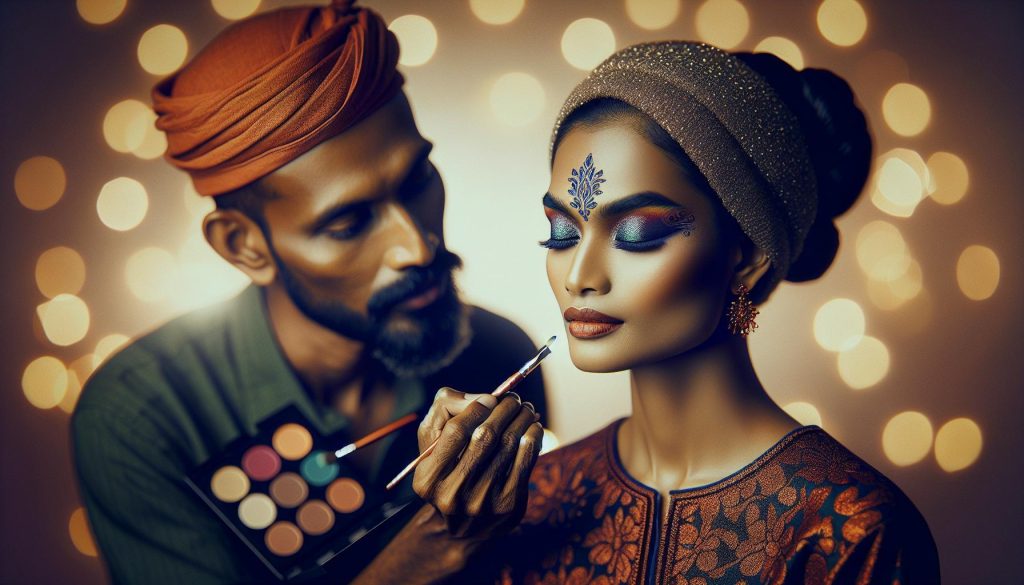
Makeup is more than just a daily ritual; it’s an art form that allows individuals to express their identity and creativity. In “How to Draw Makeup: Artistic Techniques for Stunning Looks,” we explore essential techniques to elevate your makeup application skills, whether you’re a novice or seeking to refine your artistry. Understanding the nuances of blending, shading, and color application not only enhances personal style but also builds confidence in your beauty journey. As you delve into these artistic techniques, prepare to uncover tips that will transform your approach to makeup, making it not just a task, but an inspiring and empowering experience. Embrace the art, and watch as you create stunning looks that reflect your unique beauty.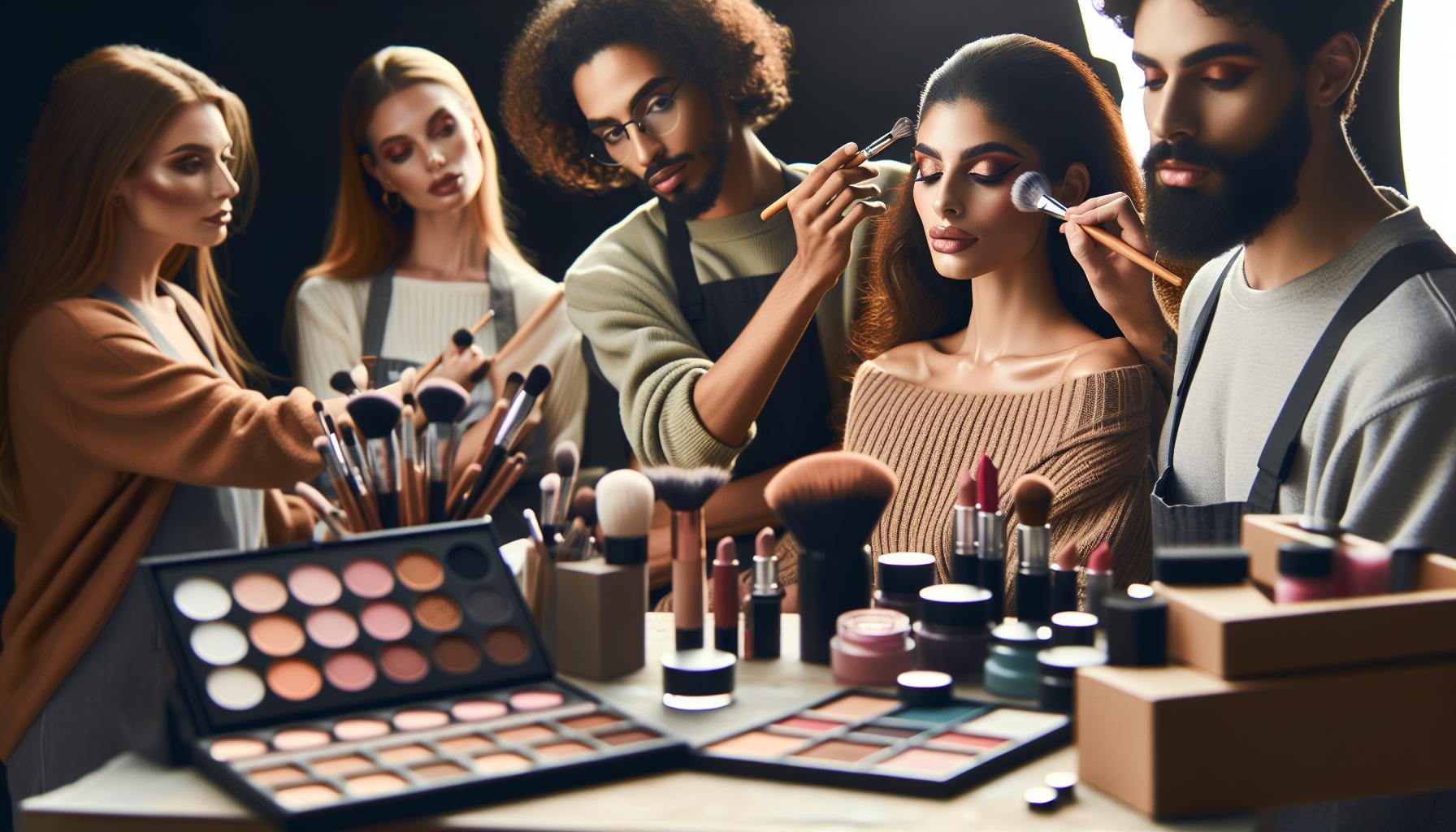
Understanding Makeup Application: Essential Artistic Techniques
To master the art of makeup application, it’s vital to understand the foundational techniques that transform ordinary makeup into stunning works of art. The essence of makeup is not just about covering flaws; it’s about enhancing natural beauty through skilled craftsmanship. From balancing colors to creating texture, each application technique serves as a brushstroke on a canvas, allowing you to express creativity while catering to individual aesthetics.
One essential artistic technique is the mastery of blending. Achieving a seamless blend is crucial for preventing harsh lines, particularly in eyeshadow application and contouring. Start by using the right tools-a fluffy blending brush works wonders in diffusing edges and softening transitions. Apply your products in thin layers and gradually build up intensity, which offers more control and a polished finish. Another pivotal element is understanding light and shadow, which can sculpt the face and bring features to life. Utilizing strategies like highlighting the high points of the face and strategically placing darker shades in the hollows can redefine facial dimensions.
Experimentation is key in makeup artistry. Don’t shy away from unconventional approaches, such as applying products with your fingers for a more intimate blend, or using a damp sponge for a dewy finish. Each technique offers a different aesthetic effect that can resonate with your style. Drawing inspiration from various cultures, trends, and even historical aesthetics can help elevate your work and push creative boundaries.
Furthermore, consider the artistic aspect of color theory in your makeup application. Understanding the color wheel and how colors interact can transform a look from basic to remarkable. For example, applying complementary colors can create stunning contrasts that draw attention to the eyes or lips, creating a radiant and dynamic appearance. With a solid grasp of these essential techniques, you will be well-equipped to embark on your journey of creating breathtaking makeup looks that reflect your individuality and skill.
Key Tools and Products for Makeup Mastery
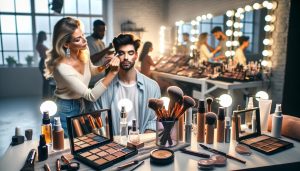
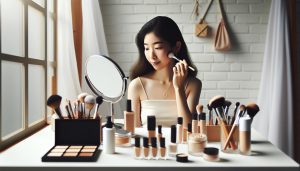
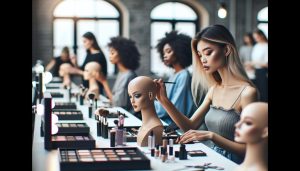
The journey into makeup mastery begins with the right tools and products-essential companions that elevate your artistry and streamline your application process. Think of your makeup brushes and tools as an artist’s paintbrushes; each one serves a unique purpose, enabling you to translate your creative vision onto the canvas of your face. Investing in high-quality brushes and versatile makeup products can make all the difference in achieving a flawless and professional look.
When selecting brushes, a few key types should be part of your essential toolkit. A set like the Real Techniques 6 Piece Everyday Essentials Makeup Brush Set provides an excellent foundation, featuring brushes for foundation, blush, bronzer, and concealer, each crafted to help you apply makeup seamlessly. The Blush Brush is perfect for achieving a natural flush, while the Expert Face Brush ensures a smooth, airbrushed finish for your foundation. For those seeking precision, a Setting Brush works wonders for targeted powder application, keeping your makeup intact throughout the day [1].
In addition to brushes, the choice of products significantly influences your final look. A must-have in any arsenal is a versatile makeup sponge, such as the Miracle Complexion Sponge from Real Techniques. This tool excels at providing a flawless finish, particularly when applying liquid foundations or blending concealers. The damp application technique used with sponges gives a hydrated look that powder puffs simply cannot achieve. Alongside your application tools, consider your product formulations. Brands like Thrive Causemetics and Ilia Beauty are celebrated for their skin-loving ingredients and long-lasting finishes, merging beauty with care [2].
Ultimately, the combination of quality tools and innovative products empowers both novices and professionals to create stunning looks. By understanding how to use each tool effectively and choosing products that enhance your skin’s natural beauty, you can confidently experiment with a variety of styles-be it a subtle day look or a bold evening glam. Embrace your creativity and let the right tools guide you on your journey to makeup mastery, making every application an opportunity to express your unique aesthetic.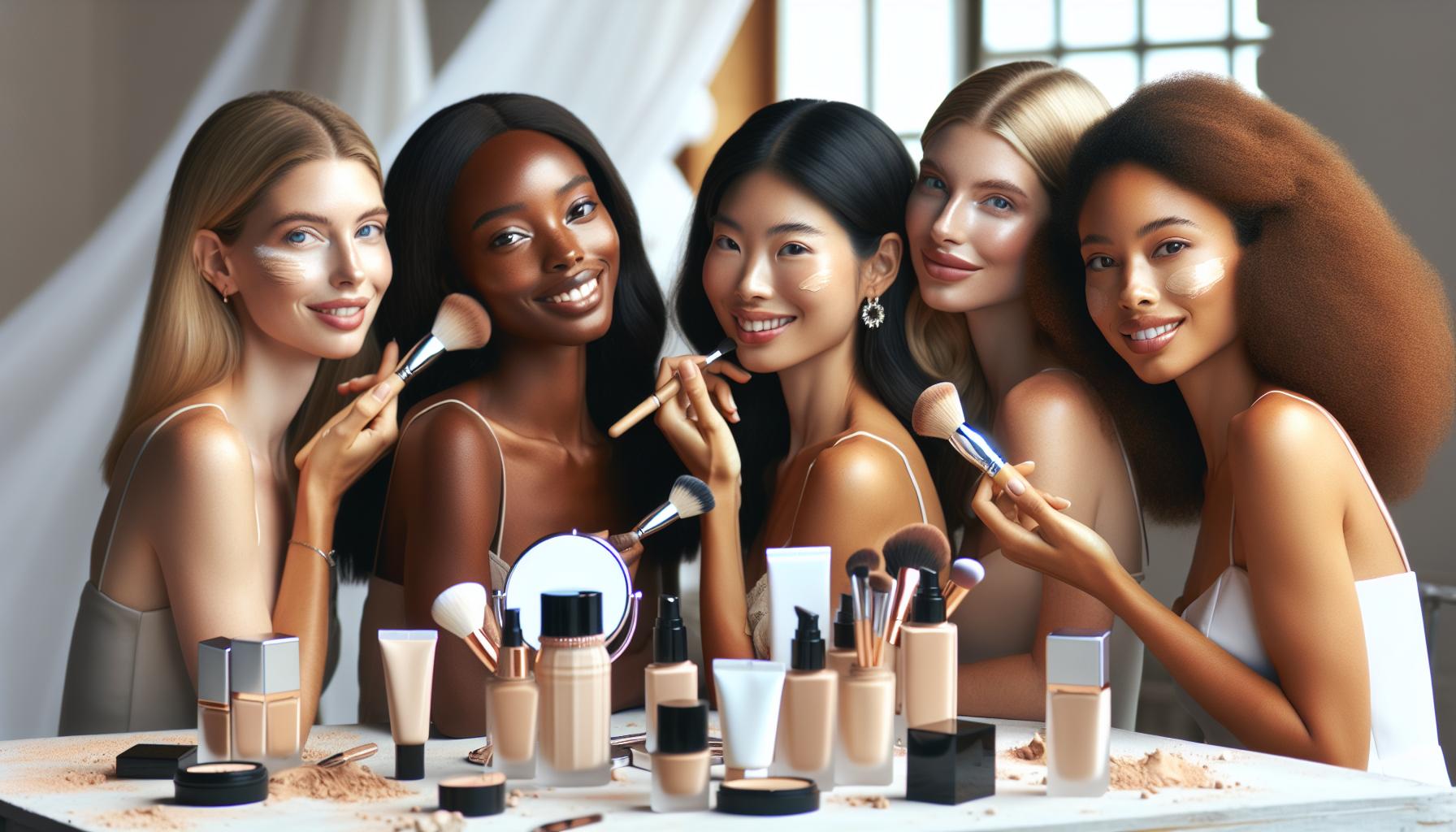
Building a Flawless Base: Foundation Techniques for All Skin Types
Creating a beautifully flawless base is essential for any makeup look, serving as the canvas upon which artistry is built. The foundation is not just about coverage; it’s an opportunity to enhance the skin’s natural beauty while addressing individual needs, ensuring the makeup lasts throughout the day. Understanding the different foundation types and how to apply them can elevate your application skills significantly.
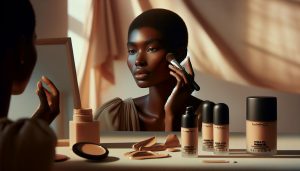
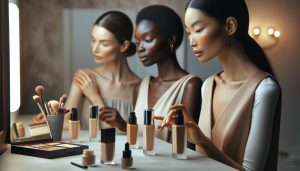
To start, selecting the right foundation begins with understanding your skin type, which can range from oily to dry, combination, or sensitive. For oily skin, matte foundations often work best, helping to control shine and clarity. Brands like Fenty Beauty Pro Filt’r Soft Matte Longwear Foundation are excellent choices for that smudge-free finish. Meanwhile, those with dry skin might prefer luminous or hydrating foundations, such as NARS Natural Radiant Longwear Foundation, that not only provide coverage but also infuse moisture into the skin. Combining these products with a tailored skincare routine can ensure that the skin remains prepped and primed for flawless makeup application.
Application Techniques
Once you’ve selected the appropriate foundation, the technique of application plays a pivotal role in achieving a smooth complexion. Here are a few effective methods:
- Using a Makeup Sponge: Dampened sponges, like the Beauty Blender, are perfect for an airbrushed effect. The sponge helps to blend the foundation seamlessly into the skin, minimizing the appearance of pores.
- Foundation Brush: A flat top foundation brush, such as the It Cosmetics Heavenly Luxe Flat Top Buffing Foundation Brush, can provide full coverage with a more polished finish. Use circular motions to buff the product into the skin, ensuring even distribution.
- Fingers: Sometimes the best tool is your own fingers. The warmth helps to melt the product into the skin for a natural look. Just make sure your hands are clean to avoid transferring oil and impurities.
Regardless of the method you choose, the key lies in the blend. Start by applying foundation to the center of the face, where more coverage is typically needed, and blend outward toward the edges. This technique not only helps in achieving an even coverage but also prevents a harsh line at the jawline.
Setting Your Foundation
After applying foundation, setting it with a powder is crucial to prolong wear, particularly for those prone to oils. A translucent setting powder, like Laura Mercier Translucent Loose Setting Powder, can help to lock everything in place without adding additional color. Apply with a fluffy brush to ensure an even layer without caking.
By investing time in building a flawless base and honing your application techniques, you create a strong foundation for all subsequent makeup steps, allowing your creativity to shine without the worry of base makeup fading away. Remember, the goal is to enhance the skin’s natural beauty, allowing for confidence in every look you create. Whether you’re a beginner or a seasoned pro, understanding these foundational techniques can lead to stunning results.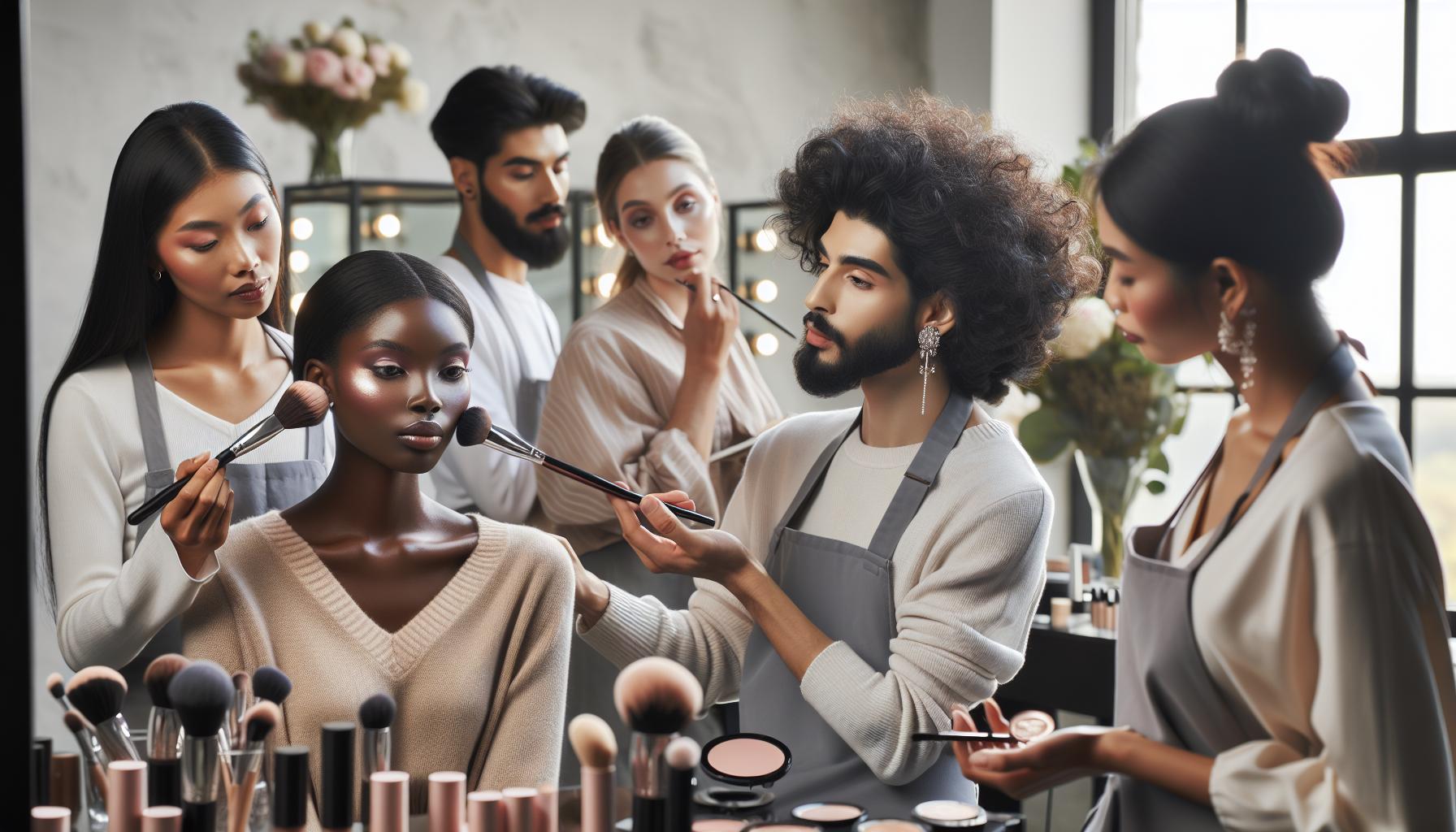
Enhancing Your Features: Contouring and Highlighting Strategies
To create a sculpted and radiant look, mastering the techniques of contouring and highlighting is essential. These methods allow you to enhance your natural features while adding depth and dimension to your face. By skillfully playing with light and shadow, you can redefine the bone structure, emphasizing the cheekbones, jawline, and nose.
Start with a quality contour product, which can come in cream, liquid, or powder formats. Cream contours, such as those from Seint or Thrive, provide a seamless finish that blends beautifully into the skin, while powder contours offer precision and buildable coverage. When choosing a contour shade, select a color that is two to three shades darker than your foundation to create a natural shadow effect. Apply the product in the hollows of the cheeks, along the jawline, and on the sides of the nose for a well-defined look. Use an angled brush or a blending sponge to blend the contour into the skin, being mindful of harsh lines.
Highlighting, on the other hand, brings forward key areas of the face, creating that enviable glow. Liquid or cream highlighters, such as those by Ilia or ELF, can be applied on the high points of the face – the tops of the cheekbones, the bridge of the nose, and the cupid’s bow. For a more intense effect, powder highlighters can be used over cream for a stunning shimmer. A fan brush or a small stippling brush works well for applying highlighter, allowing for a soft, diffused finish.
Application Techniques
Here are some steps to effectively apply contour and highlight for a balanced and stunning look:
- Prep the Skin: Always start with a good foundation base that matches your skin tone.
- Contouring First: Apply contour to the designated areas before blending for the most natural effect.
- Layering: For both contour and highlight, less is more. Build the intensity gradually, checking in natural light to ensure it looks seamless.
- Blending Tools: Utilize tools specific to your product type – sponges for creams and brushes for powders – to achieve that perfect blend.
Creating a stunning look with contouring and highlighting requires practice, but it can dramatically enhance your makeup game. By understanding the play of light and shadow on your face, you can craft a beautifully sculpted profile, empowering you to embrace your unique features. Whether you’re aiming for a subtle day look or a more dramatic evening appearance, these techniques will serve as the foundation for endless artistic possibilities in your makeup journey.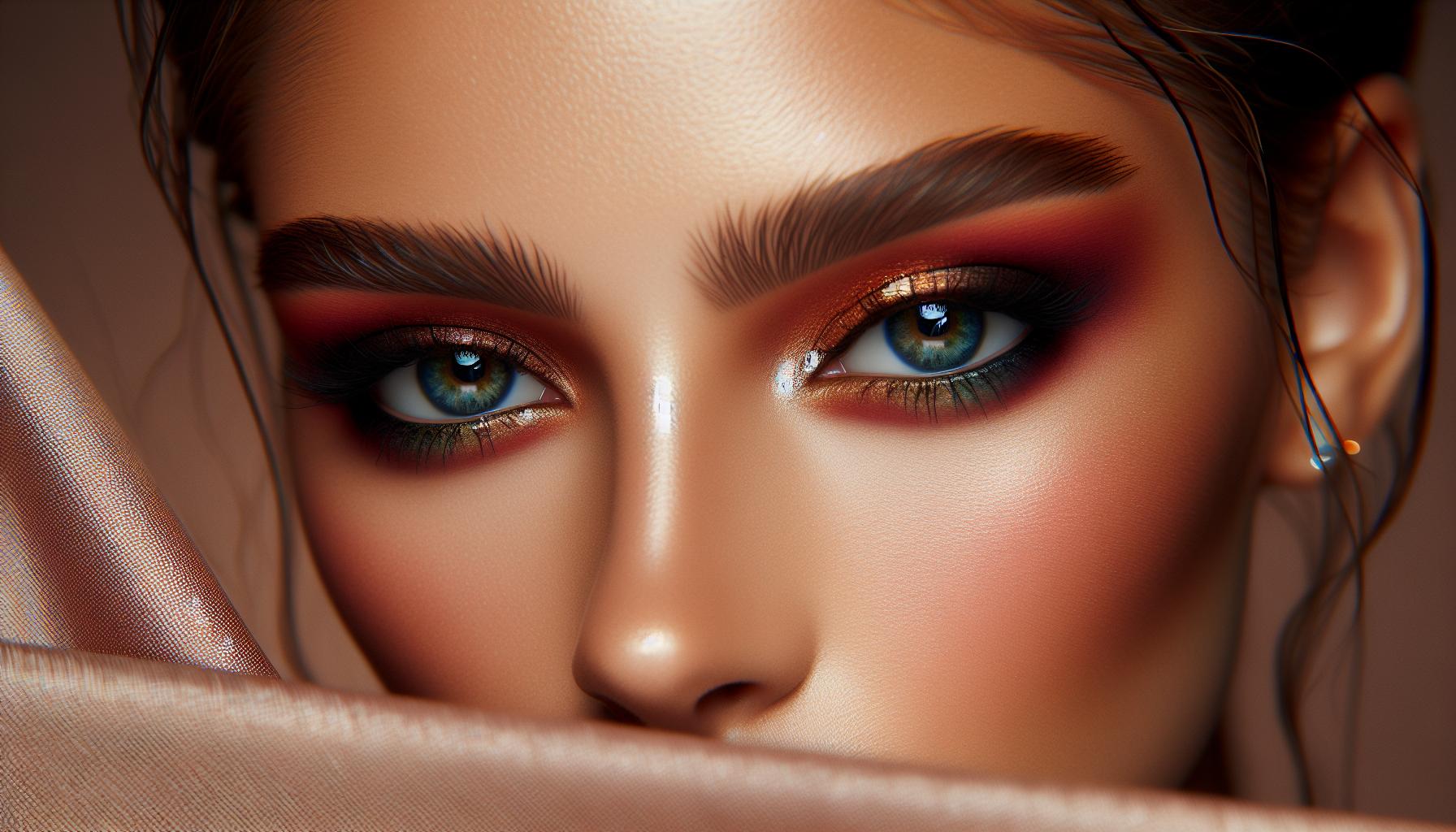
Creating Stunning Eye Looks: Eyeshadow and Eyeliner Tips
Creating captivating eye looks is a blend of art and technique, turning your eyelids into a canvas for expression. Whether you prefer subtle day styles or bold, nighttime statements, mastering eyeshadow and eyeliner application will enhance any makeup routine. The versatility of eyeshadow palettes, featuring various textures and shades, allows for endless creativity. Start with a solid primer to ensure your look lasts all day, preventing creasing and fading. Brands like Seint and Thrive offer excellent options that set the stage for vibrant colors.
When applying eyeshadow, the key is to build and blend. Begin with a neutral base shade across your eyelid to even out skin tone and help other colors adhere better. Next, select a transition shade that is slightly darker to define the crease-this step adds depth. Using a fluffy blending brush, apply the transition color in a windshield-wiper motion, blending it seamlessly into the crease. For a pop of color, choose a bold shade and apply it to the lid with a flat brush, tapping them into place. To create dimension, consider layering shimmer or metallic on top, focusing on the center of the lid for a more striking effect.
Eyeliner can dramatically transform your look, whether you want to add definition or create an elaborate wing. Start with a pencil liner for beginners; it’s generally more forgiving and easier to manipulate. A gel or liquid liner is ideal for those looking for precision. Apply liner close to the lash line, and if you’re going for a wing, extend the line upward from the outer corner of the eye. For a softer look, smudge a bit of the liner with a brush or your fingertip for a smoky effect. Job well done-your eyes should now stand out beautifully, reflecting the style and confidence with which they were painted.
Remember to finish your eye look with mascara to lengthen and volumize your lashes, complementing the color and shape of your eyes. Mascara can open up your gaze, making it look larger and more awake. Brands like Ilia and ELF have formulas that add dramatic flair without clumping. Ultimately, the goal is to feel empowered by the artistry of your gaze, allowing your personality and mood to shine through. With practice and experimentation, creating stunning eye looks will become second nature, unleashing your inner makeup artist.
Perfecting Your Lips: Application Techniques for Gorgeous Lips
To achieve beautifully perfected lips, it’s essential to understand the nuances of application techniques that can elevate any lip look, whether you’re going for a natural finish or a bold statement. A great lip application begins with preparation; hydrated lips form the foundation for any lip product. Before applying lipstick or gloss, exfoliate your lips gently using a sugar scrub or a soft toothbrush to remove any dead skin. Follow this with a nourishing lip balm to create a smooth canvas that prevents cracking and enhances the lipstick’s adherence.
When choosing your lip product, consider the desired finish and opacity. For a clean and defined lip look, start by outlining your lips with a lip liner that matches your chosen lipstick shade. This not only prevents color bleed but also adds extra definition. If you’re working with bold colors, it’s beneficial to fill in your lips with the liner to create a base for your lipstick, which can help prolong wear. Next, apply the lipstick with a lip brush for precision, or directly from the bullet for a quick application. For a frosted or glossy finish, consider a top coat of gloss applied in the center of the lips to create an illusion of fullness.
To achieve that enviable ombre effect or to customize the intensity of color, layer your lipstick application. Start with a matte formula and build up the color gradually. It’s often best to focus on the center of the lips, then blend towards the edges for a soft gradient. For a stunning finish, highlight the cupid’s bow and the center of the lower lip with a tiny bit of highlighter to add dimension and attract light, enhancing the lips’ natural shape.
Finally, remember that makeup is not only about application but also about your personal expression. Experiment with different textures and colors to discover what makes you feel confident. Brands like Seint and Thrive offer a range of vibrant lip products that can cater to all preferences. With practice, you will refine these techniques to create the perfect lip look that beautifully complements your individual style, allowing your lips to become a striking feature of your overall makeup artistry.
Cohesive Color Theory: Choosing the Right Shades
Choosing the right shades for your makeup can dramatically transform your look, enhancing your natural beauty and individuality. Understanding color theory is a crucial aspect of this process and involves knowledge about undertones, complementary colors, and how to harmonize different products. For instance, those with warm undertones typically glow in shades like peach, coral, and warm reds, while cooler undertones flourish in pinks, berries, and true reds. Recognizing your undertone is the first step toward creating a cohesive makeup look.
To effectively incorporate various hues into your makeup routine, consider the following guidelines:
- Color Wheel Basics: Use the color wheel to identify complementary shades that make your features pop. Pairing colors opposite each other on the wheel-like blue eyes with orange-toned eyeshadows-can create stunning contrast.
- Monochromatic Looks: Using different shades of the same color can give a sophisticated and harmonious look. For example, applying a light pink blush, a mauve eyeshadow, and a deep berry lip can pull together a cohesive appearance.
- Seasonal Adjustments: Adapt your color choice based on the season. Earth tones like warm browns and oranges are ideal for fall, while vibrant hues like pinks and corals fit well in spring and summer.
- Personal Expression: Your makeup should reflect your unique style. Experiment with bold and unconventional shades to find what resonates with you. Brands such as Ilia and Thrive offer vibrant collections perfect for exploration.
Utilizing these principles can help you navigate the vast world of colors. Test colors on your skin before making commitments-swatching products allows you to see how they interact with your own tones under different lighting. If you’re ever in doubt, ask for samples at makeup counters or explore brands with great return policies, ensuring you find the perfect formula that aligns with both your skin tone and your personal aesthetic. Through practice and confidence, mastering color theory can lead you towards an exquisite makeup artistry that captivates and inspires.
Seasonal Trends: Adapting Makeup for Special Occasions
Adapting your makeup to seasonal trends not only enhances your look but also allows you to express your creativity and personality in line with the ever-changing moods of the year. As the seasons shift, so do the colors, textures, and styles that resonate well with various occasions. Spring invites soft pastels and dewy finishes, while autumn brings warm, earthy tones and cozy, matte textures. Embracing these seasonal variations can elevate your makeup game and keep your appearance fresh and relevant.
During spring, lighter formulations become essential. Opting for hydrating primers and luminous foundations infuses the skin with a natural glow. Pastel eyeshadows-think soft pinks, lavenders, and mint greens-can beautifully accentuate the spirit of renewal. This season is perfect for playing with floral-themed looks, enhanced with blushes that mimic a natural flush and lip tints that provide a fresh, effortless finish. Let your lips shine in shades like peach or cream, which will mirror the vibrancy of blooming flowers.
As summer approaches, the trend shifts towards vibrant colors and long-wear products suited for heat and humidity. Bright, bold eyeshadows paired with waterproof liners help maintain your look from sunup to sundown. Embrace bronzers and shimmering highlighters for that coveted sun-kissed glow, and consider using setting sprays to lock your makeup in place. This is the ideal time to break out daring lip colors such as cool corals or vivid fuchsias, perfectly matching the lively spirit of summer festivities.
Autumn brings a chance to delve into richer hues and textures. Deep burgundies, burnt oranges, and forest greens can transform everyday looks into seasonal masterpieces. Creamy foundations and soft-focus powders help create that warm, cozy aesthetic reminiscent of falling leaves. Statement lips take center stage in this season, with colors like deep red and plum creating a striking contrast against the changing landscape. Pair these with warm, smokey eyes that utilize the earth tones of the season to add depth and drama to your overall look.
Finally, winter welcomes a time for elegance and sophistication. Metallics and jewel tones make a grand appearance, perfect for holiday parties and special occasions. Opt for glam, glittery eye makeup to capture the festive spirit while keeping your base flawless with matte foundations. As the weather cools, lipsticks in rich burgundy or classic red can leave a lasting impression. Don’t shy away from incorporating some sparkle-whether it’s in an eyeshadow or a shimmer setting spray, these elements can help you shine bright during those winter festivities.
Utilizing these seasonal trends allows you to showcase not only your makeup skills but also your understanding of how to adapt your aesthetic to reflect the world around you. By staying aware of seasonal influences and trends, you can continuously inspire yourself to try new looks, rejuvenate your makeup kit, and enhance your personal and professional style with confidence.
Makeup for Different Skin Types: Tailored Application Techniques
Achieving a flawless makeup application starts with understanding the unique needs of different skin types. Each skin type-be it oily, dry, combination, or sensitive-requires tailored techniques and products to enhance natural beauty without compromising skin health. For example, those with oily skin can benefit from oil-free, mattifying formulations that reduce shine throughout the day, while individuals with dry skin should prioritize hydrating products that provide moisture and glow.
Understanding Skin Types
In order to choose the right products and application techniques, it’s essential to first identify your skin type. Here’s a concise breakdown:
- Oily Skin: Characterized by excess sebum production, leading to a shiny complexion. Use oil-free foundations and powders for a matte finish.
- Dry Skin: Lacks moisture, often resulting in flakiness. Opt for cream-based products with hydrating ingredients to ensure a smooth application.
- Combination Skin: Features both oily and dry patches. Use lighter formulations in oily areas and richer creams in dry spots for a balanced look.
- Sensitive Skin: Often reacts to products. Look for hypoallergenic and fragrance-free formulas to minimize irritation.
Application Techniques by Skin Type
Once you’ve identified your skin type, here are targeted application techniques to enhance your makeup results:
Oily Skin: Start with a mattifying primer to control shine. Use a lightweight, oil-free foundation, applying with a damp sponge for a natural finish. Set with a translucent powder to absorb excess oil throughout the day.
Dry Skin: Begin with a hydrating primer, followed by a dewy foundation that has moisturizing properties. Apply with the fingers or a damp beauty sponge to ensure a seamless blend, focusing on areas that need extra hydration. Finish with a luminous setting spray to maintain glow.
Combination Skin: Apply a gel-based primer in the T-zone while using a hydrating primer on drier areas. Consider a lightweight foundation that doesn’t cling to dry patches and blend well with a brush for even coverage. Touch up with powder only in the oily areas as needed.
Sensitive Skin: Start with a soothing primer suited for your skin type. Utilize mineral-based foundations and non-comedogenic products that allow the skin to breathe. Apply lightly, avoiding heavy layers, and set only where necessary to prevent irritation.
Balancing artistry with an understanding of individual skin needs elevates the makeup application process from simple to stunning. By utilizing the right tools and techniques tailored to your skin type, you can improve not only the aesthetics but also the longevity and feel of your makeup, empowering you to express your unique beauty with confidence.
Mistakes to Avoid: Common Makeup Application Pitfalls
Applying makeup is as much an art as it is a science, yet even seasoned professionals can fall prey to common pitfalls that can undermine their efforts. Understanding these mistakes is crucial in elevating your makeup game. One of the most frequent missteps is failing to properly prep the skin. Neglecting skincare routines, such as cleansing and moisturizing, can lead to uneven application and a lack of longevity. Always remember that great makeup starts with a great canvas-hydrated and well-cared-for skin allows products to glide on seamlessly and enhances overall appearance.
Overusing products is another common error. More is not always better; applying excessive foundation or concealer can lead to a cakey look. Instead, focus on building coverage gradually. Use lightweight formulations that can be layered for a more natural finish. For instance, a tinted moisturizer or a BB cream can provide an even base without overwhelming the skin. Moreover, blending is crucial-harsh lines and unblended makeup can ruin the effect you’re aiming for. Invest time in mastering techniques such as buffing and using the right tools, whether it be brushes, sponges, or even your fingertips, to achieve a smooth finish.
Additionally, being overly aggressive in contouring and highlighting procedures can result in exaggerated features that lack the subtlety of more natural looks. Always consider the shape of your face and aim for a soft, diffused application. Start with a light hand, and gradually build up the intensity, focusing on blending to create shadows and highlights that enhance rather than distort. About eyes, mismatched eyeliner can be a catastrophic blemish; practice the technique of creating balanced lines that frame your eyes beautifully.
Lastly, one of the most critical yet often ignored aspects of makeup application is hygiene. Not cleaning brushes regularly can lead to product buildup and bacterial growth, which can cause skin irritations and breakouts. Always make it a routine to clean your brushes and tools regularly with gentle cleansers, ensuring they are ready to deliver flawless results for the next application. Implementing these foundational practices not only avoids common mistakes but also elevates your makeup artistry, instilling confidence in your skills.
Elevating Your Skills: Advanced Techniques and Styles
Elevating your makeup skills transcends the basics of application; it’s about mastering advanced techniques that can transform your artistry into a stunning visual experience. One of the most compelling aspects of makeup artistry is the ability to play with various styles and experiment with different products to achieve unique looks. Consider integrating advanced techniques such as color blending and layering textures. For example, using multiple eyeshadow formulas, from matte to shimmer, can create depth and dimension. Start with a matte base to define the crease and gradually add shimmers to the lid for a pop of brightness that draws attention to the eyes.
Incorporating tools in innovative ways can also enhance your skills. For instance, using a fan brush not only delivers a soft highlight but can be employed for precise bronzing or blush application. Makeup sponges can be utilized beyond just foundation blending; dampened and lightly used, they can help diffuse cream contour for a seamless finish, creating a more professional look. Always keep your tools clean and in top condition to ensure optimal performance and hygiene.
Another vital area to explore is the intricacies of facial symmetry and structure when contouring and highlighting. Instead of the traditional stripe technique, try using a stippling method to apply cream or liquid formulations. This technique allows for a more natural and gradual build-up of product, creating shadows and highlights that mimic the way light naturally interacts with the face. Consider using lighter shades of concealer or foundation to illuminate the inner corners of the eyes and the bridge of the nose, contrasting against carefully placed bronzer or contour.
Exploring the Artistic Side of Makeup
To truly elevate your makeup game, the art of storytelling through makeup can’t be overlooked. Draw inspiration from different cultures, historical periods, or personal experiences. Utilizing color theory, for instance, can help you create looks that evoke specific emotions or concepts. Pairing complementary colors, such as warm oranges and cool blues, can create a striking contrast that captivates viewers. Additionally, seasonal trends can provide a backdrop for your creativity-think about transitioning from soft pastels in spring to richer jewel tones in autumn.
Ultimately, advancing your makeup skills is about continuous learning and experimentation. Techniques evolve, and so should your approach to artistry. Invest time in watching tutorials from experienced makeup artists, experimenting with new tools, and practicing different styles until you find your unique flair. With each application, embrace the mistakes as learning opportunities, and watch as your confidence and creativity flourish in artistry.
Inspiring Makeup Artists: Celebrating Iconic Looks and Influences
Makeup artistry has been profoundly influenced by a myriad of iconic figures who have shaped trends and techniques across generations. Highlighting their unique styles not only inspires current and aspiring makeup artists but also offers invaluable insights into the evolution of beauty standards and practices. From the bold colors of the 1980s to the minimalist looks we see today, these artists have pushed boundaries and encouraged creativity, making makeup a powerful form of self-expression.
One of the most influential makeup artists of our time, Pat McGrath, has garnered acclaim for her innovative techniques and the ability to marry art and commerciality. Her signature use of textures and colors transforms runway looks into wearable art, inspiring countless artists to experiment with unconventional palettes and products. Utilizing materials like glitter, feathers, and gems, McGrath shows that makeup can extend beyond beauty into the realm of avant-garde fashion.
Another revolutionary figure is Lisa Eldridge, renowned for her ability to create timeless beauty looks that celebrate natural beauty. Her emphasis on skincare and highlighting the individual’s features promotes the idea that makeup should enhance rather than mask. Eldridge’s tutorials are not just instructional but also offer a glimpse into the artistry of cultivating a glowing complexion and perfectly balanced features, making them ideal for both novices and seasoned artists alike.
Emerging as a voice for diversity and representation in the beauty industry, artists like Danessa Myricks use makeup to celebrate all skin tones and textures. Her work encourages inclusivity and empowerment, demonstrating how makeup can be a tool for self-affirmation and creativity. By developing products specifically designed for a variety of skin tones and types, Myricks empowers makeup enthusiasts to embrace their individuality while mastering application techniques that highlight their unique features.
Ultimately, the work of these influential makeup artists serves as a source of inspiration and guidance, illustrating that mastery of makeup is not solely about technique but also about passion and creativity. By studying their iconic looks and adapting them through personal interpretation, makeup enthusiasts can discover their artistic voice and elevate their skills, paving the way for new standards and expressions in beauty.
FAQ
Q: What are the best techniques for blending eyeshadow?
A: The best techniques for blending eyeshadow include using a fluffy brush in circular motions, starting from the outer corner and gradually working inward. Layering colors lightly and using a clean brush to soften any harsh lines can also enhance the blend. For detailed guidance, check the section on “Creating Stunning Eye Looks” in the article.
Q: How can I choose the right lipstick shade for my skin tone?
A: To choose the right lipstick shade, identify your skin undertone: warm, cool, or neutral. Warm tones suit peachy or orange shades, while cool tones look great with pinks and berries. Neutral tones have the flexibility to wear both. Explore the “Cohesive Color Theory” section for more tips on selecting shades.
Q: What tools are essential for a flawless makeup application?
A: Essential tools for flawless makeup application include a good foundation brush, makeup sponges, a blending brush for eyeshadow, and quality eyeliner brushes. Additionally, having the right tools can enhance the application experience and results. Refer to “Key Tools and Products for Makeup Mastery” for a comprehensive list.
Q: How do I fix cakey foundation?
A: To fix cakey foundation, try applying a hydrating mist or setting spray over your makeup. This can help blend and hydrate the layers. If the issue persists, consider removing the foundation and starting with a lighter application. Make sure to check the “Building a Flawless Base” section for application tips.
Q: What is the best way to apply highlighter for a natural glow?
A: To apply highlighter for a natural glow, use a fan brush or your fingertips to apply product to the high points of your face, such as cheekbones, brow bones, and the bridge of your nose. Blend well to avoid harsh lines. For more nuanced highlighting techniques, explore the “Enhancing Your Features” section.
Q: How can I make my eyeliner last all day?
A: To make eyeliner last all day, start with a primer on your eyelids and opt for waterproof formulas. Setting the eyeliner with a matching eyeshadow can also enhance longevity. For more application advice, refer to the “Creating Stunning Eye Looks” section of the article.
Q: Why is color theory important in makeup application?
A: Color theory is essential in makeup application as it helps you understand which shades complement each other and enhance your features. It aids in selecting colors that harmonize with your undertones and desired look, making your application more effective. Check out the “Cohesive Color Theory” section for practical applications.
Q: What are some common makeup mistakes and how can I avoid them?
A: Common makeup mistakes include over-applying products, neglecting to blend, and mismatching foundation to skin tone. To avoid these, start with less product, use blending tools, and test shades in natural light. Refer to the “Mistakes to Avoid: Common Makeup Application Pitfalls” for a deeper dive into avoiding errors.
Final Thoughts
Congratulations on embarking on your journey to master makeup artistry with our “How to Draw Makeup: Artistic Techniques for Stunning Looks”! By embracing these techniques, you’re not just enhancing your skills; you’re opening doors to limitless creative expressions. We encourage you to take immediate action-try out our recommended products like Seint and Thrive, and don’t hesitate to engage with our exclusive tutorials for step-by-step guidance.
For those eager to dive deeper, check out our in-depth reviews on Ilia and ELF products, or explore advanced tutorials that cater to every makeup enthusiast. Plus, sign up for our newsletter to receive tips straight to your inbox, ensuring you always stay at the forefront of beauty trends and techniques. Remember, your creativity is boundless; let it flourish as you discover and refine your own unique makeup style. We’d love to hear your thoughts and see your creations, so don’t forget to share your experiences and connect with us in the comments below!