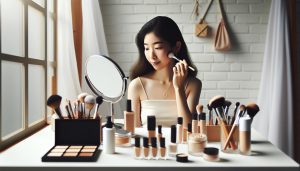
Cakey makeup is a common frustration that many face, often resulting from improper application or product choices. This unsightly issue can leave your complexion looking heavy, mask-like, and far from the radiant finish we all strive for. Understanding how to fix cakey makeup is essential for anyone wanting to achieve a flawless look that enhances their natural beauty. Whether you’re preparing for a big event or simply want to elevate your daily routine, addressing cakey makeup can make a significant difference. In this guide, we’ll explore instant solutions for common mistakes, helping you smooth out uneven textures and embrace a luminous finish with confidence. Say goodbye to the worries of makeup mishaps and hello to a fresh, refreshed appearance that truly reflects your inner beauty. Dive in, and discover how simple tweaks can revolutionize your makeup game!
Common Causes of Cakey Makeup and How to Avoid Them
To achieve a flawless makeup look and avoid a cakey appearance, it’s essential to understand the common causes behind this frustrating issue. One of the primary culprits is the use of too much product. When you layer foundation, concealer, and powders excessively, it can lead to a heavy, unnatural finish. Instead of piling on products to cover flaws, consider using a lightweight foundation and strategically applying concealer to areas that need extra coverage. This approach maintains the skin’s natural texture and prevents a cakey effect.
Another factor contributing to cakey makeup is skin dryness. When the skin is dehydrated, it can absorb products unevenly, making them appear patchy and exaggerated. To combat this, ensure your skincare routine includes a good moisturizer and consider using hydrating primers before applying makeup. Incorporating a setting spray can also help to keep your makeup looking fresh and dewy throughout the day, further reducing the chances of cakiness.
Improper Tools and Techniques
The tools you use to apply your makeup play a significant role in the final outcome. Using the wrong brush or sponge can lead to product buildup and uneven application. For a smooth finish, opt for a damp beauty sponge for foundation and a fluffy brush for powder. Remember to blend well, as this can significantly reduce visible lines and patches, giving you a seamless look.
In summary, avoiding the common pitfalls that lead to cakey makeup involves being mindful of product application, ensuring skin hydration, and utilizing the right tools. By adjusting your makeup routine accordingly, you can achieve a naturally beautiful finish that enhances your features rather than detracting from them.
Essential Tips for Flawless Foundation Application
Achieving a flawless foundation application can feel like a daunting task, but with the right techniques and products, you can create a smooth and radiant base that enhances your natural beauty. The first step in this process is prepping your skin properly. Start with a gentle exfoliation to remove dead skin cells, which can cause uneven application. Follow this with a hydrating moisturizer tailored to your skin type to ensure a smooth canvas. If you’re working with dry skin, look for creams that offer intense hydration, while oily skin types may benefit from oil-free moisturizers that provide moisture without additional shine.
When it comes to foundation application, less is often more. Start with a pea-sized amount of foundation on the back of your hand and use a damp beauty sponge to apply it. This technique promotes an even distribution and a natural finish, as the sponge absorbs excess product. Using a damp sponge also helps to blend the foundation seamlessly into the skin, reducing the likelihood of a cakey appearance. If you need extra coverage in certain areas, consider using a concealer that matches your foundation and apply it sparingly to those spots, blending well for a coherent look.
Next, consider the technique of layering. Apply your foundation in thin layers rather than attempting to achieve full coverage in one go. This method not only prevents cakeiness but also allows you to build coverage gradually. When using powders, opt for a lightweight setting powder and apply it with a fluffy brush. Ensure you tap off any excess powder before applying it to avoid excess product clinging to certain areas. Pay special attention to areas that tend to become oily, such as the T-zone, but don’t overdo it-too much powder can also lead to a cakey illusion.
To further elongate the wear of your foundation throughout the day, set your makeup with a fine-mist setting spray once you’ve completed your look. This will help meld all your products together, providing a more cohesive finish while adding a hint of hydration that counters any potential dryness. By incorporating these techniques, you’ll not only improve the appearance of your makeup but also boost your confidence, allowing your individuality to shine through with each application.
The Ultimate Guide to Hydrating Your Skin Before Makeup
To achieve a flawless makeup look, you must prioritize skin hydration. Hydrated skin not only facilitates smoother application but also enhances the overall appearance of your makeup, reducing the likelihood of a cakey finish. The secret lies in understanding your skin’s needs and incorporating effective hydration techniques into your routine. For instance, consider the unique requirements of your skin type-whether it’s oily, dry, or combination-as this will guide your product choices.
Start your hydration journey with a gentle cleanser that doesn’t strip your skin of its natural oils. Look for hydrating ingredients such as hyaluronic acid or glycerin, which can attract moisture and help keep your skin plump. After cleansing, layer a high-quality moisturizer that suits your skin type; those with dry skin should seek richer creams, while oily skin types might prefer lightweight gel moisturizers. Allow the moisturizer to absorb fully before proceeding with makeup, as this will create a smooth base for your foundation.
Incorporating a hydrating primer can further enhance your makeup application. Look for primers specifically designed to provide moisture, as they can prevent makeup from clinging to dry patches and contribute to a dewy finish. For an extra boost, consider using a hydrating mist throughout the day to refresh your makeup and maintain a healthy glow. Not only does this keep your skin comfortable, but it also prevents makeup from settling into fine lines or wrinkles, ensuring your look remains fresh and radiant.
Moreover, remember to drink plenty of water throughout the day. Hydration from within can greatly influence the condition of your skin, complementing your topical efforts. Ultimately, the key to avoiding cakey makeup lies in a dedicated skincare routine that prioritizes hydration, allowing your makeup to glide on effortlessly while looking luminous and natural.
Choosing the Right Primer for Your Skin Type
The right primer can be a game-changer in achieving a smooth and flawless makeup application, especially when it comes to combating cakiness. Just as you wouldn’t use a one-size-fits-all shirt, the same principle applies to primer. Selecting one tailored to your specific skin type ensures that your foundation adheres better and looks fresher throughout the day.
For those with dry skin, opt for a hydrating primer packed with moisturizing ingredients like hyaluronic acid or glycerin. These primers not only provide a dewy base but also help to fill in fine lines and create a barrier that prevents foundation from clinging to dry patches. Look for formulations that offer a luminous finish, providing a healthy glow that reduces the appearance of cakey or flaky makeup.
If your skin tends to be oily or combination, a mattifying primer is your best friend. These primers help control shine and absorb excess oil, thereby minimizing the likelihood of your foundation sliding off throughout the day. They typically contain ingredients such as silica or clay, which effectively manage oil production. Applying a mattifying primer allows your makeup to stay in place while providing a smooth canvas that reduces the appearance of large pores.
For skin that is prone to redness or sensitivity, look for a color-correcting primer that can neutralize these concerns. Green-based primers can counteract redness, while pink or peach tones can brighten sallow complexions. These specialized primers not only prepare your skin for makeup but also help to create a balanced base, ultimately enhancing the longevity of your makeup and reducing the risk of a cakey appearance.
Integrating the right primer into your makeup routine will undoubtedly help in achieving that seamless, polished look. It is essential to apply the primer correctly, using your fingers or a damp makeup sponge to ensure an even application. Let it sit for a few moments before layering on foundation to maximize its benefits. Taking the time to choose a primer that caters to your unique skin needs will enhance your makeup experience, leading to a beautiful, fresh-faced appearance free from cakiness.
How to Layer Makeup Products for a Smooth Finish
Layering makeup products correctly is pivotal in achieving a flawless, smooth finish that avoids the dreaded cakiness that can overshadow even the best techniques. The process begins with ensuring each layer has the best chance to adhere properly and blend seamlessly, allowing your natural beauty to shine through. Understanding the right order and method to apply products can make all the difference.
Start with a lightweight base-whether it’s a hydrating primer for dry skin or a mattifying one for oily complexions. The primer not only prepares your skin but also helps your foundation glide on effortlessly. After allowing the primer to set, use a damp makeup sponge or a flat foundation brush to apply your foundation using a stippling motion. This technique helps to push the product into the skin, especially in areas like the cheeks and forehead where foundation tends to sit unevenly. When possible, opt for buildable formulas which allow you to gradually intensify coverage, preventing excess product buildup that could lead to cakiness.
Next, if you use liquid or cream products, such as concealers or contour, apply them strategically. Layer concealer only on areas that truly need it-like under the eyes or on blemishes-using a gentle tapping motion to blend. For contouring or highlighting, use a light hand, applying a small amount and then blending well with your sponge or brush to create a soft, diffused effect rather than sharp lines. Remember, less is more; you can always add more product but trying to remove it can lead to uneven textures.
Finally, once all liquid and cream products are in place, set them with a light dusting of translucent setting powder. Focus on areas prone to oiliness, like the T-zone, while avoiding overly powdering the cheeks, which can lead to a cakey appearance. A setting spray can also be an excellent addition to lock in your look and reduce any powdery finish, giving your makeup a natural glow. Employing these layering techniques will not only give you a beautifully smooth finish but will also enhance the longevity of your makeup throughout the day.
Quick Fixes for Cakey Makeup Throughout the Day
Struggling with cakey makeup can be a quick confidence killer, especially when you’re on the go. The good news is that there are effective strategies you can implement to fix this frustrating issue immediately. One of the simplest and most effective tricks is to use a setting spray or facial mist. Spritzing a hydrating mist over your face can help to melt the layers of makeup together, giving your complexion a softer, more natural finish. Look for a product that offers hydration without being too oily to avoid unwanted shine, particularly in the T-zone.
Another quick fix is to carry around a damp beauty sponge. When you notice cakiness creeping in, simply lightly tap the sponge over the affected areas. This technique can help to redistribute the makeup and create a more seamless look. Opt for a sponge that’s slightly damp, as this will not only help blend but can also reduce excess product buildup. Remember to use gentle tapping motions, avoiding dragging which could disturb your foundation.
If you’re experiencing excessive shine or oiliness contributing to the caked appearance, consider using oil-absorbing sheets. These handy tools instantly lift away excess oil without disturbing your makeup. Gently press the sheet onto your skin, focusing on areas that tend to get oily. After blotting, you can follow up with a light dusting of translucent powder to set the makeup back in place, ensuring you maintain that fresh, polished look.
Lastly, don’t underestimate the power of touch-ups. Carrying a small concealer stick or a lightweight foundation compact can be a game changer. When you spot areas that need a little love, apply a small amount of product and blend it out on-the-go for a quick refresh. This allows for precision touch-ups without the need to start your makeup routine all over again. By integrating these quick fixes into your routine, you can confidently tackle any cakey makeup mishaps throughout the day.
Best Tools and Techniques for Product Blending
Achieving a flawless makeup application hinges largely on your blending techniques and the tools you use. The right tools make all the difference, allowing you to create a seamless finish that enhances your natural beauty rather than masking it. Whether you’re a makeup novice or a seasoned artist, mastering product blending can elevate your makeup game significantly.
One of the most essential tools in your makeup kit is the beauty sponge. This versatile tool is invaluable for blending liquid and cream foundations. Opt for a high-quality sponge, such as the Beautyblender or those from brands like e.l.f. and Real Techniques. When dampened, a beauty sponge expands and provides a softer approach to applying makeup. By using stippling motions, you can easily blend foundation for an airbrushed effect. Remember to wash your sponge regularly to keep it free of product buildup and bacteria.
Foundation brushes also play a critical role in achieving a smooth application. Look for brushes with synthetic bristles, as they work well with liquid foundations and provide precision. A flat paddle brush can help spread foundation evenly, while a round buffing brush is perfect for blending the product into the skin. When using a brush, follow up with a damp sponge for additional blending, which softens any harsh lines left behind.
Make sure to incorporate a fan brush for applying highlighters or bronzers, as it helps control the amount of product you apply. This technique minimizes the risk of overwhelming cakiness. Additionally, don’t underestimate the power of your fingers; sometimes, the warmth of your skin can create a beautiful blend, especially for thicker products like cream blush or concealer.
Lastly, setting powders can aid in perfecting your blend. Lightly dust a translucent powder using a fluffy brush over your makeup, focusing on areas that tend to get cakey, such as the T-zone. This not only helps the makeup to stay in place but can also be used to blend out any areas where makeup may have settled unevenly.
By utilizing the right tools and blending techniques, you can ensure a polished, professional-looking application every time. Investing in a few quality products and understanding how to use them will certainly enhance your makeup routine, helping you achieve that coveted seamless finish.
The Role of Setting Powders in Preventing Cakeyness
To maintain a flawless complexion throughout the day, the strategic use of setting powders can be your best ally against cakey makeup. Often viewed as a final step in the makeup application process, these powders serve a dual purpose: they lock in your products and create a breathable barrier that helps absorb excess oil and reduce shine. By applying setting powder appropriately, you can achieve not just a polished finish, but also longevity in your makeup wear.
When choosing a setting powder, opt for a translucent formula to ensure it blends seamlessly into your skin tone. This choice minimizes the risk of additional color layers altering the overall look. It’s best applied with a fluffy brush, allowing for an even distribution across the face. Concentrate on areas that are prone to oil, such as the T-zone (forehead, nose, and chin). This targeted approach prevents buildup and reduces the likelihood of a cakey appearance. Furthermore, avoid over-powdering; a light dusting will keep your skin looking fresh and natural while still offering the benefits of oil absorption.
Another powerful technique is to incorporate a setting spray as part of your routine. After lightly applying setting powder, spritz a makeup setting spray to meld all your products together. This step helps eliminate any powdery finish while promoting a healthy, dewy glow. Additionally, having a travel-sized setting powder or spray on hand can provide quick fixes throughout the day. If you begin to notice any signs of cakey makeup, a light touch-up with a damp beauty sponge can help to blend and revive your look without the need for a complete reapplication.
Finally, consider the ingredients in your setting powder. Products containing ingredients like silica or kaolin clay can be particularly effective at absorbing oil without suffocating the skin. Look for high-quality options such as those from brands like Laura Mercier or e.l.f. which provide excellent results. By using the right setting powders and techniques, you’ll not only prevent cakiness but also enhance the overall performance of your makeup, ensuring you radiate confidence from morning to night.
How to Refresh Makeup Without Starting Over
When faced with cakey makeup, the thought of having to start over can be daunting, but there are practical steps to refresh your look without a complete overhaul. One effective strategy is to utilize a hydrating mist or setting spray, which can help to breathe life back into your foundation. By lightly spritzing a product that contains moisturizing agents, you can rehydrate the surface of your skin, soften the appearance of makeup, and create a more seamless complexion. Just hold the spray about six to eight inches from your face and mist evenly, allowing it to settle into your skin for a few seconds.
Another technique for a quick refresh is to reach for a damp beauty sponge. If you notice your makeup is looking dry or uneven, lightly tapping the sponge over areas where the cakiness is most pronounced can help to blend and soften the product without removing it completely. This tool is ideal for targeting specific areas like the forehead or under the eyes, where heavy makeup may settle throughout the day. Bonus tip: If your sponge is dampened with a hydrating primer or setting spray, you’ll add extra moisture while blending.
Additionally, consider using a lightweight tinted moisturizer or BB cream as a touch-up. Carry a small amount of this product in your makeup bag for those unexpected moments when your makeup needs a little boost. Dab a tiny amount onto your fingertips and apply it over any problem areas, blending seamlessly into your existing makeup. This approach not only masks any imperfections but also enhances hydration, helping to combat the cakey texture.
Remember, creating a flawless finish throughout the day is a blend of skill and the right products. Keep a few essential tools handy-a hydrating mist, a damp beauty sponge, and a tinted moisturizer can all serve as lifesavers for maintaining a fresh and polished appearance. With these techniques, you can confidently refresh your makeup and feel radiant, no matter what the day brings.
Expert Advice on Picking the Right Foundation Shade
Choosing the right foundation shade can significantly impact how your makeup looks and feels throughout the day. Selecting a shade that blends seamlessly into your skin tone not only prevents the dreaded cakey look but also accentuates your natural beauty. One of the most effective ways to identify the perfect hue is to test multiple shades in natural light. Store lighting can be misleading due to its artificial glow, so always step outside to ensure the foundation complements your skin tone across different lighting conditions.
When testing foundations, consider your undertone-determining whether you have warm, cool, or neutral undertones can guide your choice. Warm undertones typically shine with shades that have golden or yellow hues, while cool undertones lean toward pink or blue-based foundations. If you’re unsure, you might fall under neutral, which means you can often wear a wider range of shades. If you find yourself in a store with multiple options, a great tip is to swatch a few shades on your jawline-this area reflects your face and neck color, helping you gauge which shade harmonizes best with your overall complexion.
Consider the formulation of the foundation as well. For those with drier skin types, choosing a hydrating foundation can further reduce the risk of a cakey appearance. Lightweight formulas, such as tinted moisturizers or BB creams, can provide coverage while allowing the skin to breathe, helping to maintain a fresh and dewy look throughout the day. Conversely, if your skin is oilier, opt for a matte foundation that can absorb excess sheen without compromising on skin health.
Once you’ve selected your foundation, applying it with the right tools matters immensely. A damp beauty sponge or a high-quality brush can help blend the product more evenly, ensuring that it adheres well to the skin without settling into fine lines. Layering your foundation in thin applications rather than one thick coat will also help in achieving that flawless, non-cakey appearance, allowing for better blending. By taking these thoughtful steps in selecting and applying your foundation, you’ll empower yourself to create a radiant look that lasts all day.
Overcoming Common Makeup Mistakes for a Seamless Look
Makeup can be an empowering tool for self-expression, but even the most skilled artists grapple with common mistakes that can lead to a less-than-perfect finish. Recognizing and addressing these pitfalls is essential for achieving a seamless look that enhances your natural beauty, rather than detracting from it. A frequent culprit behind cakey makeup is the build-up of product from incorrect layering techniques. To avoid this, embrace a method of layering: apply products gradually and blend thoroughly. Start with a sheer layer of foundation, allowing time for it to settle before adding additional coverage if needed. This technique not only ensures a more natural appearance but also minimizes the potential for creasing or flaking.
Another common mistake lies in neglecting skin prep. The condition of your skin directly impacts makeup application and longevity. Always begin with a comprehensive skincare routine tailored to your skin type. Exfoliating a couple of times a week will remove dead skin cells, resulting in a smoother canvas. Incorporating a hydrating serum followed by a suitable moisturizer can also enhance your skin’s texture. Using a primer that suits your skin concerns-such as mattifying for oily skin or hydrating for dry skin-can create an ideal base that helps makeup glide on beautifully.
Furthermore, pay attention to brush and tool hygiene, as dirty tools can lead to irritation and prevent proper blending. Regularly clean your brushes and sponges with a gentle cleanser to ensure they’re free from old makeup residues and bacteria. This simple step not only enhances application but also promotes healthier skin, reducing the likelihood of cakiness. Lastly, don’t hesitate to adapt your makeup schedule to suit your environment; for instance, avoid heavy makeup on particularly humid days to prevent excessive shine or separation. Creating a routine that accommodates your unique skin type and lifestyle ultimately leads to a flawless finish. By focusing on these common pitfalls and understanding effective strategies to overcome them, you’ll set the stage for a makeup application that looks polished and feels lightweight throughout your day.
When to Let Go of Old Makeup Products for Better Results
It’s easy to hold onto old makeup products thinking they still have value, but doing so can significantly detract from the quality of your application and may indeed contribute to that dreaded cakey look. Makeup products, like any other cosmetic item, come with a shelf life, and using expired items not only compromises their performance but can also harm your skin. Here are some crucial guidelines to help make the decision of when to let go of old makeup for better results.
To keep your foundation fresh, check its consistency and scent. Liquid foundations typically last about 6-12 months once opened, while powder formulations can last up to two years. If your liquid foundation has thickened or smells off, it’s time to toss it. Similarly, if loaded on your brush, it clumps or doesn’t blend smoothly, do yourself and your skin a favor and replace it. When it comes to concealers, dried-out formulas that highlight imperfections rather than concealing them should be replaced promptly.
Visual Inspection and Scent Test
Makeup should be visually appealing-if you spot any separation, clumping, or unusual textures, it’s a signal to reconsider your stash. Furthermore, the scent can provide clues about a product’s lifespan:
- Foundations: Strong, rancid smells indicate expiration; they shouldn’t emit any toxic odors.
- Powders: When powders start smelling musty or change color, they’re likely past their prime.
- Lip products: For lipsticks or glosses, if you notice changes in color or texture along with an odd smell, it’s best to say goodbye.
Keeping Your Skin Healthy
Using expired products can lead to dryness, irritation, or even breakouts. Prioritize your skin’s health by routinely refreshing your makeup collection. Consider implementing a bi-annual or seasonal ritual where you assess your products and remove anything outdated or underperforming. This not only encourages a more optimal makeup environment but also provides an opportunity to explore new product launches that can elevate your beauty routine.
In summary, being diligent about your makeup inventory leads to a more enjoyable application process and protects your skin. Invest in fresh products that work harmoniously with your skin type and preferences. Ultimately, a clean and updated makeup collection can be the secret weapon in elevating your look from mediocre to flawless, resolving the issue of cakey makeup once and for all.
Frequently asked questions
Q: What causes cakey makeup?
A: Cakey makeup typically results from applying too much product, lack of hydration, or using incompatible formulas. Poor blending and setting techniques can also contribute to a heavy appearance. To avoid this, ensure your skin is well-prepped and choose products suited for your skin type.
Q: How can I prevent cakey makeup in humid weather?
A: To prevent cakey makeup in humid conditions, opt for lightweight, oil-free formulas and set your makeup with a translucent powder. Use a hydrating primer and consider a setting spray to keep your makeup in place without the heavy feel.
Q: What are quick fixes for cakey makeup throughout the day?
A: Quick fixes include spritzing a hydrating facial mist to refresh your makeup and using a damp makeup sponge to gently dab away excess product. Blotting papers can also help absorb oil without disturbing your makeup finish.
Q: How do I fix cakey makeup without starting over?
A: To fix cakey makeup without removing it, apply a hydrating setting spray or use a damp sponge to blend out the cakey areas. Adding a light layer of tinted moisturizer can help to even the skin tone without adding bulk.
Q: Why is my foundation causing cakeyness?
A: Cakeyness in foundation may occur due to mismatched skin types, excessive application, or inadequate skin preparation. Choose a foundation that suits your skin type and layer it gradually for better blending and a seamless finish.
Q: Can I use moisturizer to fix cakey makeup?
A: Yes, a lightweight moisturizer can help fix cakey makeup. Apply a small amount to your fingertips and gently pat it onto the cakey areas, which can instantly hydrate and blend the product without removing it.
Q: How does setting powder contribute to cakeyness?
A: Using too much setting powder can lead to a cakey finish, especially if the skin isn’t properly hydrated. Opt for a finely milled translucent powder and apply it sparingly to set the makeup without overwhelming the skin.
Q: What type of primer should I use to avoid cakey makeup?
A: To avoid cakey makeup, use a hydrating or illuminating primer if your skin is dry, or a mattifying primer for oily skin. Primers create a smooth base that helps foundation apply evenly. Refer to the section on choosing the right primer for more tips.
Key Takeaways
If you’ve struggled with cakey makeup, you now have the tools to transform your look into something fresh and radiant. Remember, the key steps-applying the right products, using setting sprays, and knowing your skin type-will help you achieve a flawless finish. Don’t let makeup mishaps hold you back; try out these solutions today!
For more expert guidance, explore our detailed tutorials on makeup application techniques or check out product reviews of top brands like Seint and ILIA. Additionally, consider signing up for our newsletter for ongoing insights and tips to elevate your beauty routine.
We’d love to hear about your experiences-share your thoughts or questions in the comments! Keep your makeup game strong, and don’t forget to delve into our other articles for even more beauty inspiration and advice. Your journey to mastery starts now!