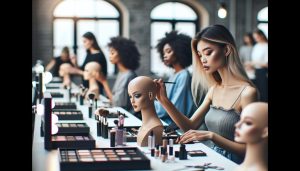
Pimples can strike at the most inconvenient times, leaving many seeking quick and effective ways to hide them. Mastering the art of makeup to cover blemishes not only boosts confidence but also enhances your overall look, allowing your true beauty to shine through. Whether you’re preparing for a big event or simply want to feel your best every day, knowing how to achieve foolproof coverage is essential. This guide will introduce you to proven techniques and product recommendations that can seamlessly transform your complexion, ensuring those pesky imperfections are hidden. Embrace the excitement of learning how to enhance your skin-your journey to flawless coverage starts here!
Understanding Different Types of Pimples and Their Coverage Needs
Understanding the various types of pimples is crucial for effective makeup coverage, as each type can have different characteristics that may require tailored approaches. From the classic whitehead to more severe forms like cystic acne, recognizing what you’re dealing with can guide your choices in products and application techniques.
Pimples can generally be classified into several types, including whiteheads, blackheads, papules, pustules, and cystic acne. Each of these forms of acne presents unique obstacles when it comes to coverage. For example, whiteheads and blackheads are generally less inflamed and can be effectively concealed with a lightweight, matte foundation. On the other hand, pustules, which are usually red and inflamed, require more careful treatment with color correction products before applying foundation to neutralize redness. Cystic acne, often painful and deeper under the skin, may need specialized products that offer higher coverage without clogging pores, plus thoughtful application to avoid exacerbating the condition.
Effective coverage relies not just on the choice of product but also on the technique involved. Use a detailed makeup sponge or brush to tap product into the skin, creating a seamless finish that minimizes texture. Additionally, consider using specific concealers that are formulated for acne-prone skin, as they are often non-comedogenic and provide the right balance of coverage and skincare.
Ultimately, understanding the different types of pimples allows you to assess your coverage needs effectively. It not only helps you choose the right products but also enhances your skills in applying makeup in a way that supports your skin’s health while achieving that beautiful, flawless look you desire.
Essential Makeup Products for Pimple Coverage
Achieving flawless coverage while dealing with pimples starts with selecting the right makeup tools and products. It’s not just about hiding blemishes; it’s about enhancing your natural beauty while maintaining skin health, especially for those prone to breakouts. The right arsenal can transform your makeup routine, allowing you to feel confident and radiant.
To effectively cover pimples, consider incorporating these essential products into your regimen:
- Primers: A mattifying primer will create a smooth base and help control excess oil, which is crucial for oily or acne-prone skin. Look for ingredients like salicylic acid that not only smooth out imperfections but also help treat the skin.
- Foundation: Choose a full-coverage, non-comedogenic foundation to avoid clogging pores. Brands like Thrive and Ilia offer formulas that provide excellent coverage while being kind to sensitive skin.
- Concealers: Opt for a highly pigmented, creamy concealer specifically designed for blemishes. Products from Seint can be layered on understanding the type of acne; for example, a thicker formula works well on pustules or cystic acne.
- Setting Powders: A translucent, oil-absorbing setting powder can help keep the makeup in place and control shine throughout the day, making it a must-have for lasting coverage.
- Spot Treatments: Keep a portable acne spot treatment, such as an oil-free gel, handy for those emergency touch-ups. This can help reduce the size and redness of pimples while also providing immediate coverage.
In addition to these key products, the tools you use can significantly affect your results. A dense, synthetic brush is perfect for applying foundation, ensuring that you distribute product evenly without irritating your skin. A smaller, precision brush or a clean fingertip is ideal for targeting individual spots with concealer.
Incorporating these essential makeup products not only helps to cover pimples effectively but also supports ongoing skin health, providing a confident and polished look. Always remember to patch-test new products to avoid any adverse reactions, and regularly cleanse your brushes and tools to prevent further breakouts.
Step-by-Step Guide: Prepping Skin for Flawless Coverage
To achieve flawless coverage over pimples, starting with a well-prepped canvas is essential. Properly preparing your skin not only enhances the effectiveness of your makeup but also helps to maintain skin health, enabling you to sport a natural, radiant look even while addressing blemishes. Here’s a step-by-step guide on how to prep your skin for makeup that provides seamless coverage.
Cleanse Thoroughly
Begin your routine with a gentle cleanser that suits your skin type. This step removes impurities, excess oil, and any remnants of previous makeup. Look for a cleanser containing salicylic acid, which can help with acne-prone skin by minimizing breakouts and keeping pores clear.
Exfoliate Regularly
Incorporating exfoliation into your routine 2-3 times a week can significantly improve skin texture, allowing for smoother makeup application. Use chemical exfoliants, like AHAs or BHAs, as they help dissolve dead skin cells without harsh scrubbing, which can irritate sensitive skin. This promotes a clearer complexion and reduces the chance of clogged pores.
Moisturize Wisely
After cleansing and exfoliating, apply a non-comedogenic moisturizer. Look for lightweight formulas that hydrate but won’t clog pores. Ingredients like hyaluronic acid or glycerin are excellent choices, as they provide moisture balance without adding excess oil. Make sure to let the moisturizer absorb fully before moving on to makeup application.
Prime Your Skin
Invest in a quality primer designed for oily or acne-prone skin. A mattifying primer can create a smooth surface for foundation and help control shine throughout the day. Brands like ELF and Smashbox offer effective mattifying primers infused with beneficial ingredients, such as tea tree oil or salicylic acid, which can additionally help treat acne while you wear makeup.
Spot Treatment
If you have active breakouts, consider applying a targeted spot treatment before primer. Formulas containing benzoyl peroxide or tea tree oil can help calm inflammation and reduce the size of pimples, setting the stage for better coverage. Use a clean applicator or fingertip to avoid transferring bacteria to your skin.
By following these steps, you ensure your skin is ready to embrace makeup while protecting its health and integrity. Well-prepped skin not only enhances makeup application but also instills confidence, delivering a flawless look that lasts throughout the day. Remember, the key to effective pimple coverage is starting with a clean, smooth, and healthy base.
Techniques to Conceal Pimples Like a Pro
To effectively conceal blemishes and achieve a flawless complexion, mastering specific techniques is essential. These approaches are not only about layering products but also about understanding how to manipulate textures and colors to create a perfect finish. Here’s how to approach the art of hiding pimples with finesse, ensuring your makeup enhances your features rather than drawing attention to imperfections.
Start with Targeted Concealing
Using a high-pigment concealer is one of the most effective ways to cover pimples. Choose a shade that matches your skin tone as closely as possible, or opt for a shade slightly lighter for effective brightness without stark contrast. Using a clean brush or fingertip, gently dab the concealer directly onto the blemish. Instead of rubbing, tap it lightly to avoid disturbing the underlying primer or foundation. Brands like Thrive and Seint offer excellent concealers that provide good coverage without feeling heavy.
Layering for Optimal Coverage
After applying the initial layer of concealer, allow it to set for a few minutes before adding additional layers. This technique helps to build coverage without making the area cakey. If the pimple is still visible, try using a thin layer of foundation over the concealed area to blend it seamlessly into the rest of your skin. A light, buildable foundation like Ilia or a tinted moisturizer can achieve a naturally flawless look while keeping a lightweight feel.
Utilize Setting Techniques
Setting your makeup after concealing is crucial, especially for oil-prone skin. Use a translucent setting powder to dust over the pimple, ensuring to press it gently rather than sweeping it away to lock in the coverage. Products like ELF Hydrating Powder are great for this purpose as they prevent excess shine while keeping the skin looking fresh. Additionally, consider using a setting spray to provide extra longevity; choose a mattifying formula to keep oil production at bay.
Be Mindful of Lighting
Whenever you conceal, take into account the lighting you’ll be in. Natural light often shows skin imperfections more than artificial lighting. To ensure your coverage looks flawless, check your makeup in different types of light. Adjust as needed, adding a touch of highlighter on adjacent skin to draw attention away from the blemish while giving your complexion a healthy glow. With practice and attention to detail, concealing pimples can become a seamless part of your makeup routine, empowering you to feel confident in your skin.
Choosing the Right Foundation for Maximum Coverage
Choosing the ideal foundation is crucial for achieving a flawless complexion that effortlessly conceals pimples without feeling heavy or looking cakey. The right foundation can enhance your natural beauty while providing the coverage you need for blemish-prone skin. It’s essential to consider not just the coverage but also the formulation, finish, and how well it interacts with other products.
When selecting a foundation, opt for products labeled as non-comedogenic, which means they are formulated not to clog pores. This is especially important for those with acne-prone skin. Full-coverage foundations can efficiently mask flaws, allowing the pimples to seamlessly blend into the overall complexion. Brands like Ilia offer clean formulations that provide buildable coverage while remaining lightweight-perfect for skin that needs a little extra TLC. Similarly, Seint provides versatile options that can be adjusted to match your skin needs throughout the day.
In addition to coverage, think about the finish. Foundations come in matte, satin, and dewy finishes. For oily skin or areas prone to excess shine, a matte foundation can help absorb oil throughout the day. Thrive cosmetics are known for their matte formulations that keep shine at bay while offering rich pigmentation. On the other hand, if you have dry patches or want a more luminous finish, a satin or dewy foundation can give your skin a healthy glow without sacrificing coverage.
Once you’ve found the right foundation, layering techniques can enhance your coverage even further. Apply your foundation with a damp beauty sponge or a foundation brush, using a stippling motion to build up coverage in areas where you want more concealment. This technique helps to meld the product into your skin, making it look more natural. Additionally, always choose a shade that closely matches your skin tone to avoid any stark contrasts that could highlight problem areas rather than cover them.
Ultimately, selecting the right foundation is about understanding your unique skin needs and preferences. Experiment with different formulas, finishes, and application techniques to find what works best for you, ensuring that you can achieve the flawless look you desire while effectively concealing any imperfections.
Using Color Correctors for Effective Pimple Concealment
Color correction is a game changer when it comes to effective pimple concealment, transforming your makeup routine into a powerful tool for achieving a flawless finish. By using color correctors, you can neutralize redness associated with breakouts, allowing your foundation to glide on smoothly and with optimal coverage. The science behind this technique lies in the color wheel: hues opposite to each other can cancel each other out, giving you a more even base to work with.
Understanding Color Correctors
Correctors are typically available in cream or liquid formulations and are used prior to foundation application. For acne, you’ll want to focus primarily on green correctors, which effectively counteract the redness of pimples. Simply apply a small amount of the green correction product to areas with blemishes using your fingertip or a small brush. Be cautious to use a light hand; a little goes a long way.
To deepen your knowledge, consider incorporating other colors as well. For instance, a yellow corrector can help brighten dull spots and conceal purple or blue-toned blemishes. On the other hand, peach or orange correctors can address any residual dark spots or areas of hyperpigmentation, especially on deeper skin tones, by adding warmth back into the complexion.
Applying Your Corrector
The correct application technique is essential for achieving a seamless look. Start by tapping the corrector onto the affected area rather than rubbing it in. This ensures you’re not disrupting the skin underneath, which could lead to further irritation or uneven texture. Once the corrector has dried slightly, follow up with your chosen foundation using a damp beauty sponge. This combination method allows the foundation to seamlessly blend into the corrector, rather than moving it around. For even better results, consider integrating brands like Thrive with their diverse range of formulas or Ilia, which offers clean, breathable options perfect for correcting.
Utilizing color correctors can elevate your makeup game and provide the confidence boost needed to face the day. With just a few simple steps, you’ll be well on your way to mastering the art of pimple concealment. Whether you’re a makeup novice or a seasoned professional, embracing color correction can lead to a significantly improved appearance, allowing your skin to look its best regardless of the blemishes beneath.
Setting Your Makeup for All-Day Durability
To achieve a fresh face that lasts all day, setting your makeup effectively is crucial, particularly when tackling the challenge of concealing blemishes. The right techniques and products not only enhance the longevity of your makeup but also ensure your coverage remains immaculate despite the natural oils and sweat your skin may produce throughout the day.
One of the best ways to lock in your makeup is by using a high-quality setting spray or powder. Setting sprays offer a lightweight finish while providing hydration and a dewy look, ideal for those with dry or combination skin. Spritz a few pumps of a setting spray, like the Urban Decay All Nighter, targeted at keeping your makeup in place all day. On the other hand, setting powders help absorb excess oil and can be particularly beneficial for those with oily skin. Apply a translucent powder, such as Laura Mercier Translucent Loose Setting Powder, using a fluffy brush, concentrating on areas that are prone to shine, like the T-zone.
Apply Strategically for Best Results
A well-thought-out application can significantly affect how your makeup holds up. After applying your foundation and concealers, use a damp beauty sponge to gently press a setting powder into the skin. This technique not only calms any makeup movement but also provides a more natural, skin-like finish. When using sprays, a light mist across your face following your makeup application can help meld everything together, creating a unified look that feels both lightweight and balanced.
Touch-Up Tips
Even the most advanced techniques can’t completely prevent the occurrence of shine or fading as the day progresses. Carrying a few essential touch-up items can make a significant difference.
- Blotting papers: A quick, effective way to remove excess oil without disrupting your makeup.
- Mini setting powder: Having a travel-size version allows you to easily reapply during the day without feeling weighed down.
- Makeup mist: A refreshing spritz can revitalize your complexion and reactivate your foundation.
Remember, setting your makeup is not just about achieving lasting wear; it’s about ensuring your look stays flawless. Incorporating these techniques will provide you with the confidence to flaunt your makeup all day long, feeling secured that your coverage stays just as perfect as when you first applied it. Staying proactive with your routine not only enhances your appearance but also supports the overall health of your skin, allowing you to shine in every situation.
Common Mistakes to Avoid When Hiding Pimples
Concealing pimples effectively requires finesse and attention to detail, yet many individuals make common mistakes that can hinder their efforts. One prevalent error is overapplying product in an attempt to mask blemishes. While the instinct to layer foundation or concealer might seem useful, too much product can lead to a cakey appearance and may actually draw more attention to the pimple. Instead, it’s crucial to build coverage gradually, applying thin layers and blending well to create a natural look.
Another frequent pitfall is neglecting prep and skin care prior to makeup application. Skipping moisturizing or using the wrong type can create a rough canvas. A well-moisturized face allows products to glide on smoothly and adhere better, enhancing coverage. Using a primer specifically formulated for blemish-prone skin helps create a barrier between your makeup and the skin, ensuring that your makeup stays intact while allowing the skin to breathe.
Utilizing incorrect shades can also undermine your concealment efforts. Many opt for a concealer that is too light, hoping it will brighten the area. However, this can create an unattractive contrast between the concealer and the surrounding skin, making the blemish stand out even more. Instead, choosing a shade that closely matches your skin tone, or using color-correcting products that balance redness, is essential for creating seamless coverage.
Lastly, forgetting to set your makeup leads to unnecessary shine and fading. Applying a natural finish setting powder over your concealer can help absorb excess oil and keep your look fresh throughout the day. A few spritzes of setting spray can provide additional staying power and lend a healthy glow. By avoiding these common mistakes, you can achieve a flawless, natural-looking complexion while successfully concealing pimples.
How to Remove Makeup Safely Without Irritation
Removing makeup properly is crucial for maintaining skin health, especially when you’re dealing with blemishes. The right removal techniques not only prevent irritation but also ensure your skin can breathe and regenerate overnight. One of the most effective ways to start is by using a gentle makeup remover tailored to your skin type. Products containing soothing ingredients such as chamomile or aloe vera can help calm inflammation and sensitivity while effectively breaking down makeup.
To initiate the cleansing process, begin with a good quality oil-based or micellar water makeup remover. These formulations are excellent for lifting off stubborn products, including waterproof formulations that can cling to the skin. Apply the remover to a cotton pad and gently press it onto the skin, allowing it to dissolve makeup without harsh rubbing. Follow with a gentle foaming or cream cleanser that matches your skin type-this second step ensures any remaining residue is thoroughly cleaned away, preventing clogged pores and irritation.
In addition to using the right products, consider the method of application. Use soft, circular motions when cleansing rather than aggressive scrubbing. This technique minimizes friction on the skin, which is essential for those prone to breakouts and sensitivity. After cleansing, always apply a soothing toner or essence to balance your skin’s pH, replenish moisture, and enhance post-cleansing hydration. This habit can significantly improve your skin’s resilience and overall appearance.
Finally, remember to end your routine with a nourishing hydrating serum or moisturizer that caters to your specific skin concerns. Ingredients like hyaluronic acid or niacinamide can provide extra hydration and help improve skin texture, making it ideal for those with blemishes. Establishing a gentle, consistent removal routine not only protects your skin but also supports its healing process, ensuring you awake to a fresh, irritation-free complexion ready for the day ahead.
Expert Tips for Maintaining Skin Health After Makeup
Maintaining skin health after applying makeup can be a game changer, especially for those prone to pimples and breakouts. After all, what good is flawless makeup if it compromises your skin’s wellbeing? Begin by choosing non-comedogenic products that won’t clog your pores. Look for foundations and concealers that are specifically designed to be acne-friendly, allowing your skin to breathe while still providing the coverage you desire.
Another essential tip is to incorporate a daily skincare routine that nourishes and hydrates your skin. After removing makeup, use a gentle cleanser followed by a soothing toner. This helps in calming any irritation caused during makeup application. Additionally, utilizing a lightweight, oil-free moisturizer packed with beneficial ingredients like salicylic acid or tea tree oil can help manage breakouts while keeping your complexion hydrated.
Post-Makeup Care Routines
Establishing a proper skincare routine is crucial, especially after a long day of wearing makeup. Follow these steps:
- Cleanse: Use a gentle, hydrating cleanser to remove all traces of makeup.
- Tone: Apply a calming toner to restore skin’s pH and prep it for additional products.
- Treat: Consider adding a serum with ingredients tailored to your skin concerns, such as niacinamide for oil control and redness reduction.
- Moisturize: Follow with a non-comedogenic moisturizer to hydrate the skin without adding excess oil.
You can also treat specific areas with targeted treatments if you feel a pimple forming, using spot treatments with benzoyl peroxide or salicylic acid. Remember, patience is key; it may take time for your skin to adjust to new products and routines.
Lastly, ensure to take breaks from makeup when possible, letting your skin breathe. A makeup-free day can allow your skin to rejuvenate and recover from any irritations caused by product application. Don’t forget to choose well-formulated products from trusted brands like Seint, Thrive, Ilia, and ELF, which offer a range of options catering to different skin types and concerns. Taking these steps not only promotes clear skin but also enhances your ability to achieve a polished, pimple-free look when you do choose to wear makeup.
Makeup Brands Recommended for Pimple Coverage
When it comes to effectively covering pimples and achieving a flawless complexion, the choice of makeup brands can make all the difference. Several brands have emerged as favorites among beauty enthusiasts for their commitment to creating non-comedogenic, high-coverage products specifically designed for acne-prone skin. These brands are known not only for their ability to conceal blemishes but also for their skin-friendly formulations that prevent further breakouts and promote overall skin health.
One standout brand is Seint, which offers a range of cream foundations and concealers that provide buildable coverage without feeling heavy on the skin. Their products are designed to blend seamlessly, making it easier to cover imperfections while maintaining a natural look. Seint emphasizes the importance of using skin-loving ingredients, ensuring that your makeup routine does not irritate your skin.
Another excellent option is Thrive, renowned for its innovative formulas and inclusivity. Thrive’s Brilliant Eye Brightener sticks and Buildable Blur CC Cream are perfect for creating a polished look. These products are infused with skincare benefits, such as vitamins and antioxidants, and are designed to be lightweight yet effective in hiding redness and blemishes.
Ilia is also a brand to consider, as it beautifully bridges the gap between makeup and skincare. With a focus on clean beauty, Ilia offers various foundations and tinted moisturizers that provide coverage while nourishing the skin. Their true-to-skin approach allows users to achieve a radiant complexion without the fear of clogged pores.
Lastly, ELF is a budget-friendly brand that has gained attention for its effective products tailored for acne-prone skin. Their Blemish Control Face Primer and Flawless Finish Foundation are both praised for their affordability and high-quality performance. ELF understands the needs of individuals dealing with breakouts and provides accessible options that don’t compromise on effectiveness.
Incorporating products from these brands into your makeup routine can not only help in achieving a flawless finish but also support healthier skin over time. Whether you’re a makeup novice or a seasoned pro, the right products can enhance your confidence and allow you to express your unique beauty without the worry of visible blemishes.
Quick Fixes for Pimple Emergencies on the Go
When a pimple pops up unexpectedly, it can feel like a beauty emergency that demands immediate attention. Luckily, with the right products and techniques, you can achieve quick and effective coverage on the go. First and foremost, ensure you keep a few essential items in your makeup bag: a good concealer, a mini foundation or BB cream, oil-absorbing sheets, and a compact powder. These will become your go-to tools for tackling breakouts at a moment’s notice.
Begin by gently patting the area with an oil-absorbing sheet if you notice excess shine. This will prepare your skin for makeup without irritating it further. Next, if you have a concentrated concealer-preferably one that is lightweight yet full-coverage-dab a small amount directly on the blemish using a clean fingertip or a precision brush. This application technique allows you to blend seamlessly without disturbing the surrounding skin.
After concealing, use a lightweight powder or a setting spray to lock your look in place. This will help your makeup withstand the wear and tear of your busy day while keeping unwanted shine at bay. For added longevity, consider a setting spray designed for oily or acne-prone skin containing ingredients that not only set your makeup but also help control breakouts.
In case you’re short on time or space, a tinted moisturizer or BB cream can work wonders, as it provides coverage while also hydrating your skin. Many modern formulations from brands like Ilia or Thrive are non-comedogenic and offer skincare benefits, allowing you to cover imperfections without exacerbating them. A few simple steps and you’ll be ready to face the day confidently- pimple and all!
Faq
Q: What is the best method to hide pimples with makeup?
A: The best method to hide pimples starts with a thorough skin prep, using a good moisturizer, followed by a pore-filling primer. Use a high-coverage concealer on the pimple, blending carefully. Finish with a mattifying foundation for long-lasting coverage. Refer to the “Step-by-Step Guide” in the article for detailed techniques.
Q: How can I prevent makeup from making my pimples worse?
A: To prevent makeup from aggravating pimples, choose non-comedogenic products, keep tools clean, and ensure your skin is moisturized before application. Always remove makeup thoroughly at the end of the day to maintain skin health. Check “Expert Tips for Maintaining Skin Health After Makeup” for more insights.
Q: What tools or brushes are best for applying concealer over pimples?
A: For applying concealer on pimples, use a small, dense brush for precise application. A beauty sponge can also help blend the concealer seamlessly. Ensure tools are sanitized to avoid further irritation and breakouts. See “Techniques to Conceal Pimples Like a Pro” for more details.
Q: Are there specific ingredients to look for in makeup when hiding pimples?
A: Yes, look for makeup with salicylic acid, tea tree oil, or sulfur, as these ingredients can help treat pimples while providing coverage. Additionally, opt for oil-free products to reduce the risk of clogging pores. This is covered in the “Essential Makeup Products for Pimple Coverage” section.
Q: When is the best time to apply makeup if I have a fresh pimple?
A: The best time to apply makeup on a fresh pimple is after it has been treated and the area is dried, preferably 24 hours after any active breakouts. This avoids irritation and allows for better coverage. Refer to “Common Mistakes to Avoid When Hiding Pimples” for more tips.
Q: How can I make my makeup last all day over pimples?
A: To ensure makeup lasts all day over pimples, use a mattifying primer and a setting spray. Regularly blot excess oil with oil-absorbing sheets to maintain a flawless finish. Check out the section “Setting Your Makeup for All-Day Durability” in the article for further advice.
Q: Should I use a lighter or darker shade of concealer for pimples?
A: Always use a concealer that matches your skin tone or is slightly lighter to effectively cover pimples. Darker shades can make them more noticeable. This detail is highlighted in the “Using Color Correctors for Effective Pimple Concealment” section of the article.
Q: How can I quickly touch up my makeup if a pimple begins to show?
A: For quick touch-ups, carry a small concealer and a compact powder with you. Lightly dab the concealer over the pimple and set it with powder for a flawless finish. The “Quick Fixes for Pimple Emergencies on the Go” section offers more strategies.
To Wrap It Up
Now that you’ve mastered the foolproof methods for hiding pimples with makeup, you can confidently embrace your flawless look! Remember, the right products and techniques make all the difference, so don’t hesitate to experiment with products like Seint’s cream foundations and ELF’s effective concealers. If you’re curious about enhancing your makeup routine, check out our tutorials on achieving a perfect makeup base or exploring popular product reviews for Thrive and Ilia.
Feeling inspired? Don’t leave yet! Sign up for our newsletter for more beauty tips and exclusive product insights that can elevate your beauty game. Have questions or want to share your own makeup tips? We’d love to hear from you in the comments below! Let’s keep this beauty conversation going and empower each other to shine our brightest!