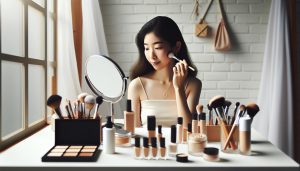
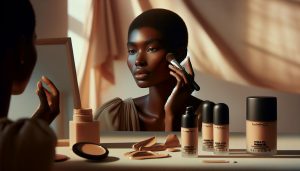
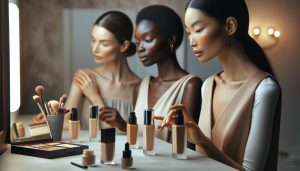
Before diving into the world of makeup, understanding how to prep your skin is crucial for achieving that flawless look. Proper skin preparation not only enhances the application and longevity of your makeup but also ensures your skin stays healthy and radiant. Imagine this: you’ve invested in high-quality makeup, but without the right prep, the results can fall flat.
Every step leading up to makeup application is an opportunity to elevate your routine, maximize product performance, and present your best self. Whether you’re a makeup novice eager to master your basics or a seasoned pro looking to refine your skills, knowing the five essential steps to prep your skin sets the foundation for success. From cleansing to hydrating, each step plays a pivotal role in creating a smooth canvas that allows your makeup to shine. Read on to discover how these effective techniques can transform your beauty routine and help you achieve makeup perfection.
Choosing the Right Cleanser for Your Skin Type

Choosing the right cleanser is the cornerstone of effective skin prep for makeup application. With countless options available, understanding your skin type is crucial in selecting a product that caters to your unique needs. For those with oily or acne-prone skin, foaming or gel cleansers containing salicylic acid can effectively remove excess oil and prevent breakouts, ensuring a smoother canvas for makeup. Conversely, individuals with dry or sensitive skin should opt for cream-based cleansers enriched with hydrating ingredients like glycerin or hyaluronic acid to maintain moisture levels while cleansing.
It’s also essential to consider specific skin concerns. For those struggling with redness or irritation, a gentle, fragrance-free cleanser can help soothe the skin without stripping it of its natural oils. Additionally, incorporating a cleansing tool, such as a silicone brush, can enhance the cleansing process by providing a deeper clean and exfoliating the surface, preparing the skin for the following makeup steps.
Maintaining a consistent cleansing routine is key to achieving that flawless makeup look. Cleansing not only removes dirt and makeup remnants but also helps to balance your skin’s pH levels, setting the stage for effective absorption of other skincare products such as moisturizers and primers. Therefore, ensuring an appropriate cleansing regimen tailored to your skin type will lead to healthier skin and more successful makeup applications. Remember, healthy skin is the best base for any makeup look, so choose your cleanser wisely and watch your makeup glide on effortlessly!
Exfoliation Techniques for a Flawless Base
Exfoliation is a vital step in your skincare routine, especially before makeup application, as it paves the way for a radiant and smooth canvas. By sloughing off dead skin cells, you not only improve the texture of your skin but also enhance the efficacy of your skincare and makeup products. Regular exfoliation can reduce the appearance of fine lines and uneven texture, leading to a flawless finish. However, knowing the right technique for your skin type is crucial for reaping its benefits without causing irritation.
When choosing an exfoliation technique, there are two main categories to consider: manual and chemical exfoliation. Each method offers distinct benefits and should be selected based on your skin type and specific needs. Manual exfoliation involves using physical scrubs or tools like exfoliating mitts and brushes. For best results, opt for products with fine granules to minimize skin irritation. Use gentle circular motions to avoid over-scrubbing, which can lead to redness and sensitivity.
On the other hand, chemical exfoliants-such as alphahydroxy acids (AHAs) and beta-hydroxy acids (BHAs)-work by dissolving the bonds that hold dead skin cells together. BHAs, like salicylic acid, are particularly beneficial for oily and acne-prone skin, as they penetrate deep into pores to help reduce breakouts. AHAs, like glycolic acid, are ideal for dry or normal skin types as they promote moisture retention while exfoliating. It’s essential to start with lower concentrations and gradually increase usage to gauge your skin’s tolerance.
Regardless of the method you choose, timing and frequency of exfoliation are key. For most skin types, exfoliating 1-3 times a week is optimal. Incorporating this step into your nighttime routine can also be beneficial, as your skin’s repair process during sleep enhances the results. After exfoliating, always follow up with a hydrating serum and a moisturizer to replenish moisture and protect your skin barrier.
Remember, the goal of exfoliation is to reveal smoother, brighter skin while minimizing the risk of irritation. Whether you’re a makeup novice or a seasoned professional, mastering this technique will not only elevate your skincare routine but also enhance your makeup application, ensuring every product glides on effortlessly and appears flawless.
Hydrating Your Skin: Key Ingredients to Look For

To achieve a radiant and dewy makeup look, hydrating your skin prior to application is essential. The right ingredients can significantly enhance your skin’s hydration levels, ensuring your makeup adheres better and looks fresh throughout the day. Here are some key ingredients to consider incorporating into your skincare routine for optimal hydration.
Key Hydrating Ingredients
- Hyaluronic Acid: This powerhouse ingredient is renowned for its ability to retain moisture-up to 1,000 times its weight in water. It’s perfect for all skin types as it attracts water to the skin’s surface, creating a plump and supple appearance. Look for serums or moisturizers that contain hyaluronic acid to lock in hydration effectively.
- Glycerin: Often found in lotions and creams, glycerin is another humectant that draws moisture from the environment into the skin. It helps to build your skin’s natural barrier, leaving it soft and smooth. Products with a high glycerin content can significantly improve the overall texture of your skin.
- Niacinamide: Known for its soothing and anti-inflammatory properties, niacinamide also plays a critical role in improving skin barrier function. It enables your skin to retain more moisture, which is crucial for maintaining hydration levels throughout the day.
- Aloe Vera: Beyond its skin-calming benefits, aloe vera provides hydration without leaving a greasy residue. Its lightweight texture allows for easy absorption, making it a great choice for those with oily or combination skin.
- Squalane: Derived from olives or sugarcane, squalane is a natural emollient that mimics the skin’s own oil. This ingredient not only hydrates but also helps in keeping the skin barrier intact, making it ideal for dry or sensitive skin types.
To make the most of these ingredients, consider layering a lightweight hydrating serum topped with a moisturizer before moving on to your makeup. This creates a well-hydrated base that can enhance the finish of your foundation and prolong its wear time. Be mindful of selecting products that suit your skin type; for instance, if you have oily skin, opt for gel-based formulas that provide hydration without heaviness.
Incorporating these hydrating ingredients into your skincare routine not only prepares your skin for makeup application but also promotes long-term skin health. Hydrated skin appears more youthful, and makeup looks smoother and more radiant, allowing for a flawless finish that lasts all day. Whether you are preparing for a special occasion or a typical day out, ensuring your skin is adequately hydrated is the secret to achieving that coveted glow.
The Importance of Moisturizer in Makeup Prep
To achieve a flawless makeup application, the importance of moisturizer cannot be overstated. It acts as the foundation for your skin’s health and also serves as a crucial step in ensuring your makeup looks its best. A well-hydrated complexion allows for smoother application of products, helping them to blend seamlessly while minimizing the appearance of fine lines and imperfections. Moisturizer does more than hydrate; it also creates a barrier that keeps moisture locked in, ensuring your makeup lasts longer and maintains its fresh look throughout the day.
Choosing the right moisturizer plays a key role in determining how your makeup will perform. For instance, individuals with oily skin should consider lightweight, gel-based moisturizers that deliver hydration without adding excess oil. On the other hand, those with dry skin may benefit from richer creams that provide intensive moisture and nourishment. Additionally, look for moisturizers that include beneficial ingredients like hyaluronic acid, glycerin, or ceramides, which can enhance hydration and skin texture. These ingredients work synergistically with your makeup products, creating a smooth canvas that enhances the overall appearance.
It’s essential to apply your moisturizer correctly for the best results. Whether your choice is a cream or gel, make sure to apply it in gentle, upward strokes, allowing it time to absorb before moving on to other products. This allows the skin to fully benefit from the key ingredients in your moisturizer, ensuring that your skin is not only prepped for makeup application but also nurtured and protected. Incorporating a moisturizer into your skincare routine tailored to your skin type will significantly affect your makeup’s performance, transforming your beauty regimen into a ritual of self-care and enhancement.
Ultimately, investing in a good moisturizer is an investment in your skin’s future and your makeup’s success. With a diligent skincare routine that includes a targeted moisturizing step, you set the stage for makeup that feels comfortable, looks fresh, and lasts all day-showcasing your unique beauty with captivating radiance.
Prepping Your Skin with Primer: What You Need to Know
The right primer can transform your makeup game, acting as the invisible armor that preps your skin for various makeup applications. When applied correctly, it helps to refine the skin’s texture, reduce the appearance of pores, and provide a smooth base that allows your foundation and other products to glide on evenly. Choosing a primer specifically suited to your skin type and desired finish is fundamental for achieving a flawless look that lasts throughout the day.
To optimize your application, start with a well-prepped canvas; cleanse and moisturize your skin before introducing primer. Opt for a hydrating, illuminating primer if you have dry skin, as it will not only nourish but also create a luminous backdrop for your makeup. On the other hand, those with oily or combination skin might find that a mattifying primer helps control shine and keeps makeup in place. Look for ingredients like silicone for a velvety texture or glycerin to add moisture. It’s also worth considering tinted primers that can even out skin tone and provide a subtle color correction.
Applying primer is equally as crucial as selecting the right one. Use your fingertips or a makeup sponge to apply a dime-sized amount of product, focusing on areas that typically require more attention, such as the T-zone, where pores may be more prominent. Lightly pat the product into your skin, allowing it to absorb fully before moving on to foundation. This technique not only ensures even distribution but also boosts the staying power of your makeup by creating a seamless bond between your skin and makeup products.
Don’t forget, even your tools can play a role in how well primer works. Investing in quality brushes and sponges can further enhance application, helping to achieve an airbrushed finish. Make it a point to experiment with different products and techniques to discover what complements your skin type best. The right primer can elevate your makeup routine from ordinary to extraordinary, helping you to reveal the most polished version of yourself.
Sunscreen: Your Essential Step for Healthy Skin
With skin health being paramount, sunscreen plays a crucial role not only in protecting against harmful UV rays but also in creating a flawless base for your makeup. Daily use of sunscreen can reduce the risk of skin cancer, prevent premature aging, and maintain an even skin tone, making it an essential component of any skincare routine. These benefits are vital, especially when preparing your skin for makeup.
Applying sunscreen should be a non-negotiable step before you reach for your foundation. Choose a broad-spectrum sunscreen with at least SPF 30 to ensure adequate protection from both UVA and UVB rays. For added convenience, many modern formulas are lightweight, non-greasy, and designed to absorb quickly, making them ideal for makeup preparation. Look for products labeled as “makeup-friendly,” which often have a matte finish or a hydrating formula that won’t interfere with your makeup application.
When applying sunscreen, use about a nickel-sized amount for your face and apply it evenly across your skin. Give your skin around 10-15 minutes to absorb the product before proceeding with your makeup. This wait time allows the ingredients to work effectively, ensuring your skin is protected and ready for the next steps in your beauty routine. Furthermore, remember to apply sunscreen to your neck and any exposed areas, as these regions are equally susceptible to sun damage.
To maintain sun protection throughout the day, consider using makeup products that contain SPF or setting powders with sun protection. This way, you can boost your defenses without disrupting your makeup look. Always reapply sunscreen every two hours if you’re spending extended periods outside, or use a spray-on alternative to avoid disturbing your makeup. By making sunscreen a vital step in your daily routine, you enhance not only the health of your skin but also the longevity and appearance of your makeup.
Makeup Application Tips for Maximizing Skin Prep
Achieving a flawless makeup application starts long before you pick up your brush or sponge. The key to maximizing the benefits of your skin prep lies in a series of strategic application techniques that can enhance your overall look. Understanding how to layer your products and apply them correctly transforms your makeup from good to breathtaking.
Begin with your foundation-always apply it on a well-prepped canvas. After moisturizing and applying sunscreen, let each product settle into your skin for a few minutes. This waiting period not only helps with absorption but also allows the products to create a hydrated base. When it’s time to apply foundation, consider using different tools to achieve your desired finish. A damp makeup sponge can help create a natural, dewy look, while a brush can offer fuller coverage. Experiment with both to find out what works best for your skin type.
When it comes to concealer, a light tapping motion with your fingertip or a small brush can help blend the product seamlessly into your foundation. Aim to apply concealer only where needed, such as on blemishes or under-eye circles, rather than a broad application, which can lead to a cakey finish. Another effective trick is to use a color corrector (like peach or green) in conjunction with your concealer to neutralize unwanted tones, providing a more luminous finish.
Lastly, set your makeup for longevity and ensure it remains fresh throughout the day by applying a translucent powder to areas where you tend to get oily. A lightweight setting spray can also lock everything in place, providing a final boost of hydration. For a touch of glowing radiance, consider using a hydrating mist or spray post-makeup application. This layered approach not only enhances every aspect of your makeup but fosters an overall sense of confidence, allowing your natural beauty to shine through.
Embrace these tips by making them a part of your routine-the art of makeup application is not just about technique; it’s about finding joy in the process and celebrating your unique beauty.
How to Choose the Right Makeup for Your Skin Type
Choosing the right makeup products tailored to your skin type can make all the difference in achieving that flawless finish. For example, individuals with dry skin should gravitate toward cream foundations and hydrating formulas that contain ingredients like hyaluronic acid and glycerin. These products help combat dryness by providing a moisture boost. On the other hand, if your skin is oily or combination, opting for oil-free, matte-finish foundations can help reduce shine and keep your makeup looking fresh throughout the day.
Makeup for sensitive skin requires special attention; look for hypoallergenic products and those free from fragrances and harsh chemicals. Brands like Ilia and Thrive offer clean beauty options that cater to sensitive skin without compromising on performance. For acne-prone skin, incorporating non-comedogenic foundations and concealers is crucial. Products that feature salicylic acid can provide additional benefits by treating blemishes even as they cover them up.
It’s also essential to consider your skin’s undertones when selecting products. Warm undertones may find that yellow or golden shades of foundation complement their complexion best, while cool undertones typically look better in pink or blue-based shades. Additionally, testing the makeup in natural light can help ensure the color matches beautifully. Always remember, layering your makeup properly-with foundation first, followed by concealer only where needed-helps maintain a natural look that allows your best features to shine through, further emphasizing the importance of choosing quality products designed for your unique skin type.
Ultimately, the right makeup not only enhances your natural beauty but also reflects your personal style. Taking the time to understand your skin’s needs will empower you in making choices that elevate your makeup game, leaving you looking radiant and feeling confident.
Setting Your Makeup: Tips for Long-Lasting Wear
Achieving long-lasting makeup is an art that hinges on the perfect setting techniques. To ensure your flawless look remains intact throughout the day, it’s essential to apply the right methods and products. One of the most effective tools for setting makeup is a quality setting spray. A fine mist of setting spray not only locks in your makeup but can also provide additional benefits like hydration or oil control, depending on your skin type. Brands like Urban Decay and NYX offer excellent options with varied finishes, from matte to dewy, allowing you to choose according to your desired look.
Another crucial step in maintaining your makeup is the application of a setting powder. Using a translucent or skin-matching powder can help to absorb excess oils and minimize shine. Focus on the T-zone-forehead, nose, and chin-where oil tends to accumulate most. When applying powder, use a fluffy brush for a light dusting or a damp sponge for targeted areas to achieve a smooth, airbrushed effect. For those with dry skin, a light application should suffice, while oily skin types might benefit from a heavier layer for extra control.
Timing is Everything
Remember that the timing of applying your setting products is equally pivotal. Allow your foundation and concealer to set for a few minutes before applying setting powder or spray. This brief period ensures that the products meld into the skin, creating a less cakey appearance. Additionally, touch up your makeup throughout the day as needed, especially if you’re in a high-humidity environment. Carrying a travel-sized powder or matte setting spray can keep shine at bay and your makeup looking pristine.
Innovative Techniques
For ultimate longevity, consider the innovative technique of “baking.” This involves applying a heavier layer of setting powder to specific areas, letting it sit for about 10-15 minutes and then dusting off the excess. This helps to create a velvety finish and adds durability to your overall makeup look. Baking is particularly effective before special events or long days, where you need assurance that your makeup will endure challenges like heat and perspiration.
By using these strategies and combining quality products with practical techniques, you can ensure your makeup not only looks great when you apply it but also stays put, enhancing your confidence and allowing your beauty to shine throughout the day. Empower yourself with the right knowledge and tools, and enjoy the transformative magic of makeup that aligns beautifully with your personal style.
Common Skin Prep Mistakes and How to Avoid Them
Many people underestimate the importance of meticulous skin prep before applying makeup, leading to avoidable mishaps and a less-than-flawless finish. Common skin prep mistakes can sabotage even the most carefully chosen products, resulting in makeup that doesn’t wear well or appears uneven. Familiarizing yourself with these pitfalls and how to evade them is essential for achieving that camera-ready glow.
One of the most serious mistakes is skipping cleansing. When makeup is applied over dirt and oil, it can clog pores and cause breakouts. Make cleansing the first step in your routine, selecting a cleanser that suits your skin type, whether you need something hydrating or clarifying. To ensure a thorough clean, aim for double cleansing in the evenings, using an oil-based cleanser followed by a gentle foaming or gel cleanser. This not only removes makeup efficiently but also prepares the skin for subsequent products.
Another common misstep is neglecting hydration. Dry, flaky skin is a makeup nightmare and can lead to an uneven application. Invest in a quality moisturizer that caters to your specific skin needs-look for hyaluronic acid for deep hydration or glycerin to lock in moisture. The right product not only moisturizes but also creates a smooth canvas for makeup. Failing to use a targeted hydrating product can make even the best foundation look patchy, especially in dry conditions.
Finally, ignoring primer is akin to skipping a crucial step in your makeup routine; it’s an essential product that creates a barrier between the skin and makeup. A good primer can minimize the appearance of pores, control oil, and enhance longevity. Choose a formula that suits your skin type-use a mattifying primer for oily skin and a hydrating one for dry skin. Applying primer after your moisturizer allows for a smooth makeup application that lasts longer and looks fresher.
By being mindful of these common skin prep mistakes and understanding how to avoid them, you empower yourself to create a stunning makeup look that lasts throughout the day. Embracing these fundamental steps not only enhances your makeup application but boosts your confidence, allowing you to express your unique beauty with ease.
Tools and Techniques for the Perfect Makeup Finish
Creating a flawless makeup finish transcends just selecting the right products; it hinges on the tools and techniques utilized throughout the application process. Armed with the right instruments, you can elevate your makeup routine to professional standards, allowing for a seamless and polished look that lasts. Whether you’re touching up a casual day look or preparing for a glam night out, mastering your tools is essential for achieving that coveted, airbrushed appearance.
To begin, the choice of brushes can dramatically influence your final result. Investing in high-quality, versatile brushes – such as a flat foundation brush, a stippling brush, and a fluffy blending brush – is fundamental. Using a flat brush allows for precise coverage, while a stippling brush can create a more natural, diffused finish. For eyeshadow application, a variety of blending brushes can help transition colors seamlessly across the eyelid. Additionally, incorporating makeup sponges, like the iconic beauty blender, can provide that airbrushed finish. Dampen the sponge before use to enhance product absorption and achieve a flawless, hydrated look.
Application Techniques That Make a Difference
Proper techniques can transform your makeup application and the longevity of your look. Begin with light pressure and build product gradually; this approach minimizes the risk of caking. Start with the foundation, applying it in a stippling motion to blend evenly, followed by concealer to address specific areas, using either your fingers or a brush for optimal warmth and absorption. For eye makeup, consider applying primer before shadows to create a lasting base, preventing creasing and enhancing color vibrancy.
Setting your makeup is perhaps the most crucial step to achieving a polished finish. A translucent setting powder can help lock in your foundation, applied with a fluffy brush to avoid a heavy appearance. For added longevity, a setting spray should be your final touch. Choose a product that’s compatible with your skin type – hydrating sprays work wonders for dry skin, while mattifying formulas benefit oilier complexions. This step not only ensures your makeup stays put but also provides a beautiful, dewy finish that can revive your look throughout the day.
By blending the right tools with effective techniques, you’re well on your way to achieving a perfect makeup finish. The combination of quality application tools and intentional techniques creates a canvas that not only highlights your features but also reflects your unique beauty. Embrace exploration within your makeup routine to discover what works best for you, and don’t be afraid to refine your process; practice makes perfect!
The Role of Nutrition in Achieving Flawless Skin
Achieving flawless skin extends beyond just expert makeup application; it begins deep within, with the nutrition you provide your body. The foods you consume can directly impact the condition and appearance of your skin, enhancing its ability to serve as a flawless canvas for makeup. A well-rounded diet rich in specific nutrients can help improve skin health, bolster moisture retention, and provide the vital nutrients necessary for that radiant glow.
Nutrients play a crucial role in skin function. Antioxidants, found in colorful fruits and vegetables like berries, carrots, and spinach, combat oxidative stress that can lead to premature aging and dullness. Foods rich in omega-3 fatty acids, such as salmon, walnuts, and chia seeds, are essential for maintaining skin barrier integrity, helping to lock in moisture. While focusing on hydration is crucial, remember that increasing your intake of water is equally vital; aim for at least 8 cups daily to keep your skin plump and hydrated.
Moreover, vitamins such as Vitamin C and Vitamin E promote skin healing and protect against environmental damage. Citrus fruits, bell peppers, and nuts are great sources that boost collagen production and promote an even skin tone. Probiotic-rich foods like yogurt and kefir can also support skin wellness by enhancing gut health, which has a direct correlation with your skin’s clarity and texture. In this way, a balanced diet not only nourishes your body but contributes to smooth, clear, and youthful skin.
As you prepare your skin for makeup, consider the synergistic effects of beauty from the inside out. A nutritious diet sets the foundation for effective skincare, complemented by your makeup routine. By promoting healthy skin through thoughtful eating, you empower your makeup application process, making it easier to achieve that flawless finish you desire. Remember, when your skin feels good and looks vibrant, your confidence shines through, enhancing any look you choose to create.
Frequently Asked Questions
Q: What is the best order to prep skin for makeup?
A: The ideal order to prep your skin for makeup is: start with cleansing to remove impurities, then exfoliate to ensure a smooth base, follow with hydration using serums or creams, apply a moisturizer, and finish with a primer to create a flawless canvas for your makeup.
Q: How long should I wait after moisturizing before applying makeup?
A: It’s recommended to wait about 5-10 minutes after moisturizing before applying makeup. This allows the moisturizer to fully absorb, ensuring that your makeup adheres well and lasts longer without sliding off.
Q: Can I use oil-based products in my makeup prep?
A: Yes, oil-based products can be beneficial for makeup prep, especially for dry skin types. However, it’s essential to choose lightweight oils and ensure they are fully absorbed into the skin before applying makeup to avoid a greasy finish.
Q: How do I know if my skin is properly prepped for makeup?
A: Your skin is properly prepped for makeup when it feels smooth, hydrated, and not overly greasy. If the surface feels tacky or slick, allow more time for products to absorb before applying makeup.
Q: Is primer necessary for makeup application?
A: While not strictly necessary, using a primer can enhance makeup application by smoothing the skin’s surface, extending wear, and controlling oil. Choosing a primer suited to your skin type can make a significant impact on your overall look.
Q: What are the signs of improper skin prep before makeup?
A: Signs of improper skin prep include patchy makeup application, creasing, flaking, or an uneven texture. These issues often occur when the skin is either too dry or too oily without the right prep steps.
Q: How does nutrition affect skin prep for makeup?
A: Nutrition significantly impacts skin health. A diet rich in vitamins, antioxidants, and hydration contributes to a glowing complexion, making makeup application smoother and more effective. Foods rich in omega fatty acids and water can enhance skin prep.
Q: What products should I avoid before makeup application?
A: Avoid applying heavy creams, products containing alcohol, or those with strong fragrances right before makeup, as they can cause irritation or disrupt smooth application. Instead, opt for lightweight formulas that hydrate without weighing the skin down.
To Wrap It Up
By following these essential steps to prep your skin for makeup, you’re setting the stage for a flawless look that lasts all day. Remember, the right skincare ritual not only enhances your beauty but also boosts your confidence. If you’re eager to elevate your makeup game, don’t miss our in-depth articles on product reviews for brands like Seint, Thrive, and Ilia, or check out our guide on the best tools for achieving that perfect finish.
Feeling inspired? Take action now by exploring our comprehensive tutorials on step-by-step application techniques, which can help refine your skills further. Your journey to beauty excellence starts today, and we’re here to guide you every step of the way! Be sure to share your thoughts in the comments below or connect with our community for tips and support. For ongoing insights, consider subscribing to our newsletter, and keep returning for fresh content that supports your beauty and barbering journey. Embrace your unique style and let your beauty shine!