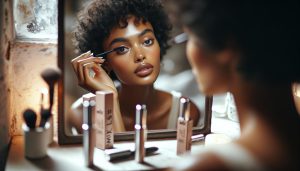
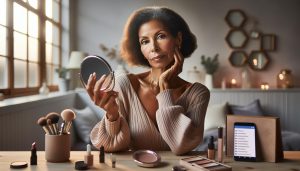
Makeup sponges are essential tools in achieving a seamless, airbrushed finish that enhances your natural beauty. Yet, many makeup enthusiasts often overlook their potential. Whether you’re a novice eager to perfect your foundation application or a seasoned artist aiming for professional results, mastering the use of a makeup sponge can elevate your skills significantly. With the right techniques, these sponges can effortlessly blend products, minimize imperfections, and create that coveted flawless look. This guide will unveil pro tips and techniques to harness the full power of your makeup sponge, ensuring that your application is not only efficient but also stunning. Get ready to transform your makeup routine and achieve a radiant complexion that turns heads!
How a Makeup Sponge Transforms Your Foundation Game
With the right tools, achieving a flawless foundation becomes not just a possibility but a reality. Makeup sponges are essential allies in this journey, providing unmatched versatility and ease of use. These cloud-like applicators help to seamlessly blend products into the skin, resulting in a smooth, natural finish that brushes often struggle to replicate. Whether it’s a sheer tint of moisturizer or a full-coverage foundation, a quality makeup sponge can transform your application technique by ensuring the product adheres evenly to the skin, reducing patchiness and enhancing longevity.
Using a damp makeup sponge offers the added benefit of hydration, preventing your foundation from settling into fine lines or dryness. This technique ensures that any product applied feels lightweight and fresh, while the cool dampness of the sponge can provide a refreshing sensation during application. The unique texture of a sponge allows it to pick up just the right amount of product-a crucial factor in avoiding heavy, cakey looks. As you gently bounce the sponge across your skin, it helps to push the foundation into the pores for a barely-there effect, enhancing your complexion without masking it.
An often-overlooked aspect of using makeup sponges is their ability to cool the skin and blur imperfections. This dual functionality not only uplifts the skin’s appearance but also helps in achieving a more even tone, allowing for a more radiant look. Additionally, the wide array of sponge shapes and sizes caters to various areas of the face, making them incredibly versatile. From smaller sponges ideal for concealing blemishes to larger ones perfect for covering broader areas, the makeup sponge has become a staple that elevates your foundation game like no other tool can.
Choosing the Right Makeup Sponge for Your Skin Type
Choosing the right makeup sponge can significantly elevate your foundation game, and understanding the nuances of your skin type is key to making an informed decision. Not all sponges are created equal; their materials and textures can greatly affect application and finish. For instance, if you have dry skin, opting for a softer, more porous sponge can make all the difference. These types of sponges not only absorb less product, ensuring that your foundation retains its hydration, but they also create a more dewy finish that complements dry skin beautifully.
On the other hand, if you struggle with oily skin or larger pores, a firmer sponge made from a denser material can help control the amount of product used and provide a better matte finish. Firm sponges tend to bounce against the skin with more pressure, which can lead to improved coverage and a smoother, airbrushed look. Additionally, opting for a latex-free sponge is beneficial for those with sensitive skin, as it reduces the likelihood of irritation while still allowing for seamless blending.
It’s also worth considering the shape of the sponge in relation to your facial contours. For instance, a beauty blender with a tapered end is ideal for reaching the inner corners of the eyes or around the nose, while a flat edge can help cover larger areas such as the cheeks or forehead. This versatility means that you can customize your application technique based on not only skin type but also the areas of your face that you want to focus on.
Ultimately, the best approach is to experiment with different sponges to discover which one feels best against your skin and offers the desired finish. Just as each face is unique, so too are the tools we choose to enhance our natural beauty. Investing in a quality sponge tailored to your specific skin type can empower you to achieve a flawless and confidence-boosting makeup look every time.
Essential Prep: How to Clean and Hydrate Your Skin
To achieve a flawless foundation application, preparing your skin with proper cleansing and hydration is paramount. Cleansing not only removes impurities, dirt, and excess oils, but it also sets the stage for your makeup to adhere better and last longer. Start by choosing a cleanser that matches your skin type-gel cleansers work well for oily skin, while cream-based cleansers can nurture dry skin. Gently massage the cleanser into damp skin in circular motions, then rinse thoroughly to reveal a clean canvas.
Once your skin is cleansed, the next crucial step is hydration. A well-hydrated skin surface allows your makeup sponge to glide smoothly, enhancing the natural look of your applied foundation. Select a moisturizer that caters to your skin’s needs. For oily skin, lightweight, oil-free formulas are best, whereas richer creams are suitable for dry or dehydrated skin types. Apply your moisturizer evenly, allowing it to absorb properly. Don’t forget to incorporate a good eye cream for delicate areas, ensuring a complete skincare routine.
For an extra boost of hydration, consider applying a hydrating primer or setting spray after your moisturizer. These products can create a protective barrier while providing additional moisture, helping your foundation maintain its integrity throughout the day. By taking these preparatory steps, you not only improve the appearance of your foundation but also empower your makeup sponge to deliver the most flawless finish. Embracing a routine that prioritizes cleansing and hydration builds a solid foundation for any makeup look you wish to create.
Applying Foundation with a Makeup Sponge: Step-by-Step Guide
To achieve a seamless foundation application, using a makeup sponge can revolutionize the way you apply your base. The right technique ensures that your foundation blends flawlessly into the skin, offering a natural finish without visible lines or patchiness. Here’s a step-by-step guide to master the art of applying foundation with a makeup sponge.
Start by dampening your makeup sponge. The key is to use it when it’s slightly wet, which helps to prevent the sponge from soaking up too much product, ensuring that more foundation stays on your skin for a luminous glow. Squeeze out any excess water so it’s just damp. Next, pour a small amount of your chosen foundation onto the back of your hand or on a makeup palette. A pump or two is often sufficient; remember, you can always build coverage if needed.
Using the rounded end of the sponge, dip it into the foundation and then apply the product to your face in a stippling motion. Begin at the center of your face where coverage may be needed most-like the nose, cheeks, and forehead. Here’s a breakdown of what to do next:
Blending Techniques
- Stippling: Use the rounded side of the sponge to gently bounce it across your skin. This technique will ensure even distribution without removing excess product.
- Press and Roll: For areas requiring extra coverage, press and roll the sponge. This movement not only packs on the foundation but helps to blend it into the skin.
- Flat Edge for Precision: Utilize the flat edge of the sponge for hard-to-reach areas (like around the nose and under the eyes) to ensure every inch is flawlessly covered.
After achieving the desired coverage, assess your face in natural light to check for any uneven spots. If you notice any flaws, simply apply a tiny bit more foundation to those areas and blend again with the sponge. For an extra touch of glow, consider finishing with a setting spray or a hydration mist; this can revive the makeup and enhance the longevity of your look throughout the day.
By following this simple yet effective step-by-step method, your foundation application will not only improve in quality, but you will also gain confidence in using a makeup sponge as your trusted tool for a flawless makeup finish.
Expert Techniques for Blending Other Products Flawlessly
Using a makeup sponge not only elevates your foundation game but also enhances the application of various other products, giving you a seamless and professional finish. Whether you’re blending concealer, cream blush, or highlighter, mastering the art of using a sponge can truly transform your makeup routine.
To start, when blending concealer under the eyes or on blemishes, it’s essential to choose a sponge that’s slightly damp. This technique helps to thin out the product, allowing for a more natural look without caking. Use the pointed end of the sponge to gently tap the concealer, applying it in a triangular shape under the eye. This method not only conceals imperfections but also brightens the entire area, creating an uplifting effect. For extra coverage, use a light pressing motion instead of a swiping one to avoid disturbing the foundation underneath.
When it comes to cream blush or bronzer, the same bouncing motion applies. Apply the cream product directly on the sponge first, then press it onto your cheeks. Start from the apples of your cheeks and blend upwards to the temples, which gives you a more lifted appearance. The sponge disperses the product evenly, avoiding harsh lines that can sometimes occur with brushes. Remember, less is more-build up the product gradually to achieve a glow that looks like your skin, just better.
For highlighters, the technique slightly shifts. Use the sponge to apply a small amount of liquid or cream highlighter onto the high points of the face, like the cheekbones, brow bones, and the bridge of the nose. Instead of pressing too hard, lightly dab to ensure a soft focus glimmer that radiates without being too overpowering. Using the flat edge of the sponge can also help provide precision in these areas, ensuring you hit every desired spot.
Ultimately, the key to flawless blending with a makeup sponge lies in your technique. Embrace the bounce, focus on blending and softening edges, and leverage the unique shapes and sizes of your sponges to optimize your makeup application. This commitment to detail and technique not only leads to stunning results but also helps you develop confidence in your skills, whether you’re a beginner or looking to refine your artistry.
Common Mistakes to Avoid When Using a Makeup Sponge
Using a makeup sponge can elevate your beauty routine, but many enthusiasts make critical mistakes that hinder their results. One of the most common missteps is neglecting to dampen the sponge before use. A dry sponge absorbs more product than necessary, leading to a cakey appearance. Instead, gently dampening your sponge allows it to blend seamlessly, ensuring a radiant finish. This technique also helps to hydrate the skin, giving a more natural glow.
Another frequent error is applying too much product at once. It’s easy to get carried away, but the key to a flawless look is building up coverage gradually. Start with a small amount of foundation or concealer on the sponge, and use a bouncing motion to blend. This method allows you to achieve the desired coverage without overwhelming the skin, preventing that heavy, makeup-laden look. Remember, you can always add more, but it’s much harder to take excess away.
Furthermore, improper cleaning and maintenance of your sponge can lead to breakouts and uneven application. Many users forget to wash their sponges regularly, allowing makeup residue and bacteria to accumulate. Aim to clean your sponge after every use, using a gentle soap or a dedicated sponge cleanser. This routine not only enhances the longevity of your sponge but also ensures that your skin stays healthy and your application remains flawless.
Lastly, failing to switch up sponge shapes or techniques can limit your potential. Different tasks may require different forms-like a wedge for precision areas or a rounded sponge for larger spaces. Experimenting with various sponges and their uses allows for innovative techniques in application, giving you the versatility you need for a complete makeup toolkit. Embracing these nuances will empower you to refine your skills and achieve professional-grade results.
How to Maintain Your Makeup Sponge for Longevity
Proper maintenance of your makeup sponge is crucial for achieving flawless application while extending its lifespan, making it a true investment in your beauty toolkit. A well-cared sponge not only enhances your makeup look but also ensures hygiene, protecting your skin from breakouts caused by bacteria build-up. Here’s how to keep your sponge in prime condition for long-term use.
To begin with, a cleaning routine is essential. Aim to wash your sponge after every use to prevent makeup residue and oil from accumulating. Use a gentle soap or a dedicated sponge cleanser to effectively remove products without damaging the material. All you need to do is soak the sponge in lukewarm water, add a few drops of cleanser, and gently bounce it until the product is fully removed. Rinse thoroughly until the water runs clear, then reshape it and leave it to air dry in a clean space away from direct sunlight. This not only keeps your sponge clean but also prolongs its softness and elasticity.
Next, consider the dry-and-damp cycle; never store your sponge in damp or enclosed spaces, as that fosters mold growth. A breathable bag or a stand designed for sponges can protect your tool while allowing it to dry properly. Additionally, it’s beneficial to replace your sponge every 3-6 months, depending on usage, type of products used, and how well you’ve maintained it. Signs of wear, such as tears or unusual odors, indicate it’s time for a new one.
Lastly, embrace a variety of sponges for different applications. Using the same sponge for foundation, concealer, and cream blush can wear it out faster. By diversifying your tools-perhaps opting for a small, precise sponge for concealing and a larger one for foundation-you not only extend the lifespan of each tool but also elevate your makeup game. Experiment and find what fits best for your unique style, helping you achieve that coveted flawless finish every time.
Exploring Different Makeup Sponge Shapes and Sizes
When it comes to makeup sponges, the shape and size you choose can dramatically influence your application technique and the overall finish of your makeup. Understanding the array of available shapes can empower you to achieve a seamless blend, whether you’re applying foundation, concealer, or even highlighter. By selecting the right sponge shape, you not only enhance your makeup application but also discover new techniques that can elevate your beauty routine to professional levels.
Common Sponge Shapes
Makeup sponges come in various shapes, each designed for specific applications. The classic teardrop shape, with a pointed tip and rounded base, is versatile and can be used for both broad and precise application. The pointed end is excellent for hard-to-reach areas like around the nose and eyes, while the rounded base is perfect for larger areas of the face.
Additionally, flat-edge sponges provide a unique advantage for contouring. The flatter sides can help apply product in sharp lines for contouring while still allowing for blending with the rounded edges. For those who love highlighter, a smaller, mini sponge can provide even more precision, ensuring your glow is both controlled and luminous.
Size Matters
The size of your sponge can also play a crucial role in your makeup application. Larger sponges are ideal for quickly covering larger areas of the face, making them perfect for applying foundation smoothly and efficiently. Conversely, smaller sponges offer precision that’s essential for applying concealer or detailed work on the eyes.
Choosing the right size can also prevent waste; using a smaller sponge for touch-ups means you won’t use more product than necessary, giving you full control over your look. This attention to detail can be particularly beneficial for those with varying skin tones or textures in different areas, allowing for focused application without oversaturating.
The Art of Blending
Ultimately, the shape and size of your makeup sponge should reflect your specific needs and preferences. Embrace experimentation-try different shapes and sizes to find what works best for you. Consider incorporating multiple sponges into your beauty toolkit, allowing you to adapt your approach as your makeup style evolves.
With the right tools at your disposal, blending becomes an art rather than a chore. By mastering the use of various sponge shapes and sizes, you can refine your skills, enhance your technique, and achieve that flawless, airbrushed finish that turns heads and boosts confidence. Whether you’re a makeup novice or a seasoned professional, exploring the endless possibilities with makeup sponges will undoubtedly elevate your beauty regimen to new heights.
Innovative Techniques: Using Sponges Beyond Foundation
Makeup sponges are not just for applying foundation; their versatility allows for innovative techniques that can enhance your entire makeup routine. For instance, these sponges can be transformed into powerful tools for applying color-correcting products, concealers, and even cream blushes or highlighters. Utilizing the sponge’s texture and shape effectively can provide a seamless blend that helps to achieve that coveted natural look.
When working with color correctors, you can use a small, precision makeup sponge to tap the desired product onto specific areas that need correction, such as under-eye circles or redness around the nose. The sponge’s ability to press product into the skin creates a blended, undetectable finish that brushes often struggle to achieve. Similarly, when applying cream blush, the rounded side of the sponge can deliver a soft wash of color that mimics the natural flush, while preventing the product from settling into pores.
Transform Your Highlighter Game
If you’re looking to elevate your highlighter application, a damp sponge can be your best friend. Instead of swiping on cream or liquid highlighters with your fingers, try using a damp sponge to bounce the product onto the high points of your cheeks, brow bones, and the bridge of your nose. This technique not only diffuses the product evenly but also enhances the glow by making it blend seamlessly into the skin for a radiant finish.
For those interested in contouring, consider using a flat-edge sponge. The flat side can create sharp lines while allowing for precise blending at the same time, making it easy to achieve a sculpted look without harsh lines.
Incorporating these innovative techniques can not only save time but also simplify the makeup process. As you adjust your application methods with a makeup sponge, you’ll find that creating a flawless look becomes easier and more enjoyable. Embrace the versatility of your tools and explore new ways to apply products, transforming your beauty routine into a more creative and personal expression.
Pro Tips for Touching Up Throughout the Day
Imagine breezing through your day with your makeup looking as fresh as it did when you first applied it. Touch-ups can make all the difference, especially when you’re out and about, facing everything from midday meetings to late-night outings. Having a makeup sponge on hand is the secret weapon to revive your look quickly and effortlessly. Here are some pro tips to master those touch-ups and maintain a flawless complexion.
Dampen your makeup sponge lightly with water or a setting spray for a refreshed application. This technique not only helps reactivate your foundation but also gives your skin a dewy finish. Start by patting the sponge over areas that tend to get oily or where your makeup may have faded. Avoid rubbing, as this can disturb the makeup underneath. Instead, use gentle bouncing motions to blend and reapply foundation, concealer, or tinted moisturizer for a seamless finish.
To target specific areas, consider using a smaller, precision makeup sponge. This is especially useful for touching up under-eye concealer or spot-treating blemishes. A small sponge allows for precise application, letting you maintain coverage without piling on excessive product. For a quick fix on your blush or highlighter, a quick dab with your sponge can revive the color and give you that fresh, just-applied look.
Lastly, if you encounter a full day with significant wear, don’t hesitate to use a setting spray. After your touch-up, a light mist over your face can lock everything in place, enhancing longevity and giving your makeup that just-applied finish. By mastering these techniques, you can ensure your makeup stays vibrant and fresh, empowering you to face the day with confidence.
Makeup Sponge Versus Brushes: What You Need to Know
Using a makeup sponge as opposed to brushes can significantly change the finish of your foundation application. While brushes can provide a more traditional and polished look, makeup sponges offer a unique blendability that often results in a more natural, dewy finish. One of the most celebrated aspects of a makeup sponge is its ability to seamlessly meld product into the skin, particularly liquids and creams. The sponge’s soft texture allows for gentle stippling and bouncing techniques that can help to diminish the appearance of pores and fine lines, making it a favorite among beauty enthusiasts and professionals alike.
When considering the best tool for your makeup routine, it’s essential to recognize the differences in application techniques. Sponges generally require a damp application for optimal results; this hydration not only helps to distribute product evenly but also hydrating your skin in the process. In contrast, brushes may require a more precise approach with long strokes or circular motions. Additionally, sponges are versatile-ideal for blending foundation, concealer, and even cream blushes. Brush bristles can sometimes leave streaks if not used correctly, whereas sponges encourage a more forgiving, buildable finish.
In terms of personalization, individual skin types and products can also dictate your choice between a sponge and a brush. For those with dry or textured skin, sponges can offer a more forgiving application, adding moisture and preventing a cakey finish. Alternatively, those who prefer a high-coverage application might gravitate towards brushes, which often deliver more concentrated pigmentation.
Ultimately, the choice between a makeup sponge and brushes largely depends on your desired finish and comfort level with each tool. Having both in your beauty arsenal can be advantageous, allowing you to achieve different looks based on the occasion or your mood. Whether opting for the airbrushed quality of a brush or the skin-like effect of a sponge, mastering their unique applications requires practice and experimentation, leading to endless possibilities in your makeup artistry.
Unlocking the Secrets of Color Correcting with a Sponge
To effectively harness the power of color correcting, mastering the application of products with a makeup sponge can make all the difference. Utilizing a sponge allows for a seamless blend that can diffuse the intensity of color correctors, ensuring that your base makeup is flawless and even. Whether you’re working with green to neutralize redness, peach to brighten dark circles, or lavender to counteract sallow tones, the sponge’s unique texture and shape enhance your ability to apply product without disrupting your skin’s natural appearance.
To start, choose a high-quality, damp makeup sponge. The dampness ensures that the product doesn’t cling excessively to the skin, providing a more natural finish. Begin by applying the color corrector directly onto the area you want to address. Using the rounded side of the sponge, gently dab the product into your skin. The stippling motion will allow the corrector to blend seamlessly, helping to minimize any harsh lines and avoiding an overly cakey appearance. This method also maintains hydration, a crucial factor for achieving a natural look, especially on dry or aging skin.
Using a pointed edge of the sponge is great for more precise areas like around the eyes or on blemishes. For example, use the pointed tip to apply a small amount of peach corrector on dark under-eye areas and then blend using a gentle tapping motion until it’s barely visible. Following this, apply your foundation over the top, again using the sponge to blend. The result will be a fresh, radiant look where the correctors enhance, rather than detract from, your overall makeup.
Lastly, it’s essential to set your makeup once you’ve completed the application of color correctors and foundation. A light dusting of translucent setting powder can help ensure longevity while keeping your skin looking soft and not overly matte. Utilizing a makeup sponge not only simplifies the process of color correcting but elevates your overall makeup application, empowering you to achieve the flawless complexion you desire.
Frequently Asked Questions
Q: How do I properly dampen a makeup sponge before use?
A: To properly dampen a makeup sponge, run it under warm water until fully saturated, then squeeze out excess water until it’s just slightly damp. This technique helps the sponge expand and makes blending foundation easier, providing a more airbrushed finish.
Q: What type of foundation works best with a makeup sponge?
A: A makeup sponge works best with liquid and cream foundations. These formulas blend seamlessly into the skin when pounced with a sponge, ensuring an even application and a natural, dewy finish. Check your foundation’s consistency for optimal results.
Q: Can I use a makeup sponge for applying powder products?
A: Yes, you can use a makeup sponge for powder products, particularly for setting powder. For best results, use the dry sponge to press powder onto your skin, ensuring a smooth and matte finish without excess shine. Refer to our section on blending techniques for more tips.
Q: How often should I clean my makeup sponge?
A: You should clean your makeup sponge after every use if possible. Use a gentle soap or sponge cleanser to remove product buildup. Regular cleaning not only maintains hygiene but also ensures better application with fresh products.
Q: What are the advantages of using a makeup sponge over a brush?
A: Makeup sponges provide a more natural, airbrushed finish compared to brushes. They allow for buildable coverage and are excellent for blending, especially around tricky areas like the eyes and nose. Discover more on comparing sponges and brushes in our article.
Q: Why does my makeup sponge absorb too much product?
A: If your makeup sponge is absorbing too much product, it may not be damp enough before application. Ensure it’s adequately moistened to prevent excessive absorption and achieve an even application. For more troubleshooting tips, consult our common mistakes section.
Q: How can I achieve a flawless finish with a makeup sponge?
A: To achieve a flawless finish, use a dabbing motion with your damp makeup sponge. Start applying foundation in the center of the face and blend outward, adding layers as needed for coverage. For expert blending techniques, see our guide on blending products flawlessly.
Q: When should I replace my makeup sponge?
A: Replace your makeup sponge every 3 to 6 months or sooner if you notice discoloration, tears, or a persistent odor. Maintaining a fresh sponge helps avoid skin irritations and ensures optimal makeup application. Consider checking our maintenance section for more details.
Closing Remarks
Now that you have the pro tips for using a makeup sponge, it’s time to put them into practice for a flawless application that elevates your beauty routine. Remember, the right technique combined with quality products can transform your look. Feeling inspired? Explore more beauty techniques, like our guide on choosing the best makeup brushes, or check out our collection of top-rated foundations that pair perfectly with your newfound sponge skills.
Don’t miss out on maximizing your beauty journey-subscribe to our newsletter for exclusive tips and product reviews that keep you in the loop! If you have any questions or want to share your experiences, drop a comment below. Your perfect makeup application is just a sponge away, so dive in and make every look count! Keep exploring and unlocking your beauty potential!