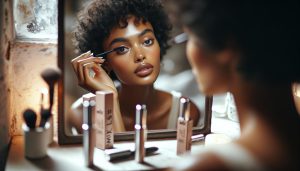
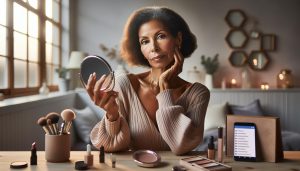
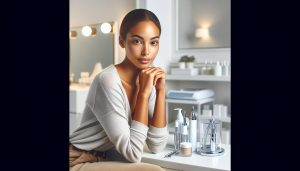
In the world of beauty, the difference between a good makeup look and a breathtaking one often comes down to the application techniques used. “Makeup Artist Reviews: Pro Secrets for Flawless Application” delves into expert insights that elevate your makeup routine, whether you’re a beginner eager to master the essentials or a professional seeking to refine your skills. Many individuals struggle with finding the right products or techniques, leading to frustration and less-than-ideal results. By unraveling the wisdom behind professional makeup artists, you’ll gain access to valuable tips, product recommendations, and step-by-step methods designed to enhance your natural beauty. From understanding which tools to use to achieving that coveted flawless finish, this guide will empower you with the secrets that make professionals shine. So, prepare to elevate your beauty game and discover how the right techniques can transform not just your look, but also your confidence.
Essential Tools Every Makeup Artist Needs
Makeup artistry is a craft that requires not just skill, but also the right tools to achieve breathtaking looks. Building a makeup kit doesn’t have to be overwhelming-having a focused selection of essential tools can significantly elevate your artistry. Whether you’re a seasoned pro or just starting, understanding the must-have items in your kit is key for creating flawless applications that stand out.
To start, every makeup artist should have a versatile set of brushes. Different brushes serve distinct purposes, enhancing precision and finish. A good foundation brush, preferably one that is flat and dense, is ideal for achieving seamless coverage. It’s also beneficial to invest in a blending brush for softening edges, and a small detail brush for precise work around the eyes and brows. Don’t forget a fan brush for applying highlighter-this tool helps to create that coveted, radiant glow.
Another important tool is the beauty sponge, a staple in nearly every makeup artist’s kit. It’s perfect for blending foundation and concealers to a flawless finish. Dampening the sponge prior to application can assist with a natural-looking, dewy finish. Likewise, a reliable set of tweezers is crucial not only for lash application but also for grooming brows.
Finally, having quality palettes, including a neutral eyeshadow palette and a facial palette with various shades for contouring and highlighting, allows for creativity and versatility in looks. The right tools, combined with technique, set the stage for not just a good makeup job but a truly spectacular transformation, ensuring satisfaction for both artist and client. Embracing the artistry of makeup requires the right foundation-one that begins with essential tools.
Mastering the Art of Flawless Foundation Application
The journey to achieving a flawless foundation starts with understanding the canvas you are working with-your skin. Before even picking up a brush, it’s essential to recognize the importance of skin type, undertones, and specific needs. A makeup artist’s palette is as diverse as the clientele they serve, and mastering foundation application requires more than just technique; it involves an intimate knowledge of the products and how they interact with different skin types.
Preparation is key. Begin with a thorough skin prep routine that suits the client’s skin type-moisturizing for dry skin, mattifying for oily, and perhaps a hydrating primer for combination skin. Each step in this process is crucial for creating a smooth, even base. For instance, applying a lightweight serum can prime the skin and allow the foundation to glide on effortlessly. When it comes to foundation selection, consider the client’s undertone-whether warm, cool, or neutral-as this will play a significant role in the overall look. A well-blended foundation should work harmoniously with the skin, enhancing its natural beauty rather than masking it.
When it’s time to apply, opting for the right tool can make all the difference. A flat foundation brush is perfect for applying liquid foundations over larger areas, while a beauty sponge, dampened slightly, excels at blending and is a go-to for achieving that airbrushed finish in hard-to-reach areas like around the nose and eyes. The technique is just as important-start from the center of the face and blend outward to avoid harsh lines, ensuring a seamless transition at the jawline. For full coverage, stipple the product gently with a sponge; this not only builds coverage but also enhances the foundation’s staying power.
To tackle common foundation problems, such as cakiness or uneven application, it’s vital to remember that less is often more. Build coverage gradually, allowing the skin to breathe and the product to meld for a natural finish. Set the foundation with a light dusting of translucent powder in areas prone to oiliness or where you want to reduce shine. This technique not only locks the foundation in place but also adds longevity to the look. Ultimately, mastering flawless foundation application lies in practice, product knowledge, and the ability to adapt techniques to different skin types and personal preferences. With these secrets, enhance your artistry and empower your clients to feel their best every day.
Secrets to Perfectly Blended Eyeshadow
Achieving flawlessly blended eyeshadow is an art form that can elevate any makeup look, transforming a simple application into something truly professional. The secret lies not just in the products used but in the techniques that bring these colors to life on the eyelids. Selecting the right tools is imperative; a variety of brushes can significantly enhance your blending technique. For optimal results, always have a few key brushes on hand: a fluffy blending brush for seamless transitions, a flat brush for packing on color, and a pencil brush for defining the crease and corners.
To begin, start with a well-prepped eyelid. This includes using a good eye primer, which serves as a base to hold the eyeshadow in place and intensifies its color. Apply the primer evenly, covering the entire lid and allowing it to set for a few moments before diving into color application. This crucial step not only prolongs wear but also prevents creasing, setting the stage for a polished look.
When applying eyeshadow, remember that less is more. Start with a light wash of color using your fluffy blending brush. This allows for a soft diffused effect as you gradually build intensity. Apply your first shade using a gentle sweeping motion into the crease, blending outward and upward to soften harsh lines. Always use small circular motions to help diffuse the shadows evenly and create depth without overwhelming the eye. When transitioning between colors, overlap slightly to ensure a seamless blend.
For those bold moments, such as adding a pop of glitter or a vibrant hue, pack the color onto the lid using a flat brush. This technique provides a more concentrated payoff. Follow up with the fluffy brush to softly blend the edges for a smooth transition, avoiding any stark lines that can detract from the overall look. Don’t forget to incorporate a highlight shade on the brow bone and inner corners of the eyes; this accent adds brightness and dimension, making the eyes appear larger and more awake.
Quick Tips for Perfectly Blended Eyeshadow
- Choose the Right Brushes: A good quality blending brush is essential for soft transitions. Consider investing in a few from brands like Seint or Thrive.
- Layer Wisely: Build color gradually-start with neutrals and deepen as needed. Avoid applying too much product at once to prevent a muddy look.
- Don’t Skip the Primer: Always use an eye primer to enhance color vibrancy and longevity.
- Practice Blending Techniques: Experiment with different motions, like windshield wiper and circular movements, to see what works best for you.
- Take Your Time: Great artistry requires patience; blend until your colors look cohesive and seamless.
With practice, mastering eyeshadow blending will not only enhance your skills as a makeup artist but will also empower your clients to express their individual styles boldly and beautifully.
Luscious Lips: Techniques for Bold Color
Bold, luscious lips can completely transform a makeup look, becoming the striking focal point that captures attention and compliments any style. To achieve that perfect pucker, understanding the techniques behind applying bold color is essential. A well-defined, vibrant lip can enhance facial features and bring a whole look together, whether for a glamorous night out or a fresh daytime appearance.
Starting with lip prep is key. Exfoliate the lips gently using a lip scrub or a soft toothbrush to remove any dry, flaky skin. This step ensures a smooth canvas for application. Follow up with a good lip balm or primer to hydrate and protect the lips. Allow the product to sink in for a couple of minutes before proceeding to color application.
Next, choose your desired lip color – bold reds, deep plums, or striking fuchsias can make a statement. For an impeccable finish, utilize a lip liner. This crucial step not only defines the shape of the lips but also acts as a barrier to prevent feathering, which is especially important with brighter shades. Opt for a liner that closely matches the lipstick to maintain a cohesive look. Start by outlining the lips, and then fill in the entire surface for added longevity and color depth.
When it comes to applying the lipstick, a lip brush is your best ally for precision. Dip the brush into the lipstick and apply it starting from the center of the lips and blending outward. This technique allows for more control over the placement and helps achieve that perfect shape. For a longer-lasting effect, consider using a lip stain or matte lipstick, as these formulas generally maintain their vibrancy without the need for constant touch-ups throughout the day.
Quick Tips for Luscious Lips
- Hydrate: Always prep your lips with a nourishing balm to ensure a smooth application.
- Define: Use a lip liner to enhance shape and prevent bleeding.
- Layer: Apply lipstick in thin layers for better control and a more natural finish.
- Finish Strong: Top with a clear gloss or a matching lip oil for added shine.
With these techniques, crafting bold lips becomes an empowering part of your makeup routine, inviting creativity and individuality. Whether you’re a makeup novice or an experienced artist, perfecting the art of luscious lips is within your reach, enhancing your artistry and allowing your clients to showcase their beauty with confidence.
Creating Stunning Brow Shapes and Arches
The perfect eyebrow can elevate a makeup look from ordinary to stunning, framing the face and adding expression without saying a word. Crafting gorgeous brow shapes requires more than just filling in gaps; it’s about understanding the natural architecture of the face and enhancing it through strategic shaping and product selection. Whether your client prefers a bold brow or a more subtle enhancement, the right techniques and tools can help achieve that ideal look.
Start by determining the natural shape of the brows. There are a few basic styles – arched, straight, thick, or thin – and understanding what complements the client’s face shape is key. For a more defined shape, a quality brow pencil or pomade can help create the ideal arches and fill sparse areas. Use a pencil that’s one shade lighter than the brow color for a natural appearance; this will ensure the brow looks fuller without appearing harsh. When applying, start at the base of the brow and work your way up to the arch, following the natural growth pattern of the hair.
Techniques for Shaping Brows
- Mapping the Brows: Use a pencil to find the beginning, arch, and end points of the brows. Typically, the inner corner should align with the nose, the arch should peak above the outer edge of the iris, and the outer tail should extend slightly past the end of the eye.
- Trimming: For a polished look, trim any long brow hairs. Brush the hairs upward with a spoolie brush, and carefully trim any hairs that extend past the desired shape.
- Filling: Use the brow pencil or pomade to fill in sparse areas and define the shape. Follow up with a brow gel or wax to set the hairs in place and add a bit of shine.
Finally, a precise highlighter along the brow bone can lift the brows visually, enhancing their shape even further. Choose a creamy or powder highlighter that matches the client’s complexion, and apply it gently under the arch of the brow for subtle illumination. This not only defines the brow shape but also draws attention to the eyes, creating a balanced and polished finish.
By mastering these techniques, both budding makeup artists and seasoned professionals can create brows that not only enhance their client’s features but also express their unique style. With the right approach, you can help your clients achieve stunning brows that serve as the ultimate frame for their beautiful eyes.
Skin Prep: The Foundation of Flawless Makeup
To achieve a flawless makeup look, the foundation truly starts with skin prep. A well-prepped canvas not only enhances the effectiveness of makeup products but also helps to ensure longevity and vibrancy throughout the day. Skincare should never be an afterthought for makeup artists or enthusiasts; rather, it is an essential step that can transform the way makeup applies and wears. Understanding the unique needs of different skin types is key to tailoring the prepping process effectively.
Begin with a thorough cleansing routine suitable for the client’s skin type. Use a gentle cleanser that doesn’t strip the skin of its natural oils or disrupt its barrier. This is especially important for clients with sensitive or dry skin. Follow up with a damp microfiber cloth for an ultra-clean feel. Once the skin is free of impurities, toning the skin can help restore pH balance, refine pores, and set the stage for better hydration.
Moisturizing for Hydration
A moisturizer appropriate for the client’s skin type plays a pivotal role. For oily skin, a lightweight gel formula can provide hydration without clogging pores, while richer creams are ideal for those with dry or mature skin. Always allow the moisturizer to absorb fully before moving onto primer, as this can prevent makeup from slipping. For additional hydration, consider using a hydrating serum infused with hyaluronic acid, which can hold moisture in the skin and plump it for a dewy finish.
Primer: The Makeup’s Best Friend
Selecting the right primer is crucial for smoothing the surface of the skin and enhancing makeup adherence. Choose a mattifying primer for oily skin and illuminating or hydrating primers for dry or normal skin types. A silicone-based primer can fill in fine lines and pores, providing a more even base for foundation application. When applying primer, use fingertips to press it into the skin rather than swiping, which can disrupt the hydration layer beneath.
Ultimately, undemanding maintenance of skin before makeup application nourishes the skin and enhances the canvas for makeup. This meticulous approach empowers makeup artists and enthusiasts to create looks that are not only visually striking but also comfortable and long-lasting. By emphasizing skin prep, you set the tone for the overall makeup success, ensuring that the final look showcases the beauty of the skin beneath.
Understanding Color Theory for Makeup Artists
Color theory is not just for artists on canvas; it plays a critical role in makeup artistry, allowing makeup artists to create stunning and harmonious looks that enhance clients’ natural beauty. Understanding how colors interact, blend, and contrast can help you choose the right shades for every occasion, ensuring that makeup not only complements but also elevates the overall aesthetic. By incorporating the principles of color theory, you can transform basic application techniques into artistry that stands out.
At the heart of color theory are the color wheel and its components: primary, secondary, and tertiary colors. Primary colors (red, blue, yellow) combine to create secondary colors (green, orange, purple), while tertiary colors are made by mixing primary and secondary. For makeup artists, knowing these relationships can guide you in choosing blush, eyeshadow, and lipstick shades that not only work well together but also with the client’s skin tone. For example, warm undertones typically pair beautifully with peachy, warm colors, while cool undertones shine with berry and jewel tones.
Using Complementary Colors
One of the most effective techniques in makeup application is the use of complementary colors, which are found directly opposite each other on the color wheel. When applied, these shades can neutralize one another, making them particularly useful for correcting unwanted tones. For instance, if a client has redness in their skin, a green color corrector can offset the red, creating a balanced complexion. Similarly, the right eyeshadow can make the eye color pop; orange hues may enhance blue eyes, while purples can intensify the warmth in brown eyes.
Shades and Tones
Another essential aspect of color theory is the understanding of shades and tones. Shades are created by adding black to a color, resulting in deeper, richer hues, while tones come from adding gray, resulting in softer variations. Both play a significant role in contouring and highlighting. For example, using darker shades for contouring can create depth and dimension on the face, while lighter tones can bring certain features, like cheekbones or the bridge of the nose, into greater visual prominence.
To master color theory as a makeup artist, practice is key. Challenge yourself to mix different colors to see how they interact and blend. Consider creating a swatch book with various combinations to use as a reference for future clients. This knowledge not only enhances your skills but also builds confidence in your ability to create looks that are visually stunning and uniquely tailored to each individual. Embrace the artistry of color and watch your makeup application transform from basic to extraordinary.
Recommendations for Top-Rated Makeup Products
The right makeup products can elevate your artistry and help achieve that flawless finish every makeup artist desires. As you navigate through the vast array of products available, knowing which to choose can make all the difference. Here are some top-rated makeup brands and products that are highly recommended by professionals for their performance, quality, and versatility.
Begin with a solid foundation. Seint II Cream Foundation is a favorite among artists for its natural finish and blendability. It offers customizable coverage and a range of shades that cater to diverse skin tones. Pair it with Thrive Causemetics’ Liquid Lash Extensions Mascara, which not only lengthens but also thickens lashes without clumping. This product is often praised for its long-wearing formula and ease of removal.
When it comes to lips, Ilia Beauty’s Balm Lipstick provides a hydrating formula that feels comfortable all day while delivering vibrant color. The shades range from understated nudes to bold berries, making it a must-have in any kit. For those on a budget, e.l.f. Cosmetics offers a variety of lip products, including their Lip Exfoliator and Liquid Matte Lipstick, both of which deliver impressive performance at an affordable price.
For eyeshadow, look towards the Naked Heat Palette by Urban Decay. This palette is loved for its pigmented warm-toned shadows that blend effortlessly, perfect for creating a sultry eye look. Don’t forget about Makeup Revolution’s Conceal & Define Concealer; it’s an excellent choice for highlighting and covering imperfections without feeling heavy on the skin.
Finally, setting sprays play a crucial role in makeup longevity. Urban Decay All Nighter Setting Spray is a cult-favorite that locks in makeup for up to 16 hours, making it ideal for events where long-lasting wear is essential. For a dewy finish, try e.l.f. Cosmetics’ Dewy Setting Mist, which refreshes and adds a healthy glow to the skin throughout the day.
Investing in these top-rated products not only enhances your kit but also boosts your confidence as a makeup artist, allowing you to create stunning looks for any client while adapting to their unique needs.
Advanced Techniques for Long-Lasting Makeup
Achieving long-lasting makeup is an art that combines the right techniques with optimal product choices. The key to a flawless look that stands the test of time starts with meticulous skin preparation. Begin with a thorough cleansing routine to remove any dirt or oils that could interfere with makeup adherence. Follow with a hydrating moisturizer tailored to your skin type, as hydrated skin allows for smoother application and reduces the chances of makeup settling into fine lines.
Once your skin is prepped, prime effectively. Use a high-quality primer to create a barrier between your skin and the makeup. For oily skin, opt for mattifying primers that control shine, while dry skin types may benefit from hydrating formulas. Consider using a setting spray both before and after makeup application; this dual-use strategy can significantly enhance wear time. Products like the Urban Decay All Nighter Setting Spray can lock in your look for hours, providing confidence that your artistry will maintain integrity throughout the day or night.
When applying foundation, choose products known for longevity, such as the Seint II Cream Foundation. Apply using a damp makeup sponge for a flawless finish, and don’t forget to build coverage gradually; this prevents cakeiness and allows for a more natural look. After foundation, set with a translucent powder to absorb excess oil and create a velvety surface. Focus particularly on areas prone to shine, such as the T-zone.
To keep your eye makeup in place, use a quality eyeshadow primer before applying color to prevent creasing. Look to palettes like the Naked Heat Palette by Urban Decay for richly pigmented colors that blend seamlessly. For eyeliner, waterproof formulas are essential to avoid smudging, and a setting spray can also be used to lock your look in place.
A strategic finishing touch involves both final setting techniques and touch-ups. Carry a compact with your foundation for quick touch-ups, and keep a small powder brush to control shine as the day progresses. These small adjustments can make a massive difference in keeping your makeup looking fresh. By utilizing these advanced techniques, you empower not just the longevity of your makeup but also your artistry as you adapt to various clients and occasions.
Mistakes to Avoid for a Perfect Makeup Look
Applying makeup can be a transformative experience, but even the most skilled artists can stumble into common pitfalls that compromise their work. One significant error is skipping the essential step of skin prep. Failing to adequately cleanse, moisturize, and prime the skin can lead to uneven application and patchy coverage, ultimately undermining the entire look. Always remember: clean, hydrated skin lays the foundation for makeup that looks and feels flawless.
Another frequent misstep is choosing the wrong foundation shade. It’s crucial to test foundation in natural light to ensure it blends seamlessly with your skin tone. A mismatched shade can result in a stark contrast that draws attention away from your features rather than enhancing them. Layering foundation excessively can lead to a cake-like appearance; the goal is to build coverage gradually, allowing for a more natural finish.
When it comes to eyeshadow, neglecting a proper base can lead to disappointment. An eyeshadow primer is essential for preventing creasing and maximizing color payoff. If you find yourself making color application mistakes, remember the importance of blending. Harsh lines can diminish the polished effect of your artistry, so take your time and use clean brushes for a seamless blend.
Lastly, while bold lip colors can make a statement, not prepping your lips properly can lead to a look that feels uncomfortable and appears uneven. Ensure lips are exfoliated and moisturized before application, and consider using a lip liner to define your shape, preventing color from feathering. Keeping these common errors in check will empower you to achieve a perfect makeup look every time.
How to Create Custom Makeup Looks for Clients
Creating unique and personalized makeup looks for clients can be one of the most rewarding aspects of a makeup artist’s job. Understanding a client’s individual features, preferences, and the occasion can help tailor a flawless application that enhances their natural beauty. Begin by engaging with the client-ask questions about their preferred styles, colors, and any skin concerns they may have. This dialogue not only builds rapport but also ensures you have a clear vision for the desired outcome.
To craft a custom look, analyze the client’s skin tone and type, which is critical in choosing the right products. For example, if working with a client who has a warm skin tone, you can incorporate earthier shades such as peach or warm browns in the eyeshadow palette. Conversely, cooler tones can benefit from jewel-toned shadows like blues and purples. When it comes to foundation, blending a dual shade that best matches the face and neck can prevent a harsh demarcation line, ensuring a more natural finish.
Moreover, consider the event for which they are getting ready. A bridal look may call for soft, romantic hues that withstand the test of time, while a night out can embrace bolder, more dramatic elements. Providing options is key-offering a choice between matte and shimmery finishes, for example, can engage the client further. Don’t forget to use essential tools like a high-quality setting spray or powder to ensure longevity, especially for high-energy events.
Finally, document the process. Taking before-and-after photos not only showcases your work but allows you to reflect on techniques that were successful or need improvement for future applications. Every client interaction presents a learning opportunity to refine your skills and artistry, making each custom look a testament to your growing expertise in the craft.
Building Your Makeup Kit on a Budget
Building an impressive makeup kit doesn’t have to drain your wallet. With a strategic approach, even the most budget-conscious beauty enthusiasts can assemble a professional-quality collection of products that perform beautifully. Prioritizing high-impact essentials over trend-specific items allows professionals and novices alike to create stunning looks without overspending.
Start by identifying the core items each makeup artist needs for a versatile kit. Focus on multipurpose products that maximize value. For instance, choosing a dual-purpose cream that serves as both a blush and a lip tint not only saves money but also streamlines the application process. Opt for brands with solid reputations for quality on a budget, like ELF and Thrive, which provide excellent pigmentation and wearability at affordable prices.
When sourcing tools, consider investing in a few high-quality brushes instead of buying a large set. A foundation brush, blending sponge, and versatile eyeshadow brush can cover most application needs effectively. Look for synthetic brushes, as they often provide great results without a hefty price tag. Remember, maintaining your tools through regular cleaning and proper storage will extend their lifespan, offering ongoing value over time.
Keep an eye out for sales, coupon codes, and beauty subscription boxes that can provide access to luxury brands like Seint and Ilia at a reduced rate. Joining beauty communities online can also reveal valuable tips on where to find discounted products and effective dupes for high-end items. By being resourceful and strategic, you can build a makeup kit that not only meets your artistic needs but also empowers you to create beautiful looks without breaking the bank.
Faq
Q: What are the common mistakes to avoid during makeup application?
A: Common mistakes include applying too much product, neglecting skin prep, and using the wrong shades. Always blend thoroughly, enhance your features rather than mask them, and pick colors that suit your skin tone. For more on avoiding mistakes, check out our section on “Mistakes to Avoid for a Perfect Makeup Look.”
Q: How can I make my makeup last longer throughout the day?
A: To ensure long-lasting makeup, use a good primer, set your makeup with a setting spray or powder, and choose long-wear products. Regular touch-ups can help maintain vibrancy. Refer to the “Advanced Techniques for Long-Lasting Makeup” section for detailed tips.
Q: What is the best way to choose the right foundation shade?
A: To find your perfect foundation shade, test it on your jawline in natural light. The right color should blend seamlessly with your skin. Consider undertones (cool, warm, neutral). Dive deeper into foundation application in the “Mastering the Art of Flawless Foundation Application” section.
Q: How do professional makeup artists prep skin before application?
A: Professional makeup artists prep skin by cleansing, exfoliating, and moisturizing to create a smooth canvas. They often use a primer tailored to the skin type for enhanced longevity. Explore this process in the “Skin Prep: The Foundation of Flawless Makeup” section.
Q: What techniques do makeup artists use for eye makeup?
A: Makeup artists often use layering techniques, blend different textures, and apply eyeshadow with various brush sizes for dimension. In our “Secrets to Perfectly Blended Eyeshadow” section, we provide in-depth techniques for stunning looks.
Q: What tools are essential for achieving flawless makeup application?
A: Essential tools include quality brushes, sponges, and makeup palettes. Each tool has specific uses, from blending to precise application. Check out “Essential Tools Every Makeup Artist Needs” for a complete guide on must-have tools.
Q: How do I create a custom makeup look for my clients?
A: To create a custom makeup look, assess the client’s preferences and facial features. Use color theory to enhance their natural beauty and incorporate trending styles. For inspiration, see our “How to Create Custom Makeup Looks for Clients” section.
Q: What steps should I follow to effectively clean my makeup brushes?
A: Clean your brushes regularly with a gentle soap or brush cleanser. Rinse thoroughly, reshape bristles, and let them dry flat to prevent damage. Detailed cleaning routines can be found under “Recommendations for Top-Rated Makeup Products.”
In Retrospect
Now that you’ve unlocked the pro secrets to flawless makeup application, it’s time to put these techniques into practice! Remember, mastering your makeup starts with understanding your products-explore our detailed reviews of top brands like Seint, Thrive, and Ilia to find what best suits your style. Whether you’re enhancing your daily routine or preparing for a special occasion, the right tools are paramount. Don’t forget to check out our step-by-step tutorials for practical application techniques that will take your skills to the next level.
Feeling inspired? Subscribe to our newsletter for exclusive tips, insights, and updates on the latest beauty trends! If you have questions or want to share your experiences, drop a comment below-we’d love to hear from you. Keep exploring and refining your beauty journey with our resources on professional barbering skills and grooming excellence. Your path to becoming a makeup master starts now, so dive into our related content and elevate your artistry!