Imagine stepping out with a flawless complexion that lasts all day, no matter the occasion. This is the magic of baking your makeup-a transformative technique that ensures a budge-proof finish. Baking involves applying a thick layer of setting powder over your foundation and concealer, which sets these products for a long-lasting, matte look. As makeup enthusiasts know, achieving a poreless, crease-free finish is often the goal, and this technique delivers just that. If you’re tired of makeup fading or creasing after just a few hours, it’s time to explore the art of baking. Keep reading to uncover the steps and tips that will elevate your makeup game and help you master this essential beauty technique.
Understanding the Basics of Baking Makeup
Baking makeup is a transformative technique that can elevate your beauty routine by providing a flawless, long-lasting finish. At its core, baking involves applying a generous amount of translucent or light-colored setting powder to areas of the face where concealer has been applied. This method not only sets the makeup but also helps to absorb excess oils, delivering a matte effect that lasts for hours, making it a favorite for makeup enthusiasts and professionals alike.
While this technique may seem daunting at first, understanding its basics can empower anyone to incorporate it into their makeup routine with confidence. Baking typically requires a few essential steps: after applying a foundation and concealer, the key areas-under the eyes, forehead, and chin-are coated with a thick layer of powder. The magic happens when this layer is left to sit for several minutes, allowing it to “bake.” During this time, the heat from your skin interacts with the powder, helping it to meld with the makeup underneath, creating a crease-free finish.
One of the most appealing aspects of baking is its versatility. It caters to various skin types and tones, allowing everyone from makeup novices to professionals to achieve an airbrushed look. A properly baked face can enhance the natural contours, highlight features, and conceal imperfections, providing a canvas that’s ready for any look. Embracing this technique opens up a world of creativity and self-expression in makeup application, ultimately enhancing your overall beauty experience.
The Science Behind the Baking Technique
The baking technique stands out in the world of makeup artistry as a science-backed method that harnesses both natural body heat and the unique chemical properties of cosmetics to produce remarkable results. When you apply a generous layer of setting powder over concealer, the heat emitted from your skin activates the ingredients in the powder, allowing it to adhere more effectively to the foundation beneath. This interaction not only sets the makeup but also absorbs excess oils while providing a flawless, airbrushed finish that lasts throughout the day.
One could liken the baking process to cooking-a little patience goes a long way. As the powder “bakes” on your skin for several minutes, it becomes a protective layer, which allows the makeup underneath to meld seamlessly. This results in minimized creasing and a beautifully smooth appearance. The magic is in the fine balance between allowing the powder to sit long enough for the science to take effect without overdoing it, which could lead to a dull or overly matte finish.
Understanding the composition of your setting powder is crucial. High-quality powders typically contain silica or talc, which are effective at absorbing oil while still allowing your skin to breathe. When selecting a product, look for a translucent powder that matches your skin tone; this ensures that it enhances your look without altering the color of the foundation already applied.
Additionally, baking isn’t just for the under-eye area or the T-zone; the technique can also be creatively applied on other areas that require definition or brightness, such as the cheekbones and jawline. By breaking down the science of baking, makeup enthusiasts can adopt this approach with confidence, transforming not just their appearance but also their overall enjoyment of makeup artistry.
Step-by-Step Guide to Baking Makeup
Achieving a flawless face with the baking technique elevates your makeup game, providing a polished, long-lasting finish. The steps to effectively bake your makeup are both straightforward and empowering, allowing you to master a technique that has been embraced by beauty aficionados and professionals alike.
Start with a clean and moisturized face. A well-prepped canvas is essential for effective baking. Begin by applying your usual foundation and concealer. For optimal results, choose a creamy concealer that matches your skin tone, as it will create a uniform base for baking.
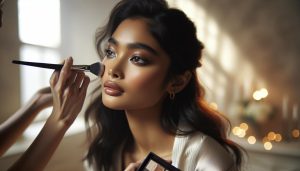
Next, it’s time to apply your setting powder. Using a damp makeup sponge, pick up a generous amount of loose setting powder and press it onto the areas where you’ve applied concealer. Aim for the under-eye region, T-zone, and any other areas where you want to highlight or set makeup. The goal is to create a thick, visible layer of powder. Allow it to sit for about 5 to 10 minutes. This resting period lets your body heat activate the ingredients, helping the powder to meld with the concealer and foundation.
After the designated time, gently dust away the excess powder with a fluffy brush. This movement should be light to preserve the smoothness of your makeup. If more coverage is needed, you can apply a light touch of powder to the skin. Remember, less is often more when it comes to baking-it’s about achieving a luminous, airbrushed look without making your skin appear overly matte or dull.
Incorporate these techniques into your routine, and you’ll find baking not only enhances your makeup longevity but also adds sophistication to your beauty application process. Don’t hesitate to experiment with different products and tools to find what works best for your unique skin type and personal style!
Essential Tools for Perfect Baking
Achieving that flawless finish often lies in the tools you choose for your baking technique. The right tools not only make the process easier but also enhance the final look, allowing you to master this art with confidence. Here’s what you need to ensure a successful baking session that elevates your makeup game.
Makeup Sponges
A high-quality damp makeup sponge is essential for applying setting powder. The sponge should be soft and pliable to help press the powder into the skin effectively. Look for options like the Beauty Blender or the Real Techniques Miracle Complexion Sponge, known for their durability and ability to create a seamless finish.
Fine Loose Setting Powder
Choosing the right setting powder is crucial for baking. Opt for a finely milled, translucent powder that won’t leave a white cast but will provide a beautiful, airbrushed effect. Brands such as Laura Mercier, RCMA, and Makeup Forever offer excellent options praised by both beginners and professionals. These powders work well to set makeup while allowing your skin to breathe.
Fluffy Brushes
After the baking period, you’ll need a fluffy brush to dust away the excess powder gently. A brush with soft bristles helps to maintain the smoothness of your complexion without disturbing the base makeup underneath. Consider brushes from brands like Sigma Beauty or Morphe for a reliable, soft touch.
Foundation Brush or Flat Paddle Brush
While not directly in the baking step, using a quality foundation brush or flat paddle brush will ensure an even application of your foundation and concealer beforehand. Choose a brush that delivers a seamless finish, allowing the baking process to yield the best results.
In addition to these primary tools, keep a mist or setting spray on hand to help lock in your look. A few spritzes can bring back hydration and create a dewy finish after the baking process. Remember that preparation is key-investing in the right tools will not only streamline your routine but also help you achieve a professionally polished result. Experimenting with different tools can lead to discovering your personal favorites, enhancing your confidence and mastery in the world of makeup.
Choosing the Right Products for Baking
makeup can significantly impact the final outcome of your look. The baking technique, which involves applying a generous amount of setting powder over fondation and concealer, hinges on the quality and compatibility of the products you use. Selecting a properly formulated setting powder is crucial; it should be finely milled and translucent to avoid a cakey finish. Products like Laura Mercier Translucent Loose Setting Powder are often favored for their light texture and ability to create that sought-after airbrushed effect without leaving a stark white cast.
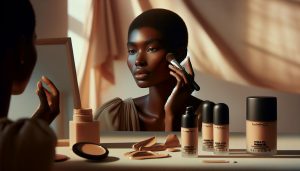
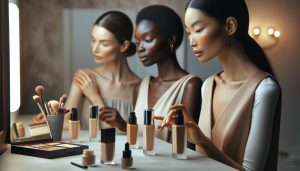
When it comes to foundation and concealer, opting for a high-coverage yet blendable formula is essential. Creamy, hydrating formulations allow for smooth application and seamless layering during the baking process. Brands like Thrive Causemetics and Seint offer products that not only provide excellent coverage but also come in a variety of shades to complement different skin tones. For those new to the baking technique, starting with a concealer slightly lighter than your foundation can brighten the under-eye area, enhancing the overall lift of your makeup.
Don’t overlook the role of setting sprays in your baking routine. A quality setting spray, such as those from ELF or Urban Decay, can be the finishing touch needed to meld all layers together, providing a natural look and longevity. Applying a light mist before and after your baking routine keeps your makeup looking fresh and vibrant, combating any potential powderiness.
Lastly, always consider your skin type when selecting products. For oily skin, a mattifying setting powder will help control shine throughout the day, whereas dry skin may benefit from a hydrating powder that offers a bit of a glow. Products with added skincare benefits, such as those containing hyaluronic acid or antioxidants, can also improve the health of your skin while you wear makeup. By paying attention to these product choices, you set a strong foundation for mastering the art of baking makeup.
Common Mistakes to Avoid While Baking
Achieving a flawless baked makeup look can be transformative, but common missteps during the process can thwart your efforts. One prevalent mistake is applying too much setting powder. While the baking technique involves using a generous amount, overloading the area can result in an unnatural, overly matte finish that emphasizes texture rather than smoothness. A thick layer might look promising at first, but under natural light or during wear, it may become apparent and lead to a washed-out appearance. Instead, aim for a visible yet controlled application that adheres to the creased and highlighted areas without overwhelming them.
Another mistake lies in the timing of the baking process. Leaving the setting powder on for too long may seem like a way to enhance the effect, but it can backfire, causing the skin to absorb more powder than desired. This not only increases the risk of a cakey finish but can also lead to a look that feels heavy and mask-like. The ideal time to leave the powder in place is between five to ten minutes. Set a timer to ensure you achieve a perfect balance between setting your makeup and maintaining a natural look.
Using the wrong tools can also sabotage your baking efforts. It’s essential to use a damp sponge or puff specifically designed for applying powder, as these tools can help blend the layers more seamlessly. A dry brush or a rough application method can lead to patchiness and an uneven finish, detracting from the polished look that baking can provide. Invest in quality application tools to elevate your makeup routine and attain the desired effect.
Finally, neglecting to consider your skin type could lead to a baking disaster. Oily skin types may require a matte powder to control shine, while dry skin types should opt for hydrating formulations to avoid exacerbating dryness. Recognizing your skin’s unique needs will guide you in selecting the right products and techniques for an impeccable bake. By avoiding these common pitfalls and honing your technique, you can elevate your makeup game, resulting in a stunning, long-lasting finish.
Baking vs. Other Makeup Techniques: What’s the Difference?
Baking makeup is a unique technique that sets itself apart from traditional methods, providing a long-lasting and flawless finish that can withstand the test of time. While methods like standard setting with powder aim to control shine and set makeup lightly, baking involves applying a heavier layer of translucent powder to specific areas of the face to create a highly defined, smooth appearance. This technique not only helps in setting foundation and concealer but also enhances brightness, ensuring that the highlighted areas pop beautifully.
One of the primary differences between baking and other makeup techniques lies in the application duration. Traditional makeup setting usually requires a quick dusting of powder to lock in hydration or foundation. In contrast, baking requires leaving the powder on the skin for several minutes, typically between five to ten, allowing the body heat to interact with the powder and make it meld with your skin. This process helps to absorb excess oils while providing a flawless finish, drastically minimizing creasing in high-movement areas like under the eyes or around the nose.
Additionally, while many makeup techniques focus on blending, baking emphasizes layering and pressing. With a makeup sponge or puff, you press the translucent powder into the foundation and concealer rather than simply brushing it on. This method enhances the makeup’s adherence and prolongs wear, which can be particularly beneficial for those with oily or combination skin types.
Ultimately, while traditional setting techniques can work wonders for a casual day out or a quick touch-up, baking is ideal for special occasions, photo shoots, or any time you want your makeup to last from morning till midnight. By understanding the nuances of baking compared to conventional techniques, you can enhance your makeup routine, creating a polished and professional look worthy of any setting.
Tips for Setting Different Skin Types
Mastering the art of baking makeup is not a one-size-fits-all approach; different skin types require tailored techniques for optimal results. Whether you have oily, dry, or combination skin, understanding how to adapt the baking process can elevate your makeup game and ensure a flawless finish that lasts all day.
For oily skin types, the best strategy is to start with a mattifying primer to control excess oil. After applying foundation and concealer, be generous with your translucent powder, allowing it to sit on the skin for the full five to ten minutes. This will not only set your makeup but will also absorb any oil that may emerge throughout the day. When it’s time to dust off the excess powder, use a fluffy brush to ensure that you’re not disturbing the layers underneath.
In contrast, if you have dry skin, hydration is your best friend. Begin with a moisturizing primer and a dewy foundation to create a base that won’t emphasize dryness or texture. When you bake, consider applying a lighter layer of powder and reducing the time it stays on your skin to just a few minutes-this prevents the powder from clinging to dry patches. After dusting off the powder, spritz your face with a hydrating setting spray to bring back a luminous finish.
For those with combination skin, a hybrid approach works well. Use a mattifying primer in oilier areas of your face, like the T-zone, and a hydrating one on the dryer areas. Layer your baking powder strategically; apply it more heavily on oily areas and lightly elsewhere. Be mindful of the baking duration-try starting with a shorter time and adjust according to how your skin feels.
In all cases, remember that practice is key. The more you experiment with different products and methods tailored to your skin type, the better your baking technique will become. Embrace the process and enjoy the creative aspect of makeup as a form of self-expression, enhancing your natural beauty while ensuring your look is polished and professional.
Creative Ways to Use Baking in Your Routine
Baking makeup isn’t just a technique for achieving a flawless finish; it can also be a creative way to enhance and transform your everyday beauty routine. Experimenting with baking can lead to innovative results that not only elevate your look but also allow you to express your unique style. Here are some creative ways to incorporate baking into your makeup regimen, offering both functional benefits and opportunities for artistic flair.
One exciting approach is using baking to sculpt and highlight your face. Instead of just baking under your eyes, consider applying loose powder to the high points of your cheeks, along the bridge of your nose, and on your forehead. This method not only sets your makeup but also enhances your natural contours, providing a highlighted effect that catches the light beautifully. After the baking period, gently dust off the excess powder to reveal a soft, radiant glow. For a twist, try using a tinted powder in a shade that complements your skin tone for a subtle warmth.
Another innovative way to use baking is to create vibrant eye looks. Using a translucent baking powder on your eyelids helps absorb excess oil and creates a smooth canvas for eye shadow application. After applying your base shadow, pack a shimmery or bold color onto your lids, and then bake under your eyes with the same powder. This technique catches any fall-out from the shadows and allows for easy cleanup. Additionally, consider baking with colored powders for a playful pop of color just beneath your eye. This can tie in with the hues used in your eye makeup or outfit, crafting a cohesive aesthetic.
Lastly, baking can be a game changer for long-wearing looks, especially for events. For example, during the summer months or hot events, layering your baking powder can create a sweat-resistant barrier that keeps your makeup intact for hours. Use this technique on your smile lines and around your nose where makeup tends to wear off quickly. Just be sure to adjust the time based on your skin type, ensuring that your skin stays comfortable and doesn’t become overly dry.
By embracing baking as a creative component of your beauty routine, you can not only set the stage for flawless makeup application but also unlock new opportunities for artistic expression. Remember, the key is to experiment and find what works best for you, turning this essential technique into a canvas for your personal style.
How Baking Makeup Enhances Your Look
Baking makeup is a transformative technique that has changed how countless individuals approach their beauty routines. The magic lies in its ability to create a flawless, long-lasting complexion that enhances natural features and delivers confidence. When applied correctly, baking can not only set your makeup but also ensure it looks fresh and radiant throughout the day.
One of the primary benefits of baking is its effectiveness in achieving a smooth finish under the eyes. By allowing the powder to sit and absorb excess oil, you minimize the appearance of fine lines and creasing, resulting in a bright and youthful appearance. This area is particularly delicate, and baking creates a protective layer that combats the wear and tear of daily life. To maximize this effect, particularly if you have dry skin, consider using a finely milled powder and adjusting the baking time according to your skin type.
In addition to the under-eye area, baking offers a fantastic way to sculpt and highlight your face, emphasizing features that you want to showcase. For instance, applying powder to the high points of your cheeks and along the bridge of your nose can enhance your natural contours, catching the light beautifully and lending an ethereal glow. This technique also allows for easy color application, as the foundation beneath is securely set and provides a resilient base for additional products.
Moreover, baking proves invaluable for special occasions, where a flawless look is essential. The technique acts as a barrier against sweat and humidity, ensuring your makeup remains intact for hours, even in challenging conditions. Using baking powder on problem areas such as smile lines and around the nose can prevent rapid wear, allowing you to feel confident and camera-ready all day long. It’s a quintessential tool for anyone wanting to elevate their makeup game and is particularly favored by makeup artists for its effectiveness and versatility.
By embracing the baking technique, you’re not just enhancing your beauty; you’re also building an essential skill that can elevate both daily looks and glamorous transformations. Whether you’re a makeup novice or a seasoned beauty aficionado, mastering baking can truly enhance your artistry and confidence in your beauty routine.
Professional Insights: Expert Tips on Baking
Mastering the art of baking makeup can elevate anyone’s beauty routine, but even seasoned makeup artists can benefit from expert tips to perfect this essential technique. The primary aim of baking is to achieve a flawless, long-lasting finish, but without the right approach, it can lead to unsightly outcomes. Let’s explore some insider techniques and strategies that can help you nail this makeup method and enjoy a radiant look.
Utilize the Right Setting Powder
When baking, the choice of setting powder is paramount. Opt for a finely milled, translucent powder that suits your skin tone. Kicking it up a notch, look for powders with light-reflecting properties to enhance the skin’s natural luminosity. Many professionals recommend using brands like Thrive or ELF for their excellent quality and affordability. Testing the powder on your skin beforehand can ensure it complements your foundation and concealer seamlessly.
Timing is Everything
The duration for which you let the powder “bake” can vary depending on your skin type. For oily skin, 5 to 10 minutes should suffice to absorb excess oil, while dry skin may require less time to avoid a parched look. Pay attention to the environmental conditions as well; in warmer climates, you might want to limit the baking time. A good rule of thumb is to wait for just enough time until the powder feels dry on the skin before dusting off the excess with a fluffy brush.
Technique Matters
Effective application of the baking technique begins with precise placement. Use a damp sponge to apply the setting powder generously to high-crease areas like under the eyes, on the forehead, and around the mouth. The weight of the powder absorbs oils and locks in the base makeup, creating that sought-after smoothness. Remember to pat the powder gently, avoiding strong rubbing motions that can disturb the foundation beneath.
Seal the Deal
To really make baked makeup last, finish with a makeup setting spray. This crucial step not only adds longevity but also helps to blend the powder seamlessly into your skin for a more natural finish. A few spritzes of a quality setting spray can work wonders, leaving you with a dewy finish that conceals the chalkiness that powder sometimes leaves behind. Products from brands like Ilia have gained a cult following among professionals for their ability to create a flawless veil over makeup.
Incorporating these insights into your routine not only enhances your baking technique but also builds confidence as you explore the versatility of makeup. Whether you’re preparing for a day at work or a special event, perfect baking can make all the difference, ensuring you look impeccable and feel empowered.
Baking Makeup for Special Occasions and Events
The transformative power of baking makeup makes it an indispensable technique for special occasions and events. Whether it’s a wedding, a gala, or a night out with friends, the last thing anyone wants is to worry about touch-ups or creased makeup. Baking ensures that your makeup looks flawless and lasts for hours, allowing you to fully enjoy the experience without constantly checking your reflection.
For optimal results, begin your baking routine by applying a high-quality primer suited to your skin type. This creates a smooth canvas that not only enhances the application of foundation but also ensures that the makeup adheres better throughout the event. After applying your base, choose a finely milled, translucent setting powder-consider brands like Seint or Thrive for their blendability and durability under various lighting conditions. Using a damp makeup sponge, press the powder into the areas that typically crease, such as under your eyes, the forehead, and around the nose. This layer of powder will absorb excess oils and provide that coveted airbrushed effect.
Timing also plays a crucial role in baking for events. Depending on your skin type, allow the makeup to bake for around 10 to 15 minutes. If you have oily skin, a longer bake time might be beneficial, while those with dry skin should monitor closely to avoid chalkiness. As you prepare for your event, consider finishing your look with a setting spray. A product like Ilia not only locks in your makeup but also refreshes the skin, lending a dewy glow that photographs beautifully.
Finally, remember to assess your environment; if you’re attending an outdoor event, the heat can be unforgiving. Carry a travel-sized translucent powder in your purse to make any necessary touch-ups easier. This proactive measure helps maintain a flawless look, regardless of the conditions. By incorporating these baking techniques into your beauty routine, you not only enhance your appearance but also empower yourself to celebrate life’s special moments with confidence.
Frequently Asked Questions
Q: What is the purpose of baking makeup?
A: The purpose of baking makeup is to achieve a long-lasting, flawless finish. By applying a thick layer of translucent powder to concealed areas and allowing it to ‘bake’ for several minutes, excess oil is absorbed, and makeup sets in place, resulting in a smooth and bright appearance.
Q: How long should you let your makeup bake?
A: Ideally, let your makeup bake for about 5 to 10 minutes. This time allows the heat from your skin to set the powder, ensuring longer wear and a more polished look. Adjust the duration based on skin type and product sensitivity.
Q: Can baking makeup work for all skin types?
A: Yes, baking makeup can work for all skin types, but techniques may vary. Those with oily skin benefit from the oil-absorbing properties, while individuals with dry skin should ensure proper hydration before baking to avoid a cakey finish.
Q: What are some common mistakes to avoid when baking makeup?
A: Common mistakes include applying too much powder, not allowing enough time for baking, or skipping skincare prep. It’s essential to blend well and remove excess powder to prevent a heavy or unnatural look. For more tips, check our section on common mistakes.
Q: Is baking makeup suitable for everyday wear?
A: Yes, baking makeup can be suitable for everyday wear, especially if you desire a polished look. However, consider using a lighter application of powder and a shorter baking time for a more natural effect suitable for daily use.
Q: How does baking compare to setting powder?
A: Baking involves applying a thick layer of powder to specific areas, allowing it to sit for some time, while setting powder is typically dusted on to lock makeup in place. Baking offers more oil control and a brighter finish compared to standard setting techniques.
Q: What makeup products are best for baking?
A: The best products for baking include a full-coverage liquid foundation, high-coverage concealer, and a finely milled translucent setting powder. Look for products specifically labeled for baking to ensure optimal results. Refer to our section on choosing the right products for more guidance.
Q: Can I bake my makeup without using concealer?
A: While baking is often associated with concealer, you can still use the technique without it. Simply apply a foundation, then use the baking method on areas where you want extra setting, such as the under-eye or T-zone for a matte look.
Final Thoughts
Now that you’ve uncovered the transformative power of baking makeup, it’s time to elevate your beauty routine! This technique not only helps achieve a flawless, long-lasting finish but also boosts your confidence in your makeup skills. Don’t miss out on our detailed guides on related techniques-explore Makeup Setting Tips or dive into our reviews of Best Setting Powders that can enhance your baking process even further.
Feeling inspired? Act now by trying out the baking method at your next makeup session, and share your results with us in the comments below! Also, consider signing up for our newsletter to stay updated with the latest beauty trends, tutorials, and expert tips. Your journey toward makeup mastery starts here, so keep exploring and refining your techniques. Remember, beauty is about expression-embrace it with confidence and creativity!