Makeup has a rich and fascinating history that dates back thousands of years, evolving from ancient rituals to a cornerstone of modern beauty. Did you know that Egyptians used kohl to enhance their eyes not just for beauty, but as protection against the sun and evil spirits? This timeline explores the intriguing journey of makeup, revealing how societal changes and technological advancements have shaped its development. Understanding the origins and evolution of makeup is essential for both enthusiasts and professionals, as it informs contemporary practices and inspires personal expression. Dive deeper into the captivating story of makeup, where artistry meets history, and discover how it continues to empower individuals everywhere.
Who Invented Makeup? A Brief Overview
The world of makeup is a fascinating journey that began thousands of years ago, with its roots embedded in ancient civilizations. The earliest known use of cosmetics dates back to ancient Egypt, where both men and women adorned their eyes with kohl-a mixture of soot and other substances-crafted not only for beauty but also for protection against the sun’s glare. This practice reflected their deep connection to the divine: eyes were emphasized in art and myth, symbolizing power and status.
As makeup evolved through different cultures and eras, its purposes expanded beyond mere aesthetics. In ancient Greece, for instance, the pursuit of beauty was intertwined with moral virtue; wearing makeup was often seen as an extension of personal virtue and social standing. Makeup’s practicality also emerged in ancient Rome, where it included not only facial enhancements but also fragrances and powders to improve one’s appearance, connecting society’s values with advancements in cosmetic formulations.
The journey through history highlights that makeup is not simply a modern phenomenon but a timeless expression of identity. From the glamorous practices of the royal courts to the DIY methods of the everyday person, each step of makeup’s evolution tells a story of cultural significance and individual empowerment. Today, the legacy of those ancient practices continues, as modern cosmetics offer diverse choices and allow people to express their styles confidently, echoing the age-old desire to enhance beauty, self-esteem, and social interaction.
In this expansive history, cosmetics became a canvas for self-expression and identity, evolving alongside societal changes. The makeup we use today reflects this rich heritage and the transformative power that makeup has held throughout the ages.
The Ancient Origins of Makeup Practices
The roots of makeup practices can be traced back thousands of years to ancient civilizations that laid the groundwork for the beauty rituals we know today. One of the earliest documented uses of cosmetics occurred in ancient Egypt, where both genders utilized makeup not just for adornment but also for spiritual and practical purposes. The Egyptians crafted kohl, a blend of soot and minerals, to create striking eye designs that served dual functions: enhancing physical appearance and protecting the eyes from the glaring sun. This practice resonated deeply with their culture, where makeup symbolized status and power, often incorporated into religious and ceremonial functions.
Ancient Greeks and Romans further advanced the art of makeup, intertwining beauty with broader social values. Greek women used a range of products, from chalk to enhance skin tone to berry juices for lip coloring, reflecting their aesthetic ideals. Makeup in Greece was not merely decorative but was intertwined with notions of morality and virtue; a well-groomed appearance was considered a reflection of inner goodness. Meanwhile, in ancient Rome, the complexity of cosmetic applications expanded, including a variety of tools and products, such as face powders and fragrances. Both cultures recognized that beauty could influence perception and represented societal aspirations, as the pursuit of an idealized look became a cultural norm.
The evolution of makeup during these ancient times also established fundamental techniques and tools that are still prevalent today. Simple application methods, such as using fingers or rudimentary brushes, paved the way for the sophisticated tools we now take for granted, including brushes and applicators designed for specific makeup types. The principles of enhancing features, creating desired textures, and using colors for effect originated from these early practices, illustrating a rich tapestry of beauty rituals that informed future generations.
As we delve deeper into the societal significance of makeup, it becomes clear that these early practices were not just about superficial enhancement but were also about self-expression, identity, and the complex relationship between individuals and their communities. The ingenuity behind the origins of makeup continues to inspire, serving as a reminder of the profound historical significance of beauty and how it has shaped societal norms over millennia. Embracing this historical context enriches our understanding of contemporary beauty practices and highlights the transformative power of cosmetics that remains relevant today.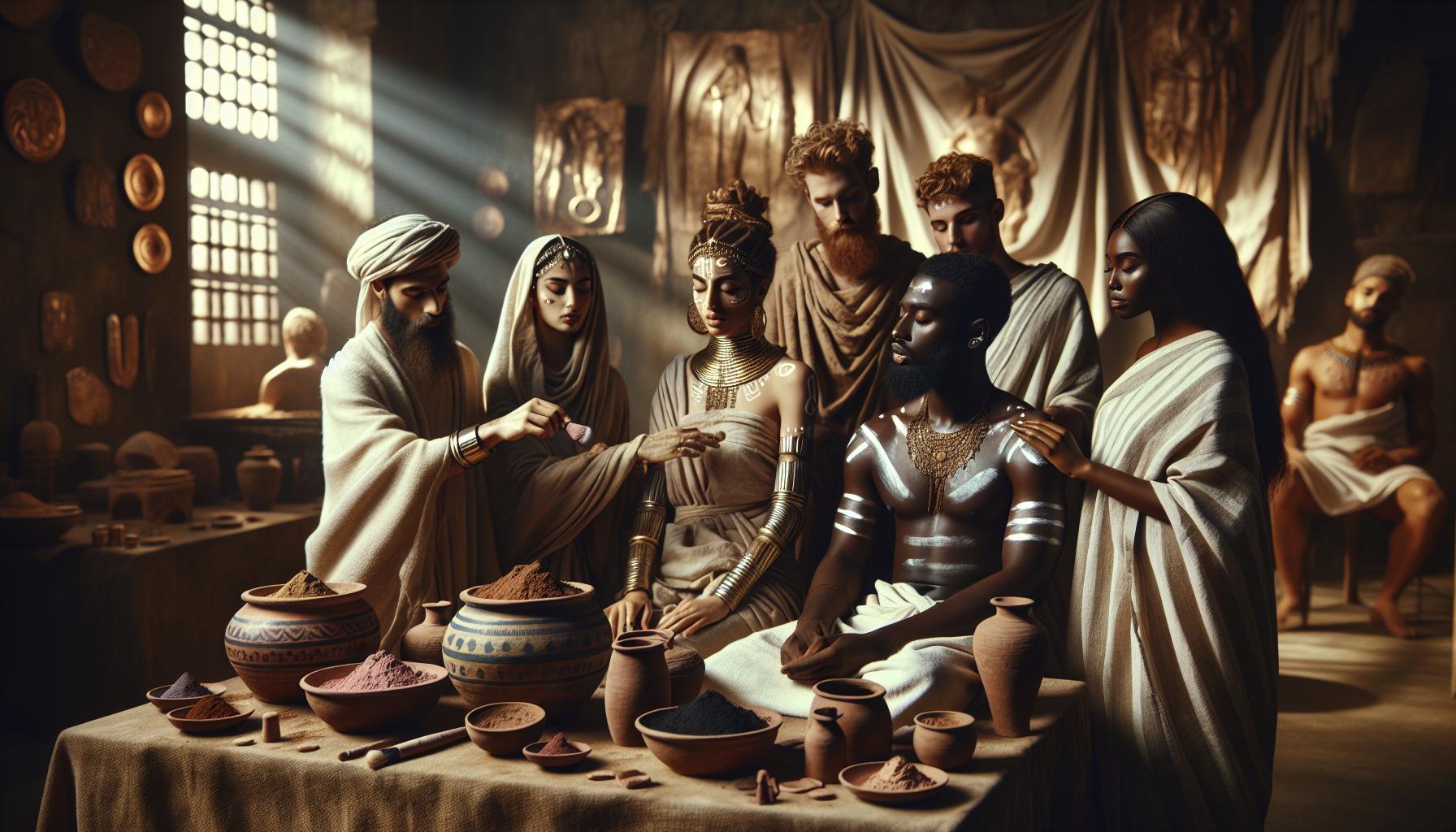
Cultural Significance of Makeup Through Ages
Makeup has served as a powerful tool for self-expression and societal communication throughout history, transcending mere aesthetics to convey deeper cultural meanings. From ancient civilizations to contemporary society, the use of cosmetics has often mirrored cultural norms, values, and even social conditions. In many societies, makeup has been associated with status, identity, and even spiritual beliefs, reflecting the multifaceted roles it plays across different eras and cultures.
In ancient Egypt, makeup was not only a personal choice but a societal staple. The use of kohl for eye makeup was believed to possess protective qualities against the sun and evil spirits, while also indicating wealth and social rank. Beyond adornment, cosmetics were integral to religious rituals, reinforcing the notion that beauty and spirituality were intertwined. This cultural significance continued to evolve with the Greeks and Romans, who advanced makeup artistry, embedding it within their ideals of morality and virtue. A well-maintained appearance became synonymous with self-discipline and societal responsibility; thus, the significance of makeup extended beyond fashion into the realm of ethics and personal ethos.
Modern Interpretations
As societies progressed, the cultural significance of makeup adapted to encompass rapidly changing social landscapes. The Victorian era, for example, presented a more restrained approach to cosmetics, where subtlety and refinement became paramount. Makeup was seen as something that should enhance rather than transform, limiting its accessibility to the social elite. In contrast, the 20th century saw bold movements that celebrated individuality and liberation. The emergence of iconic figures like Marilyn Monroe and later, the punk movement, demonstrated how makeup could be used as a form of rebellion or self-expression, allowing individuals to project their identities in multifaceted ways.
Today, makeup continues to hold cultural significance, especially in the age of digital and social media. Influencers and beauty gurus have harnessed visual platforms to create trends that resonate globally, showing that makeup is not merely an individual decision but also a collective cultural phenomenon. This shift has democratized beauty standards and allowed for diverse expressions of identity, illustrating that makeup can empower rather than confine. Moreover, contemporary discussions around inclusivity and sustainability in the beauty industry reflect a growing awareness of the ethical implications in makeup production, inviting consumers to consider how their choices resonate within broader cultural contexts.
As we celebrate the rich tapestry of makeup’s history, it becomes evident that its cultural significance is continuously evolving. Embracing this heritage fosters a deeper appreciation for how beauty practices can shape societal norms and influence personal identity, guiding both novices and professionals alike in their makeup journeys while promoting an environment that values authenticity and ethical standards.
Key Innovations in Makeup Throughout History
The history of makeup is rich with innovations that reflect societal changes, technological advancements, and cultural exchanges. From the early days when natural elements were ground into pigments to the modern-day science of cosmetic formulation, key innovations have shaped how makeup is perceived and applied. One of the most significant breakthroughs was the development of long-lasting pigments in the 19th century, which allowed for vibrant colors that did not easily wash away. This era also saw the introduction of safety in cosmetics, with regulations emerging to protect consumers from toxic substances that were prevalent in earlier formulations.
The advent of mass production in the early 20th century revolutionized the accessibility of makeup. Brands like Max Factor introduced foundation that could be effectively matched to different skin tones, providing everyone the chance to enhance their natural beauty. With the marketing of products such as mascara and lipsticks in a tube, cosmetics moved into the mainstream, empowering individuals to experiment with their looks and express their identities more freely. The inclusion of diverse product lines, catering to various skin tones and types, has further transformed the makeup landscape into a more inclusive space.
The late 20th and early 21st centuries ushered in a digital revolution, where social media and beauty influencers significantly impacted cosmetic innovation. Platforms such as Instagram and YouTube enabled brand transparency and direct engagement between consumers and beauty experts, leading to the rise of tutorial culture. This shift not only democratized makeup application techniques but also sparked trends like “dewy skin” and “glossy eyelids,” encouraging users to embrace creative self-expression.
As sustainability becomes a growing concern, eco-friendly formulations and packaging innovations are now at the forefront of the cosmetics industry. Many brands are investing in biodegradable packaging and refillable products, aligning with an increasingly conscious consumer base that values ethical practices. These innovations not only address consumer demands but also contribute to a larger movement towards sustainability, demonstrating that the evolution of makeup is not just about aesthetics-it’s also about responsibility and respect for the environment.
In summary, the reveal a journey marked by creativity, accessibility, and a commitment to inclusivity, setting the stage for a future where makeup continues to evolve alongside societal values. Embracing these elements can empower both novices and professionals to enhance their skills and express their unique identities through the art of makeup.
The Evolution of Makeup Techniques and Tools
Makeup has undergone a remarkable transformation over the millennia, evolving from simple pigments and rudimentary applications to an expansive world filled with sophisticated tools and techniques. This evolution reflects not just advancements in cosmetic science, but also broader cultural shifts and consumer preferences. One striking fact is that ancient Egyptians were some of the first to use tools for enhancing their appearance; they crafted kohl applicators from wood or metal as early as 4000 BCE. This early innovation laid the groundwork for the multitude of makeup techniques we utilize today.
As we moved into the Middle Ages, makeup techniques grew more varied, although they were often met with societal skepticism. Women employed natural ingredients, such as crushed berries for color, and rudimentary tools like fingers and brushes made from animal hair. The Renaissance period heralded the introduction of more refined techniques, with the development of beauty patches and the use of lead-based formulations-albeit with significant health risks. During this time, tools began to reflect an increased artistic approach, as the craft of makeup became intertwined with fashion and identity.
In the 19th century, the industrial revolution brought about mass production which revolutionized makeup availability and techniques. Tools such as the mascara wand and powder puffs emerged, making application both easier and more effective. The introduction of the compact in the 1930s was another pivotal moment; it allowed for portable makeup, thereby embracing the fast-paced lifestyles of modern women. This innovation not only enhanced convenience but also created a sense of personal empowerment by making beauty accessible on-the-go.
Modern-day techniques and tools have advanced into a realm of sophistication largely due to technological innovations. The makeup sponge, which has become a staple for achieving a flawless finish, showcases how tools can directly impact the application process. Brushes designed with synthetic fibers now cater to different products and techniques, from foundation to contouring, allowing for versatility and precision that were once unimaginable. Furthermore, brands like Seint and Thrive have emphasized the importance of high-quality tools in conjunction with their product lines, advocating for a holistic approach to makeup artistry.
As the beauty industry continues to grow, emerging tools are increasingly designed with inclusivity and sustainability in mind. Innovations such as biodegradable brush sets and eco-friendly packaging reflect a response to the conscientious consumer. The dialogue surrounding highlights an ongoing commitment to creativity, diversity, and ethical practices, ensuring that as society adapts, so too does the artistry of makeup. Whether you’re a novice or a seasoned professional, embracing these evolving techniques and tools equips you with the knowledge to express your unique style and flourish in your beauty journey.
Iconic Makeup Trends of Different Eras
Throughout history, makeup has mirrored societal transformations, embodying ideals of beauty that vary from one era to another. The makeup trends of different eras not only reflect the aesthetic preferences of the time but also encompass deeper cultural narratives. For instance, the ancient Egyptians utilized kohl to accentuate their eyes, not merely for beauty but also for protection against the harsh sun and to ward off evil spirits. This historical precedent set the tone for makeup as both functional and decorative.
Moving into the 18th century, the trend of elaborate face powder and bright red lips became synonymous with European aristocracy. Women and men alike donned white face powder, often made from lead compounds, alongside pink or red cheeks created from natural pigments. While these trends showcased opulence, they also highlighted the extreme lengths to which people would go for beauty, often at the expense of their health. This era was defined by dramatic wigs and heavy makeup that aligned with a status-driven culture.
The 1920s ushered in a seismic shift with the rise of the flapper. Women celebrated freedom and independence with bold red lips, heavily lined eyes, and a more relaxed attitude toward makeup. Pin-up culture in the following decades emphasized classic beauty with winged eyeliner and vibrant lipstick, heralding an era that celebrated femininity and flirtation. The introduction of iconic products like the compact and mascara wand during this time made makeup more accessible to the everyday woman, setting a trend of glamour that remains influential today.
As we approached the modern era, the ideals of beauty became increasingly diverse and inclusive. The 1970s and ’80s marked an explosion of color with bold eyeshadows, dramatic lashes, and unique application techniques that emphasized individuality. Today, brands like Seint and Thrive illustrate how makeup can transcend mere vanity, promoting self-expression through innovative products that cater to different skin tones, types, and ideals. In contemporary beauty, social media has further influenced trends-platforms like Instagram and TikTok allow for the viral spread of makeup techniques that challenge traditional norms and celebrate creativity.
As we navigate future trends, expect to see a blending of aesthetics, where tech and beauty intersect even more, promoting not just fabulous looks but also sustainability and ethical practices. The evolution of makeup continues to inspire, offering tools and techniques that empower individuals to express their unique beauty stories, whether through a simple everyday look or an extravagant statement of self.
The Birth of Modern Cosmetics Industry
The modern cosmetics industry traces its roots to the early 20th century, a period marked by innovation that transformed makeup from a niche practice into a widespread phenomenon. One of the pivotal moments was the launch of the first commercially successful mascara by Maybelline in 1915. This product, a simple mixture of coal dust and Vaseline, revolutionized how women viewed eye makeup and set the stage for other innovative products to follow. The burgeoning film industry also played a significant role; as Hollywood’s glamorous stars appeared on screens, the public developed a desire to emulate their looks, leading to a surge in makeup’s popularity.
Key Developments Shaping the Industry
The 1920s witnessed the rise of the flapper style, emphasizing bold makeup as a form of self-expression and empowerment. This trend was complemented by the introduction of products such as tinted lip balms and eyebrow pencils, expanding the market and encouraging women to experiment with their appearances. In the following decades, iconic brands like Revlon and Estee Lauder emerged, pioneering marketing strategies that targeted women with captivating advertising and innovative product offerings. Revlon’s introduction of nail polish in a wide array of colors in the 1930s was revolutionary, as it began to change societal norms surrounding femininity and gifting, making cosmetics an integral part of women’s social lives.
Moreover, the mid-20th century saw increased accessibility, with drugstore makeup brands like CoverGirl and ELF making products affordable for a broader audience. This shift enabled women from all walks of life to explore their beauty options without breaking the bank. The industry continued to diversify with a growing understanding of ethnic and skin tone diversity, leading to an expansion of shades and formulations facilitating greater representation. Brands started to cater to a wider audience, creating products specific to various skin types and colors, which was a significant leap towards inclusivity in beauty.
Influence of Technology and Social Media
The dawn of the internet age heralded another revolution for the cosmetics industry. E-commerce allowed brands to reach customers worldwide, opening the floodgates for niche players and indie brands to compete alongside giants. Social media, particularly platforms like Instagram and TikTok, became crucial for marketing and engagement, with influencers showcasing makeup tutorials and product reviews, leading to a new era of customer interaction and brand storytelling. This shift not only democratized beauty but also emphasized the importance of authentic representation, allowing brands like Thrive and Ilia to thrive as they promoted transparency and clean beauty.
As we look to the future, the modern cosmetics industry is poised for continued evolution, focusing on sustainability and ethical practices. Consumers increasingly demand transparency in ingredients and production methods, prompting brands to adapt or risk losing relevance. The intersection of technology and beauty, including augmented reality for virtual try-ons, promises new exploration avenues for personal expression and community building within the beauty sphere. With these advancements, the journey of makeup continues to inspire countless individuals, encouraging everyone to discover their unique beauty narrative.
Influential Figures in Makeup Development
Throughout history, several influential figures have dramatically shaped the development of makeup, transforming it from ancient ritualistic practices to a multi-billion dollar industry. One cannot mention groundbreaking contributors without highlighting Elizabeth Arden, who is credited with creating the modern beauty salon experience and developing luxury skincare and makeup products in the early 20th century. Arden revolutionized sales techniques in beauty, offering the first-ever makeup counters in department stores that allowed women to try products before purchasing. Her emphasis on skincare paved the way for the industry’s focus on holistic beauty, where health and aesthetics coexist.
Another pivotal figure is Helena Rubinstein, often regarded as one of the first female entrepreneurs in the cosmetics sector. She expanded the concept of beauty through education, promoting her skincare regime and the importance of makeup. Rubinstein’s introduction of personalized beauty services and the idea that all women deserve access to quality cosmetics influenced how brands today approach inclusivity and customization in their offerings. Her legacy continues to inspire women entrepreneurs in the beauty industry, emphasizing empowerment through personal grooming.
In more contemporary times, figures like Pat McGrath have redefined makeup artistry. Known as one of the most influential makeup artists globally, McGrath has collaborated with numerous luxury brands and fashion houses, significantly impacting makeup trends and colors. Her innovative approach includes the use of bold colors and avant-garde techniques, such as the iconic use of pigments, which paved the way for new product formulations. McGrath’s brand, Pat McGrath Labs, serves as a testament to her vision of artistry and luxury in beauty, reaching a diverse audience and emphasizing individuality in makeup.
Lastly, we must consider how influencers, like NikkieTutorials and James Charles, have harnessed the power of social media to democratize makeup, making beauty accessible and relatable to millions. Their tutorials and reviews have transformed consumer engagement, allowing everyday users to learn techniques that were once confined to professional artists. These digital pioneers have reshaped the marketplace, prompting brands to adapt rapidly to social trends and the demand for inclusivity.
As makeup continues to evolve, these influential figures remind us of the power of creativity, innovation, and community in shaping beauty narratives across generations. They inspire current and future makeup aficionados to experiment, express themselves, and embrace the transformative magic of cosmetics.
Makeup in the Digital Age: Social Media’s Impact
In the current landscape of beauty and grooming, social media stands as a powerful catalyst that has transformed how makeup is perceived, practiced, and marketed. Platforms like Instagram, TikTok, and YouTube have not only given rise to an unprecedented number of beauty influencers but also cultivated a vibrant community of makeup enthusiasts eager to share techniques, product reviews, and creative expressions. This digital revolution has democratized makeup artistry, allowing individuals from all walks of life to engage with beauty trends in ways that were previously confined to professionals or high-end magazines.
The beauty of social media lies in its ability to create trends that spread like wildfire. Challenges, such as the viral “96-hour challenge” created by NikkieTutorials, encourage users to experiment with bold looks and innovative techniques. This type of engagement not only showcases diverse representations of beauty but also elevates the status of makeup as a form of art that can be enjoyed universally. Brands are quick to capitalize on these trends; for instance, when the “Euphoria” makeup looks gained traction, companies rushed to offer similar products that mirror the show’s expressive aesthetics, demonstrating how responsive the industry has become to societal influences.
Engagement on social platforms also breaks down barriers between brands and consumers, fostering a sense of connection through direct feedback and interaction. Influencers like James Charles and Michelle Phan have built their careers by using their platforms to educate their audiences via tutorials and product demonstrations. This not only empowers viewers to explore their makeup skills but also drives sales as followers often purchase products recommended by their trusted influencers. Consumers are more discerning than ever; they seek transparency and authenticity, leading brands to focus on inclusive campaigns and ethically produced products.
Moreover, the rise of social media has fostered a shift towards sustainability in makeup production. Many influencers highlight eco-friendly and cruelty-free brands, pushing both users and manufacturers to reconsider their choices. Makeup shoppers increasingly prioritize brands that reflect their values, demonstrating a growing demand for responsibility in the beauty industry. This shift is not just a trend but a necessary evolution towards creating a more sustainable future in cosmetics.
As we navigate through this digital age, it is clear that social media will continue to play a pivotal role in shaping the future of makeup. The power to influence, engage, and inspire lies in the hands of both professionals and amateurs, making beauty a more inclusive experience for everyone. Whether you’re a beginner curious about the latest looks or a seasoned artist exploring new techniques, embracing social media can enrich your journey in cosmetics with creativity and community at its heart.
Sustainability and Ethics in Makeup Production
In an era where conscious consumerism is on the rise, have become not just trends but crucial elements shaping the beauty industry. Today’s consumers are increasingly drawn to brands that reflect their values, leading to a paradigm shift where eco-friendliness and ethical practices are at the forefront. This transformation calls for greater transparency concerning ingredients, sourcing, and manufacturing processes, making it imperative for brands to adapt to a more responsible and holistic approach.
One significant aspect of sustainable makeup production is the commitment to cruelty-free practices. Brands such as Ilia and Thrive Causemetics stand out for their strong stance against animal testing. By seeking alternatives that ensure product safety without compromising animal welfare, these companies underscore the industry’s shift toward ethical standards. In addition, the rise of clean beauty advocates, pushing for formulations free from harmful chemicals, has led to the development of safer, more sustainable products. Consumers should look for certifications such as Leaping Bunny or PETA’s cruelty-free logo, which can guide them in their purchasing decisions.
Another vital area is the sourcing of ingredients. The extraction of natural components should not only be sustainable but also support fair trade practices. Brands like ELF are increasingly opting for sustainable practices by using renewable resources and reducing their carbon footprint. Familiarizing oneself with the Environmental Working Group (EWG) database can help consumers make informed choices by identifying makeup products that contain non-toxic ingredients. Additionally, packaging sustainability has gained prominence; companies are beginning to utilize biodegradable or recyclable materials, which contribute to reducing waste in landfills.
Ultimately, embracing sustainability in makeup production is more than a consumer trend; it’s a necessary evolution for the industry. By supporting brands that prioritize ethical practices and sustainable ingredients, consumers can have a positive impact on the planet. This responsible consumption also empowers consumers to play a pivotal role in the future of beauty, ensuring that makeup is not just about aesthetics, but also about fostering a culture of responsibility, health, and integrity in the world of cosmetics.
Future Trends: The Next Evolution of Makeup
The beauty landscape is rapidly evolving, and the future of makeup promises exciting innovations and shifts that are set to redefine how we perceive and interact with cosmetics. As consumers become increasingly savvy, their preferences are shaping a new era in makeup development. One of the prominent trends is the rise of personalized cosmetics. Brands are utilizing technology to create bespoke makeup solutions that cater to individual skin tones, textures, and preferences. For instance, companies like Seint are leading the way by offering customizable palettes, ensuring every person can find their perfect match with minimal effort.
Another fascinating evolution is the incorporation of skincare benefits into makeup products. With consumers seeking multifunctional products that simplify their routines, brands are blending makeup with skincare ingredients. Foundations and tinted moisturizers infused with hyaluronic acid or antioxidants not only provide coverage but also promote skin health. This trend underscores a growing awareness of makeup as a part of holistic skincare rather than an overlay. As brands embrace this philosophy, products will likely feature more natural ingredients and cleaner formulations, aligning with the clean beauty movement that prioritizes health without compromising quality.
Moreover, sustainability continues to take center stage, influencing how products are formulated and packaged. As consumers demand transparency and ethical practices, the beauty industry is responding by adopting eco-friendly initiatives, from sourcing sustainably harvested ingredients to using recyclable or biodegradable packaging materials. Brands like Thrive Causemetics exemplify this commitment by focusing on cruelty-free practices alongside their eco-conscious approach. This shift not only caters to consumer preferences but also signifies a broader cultural change towards environmental responsibility within the beauty sector.
Finally, the impact of social media and digital platforms cannot be overlooked. The evolution of makeup tutorials and influencer-driven marketing is transforming how products are showcased and purchased. Consumers now rely on platforms like Instagram and TikTok for makeup inspiration and advice, creating a vibrant community that thrives on shared experiences. This digital age fosters a space for creativity and experimentation, allowing makeup enthusiasts and professionals alike to share techniques and trends with a global audience, ensuring that the art of makeup remains dynamic and inclusive. As these trends unfold, the makeup industry is on the brink of a transformative journey that blends innovation, ethics, and creativity, paving the way for a beauty future that celebrates individuality and responsibility.
Makeup Beyond Aesthetics: Psychological and Social Benefits
Makeup extends far beyond the realm of aesthetics; it weaves into the fabric of our psychological well-being and social interactions. Historically, people have used cosmetics not only to enhance their beauty but also to express identity and affect their confidence levels. For instance, research has revealed that wearing makeup can significantly boost self-esteem and catalyze positive feelings. This psychological impact stems from the way individuals perceive themselves when enhanced by makeup: a simple application can transform one’s look and, subsequently, their outlook.
Moreover, makeup serves as a powerful tool for social connection and cultural expression. In many societies, specific makeup styles are deeply tied to heritage and community. Individuals often use cosmetics to celebrate cultural events or adhere to societal norms, fostering a sense of belonging. For example, traditional face painting in numerous indigenous cultures is not merely cosmetic but a profound expression of identity, spirituality, and social standing. Similarly, during contemporary events such as pride parades, makeup can be utilized as a vibrant expression of individuality and activism, showcasing support for social causes.
The social benefits of makeup also manifest through communal activities like makeup application parties, online tutorials, and influencer collaborations. These gatherings foster connections, allowing participants to share techniques, products, and personal stories. As people gather around makeup, they often experience shared joy, support, and camaraderie that reinforces bonds and builds community. Additionally, as brands increasingly acknowledge the importance of representation in their campaigns, diverse models and influencers are reshaping the narrative around beauty, allowing individuals to see their own experiences reflected and validated.
In this rapidly evolving beauty landscape, the integration of technology is further enhancing the psychological and social advantages of makeup. Virtual try-on apps and augmented reality facilitate exploration and experimentation, empowering users to step outside their comfort zones and discover new styles without the permanent commitment. As the mindset surrounding beauty continues to evolve-favoring authenticity and personal expression-makeup remains a steadfast pioneer in enhancing psychological well-being and fostering meaningful connections within and across communities.
This transformative journey illustrates that while makeup might adorn the skin, it often serves to reveal the beauty of the human spirit.
Frequently asked questions
Q: What were the first makeup products used in ancient civilizations?
A: The first makeup products included kohl for eye enhancement, made from mineral compounds in ancient Egypt. Additionally, red ochre was used as blush and lipstick across various cultures, while ancient Chinese and Indian societies utilized powders and pastes from natural ingredients for cosmetic purposes.
Q: How did makeup reflect social status in ancient societies?
A: Makeup often indicated social status, as its use was frequently reserved for the wealthy, who had access to exotic ingredients and skilled artisans. In ancient Rome, for example, elaborate makeup was associated with elite classes, while simpler styles suited lower classes.
Q: When did makeup become popular in the Western world?
A: Makeup gained popularity during the Renaissance period (14th to 17th centuries), particularly among the upper classes. Innovations like lead-based face powder and brighter pigments became fashionable as beauty standards evolved through subsequent eras, such as the Victorian and Edwardian periods.
Q: What role did women play in the history of makeup development?
A: Women have been both creators and primary users of makeup throughout history. They innovated products and techniques, often guiding trends. Historically, women in different cultures utilized makeup for rituals, everyday adornment, and self-expression, influencing cosmetics development significantly.
Q: How has the purpose of makeup changed over centuries?
A: The purpose of makeup has evolved from practical applications, such as protecting skin from elements or enhancing beauty for special occasions, to broader expressions of identity and artistry. Today, makeup serves as a tool for creativity, empowerment, and individuality.
Q: Why has the perception of makeup shifted in contemporary society?
A: The perception of makeup has shifted towards a more inclusive understanding, recognizing it as a form of self-expression rather than solely a beauty enhancement tool. Social media and culture have facilitated discussions about authenticity, empowerment, and the rejection of beauty standards.
Q: What are the major trends in makeup history that influenced modern cosmetics?
A: Major trends include the rise of Hollywood glam in the 1920s, the natural look of the 1960s, and the influence of pop culture on diversity in color palettes and styles today. These shifts paved the way for the vibrant variety in contemporary makeup aesthetics.
Q: How do cultural attitudes towards makeup vary across the globe?
A: Cultural attitudes towards makeup vary significantly; in some cultures, makeup is a daily norm, while others may regard it with skepticism. For example, Middle Eastern cultures often embrace elaborate makeup, while certain societies may favor minimalism or view it as a symbol of vanity.
The Conclusion
As we’ve uncovered the fascinating history and evolution of makeup, it’s clear that beauty isn’t just skin deep-it’s rooted in culture and expression. Ready to explore more? Check out our related guides on makeup tutorials and product reviews for Seint, Thrive, and Ilia to elevate your beauty game. Whether you’re a novice or a professional, our insightful articles are designed to boost your confidence and skills in creating stunning looks.
Don’t miss out! Subscribe to our newsletter for exclusive tips and the latest trends in beauty and barbering. If you have any questions or thoughts about your makeup journey, we’d love to hear from you in the comments below. Feel empowered to experiment with your personal style and business growth. Together, let’s continue this exciting beauty adventure!