Have you ever looked in the mirror and wondered why your makeup looks cakey instead of radiant? You’re not alone. Many beauty enthusiasts, from beginners to pros, face this frustrating issue, which can hinder your confidence on special occasions or even during everyday outings. The truth is, a flawless finish is attainable with the right techniques. In this article, we’ll explore the five most common mistakes that lead to a cakey appearance and how to fix them. By addressing these pitfalls, you’ll not only enhance your makeup skills but also achieve that sought-after smooth and natural look. Read on to unlock the secrets to a beautifully blended complexion!
Understanding Cakey Makeup: The Science Behind It
Understanding why makeup can appear cakey is essential for achieving that flawless, natural look everyone desires. Cakey makeup typically results from a combination of factors, including the makeup products themselves and how they interact with your skin type and condition. The skin’s natural oils, hydration levels, and texture are likely to influence how makeup adheres and blends, making it crucial to understand the science behind the application process.
One common cause of cakey makeup is the improper application of products. For instance, applying foundation over unmoisturized, dry skin leads to uneven texture and clumping. Likewise, layering heavy foundation formulas on top of textured skin can create a thick appearance that settles into fine lines and pores. Understanding your skin type allows you to choose the right products-whether matte, dewy, or hydrating-that complement your natural complexion.
Additionally, it’s crucial to consider how various makeup components interact, particularly when using powders and setting sprays. Overapplying these products can not only accentuate dry patches but also encourage makeup to oxidize, leading to a dull and artificial look. For a smoother, more harmonious finish, professionals recommend using a light hand and gradually building coverage rather than slathering on products from the outset.
Lastly, lighting plays a vital role in makeup application. Applying makeup in poor lighting can lead to misjudging how much product is truly necessary, resulting in a heavier application than intended. By being mindful of these factors and tailoring your routine to your skin’s needs, you can avoid cakey makeup pitfalls and achieve a radiant, even look that enhances your natural beauty.
Common Mistake #1: Skipping Moisturizer Before Makeup
Applying makeup to dry, unmoisturized skin is one of the quickest paths to a cakey appearance, often leading to regretful moments staring in the mirror. Many people overlook the importance of moisturizer as the foundational step in their makeup routine. Not only does moisturizer hydrate the skin, but it also creates a smooth canvas that allows makeup to adhere better and blend seamlessly. Neglecting this essential step can result in a patchy, uneven finish that accentuates fine lines and imperfections, making it crucial to prioritize this part of your skincare routine.
Investing in the right moisturizer tailored to your skin type can transform your makeup experience. For oily skin, lightweight, oil-free moisturizers with mattifying properties help control shine without adding excess oil. On the other hand, if you have dry or combination skin, opt for richer, hydrating formulations that lock in moisture and provide a dewy glow. A good practice is to apply your moisturizer at least 10 to 15 minutes before applying foundation, allowing it to absorb fully. This not only enhances hydration but also minimizes the risk of slippage and breakdown throughout the day.
Incorporating a primer after moisturizer can elevate your makeup application even further. Primers are designed to fill in pores and fine lines, providing an additional layer of moisture while enhancing makeup longevity. When selecting a primer, look for products that complement your moisturizer; for example, a moisturizing primer works wonders on parched skin, while a silicone-based primer can minimize shine for those with oilier complexions.
Ultimately, the right moisturizer is your best ally in achieving that fresh, flawless look. By taking the time to nourish your skin before makeup application, you’ll not only enhance the overall appearance of your makeup but also feel confident in your skin’s health and glow. Remember, a well-hydrated canvas is key to avoiding that dreaded cakey look, setting the stage for a radiant finish that showcases your beauty in the best light.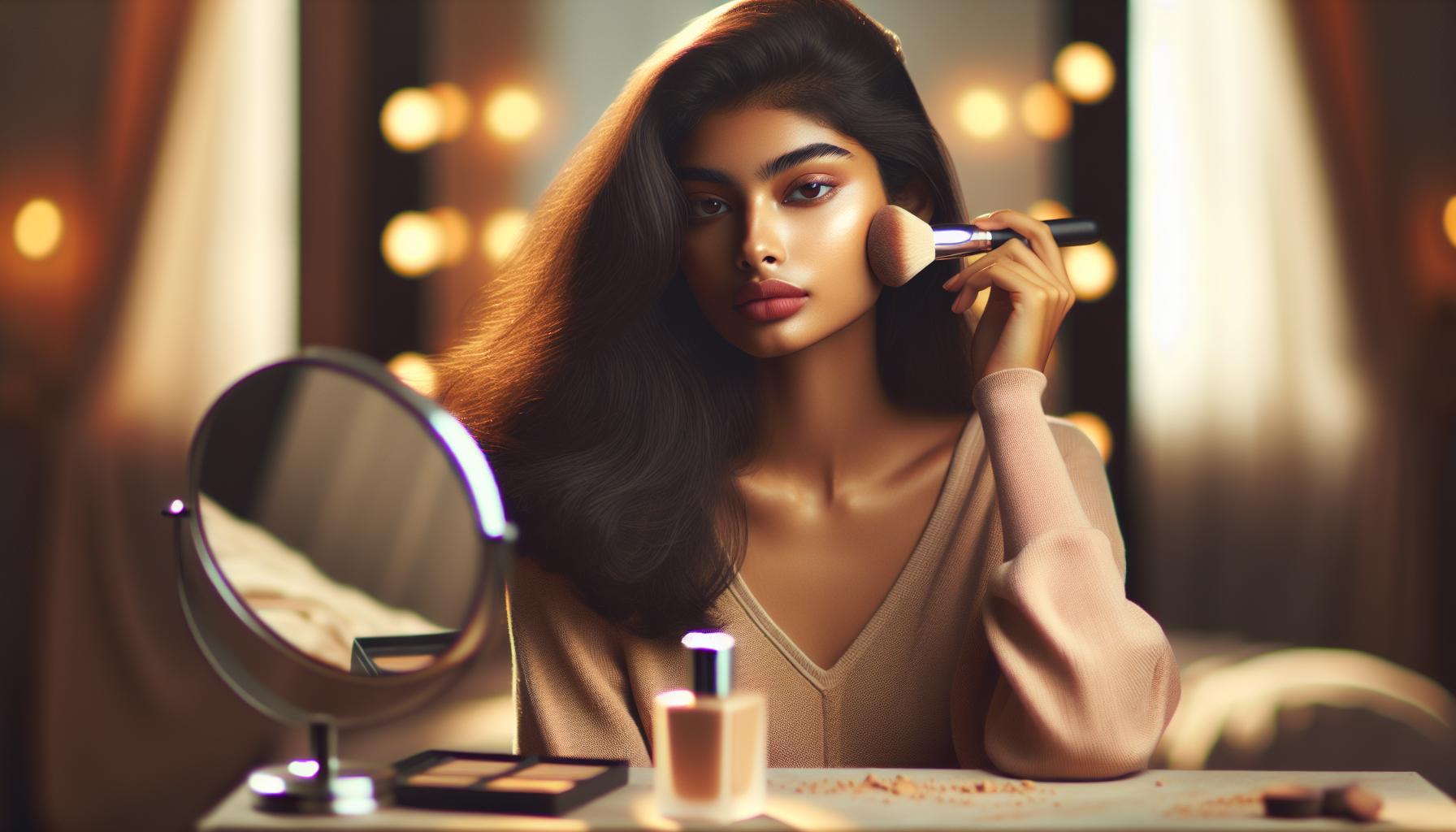
Common Mistake #2: Using the Wrong Foundation Formula
Using the wrong foundation formula is a common pitfall that can lead to an unflattering, cakey makeup look. The foundation you choose should not only match your skin tone but also be compatible with your skin type and the finish you desire. For instance, opting for a full-coverage matte foundation when your skin leans dry can create an effect that accentuates dryness and texture, resulting in a heavy, patchy appearance. Understanding your skin’s needs and selecting a formulation that works in harmony with it is crucial to achieving a smooth, polished finish.
When selecting your foundation, consider these key factors:
- Skin Type: Different foundations are formulated for specific skin types. Oily skin benefits from oil-free, matte formulas that control shine, while dry skin appreciates hydrating foundations that offer a dewy finish. For combination skin, a liquid foundation that balances moisture and oil control can work wonders.
- Coverage Level: Foundations come in various coverage levels, from sheer to full. Choosing the right coverage can prevent layering too much product, which is a common reason for a cakey look. If you require more coverage, consider using a concealer on problem areas instead of layering foundation.
- Finish: The finish of your foundation can significantly impact how your makeup looks throughout the day. For example, a luminous finish can provide a radiant, skin-like appearance, whereas a matte finish may feel heavy and look flat. Test different finishes to find what complements your skin’s natural texture.
Additionally, be mindful of the ingredients in your foundation. Formulas that contain heavy oils or silicones might not suit those with oily or acne-prone skin, leading to a clogged pore situation that exacerbates the appearance of texture. It’s beneficial to invest in quality products or samples, allowing you to test various formulas to see which best mimics your skin’s appearance while enhancing your natural beauty rather than masking it.
By selecting the proper foundation formula tailored to your skin type, coverage needs, and desired finish, you’ll set a solid foundation for your makeup routine. This thoughtful approach not only minimizes the risk of a cakey appearance but also enhances the overall health and look of your skin, allowing you to showcase your unique beauty confidently.
Common Mistake #3: Overapplying Powder and Setting Products
Whether you’re a makeup novice or a seasoned pro, the temptation to pile on powder and setting products can be a significant pitfall. While setting powders are pivotal in prolonging the wear of your makeup and maintaining a matte finish, overapplication can lead to a dry, flaky, and cakey appearance that no one wants. Many find themselves battling the fine line between a flawless look and one that resembles desert terrain; the key lies in moderation and technique.
Achieving that perfect finish begins with selecting the right powder for your skin type. For oily skin types, a lightweight, oil-absorbing translucent powder can help eliminate shine while adding just the right amount of control. On the other hand, dry skin types may benefit more from hydrating formulas or even a setting spray alternative that creates a dewy look, avoiding the chalky finish that can come from traditional powders. When applying your setting products, consider using a fluffy brush to dust the powder lightly in areas that tend to get oily, such as the T-zone, rather than sweeping it all over your face like a blanket.
Application Techniques:
- Tap, don’t swipe: Use a stippling method to apply powder. This technique allows for buildable coverage without packing on product, giving you a seamless look.
- Puff it up: For more concentrated coverage, use a makeup puff to press powder into the skin, especially in specific areas like under the eyes or wherever concealer has been used.
- Setting Sprays: After applying powder, a final spritz of setting spray can work wonders, melting the powder into the skin and rehydrating the surface for a more natural finish.
Tips to Avoid Cakiness:
- Limit layers: If you’re layering multiple products (like foundation, concealer, and powder), consider reducing the number of products used or selecting lighter alternatives.
- Check your tools: Ensure that your brushes and sponges are clean and appropriate for the texture of the products you’re applying; dirty or uneven tools can contribute to an uneven finish.
- Lighting is key: Always apply your makeup in natural light when possible to better assess how the product looks on your skin.
By embracing these techniques and tips, you can avoid the common mistake of overapplying powders, creating a more harmonious, polished makeup look. Remember, achieving that effortless beauty often comes down to the subtleties in technique and application rather than sheer product volume.
Common Mistake #4: Neglecting Skin Prep and Exfoliation
Proper skin preparation is the bedrock of a flawless makeup application. Neglecting skin prep and exfoliation can lead to a multitude of issues, the most notable being cakey makeup. When your skin is not adequately prepped, dead skin cells accumulate, resulting in a rough texture that makeup simply cannot adhere to smoothly. Instead of blending seamlessly, foundation can cling to dry patches or uneven areas, creating a pronounced, unflattering finish.
To achieve that coveted smooth canvas, start with a rigorous skincare routine that includes cleansing, toning, and moisturizing. Cleansing removes dirt and impurities, while toning balances your skin’s pH levels. A lightweight moisturizer suitable for your skin type hydrates without adding excess oil, paving the way for an even application of foundation. Additionally, incorporating exfoliation into your routine, whether through mechanical scrubs or chemical exfoliants like alpha hydroxy acids (AHAs), helps to slough away dead skin cells, fostering a smooth and radiant surface. Aim to exfoliate 1-2 times a week, ensuring you don’t overdo it to avoid irritation.
Choosing the Right Products for Skin Prep
- Exfoliating Scrubs: Look for gentle scrubs with natural exfoliants like sugar or oatmeal; these can help remove dead skin without compromising your skin barrier.
- Cleansers: Use a cleanser suited to your skin type-gel cleansers for oily skin, creamy options for dry skin. Avoid harsh soaps that strip your skin of vital moisture.
- Hydrating Serums: Incorporate serums containing hyaluronic acid or glycerin, as they can provide an extra layer of hydration, making your skin plumper and ensuring the foundation glides on effortlessly.
Moreover, take note of your skin’s mood on the day of application. Factors like weather, hormonal changes, and stress can affect its texture and hydration levels. This means your skin prep might need to be adjusted based on specific conditions. Investing time in nourishing your skin isn’t just a step in the beauty routine; it’s a game-changer in achieving a polished, radiant look that avoids the dreaded cakiness. By prioritizing diligent skin prep, you empower yourself to create a makeup foundation that wears beautifully throughout the day, allowing your true beauty to shine through.
Common Mistake #5: Incorrect Application Techniques
Applying makeup effectively is an art, and mastering the techniques is crucial to achieving that flawless finish many aspire to. One of the most common causes of cakey makeup is improper application methods. Utilizing the wrong tools or techniques can lead to uneven texture and an unappealing look that detracts from your overall appearance. For instance, applying foundation with a dry sponge can create streaks and patches, whereas damp makeup sponges are designed to deliver a more airbrushed and blended finish.
Another frequent pitfall is the hurried application of multiple layers without allowing products to settle in between. This rushed approach can cause makeup to pile up, resulting in an excessive, cakey effect. Taking the time to allow a liquid foundation to dry before applying concealer or powder can mitigate this issue. Additionally, in some cases, relying solely on brushes for application may not provide the ideal diffusion that sponges offer, especially for foundations that require more blending. Thus, incorporating both tools into your routine can elevate your results.
To refine your techniques further, consider the importance of using the right amount of product. Overloading your brush or sponge can lead to a thick application that can’t be blended out seamlessly. Instead, start with a small amount of product, building coverage gradually as needed. This approach not only simplifies blending but also helps in achieving a more natural, skin-like finish. Remember, the goal is to enhance your natural beauty, not mask it under heavy layers.
Lastly, practicing patience and adapting your techniques based on your skin type can significantly improve your finish. For oily skin, a stippling technique can help control shine, while dry skin may benefit from gently pressing products into the skin for an ultra-hydrated look. Tailoring your application technique to complement your unique complexion will ultimately lead to makeup that feels lightweight and looks impeccably blended.
Choosing the Right Makeup Tools for Flawless Application
To achieve the flawless application you desire, choosing the right makeup tools is not only essential; it’s transformative. The effectiveness of your makeup routine can hinge on the quality and type of tools you use, as they play a critical role in how products blend into the skin, ultimately preventing that dreaded cakey look. Understanding the specific purposes of each tool allows you to apply products in a way that enhances rather than weighs down your complexion.
Brushes, Sponges, and Beyond
Investing in a diverse selection of brushes and sponges can make a world of difference. For traditional makeup application, medium to full-density foundation brushes are ideal for achieving even and thorough coverage. However, for a more airbrushed finish, opt for a damp beauty sponge, which helps to press the product into the skin. A stippling brush is another versatile option, providing a lightweight touch for building coverage on problem areas without creating a cake-like appearance.
Don’t forget to keep your tools clean and well-maintained. Brushes and sponges harbor bacteria and excess product if not sanitized regularly. Make it a habit to clean them weekly with a gentle cleanser or brush cleaner to ensure optimal performance. This not only prolongs the life of your tools but also helps maintain the health of your skin.
Application Techniques Matter
Alongside having the right tools, mastering varied application techniques can further minimize cakiness. For example, when using cream products like blush or bronzer, applying with your fingers rather than a brush can lead to a more natural and blended look. Moreover, using tapping motions rather than sweeping strokes can seamlessly integrate products with your skin. This method avoids disruption of your foundation layer below, which can create buildup and an uneven surface.
Taking time to experiment with different tools and techniques will empower you to cater to your specific skin needs as well. For those with oily skin, a soft, fluffy brush for mineral powders creates a light veil of coverage, while dry skin may benefit from a densely packed sponge that helps lock in moisture and blend cream formulas beautifully. Ultimately, selecting the right makeup tools and learning their optimal uses will set you on the path to a flawless, cakeless finish that enhances your natural beauty.
How to Layer Products for a Natural Finish
To achieve a natural and fresh finish with your makeup, mastering the art of layering products is essential. The delicate balance between coverage and luminosity often hinges on how you apply and build up different products. Start your makeup routine with a clean, hydrated face; this prime preparation sets the foundation for seamless layering. Using a lightweight primer can create a smooth canvas, allowing subsequent layers to blend beautifully into the skin without appearing heavy or cakey.
When layering foundation and concealer, always opt for products that compliment each other in texture. For instance, pairing a lightweight, liquid foundation with a creamy concealer can achieve a flawless look. Here’s how to effectively layer:
- Foundation First: Apply your foundation with a damp sponge or brush using light, tapping motions to press the product into the skin. This technique helps avoid excess buildup while providing a natural finish. If needed, go in with a second layer only on areas that require extra coverage, such as redness or blemishes.
- Concealer Application: Choose a shade slightly lighter than your foundation to brighten key areas. Using your ring finger or a small brush, dab the concealer on the inner corners of your eyes, the center of your forehead, and any spots you want to conceal. Blend it gently into the foundation to maintain cohesiveness across your complexion.
- Setting the Base: Lightly dust a translucent setting powder over your face, focusing on areas prone to shine, like the T-zone. Use a fluffy brush to apply a minimal amount; too much powder can lead to a cakey appearance, especially in textured areas. For a dewy finish, consider using a setting spray at this stage to meld all the layers together, enhancing your skin’s natural glow.
The key here is to use sheer layers of product rather than thick applications. Remember, less is often more; layering should enhance your natural beauty without overwhelming your features. Checking in natural light throughout the process also helps ensure each layer looks harmonious and breathable.
Makeup Tips for Different Skin Types and Conditions
Feeling confident in your makeup can often hinge on addressing the specific needs of your skin type. Understanding how to cater your approach to different skin conditions can make the difference between a fresh, flawless look and a cakey, dry appearance. For instance, individuals with oily skin should be mindful of using mattifying primers and foundations that are oil-free, which can assist in controlling shine without that heavy feeling. A lightweight, buildable foundation can help ensure coverage without the risk of looking thick.
For those with dry or flaky skin, hydration is key. Opt for cream-based foundations and hydrating primers that promote a dewy finish. When applying makeup, consider using a damp sponge to press the product into the skin gently; this technique minimizes the risk of clinging to dry patches and enhances the natural glow of your complexion. A setting spray can also help to keep the skin looking fresh throughout the day.
Sensitive skin types require special attention to avoid irritation. Look for hypoallergenic products that are free from fragrances and harsh chemicals. Always conduct a patch test for new products to gauge your skin’s reaction before full application. Incorporating soothing ingredients such as aloe vera or chamomile can help in formulating a calming base that allows makeup to sit beautifully without exacerbating any redness or sensitivity.
Combination skin often presents its own challenges, with areas that can be oily alongside those that are dry. For this skin type, consider using a targeted approach with different products-such as gel-based formulas in oily areas and richer creams where dryness exists. By balancing your approach and focusing on the unique needs of each zone, you can create a harmonious makeup look that remains fresh and even throughout the day.
Ultimately, understanding your skin’s characteristics is the first step in ensuring a beautiful application that avoids common pitfalls like cakey makeup. Tailoring your methods and formulations to match your skin type not only enhances its natural beauty but empowers you to feel your best every day.
The Importance of Choosing the Right Lighting
Choosing the right lighting when applying makeup is critical to achieving a flawless look. The right lighting can illuminate your features, enhance color accuracy, and help you spot any imperfections before you leave the house. Natural daylight is often considered the gold standard for makeup application because it displays true colors and textures without altering your appearance. When possible, position yourself near a window, and utilize sheer drapes to diffuse harsh sunlight, resulting in beautifully balanced lighting that doesn’t wash you out.
For those who need to rely on artificial lighting, it’s essential to choose the right bulbs. Look for bulbs labeled “daylight” or those with a color temperature between 5000K and 6500K, which mimics natural sunlight. Avoid using overhead lighting, particularly fluorescent lights, as they can cast unflattering shadows and distort your makeup colors. Instead, consider investing in a vanity mirror with built-in adjustable LED lights, which provide bright, even illumination and allow you to adjust the intensity for optimal results.
When it comes to specific regions of your face, pay careful attention to how lighting can create shadows. For example, strong lighting from above can exaggerate texture and fine lines, leading to a cakey appearance. Using a well-positioned ring light can help eliminate these shadows, offering an even glow that enhances blending and makes it easier to ensure that your foundation and other products look seamless. Remember, the key is to check your makeup under different lighting conditions before heading out. It’s always beneficial to step outside to see how your makeup translates in natural light, ensuring you look polished at every angle and in every setting.
By being mindful of your lighting environment, you empower yourself to create a makeup look that not only complements your features but also stands the test of various lighting scenarios throughout your day. This proactive approach not only reduces the risk of ending up with cakey makeup but also elevates your overall beauty routine, ensuring that you feel confident wherever you go.
Pro Tricks to Fix Cakey Makeup on the Go
When the clock’s ticking and your makeup has taken a turn for the cakey, knowing a few pro tricks can save your look and your day. Whether you’re heading to a meeting, a dinner date, or just running errands, having effective solutions on hand will empower you to correct makeup mishaps swiftly and easily.
One of the simplest ways to rectify cakey makeup is by using a hydrating mist. Spritz a lightweight facial mist, like a rose water or hydrating setting spray, about six inches away from your face. This not only hydrates the skin but also helps to meld the products together, creating a more seamless finish. Aim to lightly pat the skin with a damp beauty sponge to further blend in the product and absorb any excess. This method is particularly effective since it avoids adding additional layers, making it ideal for on-the-go corrections.
If you find that certain areas look especially heavy or dry, consider using a lightweight moisturizer or balm directly to those spots. A tiny dab of a cream like the Belif Moisturizing Bomb can act as a quick fix; simply tap it lightly onto the cakey regions to revive and hydrate without disturbing the underlying makeup. Make sure to use your fingertips for this technique, as the warmth of your hands will aid in blending and prevent additional product buildup.
For an extra touch of finesse, carry a blending brush or sponge in your makeup bag. If you’re caught in a pinch, a clean brush can help feather and soften harsh lines, especially around the jawline or hairline where makeup can often gather and appear thick. If you don’t have a brush handy, use the pads of your fingers – the heat will help to warm up the product and marry it with your skin.
Lastly, if you’re truly in a pinch, dab on a lightweight tinted moisturizer over the cakey areas. This will not only add hydration but also a hint of color, allowing you to blend away imperfections with ease. Just be cautious not to go overboard; less is more for this quick fix. Employing these techniques can ensure you maintain not just a polished appearance but also your confidence while navigating your day.
FAQ
Q: Why does my makeup look cakey?
A: Makeup appears cakey due to inadequate skin preparation, using the wrong products, or incorrect application techniques. Factors like using too much powder or heavy foundation can contribute. Ensuring proper moisturizing and selecting suitable formulas for your skin type can help mitigate this issue.
Q: How can I prevent cakey makeup?
A: To prevent cakey makeup, start with a hydrating moisturizer and use light layers of foundation. Apply setting powder sparingly, and consider using a damp makeup sponge for application. Always choose products compatible with your skin type, as discussed in our section on skin prep.
Q: What makeup products can cause cakiness?
A: Products that are too thick, such as heavy foundations or powders designed for oily skin, can lead to cakiness. It’s crucial to select the right foundation formula and setting spray that work well with your skin type, as mentioned in our common mistakes section.
Q: Can skin type affect how cakey my makeup looks?
A: Yes, skin type greatly influences makeup application. Oily skin may require different products than dry skin to avoid cakiness. Tailoring your makeup routine, including choosing the right foundation and skin prep methods, is essential for a flawless look.
Q: How do I fix cakey makeup on the go?
A: To fix cakey makeup quickly, use a hydrating mist to refresh your face and blend out any noticeable lines with a damp makeup sponge. Carrying blotting papers can also help absorb excess oil without adding additional product, as covered in our pro tricks section.
Q: Should I use a primer to avoid cakey makeup?
A: Yes, using a primer can help create a smooth base for foundation, reducing the chances of cakey makeup. Primers fill in fine lines and texture, ensuring better product adherence and a more polished finish. Refer to our section on choosing the right tools for more tips.
Q: Why does my makeup look worse later in the day?
A: Makeup can look worse later due to factors like oil production, product buildup, and inadequate setting products. To maintain a fresh look throughout the day, opt for long-wear foundations and setting sprays, and avoid over-applying products, as discussed in our article.
Q: How does application technique impact cakey makeup?
A: Application technique significantly influences how makeup settles on the skin. Using improper methods, such as rubbing instead of dabbing, can lead to a cakey appearance. Adopting the right layering techniques can prevent this issue and enhance your overall look.
In Summary
Now that you have the insights to prevent cakey makeup, it’s time to put these tips into action! Remember, achieving a smooth and flawless finish is all about using the right techniques and products. If you’re still curious about perfecting your makeup routine, check out our guides on essential makeup tools and step-by-step application techniques to elevate your look even further. Don’t forget to explore our product reviews on top brands like Seint, Thrive, Ilia, and ELF to find your ideal makeup essentials.
Join our community by signing up for our newsletter to receive exclusive tips and tutorials directly to your inbox. Have questions or tips of your own? Share your thoughts in the comments below! Your confidence in makeup is just a few steps away, so let’s keep the conversation going. Remember, beautiful skin starts with a great routine, and together, we can achieve beauty excellence!