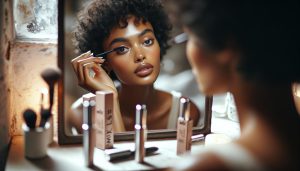
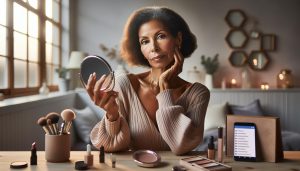
Makeup pilling is a frustrating issue that many encounter, leading to unsightly clumps and a lackluster finish. Imagine getting ready for a big event, only to find your hard work undone by those pesky product balls clinging to your skin. Understanding the common causes behind this phenomenon-ranging from ingredient incompatibility to improper application techniques-can empower you to achieve a flawless look every time. In this guide, we’ll explore seven potential culprits and some quick fixes to ensure that your makeup not only looks stunning but also stays smooth throughout the day. Get ready to dive in and elevate your makeup game!
Understanding Makeup Pilling: What It Means
Makeup pilling is a common frustration that can derail even the most meticulously crafted looks. It occurs when makeup products, such as foundation or concealer, clump and separate on the skin, forming unsightly little balls or flakes that can ruin the smooth, polished finish you desire. This phenomenon can result from a combination of factors including the formulas of the products used and their interaction with the skin’s texture. Understanding what makeup pilling is and how it occurs is an essential step toward achieving a flawless application.
When makeup pilling happens, it’s often indicative of an underlying issue with the products or application techniques. For instance, layering incompatible products can lead to pilling; a heavy moisturizer might not interact well with a water-based foundation, causing the makeup to curdle and bunch up. Even residues from previous applications can contribute to this issue. Thus, it’s vital to examine both the skincare and makeup products in your routine, ensuring smooth compatibility for a seamless application.
Moreover, the condition and type of your skin can play a significant role in whether or not you experience makeup pilling. Oily skin can cause products to break down and separate, while dry skin may lead to uneven texture that can trap makeup, leading to clumping. Tailoring your products and technique to suit your specific skin type is crucial for preventing this common makeup mishap.
Ultimately, understanding the mechanics behind makeup pilling empowers you to cultivate a routine that enhances your natural beauty rather than detracting from it. By focusing on product compatibility, skin health, and application methods, you can achieve a flawless finish that lasts all day.
Common Causes of Makeup Pilling Explained
Makeup pilling can be a disheartening experience, especially when you’ve invested time and effort into your application. Several factors can lead to this frustrating issue, often stemming from a lack of product compatibility, application methods, and skin type considerations. Understanding these common causes can empower you to avoid pilling and achieve that coveted flawless finish.
One primary culprit behind makeup pilling is the layering of incompatible products. For example, if you apply a rich, oily moisturizer underneath a water-based foundation, they may not blend well together, resulting in the foundation separating and forming those annoying little clumps. It’s essential to consider product formulations; generally, you want to layer products with similar bases-oil with oil and water with water.
Additionally, skin preparation is critical. If your skin is not adequately exfoliated or hydrated, dry patches can disrupt the smooth application of makeup. Products can cling to these areas, creating an uneven texture that leads to pilling. An effective skincare routine combined with the right exfoliation tools and moisturizers tailored to your skin type can set a solid foundation for makeup application.
Environmental factors such as humidity and temperature also play a role in makeup performance. In high humidity, your skin can become overly oily, causing makeup to break down and separate. Conversely, in dry climates, products may cling to flaky patches, amplifying the pilling effect. Adjusting your makeup routine and selecting silicone-based or long-wear products can help in combating these environmental challenges.
Lastly, improper makeup removal can exacerbate pilling during subsequent applications. Residues left on the skin from previous products can interfere with fresh application, leading to a buildup that results in pilling. Making sure to cleanse thoroughly with effective double-cleansing techniques will ensure your skin is prepped and primed for a smooth makeup application every time. By addressing these common causes, you can significantly improve your makeup experience and maintain a polished look throughout the day.
How Moisturizer Can Cause Makeup Pilling

The connection between moisturizer and makeup pilling is often overlooked, yet it plays a crucial role in achieving a flawless finish. When the skin is primed with the right moisturizer, makeup glides seamlessly; however, if the wrong type or application technique is employed, it can lead to the dreaded pilling effect that leaves your complexion looking uneven and patchy.
Using a moisturizer that doesn’t match your foundation’s formulation can be a significant factor in pilling. For instance, pairing a heavy, oil-based moisturizer with a lightweight, water-based foundation may result in the two products not adhering to each other properly. This discrepancy can cause clumping as the foundation doesn’t sit properly on the skin, leading to chunks of makeup that disrupt the overall look. To mitigate this, always ensure that the products you use are compatible in terms of their base ingredients. A good rule of thumb is to layer similar formulations, such as oil-based moisturizers beneath oil-based foundations and water-based moisturizers with water-based foundations.
Application Techniques
Even the best moisturizer can fail to perform if not applied correctly. To create a smooth canvas for makeup, allow your moisturizer to absorb fully before proceeding with foundation. Rushing this step or layering too much product can trap moisture between the skin and the makeup, leading to separation that results in pilling. Aim for a pea-sized amount spread evenly across the face, using gentle, upward strokes to promote absorption. Incorporating a quick wait time (about five minutes) before moving on to makeup can dramatically improve the outcome.
Additionally, consider the texture of the moisturizer you choose. Lightweight gel creams can hydrate without the heaviness that might cause pilling, especially in humid climates. If your skin tends to become oily throughout the day, selecting an oil-free formula can maintain the balance while ensuring a smooth makeup application. Always test products together on your wrist or in a smaller area prior to full-face application to confirm their compatibility; this proactive step can save you from the disappointment of pilling on an important day.
By choosing the right moisturizer and employing proper application techniques, you enhance the likelihood of achieving a stunning, long-lasting makeup look. Remember that a well-hydrated base is the secret to radiant skin and impeccable makeup, allowing your beauty to shine.
The Role of Primer in Makeup Application

A well-chosen primer can be the secret weapon in your makeup arsenal, significantly enhancing your complexion and preventing the dreaded pilling effect. Primers serve as a foundation for your makeup, smoothing out imperfections, filling in fine lines, and creating an even surface for your foundation to adhere to. This is crucial in the fight against pilling, as a solid primer helps to bridge the gap between your skincare products and your makeup, facilitating better adhesion and longevity.
When selecting a primer, consider your skin type and the specific concerns you’re addressing. For oily skin, opt for a mattifying primer that helps control excess shine and minimize the appearance of pores. For dry skin, a hydrating primer can provide a moisture boost that ensures your foundation glides on smoothly. Moreover, using a primer that complements your moisturizer can mean the difference between a flawless finish and a patchy one. For instance, pairing a silicone-based primer with a silicone foundation can yield excellent results, while mixing incompatible formulas may lead to separation and, ultimately, pilling.
Application Technique
Proper application of primer is just as important as choosing the right one. After allowing your moisturizer to absorb completely, apply a pea-sized amount of primer to your face, focusing on areas prone to pilling or uneven texture. Use your fingers, a makeup sponge, or a brush to blend the primer evenly, ensuring it covers the entire area where foundation will be applied. Allow the primer to set for a few minutes before moving on to foundation; this waiting period enhances the primer’s effectiveness and further reduces the likelihood of makeup pilling.
Utilizing a primer not only sets up your makeup for success but also extends its wear time throughout the day. Incorporate this essential step into your routine, and watch as your makeup stays put and looks flawless even in challenging conditions, such as high humidity or prolonged wear. With the right products and techniques, you can bypass the concerns of makeup pilling and achieve a radiant and smooth finish that lasts.
Choosing the Right Foundation for a Smooth Finish

Choosing the right foundation goes beyond merely selecting a shade that matches your skin tone; it’s a crucial step in the overall makeup application that can significantly influence whether you experience the dreaded pilling effect. Foundations come in various formulas-liquid, cream, powder, and stick-each behaving differently upon application and wear. Understanding your skin type, the foundation’s formulation, and how it interacts with other products is paramount for achieving a flawless finish while minimizing pilling.
When considering a foundation, look for options that are specifically formulated for your skin type. For those with oily skin, matte foundations can absorb excess oil and help prevent separation, thereby reducing pilling throughout the day. Alternatively, if you have dry skin, a hydrating or luminous foundation can give your complexion a healthy glow without clinging to dry patches, thus preventing pilling from occurring. An ideal choice is a foundation that contains silicone or glycerin, as these ingredients can enhance adhesion and slickness, providing a smoother application over a well-prepped base.
Foundation Application Tips
To maximize the effectiveness of your foundation and avoid pilling, technique matters just as much as product choice. After allowing your primer to set, apply your foundation using a clean makeup sponge or brush. The stippling or bouncing motion of a damp sponge helps to press the foundation into the skin, ensuring even coverage and minimizing the chance of product lifting or rolling up. It’s advisable to start with a smaller amount of product and build up coverage gradually; overapplication can lead to build-up that results in pilling.
In addition, consider the layering techniques when applying your products. When mixing products, ensure compatibility; for example, if using a water-based foundation, it’s best to pair it with a water-based primer. Layering incompatible products, such as oil-based and water-based formulations, may disrupt the base and lead to separation. Taking time to blend and allowing each layer to set before proceeding with the next step offers the best defense against pilling, helping you achieve a seamless, long-lasting complexion.
By choosing a compatible foundation and employing proper application techniques, you can set the stage for a makeup look that remains steadfast throughout the day, free from the annoyance of pilling, and ultimately enhancing your natural beauty.
Layering Techniques to Prevent Makeup Pilling

Achieving a flawless makeup application often comes down to mastering the art of layering your products. When done correctly, it can significantly reduce the annoying issue of makeup pilling-those unsightly clumps that form when products don’t mesh well with each other or with your skin. Understanding the optimal order and technique for applying each layer is crucial to ensure that your makeup adheres smoothly and lasts throughout the day.
One effective layering strategy is to always apply water-based products before oil-based ones. For instance, start with a hydrating toner or serum, followed by a water-based primer and then a water-based foundation. This creates a base that allows subsequent layers to grip onto without disruption. Conversely, if you’re using an oil-based foundation, it’s best to pair it with a silicone-based primer rather than a water-based one, as the compatibility of these formulas reduces the risk of separation and pilling.
To enhance absorption and prevent buildup, allow each layer to dry or set before applying the next. This simple step is often overlooked but can make a world of difference. For example, after applying your primer, give it a minute or two to settle into your skin. Use this time to blend out your eye makeup or apply your blush, drawing attention to another area as you wait. Additionally, when applying foundation, opt for a damp makeup sponge or brush, utilizing a stippling motion to avoid disrupting the underlayers. This technique helps deliver a light application, which allows for better adhesion and disperses the product evenly across your skin.
Remember, it’s not just about the products you choose but how you layer them as well. Utilizing this mindful approach helps in building a cohesive makeup look that stands the test of time and keeps the pesky issue of pilling at bay. So take that extra moment to strategize your layering, and empower yourself to achieve a smooth, radiant finish that highlights your beauty without unnecessary disruption.
Quick Fixes for Pilling Makeup Throughout the Day
Reaching for your makeup bag in the morning can feel routine, but it’s disheartening when pilling sabotages your efforts. This pesky phenomenon can transform a polished look into a patchy nightmare within hours. Fortunately, there are effective strategies to remedy makeup pilling quickly throughout the day, turning that frown upside down and restoring your confidence.
One of the simplest yet most effective solutions is to carry a setting spray or facial mist with you. A light mist can help rehydrate your skin and emulsify the layers of makeup without disturbing your look. Choose a product that is known for its smoothing properties or contains hydrating ingredients like rose water or aloe vera. Gently mist your face from a distance and allow it to dry naturally for a refreshed feel without disrupting the makeup underneath.
For targeted trouble spots, a damp makeup sponge can be your best friend. Lightly dab the sponge over areas where pilling has occurred, using a pressing motion rather than swiping. This technique helps to blend the makeup back into place, smoothing away those annoying clumps. If the issue persists, you can also apply a small amount of primer or moisturizer to the sponge before patting it on your skin, which can help blend the layers seamlessly.
Additionally, if you have the luxury of time, you might consider lightly powdering the areas prone to pilling. A translucent setting powder can absorb excess oil and create a smooth canvas. Use a fluffy brush to apply a light layer over your makeup or focus on specific areas that are particularly problematic. This technique not only helps set your makeup but also reduces the appearance of any unevenness.
In more serious cases, if all else fails, a quick makeup reset may be necessary. Use micellar water on a cotton pad to gently wipe away pilled makeup and apply a fresh layer of foundation while touching up other areas. Always keep travel-sized essentials on hand to make this process as seamless as possible, ensuring that you’re never too far from a flawless look.
Implementing these quick fixes can significantly enhance your makeup performance and ensure you maintain that radiant finish throughout the day. Embracing a proactive approach to beauty challenges not only fosters confidence but also empowers your self-expression.
How Climate and Humidity Affect Makeup Performance
Climate and humidity play crucial roles in how makeup performs throughout the day, impacting everything from application to longevity. In high-humidity environments, for instance, the increased moisture in the air can lead to excess oil production, causing makeup to slide off rather than adhere smoothly to the skin. This often results in unsightly makeup pilling, where products layer uncomfortably on the skin, creating a patchy appearance. Conversely, in dry climates, makeup can become brittle and may cling to dry patches, exacerbating the pilling effect.
To combat these challenges, one essential approach is to choose the right formulations based on environmental conditions. In humid weather, opt for lightweight, oil-free foundations and powders designed to control shine and sweat. Products featuring a matte finish, like gel-based foundations, can offer a smoother look without the risk of heaviness. Additionally, a setting spray with oil-controlling properties can be a lifesaver, locking makeup in place and mitigating the effects of humidity.
In drier climates, hydration is key. Consider incorporating hydrating primers and moisturizing foundations that contain ingredients like hyaluronic acid or glycerin to keep the skin plump and radiant. It’s important to layer products effectively, allowing each one to absorb fully before applying the next. This can prevent the base makeup from crumbling or pilling as the day progresses. Lastly, adjusting your skincare routine to include richer formulations can help balance the moisture levels in your skin, creating a perfect canvas for makeup application.
For those who frequently encounter fluctuating climates, being prepared with the right products and techniques can make all the difference. Carrying a travel-sized facial mist can refresh your look in an instant, while a quick touch-up with a beauty blender can help blend away any pilling that does occur. By understanding how external factors affect makeup performance, you can maintain a flawless finish no matter the weather.
Makeup Removal Mistakes That Lead to Pilling
Removing makeup is an essential part of any beauty routine, but improper techniques can lead to mistakes that may contribute to makeup pilling in the future. One common pitfall is the failure to adequately break down all layers of makeup before cleansing. Using a harsh or inadequate cleanser can leave residue on the skin, creating a textured surface that interferes with subsequent product applications. Makeup residues can act as a barrier, causing newer products to clump and pill when layered, leading to frustrating and uneven finishes.
To effectively remove makeup without contributing to pilling, consider a multi-step cleansing approach. Start with an oil-based cleanser or micellar water to dissolve makeup, particularly stubborn long-wear formulations. Gently massage the cleanser onto your skin, giving special attention to areas with heavier product buildup, such as around the eyes and lips. Follow this with a gentle foam or gel cleanser suited to your skin type to thoroughly cleanse and remove any lingering oils or residues. This two-step method not only ensures complete removal but also prepares your skin for better absorption of skincare products, ultimately leading to smoother makeup application.
Also, avoid using rough washcloths or scrubbing your face aggressively, as this can irritate your skin and create a textured surface that promotes pilling. Instead, opt for a soft microfiber cloth or your fingertips, ensuring you treat your skin gently during the cleansing process. For those using makeup removers that require rinsing, be diligent in the rinsing step; leftover residue can lead to uneven textures when layering products in your makeup routine.
Incorporating a regular exfoliation routine into your skincare regimen is also crucial. Exfoliating scrubs or gentle chemical exfoliants can help remove dead skin cells that might cause products to cling or pill, ensuring a smooth canvas. However, balance is key; over-exfoliating can lead to irritation, which may worsen pilling in the long run. By embracing these mindful makeup removal practices, you set the stage for a flawless makeup application that withstands the test of time and environmental challenges.
Adjusting Your Skincare Routine to Avoid Pilling
Adjusting your skincare routine to minimize makeup pilling can transform your beauty experience, leading to a smoother finish and longer-lasting wear throughout the day. Understanding that the skin acts as a canvas for makeup application, it’s essential to ensure that this canvas is well-prepped and compatible with your makeup products. The right adjustment can mean the difference between a flawless look and an uneven, pilled finish.
One fundamental change is to reassess your moisturizing products. Opt for lightweight, hydrating moisturizers that absorb quickly into the skin. Ingredients like hyaluronic acid and glycerin are excellent choices, as they provide hydration without leaving a heavy residue. Avoid thick creams or oil-based products right before applying makeup, as they tend to create a barrier that can disrupt the application of foundation and other products. Instead, give your moisturizer time to fully absorb-around 10 to 15 minutes-before proceeding with your makeup routine.
Another critical aspect is the incorporation of a proper primer. Primers not only create a smooth base for makeup but also help to bridge the gap between your skincare and makeup. Look for primers that are specifically designed to reduce pilling and improve makeup adherence. Silicone-based primers can fill in fine lines and create a soft-focus effect, while hydrating primers are great for dry skin. Whichever you choose, ensure it complements the foundation you plan to use by checking for product compatibility, as some formulas can conflict and lead to unwanted textures.
Lastly, the order in which you apply your products matters significantly. Follow the “thinnest to thickest” rule: start with serums and light moisturizers, followed by heavier creams and finally your primer and foundation. Allow each layer to absorb fully before applying the next. For optimal results, try using the same brand or line of products across your skincare and makeup to ensure compatibility and reduce the likelihood of chemical reactions that can lead to pilling. By making these adjustments to your skincare routine, you can create a robust foundation for your makeup, ensuring a beautiful and long-lasting result.
Expert Tips for Long-Lasting Makeup Application
Creating a flawless makeup look is both an art and a science, where every layer plays a critical role in the final masterpiece. To ensure your makeup lasts throughout the day without pilling, first and foremost, start with a meticulously clean face. Using a gentle cleanser suitable for your skin type will not only remove impurities but also create a smooth canvas. Follow this with a proper skincare regimen-hydration is key. Consider lightweight, hydrating products that absorb quickly to prevent buildup. For instance, a hyaluronic acid serum can work wonders in plumping the skin without creating a greasy layer.
Moving on to makeup application techniques, the choice of tools significantly impacts the outcome. Makeup sponges and brushes each provide unique finishes; sponges excel at blending liquids seamlessly, while brushes can give a more polished look. When using sponges, dampen them slightly to enhance the blending process and minimize product waste. It’s also crucial to allow each layer of product to fully set; wait a minute between applying primer, foundation, and concealer. This simple step dramatically increases adherence and longevity.
Additionally, when it comes to setting your makeup, do not overlook the importance of setting sprays or powders. Use a setting powder in the T-zone to control shine, and finish off with a fine mist of setting spray to lock everything in place. This last step not only helps prevent pilling but also revives the look of your makeup throughout the day, ensuring it stays fresh and vibrant.
Lastly, maintain a watchful eye on the external factors influencing your makeup’s performance. Humidity and temperature can dramatically affect how your makeup wears. Try to adjust your makeup regime based on the day’s weather; for example, opt for oil-free products in high humidity and switch to more hydrating formulas during colder months. By incorporating these expert tips into your daily routine, you can achieve a stunning, long-lasting look while effortlessly avoiding the frustration of makeup pilling.
Best Products to Combat Makeup Pilling
Achieving a flawless makeup look free from the frustrations of pilling is possible with the right products tailored to your skin type and makeup routine. The key lies in selecting high-quality formulations that work harmoniously together, allowing you to look your best all day long. Whether you’re a makeup novice or a seasoned pro, understanding which products can combat pilling is essential for a smooth finish.
Start with your foundation choice, as this can dramatically impact the overall result. Opt for lightweight, hydrating foundations that are specifically designed to prevent pilling. Foundations by brands like Thrive Causemetics and Ilia Beauty often incorporate skin-nourishing ingredients that hydrate while providing buildable coverage, creating the perfect canvas. Additionally, using a primer that promises long-lasting wear is crucial. Look for silicone-based primers like the e.l.f. Poreless Putty Primer, which fills in fine lines and creates a velvety smooth base, allowing your makeup to adhere better and reducing the chances of pilling.
Must-Have Tools and Techniques
For application, the right tools can make a world of difference. Incorporate makeup sponges or a high-density foundation brush for smoother application. When using a sponge, always dampen it to ensure that the product blends flawlessly into the skin. This technique helps press the product into the skin rather than just layering it on, a critical step for preventing pilling.
Finally, consider finishing sprays and setting powders as part of your go-to routine. Setting powders such as Laura Mercier Translucent Loose Setting Powder can control shine and add a light dusting to the areas where you may experience excess oil. Follow this up with a setting spray like Urban Decay All Nighter to lock in your makeup and provide that extra layer of protection against the elements, maintaining the integrity of your look throughout the day.
Incorporating these recommended products not only elevates your makeup application but also empowers you to confidently address the issue of makeup pilling. With the right selection and technique, you can transform your beauty routine into a seamless experience.
Frequently asked questions
Q: What causes makeup to pill?
A: Makeup pilling can occur due to various factors, such as product layering, using incompatible formulations, or applying too much product. Factors like skin dryness or improper absorption of products may also play a role. Understanding these causes can help you achieve a smoother application.
Q: How can I fix pilling makeup throughout the day?
A: To fix pilling makeup, gently pat the affected area with a clean makeup sponge or your fingers to blend and smooth it out. Using a setting spray can also help refresh your makeup and reduce visibility of any pilling.
Q: Does the order of skincare products affect makeup pilling?
A: Yes, the order in which you apply skincare products can impact makeup performance. Layering heavier products on top of lighter ones can disrupt makeup application. Always start with lighter products like serums, and finish with thicker creams to reduce the risk of pilling.
Q: Can using the wrong foundation lead to makeup pilling?
A: Absolutely. Using a foundation that doesn’t match your skin type or the products underneath it can result in pilling. Opt for a foundation compatible with your moisturizer and primer for the best results.
Q: Why does makeup pill in humid weather?
A: Humidity can cause makeup to break down due to excess moisture in the air, leading to pilling. Using mattifying products or setting sprays designed for humid conditions can help your makeup last longer and reduce pilling.
Q: What are some products to avoid that may cause makeup pilling?
A: Avoid using heavy, creamy moisturizers under makeup or products containing silicones that may not mix well with your foundation. Instead, look for lightweight, hydrating primers that can create a smooth base.
Q: How does my skincare routine affect makeup application?
A: An improper skincare routine can lead to makeup pilling. Ensure you’re allowing each product to absorb fully before applying the next one, and regularly evaluate your skincare products for compatibility to ensure smooth makeup application.
Q: When should I remove pilled makeup?
A: It’s best to remove pilled makeup if it looks noticeably uneven or messy. Use a gentle makeup remover and start fresh to avoid buildup, ensuring a flawless look when you reapply your products.
Insights and Conclusions
Now that you’ve uncovered the reasons behind makeup pilling and how to fix it, don’t let this knowledge fade away! Embrace your newfound expertise to achieve a flawless finish every time you apply makeup. For more in-depth tips, check out our guide on ultimate skincare routines or discover the best makeup products to enhance your look.
Ready to dive deeper into the world of beauty? Sign up for our newsletter to receive the latest tips, exclusive offers, and product recommendations. And if you have any lingering questions or sharing your experience, we’d love to hear from you in the comments! Your journey to makeup mastery starts now-explore, experiment, and enjoy the beauty process!