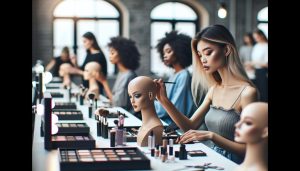
Navigating the beauty aisle can feel overwhelming, especially when faced with the choice between store brands and high-end products. Did you know that you don’t always have to spend a fortune to achieve a professional look? In this article, we dive into “Sephora Makeup Artist Reviews: Store Brand vs High-End Test,” providing insights from industry experts to help you make informed choices. Whether you’re a makeup novice looking for budget-friendly options or a seasoned artist seeking the best products for your kit, understanding the performance differences between these price tiers is crucial. Join us as we explore what truly distinguishes store brands from luxury items, revealing tips and product recommendations that can elevate your beauty routine without breaking the bank. Your ultimate guide to beautifying your routine starts here!
Understanding Sephora’s Makeup Artist Perspective
Understanding the perspective of Sephora’s makeup artists provides valuable insights into the intricate world of beauty products, especially when comparing store brands and high-end alternatives. Many makeup artists frequent Sephora not just for its vast product range but for the expertise and professional-grade options available. These professionals often emphasize that while price can influence perception, the effectiveness and quality of products ultimately determine preference. Factors like blendability, longevity, and finish often take precedence over mere branding.
High-end brands are typically formulated with advanced ingredients that can enhance performance and offer more exquisite finishes, appealing particularly to professional makeup artists who require products that withstand the demands of long photo shoots or events. Conversely, many store brand products have made significant strides in both formulation and performance, often rivaling their high-end counterparts at a fraction of the cost. This shift has resulted in artists frequently exploring a mix of both categories to suit various needs and budgets.
Makeup artists appreciate the transparency and accessibility of store brand formulations, which can provide a more relatable experience for everyday consumers. They also recognize the growing trend of inclusivity in tone ranges and product types, which is crucial for catering to diverse skin types. By understanding their recommendations, customers can confidently navigate through both store brand options and high-end gems based on personal preferences, budget, and specific application needs.
When choosing makeup, it’s essential to consider the intended use, skin type, and desired finish. For example, specific store brands may excel in creating everyday looks with ease and affordability, while high-end products might be favored for special occasions requiring a touch of luxury and professional finesse. Every makeup artist’s toolkit is a blend of personal style and professional necessity, emphasizing that both store and high-end products have their unique advantages when applied thoughtfully.
Key Differences Between Store Brand and High-End Makeup

Understanding the nuances between store brand and high-end makeup can significantly influence your purchasing decisions and overall makeup experience. While both categories aim to enhance beauty, they cater to different needs and preferences based on formulation, branding, and price points.
High-end makeup brands often boast superior formulations, utilizing advanced ingredients and innovative technology that can yield exceptional results. Professionals frequently choose these products for their longevity, pigment payoff, and luxurious finishes, particularly in high-stakes situations like photo shoots or special events. The availability of specialized products tailored for various skin types further underscores the appeal of high-end items, as they often offer solutions designed for specific concerns, such as acne, dryness, or sensitivity.
In contrast, store brand products have evolved to offer impressive value without compromising quality. Many have integrated similar ingredients and performance-enhancing elements into their formulations, allowing them to compete directly with established luxury brands. The rise of store brands reflects a growing consumer demand for diversity, affordability, and accessibility in beauty. Customers can find trending ingredients, like hyaluronic acid and antioxidants, in these products, presenting an affordable option for everyday wear with the potential to deliver similar results to their high-end counterparts.
Moreover, the brand image associated with high-end makeup often plays a crucial role in consumer perception. The marketing narratives constructed around luxury products-exclusivity, prestige, and sophisticated packaging-can heavily influence buying behavior. Conversely, store brands prioritize approachability and transparency, often appealing to consumers who seek practicality and value over brand prestige.
Ultimately, understanding these key differences can empower consumers to make informed decisions about which products align with their individual needs. Whether you gravitate towards a high-end luxury foundation for its flawless finish or explore an affordable store brand option that gets the job done without breaking the bank, both sectors offer unique advantages worth considering in your makeup routine.
Why Makeup Artists Prefer Certain Brands

Makeup artists are often discerning in their preferences for brands, driven by a blend of performance factors, ingredient integrity, and personal experience. Many professionals turn to high-end brands for their consistency and quality, viewing these products as tools critical to their craft. Luxury cosmetics frequently feature advanced formulations containing unique ingredients that enhance performance, such as light-reflecting particles in foundations for a flawless finish that endures in various lighting conditions – essential for editorial shoots and special events.
When evaluating store brands, artists do not overlook their potential. The evolution of store brand products, many now infused with popular actives like vitamin C or retinol, demonstrates that affordability does not always mean compromising on quality. Artists often recommend these lines for everyday use, especially for clients new to makeup or seeking budget-friendly options. The bolder pigments and diverse shades available in store brands have helped them gain ground, offering impressive alternatives that can rival those of established luxury names.
In the competitive beauty industry, the familiar patterns of use also play a significant role in brand preference. Many professionals develop loyalty to specific brands that have consistently delivered results across varied application situations. Whether it’s a signature lipstick that withstands hours of wear or a primer that smooths skin texture, these trusted products become staples in an artist’s kit. As a result, the subjective experiences and personal tastes help shape their recommendations to clients, often reflecting a balance of effectiveness and accessibility.
Ultimately, the selection of makeup products by artists incorporates more than merely high or low price points. It comes down to individual needs, preferences, and unique circumstances that can influence their choices, ensuring they always have the right tools at hand to enhance their artistry and meet client expectations.
Performance Test: Store Brand vs. High-End Makeup

In the beauty world, performance stands as a paramount criterion when distinguishing between store brand and high-end makeup products. While high-end brands often tout superior formulations with advanced technology and unique ingredients, many store brands have risen to the occasion, offering commendable alternatives that can meet the needs of both makeup artists and everyday consumers. This growing competition has opened the door for a more nuanced evaluation of quality that goes beyond price tags.
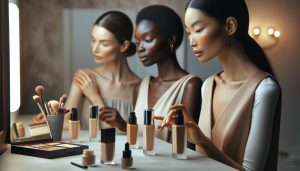
When conducting performance tests, makeup artists usually focus on key factors including longevity, blendability, pigmentation, and skin compatibility. High-end products have an edge with their innovative textures and finishes that often provide a flawless application and long-lasting wear, particularly in challenging environments like photo shoots or hot events. For example, luxury foundations may use light-diffusing properties and more sophisticated color technology, resulting in a seamless finish that looks great on camera as well as in person.
Conversely, many store brands have improved their offerings by incorporating popular ingredients and enhancing formulas to boost their performance. For instance, brands like ELF and Thrive are known for producing highly pigmented shadows and foundations that rival those of luxury brands yet come at a fraction of the cost. These products demonstrate that a well-executed formula does not have to break the bank. Artists testing these products often find that they can achieve outstanding results, making them ideal for clients who wish to maintain a balanced beauty regimen without overspending.
Moreover, the choice between store brand and high-end makeup can also boil down to personal preference and specific needs. Some artists may prefer the luxurious feel of a high-end primer or the exquisite color payoff of a top-shelf lipstick, while others might find that they achieve similar results with more budget-friendly options. This variability highlights the importance of understanding one’s unique skin type, makeup style, and application techniques in determining which products will yield the best results in various contexts.
In conclusion, a thorough performance test reveals that while high-end options often excel in formulation and consistency, many store brands have made significant strides, offering affordable alternatives that deliver impressive results. Whether for professional artistry or daily wear, the key is to experiment and find the products that align with your specific beauty goals and lifestyle.
Influence of Price on Product Quality

In the world of cosmetics, the assumption that a higher price guarantees superior quality is prevalent but often misleading. It’s essential to note that the relationship between price and product quality isn’t strictly linear; various factors including brand reputation, marketing, and ingredient sourcing affect overall perceptions and experiences. While high-end makeup brands typically invest heavily in research and formulation, achieving exquisite textures and innovative technologies, many affordable brands have risen to the challenge, producing products that can compete on performance and results.
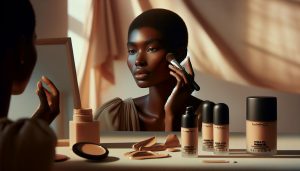
When exploring the influence of price on makeup quality, it’s crucial to recognize how high-end brands often leverage high-cost ingredients that can enhance product performance, such as unique oils or rare pigments. These products frequently undergo extensive testing and formulation refinements. For instance, luxury foundations may contain advanced polymers that promote a flawless application and longevity, ensuring they wear beautifully throughout the day. However, these benefits come with significantly higher price tags.
On the other hand, budget-friendly brands like ELF and Thrive have democratized beauty by making high-quality formulations accessible. They often utilize smart marketing strategies to highlight their effectiveness, and many have adopted trending skincare ingredients, such as hyaluronic acid and vitamin C, to enhance their performance. Users frequently report satisfaction with these products, proving that affordability doesn’t preclude excellence.
Furthermore, customer experiences indicate that the context of use also plays a significant role in perceived quality. Makeup artists often find that the need for specific formulations, such as waterproof products for brides or long-wearing formulas for events, can influence their choices regardless of price. In these cases, it’s prudent to evaluate individual products based on their performance in specific contexts rather than relying solely on their price points.
Ultimately, understanding the nuances of how price correlates with quality empowers consumers to make informed choices that suit their personal preferences and budgets. As the landscape of beauty continues to evolve, striking a balance between affordability and quality is not only possible but increasingly common.
Comparative Analysis of Ingredients in Makeup Products
In the captivating world of makeup, the devil is often in the details-especially when it comes to ingredients. Not only do they influence the formulation of products, but they also play a crucial role in performance, skin compatibility, and even personal experiences. A comparative analysis of ingredients reveals why certain brands, whether store-bought or high-end, resonate differently with makeup artists and enthusiasts.
High-end makeup brands often tout their use of premium ingredients that are rigorously tested and sourced from exotic locales. For instance, luxury foundations might include specialized extracts like blue lotus for hydration or rare minerals for color payoff. These ingredients are typically compounded with advanced technology, such as micro-encapsulation, which allows for longer-lasting wear and skin benefits. This level of formulation precision can provide a texture that feels luxuriously soft, enhancing blendability and performance on the skin.
Conversely, store brands have made strides in formulating remarkable products using attention-grabbing ingredients that rival their more expensive counterparts. Brands like ELF and Thrive illustrate this shift by incorporating effective skincare components such as hyaluronic acid and antioxidants like vitamin E. These formulations aim to offer practical solutions for everyday beauty needs, proving that affordability doesn’t have to compromise efficacy. In many consumer trials, users have found that many drugstore foundations and concealers blend just as well, if not better, than some high-end options when taking into account their specific skin type and concerns.
Among resourceful makeup artists, the power of ingredient knowledge is paramount. Understanding how specific components interact with different skin types-or how they may trigger sensitivities-can guide the selection process. For example, if an artist is working with a client who has sensitive skin, they might choose a high-end product with a reputation for calming irritations, or alternatively, a store brand that boasts dermatologist-tested formulas free of parabens and fragrances.
Ultimately, the choice of products boils down to individual preference, but knowing the ingredients is invaluable in making informed decisions. As beauty continues to evolve, both store brands and high-end lines are discovering how to innovate and adapt, ensuring diverse choices for consumers. By thoughtfully examining the ingredient lists and understanding their functions, both novices and experts can select products that not only meet their aesthetic desires but also support their skin’s health and wellbeing.
Application Techniques for High-End vs. Store Brand Products
The technique used to apply makeup can significantly affect the overall look and longevity of the products, making it essential to choose methods that suit both high-end and store brand items. Each category of makeup brings its unique characteristics to the table, and understanding these can enhance your application process.
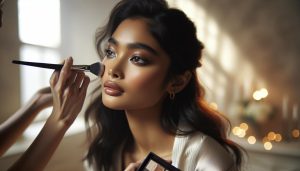
When working with high-end cosmetics, the emphasis often lies on achieving a flawless finish. Many luxury products offer a more pigmented formula, which can require different techniques to blend seamlessly into the skin. For example, using a damp beauty sponge can help in blending cream foundations, allowing the product to melt into the skin while providing a natural glow. Additionally, techniques such as stippling or buffing with a high-quality brush can enhance the opulent finish of these products. The goal here is to enhance the product’s performance, allowing the sophisticated formulation to shine through.
In contrast, store brand products, while still effective, may benefit from techniques that emphasize their performance characteristics. For instance, budget-friendly foundations like those from ELF or Thrive can often be applied using the fingertips for a more personal touch, as the warmth of the fingers helps in warming up the product, making it easier to spread over the skin. These brands tend to have formulations that offer good blendability straight out of the package, which means fewer tools are required to create a smooth application.
Despite these differences, some application techniques can be universally beneficial. Establishing a solid base through skincare is crucial regardless of the product’s price point. Proper cleansing, toning, and moisturizing set the stage for any makeup look. Additionally, using a primer-be it high-end or affordable-can significantly influence the final appearance and wear time of the makeup. Certain artists even mix techniques, using high-end products for specific zones (like concealers under the eyes) while applying store brands on other areas (like the cheeks), maximizing the benefits of both categories.
Ultimately, whichever route you choose, developing an understanding of application techniques allows for a tailored approach that enhances the unique properties of each product category. By embracing these skillful techniques, you can achieve confident color payoff and a beautiful finish, tailored specifically to your needs and preferences.
Real User Experiences with Store Brand vs. High-End
Real-life experiences often illuminate the nuanced debate between store brand and high-end makeup products. Many users report that when testing budget-friendly options like ELF or Thrive against luxury brands, their outcomes frequently depend on personal skin types and application techniques. For example, a user with oily skin may find that a matte foundation from a drugstore brand performs surprisingly well throughout the day, rivaling a high-end alternative. However, those with dry skin might prefer the luxurious feel and hydrating effects of a high-end formula, highlighting how individual needs dictate preferences.
Feedback from makeup artists working with a range of clientele reveals that balancing both categories can be key to achieving the desired look without breaking the bank. One professional noted that during bridal trials, she often uses high-end concealers to ensure a flawless under-eye finish, while applying a drugstore foundation for the rest of the face. This combination not only fulfills the client’s budget considerations but also maximizes performance where it matters most. Such practical insights can inspire makeup enthusiasts to experiment and create a cosmetic arsenal tailored to their specific needs.
Moreover, social media platforms are rife with testimonials sharing both successes and failures. Users frequently highlight innovative ways to make the most of less expensive products through strategic layering or mixing with higher-end formulations. For instance, mixing a high-quality illuminator with a store brand foundation can elevate the overall radiance, allowing for cost-effective glamour that doesn’t skimp on quality. This approach showcases the artistry behind makeup application; it’s not always about the price tag but rather the skills and techniques utilized by the artist.
In a diverse beauty landscape, the challenge often lies in finding the perfect balance. Customers are encouraged to keep an open mind and try products across the spectrum. By embracing both store brands and high-end makeup, users can broaden their makeup toolkit, leading to a more versatile and personalized application routine. Whether opting for DIY hacks or seeking professional advice, the thorough exploration of experiences in both price categories fosters a community of informed beauty enthusiasts eager to share their discoveries and elevate their techniques further.
Best Store Brand Makeup Options Recommended by Artists
Makeup artists often embrace budget-friendly store brands for their versatility and impressive performance, proving that high-quality results don’t always come with a high price tag. Among the most recommended options, brands like ELF, Thrive, and Ilia stand out. These products have not only garnered praise from professional makeup artists but have also gained popularity among beauty enthusiasts for their effectiveness and affordability.
Top Store Brand Recommendations
- ELF Cosmetics: Known for its cruelty-free products, ELF offers various foundations, concealers, and eyeshadows that consistently receive positive feedback. The ELF Poreless Putty Primer is a favorite among artists for its ability to create a smooth canvas without breaking the bank.
- Thrive Causemetics: This brand is celebrated for its high-performance formulas and social mission. The Brilliant Eye Brightener and the Liquid Lash Extensions Mascara are often highlighted for their quality and longevity, making them staples in many artists’ kits.
- Ilia Beauty: Ilia combines skincare with color cosmetics, offering products that are as good for the skin as they are for beauty. The Super Serum Skin Tint provides a natural, radiant look with sun protection included, appealing to both skincare aficionados and makeup lovers.
Investing in these standout store brand products provides a way to experiment within a range of looks while keeping costs manageable. For artists working with clients with diverse needs, the adaptability of these items ensures seamless integration into various makeup styles.
Application Techniques
When working with store brand products, application techniques can significantly enhance their performance. For instance, using damp sponges for foundation application can achieve an airbrushed finish, while layering an affordable eyeshadow with a setting spray can intensify color payoff. Techniques like these teach beginners that success in makeup lies not just in the product itself but in how it is applied.
Encouraging experimentation with these products fosters creativity and confidence, allowing both novices and seasoned users to discover what works best for their unique beauty. By integrating these well-regarded store brand products into their toolkit, makeup artists can create stunning looks that resonate with clients, proving that exceptional results are possible regardless of budget constraints.
High-End Makeup Essentials You Should Consider
When diving into the world of high-end makeup, it’s important to understand that not all luxury products serve the same purpose or offer the same value. The best high-end makeup essentials are those that not only elevate your look but also incorporate advanced formulations that enhance skin health and provide unparalleled performance. Brands such as *Giorgio Armani*, *Charlotte Tilbury*, and *Yves Saint Laurent* shine in this space, each bringing unique innovations and aesthetics that have become staples in many makeup artists’ kits.
Must-Have High-End Products
- Giorgio Armani Luminous Silk Foundation: This foundation glides on effortlessly and delivers a radiant finish that flatters a variety of skin types. It’s praised for its buildable coverage, allowing users to achieve both a natural and full-glam look.
- Charlotte Tilbury Pillow Talk Lip Pencil: A game-changer in lip artistry, this versatile pencil can line, fill, and define lips with its creamy yet long-lasting formula. The soft nude-pink hue complements numerous skin tones, making it a favorite among professionals.
- Yves Saint Laurent Touche Éclat Radiant Touch: Known as the “magic pen,” this highlighter concealer brightens the under-eye area and can also be used to highlight cheekbones. Its lightweight texture blends seamlessly, providing a luminous finish without settling into fine lines.
- NARS Orgasm Blush: The iconic blush known for its universally flattering peachy-pink shimmer is essential for adding a natural flush to the cheeks. Its buildable intensity offers versatility for day-to-night transitions.
Investing in these high-end products not only allows for exquisite results but also can inspire confidence in makeup application. The sophisticated formulations often contain skin-loving ingredients, making them ideal for those who prioritize both beauty and skincare. Moreover, high-end products frequently come with exceptional customer service and packaging, further enhancing the luxury experience.
Application Techniques for High-End Products
Utilizing the right application techniques can maximize the benefits of high-end makeup. For instance, applying *Giorgio Armani Luminous Silk* with a damp beauty sponge can create a flawless, airbrushed appearance. Similarly, layering the *Charlotte Tilbury Pillow Talk* lip pencil under a matching lipstick provides longevity and depth of color.
The key to unlocking the full potential of high-end products lies in your application. Experiment with different tools-brushes versus sponges-to see what works best for your skin type and desired look. Embracing the artistry of application alongside superior products will amplify your beauty routine significantly, providing a canvas that reflects your unique style with confidence.
Tips for Choosing the Right Makeup Based on Your Needs
Choosing the right makeup can feel overwhelming, especially with the myriad of products available, from store brands to high-end options. Understanding your unique skin type, desired finish, and personal style will lead you to choices that truly enhance your beauty. Makeup isn’t just about color; it’s about creating a harmonious look that complements your features and fits seamlessly into your lifestyle.
First, consider your skin type. If you have oily or combination skin, opt for foundations and powders that offer matte finishes and oil control, like those found in store brands such as ELF or Milani. For dry skin, high-end brands like NARS or Giorgio Armani provide luxurious, hydrating products that deliver a dewy look. Testing different textures, such as cream versus powder products, can also reveal what works best for you. Don’t hesitate to ask for samples at stores like Sephora, where beauty advisors can guide you to products that match your needs.
Texture and product formulation are crucial elements too. If you prefer a lightweight feel, look for products that emphasize breathable formulations without heavy coverage. High-end lines often feature innovative ingredients that hydrate or protect the skin, while many store brands excel in providing excellent performance at a lower price point. Ingredients matter; always check labels for ones that suit your skin sensibilities-whether it’s a clean formulation or hypoallergenic products.
To navigate the price-performance relationship effectively, try to set a budget while allowing for key investments in essential high-end products, especially those that are used frequently. An example would be splurging on a versatile foundation while filling in with quality store brand lip colors or mascaras. This blends affordability with quality, helping you build a well-rounded kit without breaking the bank. Remember also to explore user reviews and recommendations, which can provide insights into real-world performance and satisfaction, whether the product is from a store brand or a luxury label.
Ultimately, makeup should empower you and enhance your inner beauty. Embrace experimentation and let your personal preferences lead you to the products that truly resonate with your style. With the right approach, anyone can master the art of selecting makeup that not only looks good but also feels authentically ‘you.’
Budget-Friendly Makeup Hacks from Professionals
In the fast-paced world of beauty, knowing how to maximize your makeup budget without sacrificing quality is essential. Professional makeup artists often have secret hacks that elevate both store-brand and high-end products, making amazing looks accessible. One key tip is to mix and match: high-end foundations paired with store-brand concealers can create a flawless canvas while keeping costs manageable. Additionally, utilizing products with multifunctional properties, like tinted moisturizers that combine skincare and makeup benefits, can minimize the need for multiple purchases.
Another effective strategy is to invest in tools rather than a vast array of products. Quality brushes and sponges can greatly enhance the application of any makeup line, allowing even budget-friendly options to perform at their best. For instance, a good blending sponge can seamlessly apply both inexpensive and luxury liquid products, ensuring a polished finish. Similarly, exploring palettes that offer diverse shades can also offer more versatility at a fraction of the cost.
Makeup artists also recommend trial sizes and samples, especially when it comes to high-end products. Many brands, including Sephora’s offerings, allow customers to try before buying. This approach not only helps you find the right products for your skin type but also prevents waste. Pairing sample applications with learning techniques on how to maximize the use of each product can transform even the simplest items into standout features of your look.
The art of layering is crucial, too. Professionals emphasize starting with lighter products and building up coverage as needed. This method maintains a natural appearance while allowing budget-conscious users to utilize both store brands and high-end foundations effectively. Ultimately, the goal is to find what works for you-be that through clever product combinations or strategic investments in essential tools that elevate your prowess in makeup application.
Faq
Q: What are the main differences between store brand and high-end makeup?
A: The main differences include ingredient quality, product performance, and branding. High-end makeup often features superior formulations, more luxurious packaging, and a strong brand identity, while store brands typically focus on affordability and accessibility. For a deeper understanding, you can refer to sections on Key Differences Between Store Brand and High-End Makeup.
Q: Why do makeup artists favor high-end brands over store brands?
A: Makeup artists often prefer high-end brands due to their consistency in performance, quality ingredients, and extensive shade ranges that cater to diverse skin tones. Additionally, high-end products frequently undergo rigorous testing for professional use, ensuring they withstand various conditions. Learn more in Why Makeup Artists Prefer Certain Brands.
Q: How does the price of makeup influence its quality?
A: Generally, higher-priced makeup can indicate better quality ingredients and more intricate formulations. However, this isn’t always the case, as some store brands produce excellent products at lower prices. It’s wise to assess individual products rather than judging solely by price. Explore this topic further in the Influence of Price on Product Quality section.
Q: What should I consider when choosing between store brand and high-end makeup?
A: Consider your budget, skin type, application technique, and the occasion. It’s beneficial to test products on your skin and observe how they perform throughout the day. Further insights can be found in Tips for Choosing the Right Makeup Based on Your Needs.
Q: How do makeup application techniques differ for high-end versus store brand products?
A: Application techniques may vary based on product texture and formulation. High-end products might require specialized tools for optimal application, while some store brands can be effectively applied with basic techniques. Discover detailed application tips in the Application Techniques for High-End vs. Store Brand Products section.
Q: Are there any store brand makeup options recommended by professional makeup artists?
A: Yes, many makeup artists recommend store brands known for their quality and affordability, such as e.l.f. and NYX. These brands often offer products that rival high-end brands in performance. Check out the section on Best Store Brand Makeup Options Recommended by Artists for specific suggestions.
Q: Can real user experiences help in comparing store brand and high-end makeup?
A: Absolutely! Real user reviews can provide valuable insights into product performance and satisfaction, helping you to make informed choices. Refer to the Real User Experiences with Store Brand vs. High-End section for a comparative analysis based on actual feedback.
Q: What are some budget-friendly hacks for high-quality makeup?
A: Budget-friendly hacks include mixing store brand and high-end products, utilizing multi-use products, and scouting for sales and discounts. Additionally, focusing on the right application techniques can enhance your overall look, as discussed in Budget-Friendly Makeup Hacks from Professionals.
In Summary
As we wrap up our exploration of Sephora Makeup Artist Reviews comparing store brands to high-end options, remember that the key lies in finding the right products that suit your unique needs. Whether you’re drawn to the affordability of store brands or the luxury of high-end cosmetics, understanding your skin type and makeup goals can greatly influence your choices. Don’t hesitate-experiment with these recommendations today and discover what truly enhances your beauty routine!
To dive deeper, check out our detailed guides on makeup tutorials and product reviews for brands like Seint, Thrive, and ELF. Additionally, if you’re interested in mastering barbering skills, explore our professional insights on cutting and styling techniques. Subscribe to our newsletter for the latest tips and exclusive offers on beauty essentials, and share your experiences in the comments below. Your beauty journey is just beginning-let’s continue to elevate your style together!