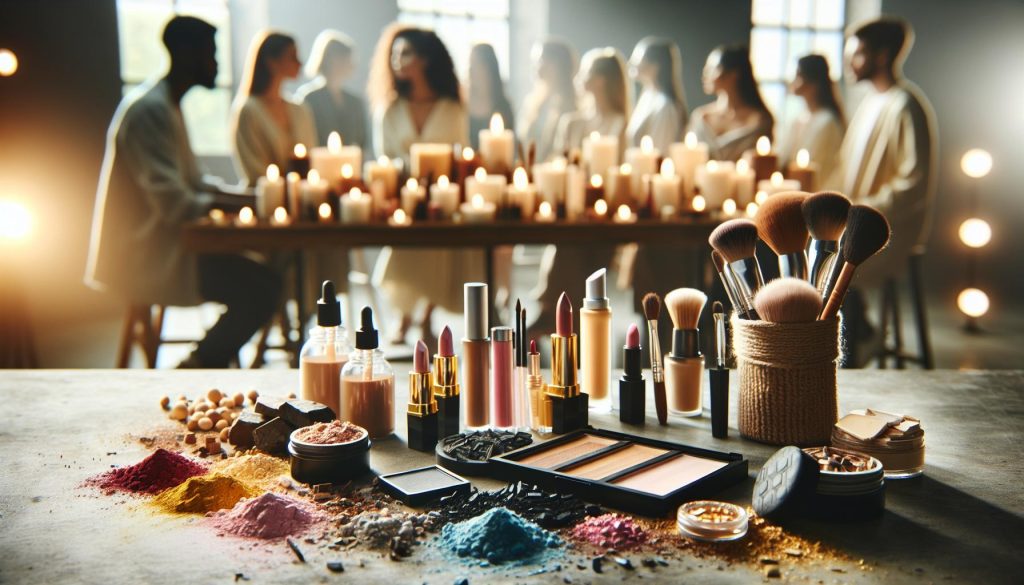
Have you ever glanced at your makeup and wondered exactly what’s in it? The truth might surprise you! From the glimmer of glitter to the subtleties of texture, makeup contains a variety of ingredients that serve crucial purposes, from enhancing appearance to nourishing the skin. Understanding these components not only empowers you to make informed choices but also addresses common concerns about allergies and skin sensitivities. By exploring the often-overlooked substances in your favorite products, you’ll gain insights that can elevate your beauty routine to new heights. What fascinating elements are hidden behind those colorful tubes and jars? Join us as we dive into the unexpected world of makeup ingredients and uncover what really goes into the cosmetics you love.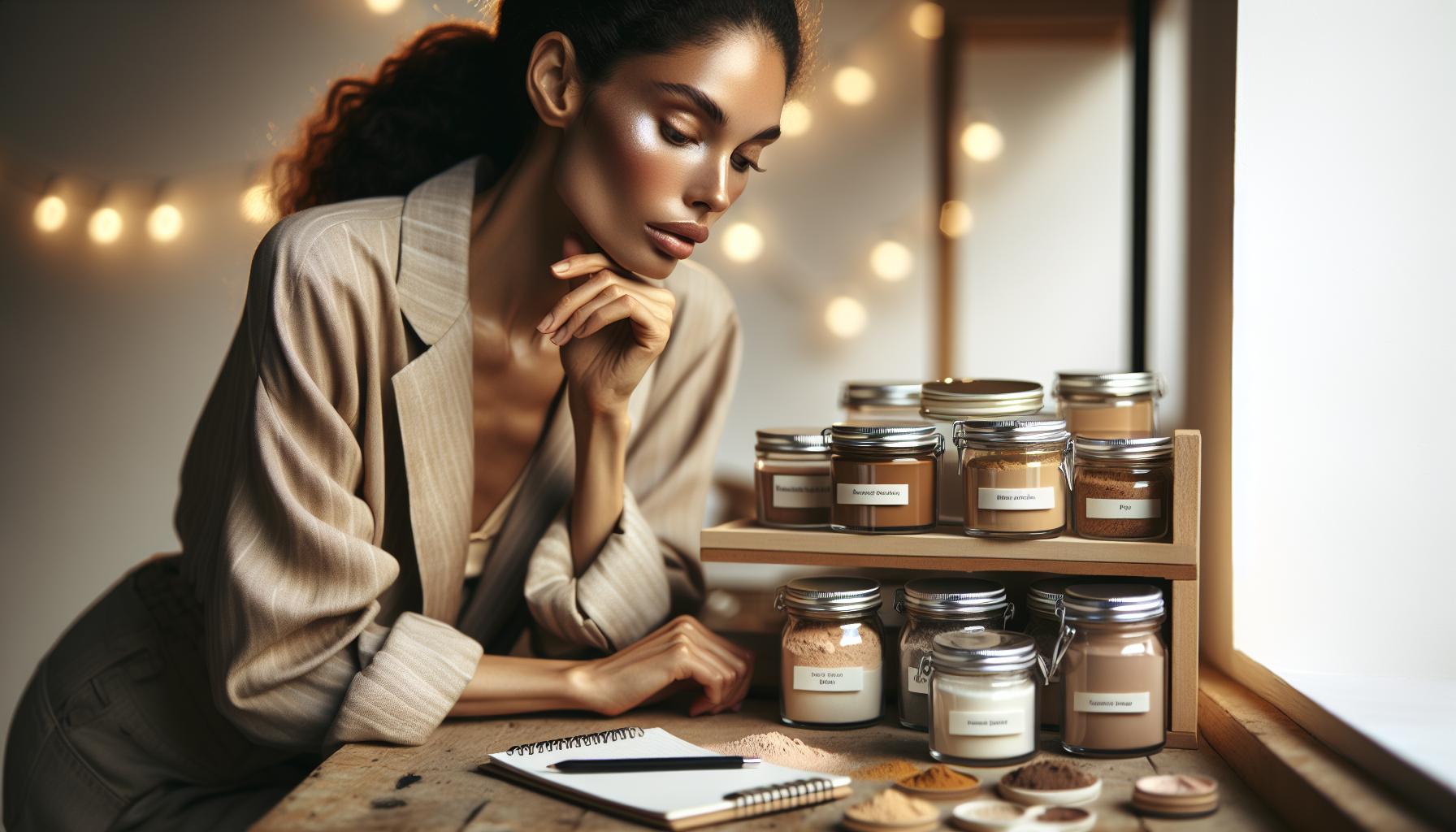
What Goes Into Your Foundation: Common Ingredients Explained
Foundations are at the heart of any makeup routine, forming the canvas for countless looks and enhancing your natural beauty. Understanding what goes into these products not only helps you choose the right one but also empowers you to make informed decisions about your skin health. Most foundations contain a combination of various ingredients designed to provide coverage, hydration, and long-lasting wear. Let’s delve into some common components found in foundation formulations.
One of the primary ingredients in many foundations is water, which acts as a solvent for other ingredients and provides a lightweight feel on the skin. Additionally, emollients like oils and butters-such as jojoba oil or shea butter-help to keep the skin moisturized and improve the texture of the foundation, allowing it to glide on smoothly. Pigments, often in the form of titanium dioxide or iron oxides, give foundation its color and coverage and help to mask imperfections.
Another vital category includes film-forming agents, which ensure that the product adheres to the skin, providing long-lasting wear. Silicones like dimethicone and cyclopentasiloxane are frequently used for their smooth application and ability to fill in fine lines. However, it’s important to note that while silicones can create a flawless finish, they may not suit everyone, particularly those with oily or acne-prone skin.
To maintain the integrity of these formulations and to ensure they remain usable over time, preservatives are necessary. Ingredients like phenoxyethanol and ethylhexylglycerin help prevent microbial growth without compromising the formula’s effectiveness. Understanding these elements helps you appreciate not only how your foundation works but also the role each ingredient plays in providing the coverage and finish you love. By familiarizing yourself with these common constituents, you can make better choices and find a foundation that not only enhances your beauty but is also harmonious with your skin type and lifestyle.
The Science Behind Natural vs Synthetic Makeup
From botanical extracts to complex synthetic compounds, the debate between natural and synthetic makeup ingredients has become a central topic in the beauty industry. Each camp offers unique benefits and drawbacks that cater to different preferences and skin types. Natural makeup proponents argue that ingredients sourced from plants, minerals, and other organic materials are safer and gentler, often containing fewer additives and chemicals. These formulations frequently include nourishing elements like oils and waxes derived from nature, which can be more beneficial for the skin, providing hydration without the heavy feel associated with many synthetic products.
In contrast, synthetic makeup has its own merits, often designed for efficacy and longevity. Ingredients like silicones provide a silky-smooth texture and a flawless finish, allowing for easy application and excellent coverage. Additionally, synthetic formulations can be engineered to include features like extended wear, water resistance, and precise color matching that may not always be achievable with natural ingredients. This versatility makes them appealing to makeup enthusiasts and professionals alike. Moreover, synthetic products can offer a higher degree of safety through rigorous testing and standardization, potentially reducing the risk of allergies or adverse reactions in some individuals.
When evaluating products, it’s essential to consider personal skin types and concerns. For example, individuals with sensitive skin may lean towards natural cosmetics to avoid potential irritants, while those in humid climates or with active lifestyles might benefit more from the durability of synthetic options. Ultimately, an informed choice hinges on understanding one’s unique needs and preferences. Whether embracing the purity of nature or the innovation of science, the diverse landscape of makeup offers something for every beauty enthusiast.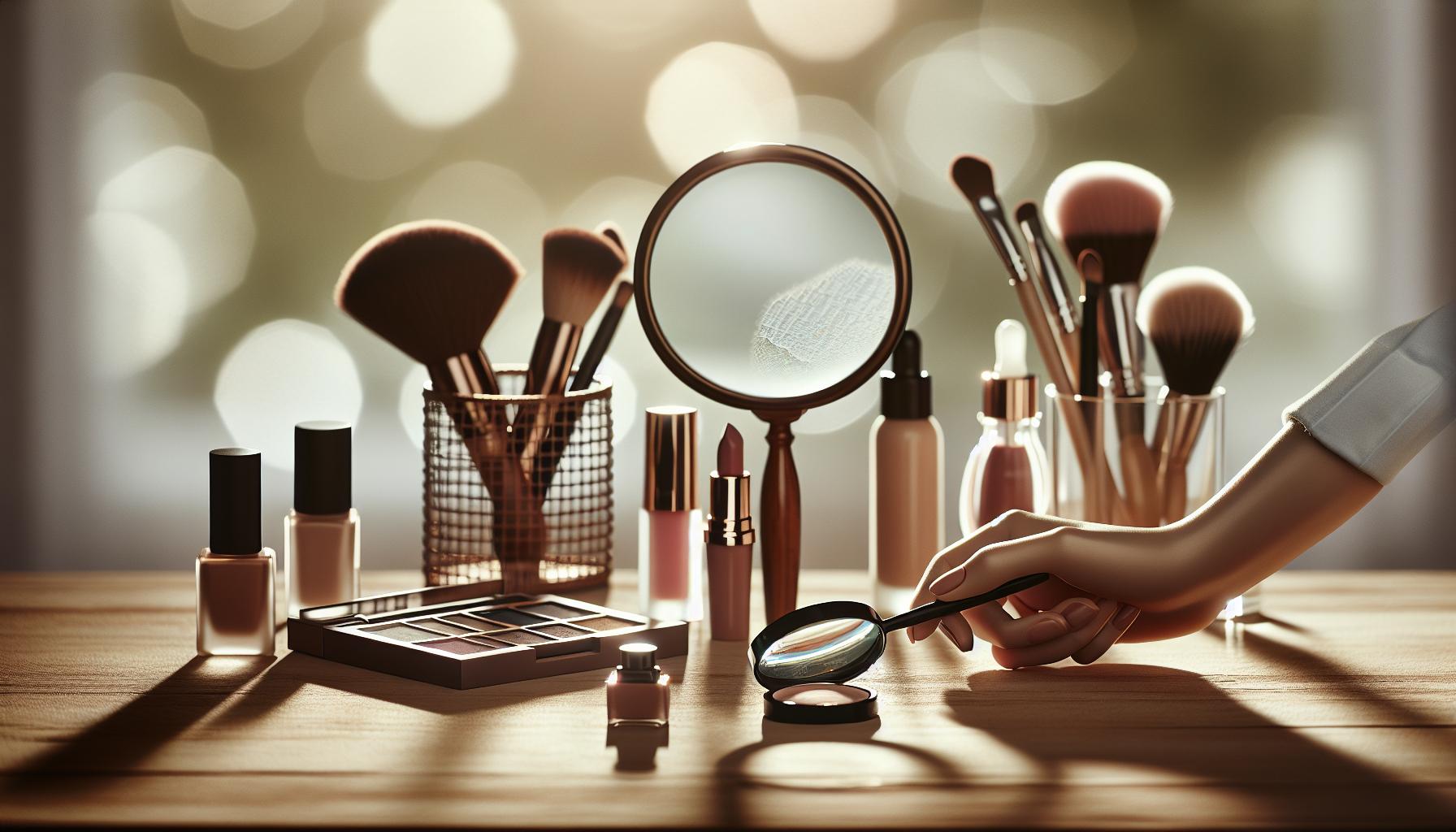
Uncovering Hidden Ingredients in Your Makeup
Understanding the ingredient list of your makeup products is crucial for maintaining healthy skin and making informed choices. Many consumers are unaware that some of the hidden ingredients can raise concerns, ranging from allergens to potential health risks. When you delve into what’s inside your foundation, lipsticks, or eyeshadows, you’ll often uncover surprising components that may not be immediately obvious.
One essential area to focus on is colorants used in makeup. These can include natural sources like beet juice or synthetic dyes such as Red 40, which may cause allergic reactions in sensitive individuals. Additionally, many products contain fragrances, a term that can obscure a multitude of chemical compounds-some of which may be irritating and could trigger skin sensitivities. It’s vital to be aware that brands often don’t disclose the specific ingredients that compose their “fragrance” blend, leaving consumers in the dark about potential allergens.
Another category to explore is emollients and thickeners, such as parabens, which are used to enhance texture and prolong shelf life. Though commonly found in cosmetics, parabens have sparked debate regarding their safety and potential link to hormone disruption. Brands are increasingly opting for paraben-free formulas, highlighting the shift towards transparency and consumer safety. Moreover, certain makeup items might include silicones like dimethicone, which provide a smooth application but can also create a barrier that traps dirt and sebum, leading to breakouts for some individuals.
For those committed to clean beauty, scrutinizing ingredient labels becomes second nature. Look for products labeled as “free from” specific chemicals and consider brands that prioritize transparency. You may also find values in non-toxic lines that emphasize biodegradable, cruelty-free, and ethically sourced components. Whatever your beauty philosophy is, being proactive about ingredient investigation can empower you to choose cosmetics that align with your personal health standards while enhancing your natural beauty.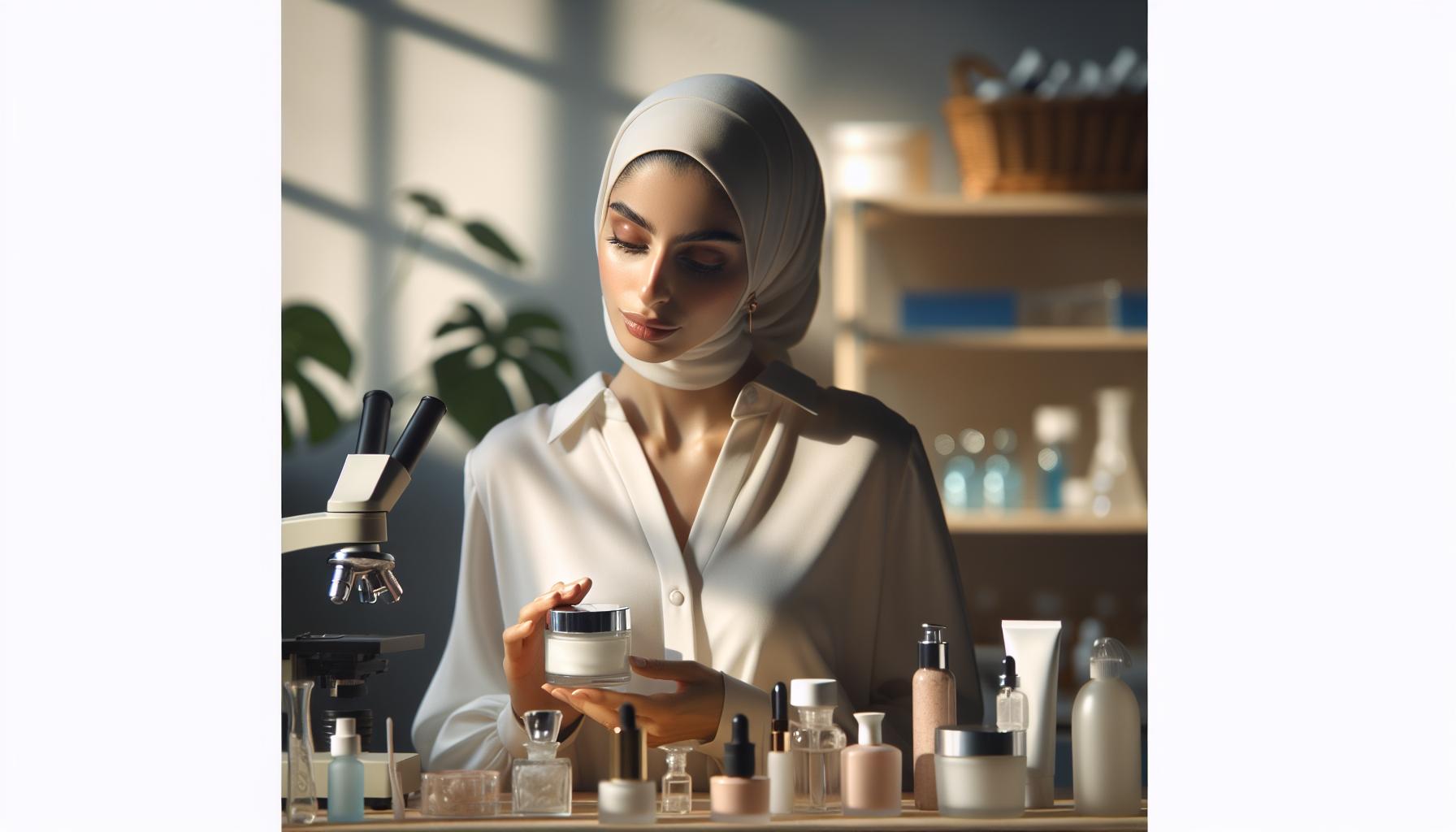
Understanding Harmful Chemicals in Cosmetics
Makeup can be a powerful tool for self-expression and enhancing one’s natural beauty, but understanding what lies beneath the surface is crucial for informed choices. Many consumers are unaware that their favorite products may harbor harmful chemicals that pose potential risks to their skin and overall health. Ingredients like parabens, phthalates, and formaldehyde releasers are commonly found in cosmetics, each raising red flags. Parabens, for instance, are preservatives that help products maintain their shelf life, yet they are linked to hormone disruption and have drawn scrutiny from health advocates.
Another group to watch out for includes synthetic fragrances, which are often used to create appealing scents. However, these fragrances can contain several undisclosed chemicals that may irritate the skin or trigger allergic reactions. It’s also important to note that some makeup products utilize silicones. While they provide a smooth finish and help products spread easily, they can create a barrier that traps dirt and oil, potentially leading to breakouts.
To navigate through these concerns, educating oneself on the labels is vital. Look for products that prioritize transparency and are free from harmful ingredients. Many brands have responded to consumer demand by offering formulations that are paraben-free, phthalate-free, and utilize natural, plant-based alternatives instead. Understanding the implications of these ingredients not only empowers consumers but also encourages brands to maintain safety and quality standards that meet the evolving demands of beauty enthusiasts.
In addition, opting for products labeled as cruelty-free or vegan can further align your purchases with ethical standards, ensuring that your beauty routine is both responsible and safe. In a landscape where wellness is intertwined with beauty, making informed choices lays the foundation for a healthier skincare regimen that nourishes your skin and supports your beauty values. By actively scrutinizing and questioning the components of your cosmetics, you can cultivate a beauty routine that is as conscientious as it is glamorous.
The Role of Preservatives in Makeup Products
The use of preservatives in makeup is an essential aspect of product formulation that often goes overlooked by consumers. These compounds play a critical role in extending the shelf life of cosmetics, preventing microbial growth, and maintaining product integrity, which in turn protects your skin and ensures that the makeup performs well. Without preservatives, makeup would be susceptible to contamination, leading to potential skin irritations or infections.
Most commonly used preservatives include parabens, phenoxyethanol, and methylisothiazolinone. Parabens, in particular, have faced scrutiny in recent years due to concerns over their association with hormone disruption. Although many brands are now opting for paraben-free formulations, it’s important to recognize the need for alternative preservatives that still serve the purpose of preventing spoilage. For example, phenoxyethanol is widely used in cleaner formulations as a less controversial preservative.
Choosing the right products includes understanding the type of preservatives they contain. Look for brands that prioritize safe and effective alternatives in their formulations. Many companies are now embracing natural preservatives such as rosemary extract and grapefruit seed extract, which can provide antimicrobial benefits without the adverse effects associated with harsher chemicals. This shift in the industry reflects a broader consumer demand for transparency and safety in cosmetics.
When selecting makeup, consider products labeled as “preservative-free.” While these products often appeal to consumers aiming for minimalism, it’s crucial to note that they may have a shorter shelf life and require diligent handling to maintain safety. Ultimately, understanding the role of preservatives not only helps you make informed choices but also encourages brands to innovate and uphold high safety standards that align with your beauty values. By selecting products wisely, you can enjoy cosmetics that are not only effective but also safe for your skin.
Exploring Cruelty-Free and Vegan Makeup Options
In an era where ethical consumption is more critical than ever, understanding the significance of cruelty-free and vegan makeup options has become a priority for many beauty enthusiasts. Cruelty-free makeup refers to products that are not tested on animals, while vegan makeup goes a step further by excluding any animal-derived ingredients. This conscious choice not only reflects a commitment to ethical standards but also encourages brands to innovate around sustainable resources and practices.
When exploring cruelty-free products, look for certifications such as the Leaping Bunny or PETA’s Bunny Logo, which indicate a brand’s commitment to ethical testing practices. Popular cruelty-free brands like Thrive or ILIA not only prioritize humane practices but also deliver high-quality formulations that enhance your natural beauty. Similarly, brands like e.l.f. Cosmetics have made significant strides in ensuring their products are both affordable and free from animal testing, catering to a diverse range of consumers.
Vegan makeup is an excellent choice for those with sensitivities or ethical concerns about conventional products. Many brands have begun reformulating traditional products to meet vegan standards, providing consumers with innovative alternatives devoid of nasty ingredients like beeswax or carmine, often found in lipsticks and blushes. For example, a product from Seint that features natural plant-based pigments can achieve vibrant colors without compromising your values.
Ultimately, adopting cruelty-free and vegan makeup options not only contributes to a more ethical beauty industry but also aligns with a growing awareness of what we put on our skin. By prioritizing these products, you empower brands that honor animal rights and support sustainable practices. Embrace the beauty of compassionate choice, and you’ll not only look good but feel good about the products you use.
How to Read Makeup Ingredient Labels Like a Pro
Understanding the fine print on makeup ingredient labels can feel overwhelming, yet mastering this skill empowers you to make informed choices. An ingredient list can reveal a wealth of information about a product’s formulation, effectiveness, and compatibility with your skin type. Armed with some knowledge, you can confidently navigate the aisles of beauty products, whether you’re drawn to a natural look or experimenting with bold colors.
Start by familiarizing yourself with the components of the label. Ingredients are typically listed in descending order based on their concentration in the product. The first few items represent the bulk of the formula, so pay close attention to these. Ingredients such as water, oils, and waxes are common bases, but note how they rank. For example, if a foundation lists water as the first ingredient and silicones next, it suggests a more hydrating formula, while a higher placement of oils might signal a heavier texture.
Another essential aspect is to identify keywords associated with common irritants or allergens. Look for terms like “fragrance” or “parfum,” which can indicate the presence of synthetic scents that may cause sensitivity. Additionally, be aware of preservatives such as parabens and formaldehyde-releasing agents, which some prefer to avoid. Familiarizing yourself with the names of specific harmful chemicals, such as phthalates or sulfates, will support your decision-making process.
Moreover, understanding certifications like cruelty-free or vegan can significantly impact your purchases. For instance, products marked with the Leaping Bunny logo or PETA certification signify that no animal testing occurred in the product’s development, while vegan labels denote the absence of animal-derived ingredients altogether. Brands such as Thrive, ILIA, and e.l.f. Cosmetics are exemplary contenders that uphold these ethical standards while delivering quality results.
Finally, don’t hesitate to utilize online resources or apps that help decode ingredient labels. Many platforms can analyze a product’s formulation, saving you time and providing valuable insights. This knowledge not only enhances your beauty routine but also encourages a more conscious approach to your makeup choices. Mastering the art of reading ingredient labels ensures that your beauty regimen reflects both your aesthetic preferences and your values, putting you in the driver’s seat of your beauty journey.
Innovative Ingredients Revolutionizing the Beauty Industry
In recent years, the beauty industry has witnessed a remarkable shift towards innovative ingredients that not only enhance product performance but also cater to evolving consumer preferences for health, sustainability, and efficacy. Brands are increasingly harnessing the power of science and nature to create formulations that promote skin health while delivering impressive results. This melding of technology and nature brings products to market that are more effective, safer, and responsive to the unique needs of diverse skin types.
One of the most captivating developments is the use of *biotechnology* in formulating cosmetics. Ingredients derived from fermentation processes, such as *bioengineered peptides and amino acids*, have gained traction for their ability to enhance skin repair and boost hydration. For instance, products infused with fermented ingredients, like kombucha or willow bark extract, can improve skin texture and provide antioxidant protection. Such ingredients not only support a balanced, healthy complexion but also resonate with consumers increasingly interested in clean, eco-friendly products.
Natural Additives on the Rise
Another innovative wave is driven by natural additives that are gaining recognition for their multifunctional benefits. For instance, *adaptogens* like ashwagandha and reishi mushrooms are being integrated into makeup products, promising not just aesthetic appeal but also stress-relief properties. These botanicals help the skin adapt to environmental stressors, making them ideal for urban dwellers facing pollution and other harsh conditions. Brands like ILIA and Thrive capitalize on these ingredients, emphasizing their holistic approach to beauty and well-being.
Moreover, the trend towards *sustainable beauty* has led to the development of *upcycled ingredients*. These components make use of parts of plants that would otherwise go to waste, such as coffee grounds or fruit peels. This not only minimizes environmental impact but also infuses products with unique textures and beneficial properties. For example, coffee extract is known for its invigorating scent and ability to tighten skin, while citrus peel can provide a natural glow.
As consumers become more ingredient-savvy, the demand for transparency in product formulations continues to rise. Brands are responding by creating educational initiatives aimed at helping shoppers understand the benefits of innovative ingredients. This shift empowers consumers to make informed decisions based on their personal values and skin needs, fostering a more engaged approach to beauty. Whether one is experimenting with versatile products featuring innovative actives or investing in luxurious offerings packed with nature’s best, the beauty landscape is richer and more exciting than ever before.
Debunking Myths About Makeup Ingredients
It’s time to shatter some common misconceptions surrounding makeup ingredients that can cloud your judgment and influence your choices negatively. For example, many believe that all synthetics are harmful, while in reality, certain synthetic ingredients can be more stable and effective than their natural counterparts. Consider silicone, often vilified for being synthetic, yet it serves as an excellent barrier and hydrator that enhances the smoothness and application of products. This illustrates that not all synthetics are created equal, and it’s crucial to evaluate their purpose and efficacy rather than dismiss them outright.
Another prevalent myth is that a product labeled “natural” or “organic” automatically means it is safe for all skin types. While many natural ingredients are beneficial, certain plant extracts can cause allergic reactions just as easily as some synthetic components can. For instance, essential oils derived from natural sources can irritate sensitive skin, leading to redness or breakouts. Therefore, embracing labels like “natural” demands a deeper understanding of the specific ingredients and their effects on your skin, rather than assuming they are inherently non-irritating.
Furthermore, the belief that all preservatives in makeup are harmful is misleading. Preservatives play a critical role in ensuring the longevity and safety of cosmetic products, preventing the growth of bacteria and mold that could pose health risks. Without effective preservatives, products could have a considerably shorter shelf life and increased risk of causing skin infections. For instance, parabens have been largely vilified, but many studies indicate that when used in controlled amounts, they are safe and effective. A better approach is to focus on understanding the benefits and risks associated with various preservatives rather than categorically rejecting them.
In addition to these myths, there’s a misconception that cruelty-free products are all vegan. While cruelty-free indicates that an item was not tested on animals, it doesn’t guarantee the absence of animal-derived ingredients. It’s essential for consumers who follow a vegan lifestyle to read labels carefully and educate themselves on what constituents make up their favorite brands’ formulations.
Ultimately, empowering oneself through education about makeup ingredients fosters informed choices, aligning product use with personal values and specific skin needs. The next time you reach for a beauty product, remember that knowledge is your best tool in navigating the complex ingredient landscape. By understanding the nuances of makeup formulations, you can find products that truly elevate your beauty routine without compromising health or ethics.
The Importance of pH Balance in Makeup
Maintaining the correct pH balance in makeup is critical for optimizing skin health and enhancing product performance. The skin’s natural pH level ranges from 4.5 to 5.5, making it slightly acidic. This acidity helps protect the skin from harmful bacteria and environmental aggressors while supporting its barrier function. When makeup products stray too far from this balance-whether too acidic or too alkaline-they can disrupt the skin’s natural ecosystem, leading to adverse effects such as irritation, breakouts, and premature aging. Understanding pH can empower users to choose products that align with their skin’s needs.
Different makeup formulations adhere to varying pH levels, often dictated by their intended use. For example, cleansers are typically more alkaline to effectively break down oils and impurities, while foundation and other hydrating products lean toward a more skin-friendly acidic environment. When shopping for makeup, traditional pH values are often not provided on labels. However, brands committed to skin health are increasingly formulating products within a safe pH range. By choosing items with a pH similar to that of your skin, you improve not only the wearability of the makeup but also the health of your skin.
To assess and choose products with the right pH balance, consider the following factors:
- Ingredient Awareness: Familiarize yourself with ingredients that can affect pH, such as alpha hydroxy acids (AHAs) and beta hydroxy acids (BHAs). While they can provide benefits, they may also alter skin acidity levels.
- pH Testers: Some companies utilize pH testers that can indicate the acidity of the product before application, providing you with guidance on compatibility with your skin.
- Skin Type Consideration: Tailor your choices based on your skin type. Oily skin may benefit from products slightly more alkaline, while dry or sensitive skin may require more acidic options.
- Feedback and Reviews: Consult reviews and testimonials where users share their experiences with different products. Personal insights can shed light on pH balance effects.
Achieving a harmonious pH balance in makeup not only enhances the effectiveness of the products but also promotes a healthier skin environment. Make educated choices, and empower yourself to prioritize formulations that align with your skin’s unique needs, ensuring that your beauty routine enhances your natural radiance while safeguarding your skin’s health.
Tips for Choosing Safe Makeup for Sensitive Skin
Choosing makeup can be a delightful experience, but selecting the right products becomes crucial when dealing with sensitive skin. Many individuals face challenges such as redness, irritation, or breakouts due to harsh ingredients. However, armed with the right knowledge, you can confidently select makeup that enhances your beauty while keeping your skin happy.
To start, it’s essential to prioritize ingredient transparency. Always check the label for potential irritants, including fragrances, alcohol, and artificial dyes. Opt for products labeled “hypoallergenic” or “dermatologist-tested,” as these are typically formulated with sensitive skin in mind. Brands such as ILIA and Thrive Causemetics offer organic and clean formulations known for their gentle properties, making them excellent choices for those prone to reactions. Furthermore, consider ingredients that are soothing and nourishing, like aloe vera, chamomile, or hyaluronic acid, which not only enhance your skin’s appearance but also maintain its health.
Understand the Different Formulations
When choosing products, the formulation plays a pivotal role. Cream-based foundations or liquid tints can be more forgiving for sensitive skin than their powder counterparts, which may contain talc or other drying agents. Look for makeup with a water or oil base to foster hydration while achieving a beautiful finish. Products from Seint provide cream-based options that allow for buildable coverage without suffocating the skin, perfect for creating a fresh look without irritation.
Perform a Patch Test
Before fully committing to a new product, conduct a patch test to assess your skin’s reaction. Apply a small amount of the product on a discreet area, such as your wrist or behind your ear, and watch for any adverse reactions over 24 hours. This simple yet effective method can save you from investing in something that might cause a flare-up.
Consult Professional Resources
For individuals working in the beauty industry, understanding your client’s unique skin conditions is vital. Encourage clients to discuss their sensitivities and concerns during consultations about makeup application. Implementing knowledge from credible beauty blogs or skincare websites can refine your recommendations and build trust in your expertise. Additionally, consider adding clean beauty brands to your toolkit that emphasize safe ingredients, ensuring you meet your clients’ needs without compromise.
By staying informed about ingredients, formulations, and application techniques, you not only elevate your personal beauty game but also enhance the experiences of those you serve. Invest your attention in finding products that nourish and support sensitive skin, and you’ll delight in the effortless beauty that shines through.
Frequently Asked Questions
Sure! Here’s a well-structured FAQ section optimized for the topic “What Is Makeup Made Of: Surprising Ingredients Exposed.”
Q: What common ingredients are found in makeup products?
A: Makeup products often contain common ingredients like water, oils, waxes, pigments, and preservatives. These components help to blend the product smoothly, give it color, and ensure it has a suitable shelf life. For detailed insights, explore the section on “What Goes Into Your Foundation” in the article.
Q: How do natural makeup ingredients differ from synthetic ones?
A: Natural makeup ingredients are derived from plants and minerals, offering a more organic alternative, while synthetic ingredients are chemically created and can enhance durability and performance. For a deeper understanding, refer to “The Science Behind Natural vs Synthetic Makeup” in our article.
Q: Are there any harmful chemicals in makeup I should avoid?
A: Yes, certain harmful chemicals, such as parabens, phthalates, and formaldehyde, can be found in makeup and are best avoided due to potential health risks. For more details, check out “Understanding Harmful Chemicals in Cosmetics.”
Q: What makes a makeup product cruelty-free or vegan?
A: A cruelty-free makeup product is not tested on animals, while a vegan product contains no animal-derived ingredients. To learn how to choose these products, visit the section on “Exploring Cruelty-Free and Vegan Makeup Options.”
Q: How can I tell if my makeup products are safe for sensitive skin?
A: To determine if makeup is suitable for sensitive skin, look for products labeled hypoallergenic, fragrance-free, and non-comedogenic, and always conduct a patch test. For tips on reading labels, see “How to Read Makeup Ingredient Labels Like a Pro.”
Q: What innovative ingredients are currently trending in makeup?
A: Innovative ingredients like probiotics, hyaluronic acid, and CBD oil are gaining popularity for their skin-benefiting properties, enhancing makeup performance and wear. Learn more in the section “Innovative Ingredients Revolutionizing the Beauty Industry.”
Q: How does pH balance affect makeup performance?
A: The pH balance of a makeup product can influence how it interacts with your skin. A balanced pH helps maintain the skin’s natural barrier and enhances wearability. For further exploration, see “The Importance of pH Balance in Makeup.”
Q: When should I replace my makeup products?
A: Makeup should generally be replaced every 3-6 months to prevent contamination and ensure effectiveness. Always check for expiration dates and changes in texture or scent, as suggested in our guidelines.
This FAQ section not only addresses user queries but also strategically links back to relevant parts of your article for deeper exploration. It’s structured for easy implementation as an FAQ schema and designed to capture voice search queries, making it valuable for both users and search engines.
Insights and Conclusions
Now that you have uncovered the surprising ingredients in makeup, you’re better equipped to make informed choices for your beauty routine. Remember, understanding what’s in your products is key to nurturing your skin and enhancing your style. If you’re curious about how to choose the right makeup for your specific needs, check out our detailed guides on makeup tutorials and product reviews for brands like Seint and Thrive.
Don’t miss out-subscribe to our newsletter for exclusive tips and the latest in beauty trends, or explore our practical articles on essential grooming techniques. Join our community and share your thoughts in the comments below; your insights could inspire others on their makeup journey! Dive deeper into the world of beauty guidance and professional barbering expertise right here. Your next step towards beauty excellence starts now!