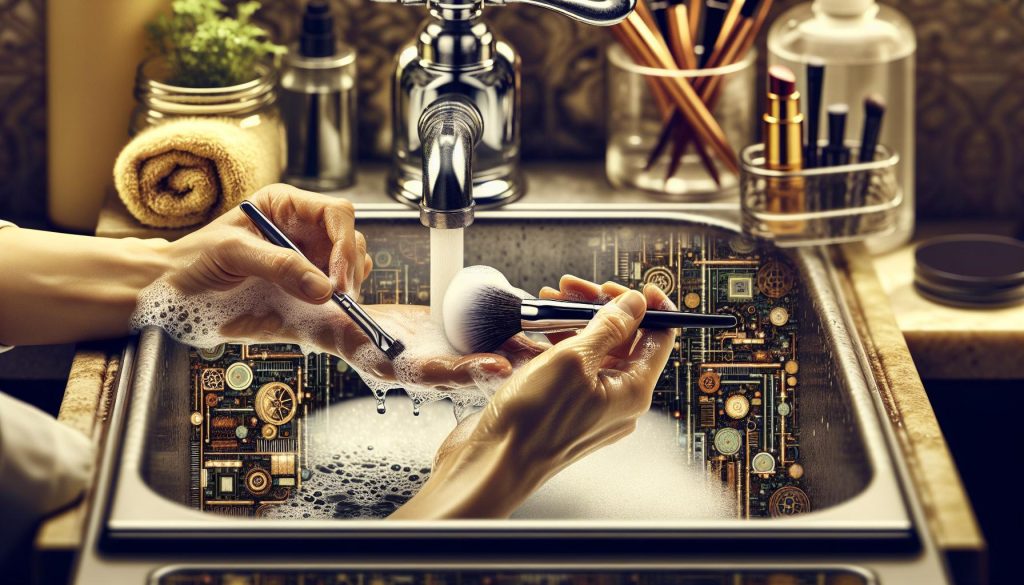
Did you know that unclean makeup brushes can harbor bacteria that may lead to skin irritation and breakouts? Keeping your brushes fresh is essential not only for applying flawless makeup but also for maintaining the health of your skin. In this guide on “How to Clean a Makeup Brush: Professional Deep-Clean Method,” you’ll discover expert techniques that ensure your tools are free from dirt and product buildup. Regular cleaning not only enhances your makeup application but also extends the life of your brushes. Whether you’re a makeup enthusiast or a professional artist, mastering the art of brush cleaning is a crucial skill. Dive in to learn how to effectively rejuvenate your brushes, elevate your beauty routine, and promote a healthy complexion. Your skin will thank you for it!
How to Choose the Right Cleaning Products for Makeup Brushes
Choosing the right cleaning products for your makeup brushes is fundamental to maintaining their integrity and ensuring optimal performance. The wrong products can lead to bristle damage, color transfer issues, and even skin irritations. Here’s how to navigate the myriad options available to find what works best for you.
Start with gentle, alcohol-free solutions. These types of cleansers are less likely to strip the natural oils from the bristles or irritate your skin. Look for brush cleaners specifically formulated for various types of makeup, including liquid, cream, and powder, ensuring they cater to the materials of your brushes, whether synthetic or natural. A good rule of thumb is to prioritize brands that emphasize cruelty-free practices and use skin-safe ingredients.
For a DIY approach, you might consider common household items like baby shampoo or castile soap, which are both effective and gentle. Mixing these with water can create a delicate yet effective cleansing solution, providing an excellent alternative to commercial products. Incorporating a few drops of olive oil into your mix also helps in breaking down stubborn makeup residues while conditioning the bristles.
Remember to read labels carefully and avoid any harsh chemicals or fragrances that could compromise your brushes’ longevity or sensitivity. By understanding the ingredients and choosing wisely, you’ll not only keep your tools in prime condition but also protect the health of your skin, paving the way for flawless makeup application every time.
Step-by-Step Guide to Deep-Cleaning Your Makeup Brushes
Deep-cleaning your makeup brushes is an essential routine that can dramatically impact the performance of your makeup and the health of your skin. Regularly exfoliating the buffs and bristles not only prolongs their lifespan but also eliminates harmful bacteria that can cause breakouts and irritations. Let’s dive into a straightforward method that combines efficiency with a professional touch, ensuring your brushes are clean, soft, and ready to deliver flawless application every time.
Begin by gathering your supplies. You will need gentle brush cleaner or a DIY solution such as a mix of baby shampoo and warm water, a small bowl, and a clean towel. If you’re using a brush cleaner, ensure it’s free from harsh chemicals. Fill a bowl with lukewarm water and add a few drops of your chosen cleaner. For a deeper cleanse, you can also include a drop of olive oil to help break down any stubborn makeup residues.
Next, it’s time to clean your brushes. Dip the bristles into the cleaning solution, being sure not to submerge the entire brush as this can loosen the glue that holds the bristles. Gently swirl the brush in the water, allowing the cleanser to penetrate the strands. For more meticulous cleaning, use your fingers to work through the bristles or follow with a silicone brush cleaning mat for added texture. Rinse the brushes under lukewarm water, ensuring all residue is washed out. Repeat the process for each brush, paying extra attention to those frequently used with cream or gel products, as they tend to build up more residue.
Once you’ve rinsed all of your brushes, lay them flat on a clean towel to dry. Avoid placing them upright in a holder, as water can seep into the ferrule and compromise the adhesive. Instead, shape the bristles gently to maintain their form and allow air circulation while they dry. For an added layer of hygiene, consider spritzing your brushes with a sanitizer after they are clean yet before drying. By following this deep-cleaning method, you’ll not only enhance your makeup application but also create a healthier canvas for your skin, ensuring longevity and performance for each tool in your kit.
Essential Tools for Effective Makeup Brush Cleaning
To achieve superior cleanliness and efficiency in your makeup brush routine, having the right tools is crucial. The effectiveness of your cleaning process hinges not just on technique but significantly on the products and implements you choose to use. Investing in quality tools will not only ensure your brushes last longer but also enhance the overall quality of your makeup application.
Begin your brush cleaning arsenal with a quality brush cleaner. Opt for a gentle, alcohol-free formula that effectively breaks down makeup residue without damaging the bristles. For those who prefer DIY options, a simple concoction of baby shampoo diluted in water can work wonders. This solution cleans effectively while being gentle on the natural fibers of the brush. Remember, the right cleaner is the foundation for maintaining the integrity of your brush fibers.
Key Tools:
- Silicone Cleaning Mat: These mats are designed with textured surfaces that help to remove even the most stubborn makeup remains. They also help prevent damage by providing a secure area to clean your brushes efficiently.
- Microfiber Cloth: This soft, absorbent fabric is perfect for drying your brushes. Using a microfiber cloth prevents lint from transferring onto the bristles and absorbs moisture swiftly without scratching the bristles.
- Brush Holder: A dedicated brush holder is essential for storing and drying your brushes. Ensure that the holder has a design that allows for air circulation, helping your brushes to dry effectively while maintaining their shape.
- Spray Sanitizer: An alcohol or witch hazel-based sanitizer is great for spot-cleaning brushes between deeper cleans. This is particularly useful for brushes that are used with liquid products, ensuring you eliminate bacteria without a complete wash.
By equipping yourself with these essential tools, you can streamline your brush cleaning routine, ensuring each tool remains in pristine condition. With attention to the type of cleaner, proper drying methods, and the use of innovative cleaning tools, you can elevate your makeup application process to new heights, all while prioritizing hygiene and efficiency. Remember, your brushes are an investment in your beauty routine; treat them well, and they’ll continue to enhance your artistry for years to come.
How Often Should You Clean Your Makeup Brushes?
Cleansing your makeup brushes regularly is essential for maintaining not only their longevity but also the health of your skin. A common guideline is to wash your brushes at least once a week; however, this frequency can vary based on your makeup habits. For makeup enthusiasts or professionals who use their brushes daily, a more rigorous schedule is advisable. Consider deep cleaning your tools every few days, especially if you’re applying products such as liquid foundation, which can harbor bacteria more than powders.
It’s also wise to adopt a spot-cleaning regimen between deep cleans. This involves using a spray sanitizer or quick brush cleaner on individual brushes after each use. For instance, when switching from a foundation application to a powder or blush, take a moment to sanitize your brush; this minimizes cross-contamination and ensures crisp, clean makeup application. Understanding your brush usage and adjusting your cleaning routine accordingly will lead to not only better makeup results but also healthier skin free from irritations and breakouts.
In conclusion, the balance of routine cleaning and spot cleaning offers a practical approach to maintaining makeup brushes. Regular cleansing helps preserve the bristles and maintains optimal makeup application, ultimately encouraging a more polished and professional appearance. Embrace the practice of cleanliness – your brushes will thank you with improved performance, and your complexion will reflect the effort spent on keeping your tools in top shape.
Common Mistakes to Avoid When Cleaning Brushes
When it comes to maintaining the hygiene and effectiveness of your makeup brushes, avoiding common pitfalls is essential for achieving great results. Many beauty enthusiasts unknowingly fall into traps that can lead to poor brush performance and even skin irritations. Understanding these mistakes can empower you to enhance your cleaning routine and extend the life of your tools.
One frequent error is using the wrong cleaning products. While it might be tempting to reach for household detergents or alcohol-based solutions, they can damage brush fibers or leave harmful residues. Always opt for gentle, brush-specific cleaners designed to remove makeup while being safe for the bristles. Additionally, skipping the rinse step can leave residue that clogs brush hairs, affecting application precision.
Another mistake is neglecting the importance of technique during cleaning. Many rush through the process, failing to ensure that each bristle is thoroughly cleaned. Instead, focus on gently swirling the brush in your chosen cleaning solution, allowing time for the product to break down build-up. Remember to clean the ferrule (the metal part of the brush) as well; forgotten dirt here can transfer to your skin.
Lastly, ignoring the drying process can significantly impact your brushes’ longevity. Placing brushes upright in a cup or laying them flat can lead to water pooling in the base, which weakens the glue and can cause shedding. Instead, try to reshape your brushes and lay them flat on a towel, allowing them proper airflow to dry completely.
By recognizing and avoiding these mistakes, you’ll not only achieve cleaner brushes but also elevate your makeup application game, leading to a flawless finish and healthier skin.
What to Do After Cleaning: Drying Strategies
To preserve the lifespan and performance of your makeup brushes, understanding the proper drying techniques post-cleaning is crucial. Although many may overlook this step, how you dry your brushes can significantly affect their longevity and functionality. Ideally, brushes should be dried in a way that prevents moisture from affecting the ferrule, as moisture can weaken the adhesive holding the bristles in place, leading to shedding and reduced performance.
After washing your brushes, reshape the bristles gently to restore their original form. Next, place the brushes lying flat on a clean, dry towel, ensuring that the bristles hang over the edge slightly. This positioning allows for any moisture to escape without pooling at the base of the bristles. Avoid standing brushes upright in a container, as this can lead to water pooling in the ferrule, which may cause damage. If you need to speed up the drying process, you can also set your brushes in a clean container filled with uncooked rice, which will absorb moisture faster.
For those wanting to further enhance the drying environment, consider using a fan to circulate air around your brushes. Not only does this method expedite the drying process, but it also helps to sanitize by reducing humidity levels around the bristles. Just ensure that the airflow is gentle, as too much force could disrupt the bristles’ shape.
Lastly, allow your brushes to dry for at least 6-8 hours or overnight if possible. Patience is key – rushing the drying process may compromise your brushes’ integrity and the quality of your makeup application. Following these drying strategies will not only ensure that your brushes are hygienically clean but also in optimal condition for flawless makeup application.
Benefits of Professional Makeup Brush Cleaning
Investing in professional makeup brush cleaning can dramatically enhance your beauty routine, providing benefits that far outweigh the cost. Did you know that regular professional cleaning not only extends the lifespan of your brushes but also optimizes their performance? A skilled clean can restore your brushes to their original state, ensuring they function effectively every time you reach for them, resulting in more precise application and seamless blends.
When you opt for a professional service, you gain access to advanced techniques and specialized cleaning solutions that can deeply cleanse brushes, eliminating built-up makeup, oils, and bacteria that may remain despite standard cleaning methods. This thorough cleaning process contributes to healthier skin by reducing the risk of breakouts and allergic reactions often triggered by residual product left in the bristles. Moreover, using professional services ensures that the integrity of each brush is maintained, minimizing wear and tear compared to at-home efforts which can sometimes lead to damage or misshaping of bristles.
Additionally, professionals often employ sanitization methods that go beyond the basic cleaning routine, providing an extra layer of protection against germs and allergens. This is particularly crucial for makeup artists and beauty enthusiasts who work with multiple clients or apply makeup frequently. By keeping brushes professionally cleaned, you not only adhere to hygienic practices but also enhance your reputation for reliability and care in your beauty endeavors.
Incorporating professional cleaning into your maintenance routine can also save you time. Instead of spending precious minutes or hours on cleaning, you can entrust this task to experts, allowing you to focus on your artistry or personal grooming. For those who are just starting their makeup journey, or those looking to maintain their tools effectively, using professional cleaning services represents a proactive approach to beauty care, promoting a more polished and professional appearance overall.
Homemade Cleaning Solutions: Safe and Effective Options
The right homemade cleaning solution can transform your makeup brush maintenance routine into a simple and effective process. Creating your own cleaning solution not only saves money but also allows you to control the ingredients, ensuring your brushes are cleaned safely and effectively. One of the most popular options is a gentle soap and water mix, which harnesses the cleansing power of both. A combination of baby shampoo or dish soap with warm water works wonders. Use a ratio of one part soap to two parts water; this delicate mixture removes makeup residues without damaging the bristles.
Another fantastic option is white vinegar and olive oil, a natural mix that disinfects and conditions your brushes. Combine one part vinegar to two parts olive oil in a small bowl. The vinegar effectively breaks down the oils and pigments, while the olive oil helps to maintain the softness of the bristles. When using this solution, dip the brush bristles in the mixture, swirl gently, and rinse thoroughly under lukewarm water. Not only does this keep your brushes clean, but it also prolongs their lifespan, maintaining the integrity of the bristles.
To enhance your cleaning routine even further, consider adding essential oils like tea tree oil to your solutions for their antibacterial properties. Just a few drops mixed into your base solution can provide extra protection against bacteria and help prevent breakouts. After cleaning, allow your brushes to air dry flat on a clean towel to keep their shape.
Ultimately, utilizing these homemade cleaning solutions promotes a healthier makeup application process. Your tools are the key to applying your favorite products effectively, and maintaining their cleanliness is crucial for achieving flawless results every time. With these safe and effective options, you can elevate your beauty routine while ensuring your brushes are both hygienic and in top condition.
Cleaning Different Types of Brushes: A Comprehensive Approach
When it comes to maintaining your makeup brushes, understanding how to clean different types is essential for keeping them in optimal condition and ensuring flawless application. Each brush serves a unique purpose, from the soft bristles of your foundation brush to the stiff hairs of your brow brush, and therefore requires tailored cleaning methods.
For synthetic brushes, which are commonly used for liquid and cream products, a simple solution of warm water and gentle soap like baby shampoo or dish soap works exceptionally well. Using the cleaning technique of swirling the brush in the mixture while avoiding the ferule (the metal part that holds the bristles) will help preserve the shape and integrity of the bristles. Rinse thoroughly under lukewarm water, ensuring no soap residue remains, and gently reshape before laying flat to dry.
In contrast, natural hair brushes, often used for powder products, demand a bit more attention. These brushes can absorb oils and pigments deeply into the bristles, so employing a cleaning solution with a bit of alcohol can help break down these residues effectively. Prepare a mixture with one part alcohol and two parts water, dip the brush into the solution, and gently swipe it across a paper towel or plate to remove product buildup. Be careful not to soak the bristles completely, as this can lead to shedding or deformation.
Eye brushes, particularly those used for eyeshadows and eyeliners, should be cleaned more frequently due to their proximity to the delicate eye area. A quick daily cleanse with a spray disinfectant or a DIY solution using equal parts water and vinegar can help keep these brushes free from bacteria. Lightly spritz the brush and wipe it on a clean cloth or tissue to instantly freshen it up.
For specialty brushes such as fan brushes or stippling brushes, ensure you follow similar steps, but adjust the pressure and technique according to the brush’s shape. Fan brushes, for instance, require a gentle sweeping motion rather than swirling, to protect the delicate bristles.
By embracing a comprehensive approach to cleaning your diverse brush collection, you not only enhance the longevity of these tools but also ensure your makeup application remains smooth, professional, and impeccable. Regular cleaning tailored to each type of brush empowers you to achieve the best results while fostering a healthy skincare routine.
Tips for Maintaining Brush Hygiene Between Cleanings
To keep your makeup brushes in pristine condition between deep cleanings, employing simple yet effective maintenance strategies is crucial. Regular care not only prolongs the life of your brushes but also ensures optimal makeup application. Did you know that dirty brushes can harbor bacteria that may lead to skin irritations or infections? Therefore, implementing hygiene practices will significantly enhance your beauty routine.
One effective method to maintain brush hygiene is to perform a quick daily clean. After each use, simply spritz your brushes with a gentle disinfectant or a DIY solution made from equal parts water and rubbing alcohol. Lightly wiping your brushes on a clean paper towel or cloth will eliminate any leftover makeup and bacteria. This quick refresh ensures that your brushes are ready to deliver flawless applications while reducing product buildup and preventing cross-contamination.
Use Brush Guards
Using brush guards is another excellent way to protect your brushes between thorough cleans. These breathable covers not only help retain the shape of your bristles but also prevent dirt and dust from settling. Simply slide the guard over the bristles after cleaning or when storing them. This small investment can save you from the hassle of deep cleaning more frequently and prolongs the life of your brushes.
Store Properly
Proper storage is equally important in maintaining brush hygiene. Avoid tossing your brushes into a drawer or pouch, which can bend the bristles and cause them to lose their shape. Instead, consider using a brush holder or a clean, dry case that keeps them upright. This method not only protects the bristles but also prevents dust accumulation and makes it easier to find the brushes you need. Keeping brushes away from harsh sunlight and heat sources also helps maintain the integrity of the bristles.
By adopting these simple but effective habits, you will ensure that your brushes remain clean and functional between deep cleanings. These proactive measures empower you to achieve a flawless makeup application while protecting your skin, enhancing the longevity of your tools, and fostering an efficient grooming routine. Embrace these practices to elevate your beauty regimen from ordinary to exceptional.
How to Sanitize Makeup Brushes for Extra Safety
Using sanitized brushes is a non-negotiable step in any beauty regimen, as it directly affects both the quality of application and skin health. Dirty brushes can easily become a breeding ground for bacteria, leading to breakouts and infections. Therefore, it’s vital to integrate thorough sanitization into your regular cleaning routine.
To effectively sanitize your makeup brushes, follow these straightforward yet powerful steps. First, select an appropriate sanitizer; options include alcohol (at least 70% isopropyl), brush cleaning solution, or a simple DIY solution of equal parts distilled water and white vinegar. Pour a small amount of the sanitizing solution onto a clean cloth or paper towel. Then, gently wipe the bristles, ensuring you reach all areas, including the ferrule-the metal part connecting the bristles to the handle, which often harbors grime.
Quick Disinfection Technique
For those pressed for time, a quick spritz of a brush cleaner can be your best friend. Hold the brush a few inches away from your face and spritz a light amount of cleaner onto the bristles. Swirl the brush in circular motions on a clean towel until all makeup residue is gone. This not only disinfects but also prepares the brushes for immediate use without the drying time needed for deep cleaning.
Deep Cleaning with Sanitization
When it’s time for a thorough wash, use a gentle soap or a specially formulated brush cleanser mixed with warm water in a bowl. After rinsing the bristles under warm running water, dip them in the soapy solution, lightly swirling to remove any built-up product. Rinse again under running water. Here’s the key to sanitization: repeat the rinsing process in a mixture of water and a few drops of your sanitizer. This final rinse ensures any lingering bacteria are effectively eradicated.
Maintaining sanitization isn’t just about cleaning after use; it’s a habit that promotes healthier skin and an elevated makeup application experience. By making these easy sanitization methods a part of your routine, you not only extend the longevity of your brushes but also play a crucial role in keeping your skin radiant and healthy. Whether you’re a makeup newbie or a seasoned pro, investing time in proper sanitization is a sure way to enhance your beauty practice, ensuring every application is flawless and safe.
Signs It’s Time to Replace Your Makeup Brushes
The longevity of your makeup brushes is essential for both the effectiveness of your makeup application and the health of your skin. Over time, even the best brushes will reach a point where replacement is necessary. Recognizing the signs that it’s time to invest in new brushes is crucial to maintaining optimal makeup performance and skin health.
A primary indicator that your brushes need to be replaced is when the bristles begin to shed. If you notice excessive shedding, this not only affects the application but can also lead to uneven makeup results. Similarly, the bristles should maintain their shape and softness. If your brushes feel scratchy or lose their form, it’s a good sign that they’ve reached the end of their usable life. Another factor to consider is the buildup of bacteria and product residue; even with regular cleaning, brushes can harbor bacteria in their fibers. If thorough cleaning no longer revives the brush’s original performance or cleanliness, it’s time for a fresh start.
Visible Damage and Aging
Visual signs of wear and tear can also signal it’s time for new brushes. Inspect for frayed edges, discolored bristles, and loose ferrules. Damage to the ferrule (the metal part connecting the bristles to the handle) can result in a loss of bristle alignment, affecting application precision. Over time, even the highest quality brushes will begin to lose their effectiveness, making routine assessments essential.
Personal Experiences and Preferences
Consider your personal preferences too. If you find that a brush no longer achieves the desired effect or feels uncomfortable during use, your makeup routine may benefit from newer options that suit your techniques and styles better. With the myriad of makeup styles and products available today, having brushes that enhance your application is key to an enjoyable beauty experience.
In conclusion, regularly evaluate both the performance and physical condition of your brushes. Investing in new tools not only enhances your makeup application but also promotes a healthier skincare routine, making the experience enjoyable and fulfilling. Your face deserves the best; therefore, choosing the right tools is crucial for achieving exceptional results.
Q&A
Q: How can I tell if my makeup brush is clean enough?
A: A clean makeup brush should feel soft and not have any residue or buildup of makeup. Perform a visual check; it should look vibrant and free of discoloration. Additionally, if your makeup applies unevenly or if you notice irritation on your skin, it’s time to clean your brushes more thoroughly.
Q: What is the best method for spot cleaning makeup brushes?
A: The best method for spot cleaning includes using a specific brush cleaner or a mix of isopropyl alcohol and water. Dampen a paper towel or cloth with the solution, then gently swirl the brush on it until the makeup is removed. This method is quick and ideal for brushes used between full cleanings.
Q: Is it safe to use soap on my makeup brushes?
A: Yes, using gentle soap such as baby shampoo or a mild dish soap can be safe for your makeup brushes. Ensure that the soap is free from harsh chemicals. Avoid any soaps with added scents or antibacterials, as they can damage the brush fibers.
Q: Can I use vinegar to clean my makeup brushes?
A: Yes, vinegar can be a great natural way to clean your makeup brushes. Mix equal parts of vinegar and water, then soak the brush for a few minutes before rinsing thoroughly. Vinegar helps to disinfect brushes and break down makeup residue.
Q: How do I dry my makeup brushes properly after cleaning?
A: To dry your makeup brushes properly, gently reshape the bristles and lay them flat on a clean towel, allowing them to air dry. Avoid standing them upright in a jar, as water can seep into the ferrule and loosen the glue, causing bristles to fall out.
Q: Should I clean my makeup sponges the same way as brushes?
A: Makeup sponges require a slightly different approach. Use warm water with soap or a specific sponge cleaner, and gently squeeze the sponge to remove makeup. Rinse thoroughly until the water runs clear. Regular cleaning prevents bacteria buildup and ensures smooth application.
Q: What tools can help with cleaning makeup brushes?
A: Tools such as silicone brush cleaning mats, glove cleaners, or even a simple baby shampoo can enhance your cleaning process. These tools facilitate efficient cleaning by providing a textured surface to help remove makeup and dirt effectively.
Q: How can I maintain my makeup brushes between deep cleanings?
A: To maintain makeup brushes between deep cleanings, use a quick-dry brush cleaner to remove excess product after each use. Store brushes upright and in a clean area. This practice helps prevent buildup and prolongs the life of your brushes.
Wrapping Up
Now that you’ve mastered the professional deep-clean method for your makeup brushes, remember that maintaining clean brushes is essential for healthy skin and flawless makeup application. Don’t wait-take a moment to gather the right tools, and adopt this routine to enhance your beauty regimen today. If you’re interested in more makeup tips, check out our guides on the best makeup products for your skin type and step-by-step application techniques.
For even more insights, consider signing up for our newsletter for exclusive content, promotions, and expert advice tailored just for you. Your journey towards beauty excellence doesn’t end here-explore our product reviews featuring brands like Seint, Thrive, and Ilia to discover your next favorite item. Join our community, share your experiences, and let’s elevate your beauty game together!