The debate over makeup from a biblical perspective has sparked much interest and controversy, as many individuals grapple with the apparent conflict between self-expression and spiritual beliefs. For some, makeup is a form of creativity and personal confidence; for others, it raises questions about vanity and authenticity. Understanding whether wearing makeup is considered a sin requires an exploration of scripture, cultural context, and personal purpose. This article aims to illuminate these issues, providing clarity to help you navigate your beauty choices with faith in mind. As you delve deeper, consider how the principles discussed can resonate with your values and enhance your self-acceptance, inviting you to reflect on your unique journey in faith and beauty.
Understanding the Biblical View on Makeup
Understanding the views on makeup within a biblical context can empower individuals to make informed choices that align with their faith and personal expression. Throughout scripture, beauty and adornment are addressed, often highlighting the intentions behind such practices rather than outright prohibitions. In 1 Peter 3:3-4, for instance, it emphasizes that true beauty comes from within, suggesting that external adornments, while not inherently wrong, should not overshadow one’s inner character and faith.
Moreover, historical accounts illustrate that many biblical figures, including Queen Esther and Jezebel, utilized cosmetics as part of their cultural practices. Esther is often noted for her beauty preparations before meeting the king, which underscores that looking one’s best was valued and even strategic in those narratives. This perspective invites the understanding that makeup can serve various purposes, from enhancing appearance to expressing one’s individuality and creativity.
In contemporary discussions, Christians are encouraged to reflect on their motivations for using makeup. Questions to consider include: Does it come from a desire for acceptance, or is it simply a medium of self-expression? Balancing the aesthetic choices of makeup with spiritual values becomes crucial in navigating this aspect of life. Practical guidelines for Christians may suggest moderation and mindfulness, emphasizing that adornment should not detract from one’s faith or values but can complement them beautifully when approached with a heart aligned with spiritual principles.
Ultimately, invites a broader conversation about how individuals can express their beauty without losing sight of their inner worth, emphasizing the importance of authenticity in both appearance and character.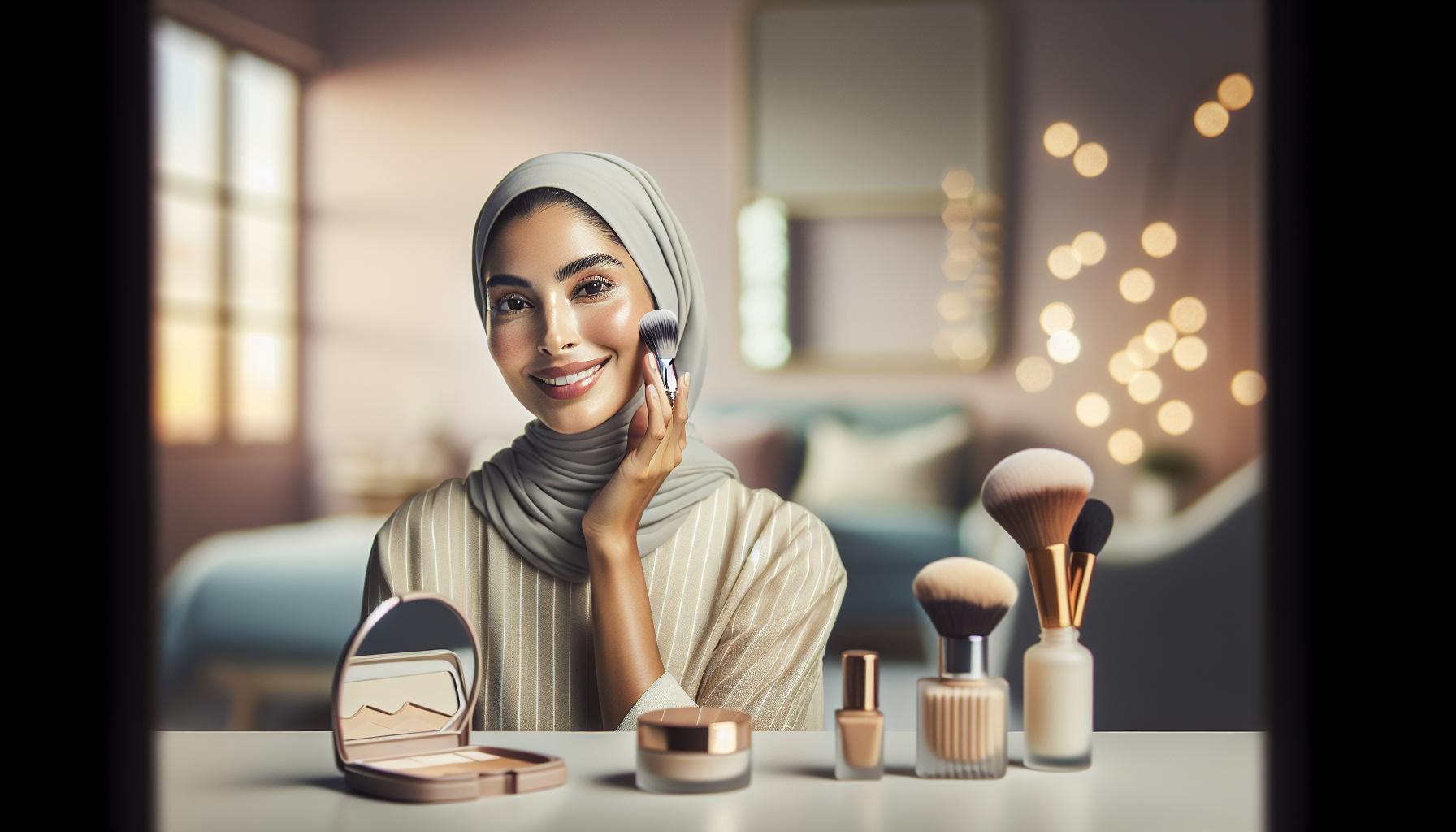
The Historical Context of Beauty in the Bible
Beauty has always held a significant place in culture and society, shaping perceptions and practices throughout history. In biblical times, the use of cosmetics was common, reflecting not only personal care but also status and cultural identity. For instance, fragrant oils and balms were often employed not just for beautification but for practical hygiene, particularly in arid climates where water was scarce. Distinctly, these practices were ingrained in the daily lives of various biblical figures, illustrating an understanding that beauty was not merely surface-level but intertwined with one’s character and social standing.
Queen Esther is a prime example. Her beauty treatments, which included the application of cosmetics and oils, were strategic elements in her story that demonstrate how beauty could serve a purpose beyond mere adornment. She prepared herself extensively before entering the king’s presence, underscoring the cultural importance of looking one’s best in pivotal moments. Such historical contexts dispel the notion that makeup is frivolous; rather, it reveals an intricate balance between personal care and societal expectations. Even figures like Jezebel, often viewed negatively, showcase how beauty and adornment were wielded as tools of influence and power.
Moreover, the biblical text refers to beauty standards that were often tied intricately to moral and ethical considerations, rather than outright condemnation of cosmetics. For example, 1 Peter 3:3-4 encourages self-worth rooted in inner qualities rather than outward appearances. This passage signifies a layered understanding of beauty that extends into motivations behind makeup use. While adornment itself was not viewed as sinful, the intentions behind it were critically examined.
In light of these historical perspectives, modern Christians are invited to navigate their personal adornment choices with a blend of cultural awareness, self-expression, and faith. Reflecting on the past reveals that the use of makeup is woven into the fabric of human experience, offering a path for individuals to explore their identity while aligning with deeper spiritual values. Whether for special occasions or daily routines, the thoughtful application of cosmetics can empower individuals to express their uniqueness without overshadowing the core virtues of character and conscience.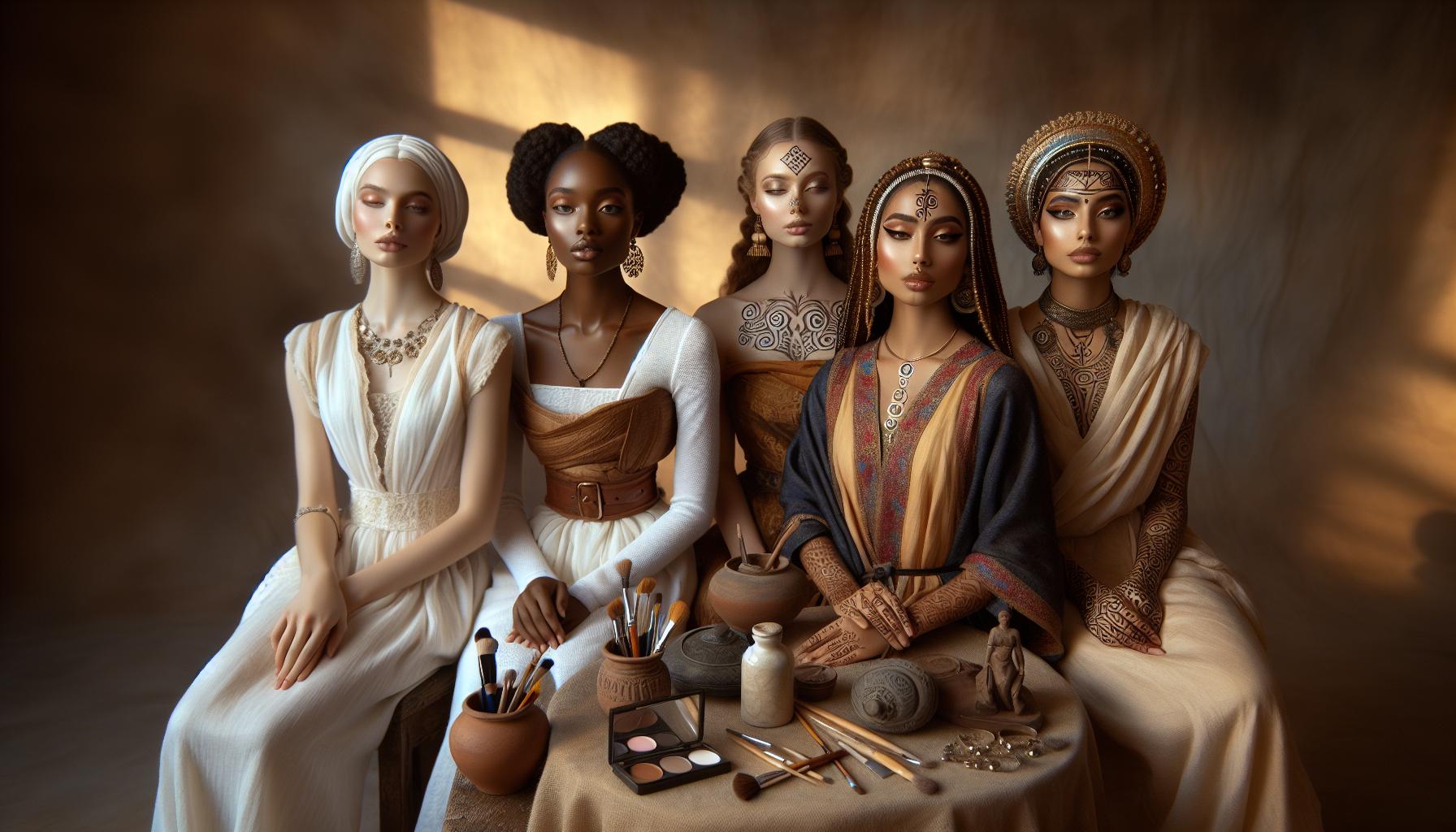
Cultural Perspectives on Makeup Throughout History
In ancient civilizations, beauty rituals were deeply woven into the tapestry of daily life, playing a crucial role in social status and cultural identity. Across different eras and regions, the application of cosmetics and the use of fragrant oils were not merely aesthetic choices but expressions of self and community norms. For instance, in ancient Egypt, both men and women adorned themselves with elaborate eye makeup and oils, believing cleanliness and beauty were integral to their divine representation on earth. This cultural practice underlined the idea that grooming was a reflection of spiritual and social well-being, rather than mere vanity.
Moving through history, the biblical narrative reveals that cosmetics were frequently employed among various communities. Scented oils mentioned in scriptures served dual purposes, extending beyond mere beauty enhancements to practical hygiene solutions in regions with harsh climates where bathing was infrequent. This historical context reinforces the perspective that using makeup should not be labeled as superficial but understood within a broader cultural and practical framework. Biblical figures, such as Queen Esther, exemplified this notion; her beauty preparations went hand-in-hand with strategic social positioning, highlighting how personal appearance was tied to influence and opportunity.
As societies evolved, the perceptions surrounding makeup fluctuated dramatically. In medieval Europe, for instance, modesty took precedence, leading to a tumultuous relationship with cosmetics. Despite this, some women used natural ingredients to beautify themselves, subtly challenging prevailing ideas about femininity and virtue. The Renaissance era rekindled a fascination with beauty, celebrating artistic expression through elaborate makeup styles that gained favor among the elite. Throughout these transitions, the use of makeup became a dialogue between individual expression and societal expectations.
In the modern context, discussions about makeup within Christian communities often involve navigating the balance between self-care and spiritual values. Understanding historical perspectives can arm individuals with a nuanced view, allowing for a more informed decision-making process regarding personal adornment. Emphasizing thoughtful application can encourage a healthy relationship with beauty that honors one’s identity while aligning with deeper values of faith and integrity. Ultimately, makeup can serve as a tool for self-expression that is reflective of inner character and confidence, illustrating the journey of self-love and acceptance throughout history.
Interpretations of Biblical Verses Related to Beauty
Beauty has long been a topic of interest in biblical texts, where various verses paint a complex picture of how appearance relates to spiritual standing and morality. In many instances, the Bible does not outright condemn the use of cosmetics or adornment but instead urges believers to look beyond the surface. For instance, 1 Samuel 16:7 reminds us that “the Lord looks at the heart,” which emphasizes the importance of inner beauty and character over physical appearance. This sets an empowering foundation for the discussion on whether wearing makeup aligns with biblical teachings.
Certain passages, such as Proverbs 31:30, declare that “charm is deceptive, and beauty is fleeting,” suggesting that external beauty can be transient and should not be the ultimate focus for believers. Instead, this verse encourages cultivating qualities like virtue and God-fearing behavior. Therefore, when interpreting these scriptures, it can be understood that while makeup is not inherently sinful, the motivation behind its use should be introspective and sincere. A person of faith might choose to wear makeup as a form of self-care or self-expression, ensuring it reflects personal values rather than vanity or a desperate need for approval.
Moreover, the story of Queen Esther serves as a striking example of the thoughtful application of beauty. In Esther 2:12-14, her preparations before approaching the king highlight the strategic use of cosmetics not merely for adornment but as a means to fulfill a greater purpose. This context suggests that beauty and grooming can serve functional and social roles, allowing individuals to navigate their environments effectively while leveraging their appearance in a way that honors their identity.
In understanding these biblical perspectives, individuals can strive for a balance in their approach to makeup. By aligning their choices with spiritual values and using cosmetics as a tool for enhancement rather than a distraction from their character, they can embrace personal style while celebrating their faith. This journey allows believers to express their creativity and individuality authentically, empowering them to feel confident without compromising their spiritual integrity. Ultimately, it becomes about intent-using makeup to feel beautiful while remaining grounded in the virtues that truly reflect one’s worth.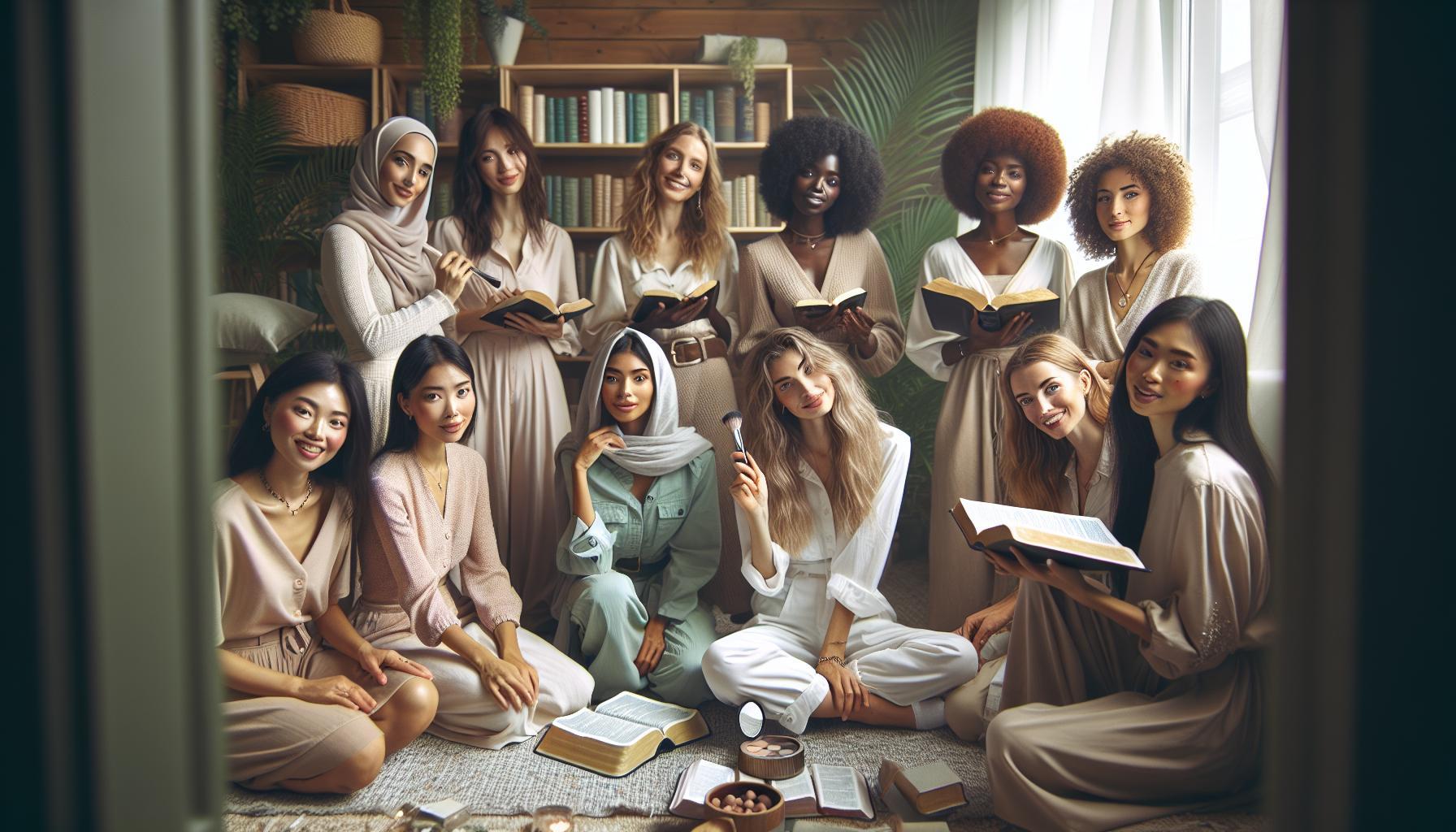
Practical Guidelines for Christians on Makeup Use
Navigating the world of makeup as a Christian can be a fulfilling experience when approached with intention and awareness. As you consider your makeup choices, it’s important to strike a balance between enhancing your natural beauty and aligning with your spiritual values. Here are some practical guidelines to consider:
Understand Your Intent
Begin by reflecting on why you want to wear makeup. Are you seeking to express creativity, enhance your features, or feel more confident in your skin? Understanding your motivations is key. Makeup should be a tool for self-expression rather than a means of masking insecurities or seeking validation from others. Intent matters, as it allows you to engage thoughtfully with your beauty routine.
Choose Quality Products
Invest in makeup that aligns with your values. Consider brands that focus on sustainability, ethics, and skin-friendly ingredients. For instance, brands like Seint and Thrive offer high-quality products that cater to a range of skin types and tones. Accessories like brushes from Ilia can also enhance your application process while ensuring you’re using products that reflect your commitment to quality. Use products that not only beautify but also nourish your skin.
Practice Mindful Application Techniques
Taking the time to apply makeup mindfully can enhance your experience. Consider these steps:
- Preparation: Start with a proper skincare routine, including cleansing and moisturizing to create a smooth canvas.
- Application: Use techniques that suit your style; for example, try a light, natural look for everyday wear or a bolder approach for special occasions.
- Remove Thoughtfully: Ensure to remove makeup thoroughly each evening to maintain skin health, using gentle cleansers geared toward your skin’s needs.
Remain Authentic to Your Values
Remember that beauty is not solely skin deep. Focus on nurturing inner qualities that truly define you, such as kindness, compassion, and integrity. Permit yourself to enjoy makeup while also grounding your self-worth in your spiritual identity. This commitment will shine through, making any makeup application secondary to your authentic self.
By implementing these guidelines, you empower yourself to enjoy the art of makeup as a form of personal expression and creativity, all while honoring your faith and personal values. This journey is about celebrating who you are, inside and out, integrating your passion for beauty with the principles you hold dear.
The Difference Between Adornment and Vanity
Understanding the nuances between adornment and vanity is crucial for anyone seeking to navigate the world of beauty through a faith-based lens. Adornment, often seen as a celebration of beauty, serves as a means of enhancing our natural gifts. It reflects a desire to express creativity and joy rather than a sprouting of insecurity or a need for external validation. For instance, a well-applied makeup look that enhances one’s features can inspire confidence and promote self-acceptance, aligning beautifully with the belief that our bodies are temples deserving of care and aesthetics.
On the other hand, vanity is rooted in a more self-centered approach, leading to a fixation on appearance at the expense of inner qualities. When makeup becomes a mask meant to hide insecurities or a tool for seeking approval, it crosses the line into vanity. It’s important to remember that beauty isn’t solely about outward appearance; Proverbs 31:30 reminds us that “charm is deceitful, and beauty is vain, but a woman who fears the Lord is to be praised.” This illustrates that true beauty emanates from one’s character and spiritual devotion rather than mere physical attributes.
To cultivate a healthy relationship with makeup, consider reflecting on your motivations. Are you using adornment to celebrate your unique beauty and boost your confidence, or are you allowing the pressure of societal standards to dictate your worth? Embracing makeup as a form of creativity and self-expression can empower you, provided it comes from a place of self-love rather than self-doubt. Practical steps include setting a joyful intention before applying makeup; this could be as simple as choosing colors that make you feel uplifted or techniques that bring out the best in your features.
In integrating these concepts, it’s possible to enjoy the art of makeup without succumbing to vanity. Focus on quality products that enhance your beauty sustainably, such as those from brands like Thrive or Seint, while practicing mindful application techniques. By prioritizing inner beauty and uplifting one another rather than just the superficial aspects, the act of adornment can be a beautiful expression of both faith and individuality.
Makeup as a Form of Self-Expression: A Christian Perspective
Makeup can be a powerful form of self-expression, allowing individuals to showcase their personalities, creativity, and unique beauty. For Christians navigating the delicate balance between faith and aesthetics, understanding how makeup fits into a broader spiritual context can provide clarity and confidence. Rather than viewing makeup solely as a tool for enhancement, consider it as an avenue for celebrating the individuality and beauty bestowed by the Creator.
By approaching makeup as an art form, you can embrace its potential for creativity and self-discovery. For instance, using vibrant colors to reflect your mood or experimenting with different styles can be invigorating and uplifting. Brands like Ilia and ELF offer a variety of products that encourage creativity while aligning with ethical values. Choosing products that are cruelty-free and environmentally friendly reflects a commitment to stewardship, demonstrating that your beauty routine is not only about aesthetics but also about caring for the world God created.
Practical Application of Self-Expression Through Makeup
To inspire your makeup journey, consider these actionable steps that align with a Christian perspective on beauty:
- Choose Colors That Reflect Your Spirit: Incorporate shades that resonate with your personality or the message you want to convey, whether it’s soft pastels for a gentle touch or bold colors for a confident statement.
- Create a Ritual: Turn the application of makeup into a meditative practice. Set aside quiet time to pray or reflect while you create your look, fostering a deeper connection between your beauty routine and your faith.
- Mindful Selection of Products: Opt for makeup from brands that align with your values. Products from Thrive not only focus on enhancing natural beauty but also promote self-empowerment, making the act of applying makeup a fulfilling experience.
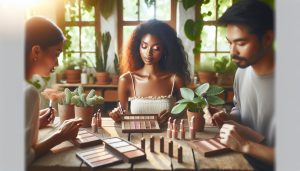
- Share Your Creativity: Host makeup sessions with friends or family to celebrate beauty as a community. This not only promotes togetherness but also allows you to encourage one another in embracing individuality.
By recognizing makeup as a form of self-expression rather than deception, Christians can enjoy the artistry involved while maintaining authentic representations of themselves. Ultimately, embracing makeup through this lens can lead to empowered self-perception that is rooted not in vanity but in a joyful celebration of the unique beauty bestowed upon each of us.
Balancing Self-Care and Spiritual Values
Finding harmony between self-care and spiritual values is a journey that resonates deeply with many, especially within the context of beauty and grooming. The act of applying makeup can serve as both a personal ritual of self-care and a reflection of one’s beliefs. When viewed through the lens of faith, using makeup becomes more than just an aesthetic choice; it transforms into an expression of respect for oneself and for the Creator. It’s essential to recognize that enhancing one’s appearance can be an act of gratitude for the body and spirit gifted to us.
Engaging in self-care practices, such as skincare and makeup application, can foster a sense of well-being and confidence. For Christians, these practices can be intertwined with prayer and mindfulness. Consider setting aside moments during your beauty routine to express gratitude, meditate, or pray, allowing each act of self-care to deepen your spiritual connection. This mindful approach not only uplifts your spirit but also allows you to appreciate the artistry of creation-both in yourself and the products you choose. For instance, brands like Seint and Thrive embody values of self-empowerment, making their products excellent choices when aligning beauty with personal ethics.
Moreover, the choice of products adds another layer to the balance of self-care and spiritual values. Opting for makeup that adheres to ethical standards-such as cruelty-free or environmentally conscious options-can reinforce a commitment to stewardship and responsible living. When selecting cosmetics, consider ingredients and the impact of these products on the world, reflecting the biblical principle of caring for God’s creation. Using products from conscientious brands can help maintain this equilibrium, promoting both personal beauty and a broader sense of responsibility.
As you navigate your beauty journey, remember that embracing makeup doesn’t diminish your spiritual values; rather, it can enhance your understanding of self-care. It’s about finding that sweet spot where self-expression meets reverence for one another and the world, allowing you to shine your light authentically and beautifully. Whether you’re meticulously crafting a look or simply opting for a touch of mascara, approach each step with intention and grace, recognizing that every brush stroke can be a testimony of your unique beauty and faith.
Addressing Common Misconceptions about Makeup and Sin
In the realm of self-expression and beauty, wearing makeup can often be met with scrutiny, leading to misconceptions about its moral implications, especially within the Christian community. It’s crucial to understand that makeup itself is not inherently sinful; rather, it is the intentions and attitudes underpinning its use that may lead to spiritual conflict. Many people might assume that beautifying oneself is an act of vanity, but it can also be a celebration of God’s creation and an expression of gratitude for the body entrusted to us.
Misunderstandings frequently arise from specific biblical interpretations that seem to condemn outward adornment. Verses such as 1 Timothy 2:9-10 and 1 Peter 3:3-4 often surface in discussions about makeup. However, these scriptures primarily emphasize the importance of inner beauty and character over outward appearance rather than outright banning cosmetics. The essence of these passages is about prioritizing humility and morality rather than rejecting beauty enhancement. Recognizing that makeup can be a tool for personal empowerment rather than a symbol of vanity opens the door to a more balanced perspective.
Another common misconception is that wearing makeup equates to self-deceit or dishonesty. In reality, makeup can serve as a means of self-care and self-expression, allowing individuals to reflect their personalities and creativity. By choosing products that align with personal ethics, such as those from brands like Seint or Thrive, Christians can enhance their appearance while living out their values of stewardship and conscientious living. This mindful approach encourages a harmonious relationship between self-care and spiritual integrity.
Ultimately, embracing makeup does not detract from one’s faith; rather, it can enhance the understanding of self-care, creativity, and respect for oneself. When approached with intention, makeup can be a positive aspect of a well-rounded life that honors both personal identity and spiritual values. By dispelling these misconceptions, we unlock the potential for makeup to be a joyful expression of our unique beauty, created as an integral part of God’s diversified creation.
Testimonies: Christians Share Their Makeup Journeys
Sharing personal experiences related to makeup within the Christian community reveals a tapestry of views that challenge the conventional notions of beauty and vanity. Many individuals find empowerment in their makeup journeys, transforming what was once perceived as superficial into a tool for self-expression and confidence. For instance, one Christian woman, Sarah, describes her experience of using makeup as a way to reclaim her identity after battling self-esteem issues related to her appearance. She shares, “Makeup became a means of expressing who I am inside. I learned that enhancing my features didn’t dilute my faith; it showcased my uniqueness as a creation of God.”
Across various testimonies, the consensus is clear: makeup can indeed harmonize with one’s values and beliefs. For example, Lisa, a makeup artist and Sunday school teacher, speaks about her mission to empower young women in her church. She hosts workshops that focus on finding beauty within and applying makeup as a celebration of that beauty. “I encourage them to see makeup as a way to enhance their God-given beauty, not to hide it. My faith reminds me that we are all beautifully made,” she asserts. This perspective fosters a nurturing environment where makeup is not something to shy away from, but rather an art form that celebrates individuality.
Navigating the Balance of Faith and Fashion
The narratives also explore the journey of navigating societal pressures alongside personal convictions. Mark, a youth pastor, advocates for authenticity over perfection. “I see so many young people feeling the pressure to look a certain way, but I remind them that it’s about being true to themselves. Your heart is what matters most; makeup can be a fun, creative outlet,” he encourages. This viewpoint resonates deeply, suggesting that wearing makeup isn’t indicative of vanity but rather an opportunity for creativity and self-care.
Another inspiring testimony comes from Emma, a believer who emphasizes the importance of mindful choices in beauty products. “I was cautious about the ingredients I used and how they aligned with my values,” she explains, noting her preference for brands that are cruelty-free and ethically sourced, such as Seint and Thrive. Her approach reflects a growing interest in conscious consumerism within the Christian community, demonstrating that one can enjoy beauty while maintaining integrity and stewardship.
Through these personal journeys, it becomes evident that embracing makeup can coexist with a strong Christian faith, allowing followers to explore their individuality while honoring their beliefs. Each testimony not only provides relatable insights but also underscores the notion that beauty is multifaceted, encompassing both inner qualities and the joy of outward expression.
Exploring Makeup in Modern Worship Settings
In the vibrant atmosphere of modern worship settings, makeup has emerged as a powerful tool for self-expression and confidence. Many church members embrace beauty products not just for personal aesthetics but as a means to enhance their overall worship experience. Events such as women’s retreats or church conferences often feature sessions dedicated to beauty and self-care, bridging the gap between faith and aesthetics. This integration of makeup into spiritual life demonstrates that honoring one’s appearance can coexist with devotion to God.
Embracing Individuality in Worship
Utilizing makeup during worship allows individuals to express their faith boldly and creatively. For many, the act of preparing visually for a service serves as a ritual that fosters enthusiasm and engagement. This can start with a simple morning routine that includes applying products from brands such as Ilia for their clean beauty initiatives or Thrive, known for its ethical sourcing. Women find empowerment in this preparation, nurturing a sense of community and shared experience as they engage in discussions about makeup tips, techniques, and choices that reflect their values.
Many churches host workshops that focus on practical makeup application techniques, promoting a sense of self-confidence alongside spiritual growth. For example, a workshop could cover the basics of a natural makeup look, pairing discussions about God’s creation with actionable steps on enhancing one’s features without compromising authenticity. By utilizing products that promote natural beauty, individuals can ensure they’re making choices that align with their faith. Additionally, showcasing how to achieve a polished look with minimal effort-perhaps using a multi-purpose product like a cream blush from ELF-can resonate with busy members balancing multiple roles within their communities.
Creating a Welcoming Environment
Worship leaders and church communities recognize the importance of inclusivity and acceptance, redefining beauty standards within the congregation. Makeup should not be seen as a display of vanity but rather as an avenue for expression and confidence in one’s identity as a believer. In this context, creating spaces for dialogue about beauty-such as open forums or discussion groups-enhances understanding and acceptance of diverse perspectives. Sharing tips, experiences, and even showcasing makeup tutorials from skilled members can transform beauty practices into a group bonding experience.
As worship settings continue to evolve, the intersection of faith and beauty will only grow deeper, demonstrating that the conversation surrounding makeup and personal grooming is not just about appearance but about heart, intent, and community. Encouraging thoughtful beauty practices alongside spiritual development fosters a culture where individuals can celebrate their uniqueness while coming together as a group united in faith.
How to Choose Makeup Products Mindfully
Choosing makeup products thoughtfully is an empowering act that reflects both individual style and ethical considerations. With the beauty industry booming and a plethora of options available, making informed choices becomes essential. This process not only enhances personal appearance but also aligns with the values many hold dear. A mindful approach to selecting makeup can cultivate confidence, creativity, and a sense of community, especially when practices resonate with one’s faith and principles.
First, consider the ingredients in the products you choose. Avoid makeup that contains harmful chemicals and opt for brands that prioritize clean, non-toxic formulations. Brands such as Ilia and Thrive focus on ethical sourcing and sustainable practices, providing options that are good for both your skin and the planet. Always read labels and seek out products that highlight natural ingredients, showing respect for both your body and creation. This mindful practice aligns with a commitment to stewardship, allowing you to enjoy beauty while maintaining integrity.
Next, evaluate the purpose of your makeup use. Reflect on whether your application aims to enhance your features or simply serves as a mask to cover insecurities. Strive for balance by using makeup as a tool for self-expression rather than a superficial means of validation. When choosing products, consider multi-purpose items, such as a cream blush from ELF, which can simplify your routine while promoting a natural look. Focus on enhancing your unique beauty rather than conforming to external standards; this perspective can result in a more fulfilling beauty experience.
Furthermore, choose products that resonate with your personal values and beliefs. This includes supporting brands that demonstrate social responsibility and those that engage in charitable initiatives. Not only does this contribute to your personal narrative, but it also fosters a sense of community among like-minded individuals. For example, participating in makeup workshops at your church can create opportunities to discuss product choices that reflect both faith and personal values, enriching your beauty journey with shared experiences and knowledge.
In summary, a mindful approach to makeup selection involves understanding ingredients, reflecting on your intentions, and aligning choices with your core values. This journey not only enhances your outer beauty but also nurtures your spiritual and ethical beliefs, making the act of adorning yourself a meaningful expression of faith and individuality.
FAQ
Q: Is wearing makeup considered a sin in Christianity?
A: Wearing makeup is not inherently considered a sin in Christianity. The Bible focuses more on inner beauty and virtue rather than external adornments. Adherents are encouraged to reflect on their intentions and the context of their makeup use, prioritizing modesty and sincerity over vanity.
Q: What does the Bible say about beauty and adornment?
A: The Bible discusses beauty and adornment in various contexts, emphasizing the importance of inner beauty over outward appearance. Verses like 1 Peter 3:3-4 encourage women to focus on their character, suggesting that true beauty comes from a gentle and quiet spirit rather than excessive adornment.
Q: Can makeup be used as self-expression in a Christian context?
A: Yes, makeup can be used as a form of self-expression within a Christian context. It’s essential, however, for Christians to ensure that their choices align with their values and do not promote vanity or distract from their mission of reflecting Christ’s love and humility.
Q: How do cultural views on makeup impact Christian beliefs?
A: Cultural views on makeup can significantly influence Christian beliefs, as different cultures may perceive beauty and adornment differently. Understanding these cultural contexts helps Christians navigate their personal choices regarding makeup while remaining true to their faith and values.
Q: What are common misconceptions about makeup and sin in Christianity?
A: Common misconceptions include the belief that all makeup use is sinful or that beauty products undermine one’s spirituality. In reality, many Christians advocate for a balanced view, where makeup can enhance self-confidence without compromising one’s faith or values.
Q: How can Christians mindfully choose makeup products?
A: Christians can choose makeup products mindfully by considering ingredients, ethical sourcing, and their personal values. Seeking out brands that reflect their beliefs and avoiding products that promote unhealthy body images are practical steps towards mindful consumption.
Q: Is there a difference between vanity and adornment according to the Bible?
A: Yes, the Bible distinguishes between vanity and adornment. Vanity is associated with pride and self-centeredness, while adornment can be a creative expression of beauty. Christians are encouraged to focus on the heart’s intentions rather than solely on external appearances.
Q: When is it appropriate to wear makeup as a Christian?
A: Wearing makeup as a Christian is appropriate when done thoughtfully and in moderation. Context matters; for example, wearing makeup for occasions like worship or celebrations can be acceptable, while excessive use that distracts from spiritual focus might warrant reconsideration.
Feel free to explore related sections in the article for deeper insights on the biblical perspective regarding makeup and beauty!
In Summary
As we’ve explored in “Is it a Sin to Wear Makeup: Biblical Perspective Explained,” the decision to wear makeup ultimately aligns with personal beliefs and values. Embracing your unique beauty is a journey that can empower and uplift, whether through subtle enhancements or bold expressions. If you’re curious about finding the right products to suit your style, check out our detailed makeup tutorials and product reviews, including favorites from Seint, Thrive, and Ilia.
Don’t stop here-join our community for more insights and updates! Share your thoughts in the comments below, and consider subscribing to our newsletter for exclusive tips and guidance tailored to your beauty and grooming needs. Explore other related topics like ethical beauty practices and self-confidence tips to continue your journey. Remember, your beauty choices reflect your individuality, and however you choose to express yourself, it’s a beautiful part of who you are!