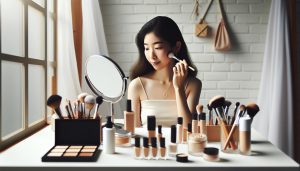
In today’s beauty-centric world, the question of whether makeup is detrimental to your skin has sparked significant curiosity and concern. Many individuals grapple with the balance between enhancing their appearance and maintaining skin health. While makeup can amplify confidence and express personal style, it’s essential to understand its effects on the skin from a dermatologist’s perspective. This article delves into the complexities of makeup products, potential skin reactions, and the best practices to ensure your skin remains radiant and healthy, all while enjoying the beauty of cosmetic application. Join us as we explore expert insights that will help you make informed choices for your skin and beauty routine.
Effects of Makeup on Different Skin Types

Makeup can be a powerful tool for self-expression and enhancing one’s features, but its effects can vary significantly based on individual skin types. Understanding how different formulations interact with skin can empower users to make informed choices. For instance, individuals with oily skin may find that matte foundations work wonders in controlling shine, while those with dry skin might prefer hydrating formulations that infuse moisture and promote a luminous finish. The choice of products can also influence skin health, as some ingredients may exacerbate existing conditions or cause new sensitivities.
For sensitive or acne-prone skin, opting for non-comedogenic and fragrance-free products is vital. Many makeup brands offer formulations specifically designed to minimize irritation, utilizing gentle ingredients that maintain the skin’s barrier. On the other hand, normal to combination skin types can benefit from a balanced approach; a lightweight primer followed by a fluid foundation can offer the best of both worlds, allowing hydration where needed without creating excess oil in other areas.
Moreover, it’s crucial to consider the application techniques and tools used, as they can either enhance the makeup wearing experience or lead to potential skin issues. Using clean brushes and sponges is essential, as dirty tools can harbor bacteria, leading to breakouts or infections. Additionally, the frequency of makeup use and adherence to a proper skincare routine can further dictate how makeup impacts individual skin types.
In summary, choosing the right makeup for one’s specific skin type involves not only selecting the proper products but also implementing effective application methods and maintaining a diligent skincare routine. This comprehensive approach can enhance the beauty experience while safeguarding skin health, ensuring that makeup remains an enjoyable part of personal care rather than a source of concern.
Common Skin Issues Caused by Makeup
Makeup, while transformative and creative, can also lead to a range of skin issues if not used thoughtfully. Many individuals experience common problems that arise from certain makeup formulations, application techniques, and practices. It’s crucial for both makeup aficionados and casual users to be aware of these potential concerns to safeguard skin health while enjoying beauty routines.
One prevalent issue is clogged pores, particularly among those who use heavy or comedogenic products. Ingredients like certain silicones and waxes can trap dirt, oil, and dead skin cells, leading to breakouts. This is especially problematic for individuals with oily or acne-prone skin, where supercharged formulations can exacerbate pre-existing conditions. Switching to non-comedogenic products and ensuring proper makeup removal is essential for preventing such occurrences.
Another common skin issue is irritation or allergic reactions, often stemming from fragrances, preservatives, or poor-quality ingredients found in some makeup. Sensitive skin types may exhibit redness, itching, or rash after application, highlighting the importance of patch testing new products before full use. Opting for hypoallergenic formulas or those tailored for sensitive skin can mitigate these risks significantly.
Dryness and flakiness are also frequently reported, especially with matte foundations or powders that absorb moisture from the skin. It’s vital to prep the skin with a good moisturizer and consider using hydrating foundations that support moisture retention. Additionally, makeup brushes and sponges must be cleaned regularly to prevent the growth of bacteria, which can lead to further skin issues, including irritation and breakouts.
Lastly, environmental factors can complicate makeup application and retention, leading to a diminished skin barrier. Products with heavy wear can lead to increased dryness or oiliness depending on the climate, which emphasizes the value of choosing the right formulas that adapt to changing conditions. A balanced skincare routine should accompany makeup use to maintain skin integrity and manage any adverse effects effectively.
By acknowledging these common skin concerns and adopting a proactive approach, both makeup enthusiasts and beginners can enjoy their routines while minimizing the risk of skin problems.
Debunking Makeup Myths: Truths and Misconceptions

Makeup often faces scrutiny in discussions about skin health, leading to many myths that can cloud judgment and misguide users. One of the most persistent myths is that all makeup is inherently bad for the skin. In reality, the impact of makeup on skin health depends largely on individual skin types, product ingredients, and application methods. It’s crucial to understand that while some products can cause issues, quality makeup formulated with skin-friendly ingredients can actually enhance your skin’s appearance and feel.
Another common misconception is that wearing makeup every day leads to permanent skin damage. This myth stems from experiences with heavy, comedogenic products that do contribute to breakouts. However, many modern formulations are designed to be lightweight and non-comedogenic, allowing the skin to breathe. For example, mineral-based foundations can provide coverage while also benefiting the skin with their soothing ingredients. Establishing a proper skincare regimen alongside makeup application helps mitigate potential harm, making daily wear a feasible option for most individuals.
Additionally, many believe that all makeup must be removed thoroughly every night to avoid skin problems. While this is fundamentally true, there’s often misunderstanding surrounding the process. Some may think that scrubbing harshly is necessary, but this can actually harm the skin. Gentle cleaning solutions and proper techniques, such as using micellar water or oil-based cleansers, effectively remove makeup without causing irritation. Incorporating such methods into one’s routine not only promotes skin health but also ensures that makeup can be enjoyed without fear.
Finally, there’s a widespread belief that expensive makeup products are fundamentally better for your skin than drugstore options. While some high-end brands prioritize quality ingredients, there are many affordable products that perform just as well or even better. Ingredients, formulation, and user compatibility are what truly matter, rather than just the price point. Conducting thorough research, checking ingredient lists, and choosing products based on skin needs ensure that regardless of the cost, one can achieve a healthy and radiant look.
Choosing Skin-Friendly Makeup Products
Choosing the right makeup products can feel overwhelming in a market flooded with options, but prioritizing skin-friendly choices is essential for maintaining healthy skin. A captivating fact is that makeup can contain anywhere from 15 to upwards of 100 distinct ingredients, each playing a unique role in formulation, texture, and finish. By focusing on the ingredients and formulations, you can select products that not only enhance your beauty but also promote skin health.
When embarking on the quest for skin-friendly makeup, it’s important to look for cosmetics that are labeled non-comedogenic, which means they won’t clog your pores-a crucial factor for those with oily or acne-prone skin. Additionally, opting for products free of harsh chemicals, fragrances, and parabens can minimize the risk of irritation or allergic reactions. For example, brands like ILIA and Thrive are praised for their clean ingredient lists coupled with trendy formulations that cater to various skin types. ILIA’s True Skin Serum Foundation not only provides coverage but also incorporates skincare ingredients like aloe and vitamin E for a dual-purpose approach.
Ingredients That Matter
Understanding specific beneficial ingredients can further simplify your selection process. Here are some to keep an eye out for:
- Hyaluronic Acid: Keeps skin hydrated and plump, making it suitable for all skin types.
- Antioxidants: Ingredients like vitamin C and green tea extract protect against environmental stressors, ideal for city dwellers.
- Natural Oils: Jojoba and argan oil provide moisture without feeling heavy, beneficial for dry skin types.
- Mineral-based formulations: These often offer sun protection and are less likely to irritate sensitive skin.
Choosing Products for Your Skin Type
Identifying your skin type is critical when selecting makeup. For instance, those with oily skin might benefit from mattifying powders and liquid foundations, such as those offered by ELF, which are lightweight but provide excellent coverage without adding excess shine. Meanwhile, individuals with dry skin should explore cream-based products that nourish while they beautify; Seint’s IIID Foundation offers a buttery texture that adapts beautifully to dry areas without emphasizing flakiness.
In addition to ingredient and type considerations, always check for user reviews and sampling options when possible. This approach allows for exploration of how different formulations wear throughout the day, whether it be the long-lasting nature of a product or its tendency to settle into fine lines. Engaging with community feedback can provide insights that guide you toward products that seamlessly blend with your skin’s natural beauty.
Ultimately, your journey in is not just about aesthetics; it’s about enhancing your natural beauty while fostering skin health. By understanding ingredients, aligning product choices with your skin type, and taking the time to experiment with various formulations from reputable brands, you can confidently build a makeup collection that looks good and feels great.
Daily Makeup Routines for Healthy Skin
Establishing a daily makeup routine that prioritizes skin health is key to achieving a radiant complexion while minimizing potential damage. Numerous dermatologists emphasize that the right practices not only enhance your look but also ensure your skin remains vibrant and protected. By adopting a mindful approach, you can enjoy the benefits of makeup without compromising your skin’s well-being.
Start each day with a strong foundation in skincare; it’s crucial to cleanse and moisturize before applying any makeup. Use a gentle cleanser suited to your skin type to remove impurities and excess oil. Follow up with a lightweight, non-comedogenic moisturizer that hydrates without clogging your pores. For daytime, incorporating a broad-spectrum sunscreen is vital, even if your foundation contains SPF. Look for physical sunscreens with ingredients like zinc oxide or titanium dioxide for effective protection against UV rays.
When it comes to the application of makeup, consider selecting products with skin-friendly formulations. Cream-based foundations, such as Seint’s IIID Foundation, provide nourishment while delivering coverage, making them suitable for dry skin. For oily or combination skin, lightweight, matte-finish products like those from ELF can offer excellent coverage without the greasy sheen. Always opt for makeup labeled as “non-comedogenic” to help prevent the occurrence of breakouts.
Throughout the day, remember to keep your skin hydrated. A hydrating mist can refresh your makeup and replenish moisture without adding excess layers. Additionally, set your makeup with a fine translucent powder to control shine and ensure longevity without heavy buildup. At the end of the day, gently remove your makeup using a soothing micellar water or cleansing balm, which effectively breaks down products while maintaining skin’s natural moisture balance.
Incorporating these simple yet effective practices into your daily makeup routine can help you celebrate beauty while safeguarding your skin. By being intentional about your choices, you foster a balance between aesthetics and health, empowering you to look and feel your absolute best.
The Role of Ingredients in Makeup Safety

The ingredients in makeup play a pivotal role in determining its safety and impact on skin health. Understanding these components can empower consumers to make informed choices that not only enhance their beauty but also protect their skin. For instance, many products contain a mix of synthetic and natural ingredients, each offering distinct benefits and potential drawbacks.
Common Makeup Ingredients to Watch
When evaluating makeup safety, consider these common ingredients and their effects:
- Parabens: Often used as preservatives, parabens can disrupt hormone function, leading to potential skin irritation.
- Sulfates: Found in some cleansers and foundations, sulfates can strip the skin of its natural oils, causing dryness and irritation, especially for sensitive skin.
- Fragrance: While they enhance the sensory appeal, fragrances can provoke allergic reactions and sensitivities, particularly in those with conditions like eczema.
- Alcohol: Used for its drying properties, certain forms of alcohol can dehydrate the skin and exacerbate issues for those with already dry or sensitive complexions.
- Mineral Ingredients: On the other hand, ingredients like zinc oxide and titanium dioxide are excellent for providing natural sun protection and are generally well-tolerated, making them ideal for various skin types.
Choosing Safe Products
Opting for products labeled as “non-comedogenic” is essential for those prone to breakouts or oily skin. These formulations are designed to avoid clogging pores, minimizing the risk of acne. Moreover, brands like Thrive Causemetics and ILIA Beauty prioritize clean, effective formulas without harmful additives, making them excellent choices for conscientious consumers.
It’s equally crucial to check for allergen statements and ingredient lists, ensuring minimal exposure to potentially irritating components. Familiarize yourself with product labels and be proactive in seeking out reputable brands that prioritize safety and transparency.
By taking the time to understand the ingredients in makeup, you can confidently select products that enhance your beauty while safeguarding your skin’s integrity. Embracing a thoughtful approach to makeup not only helps in achieving a polished look but also promotes long-term skin health, allowing your natural beauty to shine through.
Makeup Removal Techniques That Protect Your Skin
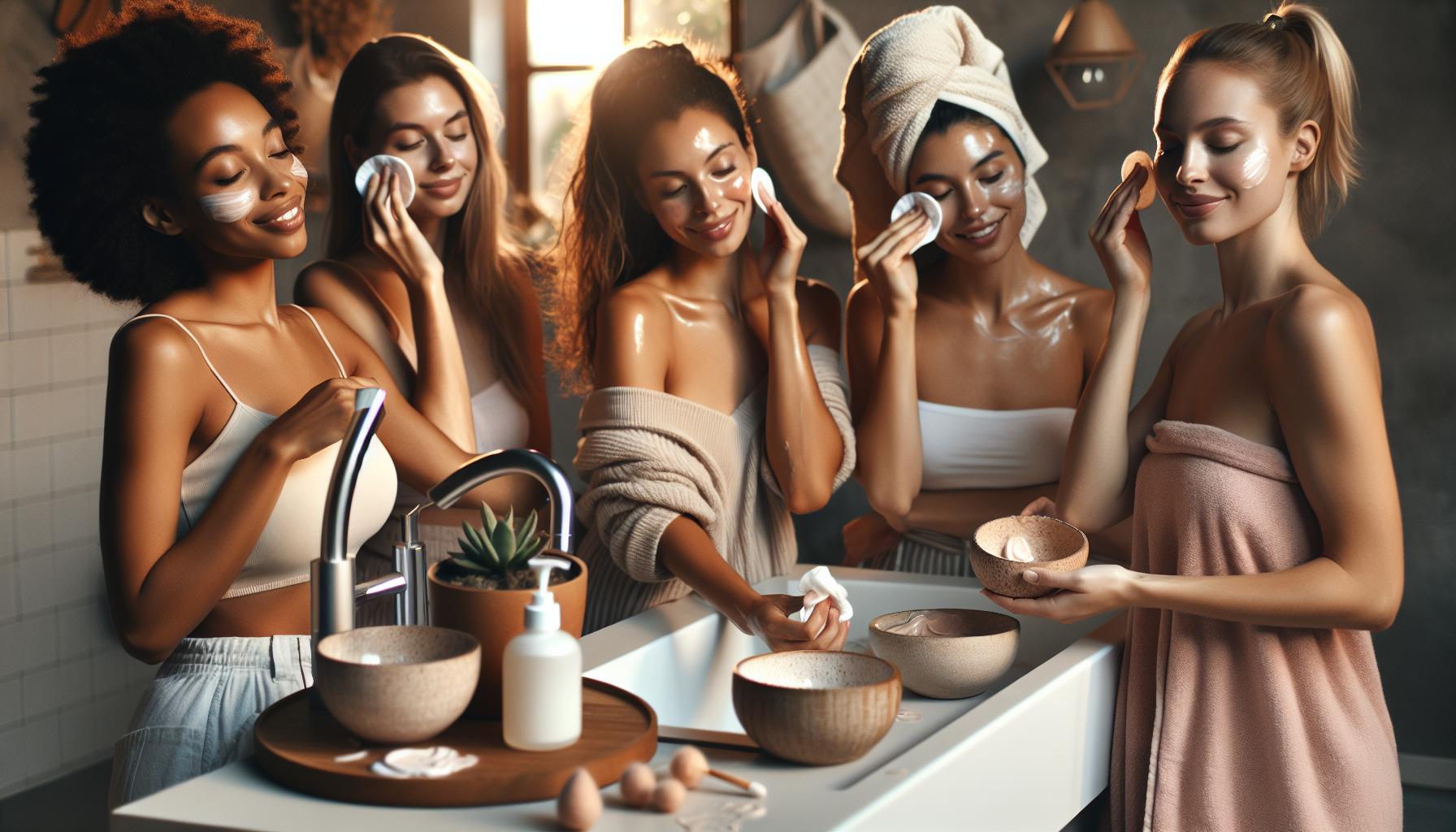
Ensuring thorough and gentle removal of makeup is vital for maintaining healthy skin, yet many individuals overlook its importance. Proper cleansing not only eliminates makeup residues but also prevents clogged pores, breakouts, and irritation. The goal is to choose methods that effectively detoxify the skin without stripping away essential moisture or causing damage, catering to various skin types and sensitivities.
A double cleansing routine is a highly recommended approach, especially for those who use waterproof or long-lasting makeup. Start with an oil-based cleanser to dissolve makeup and sebum; this can be followed by a water-based cleanser to remove any remaining impurities. Oils like jojoba or sweet almond are excellent choices as they are less likely to clog pores, making them suitable for oily or acne-prone skin. Following this, use a gentle foaming or cream-based cleanser, preferably free from harsh sulfates, to cleanse thoroughly without over-drying.
After cleansing, consider incorporating tools such as soft microfiber cloths or konjac sponges to enhance the removal process. These tools provide gentle exfoliation, sloughing away dead skin cells while helping to detoxify pores. Remember to avoid scrubbing too hard, as this can irritate the skin and negate the benefits of your efforts.
For individuals with sensitive or reactive skin, opting for micellar water can be a game-changer. This no-rinse cleanser gently lifts makeup and impurities while remaining mild on the skin. Use a cotton pad and avoid rubbing; this method is effective yet non-aggressive, preserving the skin’s natural barrier.
Once your makeup is removed, follow up with a hydrating toner or essence to replenish moisture and prepare the skin for serums or moisturizers. This two-step approach not only cleanses but also rehydrates and soothes, ensuring your skin remains balanced and nourished, thus prolonging its health and radiance. By adopting these thoughtful techniques, you can enjoy the beauty of makeup without compromising skin integrity.
Dermatologist-Recommended Skin Care for Makeup Users
Makeup can enhance beauty, but it also poses unique challenges for skin health. To keep your skin vibrant and clear while using makeup, following a dermatologist’s skincare recommendations is crucial. A strong foundation of skincare acts as both a canvas for your makeup and a protective barrier against irritation and breakouts. The first step is choosing products that suit your skin type, prioritizing non-comedogenic formulations to prevent clogged pores. Opt for makeup brands that use skin-friendly ingredients, avoiding those with heavy fragrances or irritating chemicals.
A solid skincare routine should start with thorough cleansing. Use a gentle but effective cleanser to remove makeup and impurities, balancing your skin’s natural oils. For those who wear makeup regularly, double cleansing is advised: first with an oil-based cleanser to dissolve makeup and followed by a water-based cleanser to ensure a deep clean. Incorporating a toner can help restore pH balance and prep your skin for serums or moisturizers loaded with beneficial ingredients like hyaluronic acid or peptides.
Moisturization is also critical. Look for hydrating products that lock in moisture without causing greasiness, especially if you have combination or oily skin. Lightweight gels or creams with anti-inflammatory ingredients can soothe and hydrate while working alongside your makeup. Additionally, daily use of sunscreen is non-negotiable. A broad-spectrum SPF not only protects against UV damage but also enhances your skin’s resilience, allowing for a healthier complexion over time.
Lastly, addressing common skin concerns through regular exfoliation can make a significant difference. Gentle exfoliation, either through chemical exfoliants like AHAs or BHAs or physical scrubs, helps remove dead skin cells and encourages cell turnover. Always tailor your exfoliation frequency to your skin type and sensitivity, but aim for at least once a week. By establishing an effective skincare regimen guided by professional advice, you can enjoy the benefits of makeup while maintaining healthy, radiant skin.
Signs Your Makeup is Damaging Your Skin
Makeup can be a wonderful tool for self-expression, but it can also lead to a range of skin issues if not used wisely. Recognizing the signs that your makeup may be damaging your skin is crucial for maintaining a healthy complexion. Typically, the first indication of trouble is the presence of irritation or inflammation. This could manifest as redness, itchiness, or a burning sensation after application. Such reactions often signal that your skin is sensitive to certain ingredients commonly found in makeup products, such as fragrances, preservatives, or heavy pigments.
Another common sign is a sudden increase in breakouts. If you find yourself experiencing more acne around your mouth or chin, this may point to makeup clogging your pores. Ingredients like silicones and oils can lead to acne, especially on oily or combination skin types. Additionally, if your skin feels excessively dry or flaky despite regular moisturizing, this may indicate that your makeup is absorbing moisture rather than providing hydration. Products that are too matte or heavy can strip your skin of its natural oils, resulting in over-drying.
Monitoring your skin’s texture can also provide valuable insights. If you notice an uneven texture, enlarged pores, or a dull appearance, it could be a sign that your makeup is failing to provide the expected radiance or is exacerbating skin concerns. Regular exfoliation is essential to combat these issues; however, if irritation persists, it might be necessary to reassess the makeup formulas you are using. Opt for non-comedogenic and hypoallergenic options that better align with your skin’s needs and limit exposure to potential irritants.
Lastly, pay attention to the way your skin reacts in different environments. If your makeup appears to be more problematic during hot, humid weather or after workouts, this suggests that environmental factors may be exacerbating your skin’s reaction to your makeup. Keeping your makeup light and breathable during such times can help. Make sure to remove your makeup thoroughly at the end of the day, as failing to do so can lead to a host of problems, including irritation, breakouts, and even early signs of aging. By staying attuned to these signs, you can make informed choices and keep your skin looking beautiful and healthy, without sacrificing your love for makeup.
Alternatives to Traditional Makeup for Sensitive Skin
Finding alternatives to traditional makeup can be a game-changer for those with sensitive skin. With a growing awareness of skin health, many brands now offer options that cater specifically to the needs of sensitive complexions without compromising on coverage or finish. The key to safe and beautiful makeup lies in the choice of products and their formulation.
One fantastic alternative is mineral makeup. Products containing natural minerals are often free from harsh chemicals and synthetic dyes, making them suitable for even the most reactive skin types. Mineral foundations, for instance, tend to be non-comedogenic, allowing the skin to breathe while providing natural coverage. Brands like Jane Iredale and BareMinerals offer a variety of mineral products that not only enhance beauty but also nourish the skin.
Another promising option is using tinted moisturizers or BB creams with soothing ingredients. These products often combine hydration with light-to-medium coverage, allowing for a more natural look. Look for formulations that include hyaluronic acid, aloe vera, or chamomile, which provide calming effects while delivering moisture. Ilia Beauty and Thrive Causemetics provide excellent choices that merge skincare with makeup, ensuring sensitive skin remains protected throughout the day.
Additionally, when considering alternatives, incorporating skincare-focused makeup tools can enhance the application experience. Silicone or latex-free makeup sponges can seamlessly blend products into the skin without irritation. A gentle touch is essential; applying product with your fingers often gives the best results, as the warmth helps to melt the formulas into your skin. This method reduces the chance of irritation from rough applicators and ensures an even finish.
Finally, the trend towards customizable and clean beauty products allows makeup enthusiasts to create their own concoctions tailored to their specific skin needs. DIY foundations or tinted balms made from simple ingredients like shea butter, mineral powders, and natural oils can provide a fun and customized makeup experience while being kind to the skin. With the right approach, one can enjoy the artistic expression of makeup without the risk of damaging sensitive skin.
Professional Tips for Applying Makeup Without Harm
Applying makeup can be a delightful experience, but understanding how to do it without harming your skin is crucial for long-term beauty and health. A careful and informed approach will not only enhance your appearance but will also protect your skin from potential issues. Here are some expert tips to ensure a safe and effective makeup application.
First and foremost, prep your skin properly. A good skincare routine will lay the foundation for flawless makeup. Begin with a gentle cleanser to remove any impurities, followed by a hydrating moisturizer suited for your skin type. If your skin tends to be oily or prone to breakouts, choose a lightweight, oil-free moisturizer to prevent clogging pores. For dry skin, opt for a rich moisturizer with occlusive agents like hyaluronic acid or glycerin that retain moisture throughout the day.
Next, the selection of products is paramount. Always choose non-comedogenic makeup products that won’t block your pores. Look for items labeled “dermatologist-tested” or “suitable for sensitive skin” to minimize the risk of irritation or allergic reactions. Brands like Ilia Beauty and Thrive Causemetics are known for formulating products that blend skincare benefits with makeup, offering an extra layer of protection and nourishment.
Application techniques play a vital role in ensuring that products sit well on the skin without causing damage. Using tools such as silicone or latex-free sponges helps in achieving a seamless finish while being gentle on sensitive skin. When applying foundation, start with a small amount and build coverage gradually; this prevents product buildup, which can lead to clogged pores. Always remember to blend makeup into the skin rather than simply layering it on top. This approach gives a more natural look while ensuring that the skin can breathe.
Lastly, don’t forget about removal and aftercare. At the end of the day, cleanse your face thoroughly with a gentle makeup remover or cleansing oil to dissolve products without harsh scrubbing. Follow up with a soothing toner and your regular nighttime skincare routine to replenish the skin. Emphasizing the importance of effective removal is key to preventing long-term skin damage, allowing your skin to recover overnight.
By putting these practices into effect, you can enjoy the art of makeup while keeping your skin healthy and radiant. Adopting these professional tips not only amplifies your beauty routine but also instills confidence in your makeup application skills.
Long-term Effects of Makeup Use on Skin Health
The continuous use of makeup can have significant long-term effects on skin health, and understanding these implications is essential for anyone who enjoys enhancing their beauty with cosmetics. Over time, the cumulative impact of makeup-especially those that are not formulated with skin health in mind-can lead to a variety of issues, from accelerated skin aging to persistent breakouts. The choices you make regarding makeup products and application techniques can either enhance your skin’s appearance or detract from its health.
One key factor to consider is the makeup’s ingredients. Products containing harsh chemicals, fragrances, or alcohol can strip the skin’s natural oils, leading to dryness and irritation. Furthermore, heavy or oil-based formulas can clog pores, resulting in acne or other skin conditions. On the other hand, formulas enriched with nourishing ingredients, such as hyaluronic acid or vitamins, not only beautify but also contribute positively to overall skin health. Opting for makeup that is labeled as non-comedogenic and dermatologist-tested can significantly mitigate the risk of adverse effects.
Regular makeup use without proper removal can also lead to serious skin concerns. Residual makeup can hinder skin regeneration during the night, resulting in dullness, increased sensitivity, and premature aging. Establishing a thorough cleansing routine using gentle makeup removers or cleansing oils is vital for preserving skin health. Incorporating products that promote skin barrier recovery and hydration post-cleansing ensures that the skin remains balanced and resilient.
Moreover, it’s crucial to listen to your skin’s needs. If you notice signs of irritation, breakouts, or unusual sensitivity, it may be time to reassess the products you’re using. Emphasizing quality over quantity-investing in a few high-quality, skin-friendly formulations rather than many lower-quality ones-can create a more sustainable beauty routine. Ultimately, the long-term health of your skin does not have to be sacrificed for the sake of looking good; with informed choices and careful practices, you can enjoy the art of makeup while keeping your skin vibrant and healthy.
FAQ
Q: Can wearing makeup every day damage my skin?
A: Daily makeup application can contribute to skin issues, particularly if not properly removed. Accumulation of products can clog pores, leading to breakouts. To minimize risk, choose non-comedogenic products and ensure thorough makeup removal at the end of the day. For tips on effective removal, see the section on Makeup Removal Techniques That Protect Your Skin.
Q: How do I know if my makeup is causing skin problems?
A: Signs that makeup may be affecting your skin include increased breakouts, irritation, or dryness. Observing fluctuations in skin condition after switching products can be helpful. To further assess product safety, refer to the section about Signs Your Makeup is Damaging Your Skin.
Q: Are there specific ingredients in makeup that are harmful to skin?
A: Yes, certain ingredients like fragrances, alcohol, and certain preservatives can irritate the skin or trigger allergic reactions. Always check product labels and consider choosing brands that avoid these harmful ingredients. For more guidance, explore the Role of Ingredients in Makeup Safety.
Q: Is it safe to use expired makeup products?
A: Using expired makeup can be harmful as it may harbor bacteria, leading to skin infections or irritation. Always check the product’s expiration date and discard anything past its shelf life. For better product choices, consult the Choosing Skin-Friendly Makeup Products section.
Q: How can I prevent makeup from clogging my pores?
A: To prevent clogged pores, opt for oil-free or non-comedogenic makeup and ensure proper skincare routines, like cleansing before bed. Regular exfoliation can also help remove dead skin cells that can trap makeup. For deeper strategies, refer to the Daily Makeup Routines for Healthy Skin section.
Q: Can makeup cause skin allergies or sensitivities over time?
A: Yes, prolonged use of certain makeup products can lead to allergic reactions or sensitivity, even to previously tolerated items. It’s advisable to perform patch tests before trying new products or consult a dermatologist if you notice reactions.
Q: What are the best practices for applying makeup without harming the skin?
A: To apply makeup safely, use clean brushes and tools, avoid heavy layers, and select products suited for your skin type. Incorporate a good skincare routine to prepare your skin. For detailed techniques, see the section on Professional Tips for Applying Makeup Without Harm.
Q: How often should I take breaks from wearing makeup for skin health?
A: Taking regular breaks from makeup, such as at least one day a week, can help your skin breathe and recover. This practice helps reduce the risk of irritation and breakout. For more on maintaining skin health, refer to Dermatologist-Recommended Skin Care for Makeup Users.
In Retrospect
As we’ve uncovered, makeup isn’t inherently bad for your skin when approached with the right knowledge. Always prioritize skin health by choosing high-quality products and maintaining a thorough skincare routine. For those still feeling unsure, explore our detailed guide on the best makeup for sensitive skin or discover essential tips on how to effectively remove makeup without harming your complexion.
Don’t wait any longer to elevate your beauty practices! Consider joining our newsletter for expert tips and the latest product reviews to keep your routine fresh and effective. Your skin deserves the best, and with the right choices, you can confidently express your personal style. Share your thoughts or experiences in the comments below, and let’s keep the conversation going!