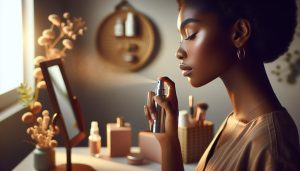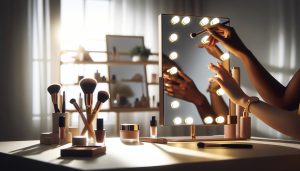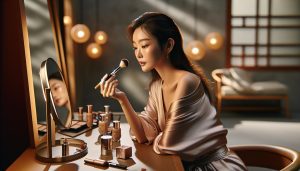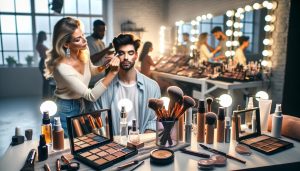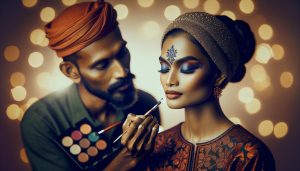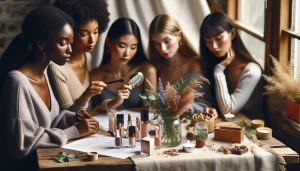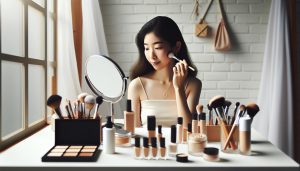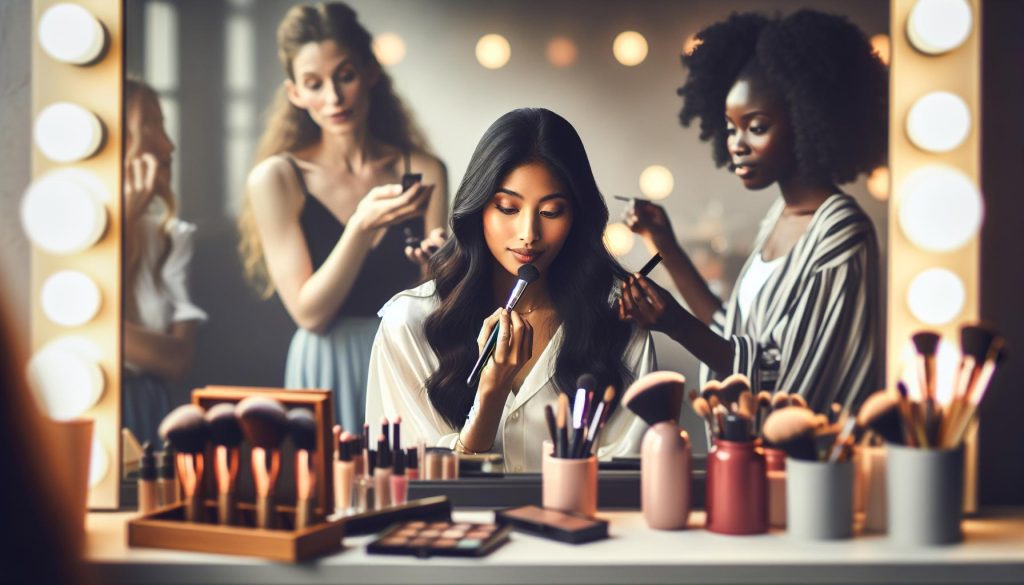
The age-old debate of whether to do hair or makeup first continues to puzzle beauty enthusiasts and professionals alike. Understanding the optimal order can save you time, enhance your overall look, and ensure lasting results. Many argue that starting with makeup allows for a fresh canvas, while others swear by styling hair first to avoid any makeup smudging. By exploring the pros and cons of both approaches, we can unravel this beauty conundrum and help you make informed choices that align with your unique routine and personal style. Curious about which method will elevate your beauty game? Let’s dive in!
The Ideal Sequence: Hair or Makeup First?
The age-old debate of whether to do hair or makeup first has long intrigued beauty enthusiasts and professionals alike. The answer often lies in personal preference, but there are compelling reasons to choose one sequence over the other. Starting with hair can help frame the face and give a clearer idea of the overall look, allowing for more tailored makeup application. Conversely, applying makeup first can help create a flawless base before any potential hair product fallout occurs.
When opting to do hair first, consider the style you plan to achieve. For instance, if you’re curling your hair, doing so can leave you with a slightly more textured finish, which can influence how your makeup is blended. The length of time a hairstyle takes can also impact your entire beauty routine; updos or complex hairstyles may mean you want to prioritize those processes before makeup. On the flip side, using a heavier makeup look might encourage some to do makeup first to prevent smudging or impacting the preciseness of their hairdo.
Incorporating these considerations into your routine can lead to a more cohesive look. Observing how the elements complement each other visually will inform your decision, thus enhancing your beauty regimen. Adjusting your sequence based on the context-whether it’s a casual outing or a formal event-can also lead to more confidence and satisfaction with your overall appearance. Ultimately, the ideal approach varies from person to person, making self-exploration crucial in developing an individualized beauty routine.
Understanding the Rationale Behind Beauty Order
Understanding the order in which to apply hair and makeup can transform your beauty routine into a streamlined process that maximizes impact and efficiency. The rationale behind the choice of whether to start with hair or makeup is multifaceted, hinging on factors like the specific look you aim to achieve, your time constraints, and even the environmental conditions of the day.
When you begin with hair, you are setting the stage for how your face will be framed and how your makeup should be applied. For example, if you’re styling voluminous waves, completing your hair first allows for a clearer vision of how to apply makeup, especially in terms of highlighting features and creating symmetry. This approach can prevent over-application or excess blending that might occur if the makeup is completed before the hair. Additionally, if you’re using products that can cause fallout, like hair sprays or powders, doing your makeup afterward can help maintain that fresh finish without interference from stray hair products.
In some scenarios, however, doing makeup first provides you with a flawless canvas to work upon, thus minimizing any touch-ups later. This is particularly beneficial for looks that require precision, such as winged eyeliner or bold lipstick, which can be more challenging to perfect if hair is already styled. Implementing a routine where makeup precedes hair is often favored by those who wear heavier cosmetics, as it ensures that any potential smudges or blemishes can be addressed without ruining an already applied hairstyle.
Ultimately, the decision between hair or makeup as the starting point boils down to personal preference and the specifics of the desired look. Understanding the rationale behind this order helps in honing your technique and encourages better preparation for various occasions. Adapt your beauty regimen based on the context-whether gearing up for a casual outing or an elegant event-to boost your confidence and satisfaction in your appearance.
Expert Opinions: Influencers Weigh In
Many beauty influencers advocate for a personalized approach when deciding the sequence of hair and makeup application. For instance, celebrity makeup artist Pat McGrath emphasizes the significance of starting with makeup if precision is key. She believes achieving a flawless base first is essential, especially for intricate looks like dramatic eyeliner or bold lip color. This ensures that any potential errors can be corrected without worrying about disturbing the hairstyle.
Unique Perspectives from Influencers
On the other hand, hairstylist and influencer Jen Atkin suggests that a well-executed hairstyle can frame the face and play a pivotal role in how makeup is applied. She often starts with hair when working on clients for major events, noting that having an idea of the final hair shape allows for better contrast with makeup. This approach not only enhances the overall appearance but also helps to determine which features to highlight or downplay.
Real-World Examples to Consider
Consider the routine shared by beauty influencer Nikkie de Jager (NikkieTutorials), who often showcases her preference for starting with foundation and concealer. She finds it much more satisfying to establish a smooth, perfect canvas before committing to her hair, allowing her to adapt her hairstyle based on the makeup look she ends up creating. This flexibility can greatly enhance the final outcome.
Final Thoughts
The diverse strategies from these beauty experts highlight the importance of tailoring your process to your personal style and the specific look you want to achieve. Ultimately, whether you choose to do hair or makeup first, the key is to work within a sequence that feels right for you, allowing your creativity to shine while ensuring a polished finish.
Makeup Techniques That Benefit from Hair Order
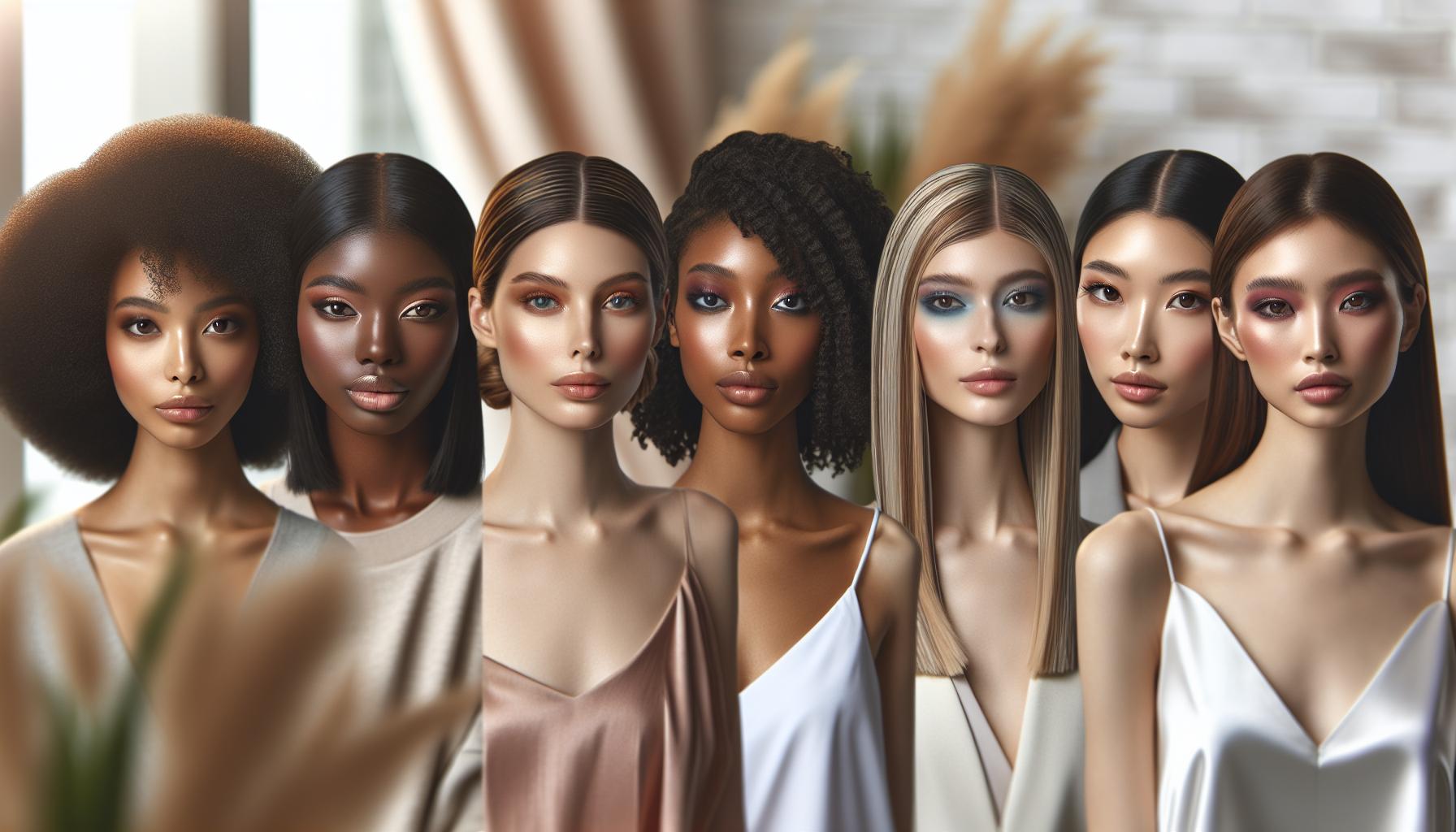
Applying makeup after hair styling can significantly enhance the final look, providing a polished and harmonious appearance. When you style your hair first, you gain a more accurate representation of how your overall aesthetic will come together, allowing for more thoughtful makeup application. Here are some specific techniques and tips that demonstrate how makeup can benefit from this hair-first approach.
One of the primary advantages of styling hair first is the ability to see the full face and hair integration. For instance, when you know the hairstyle-be it soft waves, a sleek updo, or a high ponytail-you can adapt your makeup choices accordingly. If you’re going for a bold lip to complement an elegant updo, you’ll want to focus on lighter eye makeup using nude shades or soft metallics to ensure the overall look remains balanced. Conversely, dramatic hairstyles paired with similarly bold eye makeup can create a striking, glamorous effect, especially suited for evening events.
Additionally, selecting the right products can become easier. For example, the Thrive Causemetics liquid eyeliner offers precision for defining your eyes, which is especially useful when you can visualize how the hair frames your features. If you’re wearing a style that exposes your neck and collarbones, consider highlighting those areas with a luminizing product from Ilia Beauty to match the luminous glow your hairstyle may create. This awareness of total effect ensures that no detail is overlooked.
Another consideration is the use of setting sprays and powders. Once the hair is styled, applying a fine mist of setting spray (like ELF’s setting spray) can help lock in moisture and create a waiting canvas for makeup, preventing it from settling into any potential hair products. Moreover, using translucent powder after applying makeup can help to minimize any transfer from hair products, keeping the makeup intact for longer.
In today’s beauty landscape, the personalized approach shines, where it’s essential to adjust techniques based on the style and event. Whether aiming for understated elegance or a high-fashion statement, allow the hairstyle to guide the makeup choices. This synergy not only maximizes the allure of each element but also fosters confidence, knowing that you’ve curated a cohesive look, setting you up for success, no matter the occasion.
Hair Styling Tips for Seamless Makeup Application
It’s essential to approach your hair styling with precision to ensure your makeup application flows seamlessly thereafter. A well-styled mane can significantly influence your makeup choices, allowing for a cohesive overall look. Here are some vital tips to keep in mind while styling your hair that will enhance your makeup application experience:
- Choosing the Right Style: The hairstyle you select sets the stage for your makeup. For instance, if you’re going for a bold, high ponytail, consider a sleek and sophisticated eye makeup look, such as a classic winged liner paired with a nude lip. Alternatively, soft curls might call for warmer tones on your eyelids to harmonize the look.
- Preparing the Canvas: Before engaging in hairstyling, ensure your hair is clean and free from any product build-up. A gentle cleanse with a sulfate-free shampoo can do wonders. When your hair acts as a blank canvas, it allows your chosen styles to hold better and last longer, avoiding any excess residue that could interfere with makeup application.
- Allow Time for Hair Products to Set: Once you’ve styled your hair with gels or sprays, grant time for those products to fully set before applying makeup. This waiting period prevents any potential transfer of hair products onto your skin, ensuring that your makeup adheres properly and stays flawless throughout the day.
- Mind the Heat: If you’re using hot tools to style your hair, wait for your hair to cool before starting on your makeup. This pause ensures any heat won’t cause unnecessary shine or excess oil on your forehead, promoting a more matte finish when it comes time for foundation.
- Harmonizing Colors: Match your makeup to your hairstyle. For a highlighted hairstyle, consider using similar tones in your makeup to create a balanced look. For example, if you have warm highlights, incorporating golden tones in your eyes or blush can beautifully tie everything together.
By following these expert-driven tips, you can ensure that your hair styling procedure effectively supports your makeup application, leading to an overall polished and harmonious appearance. Remember, it’s not just about what products you use-it’s also about how you prepare and visualize the synergy between your hair and makeup to discover your most confident self.
Timing Is Key: How Long Each Step Takes
The art of beauty application is not just about products; it’s also about timing. Understanding how long each step takes can streamline your routine, ensuring you look your best without the stress of last-minute rushes. On average, the following estimates provide a solid framework for organizing your hair and makeup process:
- Hair Styling (30-60 minutes): Depending on your chosen hairstyle, this can vary significantly. For simple styles, like straightening or curling, you might only need 30 minutes. However, more intricate styles, such as braiding or updos, can take up to an hour or more. It’s wise to allocate time for preparation, such as washing and drying, which can further extend this step.
- Makeup Application (20-45 minutes): A basic makeup routine usually requires about 20-30 minutes, including foundation, concealer, and eye makeup. More elaborate looks involving contouring, false lashes, or special effects can push this closer to 45 minutes. Knowing your preferred looks can help determine how much time to set aside.
- Product Setting Time (5-10 minutes): After applying your hair products like sprays or gels, allow 5-10 minutes for them to set properly. This is crucial for ensuring your hair holds its shape and reduces the likelihood of product transfer onto your makeup.
- Cooling Period for Hair (5 minutes): If heat tools are part of your hair styling, a brief cooldown period is essential before moving on to makeup. This ensures minimal shine on your skin, leading to a more polished final look.
This timing guide is designed to help you plan your beauty regimen efficiently, allowing for a seamless transition between steps. By creating a structured approach, you can maximize your beauty routine and adapt it for special occasions or everyday looks. Experimenting with your timing will also help you discover how to balance quick applications with thorough preparation to achieve that enviable combination of speed and elegance in your beauty regimen.
Common Mistakes: Hair and Makeup Overlaps
Common misunderstandings about the beauty application process can lead to frustrating overlaps between hair and makeup, resulting in wasted time and subpar results. One prevalent mistake is not allowing sufficient setting time for hair products. For instance, if you rush into applying makeup right after styling your hair, you risk the transfer of hair products, such as sprays or gels, onto your face, which can disrupt your makeup and create a greasy finish.
Another common overlap occurs when individuals neglect the cooling period after heat styling. Using blow dryers or curling irons generates heat that can cause skin to become shiny or oily. Without allowing a few minutes for your hair and tools to cool down, you may struggle with makeup adherence and longevity, making this a crucial step many overlook.
Additionally, the order of operations can affect the final look. Skipping the step of doing simpler makeup tasks first, like concealer application and eyebrow filling, can lead to unnecessary touch-ups later on. If your hairstyle is elaborate and takes time to perfect, it’s easy to forget about that initial makeup base, which can become trickier to apply if your hair is already styled. Prioritizing a seamless approach ensures that resources are allocated effectively, minimizing any overlap that could compromise your desired aesthetic.
Be mindful of balancing these timing and product application tips to create an efficient and effective beauty routine. By streamlining the entire process, you’re not only enhancing your results but also investing in a more enjoyable experience every time you step out with confidence.
Personal Preferences: Tailoring Your Routine
Finding your ideal beauty routine often requires a bit of experimentation and adjustment based on personal preferences. The sequence of applying hair and makeup isn’t just a matter of aesthetics; it can significantly affect the overall outcome and your mood. Many factors play into this decision, such as the type of look you’re aiming for, the products you’re using, and even how much time you have available.
Understanding your skin type, hair texture, and the specific products you love can help you refine your routine. For instance, those with oily skin might prefer to apply makeup first to set a matte base before styling their hair. This creates a barrier that may help reduce shine as the day progresses. Conversely, individuals with dry skin might opt to do their hair first, allowing a cream or oil-based makeup product to easily blend into the skin after reducing any potential moisture loss from heat styling.
Another aspect to consider is the type of look you’re going for. If it’s a full glam affair, dedicating time to both hair and makeup separately can yield stunning results. When aiming for a more casual, everyday look, you might find that completing makeup before hair styling suits your schedule better. This flexibility allows you to adapt your approach based on the occasion, personal needs, or even how you feel that day.
To structure your routine effectively, create a checklist tailored to your habits and preferences. For example:
- Don’t forget skin prep: Always start with a clean, moisturized face.
- Test your products: Experiment with different combos to see how they perform together.
- Mix it up: Change your order based on the event-use a more technical approach for special occasions and a simpler one for everyday outings.
Ultimately, your beauty routine should align with how you want to express yourself while honoring your unique style and needs. By recognizing the power of personal preference, you are one step closer to mastering the art of beauty application.
Tools and Products for Efficient Beauty Application
Creating a smooth and efficient beauty routine hinges on having the right tools and products at your disposal. Quality brushes, sponges, and styling tools can elevate your makeup and hair game to a professional level, allowing you to achieve a polished look without the fuss. The effectiveness of your application method can significantly impact how long your look lasts and how well it holds up against the elements throughout the day.
For makeup application, investing in high-quality tools is essential. Brushes made from synthetic fibers work excellent for cream products, while natural bristles genuinely shine with powder formulas. A set that includes essential brushes such as a flat foundation brush, fluffy blending brush, and an angled eyeliner brush will prepare you for various looks. Additionally, consider using a makeup sponge like the Beauty Blender to create a seamless finish. These sponges work wonders for applying liquid foundations and adding highlights, ensuring that the makeup melds flawlessly with the skin. Don’t forget to use a setting spray for longevity, particularly during humid days or extended events.
When it comes to hair styling, the right tools can save time and enhance your final appearance. A good quality hairdryer with adjustable heat settings is key; it should dry your hair quickly without causing damage. Additionally, investing in a heat-protectant spray is crucial for shielding your hair from the damaging effects of styling tools. Tools such as curling wands, straighteners, and quality combs can make all the difference; look for those with ceramic or tourmaline technology that distributes heat evenly. The right hairbrush is also vital-choose one suited for your hair type, whether it’s a paddle brush for straightening or a round brush for volume.
To streamline your application process, consider laying out your products in the order you’ll use them. This not only saves time but also helps you stay organized and focused. Here’s a quick checklist to enhance your efficiency:
- Makeup: Start with skincare (cleanser, moisturizer, primer), followed by foundation, concealer, and so on, ensuring each product is ready at your fingertips.
- Hair: Prep with heat protection, have your styling tools ready, and consider using hair clips to section your hair while styling.
Ultimately, having the right tools and products not only improves your makeup and hair quality but also makes the application process enjoyable and stress-free. Empower yourself with the knowledge of which products are right for you, and watch your efficiency flourish as you create beautifully polished looks.
Case Studies: Real-Life Beauty Routines
Real-life beauty routines showcase the personal preferences and practical approaches that influence whether one chooses to perfect hair or makeup first. For instance, Jessica, a busy professional and mother, favors doing her makeup first. She believes that a fresh face helps her assess her hair more clearly. Using a light foundation, concealer, and a dab of blush, she sets a vibrant canvas before styling her hair into loose waves. This approach, she finds, allows her to see how her hair complements her overall look, ensuring that everything feels cohesive.
Conversely, Lisa, a beauty influencer and makeup artist, swears by starting with her hair. She utilizes this routine during special event preparations, citing that hair can often become the focal point. By styling her hair first-whether it’s glamorous curls or sleek straight locks-she can create the perfect ambience for her makeup application. Once her hair is set, Lisa applies a full face of makeup, confident that her hairstyle dictates the level of glam on the face, ultimately attaining synergy between the two.
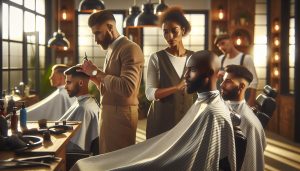
Another fascinating case is that of Mark, a professional barber who specializes in men’s grooming. Mark emphasizes the importance of considering the type of occasion when deciding on the order of hair and makeup (or grooming in his case). For casual gatherings, he often applies product to his hair first, as it takes less time and provides a good idea of how much effort his overall grooming routine requires. However, for weddings or professional events, he meticulously crafts his look by starting with grooming, ensuring facial hair is precisely trimmed and styled before focusing on hair, giving him the best foundation to apply the finishing touches.
By analyzing these real-life routines, several strategies emerge for maintaining adaptability in beauty standards. Understanding one’s priorities-whether it’s the need for speed, the significance of aesthetics, or the influence of the occasion-can help anyone streamline their beauty regimen. Thus, whether you choose hair or makeup first, it’s evident that the right preparation and knowledge can elevate your routine, making every day a good hair and makeup day.
Cultural Perspectives on Beauty Order
Cultural influences significantly shape the rituals surrounding beauty, including the perennial debate of whether to style hair or apply makeup first. In many Western cultures, the prevailing trend is to apply makeup before setting the hair. This sequence is often rooted in the desire for a flawless complexion, which, in turn, can dictate the hair’s styling choices. For instance, individuals may opt for a sleek ponytail if they emphasize a natural look or dramatic curls when aiming for a more glamorous appearance. The flexibility of this approach accommodates various aesthetic goals, particularly for those who prioritize a polished, cohesive look.
Conversely, numerous Eastern cultures emphasize hair as the focal point of beauty. In many traditional practices, particularly in South Asian weddings, elaborate hairstyles often take precedence, setting the stage for makeup that complements the overall look. Brides typically invest considerable time in hairstyling, believing that an exquisite updo or intricate braid can enhance their natural beauty and ensure they feel confident on their special day. This approach reflects a cultural reverence for hair, seen as a symbol of femininity and elegance, influencing the decision to style hair before makeup application.
Understanding these cultural perspectives can also help individuals tailor their beauty routines for diverse occasions. For example, in African cultures, the use of vibrant makeup might accompany intricate hair designs during celebrations. Individuals might aim to create a harmonious balance, where bold makeup enhances the vibrancy of the hairstyle. Alternatively, during everyday routines, a more practical approach may see makeup applied first for efficiency, particularly in bustling urban environments where time is of the essence.
In conclusion, whether to apply hair or makeup first transcends personal preference; it is a decision influenced by cultural ideals, traditions, and the specific occasion. Embracing these diverse perspectives not only enriches one’s beauty regimen but also fosters a deeper appreciation for the art of grooming, allowing individuals to express their identity and creativity more authentically. By navigating these cultural nuances, one can build a routine that resonates personally while honoring the broader tapestry of beauty practices around the world.
How to Adapt Your Routine for Special Occasions
The key to achieving a stunning look for special occasions often lies in how you strategically adapt your hair and makeup routine. Guests at elaborate events like weddings or formal gatherings typically spend extra time perfecting their appearance, making it essential to plan a sequence that showcases your best features. Consider this: applying makeup on a freshly styled hairdo can lead to both touch-ups and frustration if not done cautiously, while the reverse might interfere with achieving that perfect hair shape or hold.
To cater your beauty routine effectively, prioritize the occasion’s specific demands. For example, if you’re getting ready for a summer wedding, apply a lightweight, long-lasting foundation like those from Thrive or Ilia to withstand heat and highlight your natural glow. After your makeup is set, style your hair into elegant updos or soft waves, keeping in mind that hairstyles should complement not only your outfit but the overall vibe of the event. Conversely, if it’s a casual day event, you may wish to start with your hair. Loose waves or braids can set a more relaxed tone, after which you can finalize with a fresh-faced makeup look.
Another vital aspect to consider is time management. Allocate at least 15-20 minutes for makeup after hair styling, ensuring you have adequate time for blending and detailing, especially around your eyes and lips, to create flawless finishes. For easier execution, prepare your tools in advance-such as brushes, sponges, and setting sprays-to minimize interruptions during application. Keep in mind that while the suggested sequence is important, the most effective routine is one that reflects your comfort and personal style.
Lastly, don’t forget about the importance of foundation for your makeup. Using a quality primer can balance your skin and provide that smooth canvas needed for exceptional makeup application, enhancing both longevity and compatibility with your hairstyle. By merging these techniques, you can create a look that not only adapts seamlessly to special occasions but also celebrates your unique beauty, empowering you to step out confidently.
Frequently asked questions
Q: What is the best order for hair and makeup?
A: The best order for hair and makeup can depend on personal preference, but many experts recommend doing hair first. This approach allows you to avoid any makeup fallout from hairstyling products and ensures a smoother makeup application. For more on ideal sequences, refer to the section on “The Ideal Sequence.”
Q: Does doing hair or makeup first affect the final look?
A: Yes, doing hair first can impact the final look by ensuring that your makeup is not disturbed by hair products and styling tools. It allows for a more cohesive appearance, where hair and makeup complement each other effectively, as discussed in “Understanding the Rationale Behind Beauty Order.”
Q: How do different hairstyles affect makeup application?
A: Certain hairstyles, like updos, can create a more polished look that might require less dramatic makeup. Conversely, hairstyles with volume could require bolder makeup to balance the overall appearance. Explore more in the “Makeup Techniques That Benefit from Hair Order” section.
Q: When should I touch up my makeup during new hair styling?
A: It’s advisable to touch up makeup after the hair is styled, especially if you experience makeup transfer or smudging. A quick blush or lipstick refresh can enhance your overall look and maintain your desired appearance. See “Timing Is Key” for more insights on this.
Q: What common mistakes should I avoid when styling hair and makeup?
A: A common mistake is overlapping products from both hair and makeup, which can lead to an unbalanced look. Ensure each product has set properly before moving onto the next step. Refer to “Common Mistakes: Hair and Makeup Overlaps” for further details.
Q: Can I do my makeup before a special occasion hairstyle?
A: While it is possible to apply makeup first, it is generally better to style your hair first to avoid potential smudging or disruption. This is particularly important for special occasions, as discussed in “How to Adapt Your Routine for Special Occasions.”
Q: Are there specific tools needed for an efficient hair and makeup routine?
A: Yes, having the right tools is essential for efficiency. Brushes, sponges, and styling tools can streamline your process. For tool recommendations, check “Tools and Products for Efficient Beauty Application” for a comprehensive guide.
Q: How can I tailor my routine based on my hair type?
A: Your routine should reflect your hair type-fine hair might require less product, while thick hair needs more setting. Adjust the products and techniques you use for makeup accordingly to ensure harmony in your overall look. Explore “Personal Preferences: Tailoring Your Routine” for tailored tips.
Insights and Conclusions
Now that you have clarity on whether to tackle your hair or makeup first, it’s time to elevate your beauty routine with actionable insights! Don’t let the choices overwhelm you; remember, the right order can enhance your overall look and even save you precious time. For more expert tips, consider exploring our comprehensive makeup tutorials and product reviews on favorites like Seint, Thrive, and Ilia to further refine your style.
Feeling inspired? Sign up for our newsletter to receive exclusive beauty hacks and updates on our latest posts, ensuring you never miss a valuable insight. And if you’re ready to take your grooming skills to the next level, check out our guides on professional barbering techniques! Engage with us by sharing your thoughts or experiences in the comments below; we love hearing from you. Let’s make beauty accessible and enjoyable for everyone!