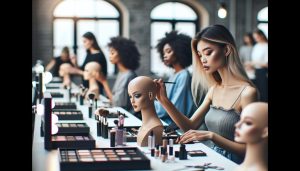
Makeup has a long and interesting history, with evidence suggesting that both men and women have utilized cosmetics for centuries. In ancient cultures, from Egypt to Greece, men adorned themselves with eye makeup and skin treatments to enhance their appearance and signify status. Today, as societal norms evolve, many men are embracing makeup not just for special occasions but as part of their daily grooming routine. Understanding the surprising history of men and makeup reveals how gender perceptions in beauty have shifted, empowering individuals to express themselves and challenge stereotypes. This exploration not only highlights the rich past of male cosmetics but also addresses contemporary issues surrounding masculinity and personal grooming. Join us as we uncover the layers of this fascinating topic, encouraging all to embrace their unique beauty and redefine norms.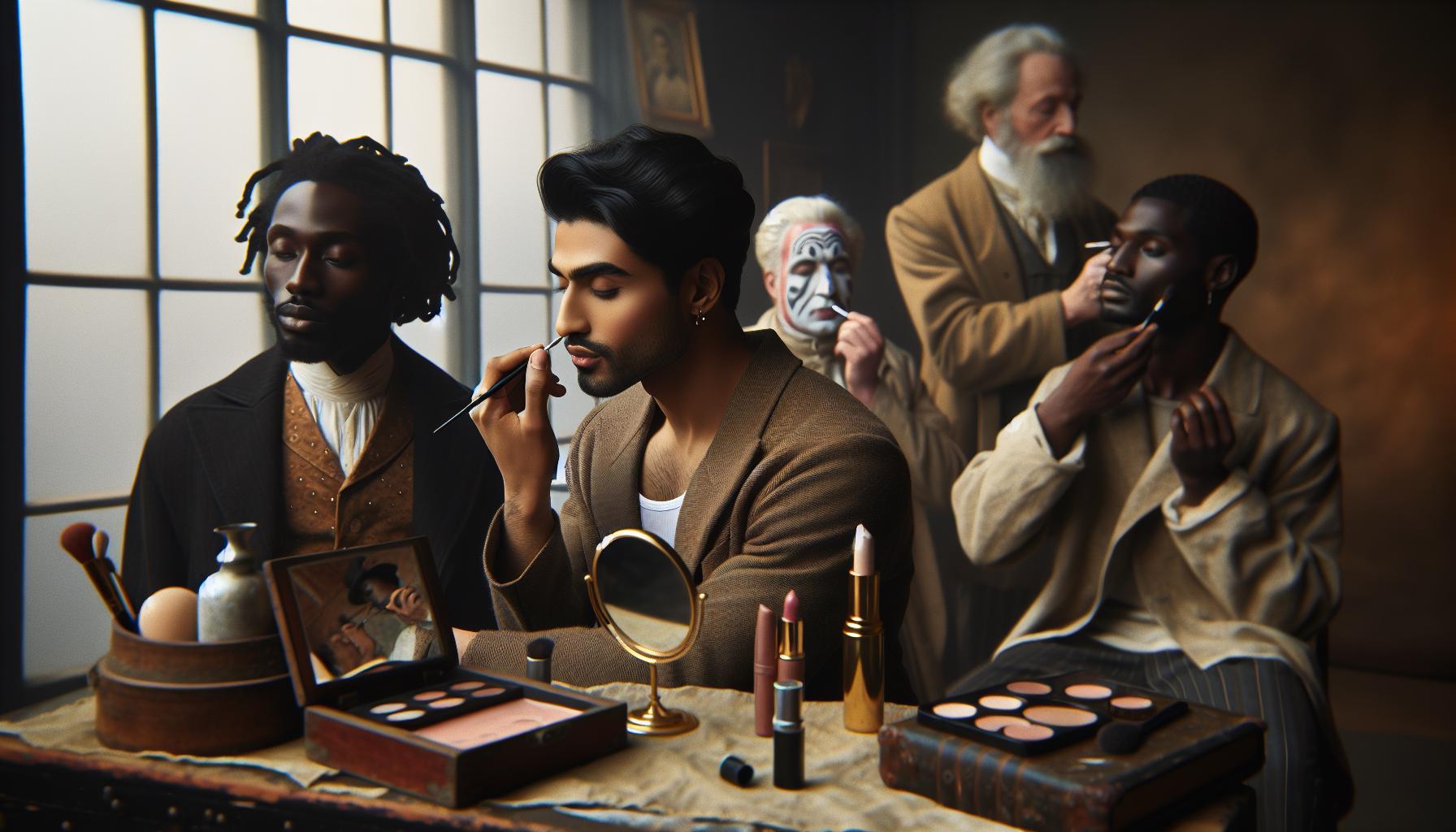
The Historical Roots of Makeup for Men
The use of makeup by men has deep historical roots that trace back thousands of years, cutting across various cultures and civilizations. In Ancient Egypt, for instance, men used kohl to accentuate their eyes and improve visibility against the glaring sun. This practice not only served an aesthetic purpose but also held spiritual significance, as men believed that the cosmetics provided protection and invoked divine favor. The elaborate eye designs, often resembling cat-eyes, were indicative of status and power, challenging the common modern perceptions of masculinity.
During ancient Roman times, men frequently used makeup, applying red ochre to their lips and cheeks to exhibit health and vitality. This practice was not just about beauty; it reflected societal norms where physical appearance was linked to moral strength and social position. The Renaissance period further transformed men’s makeup usage, with aristocrats powdering their faces and donning beauty patches to symbolize wealth and sophistication. Such trends illustrate that makeup for men was once embraced as a symbol of elegance, much celebrated in elite circles.
Fast forward to the 18th century, and the practice saw a decline, largely driven by changing social attitudes toward masculinity. Makeup became associated predominantly with women, particularly in the Victorian era, where rigid gender norms began to emerge. However, the more recent resurgence in men’s makeup indicates a significant shift towards inclusivity in beauty standards. As society evolves to recognize and celebrate diverse expressions of identity, the historical precedents set by ancient civilizations remind us that makeup is fundamentally a tool for self-expression, available to all genders.
In summary, reveal a rich tapestry of cultural practices and beliefs that have shaped its perception over the ages. Makeup was a form of empowerment and self-expression long before it became a topic of societal debate, demonstrating that the art of enhancing one’s appearance transcends gender and time. Today, as new generations reclaim and redefine makeup, they stand on the shoulders of a vast historical legacy.
Cultural Perspectives on Male Beauty Standards
Throughout history, beauty standards for men have been shaped by cultural attitudes and societal norms, revealing a surprising and rich tapestry of perspectives on masculinity and aesthetics. In ancient Egypt, men adorned themselves with makeup such as kohl to not only improve their appearance but also to signify their social status and ward off evil spirits. This practice underscores a long-standing connection between male beauty, power, and spirituality. Similarly, Roman men used red ochre to convey vitality and strength, reinforcing the idea that physical appearance was deeply intertwined with one’s social identity and moral character.
In contrast, as societies evolved, so did the definitions of masculinity. The Renaissance ushered in a time when men used makeup as a tool of sophistication and status, with powdered faces and beauty patches signifying elite circles. However, the Victorian era marked a dramatic shift; rigid gender norms began to associate makeup almost exclusively with women, leading to a decline in its acceptance among men. This transition illustrates how societal perceptions can shift dramatically, with beauty practices becoming heavily politicized and gendered.
Today, we’re witnessing a powerful reclamation of makeup within the male demographic. Men are increasingly challenging traditional norms, embracing makeup for self-expression, confidence, and creative artistry. The rise of male beauty influencers on platforms like Instagram and YouTube has not only popularized makeup usage among men but has also catalyzed a broader acceptance of nontraditional gender norms. This evolution calls for beauty brands to rethink their marketing strategies and product lines, catering to a more inclusive audience.
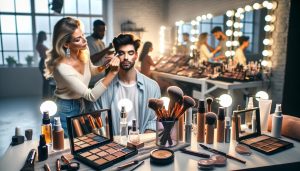
As discussions around masculinity continue to evolve, embracing a wider range of beauty practices presents a unique opportunity for professionals in the beauty industry. Barbers and grooming experts can find new avenues for client engagement by introducing makeup services tailored for men, educating customers on product selection and application techniques. By understanding and embracing these cultural shifts, beauty professionals can foster confidence and creativity among their clients, ensuring that makeup is recognized as a versatile art form accessible to all. The momentum towards gender inclusivity not only benefits men but enriches the entire beauty landscape-making it vibrantly diverse and full of possibilities for self-expression.
Women and Makeup: A Historical Comparison
Makeup, often viewed through a gendered lens, has evolved dramatically over the centuries, revealing parallel narratives between men and women in their aesthetic pursuits. Historically, women have faced societal pressures to conform to beauty standards that emphasize youth and attractiveness. From ancient civilizations where women used natural pigments made from minerals and plants to enhance their features, to the elaborate rituals of the Victorian era that promoted a delicate and refined appearance, the evolution of women’s makeup reflects the shifting tides of societal expectations. Yet, intriguing historical instances show that men, too, have navigated these waters-wearing makeup as an expression of status, wealth, or artistry.
In ancient Rome, both men and women employed makeup in their daily lives, but societal norms began to diverge over centuries. While women used cosmetics to attract attention and enhance allure, men initially embraced makeup as a marker of nobility, with powdered faces and finely groomed appearances signifying their social rank. Despite this, the rise of industrialization in the 19th century aligned men more with utilitarian grooming practices, while women continued to explore the realms of cosmetic enhancement, a trend that accelerated with the beauty revolution of the 20th century. The 1920s flapper trend, for instance, liberated women from rigid norms, allowing them to experiment with bold colors and styles. Conversely, men increasingly became associated with a ‘natural’ aesthetic, reinforcing the stereotype of masculinity as devoid of artifice.
Today, this historical comparison reveals an important shift. The democratization of beauty-spurred by social media and changing perceptions of gender roles-has opened the floodgates for both men and women to explore makeup without the constraints of traditional norms. For women, makeup remains a powerful tool for self-expression and empowerment, with brands increasingly embracing diversity and inclusivity in their offerings. Meanwhile, men are carving their own space in this beauty narrative, championing makeup as a form of creativity rather than performance, defying outdated notions of masculinity.
In this landscape, an understanding of historical context enriches the contemporary dialogue around beauty and identity. As you navigate your own makeup journey-whether as a novice or a professional barber-consider how these historical dynamics shape your approach. Embrace the knowledge that beauty practices are not stagnant but rather part of an evolving story, inviting you to explore, experiment, and define your unique style confidently.
Revolutionary Impact of Makeup in Ancient Civilizations
In ancient civilizations, the practice of makeup extended far beyond mere aesthetics; it was deeply intertwined with cultural norms, social status, and even spirituality. For instance, in Ancient Egypt, men routinely adorned their faces with kohl, a black powder made from lead sulfide. This practice was not only about enhancing features but also about protection from the harsh sun and evil spirits. The use of kohl around the eyes created a bold look that conveyed power and refined social standing, reflecting a fundamental societal belief that beauty was synonymous with strength and vitality.
Meanwhile, in ancient Rome, makeup played a critical role in daily life for both men and women. Roman men often used red ochre on their lips and cheeks, seeking to display health and vibrancy. The favorability of certain colors and styles acted as a visual language, communicating one’s social position and vitality. As Rome expanded, so too did the influence of its beauty practices, laying the groundwork for later cultural exchanges and beauty standards across Europe and the Mediterranean. These men’s beauty rituals were less about vanity in the contemporary sense and more about affirming one’s place within a broader societal framework.
The revolutionary impact of makeup in these ancient settings illustrates a distinct paradigm – makeup was an integral part of a man’s public persona. It was an essential tool through which men expressed identity, authority, and sometimes even divine favor. As these civilizations advanced, the line between art and daily grooming blurred, highlighting that intricacies of beauty practices have long been a vehicle for personal and cultural expression. This historical context empowers current discussions around men’s makeup, inviting modern individuals to embrace the artistry that makeup represents, breaking free from outdated notions that confine beauty to one gender or aesthetic. Exploring this rich heritage can inspire today’s grooming choices and challenge the stereotypes surrounding masculinity and makeup.
The Role of Makeup in Modern Masculinity
The modern landscape of masculinity has begun to embrace a far more inclusive approach to beauty, which includes the use of makeup as a tool for self-expression rather than just a cosmetic enhancement. Unlike in previous decades, where makeup was often seen as the domain of women, today’s society recognizes that makeup can enhance features, create a polished appearance, and even serve as a form of art for men. This shift signals an evolution in traditional masculinity, wherein using makeup is no longer an act of vanity, but rather a powerful statement of individuality and confidence.
Breaking the Stigma
One of the most significant changes in men’s makeup is the breaking of stereotypes. Historically, societal norms dictated that men must conform to a certain rugged, stoic ideal, often shaming those who dared to explore their aesthetic preferences. This stigma is fading, as more male celebrities and influencers openly endorse the use of makeup. Figures like James Charles and Patrick Starrr have played pivotal roles in redefining masculinity by showcasing the artistry of makeup and advocating for its acceptance among men. This not only nurtures a culture of inclusivity but also encourages men to experiment with products that accentuate their unique styles.
Practical Applications and Techniques
For those new to the world of makeup, starting with a few key products can be transformative. Primary items such as tinted moisturizers, concealers, and brow gels can be integrated into daily routines for an effortless look. To apply these products correctly, here’s a simple step-by-step guide:
- Start with a clean face: Use a gentle cleanser followed by a moisturizer to hydrate your skin.
- Apply tinted moisturizer: This provides light coverage while evening out the skin tone. A product like Ilia Super Serum Skin Tint is perfect for a natural finish.
- Use concealer: Dab concealer on any blemishes or under-eye areas that need a bit more coverage. The Seint IIID Foundation offers a great palette for touch-ups.
- Shape your brows: A simple brow gel can tame unruly hairs and define the shape of your eyebrows, creating a polished look in seconds.
For professional barbers, these techniques can not only enhance their skill set but also meet the evolving demands of clients seeking a more refined appearance. Offering makeup services or advice can differentiate a barber shop in today’s competitive market.
Innovative Products & Brands
As men become more invested in beauty routines, numerous brands have emerged that cater specifically to this demographic. Brands like Thrive Causemetics and ELF are creating high-quality products designed with men’s skin and needs in mind, sparking a revolution that enhances both aesthetics and self-care. These innovative products encourage men to embrace their beauty journey, providing tools that help them feel confident and empowered.
not only celebrates individuality but also fosters an environment where self-expression is deemed essential rather than taboo. Its potential to enhance personal style offers an exciting opportunity for men to redefine their grooming practices and societal perceptions, embracing a community that champions authenticity. By exploring these avenues of beauty and grooming, both novices and professionals can confidently lean into this flourishing culture, illuminating the way forward in men’s beauty traditions.
Makeup Brands Breaking Gender Barriers
As the conversation about beauty continues to evolve, several innovative makeup brands are taking bold steps to break down gender barriers, allowing men to embrace their unique styles without fear of societal judgment. These brands are redefining what it means to be a male consumer in the beauty industry, creating products that meet the specific needs and concerns of men’s skin and grooming routines. Brands like Thrive Causemetics, ILIA Beauty, and ELF have taken this mission seriously, each offering a range of products that are not only effective but also celebrate individuality.
Thrive Causemetics, known for its high-quality formulations and commitment to cruelty-free practices, delivers a collection that focuses on enhancing existing features rather than concealing them. Their products are designed with an understanding that many men seek a natural and polished appearance. For instance, their Liquid Lash Extensions Mascara not only volumizes and lengthens but is formulated to be easily removed, making it ideal for those new to makeup.
Similarly, ILIA Beauty stands out with its clean and environmentally friendly approach. Their Super Serum Skin Tint serves as a fantastic multitasker-offering light coverage while hydrating the skin, making it an excellent choice for those who want an effortless daily routine. The serum fosters a healthy glow, catering to men who prefer a more natural look without compromising on skincare benefits.
Meanwhile, ELF has democratized beauty, offering accessible yet effective makeup products at budget-friendly prices. Their Brow Wow Clear Brow Gel is perfect for defining and taming brows, providing a subtle enhancement that fits seamlessly into any grooming regimen. This aligns well with a growing demographic of men who are keen to look polished without diving into extensive cosmetic routines.
These brands not only highlight the diversity in men’s makeup but also reflect broader changes in societal perceptions. The growing acceptance of makeup as a tool for self-expression means that men can explore their aesthetics without the constraints of traditional masculinity. By leveraging innovative products that prioritize simplicity and effectiveness, these companies are paving the way for a future where makeup is undeniably for everyone. As a professional barber, incorporating recommendations of such user-friendly products into your service offerings can create a more inclusive environment, encouraging clients to embrace their full spectrum of self-expression.
How Makeup Trends Evolved for Men
Makeup for men has transitioned dramatically over the years, evolving from an obscure practice to a mainstream avenue for self-expression. Historically, men were once at the forefront of cosmetics use, with ancient civilizations-such as the Egyptians-embracing makeup to signify status, religious affiliation, or even divine favor. Fast forward to the modern era, makeup for men was often sidelined, seen as frivolous or even taboo during the 20th century. Yet, as societal norms shift, we see a resurgence in acceptance and enthusiasm for male grooming products.
The evolution of makeup trends among men began gaining momentum in the early 2000s, propelled by cultural icons and influencers challenging gender norms. Notable events such as the rise of metrosexuality introduced the concept of men taking pride in their appearance using grooming tools and cosmetics. As conversations around masculinity expand, makeup brands are stepping in to address the specific needs of male consumers, whether it be a subtle concealer to cover blemishes or a tinted moisturizer offering a healthy glow without a made-up look.
Innovative products tailored for men, like those offered by brands such as Thrive Causemetics and ILIA Beauty, highlight the demand for quality formulations that prioritize natural beauty over dramatic transformations. The shift towards minimalistic makeup routines is evident, with men gravitating towards products designed to enhance their features rather than mask them. A simple tinted sunscreen can serve both practical skincare and cosmetic purposes, making it an ideal entry point for men new to makeup.
This evolution reflects deeper changes in societal perceptions of masculinity and beauty, where makeup is no longer seen strictly as a woman’s domain. As we move into a new era defined by gender inclusivity, the future beckons for even more revolutionary developments in male makeup. More brands will likely emerge, designed with men in mind, as well as an increase in makeup tutorials specifically catering to male audiences. This growing acceptance not only encourages men to explore their individual styles but also fosters a greater sense of confidence and self-expression-integral not just for personal enjoyment but as a potential tool for professional development in grooming and beauty industries.
The Psychology Behind Male Makeup Usage
The emergence of makeup among men has altered not only personal grooming habits but also the very fabric of contemporary masculinity. As men increasingly embrace makeup, it becomes essential to understand the psychological motivations that underpin this trend. Research indicates that the decision to incorporate makeup into one’s life can be tied to various factors such as self-esteem, social acceptance, and personal identity.
Many men use makeup as a tool for enhancing their self-esteem and confidence. A well-applied foundation or concealer can mask imperfections and help individuals feel more put-together, positively influencing how they perceive themselves and how they are perceived by others. For instance, a man may choose to wear a tinted moisturizer for a more radiant look during an important job interview or a social event, believing it will leave a better impression. This desire for enhancement is often rooted in the same psychological principles that motivate women to use cosmetics, highlighting a universal human inclination towards self-improvement through appearance.
The shift in acceptance of makeup among men can also be linked to evolving societal norms regarding masculinity. In the past, men who wore makeup were often labeled as nonconforming or overly flamboyant, but with the rise of movements advocating for gender equality and diversity, this perception is gradually changing. Public figures and celebrities boldly embracing cosmetics challenge traditional notions of masculinity, allowing everyday men to feel empowered to experiment with their looks without fear of stigma. This phenomenon not only promotes self-expression but also fosters a sense of community among those who share similar experiences.
Understanding reveals a deeper narrative about identity and societal acceptance. As brands create innovative and tailored products that cater specifically to men’s needs, such as natural-finish foundation or skincare-infused concealers, they facilitate self-exploration and empower men to embrace their individuality. Engaging with makeup becomes a personal choice rich in meaning, allowing for creativity and expression that resonates with broader societal changes. Through this lens, the act of wearing makeup no longer feels exclusive to women; instead, it is a shared human experience that champions personal style and confidence across all genders.
Innovative Makeup Products Designed for Men
The landscape of makeup for men has evolved significantly, with innovative products emerging to cater specifically to masculine preferences and needs. Today, brands are increasingly focusing on creating formulas that not only perform well but also resonate with the values of modern masculinity. These products range from discreet skin enhancers to bold color cosmetics, all designed to empower men in their grooming routines while breaking traditional barriers.
One standout category is skincare-infused makeup, which merges the benefits of skincare with cosmetics. Brands like Ilia and Thrive have introduced tinted moisturizers and BB creams that provide coverage while also nurturing the skin. These products often feature ingredients such as hyaluronic acid and antioxidants, making them suitable for daily use without the heaviness often associated with traditional foundations. This approach allows men to enhance their appearance while addressing skincare needs simultaneously.
Additionally, brands like Seint and ELF have pioneered the development of makeup that prioritizes ease of use and versatility. For instance, Seint’s cream-based makeup products are designed for quick application and offer a natural finish, simplifying the process for those new to makeup. The compact design allows for portability, making it easy to refresh one’s look throughout the day or during travels. Such innovations cater to men who prefer practical solutions that fit into their active lifestyles.
Moreover, the trend towards gender-neutral formulations is gaining momentum, with many brands consciously designing products that appeal to a broad audience. A compelling example is the rise of color cosmetics targeted at men, featuring lip tints and cheek stains that encourage self-expression without conforming to traditional gender norms. This inclusive approach resonates with a younger demographic interested in exploring makeup as a means of personal style and creativity.
In conclusion, the emergence of innovative makeup products targeting men represents a significant shift towards inclusivity and self-expression in the beauty industry. As brands continue to break gender barriers and create products tailored for men, they not only redefine personal grooming but also foster an environment that embraces individuality and confidence. Whether you are a makeup novice or a seasoned enthusiast, these advancements in men’s cosmetics offer tools for exploring and celebrating personal style in today’s increasingly diverse landscape.
Step-by-Step Guide to Men’s Makeup Application
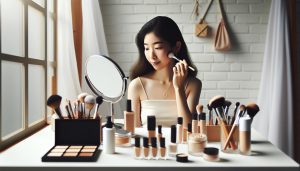
Incorporating makeup into a grooming routine can be an empowering experience for many men, enhancing their features while boosting confidence. Following a structured approach simplifies the process and yields a natural, polished look. Whether you’re a newcomer or looking to refine your technique, adopting a step-by-step method can make all the difference.
1. Preparing the Canvas
Before applying any makeup, it’s essential to prepare your skin. Begin with a cleanser to remove impurities and excess oil. Follow this with a moisturizer to hydrate your skin. If your skin is oily or prone to shine, consider using a mattifying primer. Brands like Ilia offer lightweight options that hydrate while controlling oil, making them perfect for smoother makeup application.
2. Apply Foundation or Tinted Moisturizer
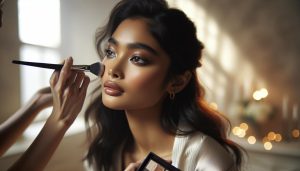
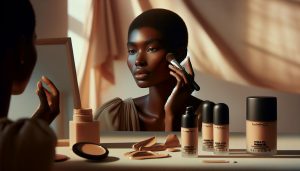
To create an even complexion, use a lightweight foundation or tinted moisturizer. For men who prefer a natural finish, a product like Thrive’s BB cream can provide the perfect amount of coverage without feeling heavy. Using your fingers or a damp makeup sponge, apply the product in light layers, blending it well into your skin to avoid any harsh lines. Focus on areas that need more coverage, like under the eyes or around the nose.
3. Conceal Imperfections
Concealer is your best friend when it comes to hiding blemishes, dark circles, or redness. Choose a shade that closely matches your skin tone. Using a small brush or your ring finger, dab the concealer gently onto problem areas, then blend using a tapping motion for a seamless finish.
4. Set with Powder
To prolong the wear of your makeup and prevent shine, lightly dust a translucent powder over your entire face with a fluffy brush. Brands like ELF offer soft, finely milled powders that help achieve a matte finish without looking cakey. Pay attention to oily areas, typically the forehead, nose, and chin.
5. Add Definition with Bronzer and Blush
To bring life to your complexion, apply bronzer on the high points of your face where the sun would naturally hit-your forehead, cheekbones, and jawline. For a healthy flush, add a subtle blush to your cheeks. Stick formulas can be particularly user-friendly, allowing for easy application and blending.
6. Define Your Eyes
Eye makeup can be subtle but impactful. Consider using a brow gel to groom your brows into place and add slight definition. If you’re feeling bold, a light application of eye shadow can enhance your eyes. For eyeliner enthusiasts, a guyliner can add depth without being over the top.
7. Finish with Lips
To complete your look, add a hint of color to your lips. Opt for a tinted lip balm for a natural look, or choose a lip stain if you prefer more pigmentation. Brands are now introducing shades that cater specifically to men’s preferences, ensuring there’s something for everyone.
8. Regular Maintenance
As you go about your day, keep blotting papers handy to absorb excess oil or shine, especially if you’re using makeup in warmer climates. A quick touch-up can keep your look fresh and polished throughout the day.
By following these steps, men can easily navigate the world of makeup, enhancing their features while feeling confident in their unique style. Embrace this modern approach to grooming, and don’t hesitate to explore various products that suit your individual needs and preferences. Whether you’re preparing for a special occasion or just aiming for a polished everyday look, these techniques will empower you to express your style.
Expert Tips for Choosing the Right Products
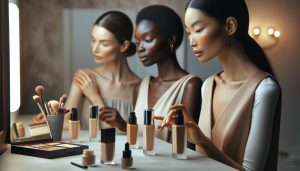
Choosing the right makeup products can significantly enhance your grooming experience, and understanding the unique characteristics of men’s skin is essential in this journey. Men’s skin tends to be oilier and thicker, which calls for products that cater specifically to these properties. Look for formulations that are designed to provide a matte finish and strengthen the skin barrier, such as oil-free foundations and tinted moisturizers. Brands like Thrive and Ilia create products that are lightweight and offer a natural look while also being effective in covering imperfections.
When selecting makeup, consider the following factors to find the best suited for your needs:
- Skin Type: Identify your skin type-oily, dry, or combination-and choose products that align with these parameters. Products with ingredients like salicylic acid may benefit oily skin, while hydrating formulas are ideal for dryness.
- Desired Look: Determine what you wish to achieve with your makeup. For a natural appearance, opt for sheer foundations or BB creams. If you’re aiming for more coverage, a full foundation might be necessary.
- Color Matching: Always test products on your jawline in natural light to find the perfect match for your skin tone. Quality brands provide an array of shades that cater to varied complexions.
- Less is More: Start with fewer products. A good foundation, concealer, and brow gel can set the groundwork for your makeup routine, making it easier to maintain a natural look.
Building a successful makeup kit can also relate to tool selection. A makeup sponge is invaluable for creating a flawless finish with foundations and concealers, while brushes can define areas like cheeks and eyes more effectively. Brands like ELF offer affordable, high-quality tools that can elevate your application skills without breaking the bank.
The final piece of advice is to stay abreast of current trends. Innovators in the makeup industry, such as Menaji and For Men Makeup, are continually developing products that break gender barriers and suit modern aesthetics. As societal norms evolve, more options become available, providing an expansive palette to explore that aligns with your personal style. Embrace these advancements to enhance not only your look but also your confidence and self-expression.
The Future of Makeup: Gender Inclusivity and Beyond
As the landscape of beauty continues to evolve, the notion of makeup being exclusive to one gender is rapidly fading. The future of makeup is undeniably leaning towards gender inclusivity, allowing everyone to explore and express their individuality through cosmetics, regardless of societal norms. Historical practices show that makeup has traditionally been used by all genders; ancient Egyptian men donned eyeliner, while various cultures embraced makeup as a means of status and identity. In this shifting paradigm, makeup brands are recognizing the richness of creative expression that transcends gender boundaries and are introducing innovative products designed specifically for diverse skin types and identities.
The expanding market for men’s makeup reflects a growing acknowledgment of male beauty and grooming beyond traditional frameworks. Brands like War Paint for Men and MËNAJI have emerged, crafting makeup solutions that not only suit men’s skin but also resonate with their desire for enhanced self-presentation without compromising their masculinity. These brands are not merely tapping into a trend; they are fostering a community where men can feel empowered and confident in their beauty choices. Acknowledging the uniqueness of male grooming needs, these products often focus on lightweight formulas, natural textures, and practical applications, making them accessible for both beginners and experienced users alike.
To cultivate a future where makeup is truly inclusive, it is vital for these products and brands to be integrated into a broader cultural conversation about beauty standards. The psychological aspects of why men choose to use makeup should also be explored. Whether for self-confidence, personal expression, or professional presentation, understanding the motivations behind male makeup usage can further legitimize its place in modern grooming. Efforts that celebrate diversity in beauty standards and challenge traditional perceptions of masculinity will pave the way for a more accepting society, where makeup is embraced as a tool for self-expression rather than a marker of gender.
As we look forward to an inclusive future in makeup, practical resources and education become essential. Beginner-friendly tutorials, product guides, and step-by-step application techniques provide the support necessary for individuals to explore this newfound freedom in makeup artistry. With brands committed to breaking gender barriers, embracing innovation, and promoting real-world beauty applications, the next generation will likely find that makeup is a universal medium of creativity and self-expression. This shift not only benefits consumers but also encourages professionals, including barbers and makeup artists, to adopt inclusive practices, ensuring that everyone can find joy and empowerment in their grooming choices.
Frequently asked questions
Q: What is the historical significance of makeup for men?
A: Makeup for men dates back to ancient civilizations, where it was used for ceremonial purposes, to signify status, or to enhance appearance. Ancient Egyptians, for instance, used kohl for eye decoration, signifying power and masculinity, illustrating makeup’s long-standing role across cultures.
Q: Why did men historically wear makeup?
A: Historically, men wore makeup to enhance their social standing, to signify their roles in society, and for aesthetic reasons. In cultures like ancient Egypt and Greece, makeup was associated with health and attractiveness, serving not just beauty purposes but also cultural and religious significance.
Q: How have beauty standards for men evolved over time?
A: Beauty standards for men have evolved significantly from ancient times to modernity, where rugged masculinity was idealized. Today, there’s a shift towards more diverse expressions of masculinity, with increasing acceptance and usage of makeup among men, reflecting changing cultural perceptions.
Q: Are there any specific cultures where men still wear makeup today?
A: Yes, in cultures like the Middle East and South Asia, men often wear makeup for special occasions or rituals. Additionally, modern subcultures, such as drag and fashion communities, also embrace makeup as a significant part of male identity and self-expression.
Q: What innovative makeup products are designed specifically for men?
A: Innovative makeup products for men include tinted moisturizers, concealers, and brow gels targeted towards male skin tones and needs. Brands like Seint and Thrive have developed products that cater to men’s preferences, ensuring a natural look for everyday use, which can be explored in more detail in the section on innovative products.
Q: How can men benefit from using makeup?
A: Men can benefit from makeup by enhancing their features and achieving an even skin tone, thereby boosting confidence. It can also help cover blemishes or imperfections, making it a useful tool in both personal and professional settings.
Q: What are some expert tips for men’s makeup application?
A: Expert tips for men’s makeup application include starting with a clean, moisturized face, using minimal product for a natural look, and blending well. Products should be chosen based on skin type and concerns, as discussed in detail in the expert tips section of the article.
Q: Will makeup trends continue to evolve for men in the future?
A: Yes, makeup trends for men are expected to keep evolving towards greater inclusivity and innovation, reflecting broader societal changes. Increasing acceptance of diverse male beauty standards indicates a future where makeup becomes a standard part of grooming for all men.
In Retrospect
As we explored in “Was Makeup Made for Men? Surprising History Revealed,” the relationship between makeup and masculinity is not just a modern phenomenon but rooted in fascinating history. Understanding this evolution encourages us to embrace beauty in all its forms, regardless of gender. If you’re intrigued and want to delve deeper, check out our detailed makeup tutorials and product reviews on Seint, Thrive, Ilia, and ELF to enhance your skills and confidence.
Whether you’re a makeup enthusiast or a professional barber looking to refine your techniques, there’s a wealth of resources available here. Don’t hesitate to explore further; subscribe to our newsletter for exclusive tips and trends that will keep you at the forefront of beauty and grooming excellence. Join the conversation below-share your thoughts or questions and let’s continue to break boundaries together!