Floyd the Barber is a beloved character from the classic sitcom “The Andy Griffith Show,” portrayed by the talented Howard McNear. This quirky, small-town barber was more than just a haircutter; he epitomized the warmth and humor of Mayberry while often providing a comedic backdrop to the show’s timeless themes of community and friendship. Understanding Floyd’s influence helps us appreciate how beloved characters can shape our perceptions of beauty and grooming in everyday life. As we delve into Floyd’s history, you’ll discover not only what made him memorable but also how his portrayal reflects the evolving standards of style and care in both television and real-world barbershops. Join us on this nostalgic journey that connects the heart of classic television to contemporary beauty and grooming practices!
The Iconic Role of Floyd the Barber
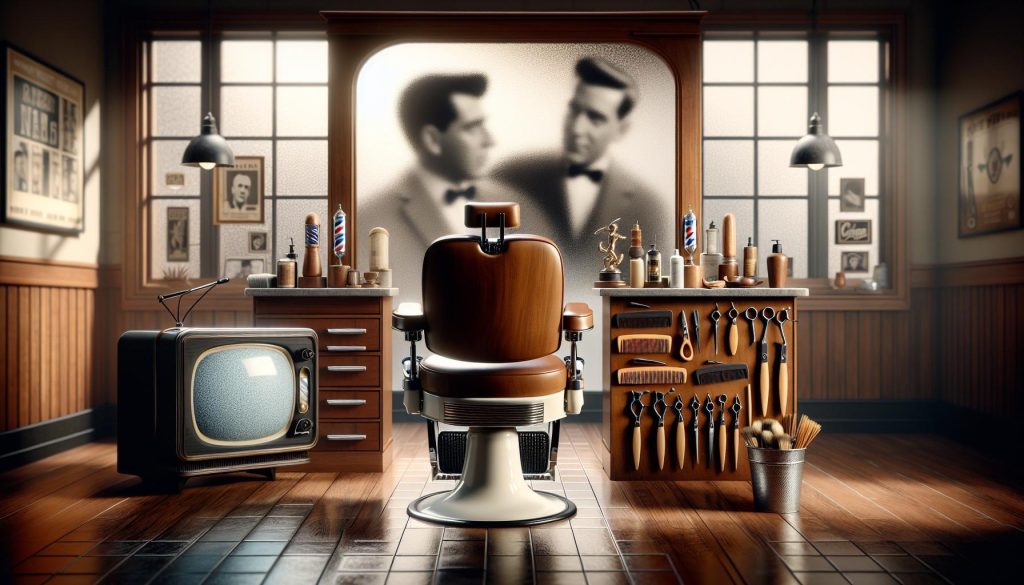
Floyd the Barber stands as a quintessential character in the landscape of classic television, encapsulating the charm and humor that defined an era. As the haircutter for the beloved Andy Taylor and his son Opie in “The Andy Griffith Show,” Floyd wasn’t just a background character; he became a cultural touchstone, representing the small-town barber who not only styled hair but also served as a confidant and a source of local gossip. His character exemplified the warm, community-oriented values of Mayberry, making him a memorable fixture in the lives of both characters and viewers alike.
The role of Floyd was brilliantly portrayed by actor Howard McNear, who infused the character with a distinctive blend of warmth and eccentricity. McNear’s well-timed humor and endearing quirks made Floyd’s interactions with other characters particularly delightful. His portrayal provided a perfect balance between comedic relief and poignant moments, showcasing the dual role of a barber as both a service provider and a community member. This depth contributed to Floyd’s lasting impression in television history, with viewers often recalling his lines and antics long after the show concluded.
Moreover, Floyd’s significance transcends mere entertainment; he personified the archetype of the everyday man whose profession intricately intertwined with the lives of those around him. As a barber, he played a crucial role in the social tapestry of Mayberry, symbolizing trust and camaraderie within the community. The depiction of Floyd, with his distinctive laugh and unique outlook on life, encourages an appreciation for the small roles within a story that can profoundly impact the larger narrative. Floyd the Barber continues to resonate with audiences, inviting a sense of nostalgia and warmth as he reminds us of the importance of connection in our everyday lives.
Behind the Scenes: Casting Decisions
Casting Floyd the Barber involved more than just selecting an actor; it required finding someone who could encapsulate the essence of a small-town barber. Floyd’s character was not merely a secondary figure but a vital part of the community’s fabric in “The Andy Griffith Show.” In this light, the casting team knew they needed an actor who could deliver warmth, humor, and an offbeat charm that would resonate with both the characters and the audience.
The choice of Howard McNear was pivotal. Prior to his iconic role as Floyd, McNear had established himself in various radio and theater productions, where he honed his comedic timing and ability to portray relatable characters. His prior performances contributed to his adeptness in capturing Floyd’s unique personality-marked by a mixture of eccentricity and a comforting demeanor. The chemistry between Howard McNear and the show’s primary characters, especially Andy Griffith and Ron Howard, was immediate and palpable, allowing Floyd to emerge as a beloved character rather than just a background presence.
Another interesting layer of Floyd’s casting was the reality of the television industry at the time. In the 1960s, character actors like McNear often found themselves frequently engaging with the audience in ways that went beyond scripted lines. The casting team recognized that McNear possessed the rare ability to improvise while remaining aligned with the character’s persona, adding depth to the interactions in the barber shop settings. This improvisational talent allowed for memorable moments that became hallmarks of the series, where Floyd would often provide a laugh while also reflecting the wisdom and quirks of small-town life.
Ultimately, the decision to cast Howard McNear as Floyd the Barber proved not just beneficial for the character, but it also created an opportunity for an actor to leave a lasting mark in television history. Floyd became a representation of the warm, quirky barber that sidled up to the real barbershops of America, elevating the fictional narrative with recognizable traits that viewers could connect with, building Floyd’s legacy in popular culture.
The Actor Who Brought Floyd to Life
Howard McNear’s portrayal of Floyd the Barber is a testament to the art of character acting, seamlessly blending warmth and humor into a beloved small-town figure. With a background rich in radio and theater, McNear possessed an innate ability to bring nuanced characters to life, making Floyd not just a side character in “The Andy Griffith Show,” but a cornerstone of the show’s charm. His unique combination of eccentricity and gentle wisdom resonated deeply with viewers, transforming Floyd into a recognizable archetype of the quintessential barber.
What set McNear apart was not only his talent for comedy but also his impressive improvisational skills. During the filming of the series, he often engaged with the primary cast-Andy Griffith and Ron Howard-off-script, adding spontaneous humor that felt organic and genuine. This improvisation allowed for memorable moments, as Floyd shared quirky anecdotes or offered sage advice, characteristics that not only entertained but reflected the complexities of small-town life. It is no exaggeration to say that he gave the character a depth that became increasingly valuable as the series progressed.
Moreover, McNear’s portrayal was grounded in reality. Producers recognized the importance of authenticity in television, especially in a program that aimed to depict a realistic small-town environment. By embodying the role so fully, McNear helped encapsulate the spirit of community barber shops-places where people came not just for a haircut, but for conversation, companionship, and a sense of belonging. His keen understanding of the barber’s role in society allowed him to infuse Floyd with genuine charm and relatability, making the character a household name and a lasting symbol of classic television.
In crafting Floyd’s character, McNear set a high bar for future portrayals of barbers in television and film. His ability to blend humor with heartfelt moments has inspired a generation of actors to explore the complexity of seemingly simple roles, encouraging them to find the depth in everyday characters. When audiences think of Floyd the Barber, they don’t merely recall a character from a show; they remember an essence that brings community, laughter, and comfort to the forefront of storytelling.
Floyd’s Evolution from Character to Icon
Floyd the Barber’s journey from a character in “The Andy Griffith Show” to an enduring icon is a fascinating testament to the power of television storytelling. Initially introduced as a quirky, yet relatable small-town barber, Floyd became more than just a source of comedic relief; he evolved into a symbol of community warmth and small-town camaraderie. His character resonated deeply with audiences through his hilarious quips and wise observations, establishing him as a fixture in the lives of viewers.
The uniqueness of Floyd’s character can be attributed to Howard McNear’s exceptional portrayal, which blended charm with a palpable authenticity. McNear’s background in radio and theater allowed him to infuse Floyd with a rich dialogue that fluctuated between humor and heartfelt moments. This crafty mixture made his character relatable, inviting viewers to reflect on their own barber shop experiences where laughter mingled with sincere conversation. As he shared stories and engaged with other characters in a genuine manner, Floyd came to symbolize the emotional anchor of Mayberry, the fictional town set in the series.
Over the years, Floyd’s character has transcended the show itself, influencing future portrayals of barbers in popular culture. The depiction of a barber as not merely a service provider but a counselor and confidante has become a common trope, thanks to McNear’s performance. His ability to encapsulate the essence of a community gathering place through humor and sage wisdom has informed how barbers are represented in media today, showing that the role extends far beyond a simple haircut. Various films and TV shows have sought to replicate Floyd’s warmth and genuine charm, acknowledging the substantial impact he has had on the portrayal of barbers.
The character of Floyd has secured a special place not only in the hearts of fans but also in the annals of television history. As a recurring figure in classic television, he serves as a reminder of the significance of community and the shared human experience. Even decades after “The Andy Griffith Show” aired its final episode, Floyd the Barber remains a benchmark, illustrating how a well-crafted character can evolve into a beloved icon that continues to inspire new generations of storytellers and viewers alike.
Memorable Moments Featuring Floyd the Barber
Floyd the Barber became synonymous with the warm, small-town charm of Mayberry, and throughout “The Andy Griffith Show,” he delivered countless unforgettable moments that highlighted his unique character and endearing personality. From his witty banter with Andy and the gang to touching interactions with locals, each scene presented a different facet of Floyd, showcasing his role not just as a barber but as a beloved community member.
One standout moment occurs in the episode titled “A Visit to Barney Fife,” where Floyd is asked for a quick trim. The ensuing conversation effortlessly transitions from haircuts to deep-seated small-town gossip, revealing Floyd’s natural ability to make any visit feel like a cozy chat with an old friend. His keen insights and light-hearted humor serve as comic relief, illustrating his role as both barber and informal therapist. It’s moments like this that remind viewers of the significance of barbers as confidants-an aspect that has carried over into modern representations of barbers in popular culture.
Moreover, Floyd often found himself unintentionally mixed up in the chaotic adventures of the main characters, such as when he tries his hand at acting for the local play. His earnest yet misguided enthusiasm leads to comedic blunders, leaving audiences charmed by his genuine nature. These entertaining moments not only highlight Floyd’s character but also underline classic sitcom dynamics-the ordinary trying to fit into extraordinary circumstances.
Through these memorable quotes and situations, Floyd remains a beloved figure who brings warmth, humor, and a touch of nostalgia. His character exemplifies how a seemingly simple barber can encapsulate the essence of community and connection, resonating with audiences long after the show’s conclusion. Floyd’s legacy as a memorable character in classic TV not only entertains but also reminds us of the unique bonds we share in our everyday lives.
The Cultural Impact of Floyd the Barber
Floyd the Barber, a character who first graced television screens in the iconic series “The Andy Griffith Show,” has left an indelible mark on both popular culture and the landscape of character-driven narrative. His blend of humor, relatability, and warmth resonated with audiences, transforming him into a cultural symbol of the quintessential small-town barber. The portrayal of Floyd tapped into the universal themes of community connection, bringing forth a character who exemplified the role of a barber not just as a hairstylist, but as a confidant and friend. Due in part to his frequent interactions with the townsfolk and his ability to engage in meaningful, albeit humorous, conversations, Floyd served as a reflection of the societal values of camaraderie and simplicity.
His influence extends beyond mere nostalgia; it has shaped the perception of barbers in film and television. Barbershops, once seen primarily as places for grooming, have evolved into community hubs where bonding and storytelling occur. This notion, rooted in Floyd’s interactions on the show, can be observed in contemporary films and series that echo similar dynamics. Characters like Eddie in “Barbershop” and even figures in more modern settings often embody Floyd’s blend of wisdom and levity, showcasing how the profession has adapted while remaining true to its roots. The archetype of the barber as a pillar of the community continues to thrive, with many works of fiction drawing inspiration from Floyd’s endearing character.
In this way, Floyd’s legacy is not simply tied to his comedic lines or memorable moments but also to the greater cultural recognition of how essential barbers are to their communities. They are not just service providers but stewards of informal social justice, offering a space where everyone-regardless of background-can feel valued. While the show was set in the 1960s, the themes it presented are timeless, and Floyd’s character remains a lens through which we can appreciate the vital role of personal relationships in our daily lives. Such ongoing relevance speaks volumes about the strength of Floyd’s character, ensuring that he will always hold a special place in the hearts of fans and the portrayal of barbers in popular culture.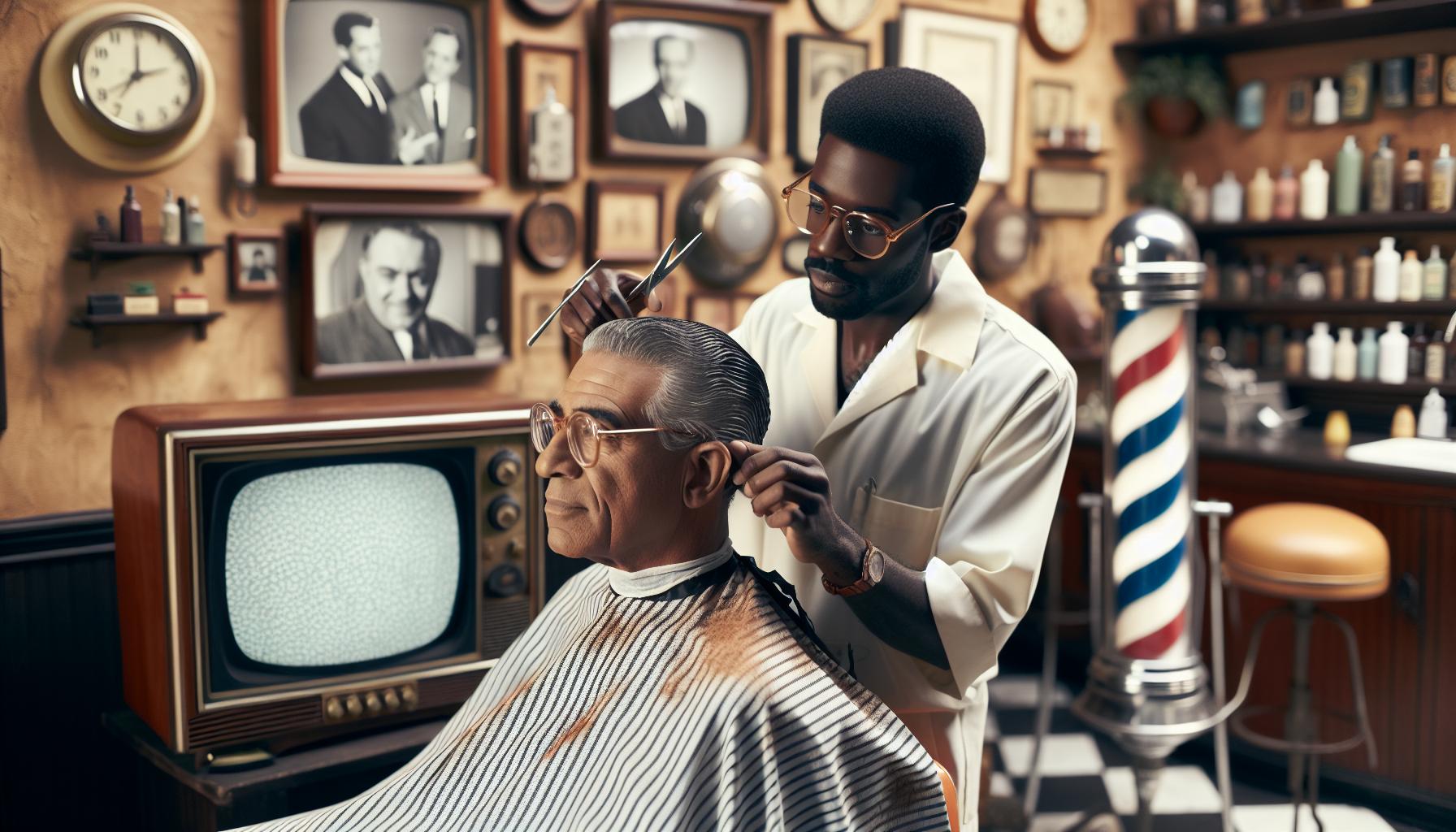
Floyd’s Place in Classic TV History
Floyd the Barber stands as a timeless figure in classic television, emerging from the heartwarming ensemble of “The Andy Griffith Show.” Portrayed by actor Howard McNear, Floyd became emblematic of the small-town barber, effortlessly blending comedy with poignant moments that reflected the simplicity of American life. From his first appearance, viewers were drawn in by his humor and down-to-earth wisdom, creating an aura that transcended traditional character boundaries. The barbershop, under Floyd’s stewardship, transformed into a microcosm of Mayberry, fostering communal dialogue and intimacy among the townsfolk.
Floyd’s interactions with Andy Taylor, Sheriff Taylor, and other residents showcased not only his role as a barber but also as a confidant. He often dispensed not just haircuts, but also life advice, embodying the archetypal role of a barber as a community pillar. These moments illustrated the importance of barbershops as spaces of social connection, painting them as vital to the fabric of small-town life. Such portrayal helped solidify his place in the annals of television history, reminding audiences of the personal relationships that thrive in these local hubs.
The character’s popularity lead to a ripple effect in media representations of barbers. Subsequent shows and films began to adopt similar settings, emphasizing barbershops as not just places for grooming, but environments for storytelling and personal exchanges. This evolution demonstrated how Floyd’s character shaped the communal narrative surrounding barbers, influencing future portrayals in both comedic and serious contexts.
Ultimately, Floyd the Barber’s legacy is multi-faceted. His character remains a cultural touchstone, serving as a reminder of the enduring power of television in connecting audiences through shared experiences and humor. This resonance continues to inspire modern depictions of barbers, showcasing the vital role they play in their communities-much like Floyd did decades ago in the heart of Mayberry.
Fantasy vs. Reality: The Real-Life Barber Influence
The image of a small-town barber, as immortalized by Floyd the Barber in “The Andy Griffith Show,” resonates deeply with viewers and continues to influence the field of barbering today. While Floyd represented an idealized version of community grooming-a haven of warm exchanges and communal relationships-the reality of barbering encompasses a diverse tapestry of cultures, techniques, and personal connections that might surprise many.
Real-life barbers often wear multiple hats, functioning not just as stylists but as confidants, therapists, and integral community members, similar to Floyd. They are revered not only for their skills in hairstyling but also for their ability to foster personal connections. In a typical barbershop, the atmosphere can vary from the relaxed, serene vibe of Floyd’s fictional shop to a bustling social hub where laughter and conversation thrive. Current barbers are encouraged to create environments that reflect their unique styles while maintaining the essence of community that Floyd portrayed.
For those aspiring to enter the world of barbering, understanding this blend of personal connection and technical proficiency is crucial. Modern barbering incorporates a range of styles informed by various cultural demographics-each with its own traditions and techniques. Here are a few important elements aspiring barbers may consider incorporating into their practice:
- Active Listening: Much like Floyd, a successful barber must be an attentive listener. Understanding clients’ needs beyond the haircut-like their personal stories or the context of their visit-builds lasting relationships.
- Skill Diversity: Beyond traditional cuts, explore modern techniques, such as fades and beard styling, that appeal to a broader clientele. Continuous education, either through mentorship or professional courses, empowers barbers to stay current.
- Creating Atmosphere: Establish an inviting space that reflects your unique style and welcomes diverse clientele. Elements like music, decor, and appointment booking can enhance customer experience.
- Community Engagement: Take cues from Floyd’s role as a community figure by engaging with local events or sponsoring neighborhood activities. Such involvement strengthens ties to patrons and fosters loyalty.
The legacy of Floyd the Barber invites us to reflect on how grooming spaces can serve as vital community touchpoints. While modern barbershops may evolve in their offerings and styles, the fundamental principles of connection and care remain timeless, ensuring that the spirit of Floyd lives on in the real-world practices of barbers everywhere. This blending of fantasy and reality illustrates how classic portrayals can inspire and shape contemporary experiences, providing enduring lessons in both personal grooming and community well-being.
Fan Theories and Speculations about Floyd
Floyd the Barber, portrayed by Howard McNear in “The Andy Griffith Show,” has sparked various fan theories and speculations that have persisted long after the show aired. One popular theory suggests that Floyd’s character was intentionally designed to be a caricature of small-town life, embodying the quirkiness and charm found in rural American communities. Viewers have often debated whether his exaggerated mannerisms and whimsical conversations reflect more than just humor, possibly signifying deeper social commentary on friendships in simpler times.
Another wave of speculation arises from the ambiguity surrounding Floyd’s romantic life. Some fans suggest that his character harbors unrequited feelings for his frequent customer, Eleanor, leading to discussions about the potential for deeper connections beyond the barber chair. This theory explores the idea of the barber as a confidante, mirroring modern conversations where barbers often become trusted figures for their clients, revealing the layered dynamics of personal relationships that transcends mere grooming.
Additionally, Floyd’s quirky personality has led to fan discussions about his potential backstory. What might have led him to become the town’s beloved barber? Some theorists posit a rich past as a traveling artist or musician before settling into the roles fostered by a quiet life in Mayberry. This has prompted imaginative narratives among fans, leading to creative fan fiction exploring Floyd’s adventures before he became a community staple.
Theories about Floyd’s character have also triggered analyses of his influence on contemporary portrayals of barbers in media. Many argue that Floyd’s kind-hearted demeanor and the barbershop as a community hub have paved the way for modern representations of barbers as not just hair stylists but pivotal social figures. These ideas underscore the lasting impact of Floyd the Barber on both television and real-life barbering, shaping our understanding of what it means to be a barber in today’s society.
Interviews and Insights from Original Cast Members
The legacy of Floyd the Barber, widely recognized as a quintessential small-town figure in “The Andy Griffith Show,” is deeply intertwined with the memories and experiences shared by the original cast members. Howard McNear, who embodied Floyd with charm and authenticity, became a beloved character not only for his quirky personality but also for the way he portrayed the barbershop as a local hub of conversation and connection. Cast members have often reminisced about McNear’s unique ability to inject warmth and humor into every scene, making Floyd memorable for both viewers and his peers.
In interviews, Andy Griffith himself noted how McNear brought a whimsical depth to the show, creating a character that resonated with so many. His portrayal reflected a deeper understanding of the human experience, blending comedy with the nuanced dynamics of community relationships. Frances Bavier, who played Aunt Bee, emphasized that McNear’s natural timing and comedic instincts often enhanced the overall tone of their scenes together, allowing for moments of genuine laughter that felt organic and unscripted.
Contemporary interviews with surviving cast members provide further insights into McNear’s methodical approach to the role. They often describe how he would immerse himself in the character, observing real-life barbers within the community to capture the authenticity of Floyd’s interactions. They highlight pivotal moments where McNear’s improvisation not only brought unexpected humor but also integrated heartfelt messages of friendship and trust that were central to the show’s charm.
Ultimately, these insights from the original cast illuminate the integral role that McNear’s Floyd played within “The Andy Griffith Show.” They depict a character that transcended mere comic relief, influencing future portrayals of barbers on television and resonating with audiences as a figure of community spirit and relatable simplicity.
How Floyd the Barber Inspired Future Characters
Floyd the Barber’s influence extends far beyond the comforting confines of Mayberry’s quaint barbershop; he set a precedent for how barbers are portrayed in television and film. The character, brilliantly portrayed by Howard McNear, infused the role with warmth, authenticity, and a humorous touch that resonated deeply with audiences. His ability to embody the archetypal small-town barber created a relatable character that influenced a generation of depictions in media, pushing beyond mere caricatures to showcase the personable, community-oriented side of barbers.
The essence of Floyd’s character established a standard for future television barbers, merging comedic relief with genuine camaraderie. Characters that followed, like the bumbling yet lovable barbers seen in shows like “Cheers” and “Parks and Recreation,” owe a debt to Floyd’s approachable nature. These successors often mirror Floyd’s adaptability within community settings, utilizing humor as a bridge between personal service and neighborhood engagement. Floyd represented not just a functionary role but rather a pivotal character whose interactions with the townsfolk enriched the storytelling, demonstrating how barbershops can serve as hubs for social connection.
Moreover, the details of how Floyd engaged with patrons-involving light-hearted banter intertwined with meaningful dialogues-opened doors for modern narratives. It encouraged writers and creators to explore the barber’s role not just as a service provider, but as a confidant, storyteller, and community leader. This evolution prompted a shift in how barbers are characterized, spotlighting their potential as crucial figures in the tapestry of local life.
Barbers inspired by Floyd’s character and storytelling have developed their brands and practices around this legacy, emphasizing the importance of relationship-building and service. Whether it’s through social media marketing or establishing warm, welcoming spaces in their shops, these barbers recognize the value of Floyd’s legacy and strive to iterate on the iconic traits that made him memorable. This lineage of character development enriched not only the comedic landscape of television but also impacted real-world barbering practices, shaping how contemporary barbers engage with and serve their clients.
Legacy and Tribute: Remembering Floyd’s Actor
The legacy of the actor who brought Floyd the Barber to life is a testament to the impact television characters can have on both culture and the communities they represent. Howard McNear, recognized for his brilliant portrayal, infused Floyd with a unique blend of warmth, humor, and relatability that resonated with audiences and continues to influence character development in contemporary storytelling. His ability to convey the spirit of small-town barbershops not only enhanced the narrative of “The Andy Griffith Show” but also set a lasting standard for how barbers are depicted in popular media.
McNear’s commitment to developing Floyd’s character transformed the role from a mere supporting figure to a beloved icon. By balancing comedic elements with genuine interactions, he elevated the barber’s position in the community to that of a trusted confidant and social hub. This multifaceted portrayal has inspired a new wave of characters in television, showing the potential for barbershops to serve as critical venues for connection and conversation.
As audiences remember Howard McNear, it is essential to recognize his contribution to the craft of acting and the perspective he brought to the character of Floyd. His legacy encourages modern barbers and hairstylists to embrace the role of the service provider as one steeped in community engagement. Today’s barbers can cultivate an atmosphere reminiscent of Floyd’s barbershop-one where clients feel that they are not just receiving a haircut, but are also engaging in meaningful dialogue. This approach not only enhances customer experience but also solidifies a strong relationship between barbers and their clientele.
In tribute to McNear, practitioners in the grooming industry often reflect on the importance of personal touch and connection-elements that defined Floyd’s character. As barbers share stories and foster relationships, they honor McNear’s legacy by continuing to uphold the values of trust, humor, and community stewardship that he so skillfully embodied. In remembering Howard McNear, we celebrate a legacy that goes beyond television; it’s a reminder that in the world of beauty and grooming, it’s the connections we create that ultimately define our artistry.
Frequently asked questions
Q: Who was the original actor who played Floyd the Barber?
A: The original actor who portrayed Floyd the Barber on “The Andy Griffith Show” was Howard McNear. He brought charm and a unique personality to the character, making Floyd a beloved part of the show’s legacy.
Q: What is the significance of Floyd the Barber in classic TV?
A: Floyd the Barber represents more than just a recurring character; he symbolizes the small-town charm and humor typical of “The Andy Griffith Show.” His interactions with other characters provided comic relief and contributed to the show’s cultural impact.
Q: How did Floyd the Barber’s character evolve throughout the series?
A: Floyd’s character evolved from a simple barber to a more complex figure within the community, reflecting changing social norms and relationships in Mayberry. His quirks and depth became more pronounced, solidifying his status as an iconic character.
Q: What are some memorable moments featuring Floyd the Barber?
A: Memorable moments include Floyd’s comedic mishaps in the barbershop, his interactions with characters like Andy and Barney, and his unique take on town gossip. These scenes often highlighted the humor and warmth of Mayberry’s community life.
Q: Why is Floyd the Barber considered an iconic character?
A: Floyd the Barber is considered iconic due to his memorable catchphrases, distinctive personality, and portrayal of small-town barber dynamics. His character resonated with audiences, making him a symbol of the show’s heart and charm.
Q: What impact did Floyd the Barber have on later TV characters?
A: Floyd the Barber paved the way for similar quirky side characters in sitcoms, showcasing how a barber could serve as a community hub. His representation influenced future shows to include beloved, relatable supporting figures in their narratives.
Q: Did Howard McNear face any health challenges during the show’s run?
A: Yes, Howard McNear faced significant health challenges, including a stroke, which affected his ability to perform. Nonetheless, he returned to the role of Floyd, demonstrating resilience and commitment to the character.
Q: How is Floyd the Barber remembered by fans today?
A: Fans remember Floyd the Barber fondly for his endearing personality, humor, and contributions to “The Andy Griffith Show.” He remains a nostalgic symbol of classic television, often celebrated in discussions about the series’ legacy.
Wrapping Up
Thank you for exploring the history of Floyd the Barber, a beloved character who brought smiles to fans of classic TV. To keep your curiosity alive, dive deeper into related stories like “The Impact of Classic TV on Modern Comedy” or “Behind the Scenes of Iconic TV Shows.” Your engagement strengthens our community, so don’t hesitate to share your thoughts in the comments or subscribe to our newsletter for more nostalgic content and updates.
Unlock your creativity by checking out our video-making tools for your own take on classic characters-discover how you can bring your ideas to life! Remember, the charm of Floyd’s simple yet memorable persona reminds us of the artistry in character development. Make sure to explore further and enhance your knowledge of the television legacy that continues to influence entertainment today. Your next great discovery is just a click away!