Have you ever noticed the swirly red, white, and blue pole outside barber shops and wondered about its significance? This iconic symbol isn’t just a decorative touch but carries a rich history that dates back to the Middle Ages when barbers performed not only haircuts but also surgical procedures. Exploring the story behind the barber pole reveals not only the fascinating evolution of barbering practices but also connects us to the artistry and tradition behind grooming. Understanding its meaning can deepen our appreciation for modern barbershop culture and the role of barbers as essential figures in personal style and care. Continue reading to unravel the mysteries of the barber pole and discover what this seemingly simple object represents in the world of grooming excellence.
The History Behind the Iconic Barber Pole
The barber pole is an emblem steeped in history, evoking a sense of nostalgia while representing the duality of barbering and surgery. Its origins trace back to the medieval period when barbers performed both grooming services and surgical procedures. Barbers not only cut hair but also dealt with bloodletting and minor surgeries, a practice known as barber-surgery. The distinctive pole developed as a visual cue for the services offered; it served as a metaphorical “flag” for the barber’s practice, attracting potential clients.
The spiraled design of the barber pole is more than just an aesthetic choice. Traditionally, the pole was adorned with cloth or bandages, and as they dried, they would wind around the pole, creating the familiar twisting pattern. The colors of the pole-most commonly red and white-still symbolize the blood and bandages associated with these ancient practices. Some interpretations even include blue, referring to the veins, further linking the pole to its surgical roots. This historical connection was so significant that it formed the basis for the unique identities we associate with barbershops today.
As time progressed, the function of barbers evolved, and the medical duties fell to trained surgeons. The barber pole, however, remained as a standardized marker for barbershops, symbolizing the rich history of grooming services. Today, it represents not only a place for haircuts and shaves but also a cherished tradition within the community, connecting generations of barbers and their patrons through this iconic symbol. It stands as a reminder of the intricate legacies that have shaped barbershops into welcoming spaces dedicated to self-care and grooming excellence.
Understanding the Symbolism of the Swirly Design
The iconic spiraled design of the barber pole tells a rich story that connects centuries of tradition with contemporary grooming culture. Originally, this distinctive swirl was created by the bandages and cloth that barbers used during bloodletting treatments. As these items bled or dried, they wound around the pole, forming the recognizable twist that we still see today. This design serves as a bold emblem, attracting customers and signaling the services available within.
That swirling pattern is not only visually striking but symbolic. On a deeper level, it serves as a reminder of the dual roles that barbers once played-not just as hair stylists but also as surgeons of sorts. Each rotation of color represents a historical narrative; red signifies the blood shed during medical procedures, while white stands for the bandages used to stop the flow. Many modern interpretations even include blue, which relates to the veins, further deepening the symbolism and linking the barbering profession to its surgical roots.
Choosing a barber shop based on its pole can also give insights into the overall ethos of the establishment. A traditional pole with red and white may suggest a classic grooming experience that honors old-world techniques, while a more stylized, modern pole could indicate a contemporary focus on innovative grooming styles and trends. Recognizing these visual cues not only enhances your appreciation of barber culture but can also guide you in finding the right place that resonates with your personal style.
In today’s society, the barber pole remains a powerful icon of community and craftsmanship, embodying a legacy that celebrates grooming as both an art form and a profession. Whether it evokes nostalgia for the past or excitement for the future, the swirl of colors on the barber pole continues to draw patrons in, offering a warm invitation into a world dedicated to personal care and styling excellence.
How the Barber Pole Became a Universal Sign
The iconic barber pole, with its swirling red and white stripes, has become a universal symbol recognized around the globe, transcending borders and cultures. This distinctively designed pole not only signifies barbering services but also links back to the historical practices of barbers who operated as surgeons in medieval times. The barber pole transitioned from a practical marker of service to a beloved emblem representing community, tradition, and craftsmanship in grooming.
Initially, the swirling pattern of the pole was intertwined with the barber’s dual roles as both a groomer and a medical practitioner. The red represented blood, while the white symbolized the bandages used in surgical procedures. Over time, this visual representation became codified, allowing the barber pole to serve as a beacon for patrons seeking grooming care or minor surgical services. By the 19th century, the barber pole had firmly established itself as a striking indicator of barber shops, becoming a standard across the United States and Europe.
As barbershops evolved, so did their poles. In the United States, the introduction of blue into the traditional red and white design symbolized veins, adding another layer of meaning. Today, barber poles vary widely in style, from traditional to modern interpretations, often reflecting the unique character of the barbering establishment. For instance, a vintage pole may evoke nostalgia, while a minimalist or abstract design might attract a younger clientele looking for contemporary grooming experiences.
In a world where branding is key, the barber pole remains not just a signpost for services, but also an effective marketing tool. For consumers, recognizing what different types of poles signify can enhance their experience, helping them choose barbershops that align with their style preferences. The universal acceptance of this symbol continues to foster connections within communities, inviting new clients to experience the artistry and skill that the barbering profession has to offer. As such, the barber pole stands as a testament to the enduring values of craftsmanship and personal care, resonating deeply within the grooming culture of today.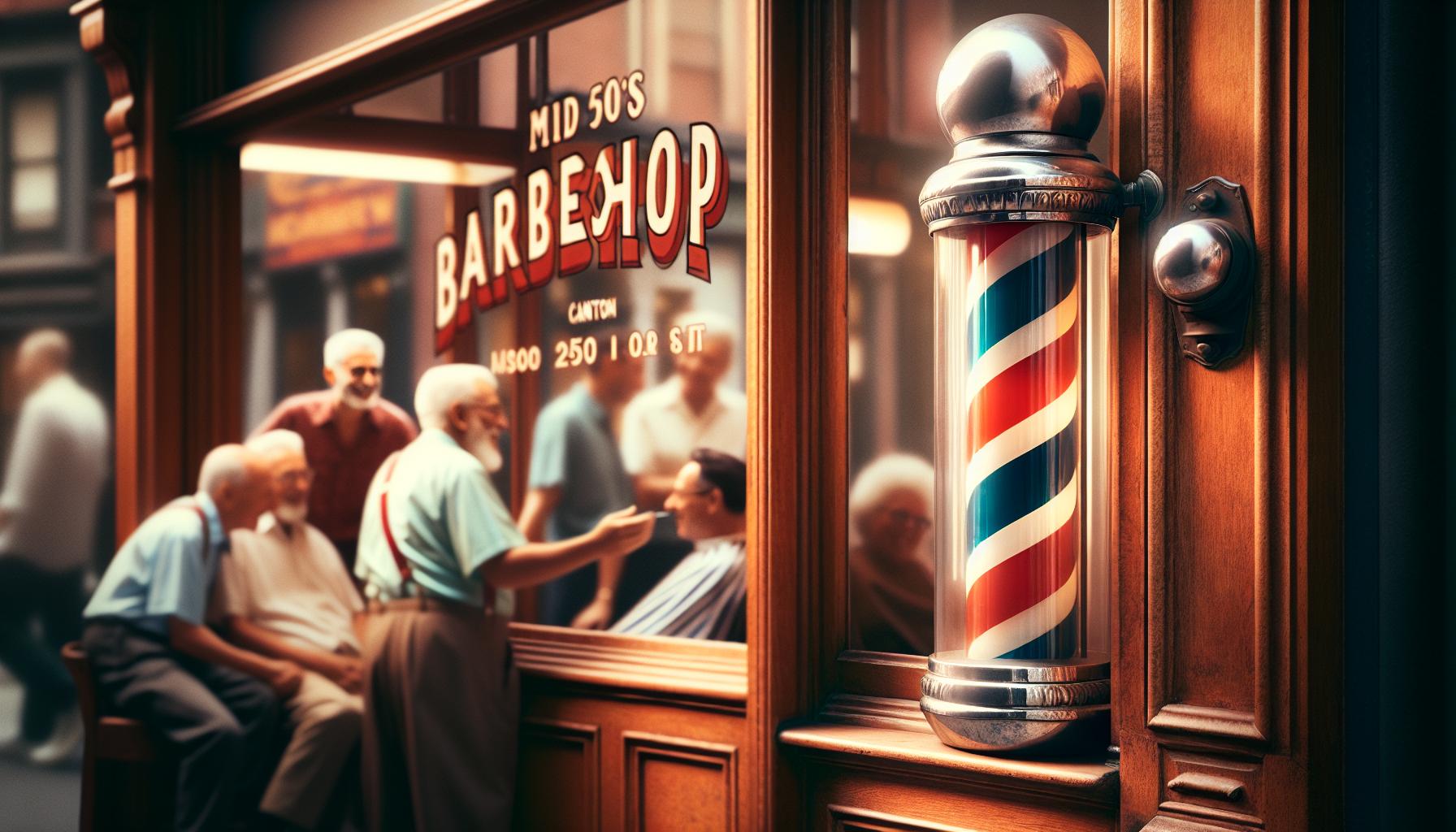
Color Meanings: What Red, White, and Blue Represent
The colors of the iconic barber pole carry deep historical significance, intertwining the evolution of barbering with symbolism that resonates even today. Primarily, the traditional red, white, and blue colors on the barber pole encapsulate the dual legacy of barbers as both groomers and medical practitioners throughout history. Each hue communicates vital themes associated with their services, which have fundamentally shaped the perception of barbering.
Red has long been associated with blood, a direct link to the surgical practices that barbers once performed. In medieval times, when barbers doubled as bloodletters or surgeons, red signified the vital life force involved in these medical procedures. Meanwhile, white is emblematic of the bandages that would be used to treat patients after surgical interventions. This color contrast effectively communicated the duality of services offered in barbershops, serving as a visual reminder of their historical role in healthcare.
The introduction of blue in the American barber pole design, which was less common in early European versions, adds a new layer of meaning. Blue is often interpreted as signifying veins, which complements the themes of blood and bandages and reinforces the medical history of the profession. As barber shops became established as places for grooming rather than surgery, these colors solidified their symbolic role in representing safety, cleanliness, and professional service.
Understanding these color meanings offers insight into why the barber pole remains a ubiquitous symbol today. It’s more than just a decorative sign; it’s a representation of an age-old tradition encapsulated in color. Customers can find deeper assurance in selecting a barbershop that honors this symbolism, enhancing their trust in receiving quality grooming services. The continued relevance of these colors connects patrons to the rich history of barbering and celebrates the craft that artfully marries style with personal care.
Barber Pole Styles: Traditional vs. Modern Variations
The classic barber pole is a timeless symbol that has evolved over centuries, reflecting a rich heritage in grooming culture. When you think of barber poles, the traditional style immediately comes to mind-a tall, often cylindrical structure adorned with the iconic red, white, and blue stripes that seem to swirl around it. But the world of barber poles isn’t limited to just this singular design; it has branched out to include a variety of modern interpretations that cater to diverse aesthetic preferences and functionality.
Traditional barber poles feature a straightforward design that captures the essence of barbering’s historical roots. These poles are often made of glass or acrylic, allowing for the light to shine through and illuminate the colors that signify the barbershop. Typically, they stand outside establishments, acting as beacons for clients seeking grooming services. The simplicity of the design speaks volumes about the profession’s storied past, emphasizing the barber’s role not just as a stylist but also as a custodian of health and personal care.
In contrast, modern barber pole variations are a fascinating blend of contemporary flair and practicality. Today’s poles may incorporate LED lighting, allowing them to stand out even in the darkest of settings. Some are designed with sleek, minimalist aesthetics that align perfectly with urban barber shops looking to attract a younger clientele. Others may adopt unique shapes or incorporate artistic elements, representing the personality of the barbershop itself. For instance, a vintage barbershop might choose a distressed wood pole to convey a sense of nostalgia, while a trendy, modern grooming lounge might opt for polished metal or even neon accents.
In exploring your options for a barber shop pole, consider what best aligns with your brand’s identity. Think about how you want clients to perceive your shop and choose a pole that reflects that vision. Whether you lean toward the traditional aesthetic that honors the rich history of the craft or opt for a more modern twist that speaks to current trends, the barber pole serves as a meaningful reminder of the barbering tradition while also allowing for personal expression and creativity.
The Role of the Barber Pole in Today’s Grooming Culture
In today’s grooming culture, the barber pole has transcended its humble beginnings to become a vital emblem that represents more than just a place for haircuts; it embodies a lifestyle, community, and tradition of self-care. It serves as a beacon of masculinity and artistry, inviting clients to experience a transformed outlook on grooming that extends beyond mere aesthetics. The distinct swirly design of the barber pole signifies a rich history and reinforces the enduring legacy of barbers as purveyors of style and confidence.
The importance of the barber pole in contemporary grooming culture is seen in its ability to attract diverse clientele and foster community. As the industry evolves, barber shops have embraced a more holistic approach by blending traditional techniques with modern aesthetics. This fusion caters to an evolving clientele that values not only quality grooming services but also the atmosphere and experience provided by the shop. Today’s barber shop often embodies a social hub where individuals gather not just for grooming but also for camaraderie and self-expression.
Furthermore, barbershops leverage the iconic status of the pole to establish brand identity and customer loyalty. The pole acts as a key visual marker; its presence signals durability, professionalism, and a commitment to the art of grooming. A well-maintained barber pole can set the tone for what clients can expect inside. By aligning their barber pole with their branding-whether through modern design elements or traditional motifs-barbers can attract their target demographic effectively.
The enduring relevance of the barber pole reflects a shift towards valuing authenticity and craftsmanship in grooming. As barbershops increasingly adopt innovative technologies and modern styling techniques, the barber pole remains a steadfast reminder of the importance of heritage in shaping contemporary culture. Clients are drawn to establishments that honor tradition while embracing new trends, creating a unique blend of past and present that enriches the overall grooming experience. This complex interplay between heritage and modernity ensures that the barber pole continues to stand proud on shop fronts, symbolizing the vibrant community built around the art of grooming.
How to Choose the Right Barber Shop by Its Pole
Choosing the right barber shop based on its pole can be an exciting exploration in style, quality, and professionalism. The barber pole serves as a symbol, guiding potential clients towards establishments that align with their grooming needs and aesthetic preferences. A well-maintained pole with vibrant colors can indicate a level of pride in services offered and suggest the overall ambiance of the shop. As you take note of these swirly signs, consider the following insights to ensure your barbering experience meets your expectations.
Assess the Color and Design
Barber poles are traditionally red, white, and blue, each color representing distinct elements of barbering history. Red signifies blood and the surgical procedures that barbers once performed, white stands for cleanliness, and blue represents veins. A pole that showcases these colors prominently suggests the shop embraces this rich tradition, often correlating with a commitment to quality service and historical authenticity. However, shops are increasingly experimenting with modern designs and alternative colors, which may also reflect contemporary trends and approaches. Investigate how the coloring and design resonate with your personal style and what atmosphere they evoke.
Look for Maintenance and Presentation
The condition of a barber pole can speak volumes about the shop it represents. A pole that is clean, well-lit, and regularly maintained indicates a barbershop that values presentation and professionalism. Look for poles that not only spin smoothly but are also free from rust or wear. This attention to detail often reflects broader operational standards within the shop, including hygiene practices and customer service quality.
Consider the Location and Culture
Where the barber shop is situated can influence the types of services provided and the clientele it attracts. Urban shops may lean towards modern stylings and diverse services, while those in smaller towns might maintain traditional barbering routines. Observe how the barber pole fits within its environment; a bustling, vibrant area may feature a more contemporary aesthetic, whereas a quieter locale might pride itself on classic elements. Engage with the community’s culture as it often shapes the barbershop’s identity and service offerings.
Engage with Social Proof
Lastly, don’t hesitate to utilize social media or review platforms to gather insights about the barbershop represented by the pole. Reviews can inform you about customers’ experiences, perceived professionalism, and service quality. A pole associated with strong ratings and a loyal clientele is likely to indicate a barber shop worthy of your attention.
Selecting the right barber shop is about more than just a haircut; it’s about finding a place that aligns with your grooming philosophy and personal style. The barber pole, with its colorful and storied legacy, acts as a beacon inviting you to discover a community steeped in tradition yet thriving in modernity.
Barber Poles in Popular Culture: Movies and Media
In the world of cinema and media, the barber pole isn’t just a decorative element; it’s a powerful symbol of tradition, masculinity, and community. Its iconic red, white, and blue swirls often evoke nostalgia, calling to mind a time when barbershops were not merely places to get a haircut, but also social hubs where patrons could connect and share stories. Films like “Barbershop” have popularized the narrative of the local barber as a trusted figure in the community, elevating the pole from a mere sign to a cultural touchstone. The bright colors and spinning motion of the barber pole serve to capture attention, often making it a focal point in media settings where familial ties and friendship bonds are central to the storyline.
Barber Poles as Cultural Icons
The portrayal of barber poles in media reflects their enduring status as symbols of craftsmanship and pride in one’s appearance. Shows like “The Fresh Prince of Bel-Air” and “Coming to America” have featured barbershops, demonstrating how the barber pole signifies a commitment to excellence in grooming and service. This image reinforces the idea that barbers are not just artisans but also custodians of tradition, blending contemporary styles with age-old practices. The pole has become a narrative device that allows filmmakers to explore themes of identity, belonging, and self-expression.
Examples in Film and Television
Several notable films and TV shows have effectively used barber poles to enhance their storytelling:
- Barbershop (2002) – This film series showcases the vibrant atmosphere of a Chicago barbershop, with the barber pole symbolizing a gathering spot filled with humor, debates, and camaraderie.
- Coming to America (1988) – The iconic scene where Eddie Murphy’s character visits a barbershop presents the pole not just as a sign, but as a cultural gateway into the lives of the characters, illustrating their relationships and community dynamics.
- The Fresh Prince of Bel-Air – Often featuring barbering scenes, this series echoes the significance of local barbershops and their poles as important social and cultural institutions.
The persistent appearance of barber poles in popular culture underscores their relevance beyond mere decoration. They remind us of the community-building aspects of barbershops, which serve as essential spaces for connection and style, inviting people from all walks of life to engage in a shared experience. As movies and media continue to evolve, the barber pole remains a quintessential element, symbolizing both heritage and the art of grooming excellence.
Creating Your Own Barber Pole: Dos and Don’ts
Creating your own barber pole can be a fulfilling project, blending aesthetics with tradition. Not only does it serve as an inviting symbol for your barbershop, but it also reflects your unique style and story. However, crafting the perfect pole requires attention to detail, adherence to standard practices, and careful consideration to avoid common pitfalls.
To start, choose the right materials for your barber pole. Ideally, you want durable materials like wood or metal for the pole itself and high-quality paint or vinyl for the colors. Consider weather-resistant paints if your pole will be outdoors, ensuring longevity and vibrancy. Ensure the spiral design is well-defined, as it’s critical for visibility and brand identity. A professional touch can elevate your pole; hiring a skilled artist or using vinyl decals can ensure crisp, clean lines in your design.
Next, decide on the size and placement. Your barber pole should be proportionate to your shop and easily visible from a distance. A height of approximately 6-8 feet is standard, making it noticeable without overwhelming the facade of your business. Think about lighting too; while traditional poles may rely on natural visibility, modern designs benefit from integrated lighting to enhance visibility at night, creating an inviting atmosphere for potential customers.
When creating your barber pole, remember to not overlook safety and practicality. A pole that spins can be eye-catching, but make sure it is securely installed to prevent accidents. Avoid overly complicated designs that may confuse the symbolism-keep the classic red, white, and blue colors, reflecting the traditional heritage of barbershops, while allowing for minimal personalization through different color schemes or logo placements.
Lastly, do not rush the installation. Take your time to ensure every aspect-design, height, placement, and safety-is perfect before unveiling your creation. A well-considered barber pole not only attracts customers but also serves as a proud emblem of your business’ commitment to tradition and quality. By following these guidelines, you will create a functional and striking piece that represents the heart of your barbershop.
The Future of Barber Poles: Trends and Innovations
As the modern grooming industry evolves, barber poles are not only maintaining their iconic status but also embracing innovative trends that reflect changing consumer preferences and technological advancements. Today, more barbershops are reimagining the traditional barber pole, enhancing its design and functionality to resonate with a new generation of clients looking for authenticity blended with contemporary style.
One notable trend is the integration of LED lighting into barber poles. These illuminated poles not only enhance visibility, making them eye-catching even in low-light settings, but also allow for creative color variations that can change according to seasons or special promotions. This technology not only modernizes the iconic design but also serves as an effective tool for branding, allowing shops to stand out in competitive urban environments.
Moreover, some barbershops are opting for digital displays incorporated into their barber poles. These can showcase promotions, service offerings, or upcoming events to attract passersby. This innovative leap transforms the barber pole from a static symbol to a dynamic communication tool, bridging traditional barbering heritage and modern marketing strategies.
Furthermore, there’s a burgeoning interest in sustainable materials and eco-friendly designs. Many barbers are now selecting recycled or ethically sourced materials for their poles, aligning with the globally driven movement towards sustainability. This approach not only appeals to eco-conscious consumers but also reinforces the barbershop’s commitment to preserving both craft traditions and the environment.
In addition, collaboration with local artists for custom-designed barber poles is gaining popularity, allowing barbershops to reflect their unique identity and cultural heritage. These artistic poles can become focal points that tell a story or represent the local community, further enhancing customer connection.
The future of barber poles is exciting, with a harmonious blend of tradition and innovation paving the way for barbershops to thrive in an ever-evolving market. By staying attuned to emerging trends while honoring the legacy of barbering, shop owners can create inviting atmospheres that appeal to diverse clientele and foster a sense of community and loyalty.
Maintaining and Caring for Your Barber Pole
Regular maintenance of your barber pole is essential to both its longevity and appearance, ensuring it remains an attractive and functional symbol of your establishment. Just like any other piece of equipment in your barbershop, your barber pole deserves care and attention to keep it shining bright and inviting to clients. Here are some crucial tips and practices to help you maintain and care for your barber pole effectively.
First, it’s important to clean the exterior of your barber pole regularly. Dust and grime can accumulate, dulling its vibrant colors. Use a soft cloth or microfiber towel with a gentle cleanser that won’t damage the pole’s finish. Avoid abrasive materials that can scratch the surface. For poles with glass components, such as globes or lights, consider using a glass cleaner to maintain clarity and brilliance.
Inspect Regularly
Routine inspections are key to identifying potential issues before they become costly repairs. Check for:
- Loose parts: Ensure that all bolts and fixtures are secure.
- Electrical components: If your pole is illuminated, verify that the wiring is intact and check for any blown bulbs.
- Moving parts: If your barber pole features a spinning component, make sure it moves freely and isn’t obstructed.
Address any problems as soon as they’re noticed. For example, if the pole isn’t spinning properly or the light is flickering, these are indications that it may need professional servicing or repairs.
Protect Against the Elements
If your barber pole is located outdoors, it’s essential to shield it from harsh weather conditions. Consider purchasing a cover for extreme cold or heat, which can wear down the materials over time. If possible, place the pole in a sheltered spot to reduce exposure to rain and direct sunlight. This preservation effort not only prolongs the life of the pole but also maintains its aesthetic appeal.
Incorporating these maintenance practices ensures your barber pole remains a vibrant and functional representation of your barbershop. By dedicating a little time and effort to its care, you enhance not only the pole’s lifespan but also the overall client experience at your establishment, reinforcing the professional image you wish to convey.
Beyond the Barber Pole: Other Unique Shop Signs
The visual landscape of a barbershop extends far beyond the iconic barber pole, encompassing a variety of unique signs that reflect a shop’s personality and style. These innovative shop signs not only serve a practical purpose in identifying the barbershop but also contribute to its charm and allure, making it stand out in a crowded market.
From classic wooden signage with hand-painted lettering to sleek, modern designs incorporating LED lighting, each sign tells a story. For instance, many shops showcase vintage-style signs that hark back to the nostalgia of traditional barbering, often embellished with images of scissors, combs, or even the barber’s chair itself. Such designs evoke a sense of history and craftsmanship that resonates with clients, creating an inviting atmosphere.
Factors to Consider When Choosing Shop Signs: When selecting a shop sign, consider how it reflects your brand identity. A more upscale barbershop might opt for elegant signage made from polished wood or metal, while a trendy street-style barbershop may choose bright colors and bold graphics to attract a younger clientele. Additionally, the placement and visibility of your sign are crucial; ensure it’s easy to see from a distance to capture the attention of passersby.
Incorporating elements such as custom neon signs can further amplify your shop’s distinct character, offering a modern twist on the traditional feel. The strategic use of lighting not only enhances the aesthetic appeal but also ensures that your barbershop remains a beacon of style, even after dusk. Consider signs that highlight specific services, like “Men’s Grooming” or “Haircuts & Shaves,” to clearly communicate your offerings and attract your target audience.
Ultimately, the right signage complements the barber pole’s iconic presence, working in tandem to establish a welcoming and professional image that encourages potential clients to step inside and experience the artistry of grooming.
FAQ
Q: What does the swirly design on barber poles represent?
A: The swirly design of barber poles symbolizes the historical practices of bloodletting associated with barbers, where red represents blood and white signifies bandages used during the procedure. Over time, this design has evolved into a universally recognized symbol for barber shops.
Q: Why do American barber poles have blue stripes?
A: American barber poles often include blue stripes alongside red and white. The addition of blue is less common in Europe and may symbolize the barber’s role in the community, such as providing various services beyond hair cutting, including medical treatments in earlier times.
Q: How should one choose a barber shop based on its pole?
A: When choosing a barber shop, look for the condition and style of the barber pole. A well-maintained pole can indicate a shop’s dedication to quality and tradition. Additionally, the colors and design might reflect the shop’s service style-traditional versus modern.
Q: What are some modern variations of barber poles?
A: Modern barber poles may feature unique designs, including LED lighting and creative colors to attract attention. Some may incorporate digital displays showcasing services or promotions, reflecting contemporary trends while maintaining the traditional spinning design.
Q: Do barber poles have any regulatory standards?
A: While there are no universal regulations governing the designs of barber poles, local business codes may specify safety standards for their installation. It’s advisable for barbershop owners to check municipal regulations to ensure compliance and safety.
Q: Where did the barber pole tradition originate?
A: The barber pole tradition originated in medieval Europe, where barbers also performed surgery and bloodletting. Its distinctive design developed as a symbol of their dual services, evolving into the familiar swirly pole we see today.
Q: Can anyone build their own barber pole?
A: Yes, anyone can build their own barber pole, but it’s important to follow design guidelines to maintain the traditional aesthetic and ensure safety. Consider using durable materials and adhering to local safety codes for public display.
Q: What maintenance does a barber pole require?
A: Barber poles should be regularly cleaned and inspected for damage. Ensure that the lighting works and that the pole spins smoothly. Routine maintenance not only keeps it visually appealing but also signals the owner’s commitment to quality service.
To Conclude
Now that we’ve unraveled the mystery of barber shop poles, it’s time to explore further! Whether you’re curious about the origins of grooming traditions or want tips on the best tools and techniques for your next haircut, our resources are right at your fingertips. Check out our articles on traditional barbering practices and modern styling trends to enhance your skills. Don’t forget to subscribe to our newsletter for exclusive tips and insights that will keep you ahead in both beauty and grooming.
If you’ve enjoyed this exploration, consider leaving a comment below or sharing this video with fellow enthusiasts. Your thoughts and experiences matter! Remember, every barber’s journey is unique-embrace yours and keep discovering the art of grooming. Stay curious and engaged for more intriguing topics just around the corner!