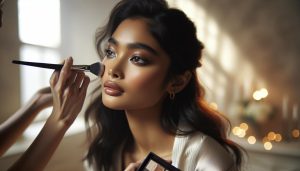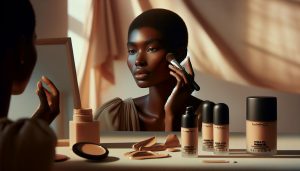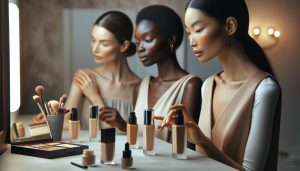
Makeup is not just a cosmetic choice; it’s a powerful tool that reflects deeper psychological motivations. Research indicates that makeup can enhance trust and perceived attractiveness, suggesting it plays a significant role in social interactions and self-expression. Understanding why girls wear makeup transcends mere beauty; it taps into themes of confidence, identity, and societal expectations. Whether aiming to boost self-esteem, make a lasting impression, or feel empowered, these choices reveal much about personal and cultural narratives. As we explore the psychology behind beauty choices, you’ll uncover insights that resonate with your own experiences and aspirations, inviting a deeper connection to the art of makeup.
The Psychology of Makeup: Understanding Female Choices
Wearing makeup is often seen as a form of self-expression, and understanding the psychology behind this choice reveals profound insights into women’s choices and behaviors. Many women use makeup as a means to enhance their appearance, not just for aesthetic reasons but as a tool for psychological empowerment. Studies indicate that the act of applying makeup can lead to increased self-esteem and confidence, as women feel more in control of their presentation and can better express their identity[[1]](https://www.lebube.com/post/psychology-behind-makeup).
When delving into the psychology of makeup, it becomes apparent that societal perceptions heavily influence choices. Women often feel that makeup can alter how they are viewed by others, impacting aspects such as attractiveness, competency, and social standing[[3]](https://pmc.ncbi.nlm.nih.gov/articles/PMC8956164). This societal pressure, coupled with individual desires for self-improvement, fosters a complex relationship with beauty products. As women navigate their environments-whether in professional settings or social interactions-they may leverage makeup as a tool to meet these expectations.
Moreover, the emotional connection to makeup cannot be understated. The colors and formulations used often resonate with personal experiences and memories, playing a role in how women feel on a given day. For instance, wearing bold colors may evoke feelings of empowerment, while softer hues might induce a sense of calm and approachability. Such choices reflect not only personal style but also an understanding of how makeup can influence emotional well-being[[2]](https://www.therutgersreview.com/2024/04/02/reflecting-confidence-the-psychology-of-makeup).
In summary, the choices women make regarding makeup reveal a dynamic interplay between self-expression, societal engagement, and emotional resonance. By recognizing these layers, both individuals and beauty professionals can appreciate the deeper significance of makeup in women’s lives, fostering a more inclusive and supportive dialogue around beauty and self-care.
Cultural Influences on Makeup Trends
The dynamic world of makeup is deeply influenced by cultural shifts, historical contexts, and evolving beauty standards. As globalization intertwines various cultural perspectives, makeup trends increasingly reflect this rich tapestry of influence. For instance, traditional beauty practices from Asian cultures, such as brightening creams and the use of unique herbal ingredients, are merging with Western trends that emphasize contouring and bold colors. This blending not only enriches product offerings but also encourages women globally to experiment beyond their cultural confines, fostering an environment where diversity in beauty is celebrated.
Social media platforms have acted as catalysts for these cultural exchanges. Influencers and makeup artists from different backgrounds share their techniques and products, allowing trends to go viral overnight. A simple hashtag can illuminate indigenous makeup styles or ancient beauty rituals, pushing them into modern popularity. For example, the recent surge in popularity of “glass skin” from Korean beauty standards has inspired countless beauty enthusiasts worldwide to incorporate hydration-focused skincare into their daily routines.
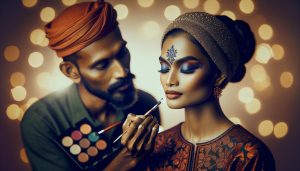
Furthermore, cultural events and movements can significantly shape makeup trends. Celebrations like Diwali and Chinese New Year bring traditional colors and designs to the forefront, encouraging people to reflect their cultural heritage in modern makeup applications. Similarly, the rise of body positivity and inclusivity has prompted brands to expand their shade ranges and cater to a broader array of skin tones and types. This cultural shift towards acceptance and representation in the cosmetics industry inspires women everywhere to explore makeup as a canvas for artistic expression.
In this landscape, brands are prompted to innovate their products while remaining culturally sensitive. Understanding the nuances behind different beauty traditions enables them to authentically connect with diverse audiences. Thus, the interplay of cultural influences on makeup not only challenges conventional beauty norms but also empowers individuals to express their identity through the artistry of cosmetics.
The Role of Self-Expression in Beauty Choices
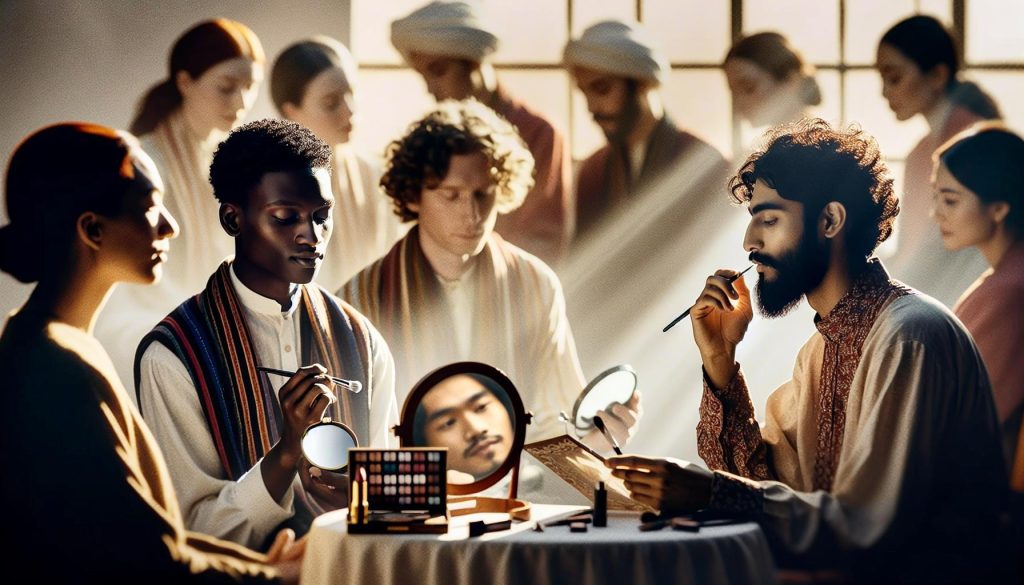
The transformative power of makeup extends far beyond aesthetics; it serves as a potent tool for self-expression that allows individuals to articulate their identities and emotions. Makeup is not just a way to enhance or alter one’s appearance; it is a canvas for creativity and a medium through which personal stories can be told. Women, in particular, often utilize makeup to embrace their individuality, push boundaries, and challenge societal norms regarding beauty.
For many, choosing a makeup look is a deeply personal decision influenced by mood, occasion, and culture. On a day when someone feels bold and adventurous, they might opt for striking colors or intricate designs that reflect their inner confidence. Conversely, during moments of introspection or vulnerability, softer shades or minimalistic looks often prevail, echoing their desire for simplicity and authenticity. This ability to modify one’s appearance to convey feelings, messages, or even rebellion exemplifies how makeup acts as a powerful expression of the self.
Moreover, the resurgence of unique makeup trends across social media platforms has redefined self-expression. In an era where creativity is encouraged and celebrated, platforms like Instagram and TikTok become stages for individuals to showcase their artistry. Hashtags such as #MakeupTransformation and #ArtisticMakeup allow users to explore diverse styles, learning from one another and boosting their confidence in experimenting with their own looks. This communal sharing fosters a sense of belonging and emphasizes the importance of personal style, encouraging individuals to wear their chosen looks with pride.
In addition to individual expression, makeup can also serve as a form of connection and solidarity within communities. Many women use beauty rituals as opportunities for bonding, whether it’s sharing tips among friends or collaborating with fellow enthusiasts to create content that highlights cultural heritage or contemporary beauty movements. These shared experiences not only enhance one’s skills but also enrich their understanding and appreciation of the diverse ways makeup can highlight one’s uniqueness while bringing people together.
Ultimately, is vital, allowing individuals to navigate the complexities of their identities while simultaneously celebrating their artistry. Whether through a bold eyeliner, a vibrant palette, or a subtle enhancement, makeup offers a unique language for those who wear it, empowering them to articulate their emotions and background without uttering a single word.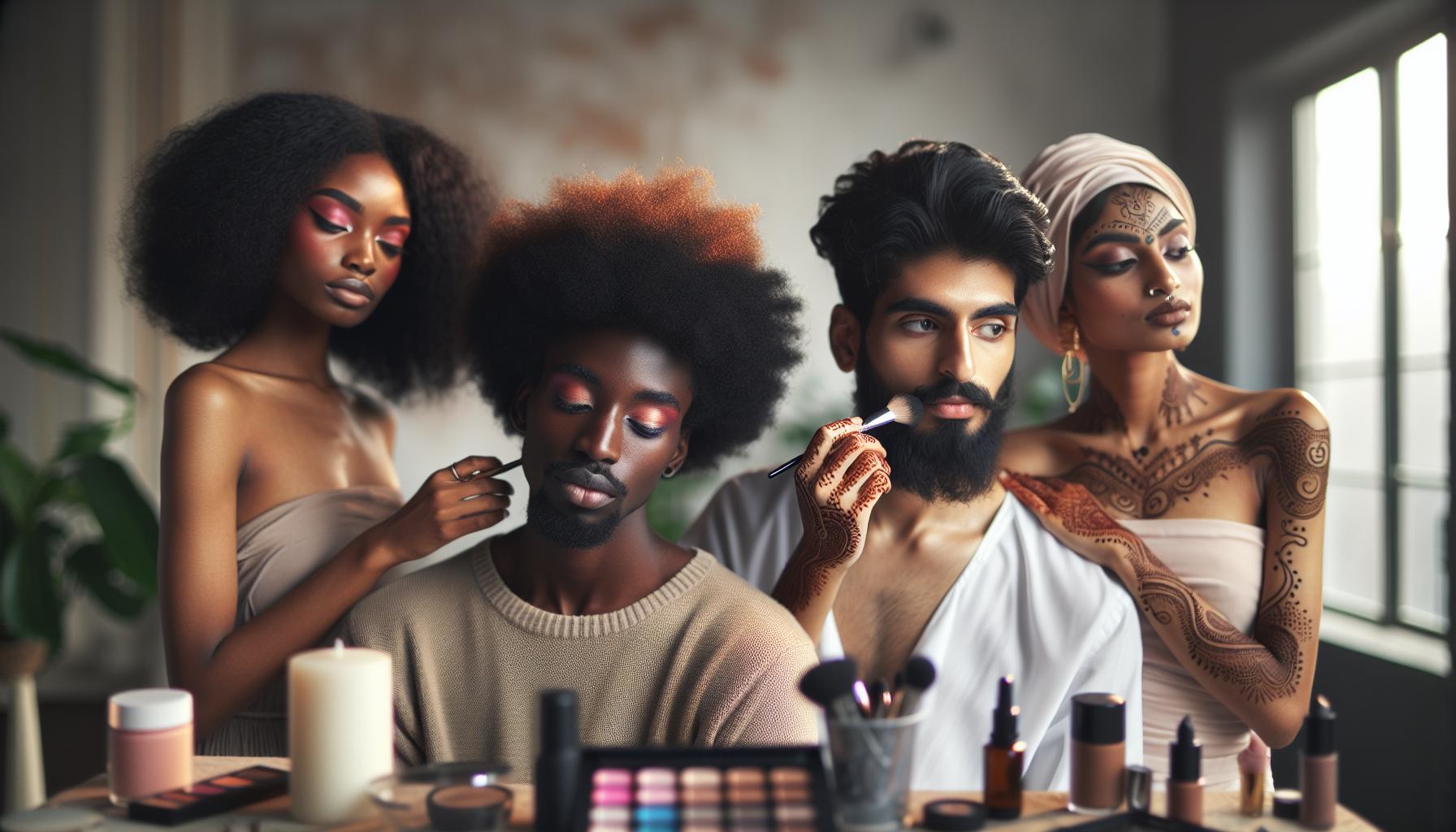
Societal Standards of Beauty and Their Impact
The influence of societal standards of beauty is profound, shaping not only individual choices but also collective perceptions of attractiveness. With media and cultural narratives constantly bombarding us with idealized images, the pressure women feel to conform to these standards is often overwhelming. For many, makeup becomes both a tool of empowerment and a method of adherence to these norms, as it is used to enhance features in ways that align with the prevailing definitions of beauty.
Society promotes specific ideals regarding skin tone, facial symmetry, and overall appearance, which can significantly impact how individuals perceive themselves. These standards are often perpetuated through various channels, like advertising, social media, and pop culture, leading to an unending cycle of aspiration and comparison. Many women might feel compelled to wear makeup not just for self-expression but also to meet these externally imposed criteria. This can manifest in various ways, such as opting for fuller eyebrows or a particular shade of lipstick that is trending, driven by the desire for acceptance and validation.
However, the pursuit of societal beauty standards can also foster resilience and creativity. As women navigate these expectations, they often reinterpret beauty norms to fit their values and experiences. This adaptation might involve embracing bold makeup looks that express individuality, countering traditional notions of beauty. The emergence of girl-led movements on social media has amplified this shift, providing platforms where diverse representations of beauty are celebrated. Women are increasingly using makeup to defy conventional standards, championing authenticity over conformity.
Ultimately, understanding the impact of societal beauty standards can empower women. By acknowledging these influences, they can make informed choices about their beauty routines that align with their personal values rather than external pressures. Whether wearing makeup to feel confident or embracing a more natural look, the journey towards self-acceptance and empowerment lies at the core of beauty culture. This balance encourages a more inclusive definition of beauty, one that respects personal choices while challenging societal norms.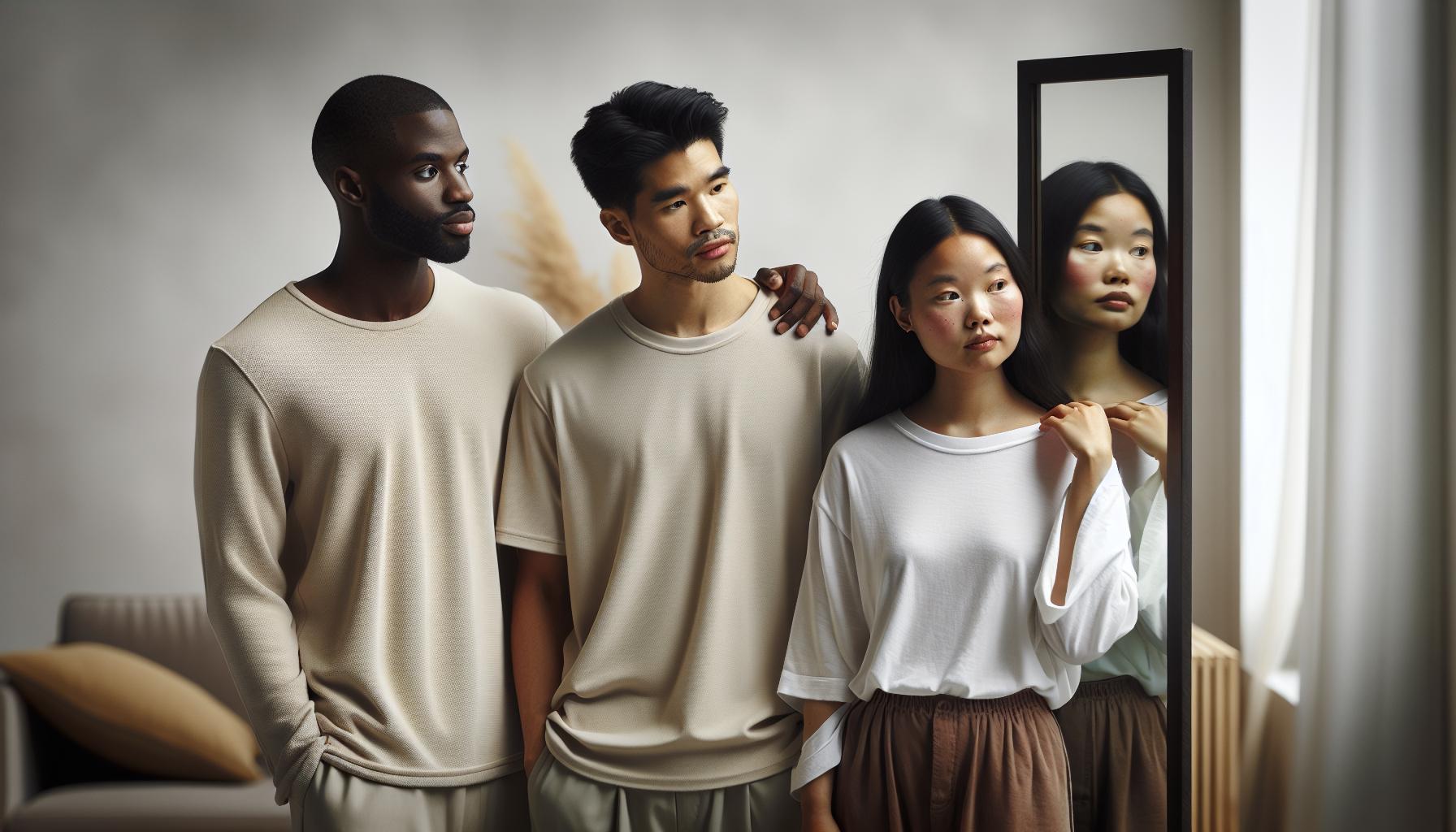
Makeup as a Confidence Booster for Women
Bold lips and perfectly sculpted brows are more than just aesthetic choices; they carry the power to transform how women perceive themselves and present to the world. The act of applying makeup can serve as a ritual that boosts confidence, allowing for an enhanced sense of self that many find empowering. The psychological impact of makeup has been widely studied, revealing that many women feel more confident and capable when they sport their favorite products. This confidence boost can stem from various factors, such as increased social acceptance and the ability to express individuality.
Enhancing Personal Identity
Makeup acts as a form of self-expression, enabling women to convey their personality and moods. Whether someone opts for a bold eye look for a night out or subdued colors for a professional setting, these choices reflect an inner sense of empowerment and autonomy. Women can tailor their makeup routines to fit specific occasions, crafting their visual identity in a way that resonates with their internal narratives. This practice not only uplifts mood but also reinforces a personal sense of agency, helping women to embrace their unique styles confidently.
Practical Application Tips
Incorporating makeup into daily routines can greatly enhance confidence. Here are some tips for using makeup effectively to cultivate that empowering feeling:
- Start with Skincare: A good skincare routine ensures that makeup adheres well and looks flawless, providing a perfect canvas that can increase self-assurance.
- Choose Colors Wisely: Different colors evoke different emotions-experiment with shades that make you feel vibrant and alive. For example, bright reds can energize, while soft pinks may foster a sense of calm.
- Highlight Key Features: Focus on your favorite facial features. Enhancing the eyes or lips can draw attention and empower you by showcasing what you love most about your appearance.
- Practice Makes Perfect: Regular practice with makeup application builds confidence. Use tutorials to refine techniques or try new looks until you feel comfortable.
Makeup can also serve as a tool for mental health, providing a sense of control in a chaotic world. By taking time in the morning to apply makeup, many women grant themselves a few moments of self-care and creativity that set a positive tone for the day. Ultimately, whether intending to impress or simply to express, the transformative potential of makeup lies in its ability to enhance not just outer beauty but the inner glow of confidence and self-acceptance.
The Science Behind Colors and Emotions in Makeup
Colors hold a tremendous power when it comes to makeup, not just for enhancing beauty, but also for evoking emotions and shaping perceptions. The psychology of color plays a critical role in how individuals experience makeup, with bright and bold colors often associated with energy and confidence, while softer tones can invite calmness and gentleness. This connection between colors and emotions can influence how a person feels about themselves and how they are perceived by others, making color choice a crucial aspect of makeup application.
When applying makeup, understanding the emotional effects of different colors can significantly enhance the overall look and mood. For instance, incorporating warm colors like reds and oranges can generate feelings of excitement and passion, making them excellent choices for events where one wants to feel vibrant and outgoing. On the other hand, cooler shades such as blues and greens are often linked to tranquility and peace, and can be perfect for a more relaxed or serene appearance. Experimenting with these hues can allow individuals to not only express their current mood but also positively influence how they feel throughout their day.
Practical Tips for Color Selection
To effectively utilize the emotional power of colors in makeup, consider the following strategies:
- Know Your Undertones: Identifying whether your skin has warm, cool, or neutral undertones can help in choosing shades that enhance your natural beauty and resonate with your emotions.
- Seasonal Trends: Colors can often be influenced by seasons. For example, deep jewel tones are popular in winter, while pastel shades shine in spring. Aligning your color choices with seasonal palettes can keep your look fresh and contextually appropriate.
- Occasions Matter: Tailor your color selection to the context of your activity. Brighter, bolder colors can boost confidence and draw attention in lively settings, while subtle tones may be more suited for professional or serious environments.
By consciously selecting colors that match the desired emotion or atmosphere, individuals can harness the psychological effects of makeup to empower themselves. This knowledge not only aids in personal expression but can significantly enhance the daily routine, transforming a simple act of applying makeup into an empowering ritual that uplifts the spirit and elevates confidence.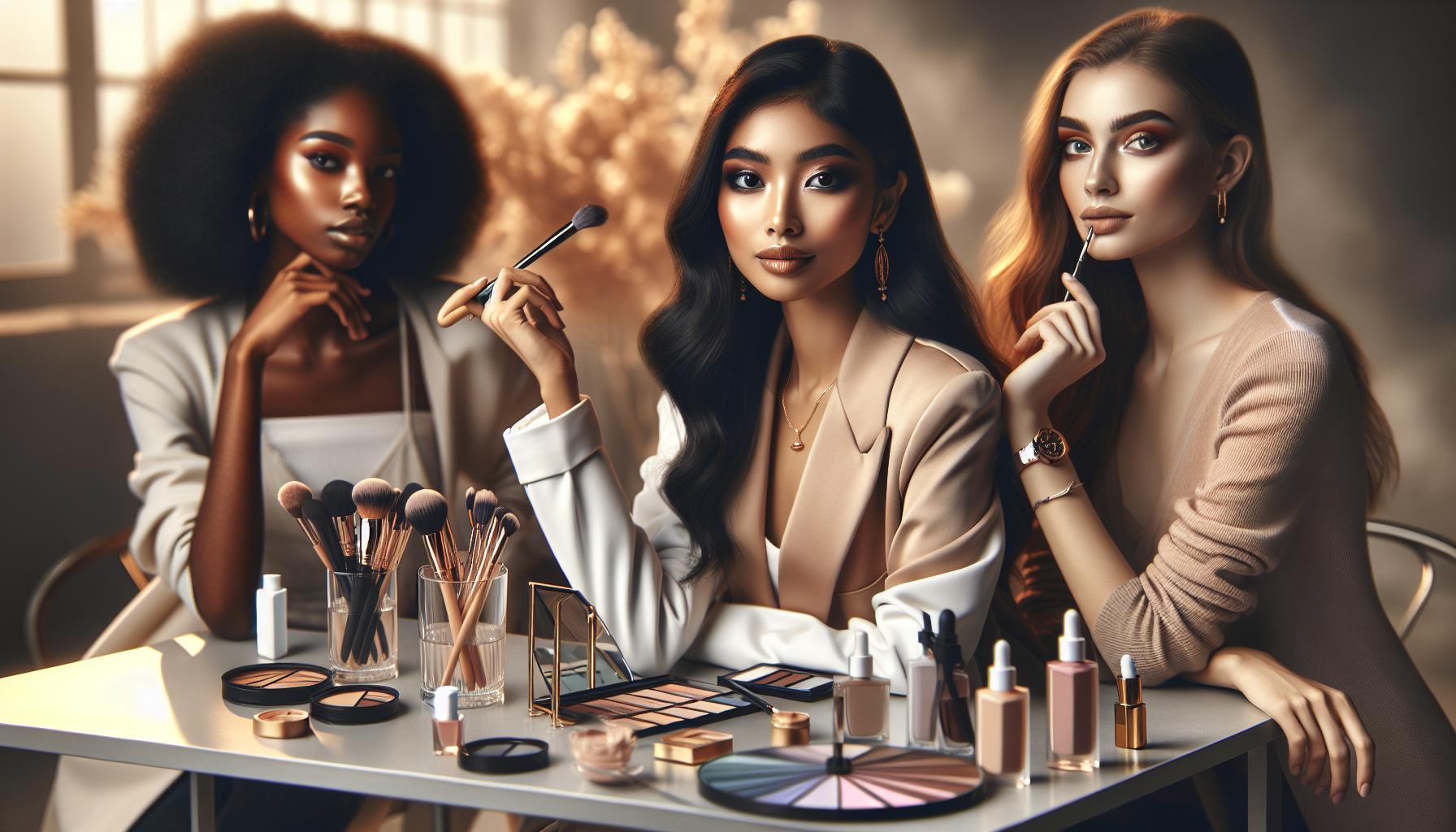
Makeup in Different Life Stages: A Journey
As individuals progress through various life stages, their relationship with makeup evolves significantly, influenced by myriad factors including personal development, social contexts, and cultural trends. This journey often begins in adolescence, where makeup becomes a tool for experimentation and self-expression. Young individuals might dabble with colorful eye shadows or lip gloss as a creative outlet, learning not only about beauty techniques but also exploring their identity. During this phase, peer validation can play a crucial role, with makeup often seen as a means to fit in or stand out within social groups.
In young adulthood, the motivations for wearing makeup may shift towards enhancing confidence and appearance in professional environments or social settings. Many women find themselves embracing a more sophisticated makeup routine, focusing on techniques that emphasize their natural beauty. Influences from social media platforms significantly affect these choices, as tutorials and influencer styles set trends that shape how young women view makeup as a part of self-expression and empowerment. For instance, brands like Ilia and Thrive often highlight the importance of clean beauty, resonating with a generation increasingly mindful of product ingredients and sustainability.
As women enter their prime years, this relationship can further mature, often reflecting personal milestones such as weddings, career advancements, or motherhood. Many find joy in creating signature looks that not only match their personal style but also cater to different life roles. For example, a busy mother might adopt a quick, natural makeup routine focused on efficiency, incorporating versatile products that simplify the application process while maximizing appearance.
In later life stages, makeup can serve not just a cosmetic purpose but also as an emotional tool, marking moments of renewal or celebration. Women may explore bold colors or vintage styles to express newfound freedom or embrace a particular life phase, showcasing that makeup remains a relevant aspect of life regardless of age. Ultimately, this journey through makeup across different stages illustrates its profound impact on self-image and identity, making it an integral part of many women’s lives.
Incorporating various tools and products tailored to their changing needs ensures that women feel empowered at every step of this journey. From essential brushes to quality foundations, understanding the importance of suitable makeup techniques and products can significantly enhance their experiences, allowing them to embrace both their individuality and evolving beauty standards.
Influence of Social Media on Makeup Decisions
The rapid rise of social media platforms has transformed the beauty landscape, influencing how women perceive and engage with makeup. Visual-centric networks like Instagram, TikTok, and YouTube have become the go-to spaces for inspiration and education, allowing users to access a plethora of makeup tutorials, product reviews, and lookbooks at their fingertips. This accessibility fosters a unique culture where beauty trends spread like wildfire, often shaped by influencers and content creators who showcase innovative techniques and products. The impact of these platforms isn’t just superficial; it feeds into a broader culture of beauty standards that can empower or pressure women to adopt new looks.
In many cases, social media serves as a double-edged sword. On one hand, it offers a platform for self-expression and community building; women can share their personal makeup journeys, swap tips, and celebrate diverse beauty. Many find a sense of belonging and validation in these online communities. For example, brands like ILIA and Thrive emphasize clean beauty, resonating with users who are not only beauty-conscious but also environmentally aware. On the other hand, constant exposure to curated images of beauty can lead to unrealistic expectations. Users might feel compelled to spend excessive time or money on products that promise transformative results, often mirroring what they see online.
To effectively navigate this landscape, it’s essential for women to develop a discerning eye. Understanding what resonates with personal style versus what is simply a trend is crucial. Creating a signature makeup routine that reflects individual preferences-perhaps utilizing versatile products for day-to-night looks-can help foster a sense of confidence and authenticity amidst the noise. Engaging with social media can also be beneficial when approached with balance; following accounts that promote body positivity and inclusivity can provide inspiring perspectives that uplift rather than diminish self-esteem.
Investing in high-quality tools and products is another way to enhance one’s makeup experience as influenced by social media trends. Products like Seint’s cream-based foundations for a natural finish or ELF’s budget-friendly options for beginners allow for experimentation without breaking the bank. Learning step-by-step application techniques through expert-led tutorials can further empower users to make informed decisions about products and techniques that suit their unique features, making makeup a joyful, and often liberating, form of self-expression.
Exploring the Relationship Between Makeup and Identity
Makeup serves as a powerful medium through which many individuals express their identity, reflecting both personal choices and wider cultural narratives. For some, it’s not merely a cosmetic tool; it’s an art form that allows for the exploration of various personas and facets of self. This relationship between makeup and identity is deeply intertwined with elements of individuality, creativity, and societal influences, making it an essential aspect of how many women-and people in general-navigate their unique presentations to the world.
The dynamic nature of makeup as a form of self-expression can be seen in its various cultural interpretations. In many communities, makeup is viewed as a form of empowerment, providing a means to challenge conventional beauty standards. It allows for authentic representation, as individuals can curate their looks in ways that resonate with their identities and experiences. For example, a vibrant lip color or an artfully crafted eyeliner can signal confidence, rebellion, or solidarity, serving as a powerful statement that articulates emotions and beliefs without uttering a word. This is particularly poignant in discussions about makeup’s role in contemporary social movements, where it merges with identity politics and personal narratives.
To fully harness the benefits of makeup as a form of identity exploration, it is crucial to engage with products and techniques that resonate on a personal level. Choosing brands that align with one’s values, such as those focusing on clean beauty like Ilia and Thrive, not only enhances one’s makeup routine but also deepens the connection between the individual and their choices. Learning to create a robust makeup kit tailored to personal style can empower users to express themselves in meaningful ways. For instance, utilizing versatile products like Seint’s cream foundations allows for both natural and bold looks, adapting to the various roles one occupies throughout their day.
Furthermore, understanding the psychology behind color choices in makeup can enrich the experience. Different hues evoke various emotions; for example, reds exude confidence while pastels may transmit softness. By selecting colors that align with desired emotions or self-image, individuals can consciously construct their identity through makeup. This seamless blend of psychology, creativity, and personal values illustrates why makeup transcends its surface appeal-serving instead as a transformative medium that accompanies one’s journey of self-discovery and empowerment.
The Economic Factors Driving Makeup Purchases
In the vibrant world of cosmetics, economic factors play a pivotal role in shaping purchasing behaviors, especially during changing financial climates. Interestingly, some studies suggest that during economic downturns, many individuals paradoxically increase spending on makeup-a phenomenon known as the “lipstick effect.” This counterintuitive pattern can be attributed to the psychological and emotional comfort small indulgences provide when larger luxuries are off the table. People often turn to affordable luxuries, such as makeup, as a means of self-care and emotional uplift, allowing them to maintain a sense of normalcy even in turbulent times.
Understanding the driving forces behind makeup purchases involves examining several key economic indicators. For instance, consumer confidence can heavily influence spending habits. When confidence is high, consumers are more likely to spend on premium beauty products from brands like Ilia and Thrive, known for their clean, ethical formulations. Conversely, during periods of uncertainty, buyers may gravitate towards budget-friendly options, such as those offered by brands like ELF, that still deliver quality without breaking the bank.
Additionally, seasonal trends and marketing strategies create an urgency that influences makeup purchases. Limited-edition launches or promotional campaigns can spur interest and drive sales. For example, a well-timed social media campaign highlighting a new collection can capitalize on current beauty trends and encourage impulsive buying. It’s essential for brands to create a narrative that resonates with consumers, from emphasizing self-expression to highlighting the roles of sustainability and ethical practices in their product offerings.
Lastly, the rise of e-commerce has transformed the landscape of makeup purchasing. Online shopping not only makes a wider range of products accessible but also allows for personalized marketing based on consumer behavior and preferences. This shift enables consumers to discover new products through curated recommendations while creating a shopping experience that caters to individual needs and desires.
In summary, the economic landscape intricately shapes makeup purchasing behaviors, driven by factors such as emotional responses to economic conditions, consumer confidence, marketing strategies, and the ease of online shopping. Recognizing these elements empowers individuals to make informed choices about their beauty investments and encourages brands to align their offerings with consumer expectations and values.
Environmental and Ethical Considerations in Beauty Products
As consumers become increasingly aware of the impact their choices have on the planet, the beauty industry is undergoing a significant transformation toward sustainability and ethical practices. Today, more than ever, makeup brands are addressing environmental concerns and ethical dilemmas associated with production processes, ingredient sourcing, and waste management. This shift isn’t just a trend-it’s a genuine reflection of a growing consumer demand for products that not only enhance beauty but also respect the environment and promote social responsibility.
Environmental Impact of Makeup Products
The production of makeup can contribute to environmental degradation, from harmful chemicals contaminating water sources to excessive packaging waste ending up in landfills. Brands that prioritize eco-friendliness often focus on:
- Sustainable ingredients: Many companies are sourcing natural and organic ingredients, reducing their reliance on petrochemicals and synthetic additives. Brands like Thrive and Ilia are at the forefront, offering products that reflect a commitment to clean beauty.
- Recyclable packaging: Innovative packaging solutions, such as refillable containers and materials made from recycled sources, help decrease plastic waste. Customers can often return empty packaging for discounts on future purchases, further promoting a circular economy.
- Transparency: Ethical brands provide detailed ingredient sourcing information and are upfront about their manufacturing practices. This openness builds consumer trust and encourages informed purchasing decisions.
Ethical Sourcing and Fair Trade Practices
In addition to environmental factors, ethical considerations extend to how ingredients are sourced and who produces them. Many consumers are choosing brands that support fair trade and ethical labor practices:
- Fair wages: Supporting brands that operate under fair trade principles ensures that workers receive adequate compensation, fostering a healthier economy in their communities.
- Animal welfare: It’s essential for many consumers to purchase cruelty-free products. Brands that are certified cruelty-free, such as ELF and Thrive, align with this ethical stance, demonstrating a commitment to humane practices.
- Community support: Some brands engage in sourcing materials directly from local producers, contributing to local economies while ensuring that their supply chains are shorter and more sustainable.
By aligning beauty choices with ethical and environmental considerations, consumers not only express their personal style but also contribute positively to the world around them. Opting for brands that prioritize these values empowers individuals to practice beauty with a conscience. Making informed decisions in the beauty industry not only enhances personal appearance but also reinforces a commitment to sustainability and ethical responsibility.
Modern Makeup Trends: What’s Shaping the Future?
As the beauty landscape evolves, modern makeup trends continue to be shaped by a confluence of cultural shifts, technological advancements, and consumer demands. Today, makeup is not merely a tool for beauty; it’s a form of self-expression that resonates deeply with individuals’ identities and emotions. One of the foremost trends is the rise of clean beauty, where consumers prioritize products that are free from harmful chemicals and toxins. Brands like Thrive and Ilia exemplify this movement by offering formulations that not only enhance beauty but are also skin-friendly and environmentally responsible.
Another notable trend is the growing influence of social media platforms, particularly Instagram and TikTok, which have transformed how makeup is perceived and applied. Tutorials, makeup challenges, and influencer partnerships extend the reach of beauty brands, impacting purchasing decisions and inspiring new techniques. For instance, the viral popularity of “skincare-makeup hybrids” has led to a surge in products that marry the benefits of makeup with skincare properties, allowing consumers to nurture their skin while enhancing their appearance.
Emphasizing Inclusivity and Diversity
Modern makeup trends are also marked by an increased emphasis on inclusivity and diversity. Consumers are seeking brands that represent a broad spectrum of skin tones, gender identities, and personal styles. Companies are responding by expanding their shade ranges and featuring diverse models in their campaigns. This responsiveness not only fosters a sense of belonging but also encourages individuals to explore makeup as an authentic expression of their identity.
Moreover, there is a notable shift towards minimalism in makeup routines, influenced by the “no-makeup” makeup look that prioritizes a natural, effortless appearance. This trend aligns with the growing demand for authenticity in beauty. With products designed for easy application-such as tinted moisturizers and multi-functional sticks-makeup enthusiasts, from novices to professionals, can achieve a polished look without extensive effort.
As these trends continue to evolve, they not only redefine beauty standards but also empower individuals to embrace their unique identities. The future of makeup promises an inclusive, responsible, and expressive journey that resonates with both individual values and collective cultural shifts, making it a thrilling time to explore personal beauty choices.
FAQ
Q: Why do girls wear makeup?
A: Girls wear makeup for various reasons, including enhancing their appearance, boosting confidence, self-expression, and conforming to societal beauty standards. Makeup can serve as a tool for empowerment, allowing women to present themselves in ways that align with their identity and mood.
Q: How does makeup impact self-esteem in women?
A: Makeup can significantly boost self-esteem by enhancing features and providing a sense of control over personal appearance. Research indicates that applying makeup fosters a sense of confidence and readiness, impacting how women feel in social settings and influencing perceptions by others.
Q: What psychological benefits do women gain from wearing makeup?
A: Wearing makeup can promote feelings of self-worth and attractiveness. Psychologically, it can serve as a form of self-care and personal expression, enabling women to feel empowered and more confident in their social interactions and daily lives.
Q: How do societal standards affect women’s makeup choices?
A: Societal standards exert a powerful influence over women’s makeup choices, often dictating what is deemed attractive. This pressure can lead women to adopt specific styles in alignment with cultural ideals, impacting both personal preferences and purchasing behavior for beauty products.
Q: Can the use of makeup relate to personality traits?
A: Yes, studies suggest a correlation between makeup usage and certain personality traits. For instance, women who frequently use makeup may exhibit higher levels of extraversion and confidence, while those with traits like psychopathy may use less makeup, reflecting different motivations for beauty choices.
Q: What role does social media play in makeup trends?
A: Social media significantly influences makeup trends by shaping perceptions of beauty and accessibility to products. Platforms like Instagram and TikTok promote beauty influencers and viral makeup techniques, prompting women to experiment and adopt new looks inspired by peers and celebrities.
Q: How do cultural differences affect makeup use among women?
A: Cultural backgrounds significantly impact makeup use, with varying practices and significances assigned to beauty rituals. Different cultures have unique traditions and beauty standards, influencing how women approach makeup application and the products they choose to represent their identity.
Q: What are the economic factors driving makeup purchases among women?
A: Economic factors such as disposable income, marketing strategies, and consumer trends heavily influence makeup purchases. Women often respond to targeted advertising and brand loyalty, which can lead to increased spending on beauty products as an expression of identity and lifestyle choices.
Insights and Conclusions
Understanding the psychology behind beauty choices can empower you to embrace your style confidently. If you’re intrigued by makeup’s transformative power, explore our detailed makeup tutorials, featuring product reviews on brands like Seint, Thrive, Ilia, and ELF. You’ll find quick application techniques and cleansing routines to elevate your beauty game, whether you’re a novice or an industry pro.
Don’t miss out on our insights into professional barbering where you can master traditional and modern styling. Subscribe to our newsletter for expert tips and updates, and check out related articles like “The Impact of Color Psychology in Makeup” and “Essential Grooming Tools for Every Barber.” Share your thoughts in the comments below, and let’s keep the conversation going! Your journey in beauty and grooming excellence starts here-join us for more inspiring content!