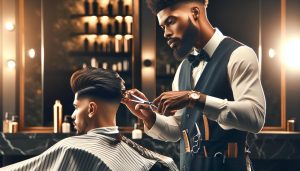
Did you know that the art of barbering dates back thousands of years, serving as a cornerstone of male grooming and community culture? A visit to a barber shop is more than just a haircut; it’s an experience that fosters connection and confidence. In “What is Barber Shop: Ultimate Guide to Traditional Grooming,” we’ll explore the significance of barbering in today’s fast-paced world, addressing common concerns about style, self-care, and personal expression. Whether you’re a grooming novice or a seasoned barber, unlocking the secrets of traditional grooming techniques will empower you to master your style and boost your professionalism. With insights on everything from classic cuts to modern trends, tools of the trade, and even business strategies for aspiring barbers, this guide promises to enhance your grooming journey. Ready to transform your approach to grooming? Let’s dive into the timeless world of barbering and discover its lasting impact on personal and professional growth.
What is a Barber Shop: Exploring the Tradition and Culture
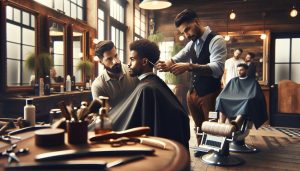
The world of barbering transcends mere haircuts; it is an intricate blend of tradition, culture, and artistry that has shaped the grooming landscape for centuries. Barber shops serve as communal hubs-places where men gather, share stories, and receive not just grooming services but a sense of belonging and identity. This rich heritage harks back to ancient civilizations where barbers held esteemed positions in society, often doubling as surgeons and dentists. The iconic red, white, and blue barber pole represents this duality, dating back to the Middle Ages when blood and bandages were a part of the barber’s trade.
At their core, barber shops are about fostering connections-between the barber and the client, and among the patrons themselves. A visit to a barber shop is often less about the haircut and more about the experience. It is a ritual that encompasses conversation, camaraderie, and care. Whether it’s a simple buzz cut or a classic straight razor shave, the process is accompanied by an exchange of anecdotes, laughter, and sometimes, even life advice. This communal atmosphere sets barber shops apart from mere salons or grooming establishments, as they cultivate a unique environment that resonates with tradition and friendship.
To thrive in this timeless space, barbers blend time-honored skills with modern sensibilities. Today’s barbers must master not only traditional techniques-like the precision fade or the art of the hot towel shave-but also stay attuned to current trends that influence men’s grooming preferences. This ongoing evolution reflects a broader cultural shift toward self-care and personal presentation, with barber shops at the forefront, providing services that extend beyond the blade and scissors.
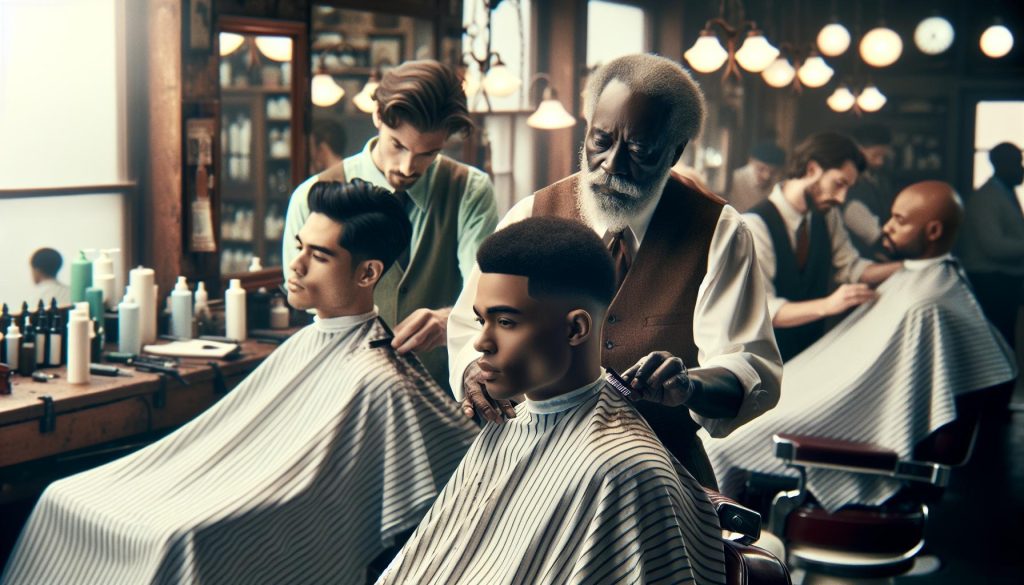
Moreover, as the industry embraces diversity, barbering has seen the rise of niche services tailored to different hair types and styles, showcasing the importance of inclusivity within the culture of grooming. This evolution encourages barbers to continually educate themselves on trends and techniques that cater to a broader audience, further enriching the barber shop experience. By bridging past traditions with contemporary needs, barber shops remain crucial players in the realm of personal grooming, fostering a legacy that celebrates both artistry and community.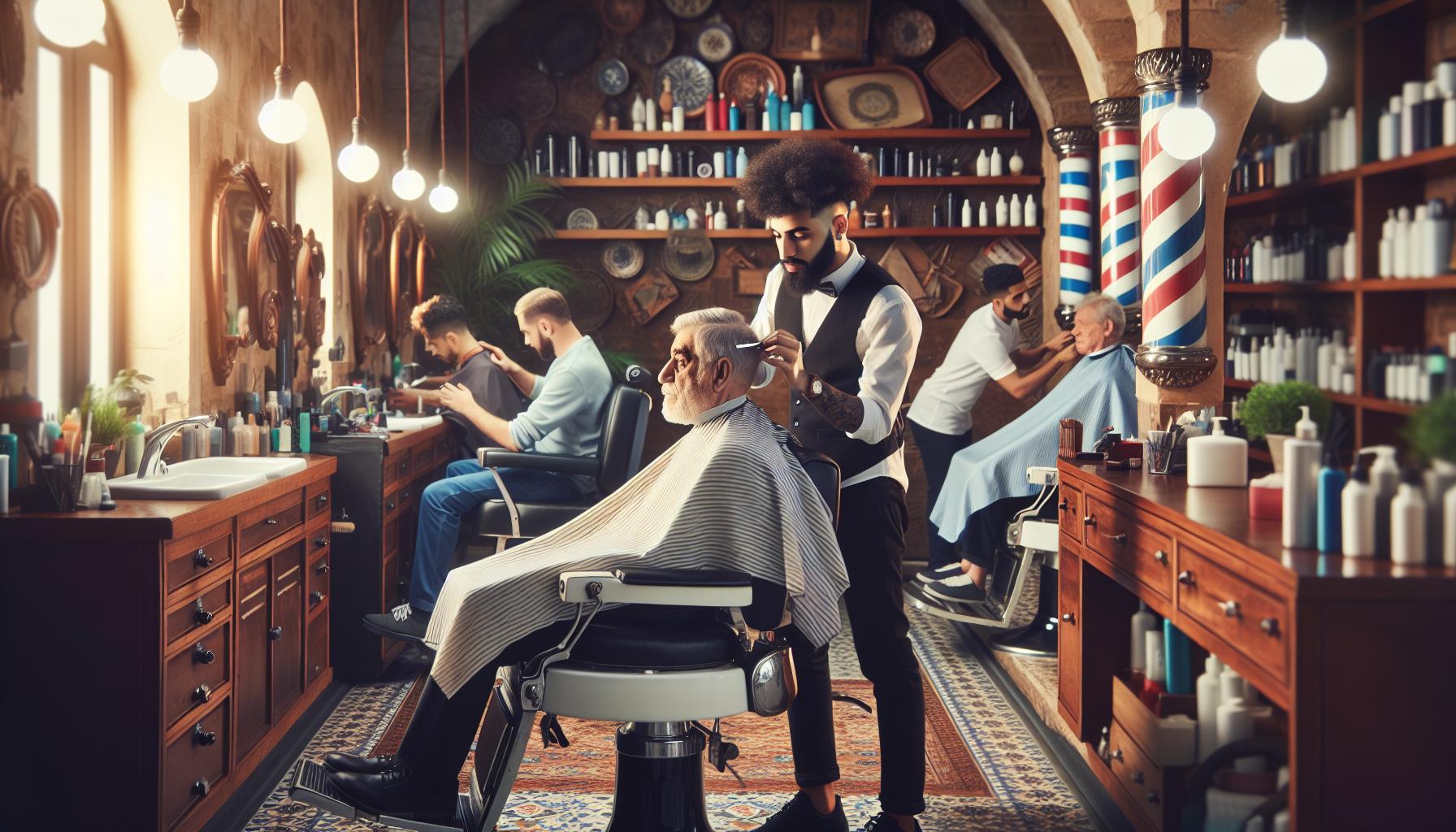
The Art of Traditional Barbering: Techniques and Skills
Mastering the art of traditional barbering is not merely about wielding scissors and clippers; it’s a journey into a world where technique, precision, and heritage converge to create fulfilling grooming experiences. Every haircut or shave becomes a symphony of skill, with the barber employing an array of time-honored techniques that have been refined over generations. The barber’s chair transforms into a platform for artistry, where each movement is deliberate and each cut tells a story.
Key techniques include the classic fade, scissor-over-comb method, and the hot towel shave. A fade requires not only a deft hand but also an acute understanding of how different lengths blend seamlessly. The scissor-over-comb technique allows for precise control and is particularly useful for achieving textured styles. Moreover, the hot towel shave is an unparalleled experience that combines relaxation with the traditional skills of straight razor work, showcasing the barber’s attention to detail and respect for grooming rituals.
The tools of the trade are equally essential in this mastery. A professional barber often carries an arsenal of tools including premium clippers, straight razors, shears, and combs. Investing in high-quality equipment not only enhances the cutting experience but also ensures longevity and efficiency. Here’s a basic rundown of essential tools:
- Clippers: Versatile and powerful, allowing for a range of styles.
- Straight Razors: For achieving ultra-smooth shaves and defined edges.
- Shears: Essential for precision cutting and texturizing hair.
- Combs: Different sizes and shapes for various styles and techniques.
Education and ongoing training are paramount for barbers to maintain their skills and adapt to evolving trends. Many barbers attend workshops, seminars, or schools that offer specialized training in advanced techniques and customer service. This commitment to continual learning not only enhances their technical abilities but also instills confidence in their clients, assuring them that they are in capable hands. As barbering evolves, so too does the mastery required to keep pace with trends while honoring the traditional methods that have shaped the profession for centuries.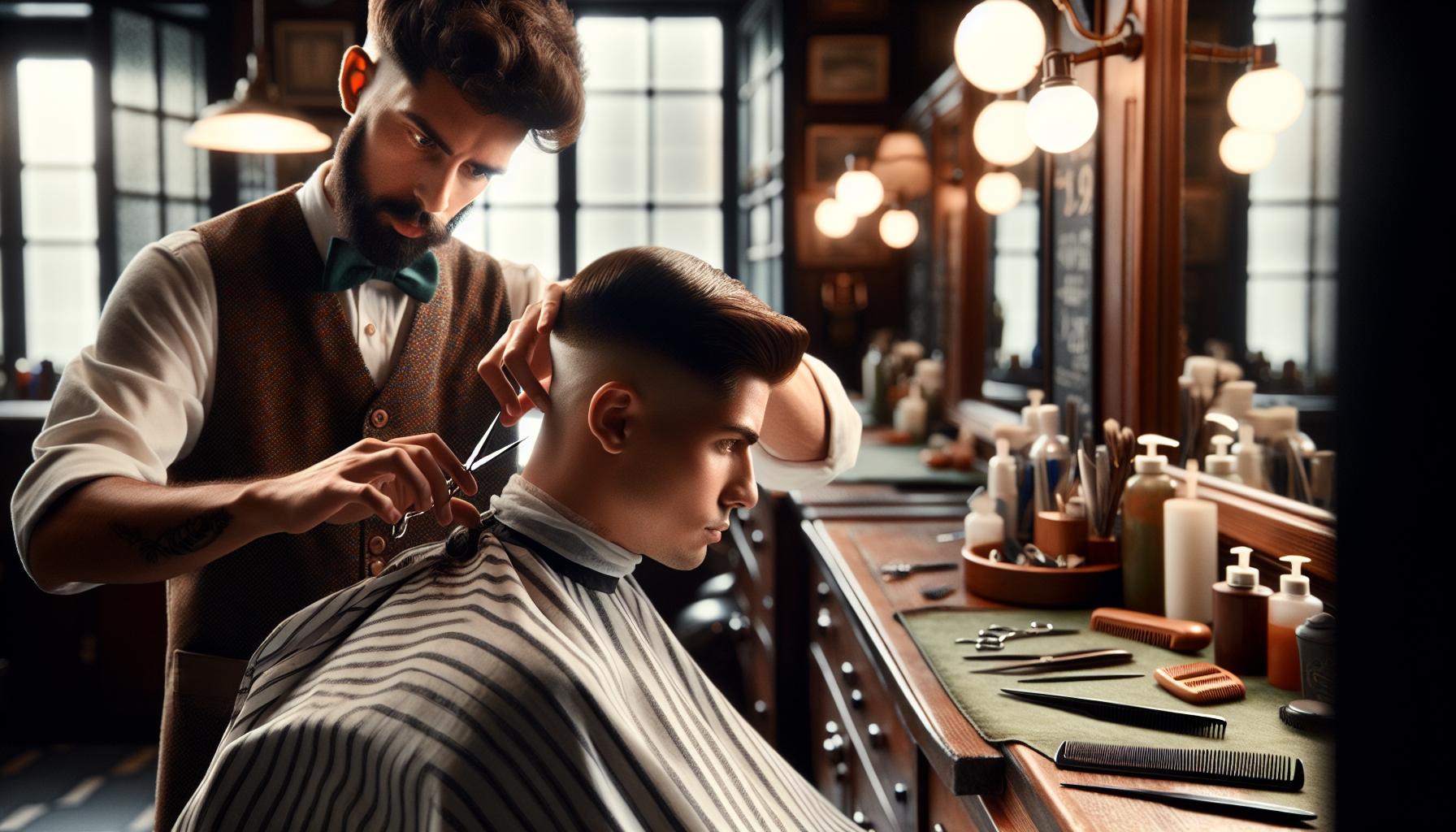
Essential Tools Every Barber Needs for Professional Grooming
In the world of barbering, success hinges not just on artistry but on the tools that facilitate that craft. Just as a painter relies on brushes and pigments, a barber thrives on high-quality equipment to transform hair into art. The right tools enhance precision, efficiency, and the overall grooming experience, making them essential for both emerging and established barbers. Investing in professional-grade tools can significantly elevate the quality of your work and the satisfaction of your clients.
Essential Tools for Every Barber
When building your toolkit, consider the following indispensable items that define professional grooming:
- Clippers: These versatile machines are the backbone of any barber’s toolkit. Look for models that come with adjustable blades and various guard sizes to achieve a range of styles from fades to buzz cuts. Brands such as Wahl and Andis offer robust options that are known for their durability and performance.
- Straight Razors: A high-quality straight razor is crucial for delivering those classic close shaves and sharp necklines. Investing in a well-balanced razor with replaceable blades can enhance your shave game significantly. Consider brands like Feather and DOVO for their precision and craftsmanship.
- Shears: These are not just for trimming; a good pair of shears allows for intricate work, such as point cutting and texturizing. Look for scissors that have a comfortable grip and are sharp enough to ensure clean cuts. Japanese brands like Hattori and Matsui are popular choices for their exceptional quality.
- Combs: A set of combs in various sizes is essential for sectioning and styling hair. Wide-tooth combs are great for detangling, while fine-toothed combs work wonders for precision cutting. Using the right comb can help you achieve the perfect finish on any haircut.
- Blow Dryer: A powerful blow dryer with multiple heat settings can be a game-changer for styling and finishing looks. It’s perfect for creating volume and ensuring that styles hold throughout the day.
- Aprons and Capes: While they may seem like a small detail, quality capes and aprons ensure a clean work environment. Look for those that are easy to clean and offer protection for both you and your clients.
Maintenance and Care
Caring for your tools is critical for maintaining their performance and longevity. Regular cleaning, oiling clippers, sanitizing razors, and properly storing shears will not only prolong their life but will also ensure the best results in your work. Consider the following maintenance tips:
- Deep clean your clippers and shears after every use to remove hair and styling products.
- Oiling the blades prevents rust and ensures smooth operation.
- Store tools in a designated case or drawer to keep them safe and organized.
These fundamental tools and care practices lay the groundwork for exceptional barbering that delights clients and fosters loyalty. As you build your toolkit, remember that the options you choose can significantly impact your artistry, allowing you to express creativity while delivering top-notch grooming services.
Popular Barber Shop Services: From Cuts to Shaves
In the vibrant world of barber shops, the array of services offered goes beyond a simple haircut. A visit to a barber shop can transform from a routine grooming session into a holistic experience that caters to a myriad of grooming needs and preferences. From meticulous haircuts to exquisite shaves, each service embodies the essence of traditional grooming, infused with modern flair.
Classic Haircuts
Central to the barbering experience is the classic haircut, which can range from simple trims to intricate styles tailored to suit individual face shapes and personal tastes. Effective communication with clients about their desired outcome is vital. Understanding different styles such as the fade, pompadour, or undercut can help you provide personalized recommendations. Utilizing tools such as clippers, shears, and texturizing razors can enhance precision and creativity in achieving the perfect look.
Barber Shaves
Another hallmark service is the traditional wet shave. This luxurious treatment involves pre-shave oils, warm towels, and quality creams to soften the beard and prepare the skin. A straight razor ensures a close, smooth finish that often surpasses the results of standard shaving methods. The experience should be both relaxing and revitalizing, often leaving clients with a refreshed appearance and sense of satisfaction. Emphasizing the importance of proper technique and high-quality tools, such as a well-balanced straight razor and soft-bristled shaving brushes, can elevate this service significantly.
- Beard Grooming: Beyond haircuts and shaves, many barbers offer beard trims and shaping services tailored to enhance facial features. This involves a combination of trimming for length and sculpting to achieve a polished look. Tools like detailing clippers and combs are essential for precise styling.
- Facial Treatments: Some shops also incorporate facial grooming services, including facial cleanses and scrubs designed to exfoliate and rejuvenate the skin. This holistic approach not only caters to grooming but also promotes skin health and relaxation.
- Color Services: With an increasing demand for personalized styles, color services such as fading or highlighting can significantly enhance haircuts. Utilizing quality hair dyes and correct application techniques ensures vibrant, lasting results.
Specialty Services
Today’s barber shops are evolving to include a broader scope of specialty services that attract diverse clientele. Offering services such as styling consultations, scalp massages, and even grooming for children can foster a family-friendly environment while expanding the client base. Ensuring that your barbershop adapts and innovates to meet these demands not only enriches the experience for clients but also keeps the establishment competitive.
In conclusion, barber shops represent more than just a place for haircuts; they serve as communal spaces where grooming transforms into an art form. From precise haircuts and indulgent shaves to trendy beard care and specialty services, barbers are skilled artisans crafting not just appearances but experiences. Engaging clients in the selection process of services and fostering a warm, welcoming atmosphere can ensure that patrons leave not only looking their best but also feeling valued and understood.
The Evolution of Barber Shops: History and Modern Trends
The journey of barber shops is as rich and textured as the styles they create. Emerging from ancient practices where barbers not only cut hair but also performed minor surgical procedures, today’s establishments stand as vibrant cultural hubs that fuse creativity with tradition. Dating back to the Roman Empire, barbering evolved through the ages, with tools ranging from primitive razors to the sophisticated equipment found in modern shops. The iconic barber pole, a symbol of the profession, reflects this lineage, representing the union of grooming and healthcare that has transformed over centuries.
Historical Transformations
In the Middle Ages, barbers held dual roles as surgeons and dentists, performing bloodletting and tooth extractions, alongside haircuts. This shift began to dissolve in the 18th century when the profession began to specialize, leading to the formation of barber guilds and the establishment of barber shops as standalone businesses. By the 19th century, as urbanization progressed, barbers became central figures within their communities, providing more than just grooming; they fostered social connections and became informal gathering spots for men.
Fast forward to the 21st century, the resurgence of traditional barbering techniques, alongside an appreciation for bespoke services, signifies a noteworthy return to roots. Many modern barber shops now preserve these historical elements while integrating contemporary styles and technology. Classic services like wet shaves and straight razor cuts are combined with modern conveniences such as online booking systems and personalized grooming products, ensuring customer satisfaction and loyalty.
Modern Trends and Innovations
Today’s barber shops are not merely places to get a haircut or shave; they are evolving into experiences. Many establishments incorporate lounge-like environments, complete with comfortable seating and refreshments, creating a social atmosphere conducive to relaxation and conversation. The rise of social media has empowered barbers to showcase their work, allowing them to build a personal brand and connect with a broader audience.
Additionally, the emphasis on sustainability has influenced modern barbering practices. Many barbers now prioritize eco-friendly products and practices, incorporating everything from organic hair care lines to biodegradable tools, satisfying environmentally conscious clients. This evolution of barber shops reflects broader cultural shifts while meeting the expectations of a diverse clientele.
As the industry continues to adapt, the potential for innovation is limitless. Barbers who embrace education and continuously update their skills can push boundaries, whether by integrating technology within their service framework or by experimenting with trending styles and cutting methods. For aspiring barbers, understanding this rich history and remaining attuned to modern trends empowers them to craft a successful future within this dynamic field, ensuring that barbering remains an esteemed craft for generations to come.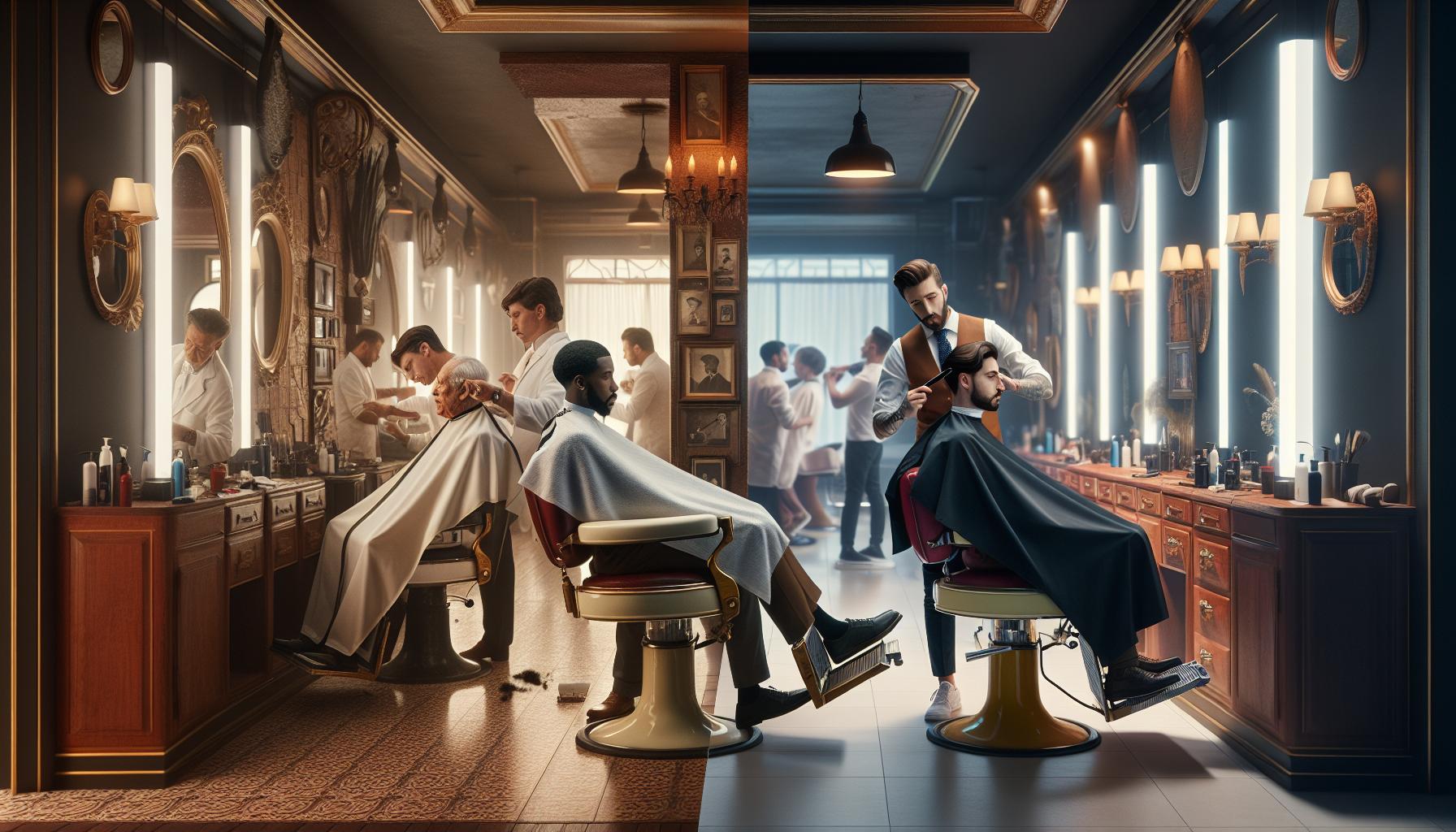
Mastering Haircuts: Styles for Every Face Shape
The right haircut can significantly enhance one’s appearance, yet choosing a style that complements your unique face shape is paramount. Understanding the nuances of different face shapes-such as oval, square, round, and heart-allows barbers to tailor hairstyles that not only flatter but also instill confidence in their clients.
Identifying Face Shapes
To master the art of haircuts for every face shape, it’s essential to recognize the distinct characteristics of each type:
- Oval: This face shape is longer than it is wide, with high cheekbones and a gently rounded jaw. Most hairstyles work well, but adding volume on top can elongate the look even more.
- Square: Square faces have a strong jawline and equal width across the forehead and jaw. Hairstyles that soften the angularity, such as layered cuts or side-swept bangs, are ideal.
- Round: A round face features full cheeks and a rounded chin. Styles that create height and length, such as pompadours or undercuts, help elongate the appearance of the face.
- Heart: Characterized by a wider forehead and a narrow chin, heart-shaped faces benefit from chin-length hairstyles or side-parted styles that create balance.
Understanding these variations not only strengthens the barber’s skill set but also enhances client satisfaction, as clients leave the shop looking and feeling their best.
Cutting Techniques for Each Face Shape
Once the face shape is determined, the next step involves implementing specific cutting techniques to achieve the desired look. For an oval face, rely on longer layers that frame the face without overwhelming it. Square faces can benefit from texturizing cuts that reduce bulk and soften features. For round faces, consider cuts that add height and draw attention upward-think styles like high fades or tapered cuts. Meanwhile, for heart-shaped faces, utilize side-swept bangs or soft layers around the chin to create a harmonious silhouette.
Practical Tips for Barbers
Here are a few actionable tips to refine your skills in creating the perfect haircut for any face shape:
- Always communicate with your client to understand their preferences and lifestyle, ensuring that the chosen style fits their daily routine.
- Keep up with current trends, but don’t shy away from traditional techniques; the best barbers can blend both to suit individual clients.
- Leverage tools such as texturizing shears, razors, and combs to achieve a precise finish that highlights the client’s features and desired style.
Emphasizing the importance of clippers in achieving clean lines and fades-especially when addressing distinct face shapes-will empower you to provide a diverse array of haircut options. By honing these skills and techniques, barbers can ensure they meet the individual needs of every client, solidifying their reputation in the grooming industry.
Grooming Products: Recommendations for Barber-Quality Results
A well-rounded grooming routine can elevate a client’s style while showcasing the expertise of the barber. When it comes to achieving barber-quality results at home, the right grooming products can make all the difference. With an overwhelming variety of options available, it’s crucial to select products formulated for specific hair types and grooming needs, ensuring that every style can be duplicated with salon-like precision.
Hair Care Products
For maintaining healthy hair and promoting styles that last, consider high-quality shampoos and conditioners tailored to your clients’ hair texture. For instance, a volumizing shampoo can work wonders for fine hair, while a moisturizing conditioner is essential for thick or curly types. Brands renowned for their performance, like American Crew and Paul Mitchell, offer excellent lines designed specifically for men’s grooming.
- Shampoos: Look for gentle formulas that cleanse without stripping natural oils.
- Conditioners: Choose deep conditioners with nourishing ingredients to support vibrancy and manageability.
Styling Products
The right styling products are vital for achieving and maintaining the perfect look. Depending on the desired finish, barbers should recommend products such as pomades, waxes, and gels. For a classic slick back, a water-based pomade provides hold without the grease, ensuring easy re-styling throughout the day. For textured styles, matte waxes can deliver a relaxed look with a natural finish.
- Pomade: Offers firm hold and high shine, ideal for polished hairstyles.
- Clay and Wax: Great for adding texture and volume, especially for shorter styles.
- Hair Gel: Suitable for creating structured styles that require maximum hold.
Beard and Shaving Essentials
For clients who maintain beards or favor shaving, recommending the right tools can enhance their grooming routine dramatically. Quality beard oils keep facial hair soft and healthy while preventing itchiness, and a good razor can elevate the shaving experience. Products such as Beardbrand and The Art of Shaving are excellent choices, offering a range of oils, balms, and premium razors.
- Beard Oil: Hydrates the beard and skin beneath, reducing irritation.
- Shaving Cream: A rich, lathering cream can provide a close shave with minimal irritation.
- Aftershave: Applying a soothing aftershave is essential for skin recovery and freshness.
Incorporating these recommendations not only empowers clients to achieve salon-worthy results at home but also showcases the barber’s role as a trusted advisor in their grooming journey. With a combination of high-quality products and professional techniques, everyone can enjoy the confidence that comes with looking their best.
Building Your Barber Brand: Marketing Strategies for Success
Creating a robust brand for your barber shop can elevate your visibility and foster customer loyalty, essential components in a competitive market. In each corner of the industry, a strong brand identity encourages customers to choose your services over many alternatives. Establishing clear messaging around your unique offerings, vision, and values is the first step in communicating your identity to potential clients.
Identifying Your Unique Selling Proposition
Begin with introspection to identify what sets your barber shop apart. This could be your outstanding service quality, a unique experience, or specialized techniques. For example, if your shop emphasizes classic barbering techniques or organic grooming products, highlight these traits in your branding efforts. Document your mission statement and incorporate it into your marketing strategies to create a cohesive message that resonates with your audience.
Utilizing Social Media Effectively
Social media serves as a powerful tool to engage with clients and showcase your skills. Platforms like Instagram and TikTok can highlight before-and-after transformations, customer testimonials, or live demonstrations of your expertise. Regularly posting engaging content relevant to your target audience not only highlights your barbering skills but also cultivates an inclusive community. Utilize hashtags effectively to expand your reach. Consider strategic collaborations with local influencers or ran giveaways to increase your visibility further.
- Visual Content: Share high-quality images and video tutorials that capture your techniques and atmosphere.
- Client Interaction: Engage with comments and direct messages to foster a sense of personal connection.
- Event Promotion: Advertise special promotional days or community events to attract new clients.
Building a Strong In-Shop Experience
Your barber shop’s environment should reinforce your brand. An inviting, clean, and well-decorated space speaks volumes about your professionalism and attention to detail. Consider your layout, décor, and even the music played in the shop; these factors contribute to the overall customer experience. Training your team to maintain a consistent level of service can also enhance the perceived value of your brand. When a customer feels valued and sees effort put into their experience, they’re more likely to return and recommend your shop to others.
Leveraging Customer Feedback and Reviews
Customer feedback is invaluable in shaping your brand perception. Encourage satisfied clients to leave reviews on platforms like Google and Yelp and take time to respond to both positive and negative feedback professionally. Highlighting testimonials on your website and social media channels showcases your commitment to customer satisfaction while building credibility. Moreover, consider implementing a loyalty program that rewards repeat customers, as it reinforces customer relations and encourages ongoing patronage.
By defining a strong brand identity and integrating these key marketing strategies, your barber shop will not only attract new clients but also foster lasting relationships within your community. As a result, you’ll not only grow your business but contribute to the rich tradition of barbering that thrives through personalized service and community engagement.
Customer Experience: Creating a Welcoming Barber Shop Atmosphere
Creating a welcoming atmosphere in a barber shop is essential for cultivating customer loyalty and enhancing the overall grooming experience. A warm, inviting environment not only makes clients feel comfortable but also communicates professionalism and care. When clients step through the door, they should be greeted by more than just a haircut; they should feel a sense of belonging that transforms a simple grooming appointment into a relaxing ritual.
One of the key elements of a great customer experience is the ambiance of your space. Consider the importance of lighting; soft, warm lighting can create a soothing atmosphere while flickering candles or subtle decorative elements can evoke a sense of nostalgia, harkening back to the traditional barbering roots. Additionally, the décor-a mix of vintage barber memorabilia or modern touches-can narrate the story of your shop and engage customers visually. Incorporating comfortable seating arrangements encourages clients to feel at ease while they wait, perhaps even inviting them to engage with fellow patrons or browse through grooming magazines.
Importantly, the staff plays a vital role in enhancing the ambiance. Each team member should embody the values of your shop, greeting clients with genuine warmth and enthusiasm. Training them to offer personalized consultations not only makes clients feel valued but also conveys a deep understanding of diverse hair types and grooming needs. Whether it’s discussing trendy styles or traditional looks, having knowledgeable barbers who can provide expert advice and comfort will leave a lasting impression.
Creating Engagement through Experience
Consider offering elements that further enhance the experience. For instance, extending the service to include a complimentary beverage-be it coffee, tea, or water-can elevate customer satisfaction. Also, providing features like a gaming area with classic arcade games or comfortable lounges for waiting clients can make the appointment feel like an event rather than just a basic grooming session. Engaging clients digitally through booking systems that allow for easy rescheduling or appointment reminders can also reflect professionalism and consideration for their time.
Listening to Your Clients
Encouraging open communication not only builds trust but also allows you to gather invaluable feedback on the shop experience. Regularly check in with clients about their comfort level and overall satisfaction with the services provided. This can be as simple as asking for feedback after each service or implementing formal surveys. The goal is to foster an inclusive environment where clients feel comfortable expressing their preferences and suggestions.
By harmonizing the physical space with genuine customer care, your barber shop can transform the routine act of grooming into a cherished experience. When clients leave feeling rejuvenated and appreciated, they are more likely to return and to share their positive experiences within their networks, thereby perpetuating your brand’s growth and sustainability.
The Future of Barbering: Innovations and Industry Changes
The landscape of barbering is rapidly evolving, shaped by technological innovations, shifting consumer preferences, and a renewed focus on inclusivity and personalization. As the industry adapts, it remains rooted in traditional techniques while embracing modern advancements that enhance both the client experience and operational efficiency.
One of the most significant changes is the integration of technology in the barbering process. Digital booking platforms allow clients to schedule appointments with ease, view barbers’ portfolios, and even read reviews before choosing a stylist. Virtual consultations have also gained traction, giving barbers the opportunity to discuss their clients’ needs ahead of time, thereby ensuring tailored results that reflect personal style. Moreover, advanced barbering software helps salon managers streamline operations, manage appointments, and keep client records, fostering a better understanding of customer preferences and increasing retention rates.
The Role of Sustainability
As awareness of environmental issues grows, many shops are pivoting towards sustainable practices. This includes sourcing eco-friendly grooming products, utilizing energy-efficient tools, and minimizing waste through recycling programs. Offering organic shampoos and conditioners, along with biodegradable or refillable grooming supplies, not only attracts environmentally conscious clientele but also positions barber shops as forward-thinking establishments. Clients feel empowered supporting businesses that prioritize sustainability, creating a shared value that strengthens loyalty.
Inclusivity in Grooming
Another transformative shift is the movement towards inclusivity within the barbering space. Modern barber shops are increasingly recognizing and celebrating diverse hair types and styles, allowing for specialized services that cater to specific cultural grooming practices. This encompasses everything from enabling barbers to develop expertise in cutting curly or textured hair to offering services that address the unique grooming needs of different demographics. By creating a welcoming space for all clients, barbers can showcase their adaptability and commitment to personalizing the grooming experience.
Ultimately, the future of barbering lies in a harmonious blend of tradition and innovation. As barbers hone their skills and embrace new tools and techniques, they will not only elevate their craft but also provide an unparalleled grooming experience for their clients. By focusing on technology, sustainability, and inclusivity, barber shops can position themselves as relevant and essential destinations for modern grooming, ensuring continued growth and success in the industry.
Education and Training: Becoming a Professional Barber
To embark on a fulfilling career in barbering, aspiring barbers must cultivate a rich blend of technical skills, artistry, and knowledge of grooming products and trends. The journey typically begins with formal education, often through barber schools, community colleges, or vocational training programs. These institutions offer comprehensive curriculums that cover everything from haircutting techniques to skin care and hygiene. It’s essential for students to engage with practical hands-on training, which lays the foundation for mastering the craft.
Immersing oneself in various styling techniques is crucial. Barbering is an artistic endeavor where creativity flourishes. Students learn traditional skills such as scissor cuts, fades, and shaves, alongside modern techniques tailored to diverse hair types and styles. An important aspect to consider is the growing demand for specialists who understand textured hair and cultural grooming practices, making continued education through workshops and advanced courses increasingly beneficial. The ability to adapt to client needs not only ensures satisfaction but establishes barbers as experts in the field.
Essential Skills and Techniques
The core competencies a barber should develop include:
- Clippers and Scissors Mastery: Knowing the various clippers and guards available, as well as how to combine scissor and clipper techniques for a polished finish.
- Shaving Expertise: Understanding the nuances of straight razor shaves, along with the importance of skin prep and post-care.
- Color and Texture Knowledge: Ability to work with hair color and chemical treatments, enabling a comprehensive service offer.
- Client Consultation Skills: Cultivating communication skills to gauge client desires accurately and provide personalized grooming advice.
- Sanitation Practices: Adhering to hygiene standards to ensure a safe, clean environment, vital for customer trust and safety.
Finding the Right Education Pathway
Choosing the right educational path can be pivotal. When looking for a barber school, consider factors such as accreditation, curriculum quality, and the experience of instructors. Programs vary, but a typical course may include:
| Program Component | Average Duration |
|---|---|
| Fundamentals of Barbering | 300-600 hours |
| Advanced Cutting Techniques | 150-300 hours |
| Skin Care and Shaving | 75-150 hours |
| Business Management | 50-100 hours |
Beyond formal education, aspiring barbers should seek internships or apprenticeships in established barber shops. These experiences provide invaluable exposure to real-world scenarios, allowing new professionals to refine their techniques, build client rapport, and start establishing their personal brand in the barbering community.
With a commitment to learning and a passion for the art of grooming, anyone can achieve success in barbering. The industry not only allows for skills development but also fosters a sense of community among barbers and clients alike, making it a rewarding career path grounded in both tradition and innovation.
Men’s Grooming Trends: Staying Ahead in the Industry
In today’s fast-paced world, men’s grooming has transformed from a simple routine into a powerful tool for self-expression and personal brand building. As societal norms evolve, so too do the trends and expectations surrounding men’s grooming. One of the most significant shifts is the rise of conscious grooming, where men are increasingly aware of the products they use, seeking quality ingredients that support skin health and hair vitality. This trend emphasizes the importance of natural and sustainable grooming products, reflecting a broader movement towards eco-conscious living.
Innovations in Grooming Products and Techniques
Modern technology has also paved the way for innovative grooming solutions that cater to diverse hair types and styles. Electric clippers, for instance, now come equipped with advanced features like precision trimming capabilities, adjustable guards, and ergonomic designs that enhance user experience. Moreover, the introduction of customizable hair care products allows men to tailor their grooming routine according to their specific needs-whether it’s managing curly hair or maintaining a close shave. For example, brands like Beardbrand and Harry’s offer specialized products for beards and facial hair care that cater to the contemporary man.
Signature Styles and Personal Branding
The trend of personal branding has led men to embrace grooming as a means of expression, paralleling the rise of unique haircut styles and facial hair configurations. Today, barbers are not just hair cutters; they are stylists and image consultants. Services such as custom haircuts, bespoke beard shaping, and stylistic consultations are becoming standard in barbershops, allowing clients to develop their distinctive looks. This shift underlines the need for barbers to remain skilled in the latest trends, ensuring that they can meet and exceed their clients’ expectations.
The Role of Social Media in Grooming Trends
Social media platforms play a crucial role in defining and disseminating grooming trends. Influencers and grooming brands alike leverage platforms like Instagram and TikTok to showcase styles, tutorials, and tips. This digital visibility helps men discover new styles, techniques, and products that resonate with their personal aesthetics. Barbershops can benefit significantly from this trend; by maintaining an active online presence, they not only attract new clients but also provide a platform for showcasing their work and expertise.
As men continue to embrace grooming as a vital aspect of their identity, barbers must stay informed about these trends and be prepared to offer customized solutions that reflect their clients’ individual styles. Adapting to these changes not only fosters client loyalty but also positions barbershops as the go-to destination for modern men’s grooming.
Frequently Asked Questions
Q: Why is visiting a barber shop important for men’s grooming?
A: Visiting a barber shop is essential for men’s grooming as it provides specialized services tailored to individual styles and needs. Barbers offer expert advice on haircuts, beard maintenance, and skin care, ensuring clients achieve a polished look while enjoying a social atmosphere. Explore popular services in our article.
Q: How often should men visit the barber shop for haircuts?
A: Men should typically visit the barber shop every 4 to 6 weeks for haircuts, depending on hair growth and personal style. Regular visits maintain the shape of haircuts and overall grooming standards, allowing for optimal maintenance of styles like fades or crew cuts. Check our section on mastering haircuts for tips.
Q: What should I expect during my first visit to a barber shop?
A: During your first visit to a barber shop, expect a consultation where the barber discusses your desired style. You’ll get insights on suitable haircuts and grooming practices. The experience also includes a personalized service tailored to your needs, ensuring you leave satisfied and informed.
Q: What are the benefits of traditional barbering techniques?
A: Traditional barbering techniques, such as straight razor shaves and scissor-over-comb methods, provide precise results and enhance the overall grooming experience. These methods often lead to better hair health and can be more comfortable than modern shaving techniques. Learn more in our section on traditional barbering.
Q: How can I choose the right barber shop for my grooming needs?
A: Choosing the right barber shop involves researching stylists’ expertise and shop ambiance. Look for online reviews, ask for recommendations, and visit the shop to gauge its environment and services. An ideal barber shop reflects your grooming style preferences, ensuring a comfortable experience.
Q: What grooming products do barbers recommend for daily use?
A: Barbers typically recommend using quality shampoos, conditioners, and styling products tailored to your hair type. Products like pomades, waxes, or oils can enhance hairstyles while nourish the hair. For specific product recommendations, refer to our grooming product section in the article.
Q: How can I communicate my desired haircut effectively to my barber?
A: To communicate your desired haircut effectively, bring reference photos and explain your preferences in terms of length and style. Using clear terms, like “fade” or “taper,” helps ensure the barber understands your vision. Don’t hesitate to ask questions during your consultation for clarity.
Q: What are some emerging trends in men’s grooming?
A: Emerging trends in men’s grooming include the rise of natural and organic grooming products, innovative hair styling techniques, and personalized barber experiences focusing on skin care. Staying informed about these trends can help you maintain a fresh and trendy appearance in today’s evolving grooming landscape.
Concluding Remarks
Now that you’ve explored the essential elements of traditional grooming in our ultimate guide to barber shops, you’re well-equipped to elevate your grooming experience or embark on a rewarding career in the world of barbering. Remember, discovering your unique style is an ongoing journey, and the right barber can make all the difference in enhancing your personal confidence. Don’t wait-visit our detailed tool recommendations for top-notch products like Seint and Thrive to give your grooming routine the upgrade it deserves.
If you’re looking to deepen your knowledge, check out our articles on modern styling techniques and effective business operations in the barbering industry. Have questions or thoughts? We invite you to leave a comment below, share your experiences, or connect with us on social media. Your insights can help build a community of grooming enthusiasts eager to learn and grow together. Embrace the art of grooming today, and let’s continue this journey together-because every great style begins with a step forward!