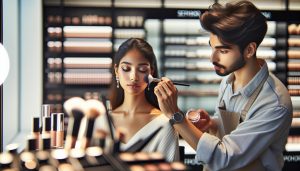
Did you know that using a makeup primer can significantly enhance the longevity and appearance of your makeup? This essential step in your beauty routine creates a smooth canvas, helping your foundation adhere better while minimizing the look of imperfections. Whether you’re a makeup novice looking to improve your skills or a seasoned pro aiming for that flawless finish, mastering the art of primer application can transform your beauty regimen. In this article, we will delve into the different types of primers available, how they work, and practical tips for incorporating them into your routine. Say goodbye to midday touch-ups, and hello to a radiant, long-lasting look that leaves you feeling confident and beautiful all day long!
Choosing the Right Primer for Your Skin Type
Understanding your skin type is crucial when it comes to selecting the right makeup primer. An appropriate primer can enhance the appearance of your foundation and ensure it lasts throughout the day. With a variety of formulas available, knowing whether your skin is oily, dry, combination, or sensitive will guide you towards making the best choice.
For those with oily skin, look for primers that are mattifying and have a lightweight texture. Products containing ingredients like silica can absorb excess oil and reduce shine. Consider options like gel-based primers which provide a smooth canvas without adding extra moisture. On the other hand, dry skin types benefit from primers infused with hydrating ingredients such as hyaluronic acid and glycerin. These will provide moisture and create a dewy finish, while creamy or liquid formulas can help to combat dryness.
Combination skin may require a more tailored approach. A balance of mattifying and moisturizing properties is key here. A silicone-based primer can work well as it provides a matte effect for the oily parts while still offering some hydration to the drier areas. Lastly, for sensitive skin, opt for primers that are fragrance-free and formulated with soothing ingredients like aloe vera or chamomile to prevent irritation.
As you explore options, make sure to test primers on your skin type to see how they react with your unique chemistry. Swatching on your jawline and observing how it sits both immediately and after a few hours can help you finalize your decision on which primer truly works best for you.
The Essential Steps to Apply Primer Effectively
Applying primer is a crucial step in your makeup routine that can significantly enhance the overall appearance and longevity of your makeup. Understanding how to apply it effectively can transform the way your foundation and other products perform, giving you a flawless finish that withstands the test of time. Here are essential steps to get the most out of your primer, ensuring you create a perfect canvas for your makeup.
Start by preparing your skin. This begins with a clean, moisturized face. Wait a few moments after applying moisturizer to allow it to absorb fully. This step ensures your skin is hydrated without creating excess oil that can lead to a slippery surface. Once your moisturizer has settled, use a pea-sized amount of primer, squeezing it onto the back of your hand. This method allows for better control and prevents you from using too much product.
Next, apply the primer with your fingers, a brush, or a sponge, depending on your preference. Use your fingertips for a more natural finish, gently tapping the primer into your skin, focusing on areas that need more attention, such as the T-zone for oily skin or dry spots for dry skin types. If using a brush or sponge, ensure they are clean to avoid transferring any impurities onto your skin. Employ light, feathery strokes or stippling motions to blend the primer seamlessly into your skin. Allow it to sit for a minute before moving on to your base products, as this will help it adhere better, smoothing out pores and fine lines.
Lastly, consider layering your primer. Once the initial layer has dried, you can apply a secondary layer in specific areas that need extra smoothing or longevity, particularly before applying high-performance products. For best results, combine your primer with a setting spray once your makeup is complete to further enhance its staying power. Following these steps can help you achieve a radiant and professional-looking finish, setting the stage for a day full of confidence and style.
How to Layer Primer with Other Makeup Products
To maximize the effectiveness of your makeup primer, understanding how to layer it with other products is key. A thoughtfully applied primer not only preps your skin but also creates a seamless base for foundation, concealers, and other cosmetics. Whether you’re dealing with oiliness, dryness, or uneven texture, the right layering technique can transform your makeup routine into a flawless canvas.
Start by applying your primer generously but thoughtfully. After your skin is prepped and primed, let it set for a minute. This waiting period allows the primer to adhere properly to your skin, creating a smooth, even surface. Next, if you’re combining products like tinted moisturizers or BB creams with your primer, use a damp makeup sponge or brush to blend them in. Dampen your sponge with a setting spray for added longevity- a great tip that bridges the gap between primer and foundation. When choosing to layer foundation, opt for light, buildable formulas that can work well with the primer, reducing the risk of a cakey look.
To dive deeper, consider adding specific products for targeted areas:
- For Dry Skin: Use a hydrating primer followed by a cream or liquid foundation to maintain moisture.
- For Oily Skin: Utilize a mattifying primer and pair it with a matte foundation for a long-lasting finish.
- For Large Pores: Apply a pore-filling primer, focusing primarily on problem areas before layering a smoothing foundation.
Finally, setting your makeup is crucial after you’ve layered your products. A light dusting of translucent powder or a spritz of setting spray not only locks in the foundation but also works in harmony with the primer used. Each layer should enhance the last, crafting an enviable finish that lasts all day. By mastering the art of layering primers with your makeup, you’re not just applying products- you’re revolutionizing your beauty routine into one that radiates confidence and expertise.
The Best Primers for Different Skin Concerns
When it comes to primers, selecting the right formula tailored to your specific skin concerns can be a game-changer in makeup application and longevity. Each skin type has unique needs, and understanding how to address these can lead to a flawless makeup finish that lasts throughout the day.
For those with dry skin, a hydrating primer infused with ingredients like hyaluronic acid or glycerin can work wonders. These elements attract moisture, providing a dewy base that keeps the skin supple. Look for options that emphasize hydration, which will not only smooth the skin but also enhance the wear of your foundation. Consider products like the Too Faced Hangover Primer, known for its coconut water and probiotics, which deeply nourish dry skin types.
If you struggle with oily or combination skin, opting for a mattifying primer is essential. These primers are designed to absorb excess oil, providing a smooth canvas that helps prevent makeup from melting or sliding off. A popular choice is the Smashbox Photo Finish Oil & Shine Control Primer, which minimizes shine and keeps makeup in place. Pairing a mattifying primer with a lightweight, matte foundation can yield exceptional results, keeping your look polished throughout the day.
For those concerned about large pores or uneven texture, a pore-filling primer is your best bet. Formulas that contain silicone can provide a blurred effect, filling in imperfections and creating a smoother surface for foundation application. The Benefit POREfessional Primer is a well-regarded option, easily accessible and effective at minimizing the appearance of pores. Concentrating these primers on problem areas allows for better coverage and a more refined finish.
Lastly, for those dealing with sensitive or redness-prone skin, look for primers specifically formulated to calm and soothe irritation. Primers containing green tint can neutralize redness, creating an even base for foundation. Products like the e.l.f. Hydrating Face Primer provide not only a smooth application but also hydration and calming properties advantageous for sensitive skin.
Ultimately, the key to a perfect primer is choosing a formula that not only addresses your skin’s specific concerns but also aligns with your overall makeup routine. By doing so, you set the stage for a beautiful, long-lasting look that enhances your natural beauty, reflecting your unique style and personality.
Mistakes to Avoid When Using a Makeup Primer
Using a makeup primer can transform your beauty routine, but missteps in its application can undermine its benefits. One common mistake is applying too much product. While it may seem logical that more primer equals better results, a thick layer can lead to a heavy, cakey finish instead of a smooth base. Instead, aim for a thin, even layer, focusing on areas that need extra attention, such as the T-zone for oily skin or the cheeks for dry skin. Always start with a small amount and build up gradually if needed.
Another frequent error is neglecting to let your skincare products fully absorb before applying primer. Busy mornings might encourage a hurried approach, but ensuring that your moisturizer or serum is completely dry allows the primer to adhere better and perform its magic effectively. This prevents your makeup from sliding off or breaking down throughout the day. It’s advisable to wait a few minutes after applying your skincare before moving on to your primer.
Using the wrong type of primer is also a significant pitfall. Each primer serves a specific purpose-whether it’s mattifying, hydrating, or pore-filling-and choosing one that doesn’t match your skin type or concerns can hinder the desired effect. For example, a mattifying primer on dry skin may exacerbate flakiness, while a hydrating primer on oily skin can lead to excess shine. Always consider your unique skin needs and select accordingly to enhance the performance of your makeup.
Lastly, many neglect to apply primer with the proper technique. Whether using fingers, a sponge, or a brush, your application plays a crucial role. For instance, applying with your fingers helps to warm the product, ensuring it melds seamlessly into your skin. Conversely, using a sponge should be done with a light stippling motion rather than a dragging motion, which can disturb layers beneath. Incorporating these small but vital adjustments can significantly elevate the effectiveness of your primer, leading to a radiant and long-lasting makeup look.
Incorporating Primer into Your Daily Beauty Routine
Including a primer in your daily beauty routine is akin to laying a strong foundation before constructing a beautiful building. Making the transition from bare skin to a full makeup look can be seamless with a few strategic steps that optimize both application and longevity. By integrating primer into your regimen, you not only enhance the appearance of your makeup but also ensure that it stands the test of time throughout your busy day.
To effectively incorporate primer, start with a well-defined skincare routine. This means cleansing your face thoroughly and applying a moisturizer that suits your skin type. Allow ample time for your skincare products to settle and absorb fully into your skin-this sets the stage for primer to adhere properly. Once your skincare is ready, apply a pea-sized amount of primer using your fingertips, a makeup sponge, or a brush, focusing on areas that need special attention, such as the T-zone or around the nose. The application technique is crucial; gentle pressing or stippling helps the primer meld into your skin, creating a smooth canvas for foundation.
Consider the unique characteristics of your skin when selecting a primer. For instance, if you have oily skin, a mattifying primer can help control shine and reduce the appearance of pores, while a hydrating primer is ideal for dry skin types to impart a dewy finish. If you experience redness or uneven skin tone, color-correcting primers can provide an extra layer of coverage before foundation is applied. Tailoring your choice to your specific needs not only maximizes the benefits of the primer but also enhances the overall effectiveness of your makeup routine.
Moreover, think of primer as a versatile tool in your makeup repertoire. Some individuals prefer to use primer exclusively for special occasions or longer wear, while others may find that daily use helps maintain a polished look. Always reassess your skin’s response to different primers, as environmental factors and seasonal changes can influence your skin needs. By making these thoughtful adjustments, you’ll position yourself for success in both your everyday makeup look and any special events that call for a little extra glam.
Understanding the Ingredients in Makeup Primers
is essential for individuals looking to enhance their overall makeup experience. Primers are formulated with a variety of components designed to address different skin needs, providing not just a smooth canvas but also additional skincare benefits. By familiarizing yourself with these ingredients, you can make more informed decisions that align with your unique skin type and makeup goals.
One key category of ingredients found in primers is hydrators. Ingredients like hyaluronic acid, glycerin, and aloe vera help to attract moisture to the skin, making them ideal for those with dry or dehydrated skin. For example, a primer containing hyaluronic acid not only smooths the skin’s surface but also deeply hydrates, giving a plump appearance that can significantly enhance the look of foundation. This is particularly effective in preventing the makeup from settling into fine lines.
On the other hand, mattifying agents are crucial for individuals with oily or combination skin. Ingredients such as silica and kaolin clay absorb excess oil, controlling shine and minimizing the appearance of pores. A mattifying primer can create a balanced environment that helps foundation last longer under challenging conditions, such as in humid weather or long workdays.
Additionally, many modern primers include skin-beneficial additives. Look for primers with antioxidants like vitamin C and E, which protect the skin from environmental stressors while promoting a brighter complexion. Color-correcting pigments in some primers can neutralize redness or dullness before applying foundation, enhancing the overall color payoff of your makeup.
Here are some common ingredients to consider when choosing a primer:
- Hyaluronic Acid: Hydrates and plumps the skin.
- Silica: Controls shine and blurs the appearance of pores.
- Glycerin: Moisturizes skin by attracting water.
- Kaolin Clay: Absorbs excess oil, ideal for oily skin.
- Vitamin C & E: Antioxidants that protect and brighten skin.
By understanding these ingredients and how they work together, you can tailor your primer selection to suit your skin type and specific concerns, ensuring a flawless and long-lasting makeup application. Whether you’re aiming for a smooth, matte finish or a radiant glow, the right primer can dramatically transform your beauty routine.
Boosting Longevity: How Primer Can Enhance Your Look
Using a primer can significantly elevate your makeup game, extending the wear of your foundation and enhancing its finish. The secret lies in the formulation of these versatile products, which are designed to create a barrier between your skin and makeup. This barrier not only smooths the surface but also helps foundation adhere better, resulting in a polished and enduring look. When you choose the right primer and apply it correctly, you’re setting the stage for makeup that stays flawless from morning to night, even in challenging conditions.
To maximize longevity, it’s crucial to consider your skin type and the specific makeup look you’re aiming for. For instance, individuals with oily skin may benefit from a mattifying primer enriched with ingredients like silica and kaolin clay. These components absorb excess oil, helping to control shine throughout the day while ensuring that your foundation remains fresh. Conversely, those with dry skin should opt for hydrating primers containing hyaluronic acid or glycerin, which not only lock in moisture but also prevent makeup from settling into fine lines and wrinkles.
An important aspect to remember is the application technique. Applying the primer correctly can significantly influence its effectiveness. Start with a clean, moisturized face and use a pea-sized amount of primer, warming it between your fingers before pressing it onto your skin. This technique not only allows for a more even application but also helps the primer to adhere better, creating a smoother canvas for your foundation. Allow the primer to set for a minute before continuing with your makeup routine. This brief pause maximizes the primer’s formulation and ensures your makeup has the best foundation to cling to.
In addition to traditional primers, many brands now offer specialized options like color-correcting primers and those with additional skincare benefits, such as SPF. These innovative products serve dual purposes, offering both makeup longevity and skincare protection. For instance, a color-correcting primer can neutralize redness or dullness, improving overall complexion before foundation application. By integrating these advanced primers into your beauty routine, you can further enhance the overall finish and longevity of your makeup, ensuring you look vibrant and fresh no matter the occasion.
DIY Primers: Creating Your Own at Home
Creating your own makeup primer at home can be an empowering way to customize your beauty routine while also saving money. DIY primers not only offer a unique chance to tailor formulations to your skin’s specific needs but also allow you to have complete control over the ingredients used on your skin. Whether you have oily, dry, or sensitive skin, there’s a simple formula that can cater to your requirements.
One effective method for making a basic primer involves combining two simple ingredients: aloe vera gel and your favorite moisturizer. Start by mixing equal parts of aloe vera gel and moisturizer in a small bowl. The aloe vera works as a hydrating agent, providing a smooth canvas, while the moisturizer ensures your skin stays hydrated throughout the day. For those looking to soothe skin or enhance luminance, consider adding a drop of hyaluronic acid or a few drops of face oil (like jojoba or argan oil) for an extra boost of hydration and glow.
- For Oily Skin: Mix 2 tablespoons of mattifying ingredients like cornstarch or kaolin clay with 2 tablespoons of your favorite oil-free moisturizer. This combination will help absorb excess oil and keep your makeup in place.
- For Dry Skin: Combine 1 tablespoon of coconut oil or shea butter with 2 tablespoons of your moisturizer. This rich mixture will create a barrier that locks in moisture and makes your skin feel supple.
- For Sensitive Skin: Blend 3 tablespoons of your favorite hydrating lotion with 1 teaspoon of chamomile or calendula oil to soothe and calm any irritation.
Once you have your mixture ready, make sure to store it in a clean, airtight container to maintain its freshness. Apply a small amount to your face with your fingertips, warming it up between your fingers before application. This not only aids in absorption but also enhances the effectiveness of the primer. Allow your DIY primer to sit for about a minute before adding your foundation to ensure it grips well and boosts the longevity of your makeup.
Using these homemade primers can be a game-changer, offering an eco-friendly, personalized alternative to commercial products while ensuring your skin receives the care it needs. Embrace the creativity that comes with DIY beauty, and enjoy experimenting with your own unique blends!
Professional Techniques for Maximum Primer Effectiveness
To achieve the ultimate makeup look, leveraging the power of primer is key. Professionals understand that the application technique can significantly enhance primer effectiveness, transforming the foundation into a long-lasting, flawless finish. Start by preparing the skin correctly; a gentle cleanse followed by a suitable moisturizer allows the primer to glide on smoothly without any barrier. For an added boost, employing a face mist can provide hydration, ensuring that the skin is not only clean but primed for product absorption.
When applying primer, use your fingertips or a designated primer brush to ensure even distribution. This method allows for better blending and ensures that every part of the face receives the same amount of product. A gentle patting motion can help the primer sink into the skin, creating a textured canvas that other products can adhere to more effectively. For those working with specific skin concerns, consider using different primers for different areas. For instance, a mattifying primer on the T-zone and a hydrating primer on the dry areas can optimize results.
Always allow the primer to set for about a minute before applying foundation. This resting period not only enhances the bonding between the primer and foundation but also prepares the skin for a seamless application. For professionals, investing in tools like a beauty sponge can add versatility; it can be used to apply foundation over the primer, providing coverage while keeping the finish natural and airbrushed.
Incorporating layering techniques can also contribute to the primer’s efficacy. Using a lightweight setting spray after the primer and before the foundation can enhance hydration and longevity. Furthermore, understanding the right amount of primer is crucial-a pea-sized quantity generally suffices for flawless coverage without feeling heavy. By mastering these techniques, anyone can elevate their makeup routine, resulting in a polished look that lasts all day.
The Impact of Primer on Your Makeup’s Overall Finish
The right primer can transform not just the longevity of your makeup but the finish and overall aesthetic you achieve. Primers act as a bridge between your skin and foundation, creating a flawless canvas that enhances the way your makeup adheres and appears. is multifaceted; it influences everything from texture to translucency, allowing for a smoother application and a more refined look.
A quality primer can blur imperfections, minimize the appearance of pores, and create an even skin tone, resulting in a soft-focus effect. For example, a silicone-based primer provides a velvety texture that fills in fine lines, ensuring that the foundation glides on effortlessly. This not only affects the visual appeal but also boosts the comfort, as a well-primed face feels lighter and more breathable. Additionally, primers infused with hydrating ingredients keep your skin plump and dewy, ensuring that your makeup holds up over time without looking cakey or dry.
Different primers serve specific purposes, which can deeply influence the final outcome of your makeup. Mattifying primers work wonders for oily skin types, absorbing excess oil and maintaining a shine-free complexion throughout the day. On the other hand, illuminating primers are perfect for those seeking a radiant glow, offering a luminous base that reflects light beautifully. By selecting the right product based on your desired finish and skin type, you can significantly enhance your look.
Ultimately, incorporating a primer into your routine does more than improve the initial application of makeup; it facilitates a polished, professional appearance that lasts. Understanding the transformative power of primers ensures every makeup enthusiast, from beginner to pro, can achieve a high-impact finish with confidence.
Exploring Primer Options: Drugstore vs. High-End
When it comes to choosing the perfect primer, the debate often centers around drugstore versus high-end options. The reality is that both categories can offer effective formulas tailored to your makeup needs, but understanding their distinct advantages can help elevate your beauty routine. Drugstore primers are typically more accessible, budget-friendly, and increasingly sophisticated in their formulations. For instance, brands like Maybelline and e.l.f. have garnered praise for delivering impressive results that rival more expensive counterparts. Many makeup enthusiasts tout drugstore primers for their ability to create a smooth base without breaking the bank, making them ideal for those experimenting with different looks or just starting their makeup journey.
On the other hand, high-end primers often provide advanced technology and unique ingredients that may enhance performance and skin benefits. Brands such as Smashbox and NARS are known for their extensive research and development, creating primers that not only improve makeup longevity but also contain skin-nurturing components like vitamins and antioxidants. These premium products tend to offer a luxurious feel and can often include specialized effects, such as luminosity or hydration, which might be worth the investment for dedicated makeup users seeking to enhance their repertoire.
When exploring your options, consider factors such as your skin type and the specific finish you desire. For a matte, shine-free look, a drugstore mattifying primer can offer impressive oil control, while a high-end illuminating primer may be the key to achieving that coveted glow. Ultimately, the best choice may come down to personal preference and the specific needs of your skin. Embracing both drugstore and high-end products allows you to curate a versatile makeup kit that can adapt to various occasions and desired effects, empowering you to express your unique style with confidence.
FAQ
Q: What are the different types of makeup primers and how do I choose?
A: Makeup primers can be silicone-based, water-based, or cream-based, each catering to different skin types and concerns. Choosing the right primer involves understanding your skin type-dry, oily, or combination-and selecting a formula that addresses your specific needs, such as hydration or oil control. For detailed options, refer to our section on “Choosing the Right Primer for Your Skin Type.”
Q: How long should I wait after applying primer before applying foundation?
A: It’s best to wait 1-2 minutes after applying primer before applying foundation. This allows the primer to settle into the skin, creating a smooth canvas for foundation application, which enhances the overall finish of your makeup.
Q: Can I use primer as a standalone product without foundation?
A: Yes, some primers are designed to enhance your skin’s appearance on their own. For a natural look, you can apply primer and then add a bit of concealer where needed, creating a fresh, minimal makeup look.
Q: How does primer reduce the appearance of pores?
A: Makeup primers often contain smoothing agents that fill in and blur the appearance of pores, creating a clean and even surface for foundation. Look for primers with silicone-based formulations for the best pore-blurring effects.
Q: Can I apply primer over moisturizer?
A: Yes, you should apply primer over moisturizer. Allow your moisturizer to fully absorb into your skin first, and then apply primer to create a smooth base for your makeup. This can help your makeup last longer and prevents it from feeling cakey.
Q: Should I use a different primer for my eyelids?
A: Yes, using an eye primer specifically formulated for eyelids is advisable. Eye primers help to prevent creasing, enhance pigment payoff from eyeshadows, and prolong wear, differing from facial primers tailored for skin concerns.
Q: What should I do if my primer is making my makeup look cakey?
A: If your primer causes cakiness, try using less product, ensuring it’s evenly distributed. Opt for lightweight, hydrating primers that smooth the skin’s texture without overwhelming it. Also, consider the compatibility of your foundation with the primer used.
Q: Is it necessary to use primer for a casual look?
A: While not necessary, using a primer can still enhance your casual look by smoothing your skin’s texture and increasing makeup longevity. If you desire a fresh appearance with minimal effort, a lightweight primer can be beneficial.
In Retrospect
Using a primer makeup can revolutionize your beauty routine by ensuring a smooth base for your foundation and enhancing your overall look. Remember, selecting the right primer tailored to your skin type is key to achieving that flawless finish. As you embark on this journey, don’t hesitate to explore our detailed guides on the best makeup tools, including product reviews of popular brands like Seint, Thrive, and Ilia that will complement your new routine.
Join our community by signing up for our newsletter, where you’ll receive exclusive tips and tricks to elevate your makeup skills. If you have any questions or experiences to share, drop a comment below – we love hearing from you! Keep experimenting and don’t forget to check out our tutorials on advanced application techniques to continue perfecting your craft. Your beauty transformation starts now, so take action today and embrace the artistry of makeup!