When the sun is calling, you might wonder: can you enjoy those rays while wearing makeup? The answer is more nuanced than a simple yes or no. Many beauty enthusiasts like to enhance their glow with a touch of foundation or bronzer, but it’s crucial to understand the implications. Not all makeup products are created equal when it comes to sun exposure; some can block harmful UV rays while others may not be suitable for tanning at all. Whether you’re looking to maintain a flawless face while soaking up the sun or simply want to avoid makeup mishaps during summer activities, knowing the safety tips and best practices is paramount. By diving into this topic, you’ll gain valuable insights on how to protect your skin and ensure your beauty routine aligns seamlessly with your sun-kissed goals. Ready to learn how to safely navigate tanning with makeup? Let’s explore!
Understanding the Basics of Tanning with Makeup

Understanding the interplay of tanning and makeup can enhance your beauty routine while ensuring your skin remains healthy. Many individuals seek a sun-kissed glow without sacrificing their makeup, but it’s essential to grasp how products can react under sunlight and with tanning solutions. Makeup can act as a barrier, offering some protection against sun exposure, but it is not a substitute for sunscreen. The key is to select products that complement your tanning goals while maintaining a flawless finish.
For optimal results, you’ll want to embrace formulations that blend well with tanning products. This includes foundations and bronzers designed to work with or enhance a tan. Look for lightweight, non-comedogenic options that allow your skin to breathe, especially if you’re using sunless tanners that can build up on the skin. A good approach is to start with a tinted moisturizer or a setting spray with added sun protection. This dual-purpose application not only helps maintain hydration but also sets the stage for your other makeup products.
In addition to product selection, timing is crucial. Applying makeup before a tanning session requires a well-thought-out strategy. If you plan on tanning outdoors, consider incorporating a mineral sunscreen into your routine as a base. This step will help shield your skin while also providing a hydrated canvas for makeup. If using a self-tanner, apply your makeup after it has fully developed to avoid interference with the tanning product’s application. This layering technique allows the tanning agents to absorb properly, resulting in an even and radiant look.
Utilizing these principles, you can confidently experiment with your beauty routine. Always test products prior to application to ensure compatibility with tanning products, and remember to cleanse thoroughly after each use to maintain skin health.
Safety Concerns: Is Tanning with Makeup Safe?
Many individuals are enthusiastic about achieving a sun-kissed glow while using makeup, but safety considerations must be at the forefront of this beauty endeavor. The interplay between tanning products and makeup can influence not just the final look, but also the health of your skin. Using makeup while tanning can lead to various concerns, particularly regarding skin irritation, uneven tan application, and the potential blockage of pores. Therefore, it’s essential to understand what happens when these products are combined and how to navigate any risks effectively.
When it comes to safety, the first thing to consider is ingredient compatibility. Many self-tanners contain DHA (dihydroxyacetone), which reacts with the amino acids in your skin to achieve that bronzed appearance. If your makeup includes oil-based products, they may not mix well with these tanners, leading to streaks or uneven coloring. Moreover, heavy cosmetics can clog pores, leading to breakouts, especially if you’re using tanning beds or spending time outdoors where sweat can accumulate. To avoid these issues, opt for non-comedogenic makeup products, which are specifically designed to minimize the risk of breakouts.
Additionally, sun protection is a crucial factor. Makeup products can’t replace the need for a high-SPF sunscreen, especially while tanning. Many foundation and bronzer formulations claim to offer sun protection, but these often fall short of the recommended SPF levels for effective skin defense. Therefore, always apply a dedicated, broad-spectrum sunscreen that offers at least SPF 30 underneath your makeup as a foundational layer before starting any tanning process. Remember to reapply as directed, particularly when spending extended periods outdoors.
Staying informed about the products you apply can significantly enhance your safety. Patch testing new formulas is always advisable, particularly if you have sensitive skin or are prone to allergic reactions. By following these best practices, you can enjoy the beauty of a sun-kissed glow while prioritizing your skin’s health and longevity.
Choosing the Right Products for Makeup and Tanning
Choosing the right products for both makeup and tanning can fundamentally alter your experience, offering a seamless blend of beauty and care. To achieve a flawless tan while wearing makeup, it’s crucial to prioritize products that complement each other rather than conflict. Start by selecting self-tanners that are suited for your skin type. If you have sensitive skin, look for formulas labeled as hypoallergenic and non-comedogenic, which will help diminish the risk of irritation and breakouts. For those who prefer a gradual tan, consider creams or lotions infused with moisturizing agents to keep your skin hydrated while developing color. This dual functionality not only enhances your tan but also ensures your skin remains in optimal condition.
When it comes to makeup, opt for oil-free and lightweight foundations that won’t interfere with the bronzing effect of self-tanners. Brands like Thrive and Ilia offer options with buildable coverage that are also breathable, making them ideal for layering over tanning products. It’s beneficial to check the ingredients for DHA compatibility; substances like silicones can provide a smooth application but may not blend well with some tanners. Always gravitate towards products labeled as water-resistant or long-wear to withstand sweat and moisture, especially if you’re spending time outdoors.
Additionally, don’t underestimate the power of a good primer. A quality makeup primer can create a protective barrier between your tanning product and makeup, which reduces the likelihood of streaking or patchiness. Brands like Seint provide versatile primers that enhance not only longevity but also the texture of your makeup application. Applying these products over a well-moisturized base can ensure that your skin’s hydration level is maintained while creating a smooth canvas.
Lastly, always keep in mind the biggest rule of beauty: test before you commit. Patch testing both your tanning and makeup products can identify unexpected reactions and compatibility issues. As you experiment, you’ll discover a combination that elevates your glow while safeguarding your skin health-setting the stage for a stunning sun-kissed look with makeup that’s effortlessly beautiful.
Step-by-Step Guide: How to Tan with Makeup
Achieving a sun-kissed glow while wearing makeup is not only possible but can also enhance your overall look. The key to successfully tanning with makeup lies in preparation, product selection, and application techniques. Here’s a step-by-step guide to help you navigate the process effectively.
Step 1: Pre-Tan Preparation
Begin with a clean and exfoliated canvas. Gently exfoliate your skin 24 hours before tanning to remove dead skin cells and ensure an even application of both your tanning product and makeup. Follow up with a hydrating moisturizer, allowing it to absorb to keep your skin supple. If you’re using self-tanner, remember to avoid any oil-based products, as these can create a barrier that hinders color development.
Step 2: Apply Your Tanning Product
Choose a suitable self-tanner that complements your skin tone. For beginners, a gradual tan or tinted moisturizer can provide a more forgiving application. Using a tanning mitt, evenly apply the tanner in a circular motion, starting from your legs up to avoid streaks. Pay special attention to areas like elbows and knees, where product tends to accumulate. Allow the tanner to dry completely before moving on to makeup.
Step 3: Makeup Application
Once your tanning product has had sufficient time to develop, apply a quality makeup primer to create a smooth base. Choose an oil-free formula that won’t interfere with the tan. Proceed with a lightweight foundation or tinted moisturizer that offers buildable coverage. Brands like Thrive and Ilia provide breathable options that work harmoniously with self-tanners. Blend using a damp makeup sponge for a natural finish.
Step 4: Enhance Your Tan
To amplify your glow, integrate bronzers and highlighters that complement your tan. Use a matte bronzer to define your cheekbones and a cream highlighter on the high points of your face, such as the cheekbones and brow bones. This will create dimension and enhance the sun-kissed effect. Opt for water-resistant makeup products if you plan to be outdoors, ensuring your look stays fresh even in warmer temperatures.
By following these steps, you’ll not only maintain the integrity of your tan but also elevate your makeup game, allowing you to shine confidently under the sun. Remember, the magic lies in blending products that work together, enhancing both your skin’s health and beauty.
Pre-Tan Preparation: Skincare Tips for a Flawless Look
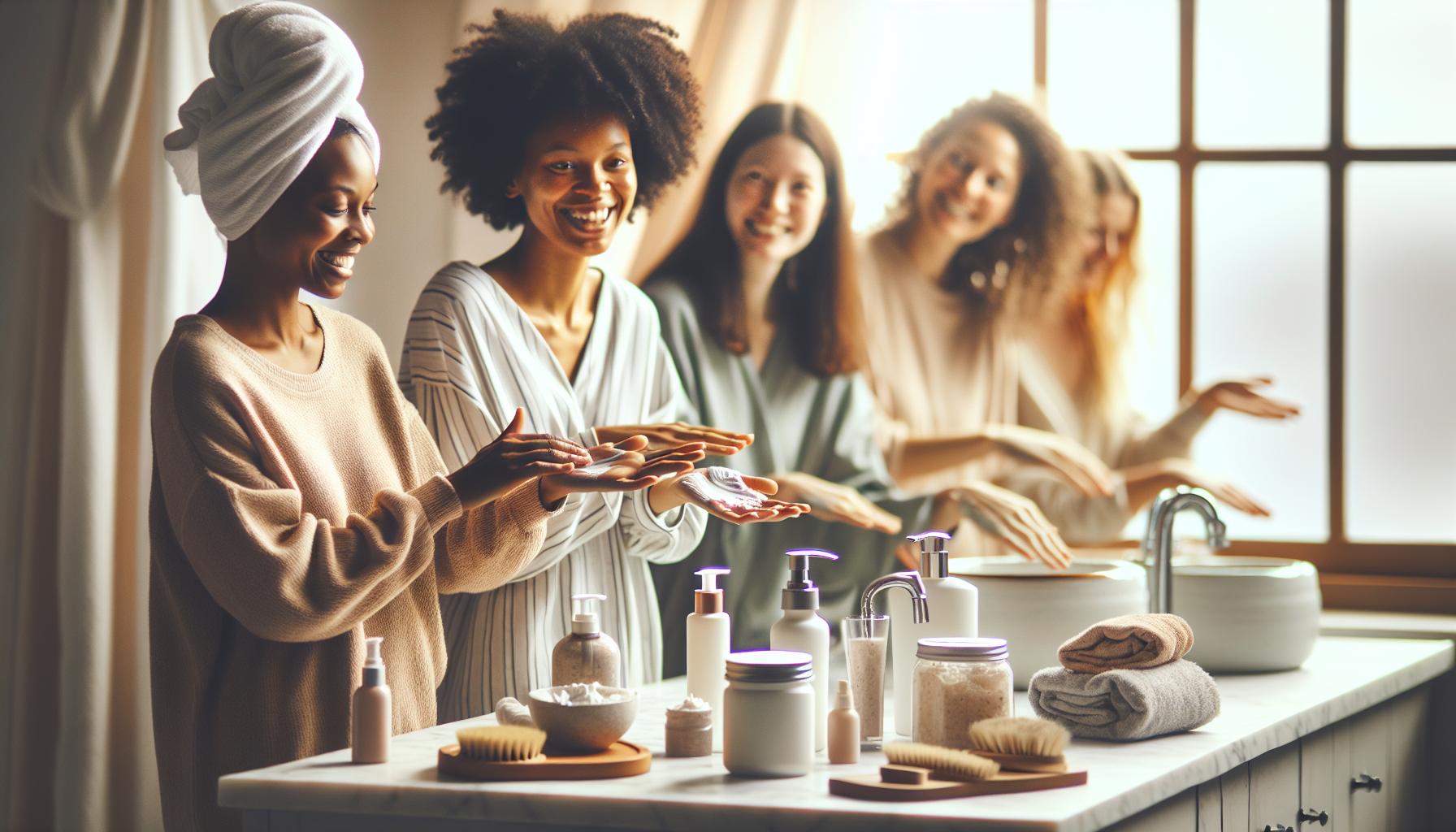
Achieving a seamless tan while wearing makeup begins long before you apply your self-tanner. Skincare is the foundation of a flawless look, and a proper pre-tan routine can make all the difference in your overall result. One crucial aspect is exfoliation, which should be done 24 hours prior to tanning. Gently sloughing off dead skin cells ensures an even application, preventing unsightly streaks or patchiness. Look for exfoliators that combine both physical and chemical elements; for instance, products with glycolic acid can offer a deep clean while also rejuvenating your skin.
After exfoliating, always follow up with a hydrating moisturizer. Choose a lightweight, oil-free formulation that absorbs quickly, ensuring your skin remains supple without creating a barrier for the tanning product. Avoid any oil-based products before tanning; they can hinder the development process of the self-tanner, leading to uneven coloration. Instead, consider using a water-based serum that aids in hydration while prepping your skin to glow.
To enhance your tan further, pay special attention to commonly dry areas such as elbows, knees, and ankles. Applying a small amount of moisturizer to these areas prior to application will ensure they do not absorb more product than the rest of your skin, maintaining an even tone. If you are using a self-tanner, opt for a product that offers guidance or color changes to indicate when it is ready to develop.
Finally, be sure to wear sunscreen if you plan on being in direct sunlight, even after applying a self-tanner. This protects your skin from UV damage while simultaneously preserving the integrity of your tan. By carefully preparing your skin, you not only set the stage for a vibrant tan but also nurture your skin’s health, making every tanning session a rewarding experience.
Best Practices for Applying Makeup Before Tanning
Achieving a flawless tan while wearing makeup requires thoughtful preparation and the right techniques. Before applying any self-tanner, it’s crucial to ensure that your makeup base is compatible with tanning products. Using light, breathable formulas can help minimize the risk of streaks and uneven pigmentation. Select makeup that is water-based, as silicone- or oil-based products can create barriers on your skin that interfere with the self-tanner’s absorption, leading to patchy results.
Start with a primer that is designed to create a smooth canvas. A mattifying or hydrating primer can work wonders by controlling excess oil and ensuring that your makeup adheres well throughout the tanning process. After priming, opt for a lightweight foundation or tinted moisturizer that allows your skin to breathe. This approach will keep your complexion fresh without overwhelming your skin, reducing the chances of makeup mixing negatively with the tanning product.
To further enhance your tanning experience, it’s advisable to minimize the use of heavy powders and contour products that can settle into the skin, especially on areas prone to dryness. Instead, focus on applying cream blushes and highlighters which blend seamlessly into the skin and can provide a dewy finish. When it comes to setting your makeup, rather than using a powder, consider a setting spray to lock everything in while maintaining hydration, ensuring your makeup remains intact and your skin looks luminous.
Finally, always remember to keep sunscreen in your routine when exposing yourself to natural sunlight. A lightweight, broad-spectrum sunscreen should be the last step of your makeup application. This not only protects your skin from harmful UV rays but also assists in maintaining the longevity of both your makeup and your tan. By following these practices, you can achieve a beautiful, radiant tan that harmonizes with your makeup, enhancing your overall look without compromising skin health.
Long-Lasting Tan: Tips for Makeup Wearers
A stunning tan can elevate your makeup game, enhancing your features and adding a sun-kissed glow. To maintain a long-lasting tan while wearing makeup, it’s essential to implement a few thoughtful strategies that not only preserve your color but also protect your skin. First and foremost, opt for products that are designed to be compatible with tanning agents. For example, choose a self-tanner that has moisturizing properties, which helps hydrate your skin while developing a radiant hue. This additional moisture keeps your makeup from looking cakey and prolongs the life of your tan.
Hydration doesn’t stop at your self-tanner; it should also be a key focus in your post-tan skincare routine. Incorporate body lotions or oils that are specifically formulated for prolonging tans. Look for products that contain natural oils, like coconut or argan oil, which nourish the skin without disrupting your tan. Moreover, drink plenty of water to keep your skin hydrated from within, which can help maintain an even and radiant tan.
When it comes to makeup application, avoid heavy layers that can trap moisture or lead to an uneven fade. Instead, aim for lightweight formulations. Tinted moisturizers or light foundations allow your natural color to shine through without overwhelming the skin. Furthermore, consider using products with a light-reflecting quality, such as illuminating primers or liquid highlighters, as they can enhance your glow without the need for added layers.
Finally, protective measures such as using a setting spray can ensure your makeup stays intact while protecting your tan. Look for a spray that offers both hydration and a matte finish to control shine. By adhering to these practices, you can confidently wear makeup while enjoying a beautiful, long-lasting tan that enhances your overall appearance and maintains your skin health.
How to Remove Tanning Products without Damage
To effectively remove tanning products without harming your skin or disrupting your makeup, it’s vital to approach the process with care and the right techniques. One captivating fact to note is that improper removal can lead to uneven skin tone or irritation, detracting from the beautifully bronzed look you’ve achieved. Here’s how to safely cleanse away tanning products while preserving your skin’s integrity.
Start with a gentle exfoliation to lift away the outer layer of dead skin cells where the tanning product settles. Opt for a mild exfoliating scrub with natural ingredients such as sugar or oatmeal to avoid harsh chemicals. Here’s a simple procedure to follow:
- Wet Your Skin: Begin by dampening your skin with lukewarm water to soften the tan and prep for exfoliation.
- Apply Exfoliant: Use your chosen scrub in circular motions, focusing on areas where the tan appears more prominent or uneven, such as elbows and knees.
- Rinse Thoroughly: Rinse off the scrub with warm water, ensuring all particles and tanning product remnants are washed away.
After exfoliating, follow up with a nourishing cleanser that hydrates rather than strips your skin. Look for cleansing products that are low in sulfates and rich in emollients such as aloe vera or coconut oil. This not only helps in further breaking down the tanning agent but also replenishes moisture, preventing your skin from drying out.
Cleansing Oil and Micellar Water
For those who prefer an even gentler approach, consider using cleansing oils or micellar water. These products work to dissolve makeup and tanning products effortlessly without the need for vigorous scrubbing.
- Cleansing Oil: Apply a few pumps onto a cotton pad or directly onto your fingers, massaging it gently over tanned areas. Rinse with warm water to remove.
- Micellar Water: Soak a cotton pad with micellar water and gently wipe over your skin until all tanning product is removed. Follow with a light moisturizer to maintain hydration.
Lastly, keep in mind that patience is key. For any stubborn patches, you may need to repeat the process or let the tan fade naturally over a few days. Always end your routine with a hydrating moisturizer to enhance your skin’s barrier, ensuring it remains healthy and supple.
By treating your skin delicately while effectively removing tanning products, you can maintain a fresh and vibrant appearance, ready to embrace your next tan or makeup look.
Alternative Methods: Tanning Without Makeup
Tanning without makeup presents a multitude of opportunities to achieve that perfect sun-kissed look while embracing your natural beauty. With the rise of self-tanning products and techniques, you can enjoy a bronzed glow without the potential complications that makeup might introduce. Utilizing self-tanning lotions, sprays, or mousses allows for a customizable and streak-free tanning experience, catering to a variety of skin types and tones. Moreover, by opting for tanning solutions that enhance your skin’s appearance rather than covering it up with layers of makeup, you free your skin from potential breakouts and irritation.
To kick-start your tanning journey, selecting the right product is key. Look for self-tanning products enriched with hydrating ingredients like hyaluronic acid or vitamin E to nourish your skin while you tan. For instance, many brands now offer formulations that develop gradually over time, allowing you to build your desired shade without the immediate intensity of a traditional tan. This gradual approach not only helps prevent those dreaded orange hues but also gives you more control over your results, making it an excellent choice for beginners.
It’s essential to prep your skin properly to ensure an even application. Start with exfoliation a day prior to tanning to slough away dead skin cells. This step is crucial for achieving a flawless finish. Use a gentle scrub or an exfoliating mitt, paying extra attention to areas prone to dryness, like elbows and knees. Post-exfoliation, moisturize your skin to create a smooth base for the tanning product. This simple routine not only enhances the tan but also maintains healthy skin.
After tanning, using a product specifically designed for tan maintenance can prolong your sun-kissed glow. Alcohol-free moisturizers or specific tan-extending lotions can help keep your skin hydrated and your tan looking fresh. Avoid hot showers and lengthy baths as they can strip away the tan; instead, opt for lukewarm water to prolong your results. By embracing these tanning methods without makeup, you not only simplify your beauty routine but also allow your skin to breathe, promoting an all-around healthy and radiant appearance.
Common Mistakes to Avoid When Tanning with Makeup
When it comes to achieving that sun-kissed glow with makeup, many enthusiasts make critical missteps that can ruin their look or even their skin. First and foremost, one of the most common errors is applying makeup immediately before or after using a self-tanner. This can lead to uneven color and splotches since many makeup products can interfere with the tanning process, causing the tan to develop inaccurately. It’s vital to allow your self-tanner to fully set and process before layering any products on top. A general rule of thumb is to wait at least 24 hours after tanning before applying makeup to ensure that the color develops evenly.
Equally important is neglecting proper skin preparation. Skipping exfoliation can result in uneven patches where the self-tanner clings to dry areas, like elbows and knees. Instead, a gentle scrub or exfoliating mitt should be used a day prior to application, followed by moisturizing to create an even canvas. This enhances overall skin texture and ensures a seamless application of both the tanning product and makeup.
Moreover, many fail to consider the interaction between tanning products and makeup formulations. Using oil-based makeup can bead up on the skin or cause the tan to fade prematurely. Instead, go for water-based foundations or those explicitly formulated to be compatible with self-tanners. Combining matte and luminous products effectively can help you achieve the perfect balance, giving your skin a radiant, bronzed finish without compromising the tan’s integrity.
Lastly, improper post-tan care can lead to a premature fading of your glow. Hot showers and harsh soaps can strip the skin of both moisture and tan. Opt for lukewarm water and gentle, hydrating cleansers post-tan. Implementing a consistent aftercare routine, using alcohol-free moisturizers, can prolong your bronzed look and keep your skin hydrated and healthy. By steering clear of these missteps, you can fully enjoy the beauty of tanning with makeup, elevating your beauty routine without compromising your skin’s health.
Aftercare: Maintaining Your Tan with Makeup On
Maintaining a beautiful tan while wearing makeup requires a thoughtful aftercare regimen that balances hydration, longevity, and skin health. To ensure that your sun-kissed glow lasts, it’s crucial to adopt practices that enhance both the tan and your makeup rather than detract from it. One key to success lies in proper cleansing and moisturizing routines that support skin integrity without disrupting your bronzed appearance.
Gentle Cleansing
A soothing cleansing routine is essential for preserving your tan. Choose a hydrating, sulfate-free cleanser that gently removes impurities without stripping your skin of moisture. Avoid harsh exfoliants or scrubs that can cause patchiness or fade your tan. Instead, focus on using a soft washcloth or sponge to help remove makeup and dirt without compromising your glow.
Moisturization is Key
Once you’ve cleansed, immediately follow up with a rich, alcohol-free moisturizer that supports hydration. Look for products that contain nourishing ingredients like hyaluronic acid or shea butter, as these can help maintain a soft, supple finish. Regularly moisturizing can help prevent dryness and ensure that your skin remains radiant, allowing your tan to last longer. Incorporating a tanning extender lotion, specifically formulated to enhance and prolong your tan, can also be beneficial.
Makeup Considerations
When it comes to makeup, choosing the right products is vital. Opt for hydrating foundations or tinted moisturizers that won’t cling to dry patches or cause the tan to fade quickly. A good option is a water-based foundation that provides a lightweight feel while offering sufficient coverage. Setting sprays or powders designed for long wear can help lock in your makeup while providing a radiant finish. Make sure to apply makeup using gentle techniques, avoiding harsh strokes that could lift your tan.
By following these aftercare steps diligently, you can ensure that your bronzed complexion remains flawless and your makeup looks vibrant. A little attention to your skin in the days following your tanning process allows you to confidently flaunt a beautiful glow without sacrificing the integrity of your makeup. Embrace these practices, and enjoy the longevity of both your tan and your beauty regimen!
User Experiences: Real Reviews and Tips from Makeup Lovers
Makeup lovers everywhere cherish the sun-kissed glow that a good tan brings, but many wonder about the practicality of applying makeup during this process. Real experiences from users reveal a wealth of insight into balancing makeup with tanning-showing that with the right approach, it is entirely possible to maintain a flawless look. Many enthusiasts share that combining a tanning routine with makeup not only enhances their appearance but can also serve to protect their skin from sun damage, provided they choose products wisely.
One common tip is to use hydrating products that help not only in achieving a tan but also in maintaining makeup integrity. Many makeup enthusiasts recommend using water-based foundations or tinted moisturizers. These formulations are lightweight and blend seamlessly, ensuring that the makeup sits well on tanned skin without accentuating dryness or creating uneven patches. Brands like Ilia and Thrive often come up in discussions for their skin-nourishing ingredients that provide coverage without feeling heavy, making them favorites among those who tan regularly.
Incorporating setting sprays and powders designed for a long-lasting finish is another essential strategy. Users frequently highlight products that contain SPF, offering that extra layer of protection while keeping makeup in place throughout a sunny day. Applying bronzers or highlighters strategically can enhance the natural glow of a tan, with many suggesting that cream formulas work best as they meld beautifully into the skin rather than sitting on top.
Though there are numerous success stories, mistakes do happen, and users are keen to share their lessons learned. Applying too much product or failing to prep the skin properly can lead to a less than desirable effect. This is where the importance of pre-tan skincare comes to play; many advise using a gentle exfoliating scrub followed by deep moisturizing the night before tanning to create a smooth canvas.
In sharing their experiences, makeup lovers not only empower one another to experiment with their beauty routines but also emphasize the importance of listening to their skin. By doing so, they can ensure that both their makeup and tan look radiant and harmonious. Embracing this blend of beauty techniques allows for a confident stride into summer, knowing that they’re glowing both from the inside and out.
FAQ
Q: Can you tan your face with makeup on?
A: Yes, you can tan your face with makeup on, but it’s crucial to choose products that are compatible with tanning processes. Opt for non-comedogenic and water-resistant makeup to avoid clogging pores or causing streaks. For a flawless finish, follow thorough pre-tan preparations outlined in your skincare routine.
Q: What makeup products are safe to use when tanning?
A: When tanning, use products labeled as non-comedogenic and resistant to water. Mineral foundations and tinted moisturizers with SPF are great options, as they provide coverage without interfering with the tanning agents. Always double-check if your makeup contains any ingredients that may react with tanning products.
Q: How do I prevent streaks when tanning with makeup?
A: To prevent streaks while tanning with makeup, ensure your skin is exfoliated and well-moisturized prior to application. Apply a light layer of makeup that dries quickly, and use a tanning mitt or sponge for even distribution. Following these tips helps in achieving a smooth, natural tan look.
Q: Should you remove makeup before tanning?
A: Yes, removing makeup before tanning is advisable to ensure effective absorption of tanning products. Clean your face thoroughly with a gentle cleanser to eliminate all traces of makeup, allowing the tanning solution to work effectively and reducing the risk of blotchy results.
Q: Can you use self-tanner with makeup on?
A: Using self-tanner over makeup is not recommended, as it can lead to uneven application and undesirable color results. It’s best to tan first and then apply makeup afterward, ensuring the self-tanner has fully developed and dried for the most even finish.
Q: What should you do if tanning products irritate the skin under makeup?
A: If tanning products irritate your skin while wearing makeup, immediately remove makeup and tan using a gentle cleanser. Apply a soothing cream or aloe vera gel to calm irritated skin. Test new products in small areas before widespread use to avoid reactions in the future.
Q: How can I maintain my tan while wearing makeup?
A: To maintain your tan while wearing makeup, use hydrating products and a setting spray to lock in moisture. Choose light, breathable foundations that won’t disrupt the tan. Regularly moisturize your skin to prolong tan longevity and ensure an even fade.
Q: When should I apply makeup after tanning?
A: It’s best to wait at least 6 to 8 hours after applying self-tanner before applying makeup. This allows the tanner to fully develop on your skin. Always ensure your tan has dried completely to prevent smudging or altering your makeup application.
In Summary
As you prepare to enhance your tanning experience, remember that while makeup can provide coverage, it’s essential to prioritize skin health and safety. Exploring alternatives like tinted moisturizers or sunscreen with color can give you that radiant glow without the risk of clogged pores or uneven tanning. Now is the perfect time to refine your beauty routine-check out our detailed guides on the best self-tanners and makeup applications for a flawless look. Don’t forget to subscribe to our newsletter for exclusive tips and product reviews from brands like Seint, Thrive, and ILIA, to elevate your beauty game!
If you have lingering questions or want to learn more, dive into our article on “Best Practices for Caring for Tan Skin” or discover the benefits of professional skincare routines. Keep the conversation going by sharing your thoughts or experiences in the comments below. Your next step towards a gorgeous, sun-kissed complexion starts here-let’s glow together!