Imagine this: you spend time perfecting your makeup look in the morning, only to find it fading or settling into fine lines by lunchtime. This is where makeup primer becomes your best ally, acting as a crucial foundation for a flawless finish that lasts all day. By creating a smooth canvas, primer not only enhances the longevity of your foundation but also helps to even out skin texture and minimize imperfections. Whether you’re preparing for a long day at work or a night out, knowing how to apply makeup primer effectively can transform your beauty routine. Dive into this guide to unlock expert tips and techniques that will elevate your makeup game, ensuring your foundation stays fresh and radiant from dawn until dusk.
Understanding Makeup Primer: Why It’s Essential
Makeup primer is often an unsung hero in the beauty routine, but its impact on the longevity and quality of makeup can be profound. Imagine applying your foundation only to watch it slide off or fade throughout the day; this is where primer shines. By creating a smooth and even canvas, primer not only enhances the application of makeup but also helps it adhere better to the skin, reducing the need for frequent touch-ups.
The function of makeup primer transcends its ability to provide a base for foundation. Many primers are formulated with specific skin concerns in mind-whether it’s hydrating dry skin, minimizing pores for a smooth appearance, or controlling oil for a matte finish. This versatility means that makeup primer can cater to various needs, making it essential for achieving that flawless, polished look. A well-chosen primer can significantly improve the overall outcome, ensuring that your makeup lasts all day, regardless of circumstances.
Additionally, understanding the importance of layering products correctly can elevate your makeup game. A primer acts as a bridge between skincare and makeup, locking in moisture and ensuring that your foundation glides on effortlessly. This is especially crucial for individuals who may experience dryness, texture issues, or uneven skin tone. With the right application technique and a quality primer, you can make even the most lightweight foundations feel like full coverage without the cakiness.
Incorporating primer into your routine is not merely about following trends; it reflects an understanding of how to achieve makeup that looks impeccable from morning to night. Whether you’re a makeup novice or a seasoned professional, appreciating the essential role of primer will elevate your artistry and enhance the final results. So, next time you reach for your makeup, consider that extra step of applying primer-it might just be the secret ingredient you didn’t know you were missing.
Types of Makeup Primers: Choosing the Right One
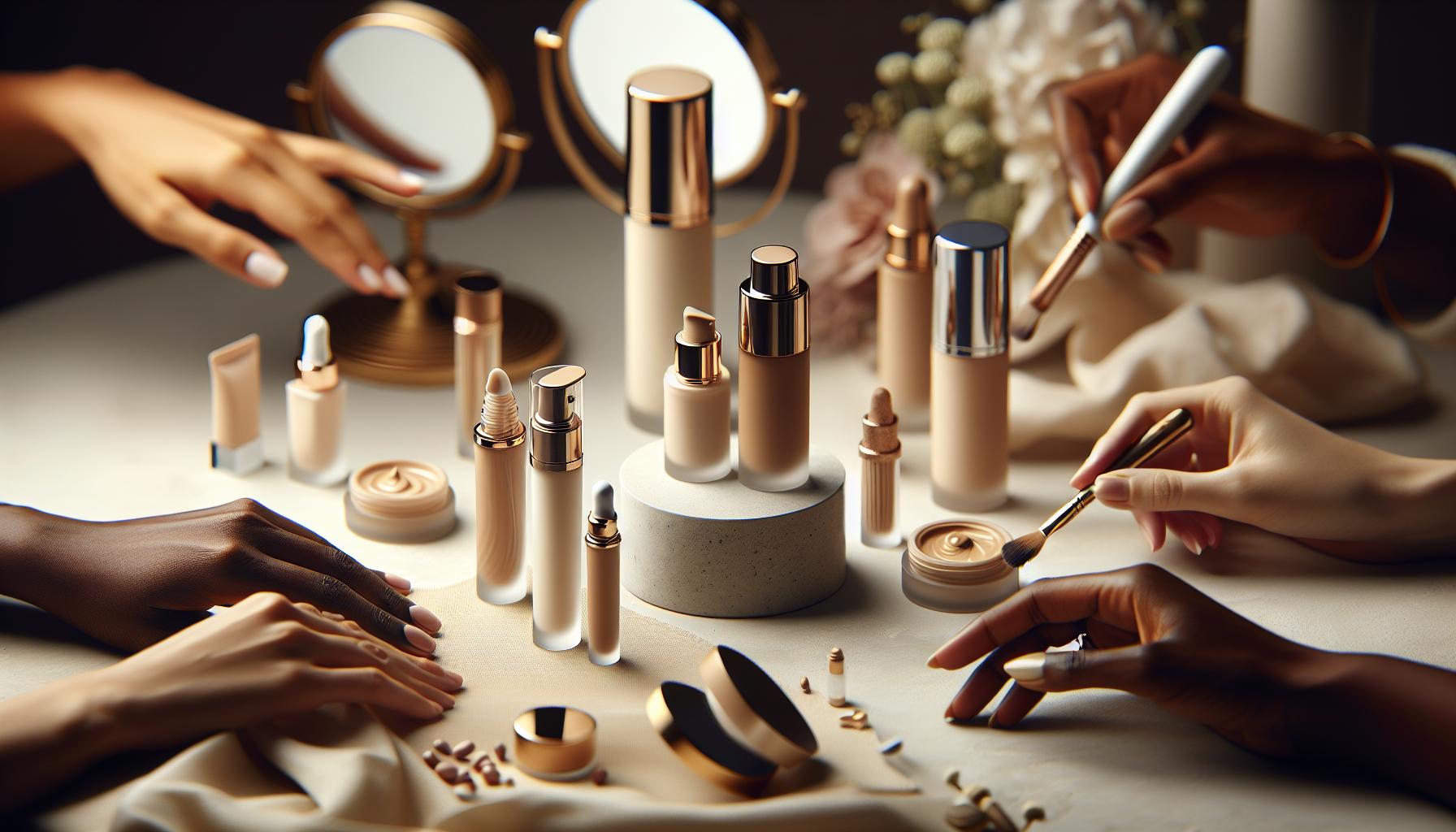
Choosing the right makeup primer can significantly impact the longevity and appearance of your foundation, transforming your beauty routine from ordinary to extraordinary. With a myriad of options available, it’s essential to understand the different types of primers and their unique benefits to suit your specific skin needs and desired look. Each primer is formulated with distinct properties that target various skin concerns, ensuring that your makeup stays flawless throughout the day.
Hydrating Primers
For those with dry or dehydrated skin, hydrating primers are a must-have. Rich in moisturizing ingredients, they provide an additional layer of hydration, ensuring your foundation applies smoothly without clinging to dry patches. Look for ingredients like glycerin or hyaluronic acid, which attract moisture to the skin. Brands like Ilia and Thrive offer excellent nourishing primers designed to give your skin a dewy finish, perfect for achieving a fresh, luminous complexion.
Mattifying Primers
If you’re prone to oily skin or shine, a mattifying primer can make all the difference. These formulas typically contain oil-absorbing ingredients, helping to minimize the appearance of pores and control excess shine throughout the day. Opt for mattifying primers that include silica or clay, which not only reduce oiliness but also create a smooth base for your foundation. ELF’s matte primers have garnered rave reviews for their effectiveness in maintaining a shine-free look even in humid conditions.
Pore-Minimizing Primers
For those looking to blur the look of pores and create a more refined complexion, pore-minimizing primers are your best friend. These primers often contain silicones, which help fill in and smooth the skin’s texture, making it an excellent option for those with enlarged pores or uneven skin texture. Products from Seint and similar brands can provide a flawless foundation base that feels lightweight while effectively reducing the visibility of pores.
Color-Correcting Primers
Color-correcting primers are perfect for addressing specific skin tone concerns. Whether you’re looking to neutralize redness, brighten dullness, or counteract yellowness, these primers can help. Green-tinted primers can counteract red tones, while purple hues can brighten sallow complexions. Depending on your unique needs, consider finding a primer that caters not just to your overall skin type but also addresses specific color issues for an even tone.
In the world of makeup, understanding the various types of primers can empower you to make more informed choices that enhance your makeup application and overall look. Evaluate your skin’s needs, consider the finish you desire, and always test products to discover your perfect match. Investing in the right primer is essential for achieving that long-lasting, flawless foundation that withstands the test of time and wear.
How to Apply Makeup Primer: Step-by-Step Guide
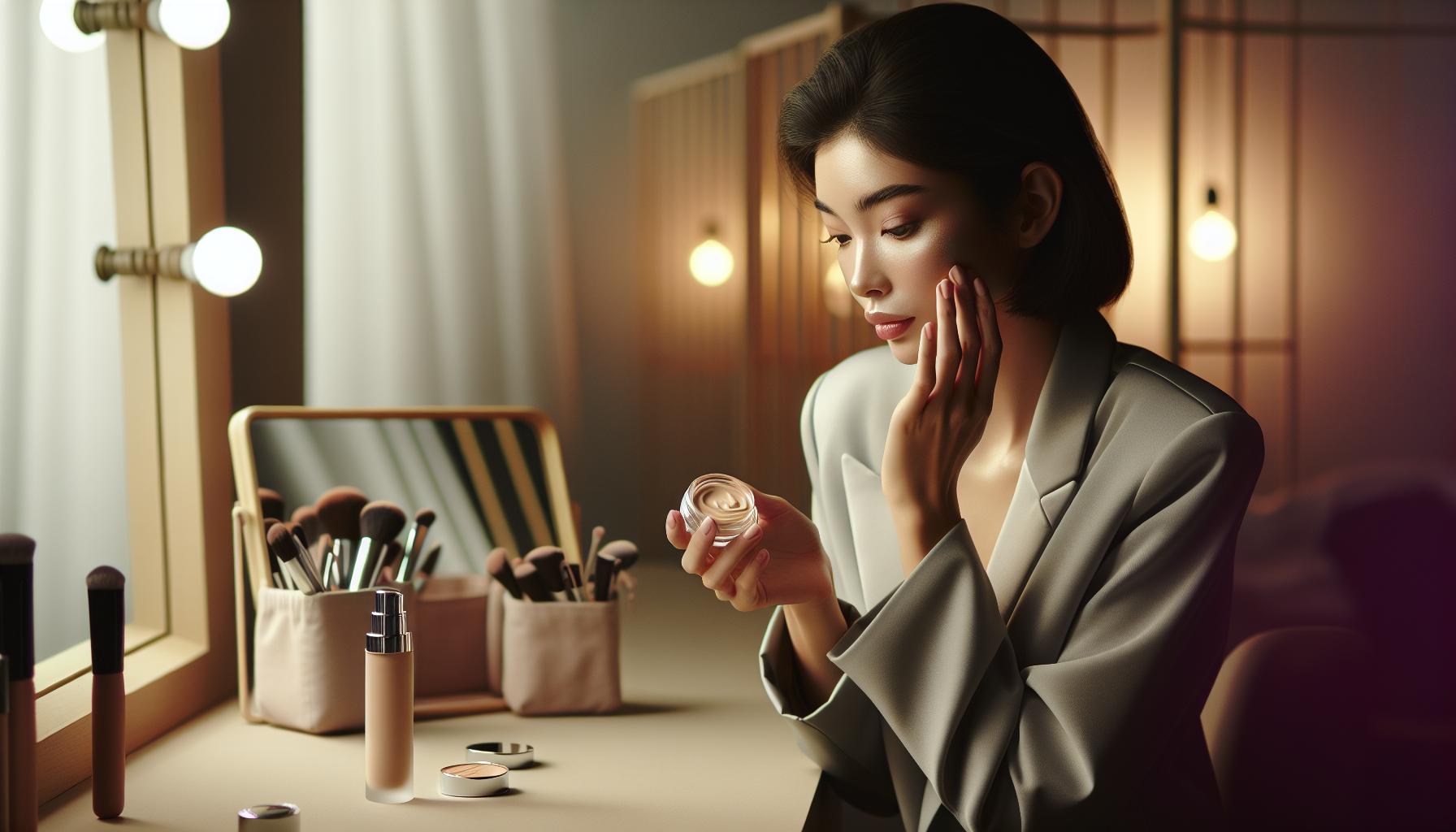
Applying makeup primer correctly is crucial for achieving a flawless foundation that lasts all day. A great primer can enhance your skin’s texture, help your foundation adhere better, and ensure your makeup looks fresh from morning until night. Here’s how to apply makeup primer effectively, breaking down each step to help you get the most out of this essential product.
Start with a clean canvas. Before applying any primer, it’s important to cleanse your face thoroughly to remove any dirt, oil, or leftover products. Follow up with a suitable moisturizer for your skin type, allowing it to absorb for a few minutes. This hydrated base is essential for the primer to work effectively and ensures that it glides on smoothly.
Once your moisturizer has set, it’s time to apply the primer. Dispense a small amount of your chosen primer onto the back of your hand or directly onto your fingertips. For a smooth application, use a makeup sponge or brush if you prefer. Less is more here; you can always add more if needed. Focus on areas that need special attention: apply hydrating primers on dry patches, mattifying on oily zones, or pore-minimizing where pores are more visible.
Use your fingers to gently pat the primer onto your skin, starting from the center of your face and moving outward. This tapping motion helps with even distribution and allows the product to melt into the skin, creating a smoother surface for your foundation. Avoid dragging or rubbing the skin, as this can irritate delicate areas. Allow the primer to set for a few moments before moving on to your foundation. This step is key for ensuring that the primer has time to create that perfect base.
With your primer applied and allowed to set, you’re now ready to apply your foundation. The difference is palpable, as the primer will not only help your foundation apply more evenly but will also enhance its durability, ensuring a long-lasting, beautiful finish. Always remember to adjust your technique based on the specific needs of your skin and the type of primer you’re using, to harness its full potential.
By adhering to these steps, you’ll be well on your way to achieving that sought-after, long-lasting makeup look, no matter the occasion.
Tips for Applying Primer for Long-Lasting Foundation

When it comes to achieving a flawless, long-lasting foundation, the application of primer can make a significant difference. Properly utilizing a makeup primer enhances your skin’s surface, allowing foundation to adhere better and last longer throughout the day. Here are some essential tips to ensure your primer not only prepares your skin effectively but also maximizes the longevity of your foundation.
Firstly, consider the specific needs of your skin type. If you have oily skin, opt for a mattifying primer that controls shine and minimizes the appearance of pores. For dry or combination skin, a hydrating primer can provide much-needed moisture to avoid a flaky finish. For sensitive skin, seek primers with soothing ingredients to prevent irritation. Selecting the right primer is crucial as it sets the stage for your foundation.
Next, focus on the application technique. After allowing your moisturizer to set, gently work the primer into your skin using your fingertips. This method encourages the product to blend seamlessly and enhances its effectiveness. Pay close attention to problematic areas; for instance, apply more product on areas prone to oiliness or dryness. You can also experiment with using a damp beauty sponge or a foundation brush for a more airbrushed finish.
Timing is also key. Let the primer sit on your skin for a few minutes before applying your foundation. This helps the primer create a solid barrier that grips the foundation effectively. The longer you let it set, the better the adhesion and the more extended the wear.
Lastly, avoid common mistakes, such as applying too much product or skipping primer entirely. A little primer goes a long way; start with a pea-sized amount and build as necessary. Additionally, if you find your foundation wearing off during the day, consider carrying a travel-sized primer to touch up. A quick application can refresh your base without the need to reapply the entire foundation.
By incorporating these tips into your makeup routine, you’ll be well-equipped to achieve a stunning, long-lasting foundation that enhances your natural beauty and boosts your confidence throughout the day.
The Best Makeup Primers on the Market Today
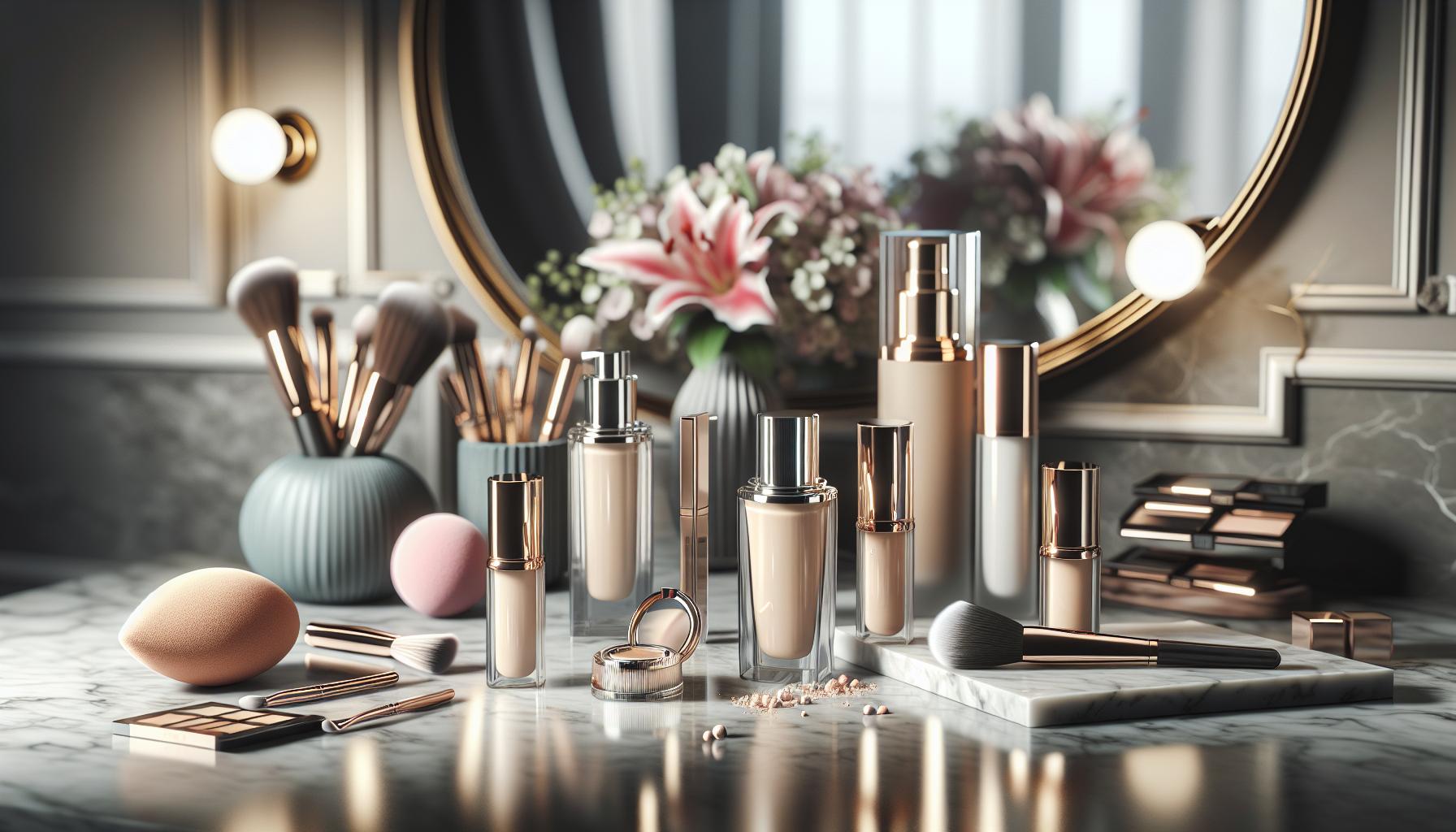
When it comes to finding the right makeup primer, the choices can feel overwhelming, but selecting a superior product can dramatically enhance your makeup’s longevity. Today’s market features a range of primers designed to cater to specific skin concerns and desired finishes, making it easier to find one that fits your needs. Here are some of the best makeup primers that stand out for their efficacy and performance:
Top Makeup Primers to Consider
- Smashbox Photo Finish Foundation Primer: Known for its silky texture, this primer fills in fine lines and minimizes the appearance of pores. It creates a smooth canvas and helps foundation last throughout the day.
- Too Faced Hangover Replenishing Face Primer: Ideal for those with dehydrated skin, this primer is infused with coconut water and probiotics, providing a boost of hydration that leaves skin plump and ready for makeup.
- Benefit POREfessional Face Primer: A cult favorite, this product effectively blurs imperfections and controls shine. It’s lightweight and suitable for all skin types, making it a versatile option.
- Fenty Beauty Pro Filt’r Instant Retouch Primer: This mattifying primer helps to minimize pores and create a perfectly even canvas for foundation application. Its unique oil-free formula keeps shine at bay, ideal for those with oily skin.
- e.l.f. Poreless Putty Primer: A budget-friendly option, this primer is praised for its smooth application and blurring properties. It’s suitable for all skin types and provides a natural matte finish.
These primers not only help in maximizing the longevity of your makeup but also cater to various skin types and preferences-from hydrating to mattifying formulas. Always remember to consider your skin’s specific needs when selecting a primer, as the right choice will significantly impact your overall makeup experience. Moreover, using these quality products in your routine ensures a more polished, long-lasting finish that enhances your beauty while instilling confidence throughout the day.
Common Mistakes When Applying Primer and How to Avoid Them
Understanding the nuances of makeup primer application is essential for achieving a flawless foundation that lasts all day. Many individuals, even seasoned makeup lovers, often encounter common pitfalls when using primer, which can lead to disappointing results. Avoiding these mistakes not only enhances the appearance of your makeup but also extends its wearability. Here are some frequent errors and how to steer clear of them.
One prevalent mistake is applying too much primer. While it’s tempting to slather on a generous amount, a pea-sized quantity is usually sufficient. Applying excess product can result in a heavy, greasy feeling and can actually cause your foundation to slide off rather than adhere properly. Instead, focus on applying a thin layer, concentrating on areas where you need the most smoothing or pore filling, such as the T-zone.
Another common error is neglecting to let the primer dry before moving on to foundation application. Rushing this step can hinder the primer’s effectiveness, leading to a less effective grip on your foundation. It’s important to allow the primer to fully absorb into your skin for a minute or two. This ensures a better base for your foundation, promoting longevity and a smoother finish.
Additionally, not considering your skin type when selecting a primer can drastically affect your makeup’s performance. For example, using a mattifying primer on dry skin can exacerbate flakiness, while a hydrating primer on oily skin may leave you looking shiny overly quickly. Tailoring your primer choice to your specific skin concerns is crucial for creating a harmonious base.
Finally, applying primer with the wrong tool can lead to uneven coverage. Many people make the mistake of using their fingers, which can lead to streaks or patchiness. Using a clean makeup sponge or brush can provide a more even application, allowing for better blending and a refined finish. For optimal results, lightly press the primer into the skin with a sponge, focusing on areas that require more coverage.
By recognizing and avoiding these common pitfalls, you can elevate your makeup game, ensuring your foundation not only looks great but lasts throughout the day. Emphasizing the importance of proper application techniques and product selection will empower both beauty novices and professionals to create stunning looks with confidence.
How Primer Affects Different Skin Types
The right makeup primer can be a game changer, especially when it comes to accommodating the unique needs of various skin types. Understanding how primer interacts with different skin characteristics will help you select the most suitable product, enabling your foundation to look flawless and last all day.
For those with oily skin, selecting the right primer is crucial to avoid a shiny appearance throughout the day. A mattifying primer that absorbs excess oil and minimizes the look of pores is ideal. Look for ingredients like salicylic acid or witch hazel, which help control oil production. Applying a mattifying primer will create a smooth base, allowing for a long-lasting foundation that stays in place without the dreaded midday sheen.
If you have dry or combination skin, a hydrating primer can offer the moisture your skin craves while still prepping it for makeup application. Opt for primers infused with nourishing ingredients like hyaluronic acid or glycerin, which draw moisture into the skin. This not only helps to create a smooth canvas but also prevents your foundation from flaking or emphasizing dry patches. Be sure to allow some time for the primer to absorb before applying foundation, ensuring that the two products meld beautifully.
For sensitive skin, it’s essential to choose primers with calming and non-irritating properties. Look for silicone-free options that use natural ingredients to soothe the skin. A good example is a primer with aloe vera or chamomile, which can provide a gentle touch while helping your makeup adhere better. Always test a small portion of the product to ensure it doesn’t cause irritation.
Those with mature skin can benefit from primers designed to smooth out fine lines and wrinkles. Products enriched with peptides or light-reflecting particles can provide a soft-focus effect, blurring imperfections and enhancing skin’s appearance. A lightweight, hydrating primer will also help create a youthful glow and prevent foundation from settling into creases throughout the day.
Ultimately, selecting a primer tailored to your skin type enhances your makeup application. By identifying your skin’s specific needs and choosing products that align with those requirements, you can ensure your foundation lasts, looks fresh, and feels comfortable throughout the day.
The Role of Primer in a Full Makeup Routine
Incorporating primer into your makeup routine is akin to laying a robust foundation before building a house; it sets the stage for everything that follows. A quality primer not only prepares the skin but also enhances the overall longevity and appearance of makeup. It works as a barrier between your skin and makeup, helping to smooth imperfections, fill in pores, and create an even canvas for foundation application. When used correctly, primer can transform a simple makeup routine into a flawless presentation that lasts throughout the day.
To maximize the role of primer in your full makeup routine, consider the type of product you choose based on your skin’s needs. For instance, if you typically experience shine throughout the day, a mattifying primer might be essential in controlling excess oil and maintaining a fresh look. Conversely, those with dry skin may benefit from a hydrating primer that provides moisture, ensuring a smoother application of foundation that won’t settle into fine lines. Examining your skin type and choosing a primer tailored to enhance its unique characteristics is vital for creating that perfect base.
After applying primer, the next essential step is the foundation. The right method of application can further amplify the benefits of primer. Use a damp beauty blender or foundation brush to apply your foundation in a stippling motion. This technique not only blends beautifully but also works to ensure that both products meld seamlessly, allowing the primer’s effects to shine through. Additionally, for extra durability, consider setting your foundation with a light dusting of translucent powder, especially in areas prone to oil production.
In summary, the integration of primer into your makeup regimen is a crucial decision that will influence not only the appearance but also the durability of your look. By selecting the right primer based on your skin type and applying foundation methodically, you can achieve that coveted flawless finish that withstands the rigors of daily life, from morning meetings to evening outings. Embracing these principles will empower both novice and experienced makeup enthusiasts to elevate their artistry and leave a lasting impression.
Enhancing Your Look: Primer Techniques for Various Looks
To achieve flawless makeup that lasts all day, it’s essential to tailor your primer application techniques to the specific look you’re aiming for. Whether you’re preparing for a casual day out, an elegant evening event, or a professional meeting, the right primer strategies can significantly enhance your overall appearance and confidence.
One effective technique for a radiant, dewy look is to opt for a hydrating primer. Begin by applying it with your fingertips, focusing on areas like the cheekbones and brow bone to catch the light beautifully. A small amount of lightweight shimmer can be mixed in for an extra glow. Consider products that feature illuminating ingredients like hyaluronic acid or vitamin E, which not only give a luminous finish but also hydrate the skin. For a natural look, pair this technique with a tinted moisturizer or light foundation, applied with a damp beauty sponge for a seamless blend.
When the occasion calls for a more dramatic, longer-lasting finish-such as for a night out-choose a mattifying primer that controls oil and shine. Apply this with a flat foundation brush, concentrating on the T-zone (forehead, nose, and chin) where oiliness typically occurs. Follow this with a full-coverage foundation and set the look with a translucent powder. For added longevity, use a setting spray after applying all makeup to lock everything in place throughout the night.
For an effortlessly chic, everyday look, a smoothing primer can work wonders. smoothing primers are ideal for creating a refined canvas, minimizing the appearance of pores and imperfections. Use a silicone-based primer and spread it evenly with your fingers, focusing on areas needing extra smoothing. Complete this look with light foundation, a touch of blush, and a lip tint for a fresh-faced appearance that still feels polished.
Ultimately, understanding how to adapt your primer application to different situations will empower you to express your unique style confidently. Embrace these techniques to not only enhance your looks but also to build a versatile makeup routine that suits all occasions.
DIY Makeup Primer: Creating Your Own at Home
Creating your own makeup primer at home can be a rewarding experience, both for your beauty routine and your wallet. DIY primers can be customized to suit your skin type and desired finish, and they often incorporate natural ingredients that nourish the skin. This personalized approach not only helps you achieve a flawless makeup application but also teaches you more about the products you’re using.
One popular and easy-to-make primer is a simple Aloe Vera Gel Primer. Aloe is well-known for its soothing properties and serves as an excellent base for makeup. To make this primer, mix approximately 2 tablespoons of pure aloe vera gel with a few drops of your favorite essential oil, such as lavender for its calming aroma or tea tree for its acne-fighting benefits. The gel hydrates the skin while creating a smooth canvas for foundation and helps in adhering makeup efficiently.
Another effective option is an Oil-Free Hydrating Primer that works wonderfully for oily or combination skin. Combine 2 tablespoons of lightweight moisturizer, preferable one that’s oil-free, with 1 tablespoon of witch hazel and a couple of drops of glycerin. Witch hazel acts as a natural astringent, helping to control excess oil during the day, while glycerin helps to lock in hydration for added plumpness. This combination not only prepares your skin for makeup but also keeps it fresh throughout the day.
When applying your DIY primer, use clean hands or a cosmetic sponge to gently dab the formula on areas where you want to promote longevity-like the T-zone for oiler skin types and cheekbones for a dewy finish. Allow your DIY primer to set for a few minutes before applying foundation to ensure optimal adhesion and effect.
Explore your creativity with different variants of DIY primers by altering the base ingredients based on your skin’s needs. With a little experimentation, you can discover the perfect blend that not only feels great but also enhances your makeup’s performance. Embrace the fun of crafting your own beauty products and enjoy the satisfaction of using something tailored specifically for you.
Reviving Your Makeup: Touch-Up Techniques with Primer
Reviving your makeup throughout the day is crucial for maintaining a flawless look, especially if you’re transitioning from office hours to an evening out. A well-chosen primer can act as your secret weapon in this process, elevating your makeup’s longevity and freshness when touch-ups are needed. Many people overlook the significant role a primer can play in reviving makeup, but incorporating it into your touch-up routine can make all the difference.
Begin by assessing which areas of your makeup need a refresh. Foundation may start to fade around the T-zone, while the cheeks might look dull. Carry a travel-sized primer in your makeup bag for a quick remedy. For instance, a lightweight, hydrating primer works wonders for re-establishing that fresh, dewy look. Gently pat a small amount onto the areas that need attention using a makeup sponge or your fingers. This dabbing method allows the product to meld into the existing makeup without disturbing it, enhancing the adherence and vibrancy of your foundation.
In addition to hydration, consider using a mattifying or pore-filling primer if your makeup tends to get oily or if your pores become more pronounced as the day progresses. Lightly applying such a primer can absorb excess oil and blur imperfections, leaving your skin looking polished. Remember to keep your touch-up primers handy but aim for a natural finish by using minimal product.
Finally, to lock your revitalized look in place, consider setting it with a lightweight setting spray. This combination of initial primer touch-up and final setting will help your makeup endure through other activities, be it dinner plans or a casual meetup, ensuring you look effortlessly radiant all day long. With the right techniques and mindset, you can elevate your touch-up game and project confidence in your makeup application wherever you go.
Understanding Makeup Primer Ingredients: What to Look For
Understanding the ingredients in makeup primers can be a game changer in achieving a foundation that lasts all day. Each component serves a crucial purpose, enhancing your makeup’s performance while addressing specific skin concerns. For instance, a primer rich in hydrating ingredients-like glycerin or hyaluronic acid-ensures that your skin feels plump and moisturized, creating a perfect canvas that prevents your foundation from settling into fine lines and dryness. On the other hand, silicones such as dimethicone provide a smooth texture by filling in pores and fine lines, resulting in a flawless finish under your foundation.
When choosing a primer, look for specific ingredients that align with your skin type and makeup goals. For oily skin, ingredients like kaolin clay or salicylic acid are beneficial, as they help absorb excess oil and mattify the skin throughout the day. Those with sensitive skin should opt for primers containing calming agents like aloe vera or chamomile to avoid irritation. Also, consider the presence of antioxidants such as vitamins C and E, which safeguard the skin against environmental stressors while promoting a radiant appearance.
It’s also valuable to assess the texture of the primer. Gel-based primers often work well for individuals seeking a lightweight feel, while cream-based primers are excellent for providing additional hydration. The color of the primer can also play a role; for instance, green-tinted primers can neutralize redness, while lavender-tinted formulas can brighten sallow skin tones.
In conclusion, the ingredients in your primer directly impact the longevity and overall appearance of your foundation. By understanding what to look for, you can select a primer tailored to your needs, ensuring your makeup not only looks fresh but stays intact throughout the day. Embrace this knowledge and elevate your beauty routine with confidence!
Faq
Q: How do I choose the right makeup primer for my skin type?
A: To choose the right makeup primer, consider your skin type. For oily skin, opt for mattifying primers. If you have dry skin, choose hydrating primers. Combination skin benefits from pore-filling primers. Refer to the “Types of Makeup Primers” section for more guidance.
Q: Can I use makeup primer without foundation?
A: Yes, makeup primer can be used alone to create a smooth canvas and even out skin texture. It can also help minimize the appearance of pores and fine lines, making your skin look fresh. For detailed techniques, check the “How to Apply Makeup Primer” section.
Q: When should I apply makeup primer in my routine?
A: Apply makeup primer after your skincare routine and before foundation. This ensures the primer can properly adhere to the skin and create a barrier for foundation. For a step-by-step application, see the “How to Apply Makeup Primer” guide.
Q: How do I make my foundation last longer with primer?
A: To make your foundation last longer, apply a long-wearing or mattifying primer suitable for your skin type. Use your fingertips or a makeup sponge to evenly distribute the primer, ensuring a smooth surface. Find more tips in the “Tips for Applying Primer for Long-Lasting Foundation” section.
Q: What are some common mistakes when using makeup primer?
A: Common mistakes include applying too much primer, not letting it set, or selecting a primer that doesn’t match your skin type. Avoid these pitfalls for better results by consulting the “Common Mistakes When Applying Primer” section.
Q: How can I revive my makeup throughout the day using primer?
A: To refresh your makeup, lightly apply a setting spray or a small amount of primer over your foundation to smooth out any settling. This technique enhances longevity and finish. Refer to the “Reviving Your Makeup” section for more detailed methods.
Q: Why is makeup primer essential for long-lasting foundation?
A: Makeup primer is essential because it creates a smooth base for foundation, fills in imperfections, and enhances the foundation’s adherence to the skin. This leads to a longer-lasting, flawless look throughout the day. More details can be found in the “Understanding Makeup Primer” section.
Q: Can I create a DIY makeup primer that holds foundation for hours?
A: Yes, you can create a DIY makeup primer using natural ingredients like aloe vera gel or glycerin mixed with water. These ingredients can moisturize and help your foundation last longer. For additional recipes, see the “DIY Makeup Primer” section.
The Way Forward
Now that you know how to apply makeup primer for a flawless foundation that lasts all day, it’s time to put your skills to the test! Remember, the key to a long-lasting makeup look lies in choosing the right products, like those from Seint, Thrive, and ELF. If you’re eager to dive deeper, check out our guides on product reviews and personalized application techniques for more expert tips.
Don’t forget to subscribe to our newsletter for the latest beauty insights and exclusive recommendations tailored just for you! If you have any questions or want to share your makeup transformations, drop a comment below-we love hearing from you. For additional resources, consider exploring our content on essential makeup tools and professional barbering techniques. Let’s keep the beauty conversation going!