Becoming a skilled barber is not just a career choice; it’s a pathway to creativity and entrepreneurship within the thriving beauty industry. But how long does it take to complete barber school? Understanding the duration of your training is crucial as it directly impacts your journey toward mastering the art of grooming and hair styling. Most barber programs can range from a few months to just over a year, depending on the intensity of the curriculum and your commitment to becoming a proficient barber. As you navigate this exciting process, you’ll discover the essential skills needed to enhance your expertise while opening doors to numerous opportunities in a vibrant field. Dive into this guide to unveil what to expect from barber school and how it can swiftly propel you toward achieving your dream career in grooming excellence.
The Path to Barber School: What to Expect
Starting your journey to becoming a barber is an exciting yet crucial step towards a rewarding career in the beauty industry. Understanding what to expect can help you prepare mentally and emotionally as you embark on this transformative experience. You’ll find that entering barber school is more than just enrolling in courses; it’s about immersing yourself in a community of passionate professionals driven by the art of grooming.
Most barber programs offer a well-rounded curriculum that combines theory and hands-on practice, ensuring that students not only learn about various cutting techniques but also about customer service, business management, and sanitation practices essential in a barbershop setting. Throughout your time at school, you can expect to participate in a variety of classes-ranging from haircutting and styling to the intricacies of beard grooming. Additionally, many schools incorporate guest lectures from industry professionals, providing you insights into current trends and expectations in the barbering world. The collaborative learning environment fosters relationships and networking opportunities with peers and instructors, laying a good foundation for future professional connections.
You’ll also find that the path to barber school requires a commitment to developing the essential skills that will set you apart in the competitive market. While learning the technical aspects, such as using clippers and scissors correctly, students are also encouraged to cultivate their personal style and artistic vision. This dual focus not only enhances technical ability but also instills confidence in every trim and cut you execute. Embrace the challenges, knowing they shape your career trajectory and prepare you to deliver exceptional service.
The transition to barber school is often marked by a mix of anticipation and trepidation, but with the right mindset and dedication, you will emerge equipped with the knowledge and expertise to thrive in the beauty and grooming profession. As you delve deep into your studies, maintain an optimistic outlook-each day is a step closer to achieving your dream career as a skilled barber.
Typical Duration and Structure of Barber Programs
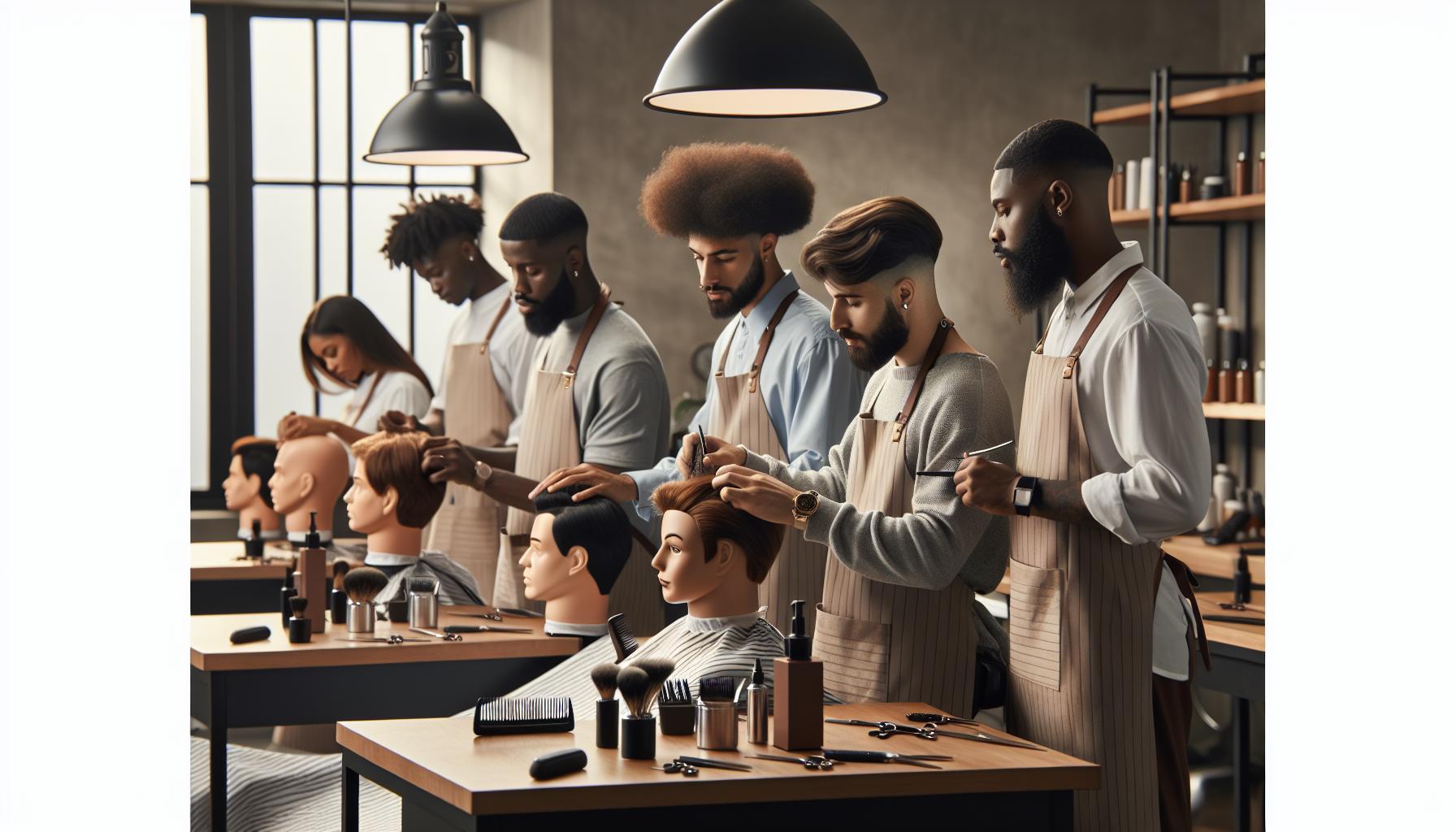
The duration and structure of barber programs can play a crucial role in shaping your journey toward a successful career in grooming. Most full-time barber school programs typically span between 9 to 12 months, offering an in-depth blend of theoretical instruction and practical training that equips students with essential skills. Meanwhile, part-time students who may have other commitments can expect a longer timeline, often between 12 to 24 months, allowing them to balance their education with personal and professional responsibilities.
Barber programs are meticulously designed to cover various aspects of the craft, providing a comprehensive curriculum that integrates both classic techniques and contemporary trends. Within these programs, students will dive into core subjects such as haircutting, shaving, beard grooming, and styling, alongside vital coursework in sanitation, customer service, and even business management. This multi-faceted approach ensures that graduates are not only skilled barbers but also savvy entrepreneurs capable of navigating the business side of the industry.
For those seeking a faster route to their dreams, many barber schools now offer accelerated options. These programs may condense the standard curriculum into a shorter timeframe, enabling dedicated students to complete their training in as little as 6 months. However, it’s essential to consider whether the fast-paced environment aligns with your learning style and allows sufficient time for mastery of techniques that require finesse and practice.
Regardless of the program length, engaging in hands-on training is paramount. Most institutions feature practical workshops where students can hone their skills on mannequins or fellow students, mirroring real-world scenarios in a controlled setting. This practical experience not only builds confidence but also fosters a sense of community among peers, providing a supportive network that you can rely on as you transition into your professional journey. As you embark on this educational path, remember that every minute spent mastering your craft is a step toward creating a successful and fulfilling career in the barbering industry.
Accelerated Barber School Options: Fast-Tracking Your Career

Many aspiring barbers yearn to enter the field quickly, recognizing that the demand for skilled professionals continues to rise. Accelerated barber programs are designed precisely for this purpose, allowing motivated students to reach their career goals in a shorter timeframe, often as little as six months. These fast-tracked options condense traditional curricula into intensive, focused training, enabling students to acquire the necessary skills and knowledge without the long wait typically associated with standard programs.
| Program Type | Duration | Focus Areas |
|---|---|---|
| Accelerated Barber Program | 6 months | Core barbering skills, sanitation, client management |
| Standard Barber Program | 9-12 months | Advanced techniques, business management, customer service |
In an accelerated setting, practical application becomes even more critical. These programs often emphasize hands-on training from day one, letting students practice techniques on mannequins and peers in a workshop environment. This immediate application solidifies learning, ensuring that graduates are not only familiar with theory but also adept at executing skills in real-world scenarios. The swift pace fosters a dynamic atmosphere where students can collaborate, share tips, and build camaraderie-key elements for anyone looking to thrive in the collaborative world of barbering.
However, potential students must assess their personal learning styles carefully. The fast-paced environment of an accelerated program may not suit everyone, particularly those who prefer a more measured approach to skill acquisition. It’s vital to weigh the pros and cons, ensuring that this route aligns with individual goals and skill-building needs. Remember, the journey in barbering is not merely about completing a program swiftly but rather about developing a foundation that supports a lifelong career in an ever-evolving industry.
Essential Skills You Will Learn in Barber School

The world of barbering is more than scissors and clippers; it’s a canvas for creativity and craftsmanship. Attending barber school equips aspiring barbers with a range of essential skills that go beyond just cutting hair. One of the fundamental competencies you’ll develop is mastering various haircutting techniques. This includes styles ranging from classic to contemporary, whether it’s a fade, undercut, or stylish textured cut. Understanding the foundational principles of hair geometry allows you to create customized looks tailored to each client’s face shape and hair type.
In addition to hair cutting, barber school emphasizes the importance of proper sanitation and hygiene practices. Students learn critical skills to ensure a safe and clean environment, adhering to state regulations and best practices in health safety. This involves everything from sanitizing tools and maintaining equipment to understanding the importance of client comfort throughout the grooming process.
Moreover, effective communication with clients is another vital skill honed during your time in barber school. Mastering consultation techniques helps you understand client needs and preferences, establishing trust and rapport. This aspect of the barbering trade is essential, as a successful barber not only provides excellent grooming services but also ensures an enjoyable experience for clients.
Lastly, barber school introduces students to the basics of managing a business. You’ll learn about retailing products, marketing strategies, and customer service techniques that can help set you apart in a competitive industry. Understanding these strategies can pave the way for your future success, whether you aspire to work at a barbershop or own one.
Investing time in acquiring these essential skills will not only enhance your technical abilities but also give you the confidence to embark on a rewarding career in barbering. Every day presents a new opportunity to explore personal style, foster creativity, and connect with clients, making barbering a fulfilling professional path for those passionate about beauty and grooming.
Navigating the Admission Process for Barber Schools

The journey to becoming a skilled barber begins with navigating the admission process of barber schools. Understanding what to expect can significantly ease your transition into this exciting career. First and foremost, most states require students to meet specific criteria such as age and educational background. Typically, you must be at least 18 years old and possess a high school diploma or GED. A passion for grooming and a basic proficiency in English, reading, and writing are essential to effectively communicate with clients and grasp instructional content.
Once you’ve checked off these requirements, the next step is to research various barber schools. Each institution may have distinctive application procedures, but most will require you to submit an application form, proof of education, and perhaps an interview to assess your motivation and fit for the program. Many schools, like Precise Barber College, emphasize the importance of a valid California ID and some form of identification, ensuring you can participate safely and legally in the program [[3]](https://www.precisebarbercollege.com/admissions).
Submitting your application is just the beginning; preparing for potential interviews can set you apart. Schools often look for candidates who demonstrate not just technical interest but also interpersonal skills and a readiness to learn. It might be beneficial to practice common interview questions or to express your enthusiasm for the barbering tradition and community service, as many barbershops are regarded as local hubs for social interaction.
Finally, financial considerations also play a significant role in the admission process. Understanding the cost of tuition and the availability of financial aid or scholarships can propel your education journey. Prospective students should analyze their budget and inquire about payment plans that the school may offer. Taking these steps can ensure that you are well-prepared to enter barber school and start your journey in a field that combines artistry and entrepreneurship-a perfect blend for anyone passionate about beauty and grooming.
Cost Breakdown: Understanding Barber School Expenses
Understanding the financial commitment involved in attending barber school is crucial for prospective students eager to embark on a rewarding career in grooming. The costs can vary significantly depending on the school’s location, reputation, and the comprehensiveness of its training programs. On average, tuition for barber school ranges from $3,000 to $15,000, with some specialized programs charging even more for additional services and advanced training [2].
Breaking Down the Costs
When evaluating the total expenses of barber school, consider the following essential components:
- Tuition Fees: These can vary widely; for instance, Michigan Barber School charges approximately $13,212 for 1,800 hours of training [1].
- Registration Fees: These fees typically range around $150 and are a one-time cost during the enrollment process.
- Tools and Equipment: Essential barber tools can cost between $500 to $1,000. Investing in high-quality clippers, scissors, and styling products is crucial for providing great services.
- Textbooks and Supplies: Spending on instructional materials, which might include textbooks and online resources, can average around $300 to $600.
- Miscellaneous Expenses: Students should also budget for uniforms, transportation, and personal grooming products, potentially adding an additional $500 to $1,000 to their expenses.
Financial Aid and Payment Options
It’s important to explore financial assistance options. Many barber schools offer scholarships or financial aid programs to help alleviate the burden of tuition costs. Be sure to ask about payment plans, which can provide flexibility in managing your finances over the course of your studies. Understanding and planning for these expenses can make a significant difference in your educational experience, ultimately helping to ease the transition into a rewarding career in barbering.
With thorough preparation and knowledge of costs, aspiring barbers can focus on honing their craft, ensuring they enter the workforce equipped and ready for success.
Potential Career Outcomes After Barber School
After completing barber school, graduates find themselves entering a vibrant industry with diverse career paths. The skills honed during training not only prepare individuals for immediate employment but also open the door to various specialized roles within the beauty and grooming sector. An exciting statistic to consider is that many barbers can earn an average base salary of around $32,000 annually, with the potential for significantly higher earnings based on experience, location, and clientele [2[2].
A common career outcome for barber school graduates is working in traditional barbershops, where they provide haircuts, shaves, and other grooming services. Here, building a loyal clientele through excellent service and personal rapport can lead to a rewarding and fulfilling career. Additionally, barbers can choose to focus on modern styles such as fades, undercuts, or specialty services like beard grooming, which continue to rise in popularity.
Branching Out into Other Opportunities
Beyond the standard barbershop setting, graduates have numerous options to advance their careers. Some barbers opt to become instructors at barber schools, sharing their expertise and inspiring the next generation of barbers. This avenue allows them to shape the educational landscape while continuing to be involved in the industry. Others may pursue roles as product representatives or educators for major haircare brands, leveraging their expertise to teach fellow professionals about new products and techniques.
Furthermore, entrepreneurs in the making might find the prospect of opening their own barbershop or grooming salon appealing. With a solid foundation in business operations and customer service gained during barber school, graduates can establish businesses that reflect their personal style and vision, actively contributing to the local beauty community.
Ultimately, the are as varied as they are rewarding. With the right blend of skill, ambition, and creativity, graduates can carve out not just a job but a fulfilling career that caters to their passions and aspirations. The opportunities for growth and specialization ensure that barbering remains a dynamic and enriching profession, embracing both traditional techniques and modern trends in grooming.
Enhancing Your Education: Workshops and Certifications
Enhancing your skills as a barber goes beyond the foundational training received in barber school. Participating in workshops and obtaining certifications can significantly elevate your expertise, setting you apart in a competitive industry. Industry trends are constantly evolving, and staying current with the latest techniques and styles is crucial for providing top-notch services that attract a loyal clientele.
Joining specialized workshops offers a hands-on approach to learning from seasoned professionals who share their insights on specific techniques such as advanced fades, beard grooming, or even hairstyling for special occasions. These experiences not only refine your skills but also expand your creativity, allowing you to experiment with different looks and trends before applying them in your barbershop. For instance, a workshop focusing on hair texture can equip you with innovative cutting techniques that cater to diverse hair types, enhancing your versatility as a barber.
Certifications also add value to your professional profile. They demonstrate your commitment to your craft and can attract more clients who are seeking skilled barbers. Certifications in areas like men’s grooming, scalp treatments, or advanced shaving can showcase your dedication to mastering the art of barbering. Moreover, many brands and industry organizations offer courses that provide insights into product knowledge, enabling you to recommend the best products to your clients confidently.
As you pursue these educational opportunities, consider closely aligning with your career goals. Whether you aspire to specialize in trendy styles or wish to branch into the business side of barbering, these enhancements to your education can provide the necessary credentials and skills. Utilize networking opportunities at workshops to connect with other professionals who can inspire your journey and provide guidance on advancing your career. By investing in continuous education, you position yourself not only as a service provider but as a respected professional within the beauty and grooming community.
Building a Successful Barbering Portfolio
Building a strong barbering portfolio is crucial for any aspiring barber looking to create a lasting impression in a competitive industry. Your portfolio serves as a visual resume, showcasing your skills, creativity, and versatility. Potential clients and employers will often look to your portfolio to gauge your expertise and to understand the range of services you offer. Thus, investing time and effort into developing this collection will set you apart from others entering the field.
Start by capturing high-quality images of your work, focusing on a variety of styles and techniques. Include before-and-after shots to highlight your ability to transform a client’s look, which can be particularly impactful. Be sure to showcase different services, such as haircuts, beard grooming, and hairstyling, to reflect your comprehensive skill set. To further enhance your portfolio, consider including:
- Client Testimonials: Positive feedback from satisfied clients can add authenticity and provide social proof of your skills.
- Certifications and Awards: Any additional training or recognition you have received should be included to demonstrate your commitment to professional development.
- Creative Projects: Consider incorporating any unique or themed hairstyles you’ve done-whether for events, photoshoots, or competitions-to showcase your creativity and willingness to experiment.
Using social media platforms can also significantly boost your portfolio’s visibility. Create an Instagram or TikTok account dedicated to your barbering work. Regularly post fresh content, engage with your audience through comments, and utilize relevant hashtags to reach potential clients. This approach not only expands your reach but also provides a platform for showcasing your personality along with your skills.
Remember, a successful portfolio is not just a collection of images; it’s a narrative that tells the story of your growth and passion for barbering. Regularly update your portfolio with new work and ideas, reflecting your evolving style and expertise. By presenting a well-rounded and visually captivating collection, you’ll be well on your way to attracting clients and establishing a successful career in barbering.
Establishing Your Barber Business Post-Graduation
Establishing a successful barber business after graduation is more than just hanging up a shingle; it requires strategic planning, a strong brand identity, and continuous engagement with your clients. Start by defining what sets you apart in the barbering industry. Whether it’s your unique styling techniques, top-notch customer service, or a specific niche – such as providing services for men with beards or offering modern styling for younger clientele – having a clear value proposition can attract the right clients and help build a loyal customer base.
Creating a professional brand is essential. Consider developing a memorable logo, choosing a color scheme for your shop, and crafting a catchy slogan that resonates with your target market. Your branding should extend to your online presence as well. Utilizing social media to showcase your work, especially through platforms like Instagram or TikTok, allows you to engage with potential clients and display your skills in real-time. Be sure to regularly post high-quality images or videos of your haircuts, share client testimonials, and perhaps even offer tips for hair care or styling at home. This not only showcases your expertise but also builds trust with your audience.
Networking is another vital aspect of establishing your barber business. Join local barber and beauty communities, attend workshops, and consider collaborating with other professionals to enhance your visibility. Hosting events, like a “Customer Appreciation Day” or offering free consultations for newcomers, can create buzz and bring in foot traffic to your shop.
Lastly, never underestimate the power of customer service. Building strong, personal relationships with your clients will ensure their return and encourage word-of-mouth referrals, which are invaluable to any barber business. Always be prepared to listen to your clients’ needs, offer personalized services, and follow up with them after appointments to assess their satisfaction. By focusing on these key areas, you’ll lay a strong foundation for a thriving and sustainable barbering career post-graduation.
Industry Trends: The Future of Barbering Careers
As the barbering industry evolves, it’s essential for aspiring barbers to stay informed about current trends and future opportunities. With men’s grooming gaining mainstream acceptance, barbers are not just hairstylists; they have transformed into personal grooming specialists who offer a diverse array of services. Emerging trends highlight a focus on tailored client experiences, with personalized consultations becoming the norm rather than the exception. Barbers are now expected to have extensive knowledge not only of haircuts but also of skincare and beard maintenance, allowing them to cater to a growing clientele that values comprehensive grooming.
The rise of technology in the barbering space cannot be ignored. Many barbershops are adopting digital solutions for scheduling appointments, managing client records, and even offering virtual consultations. This trend fosters a more organized environment, improving both client experience and shop efficiency. Additionally, social media continues to play a pivotal role in branding and client engagement. Platforms like Instagram and TikTok serve as vital tools for barbers to showcase their work, build a loyal following, and attract new clients through visually appealing content and tutorials.
Furthermore, sustainability is becoming an integral aspect of client expectations. A growing number of clients are seeking barbers who use eco-friendly products and sustainable practices within their businesses. This eco-conscious approach not only fulfills consumer demands but also differentiates a barber in a competitive market. Educating oneself about sustainable products and methods can become a unique selling point that builds trust and loyalty among clients.
On a practical level, continued education remains crucial in this dynamic environment. Workshops and advanced certifications in modern techniques-such as advanced fading styles, braiding, or ethnic hair care-can enhance a barber’s skills and appeal to a wider audience. Networking within the industry through local events or barber competitions also provides barbers with inspiration, new techniques, and insights into customer preferences.
Overall, as you journey through barber school and prepare for your career, keep an eye on these industry trends. They not only shape the future of barbering but also present abundant opportunities for those willing to adapt and innovate in their craft. Your passion for grooming excellence, combined with ongoing education and awareness of trends, will position you for long-term success in this rewarding field.
Resources for Ongoing Professional Development in Barbering
Continuous professional development is crucial for barbers looking to excel in an ever-evolving industry. With trends and techniques shifting rapidly, there are various avenues to enhance skills and ensure that your services remain relevant and in demand. Engaging in workshops, obtaining certifications, and leveraging online learning platforms are just a few of the ways barbers can maintain their edge.
One effective approach is to participate in specialized workshops that focus on advanced techniques, such as fading, beard grooming, or ethnic hair care. These intensive sessions often provide hands-on experience and insights from seasoned professionals, allowing you to refine your craft and learn about the latest trends in barbering. Additionally, many barber schools offer continuing education programs that not only fulfill licensing requirements but also provide fresh content on emerging styles and methodologies.
Online platforms are another excellent resource for ongoing education. Websites such as Udemy or Skillshare host a variety of courses dedicated to barbering and personal grooming. This flexibility enables barbers to learn at their own pace and choose subjects that genuinely interest them, from cutting-edge styling to business management practices essential for running a successful shop.
Lastly, networking within the barbering community can be incredibly beneficial. Attending trade shows, regional competitions, and local meet-ups provides opportunities to learn from industry leaders, discover innovative products, and connect with peers who share similar passions. This network can also serve as a support system for motivation and inspiration, driving you toward continuous improvement and success in your barbering career. Embrace these resources to ensure your journey in barbering is not only about mastering techniques but also about thriving in a dynamic and rewarding profession.
Q&A
Q: How long does it typically take to complete barber school?
A: Completing barber school usually takes between 9 to 24 months, depending on the program’s structure and whether you attend full-time or part-time. Fast-track options can significantly reduce this time. Explore the “Typical Duration and Structure of Barber Programs” section of your article for detailed insights.
Q: What are the requirements to enroll in barber school?
A: Generally, enrolling in barber school requires candidates to be at least 16 years old and possess a high school diploma or GED. Some schools may also require an entrance exam. Check the “Navigating the Admission Process for Barber Schools” section for comprehensive details.
Q: Can you work while attending barber school?
A: Yes, many students manage to work part-time while attending barber school, especially if they choose a flexible schedule. However, balancing work and school demands good time management skills. For tips on time management, refer to the “Essential Skills You Will Learn in Barber School” section.
Q: What types of skills will I learn in barber school?
A: In barber school, you will learn various skills, including haircutting, shaving techniques, and customer service. Additionally, schools often cover sanitation practices, color treatments, and styling methods. For a deeper dive, see “Essential Skills You Will Learn in Barber School.”
Q: Are there online barber school options available?
A: Yes, some barber schools offer online courses, particularly for theoretical components. However, practical skills must be developed in person. Investigate the “Accelerated Barber School Options” section for more information about delivery modes and fast-track programs.
Q: What kind of job can I get after finishing barber school?
A: After completing barber school, you can work as a licensed barber, stylist, or even open your own barbershop. Some graduates also pursue positions in luxury salons or focus on men’s grooming products. Check the “Potential Career Outcomes After Barber School” section for further details.
Q: What is the average cost of barber school?
A: The cost of barber school can range from $5,000 to $15,000, depending on the institution and location. Financial aid options are often available. For a breakdown, refer to the “Cost Breakdown: Understanding Barber School Expenses” section in your article.
Q: How can I finance my barber school education?
A: Financing options for barber school include personal savings, scholarships, government grants, and student loans. Many schools also offer payment plans. Explore the “Cost Breakdown: Understanding Barber School Expenses” section for more guidance on financial planning.
Insights and Conclusions
As you embark on your journey to become a skilled barber, understanding how long barber school takes can significantly impact your career trajectory. With programs typically requiring about 1,000 hours of comprehensive training, you’re well on your way to mastering essential skills that will elevate your professional grooming game. Don’t let anything hold you back-start planning your enrollment today to take that crucial step towards a fulfilling career in barbering!
For further exploration, check out our detailed guides on the best barbering techniques and how to connect with clients effectively. Whether you’re curious about traditional styles or modern business operations, we have the resources to guide you every step of the way. Want to stay updated? Sign up for our newsletter for the latest insights and tips tailored to aspiring barbers.
Your dream career is within reach; take action now and unlock your potential in the world of barbering. Engage with us-share your thoughts below, or explore our recommended pages for expert tips and tools that will aid your path to success!