Did you know that Rossini’s “The Barber of Seville” is one of the most performed operas worldwide? For beginners, understanding the duration of this lively masterpiece is essential to fully enjoy its enchanting music and humorous plot. With its captivating arias and spirited characters, each performance is a whirlwind of emotion that keeps audiences engaged. Whether you’re attending your first opera or seeking to deepen your appreciation for this art form, knowing how long “The Barber of Seville” runs can enhance your experience. This guide will provide you with valuable insights into its length, along with tips on what to expect during the performance. Dive in and discover how this delightful opera combines comedy with unforgettable melodies, making it a staple in the world of opera!
How Long Is “The Barber of Seville”? Understanding Performance Length
The captivating charm of “The Barber of Seville” not only lies in its delightful music and clever storyline but also in its manageable performance length. Typically, a complete production of this beloved opera runs approximately two to three hours, including intermissions. This timeframe makes it an excellent choice for newcomers to the opera world, as it offers an engaging experience without an overwhelming commitment to time.
Understanding the structure of the opera can enhance your enjoyment and help you manage your expectations. Most performances will feature an intermission, usually around the midpoint of the opera. This break allows for refreshments, restroom visits, or simply an opportunity to discuss the performance with fellow attendees. Here’s a typical breakdown of what to expect:
- Act I: About 40-60 minutes
- Intermission: Approximately 15-20 minutes
- Act II: About 40-60 minutes
- Finale and Curtain Call: 10-15 minutes
When attending a live performance, it’s advisable to arrive early, allowing ample time to get situated without rushing through the experience. Familiarizing yourself with the storyline beforehand can also enrich your comprehension and enjoyment during the show. Consider remarks from seasoned opera-goers who stress the importance of being present and absorbing the artistry, as the visual and auditory elements of opera can be quite mesmerizing.
Attending “The Barber of Seville” is not only a time commitment but an invitation to dive into the world of operatic storytelling that is both entertaining and educational. Whether you’re drawn in by the humor, the romance, or the splendid music, knowing the performance length and structure can help youfully enjoy this iconic work.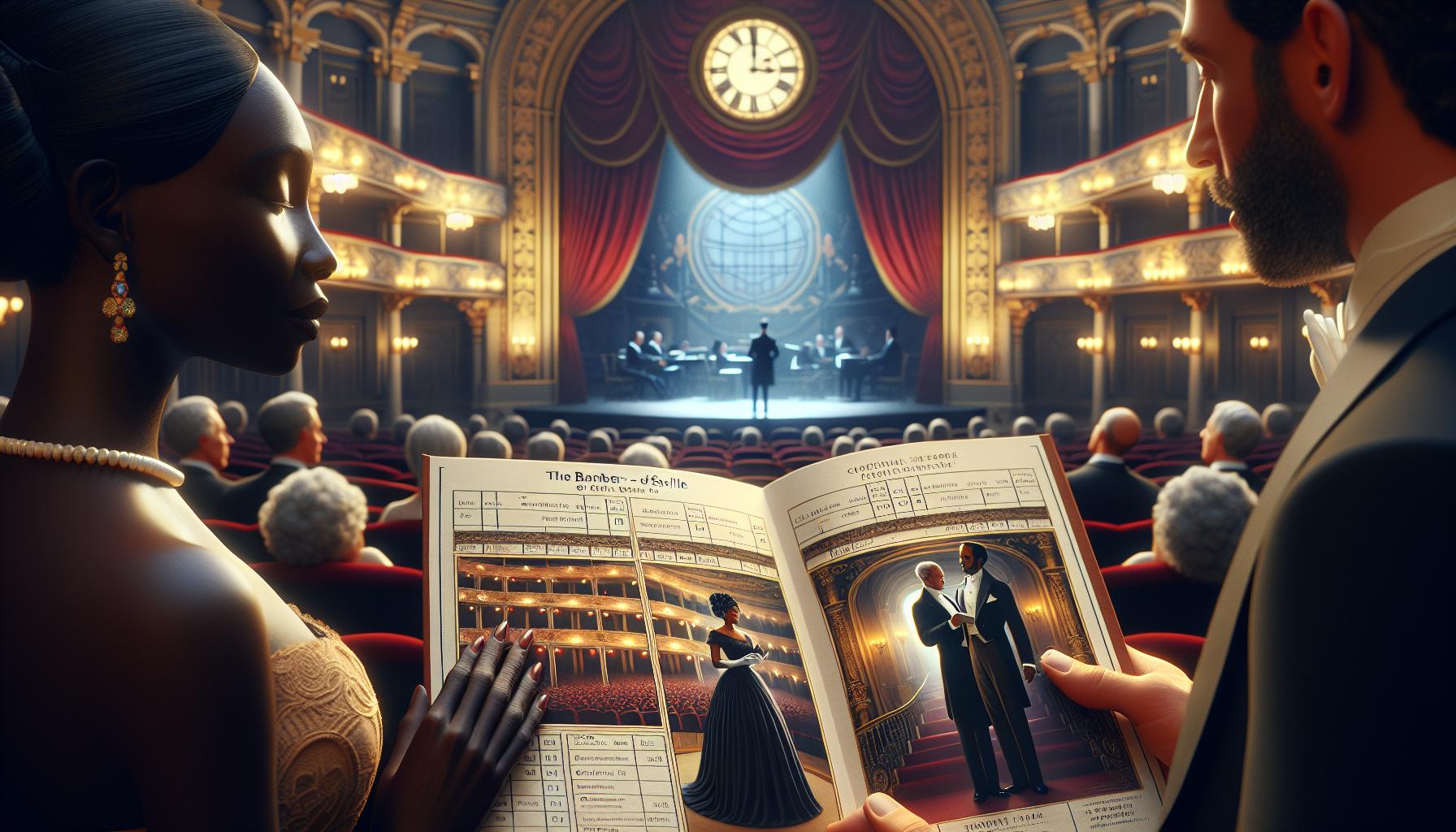
The Storyline of “The Barber of Seville” Explained
In the lively and comedic world of “The Barber of Seville,” the story unfolds in a bustling Spanish town, where love, deceit, and clever scheming come together in a delightful plot. The opera follows the resourceful and charismatic Figaro, a barber who serves as a jack-of-all-trades. He becomes entwined in the romantic pursuits of Count Almaviva, who has fallen head over heels for the beautiful Rosina, the ward of the lecherous Doctor Bartolo. Bartolo intends to marry Rosina himself to gain her fortune, setting the stage for a battle of wits.
The Count is determined to win Rosina’s love, so he seeks Figaro’s assistance to outsmart Bartolo. With an array of disguises and clever plans, Figaro helps the Count secure access to Rosina, utilizing his charm and quick thinking. As the plot progresses, a series of misunderstandings, disguises, and hilarious escapades unfold, showcasing the complexities of love and the lengths one will go to achieve it.
As the characters navigate their convoluted relationships, the lively music of Rossini underscores the energy and humor of the opera. The famous aria “Largo al factotum,” sung by Figaro, highlights his confidence and resourcefulness, inviting audiences into his world of rapid-fire wit and charm. With each twist and turn, the opera captivates attendees, making it an unforgettable experience filled with laughter and emotion.
The charm of “The Barber of Seville” lies not only in its story but also in its ability to engage audiences with relatable themes of love and rivalry, wrapped in a fast-paced comedic narrative. This aspect makes it a perfect entry point for first-time opera-goers, providing an enthralling glimpse into the vibrant world of operatic storytelling.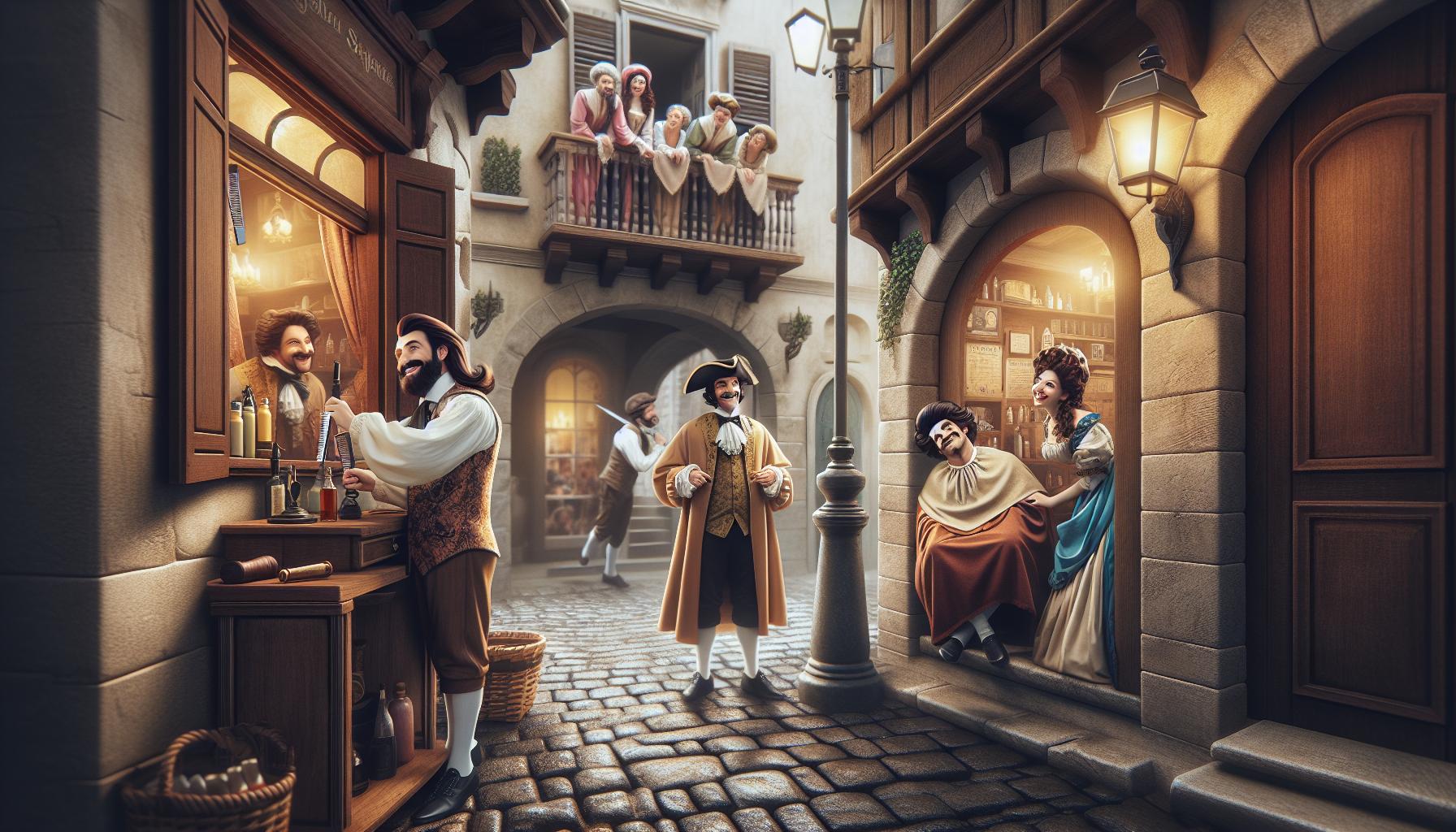
Key Characters in “The Barber of Seville
The charm of “The Barber of Seville” is greatly enhanced by its vibrant and memorable characters, each contributing to the opera’s comedic yet poignant narrative. Understanding these key figures not only enriches the viewing experience but also highlights the intricate dynamics that make this opera a staple in classic repertoire. Here’s a closer look at the characters you’ll encounter in this delightful tale.
Figaro
Figaro, the titular barber and the opera’s protagonist, embodies resourcefulness and wit. He’s not just a jack-of-all-trades; he is the driving force behind the plot’s comedic elements. His famous aria, “Largo al factotum,” not only showcases his lively personality but also serves as a declaration of his readiness to help those in love-especially Count Almaviva. Figaro’s clever plans and charm make him an admirable hero who navigates the whims and hurdles of love with finesse.
Count Almaviva
The charming Count Almaviva is the romantic lead who is desperately in love with Rosina. Disguised as a poor student to win her affections, his character demonstrates the lengths one will go for love. The Count’s dedication to Rosina and his partnership with Figaro create a delightful synergy, as they thwart Doctor Bartolo’s plans. His ardent arias and heartfelt expressions encapsulate the operatic spirit of passionate romance interwoven with humor.
Rosina
Rosina, portrayed as a witty and spirited young woman, is central to this comedic drama. As the object of the Count’s affection and the ward of Doctor Bartolo, she possesses an intelligence that allows her to engage in her shortcomings while plotting her own escape from Bartolo’s control. Her versatility is showcased in several arias that express her cleverness and yearning for love, making her character relatable and empowering.
Doctor Bartolo
As the main antagonist, Doctor Bartolo is characterized by his greed and cunning nature. His intentions to marry Rosina for her fortune brings conflict into the narrative. Bartolo’s comical attempts to secure Rosina and his susceptibility to Figaro’s tricks highlight the opera’s humorous aspects. His robust personality and misguided efforts not only provide ample opportunities for laughs but also serve to heighten the stakes in the love story.
Supporting Characters
In addition to the main cast, supporting characters like the cunning musician Basilio and the feisty servant Berta contribute layers of complexity and humor to the opera. Basilio’s scheming and devious ideas serve as plot devices that complicate the main love story, while Berta’s observations and interactions provide comic relief, enriching the overall experience.
- Figaro: The clever barber, the heart of the opera.
- Count Almaviva: The noble suitor with a heart full of love.
- Rosina: The clever damsel in distress eager for freedom.
- Doctor Bartolo: The lecherous guardian intent on keeping Rosina.
- Basilio: The scheming musician complicating matters.
- Berta: The witty servant providing comic insight.
Familiarity with these characters enhances your understanding of their motivations and interactions, making your performance experience all the more engaging. As their lively banter and evolving relationships unfold on stage, you’ll find yourself laughing, cheering, and reflecting on the timeless themes of love, deception, and the unyielding pursuit of happiness. Whether you’re a novice or well-versed in opera, the interplay between these characters is sure to resonate with audiences, making “The Barber of Seville” a truly enchanting entry into the world of operatic storytelling.
Famous Arias and Musical Highlights to Note
The music of “The Barber of Seville” is a brilliant tapestry woven with dazzling melodies and memorable themes, highlighting the opera’s comedic and romantic elements. Among the standout moments are the famous arias that elevate the experience, showcasing the characters’ personalities and emotions. Let’s delve into some of the most noteworthy musical highlights you won’t want to miss.
“Largo al factotum”
Figaro’s iconic aria, “Largo al factotum,” is not only an introduction to his character but also a celebration of his larger-than-life persona. The aria opens with a lively and infectious tune, instantly capturing the audience’s attention. In it, Figaro boasts about his skills and versatility as he declares himself the go-to man for every problem, epitomizing resourcefulness and charm. This piece is a crowd favorite, with its rapid tempo and playful lyrics, making it an unforgettable highlight of the opera.
“Una voce poco fa”
Rosina’s aria, “Una voce poco fa,” is a captivating blend of flirtation and determination. In this piece, she expresses her feelings about love and her clever plan to elude Doctor Bartolo’s grasp. The exquisite melodies in this aria showcase her vocal agility as she transitions between playful and serious tones, embodying her spirited character. Audiences are often enchanted by her playful manipulation in the aria, underlining her intelligence and independence.
“Ah! mes amis”
Count Almaviva’s touching aria “Ah! mes amis,” along with its rich, heartfelt melodies, exhibit his deep love and longing for Rosina. This moment captures the emotional stakes of the narrative, reflecting the character’s determination to win her heart despite the obstacles ahead. The beauty of this aria conveys a sense of earnest romanticism, threading together comedic elements with profound emotion.
Key Duets
In addition to solo pieces, the opera showcases remarkable duets that enhance the storytelling. Notably, the duet between Figaro and Count Almaviva, “Nòi innamorati,” brilliantly captures the camaraderie and playful scheming between the two. Their vocal interplay and harmonies not only propel the plot but also highlight the themes of friendship and connection essential to the narrative.
Furthermore, Rosina and Count Almaviva’s intimate exchanges reveal their dynamic relationship, full of tension and flirtation, enhancing the romantic arc of the opera. These moments are masterfully crafted to give the audience a sense of the characters’ evolution.
As you prepare to experience “The Barber of Seville,” keep these iconic musical moments in mind. Familiarizing yourself with them will heighten your appreciation and engagement, allowing you to connect more deeply with the characters and the opera’s enchanting narrative. The blend of humor, romance, and musical brilliance truly makes this opera a cherished masterpiece that continues to resonate through time.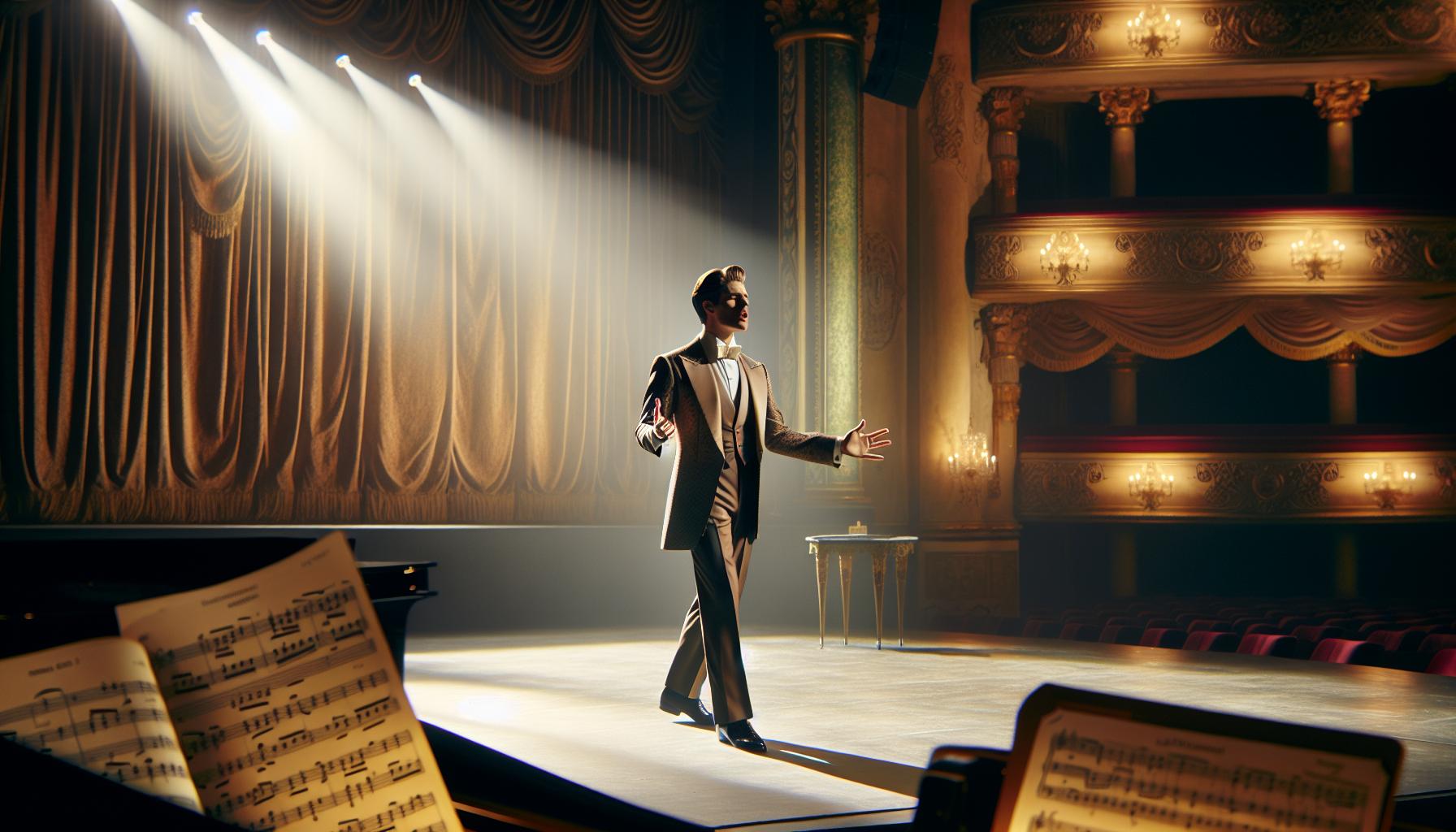
History and Significance of the Opera
The Barber of Seville is not just an opera; it’s a dynamic fusion of humor, romance, and social commentary that has captured the hearts of audiences since its premiere in 1816. Composed by Gioachino Rossini, this masterpiece was based on Pierre Beaumarchais’ play “Le Barbier de Séville,” making it a cornerstone of comic opera. The significance of The Barber of Seville lies in its brilliant composition and the way it broke artistic ground at the time, paving the way for future works in the genre.
Rossini composed the opera during a thriving period of Italian opera, yet he managed to lend it a fresh vitality that distinguished it from its predecessors. The Barber of Seville incorporated extensive use of ensemble pieces, brisk tempos, and a playful approach to both music and storytelling. What sets Rossini’s work apart is how it effectively blends comedic elements with profound emotional undercurrents, which resonate widely with audiences. The light-heartedness and quick wit found in the characters and their situations have made it a perennial favorite, ensuring that it remains relevant even today.
Cultural Impact
The opera’s cultural significance extends beyond the realm of music. It has inspired countless adaptations across various media, including film, theater, and even television. Each generation finds new interpretations that keep the story alive. For example, the 1945 animated film “The Barber of Seville,” produced by Warner Bros., introduced the characters to a younger audience, showcasing the adaptability of Rossini’s work. Furthermore, the memorable tune of Figaro’s aria has seeped into popular culture and has been referenced in advertisements, cartoons, and movies, establishing itself as an iconic piece of musical heritage.
The Barber of Seville has also been integral in shaping the public’s perception of opera. Its humorous and accessible nature provides a friendly introduction for those who may be unfamiliar with the genre. Thus, it not only entertains but also serves as an accessible entry point for opera novices. Understanding the historical context and significance of The Barber of Seville enriches the viewing experience, allowing audiences to appreciate both its musical ingenuity and its cultural resonance. As you embark on your opera journey, take pride in being part of a legacy that celebrates the brilliance of human creativity, a sentiment that echoes through the centuries.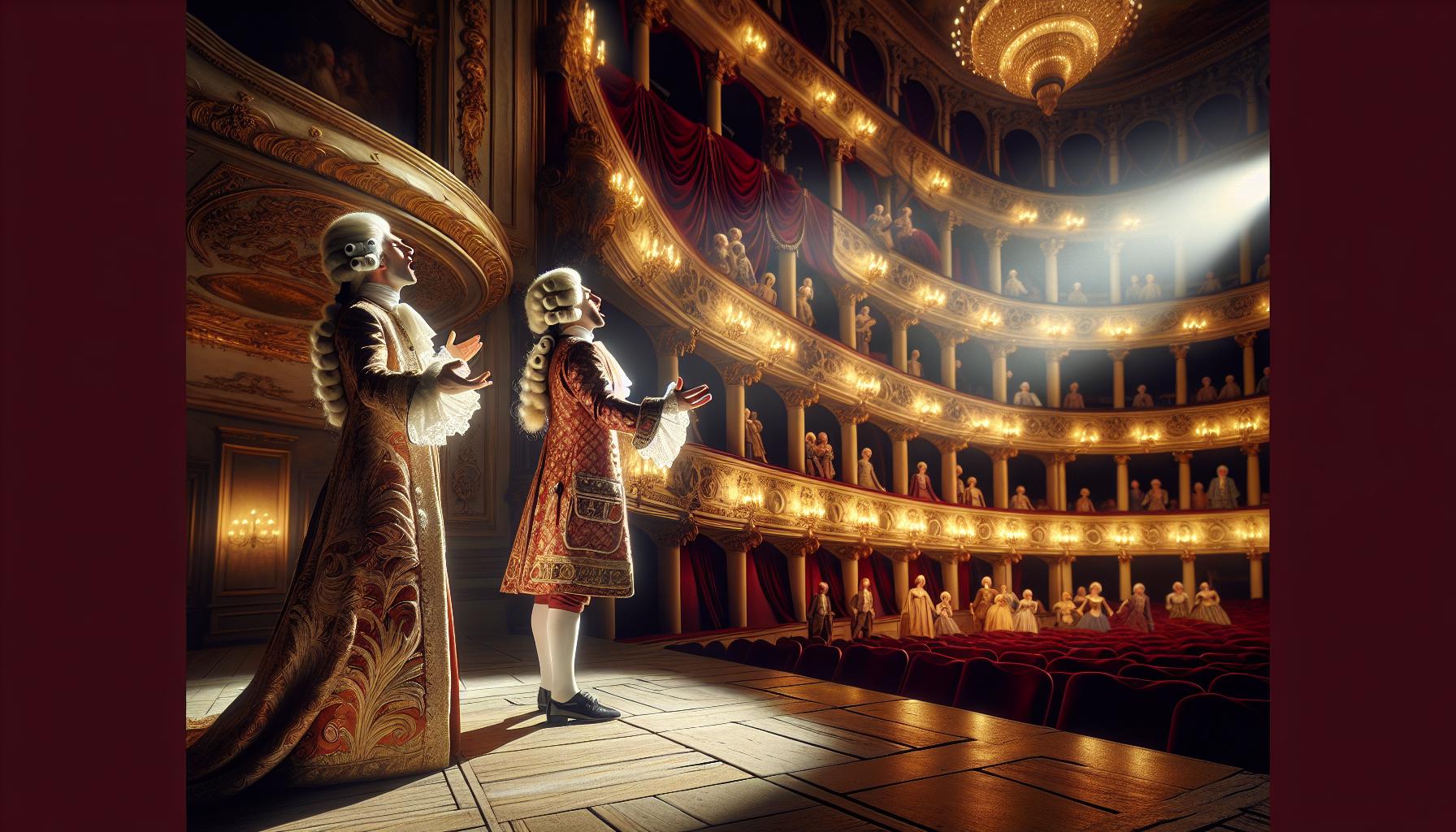
A Beginner’s Guide to Understanding Opera Structure
Understanding the structure of opera can elevate your appreciation of performances like “The Barber of Seville.” This opera, like many others, is crafted with a specific format that dictates its flow and helps convey the story through music, lyrics, and dramatic action. Knowledge of its structural components can demystify the experience for new audiences, enabling you to engage more fully with the art form that Rossini perfected.
At its core, operas are typically divided into several key elements. These include arias, duets, ensembles, and choruses. An aria is a solo vocal piece that expresses the character’s emotions, often allowing the singer to display their vocal prowess. For instance, Figaro’s famous aria “Largo al factotum” in “The Barber of Seville” is not only catchy but also highlights Figaro’s confidence and charm. Duets feature two characters singing together, adding layers to character relationships, while ensembles bring multiple voices together, enhancing the emotional depth and complexity of a scene. Choruses typically involve the full cast and help to create a rich sonic backdrop for important moments in the narrative.
In addition to these vocal forms, operas are structured into acts and scenes. Most operas, including Rossini’s masterpiece, comprise two acts, each consisting of multiple scenes that follow the progression of the storyline. The pacing is often frenetic, with lively musical interludes that keep the audience engaged. Between the acts, it’s common to have orchestral intermezzi or overtures, allowing the audience to reflect on the events or build anticipation for what’s to come.
When experiencing “The Barber of Seville,” pay close attention to transitional moments when the focus shifts from one character’s emotion to another’s. Here, the music does not just accompany the story; it drives the narrative forward. The clever interplay between dialogue and song is especially notable-combine that with the occasional comedic elements and the opera becomes a delightful rollercoaster of emotions. Understanding these structural facets not only enriches your viewing experience but makes you a more informed patron of the operatic art form, enabling you to appreciate the time-honored beauty and craftsmanship inherent in works like Rossini’s iconic opera.
What to Expect During a Live Performance
Experiencing a live performance of “The Barber of Seville” is a captivating journey that encapsulates the magic of opera, blending visual beauty, melodic splendor, and the vibrant pulse of live music. As the lights dim and the orchestra takes its place, you will be submerged in an atmosphere charged with anticipation and excitement-elements that elevate the opera form from mere storytelling to a fully immersive art experience.
As the curtain rises, take note of the stunning sets and elaborate costumes, which transport you into the whimsical world of Seville. The visual spectacle is a critical component of the operatic experience. The attention to detail in the production, from the intricacies of Figaro’s attire to the lush architectural backdrops, enhances the emotional fabric of the story, stimulating both your imagination and senses.
- Audience Engagement: One of the unique aspects of live theater is the collective experience-it’s just you and the audience members around you, all sharing reactions and emotions in real time. Laughter, gasps, and applause can create an exhilarating atmosphere, making each performance distinct. Don’t be shy about engaging with the performance; react naturally to comedic moments or dramatic turns.
- Intermissions: During the performance, you’ll likely encounter intermissions, usually between the two acts. Use this time to discuss the unfolding narrative with your companions, reflect on the music and performances, or simply enjoy the ambiance of the venue. It’s also an excellent opportunity to grab refreshments-a small treat can enhance the experience!
- Audience Etiquette: While immersing yourself in the performance, it’s important to maintain a respectful demeanor. Ensure your phone is silenced, refrain from talking during performances, and avoid using flash photography, as these can disrupt both the performers and fellow attendees. Clapping and cheering at appropriate moments is encouraged and appreciated.
The arc of “The Barber of Seville” weaves through themes of love, trickery, and cleverness, with music that pushes the narrative forward and breathes life into the characters. During key moments-like Figaro’s audacious antics or the romantic duets between Rosina and Count Almaviva-expect to be swept away by the emotional power of the arias. To truly appreciate these scenes, allow yourself to become emotionally invested; the sweeping melodies and the glances shared onstage can reveal deeper layers of the story that resonate with personal experiences.
Live performances can be unpredictable, celebrating the unique artistry of each singer and orchestra. Revel in the spontaneity, knowing that it’s this unpredictability that enhances the beauty of an art form steeped in tradition but continuously evolving. Every performance is different, from subtle shifts in a singer’s interpretation to the energy of the orchestra-these elements combine to create a singular, unforgettable experience that resonates long after the final curtain falls.
Essential Tips for First-Time Opera Goers
Experiencing “The Barber of Seville” can be a delightful venture for first-time opera attendees, filled with laughter, music, and masterful storytelling. To make the most of your inaugural visit, there are a few essential tips to keep in mind that will enhance your opera experience and help you navigate the nuances of this enchanting art form.
Arrive Early
Arriving at the venue well ahead of the start time not only allows you to find your seat comfortably but also gives you a chance to soak in the atmosphere. Enjoy the architecture, browse any opera-related merchandise or programs, and take note of other guests’ stylish attire. This anticipation sets the tone for the performance to come and helps you transition from the outside world into the enchanting realm of opera.
Familiarize Yourself with the Story
While many operas, including “The Barber of Seville,” are beloved for their music, understanding the storyline enhances your enjoyment significantly. Read a summary beforehand or watch a short video that outlines the plot and introduces key characters. Knowing the twists and turns of Figaro’s clever schemes and Rosina’s romantic pursuits will provide a deeper appreciation for the musical interludes and emotional peaks throughout the performance.
Embrace the Music and Lyrics
The power of opera lies in its marriage of music and narrative. While it may be performed in Italian, subtitled translations will often be provided, either via screens or programs. While enjoying the lush musical score, pay attention to the emotional cues conveyed through the singers’ vocal expressions. The famous arias and duets often carry significant emotional weight, and engaging with the melodies will elevate your overall experience.
Dress Appropriately
Opera attire can vary widely, so opt for smart-casual or formal wear, depending on the venue. While some opera houses encourage elegant outfits, others may embrace a more laid-back approach. Regardless, dressing up adds a layer of festivity to the evening and aligns with the artistic spirit of opera.
Mind the Audience Experience
Opera is a shared experience, and your behavior contributes to the overall enjoyment of everyone around you. Punctuality is crucial; late arrivals may disrupt the flow not only for performers but for fellow attendees. Once settled in, remember to silence your devices and stay in the moment. Engaging properly with the opera-applauding at appropriate moments or laughing during comedic scenes-can foster a joyful atmosphere that enhances the performance for all.
Ultimately, your first opera experience need not be daunting; with these insider tips, you’re all set to enjoy “The Barber of Seville” to its fullest. Let loose, immerse yourself in the magic of the performance, and remember that the laughter, music, and shared culture are what make opera an unforgettable experience!
The Best Recordings and Performances of “The Barber of Seville
Discovering ” enhances your appreciation for this cornerstone of opera. From iconic productions to renowned artists, the wealth of interpretations brings the story to life in various captivating ways. Whether you’re looking for a polished recording to savor at home or an exhilarating live performance to watch, understanding the standout options can elevate your experience.
One highly recommended recording features the legendary mezzo-soprano Cecilia Bartoli as Rosina, accompanied by the Orchestra of the Teatro alla Scala under the baton of Riccardo Chailly. This version brings a fresh energy and a bright interpretation, making Bartoli’s agile vocal delivery a delight for both novice and seasoned opera enthusiasts. The vibrant orchestral play combined with Bartoli’s strong presence illustrates the wit and charm of Figaro’s escapades wonderfully.
For those seeking a classic version, consider the recording conducted by Herbert von Karajan with the Vienna State Opera in 1955. This performance features Luciano Pavarotti as the Count and Teresa Berganza as Rosina, epitomizing the operatic tradition with their powerful and emotive renditions. Karajan’s leadership ensures a sumptuous orchestral palette that complements the singers’ powerful performances, creating a timeless depiction of Rossini’s masterpiece.
When it comes to live performances, the Metropolitan Opera and the Royal Opera House consistently showcase stellar productions of “The Barber of Seville.” Their stages often feature contemporary staging and innovative direction that breathe new life into this classic tale, ensuring every curse and escapade feels fresh and exhilarating. Be sure to check the performance season schedules, as seeing the opera live can provide an unparalleled thrill, enhanced by the electric energy emanating from both the performers and the audience.
In addition to these recordings and performances, exploring streaming services that offer operatic productions can introduce you to a wider range of interpretations. Platforms like Medici.tv and The Opera Platform often feature broadcasts from notable opera houses, providing excellent opportunities to watch performances that may not be available in your area. These options allow you to enjoy the magic of “The Barber of Seville” from the comfort of your home while still experiencing the nuances of each artist’s expression.
Ultimately, whether you opt for a cherished recording or seek out an invigorating live performance, immersing yourself in the various renditions of “The Barber of Seville” will deepen your understanding and appreciation of this operatic gem.
Cultural Impact and Adaptations of the Opera
The influence of “The Barber of Seville” extends far beyond the opera house, shaping art, culture, and even modern media. Composed by Gioachino Rossini in 1816, this beloved opera has been termed a ‘cornerstone of opera buffa’ and has left an indelible mark on musical and comedic styles across generations. Its catchy melodies and witty characters have inspired countless adaptations, solidifying its status in popular culture.
One of the most notable cultural impacts of “The Barber of Seville” is its frequent references in film and television. Iconic scenes in animated classics like Looney Tunes often feature the opera’s overture, instantly recognizable to audiences. These renditions not only spotlight the irresistible charm of Rossini’s music but also introduce younger viewers to operatic works, bridging the gap between classical and contemporary entertainment. Shows like The Muppet Show have also incorporated elements of “The Barber of Seville,” showcasing its broad appeal and ability to engage diverse audiences.
In addition to popular media, the opera has inspired various theatrical adaptations that explore its themes of love, wit, and the art of deception. These adaptations take many forms-from musicals that retain the essence of the original to modern retellings set in contemporary contexts. A prime example is the Broadway musical “The Barber of Seville,” which infuses the classic story with modern humor and contemporary musical styles, thereby attracting a new generation of theatre-goers who might echo the operatic tale’s timeless struggle of love, identity, and social class.
Furthermore, the opera has found its way into educational programs aiming to introduce newcomers to the world of opera. Many opera companies offer abridged versions for younger audiences, emphasizing engagement through interactive performances. This effort promotes not only appreciation for live theater but also aids in demystifying opera, making it more accessible to people from all walks of life.
Overall, the cultural resonance of “The Barber of Seville” demonstrates that opera is not merely a relic of the past. Its enduring themes and captivating music continue to inspire artists, filmmakers, and performers today, reaffirming its position as a vibrant element of the cultural fabric. Engaging with these adaptations and performances can deepen your appreciation for the original work, providing a richer understanding of its impact through time. Whether you are a seasoned opera lover or a curious newcomer, immersing yourself in the myriad expressions of Rossini’s masterpiece can illuminate the beauty of this timeless story.
Exploring the Composer: Gioachino Rossini
Gioachino Rossini, one of the most celebrated composers of the bel canto opera style, left an indelible mark on the world of classical music with his vibrant compositions and unparalleled ability to blend humor with melody. Born in Pesaro, Italy, in 1792, he began composing at a young age, quickly gaining recognition for his talent. By the time he wrote “The Barber of Seville” in 1816, Rossini had already established himself as a master of opera buffa-a genre characterized by light comedy and lively musical interludes. This particular opera not only solidified his fame but also introduced a wealth of memorable melodies that continue to resonate with audiences today.
Rossini’s work is known for its sparkling orchestration and inventive use of vocal techniques, combining lyrical beauty with dramatic flair. In “The Barber of Seville,” these qualities manifest in the characters of Figaro, Rosina, and Count Almaviva, each of whom is crafted with depth and nuance. The opera’s ensemble pieces showcase Rossini’s ability to write intricate, interweaving vocal lines that heighten both the humor and the emotional stakes of the narrative. This operatic masterpiece runs approximately 2 to 2.5 hours, depending on pacing, making it a marvellous experience for both newcomers and seasoned opera fans seeking to understand the essence of operatic storytelling.
In addition to his melodic prowess, Rossini’s influence extended into the realm of stagecraft. His unique ability to blend the dramatic with the comic transformed the way opera was perceived. Notably, he employed humorous conventions and clever plots, enriching the theatrical experience and inviting audiences to engage with the characters and their follies more deeply. This innovative approach not only redefined the operatic genre but paved the way for future composers to infuse their works with similar wit and charm.
Today, Rossini’s legacy lives on as “The Barber of Seville” remains a staple in the repertoire of opera companies worldwide. The charm of his music, the complexities of the plots he crafted, and his impact on theatrical performance continue to inspire adaptation and reinterpretation across various media. Whether enjoying a live performance or discovering the nuances of his scores through recordings, embracing Rossini’s work offers a delightful insight into the joys of opera-a genre where beauty, humor, and skill come together in one harmonious blend.
Related Operas to Explore After “The Barber of Seville
Whether you’re a seasoned opera aficionado or just beginning to explore the enchanting realm of operatic storytelling, discovering more works within this vibrant genre can enrich your appreciation of music and drama. After experiencing “The Barber of Seville,” a logical next step is to explore other operas that embody similar themes of humor, mistaken identities, and engaging characters.
Classic Comedic Operas
Many operas share the characteristic of lively humor and whimsical plots, reminiscent of Rossini’s charm. Consider these essential works:
- Don Giovanni by Wolfgang Amadeus Mozart – This opera uniquely balances comedy and tragedy, following the infamous seducer Don Giovanni as he faces the consequences of his libertine lifestyle. Mozart’s exquisite arias and intricate ensemble pieces provide a rich musical experience.
- Così fan tutte by Wolfgang Amadeus Mozart – Another gem by Mozart, this opera engages audiences with its exploration of love and fidelity in a lighthearted manner. The vibrant character dynamics and unforgettable melodies make it a delightful counterpart to Rossini’s work.
- L’elisir d’amore by Gaetano Donizetti – Featuring a charming tale of unrequited love and a magical elixir, this opera is filled with catchy tunes and comedic misadventures that resonate well with fans of “The Barber of Seville.”
Other Notable Works to Explore
Beyond light-hearted comedies, the operatic repertoire includes notable works that present rich emotional narratives and captivating characters.
- Romeo and Juliet by Charles Gounod – This adaptation of Shakespeare’s classic retains the heart-wrenching elements of the original story, set to Gounod’s lush melodies. While it pivots away from comedy, its romantic highlights are profoundly moving.
- Carmen by Georges Bizet – Known for its fiery drama and unforgettable music, “Carmen” is another staple of operatic performance. While it diverges from the lightness of Rossini’s works, its dynamic characters and intense emotional arcs captivate audiences alike.
Exploring Different Styles
If you’re inspired to broaden your understanding of opera, consider diving into works that meld various musical styles or offer different cultural perspectives.
- Madama Butterfly by Giacomo Puccini – This tragic tale of love and loss showcases Puccini’s ability for melodrama while still maintaining a lyrical sensibility. Its emotional depth contrasts with the comedic elements of “The Barber of Seville,” offering an enriching balance.
- The Magic Flute by Wolfgang Amadeus Mozart – Fusing fairy tale elements with profound philosophical themes, this opera has a playful charm and lyrical beauty that complements Rossini’s humor.
Engaging with these operas not only builds upon the experience of “The Barber of Seville” but also provides a broader context for understanding the evolution and diversity of opera itself. Each piece contributes its unique flavor to the art form, allowing you to appreciate the multifaceted world of opera while enjoying a variety of experiences that resonate on both emotional and musical levels. Whether you attend performances or listen to recordings, diving into these operas can significantly enhance your journey through the vibrant landscape of classical music.
Q&A
Q: How long does the performance of “The Barber of Seville” typically last?
A: “The Barber of Seville” usually lasts about 2.5 hours, including intermissions. This runtime allows audiences to fully enjoy Rossini’s lively music and the comedic storyline, offering an engaging experience for both new and seasoned opera-goers.
Q: What are common misconceptions about “The Barber of Seville”?
A: A common misconception is that “The Barber of Seville” is purely a comedic opera; while it is humorous, it also explores themes of love and social class. Understanding these layers enhances your appreciation of the performance beyond just the comedy.
Q: Where can I watch a live performance of “The Barber of Seville”?
A: You can watch a live performance of “The Barber of Seville” at major opera houses worldwide. Check schedules for local opera companies or enjoy a live-streamed performance for a convenient option.
Q: What should I wear to a performance of “The Barber of Seville”?
A: For “The Barber of Seville,” smart-casual attire is appropriate. Many attend in cocktail dresses or slacks, but comfort is key since performances can be long. Check the venue’s dress code for specific guidelines.
Q: What age is suitable for children to watch “The Barber of Seville”?
A: “The Barber of Seville” is generally suitable for children aged 8 and above. The light-hearted story and music can captivate younger audiences, but consider their attention span and interest in operatic performances.
Q: How can I prepare to understand the storyline of “The Barber of Seville”?
A: To prepare for “The Barber of Seville,” familiarize yourself with the plot by reading a synopsis or watching a summary online. Listening to key arias beforehand can also enhance your understanding and enjoyment of the performance.
Q: Are there subtitled translations available during the performance?
A: Yes, many opera houses provide subtitles or supertitles in multiple languages, including English. This feature ensures you can follow the story and appreciate the lyrics while enjoying the music during the performance.
Q: What are some recommended recordings of “The Barber of Seville”?
A: Highly recommended recordings of “The Barber of Seville” include performances by Luciano Pavarotti and Juan Diego Flórez. These recordings showcase renowned artists and can be a great introduction to the opera’s highlights. For more recommendations, check the section on “The Best Recordings and Performances” in the article.
Key Takeaways
Now that you know “How Long Is the Barber of Seville?” and feel more prepared to dive into the world of opera, why not explore further? Consider checking out our article on “The Best Opera Composers for Beginners” to discover more masterpieces or our guide on “Understanding Opera Etiquette” to ensure you’re ready for a live performance.
If you’re still curious about the nuances of the Barber’s captivating characters or seeking tips on how to enjoy operatic performances, we encourage you to sign up for our newsletter for the latest insights and exclusive content. Remember, each listen is an opportunity to deepen your appreciation for this timeless art form.
Don’t miss out on enhancing your musical journey-click to read more and join our community of budding opera enthusiasts today! Your next adventure in opera awaits!