Did you know that a makeup primer can be the secret weapon to achieving a flawless look that lasts all day? Many struggle with makeup wear that disappears or settles into fine lines, making it crucial to understand the importance of primer application. This essential step not only creates a smooth canvas for foundation but also enhances its longevity, ensuring your makeup stays fresh and vibrant from morning till night. Whether you’re new to makeup or a seasoned pro, mastering the art of primer application can elevate your routine and boost your confidence. In this guide, we’ll explore effective techniques and tips, empowering you to unlock the full potential of your foundation and keep your look impeccable throughout the day.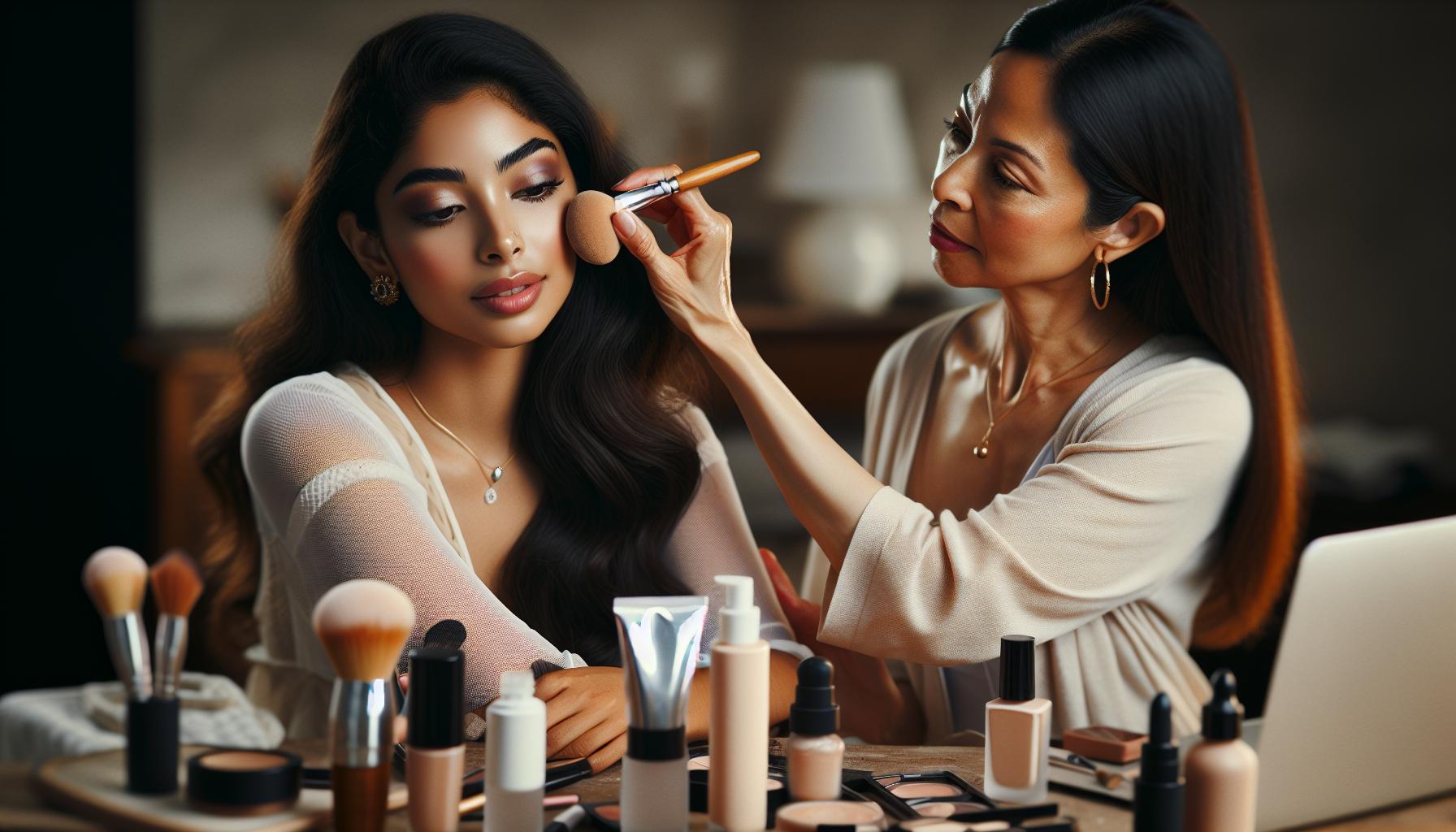
Understanding Makeup Primer: What You Need to Know
Applying makeup primer is a transformative step in achieving a flawless foundation look. Many makeup enthusiasts overlook this crucial product, yet a primer can significantly enhance the overall finish and longevity of your makeup. Understanding what a primer does is essential. Essentially, it creates a smooth barrier between your skin and foundation, ensuring a more even application. Primers can also address specific skin concerns, such as minimizing pores, controlling oil, or providing hydration. For anyone looking to elevate their makeup routine, grasping how to effectively use primers is a game-changer.
A primer can be particularly beneficial for those with varying skin types. For example, matte primers are great for oily skin, as they help absorb excess oil and reduce shine throughout the day. Conversely, those with dry skin may benefit from a hydrating primer that provides a dewy finish. This adaptability makes primers a versatile tool in a makeup arsenal, allowing each individual to tailor their approach to their unique skin needs. Additionally, many modern primers include skincare benefits, such as antioxidants and SPF, making them a multitasking product worth investing in.
When applying a primer, the technique is just as important as the product itself. Start with a clean, moisturized face; this sets the stage for better product adherence. Using your fingertips or a foundation brush, distribute the primer evenly across your face, focusing on areas where your foundation tends to fade or settle. Allowing the primer a moment to dry before adding foundation will help lock in its benefits, setting a firm base for long-lasting makeup. By understanding the role of primer and how to leverage it, makeup lovers can achieve a polished look that withstands the test of time, regardless of the environment or occasion.
The Importance of Makeup Primer for Flawless Foundation
Applying makeup without a good primer is akin to baking a cake without flour; it simply doesn’t reach its full potential. A quality makeup primer is essential for achieving that flawless foundation look, serving as the key to not just a smooth finish but also to overall makeup longevity. The transformative effects of a primer go beyond aesthetics; it acts like a shield, enhancing the skin’s texture and allowing foundation to glide on seamlessly while addressing common concerns such as uneven skin tone, fine lines, and enlarged pores.
Moreover, the importance of primer extends to its ability to create a more polished, even surface for your makeup application. By filling in fine lines and minimizing the appearance of pores, a primer helps to achieve a better hold for your foundation. When applied correctly, the foundation adheres better, wears for longer, and provides a flawless finish that can withstand the test of time, whether you’re facing a day in the office or a night out on the town. Quality primers often come fortified with skin-loving ingredients that can hydrate, mattify, or provide a glow, seamlessly integrating skincare into your beauty routine.
Choosing the right primer can also significantly affect the outcome of your makeup application. For instance, those with oily skin types might benefit from a mattifying primer to control shine, while those with dry skin could opt for hydrating formulas that lend a radiant finish. Recognizing these nuances empowers you to tailor your beauty regimen effectively. Additionally, many modern primers offer multifunctional benefits, such as SPF protection or antioxidants, making them a smart investment for anyone serious about their skin and makeup.
Ultimately, the importance of a primer is underscored by its role as an essential component in your makeup toolkit. With the right product and application technique, you can transform your makeup routine, ensuring that every layer adheres beautifully while looking fresh and vibrant throughout the day. By embracing the power of primer, you set the foundation for a more polished, professional, and long-lasting makeup look.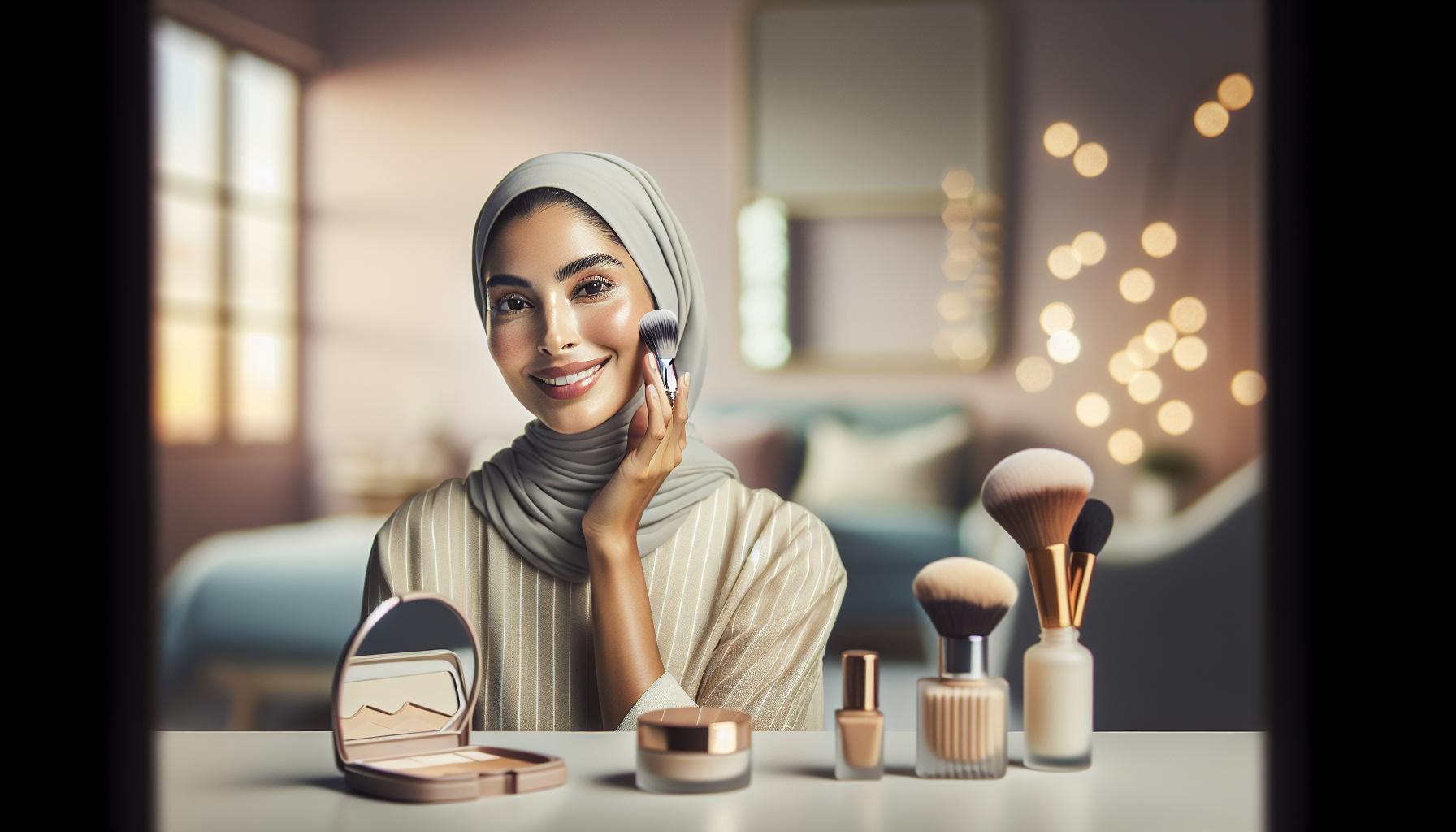
Choosing the Right Primer for Your Skin Type
Knowing your skin type is pivotal in selecting the perfect primer that elevates your makeup routine from ordinary to extraordinary. The right primer not only enhances the overall finish of your makeup but also addresses specific skin concerns, ensuring your foundation applies smoothly and lasts throughout the day. Here’s how to match your primer choice with your skin type for optimal results.
Oily Skin
For those with oily skin, a mattifying primer is your best friend. These formulations typically contain oil-absorbing ingredients that help control shine and reduce the appearance of pores. Look for primers with a lightweight texture to prevent heavy build-up on the skin. A few reputable options include:
- Smashbox Photo Finish Oil & Shine Control Primer: This primer specifically targets shine while maintaining the longevity of your makeup.
- Benefit Cosmetics The POREfessional Matte Rescue: A gel-cream that instantly controls shine and minimizes the look of pores.
Dry Skin
If you have dry or dehydrated skin, seek out hydrating primers that infuse moisture and create a dewy finish. These primers often contain hyaluronic acid or glycerin, which not only hydrate but also help your foundation glide on effortlessly. Options worth considering are:
- Too Faced Hangover Replenishing Face Primer: This coconut water-infused primer revitalizes and hydrates, making it perfect for dry skin.
- ILIA Beauty True Skin Radiant Priming Serum: This lightweight formula provides both skincare and makeup benefits, offering a beautiful glow while preparing your skin.
Combination Skin
For combination skin, you may need a hybrid primer that balances oil control with hydration. Consider a silicone-based primer that can smooth out dry patches while controlling shine in oilier areas. Effective choices include:
- Fenty Beauty Soft Matte Pro Filt’r Primer: This versatile primer controls oil and hydrates the skin without leaving it feeling greasy.
- Too Faced Primed & Peachy Cooling Matte Skin Perfecting Primer: Designed to deliver moisture where needed while blurring imperfections.
Sensitive Skin
Sensitive skin types should look out for primers that are free from harsh chemicals and fragrances. Products with soothing ingredients like aloe vera or chamomile are ideal for minimizing irritation. Recommended options include:
- BareMinerals Prime Time Foundation Primer: A gentle primer that calms the skin while providing a smooth canvas.
- Tarte Cosmetics Clean Slate Timeless Smoothing Primer: Formulated to be gentle and effective, perfect for those prone to redness or sensitivity.
By understanding your unique skin type, you can make informed decisions that enhance your makeup application and overall skin health. Take the time to experiment with different formulas until you find your perfect match; your skin will thank you with a flawless, radiant finish.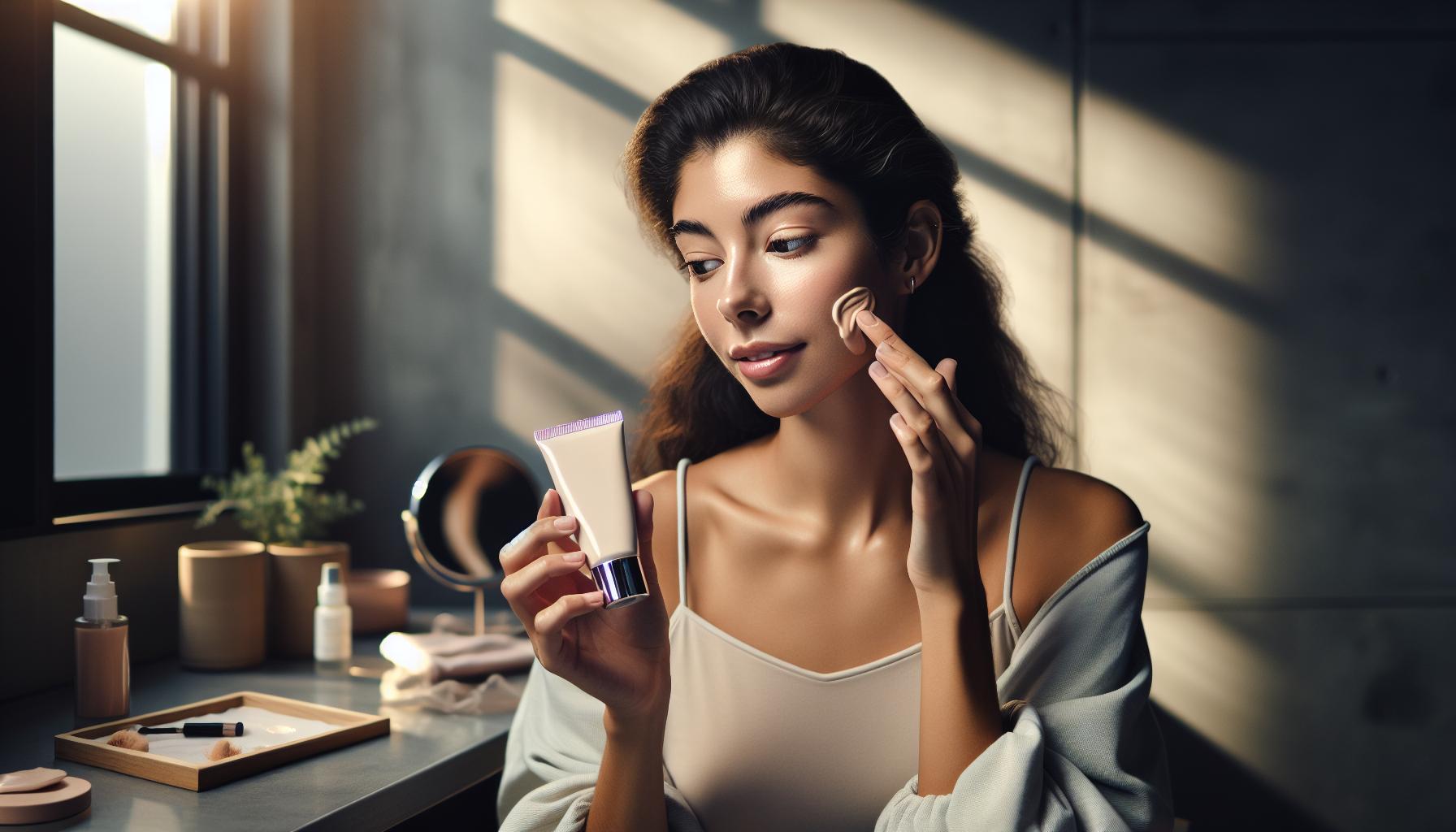
Step-by-Step Guide to Applying Makeup Primer
Applying makeup primer is a crucial step that can dramatically enhance the appearance and longevity of your foundation. When done right, it creates a flawless canvas that helps your makeup adhere better, prevents fading, and smooths out imperfections. Here’s a comprehensive guide to ensuring you apply primer effectively for all-day wear.
Start by preparing your skin. Cleanse your face thoroughly to remove any oils, dirt, or makeup residue. This sets the stage for a smooth application. Next, apply your skincare products-moisturizer, serum, and sunscreen-as needed, and allow them to absorb completely. Waiting a few minutes is essential; this prevents the primer from sliding off your skin and ensures optimal adhesion.
Now it’s time for the primer. Dispense a pea-sized amount onto your fingertips, or if preferred, use a clean makeup sponge for application. Gently dot the primer on areas that require the most focus, such as your forehead, cheeks, and chin. For larger areas, you can also apply primer in a thin layer across your entire face. Using your fingers or a sponge, blend the product outwards, focusing on areas with visible pores or uneven texture. For oiler zones, like the T-zone, pay special attention to ensure the primer thoroughly absorbs while you apply it with a light pressing motion.
As you finish applying, allow the primer to set for about one to two minutes before moving on to your foundation. This waiting period allows the ingredients to create a barrier that helps makeup stay put. Once you’re ready, proceed with your foundation application, noting that a primer can make it easier to achieve an airbrushed finish. Remember, the right primer applied properly can be a game-changer, making your makeup routine more efficient and effective.
Essential Tools for the Perfect Primer Application
The success of your makeup primer application hinges not only on the formula you choose but also on the tools you employ. Equipping yourself with the right essentials can elevate your application technique, leading to a smoother, more effective result. For optimal primer application, you should consider a few specific tools that will harmonize with your beauty routine.
First and foremost, your fingers are one of the best tools at your disposal. They provide natural warmth, allowing the primer to better absorb into your skin. Using your fingertips, gently press and blend the primer into your skin, paying attention to areas that require more coverage. However, for those seeking a more blended finish, a makeup sponge-preferably a damp one-can provide a beautiful, airbrushed effect. Look for high-quality sponges that can easily reach those tricky areas around your nose and under your eyes, ensuring even distribution.
In addition to sponges and fingers, using a foundation brush can be highly effective, especially for applying thicker primers or those with a more matte finish. A brush can help to spread the product evenly without tugging at the skin. Opt for a flat, dense brush made specifically for primer application to maximize the smoothness and ensure that it lays down a perfect canvas for your foundation.
Always remember to keep your tools clean. A quick wash after use will prevent product build-up and maintain hygiene, which is crucial in preventing breakouts or skin issues. Establishing a routine of cleaning your brushes and sponges not only enhances the effectiveness of your products but also prolongs the life of your tools. By integrating these recommendations into your makeup regimen, you’ll enhance your overall application technique and achieve that flawless, long-lasting look you desire.
Makeup Primer Hacks for All-Day Wear
Unlocking the secret to long-lasting makeup often starts with one key product: the primer. Not only does it create a smooth canvas for your foundation, but it also significantly enhances the longevity of your makeup throughout the day. To reap the full benefits of your primer and ensure your look stays flawless from morning to night, consider these effective hacks.
One of the simplest ways to maximize primer performance is to layer it strategically. Start with a hydrating primer if you have dry skin, as it provides moisture that preps your skin beautifully. For oily complexions, a mattifying primer can help control shine and minimize pores. An additional tip is to let your primer set for a few minutes before applying foundation; this allows it to adhere better to your skin, creating a more durable base. Another trick is to use a setting spray after applying your primer; this extra layer helps lock in the product and further boosts your makeup’s staying power.
Moreover, touch-ups can be a game-changer. Carry a small blotting paper or powder with you to manage shine throughout the day without disrupting your makeup. Additionally, consider using a translucent powder over your foundation to set everything in place. This technique can ensure your makeup doesn’t slip away as the day progresses.
Lastly, don’t overlook skin preparation. Exfoliating and moisturizing before makeup application can significantly impact how your primer performs. Smooth, well-prepped skin allows primer to blend seamlessly, reducing the likelihood of it accumulating in fine lines or creasing. By integrating these hacks into your makeup routine, you not only extend the wear time of your makeup but also maintain a polished appearance, embracing your unique beauty with confidence.
Common Primer Mistakes to Avoid
When it comes to achieving a flawless makeup look that lasts all day, avoiding common primer pitfalls can make a world of difference. Many makeup enthusiasts unknowingly sabotage their efforts with simple mistakes that hinder the performance of this essential product. Understanding what not to do is just as crucial as knowing how to apply primer effectively.
One prevalent mistake is skipping skin prep before applying primer. Thoroughly cleansing and moisturizing your skin is a vital step that creates an ideal canvas for your primer. Without proper hydration, a primer can cling to dry patches, leaving your skin looking uneven and enhancing flaws rather than masking them. Moreover, using the incorrect type of primer for your skin type can also lead to subpar results. For instance, using a mattifying primer on dry skin may exacerbate flakiness, whereas a hydrating primer on oily skin can leave you looking greasy. Always choose a primer tailored to your skin’s specific needs.
Another frequent error is applying too much product. A common misconception is that slathering on a thick layer of primer will provide extra grip for your foundation. In reality, a pea-sized amount is generally sufficient to cover the entire face. Applying too much can cause your foundation to slide off or become cakey, ultimately ruining your carefully crafted look. It’s best to start small and add more only if necessary; you can always build up if needed.
Another critical point to note is the importance of allowing your primer to set. Rushing this process can diminish its effectiveness. After application, give your primer a few minutes to dry before moving on to foundation. This essential wait allows the primer to properly adhere to your skin, ensuring better foundation application and longevity.
Incorporating these adjustments into your routine can significantly improve your makeup’s longevity and overall appearance. By taking the time to properly prepare your skin, selecting the right product, and applying it with care, you create an optimal base for makeup that will remain stunning throughout the day. Embrace these tips and transform your makeup routine into one marked by professionalism and confidence!
Enhancing Longevity: Primer and Foundation Pairing
The synergy between your primer and foundation can mean the difference between a flawless look that lasts all day and makeup that fades or shifts before you even leave the house. To optimize longevity, it’s essential to select products that complement each other in both texture and purpose. Just as you wouldn’t pair a thick cream with an oil-based serum, the same principle applies to your makeup routine. When paired correctly, the right primer can enhance the application and endurance of your foundation, resulting in a smooth, polished finish.
Start by understanding your skin type and the performance of each product. For example, mattifying primers work wonders for oily skin, controlling shine while providing a smooth base. When paired with a long-lasting matte foundation, this combination ensures you stay shine-free throughout the day. On the flip side, if you have dry skin, opt for a hydrating primer to infuse moisture while using a foundation that offers similar hydrating properties. This approach not only aids in blending smoothly but also prevents your makeup from clinging to dry patches.
Key Pairing Tips
- Texture Compatibility: Match the texture of your primer with your foundation. A silicone-based primer pairs well with liquid foundations, while creamier primers work beautifully with cream-based foundations.
- Finish Matters: If you desire a dewy look, go for a radiant primer and finish with a luminous foundation. Alternatively, a matte primer combined with a matte foundation works best for a polished, refined appearance.
- Layering: Buff your foundation over the primer using a makeup sponge or a foundation brush, applying pressure rather than dragging, to ensure it adheres well to the primer.
Ultimately, the art of applying makeup extends beyond technique; it’s about understanding your products and how they interact. By thoughtfully pairing your primer and foundation, you can achieve a flawless, long-lasting finish that doesn’t just serve your beauty needs but elevates your entire makeup routine.
How to Adjust Your Makeup Routine for Seasonal Changes
Adapting your makeup routine with the changing seasons is essential for achieving a flawless look that lasts throughout the day. As temperatures fluctuate and weather conditions alter, so too do the needs of your skin and your makeup products. During colder months, skin typically craves hydration, making it vital to incorporate a nourishing primer that can minimize dry patches and provide a smooth base for foundation. Opt for hydrating formulas with ingredients like hyaluronic acid or glycerin, which not only retain moisture but also contribute to a radiant complexion.
In contrast, summer may call for a shift towards lightweight, mattifying products to combat excess oil and shine. Choose a primer with a matte finish that helps control oil production without feeling heavy, pairing it with a long-wear foundation to ensure your makeup stays put in the heat. Look for primers infused with pore-minimizing properties to create an even canvas, perfect for all-day wear even under high temperatures.
Product Examples for Seasonal Adjustments
- Winter: Illuminating Primer – Provides hydration and a glowing finish.
- Summer: Oil-Free Matte Primer – Controls shine and creates a smooth base.
- Spring/Fall: Multi-Tasking Primer – Offers both hydration and smoothness for transitional weather.
The key is to regularly assess the condition of your skin, adjusting your routine accordingly. Transitioning between products doesn’t just optimize wear but also enhances your overall makeup experience, ensuring you feel confident and beautiful regardless of the season. Embrace these changes with enthusiasm; after all, makeup is about adapting to your unique style and expressing yourself while also caring for your skin.
Transforming Your Look: Primer for Different Makeup Styles
The right primer can revolutionize your makeup application, transforming not just your complexion but also the way you express your style through makeup looks. Whether you’re aiming for a fresh, natural aesthetic, a glamorous party vibe, or a bold, artistic statement, the choice of primer is pivotal. Each makeup style has specific needs that a carefully selected primer can address, enhancing your overall appearance and ensuring longevity throughout the day.
For those who prefer a natural, no-makeup look, a lightweight and hydrating primer is the way to go. Ingredients like hyaluronic acid or aloe vera not only provide moisture but also create a lovely, dewy finish that mimics healthy skin. Apply a sheer layer with your fingertips for an effortlessly smooth base, allowing your skin’s natural texture to shine through while improving the wear of lightweight foundations or tinted moisturizers.
If you’re preparing for a dramatic evening look, such as a full glam beat for a holiday party or night out, consider a blurring or pore-filling primer. This type of product creates an immaculate canvas, softening imperfections and providing a matte finish that helps your foundation stay put. Silicone-based primers are particularly effective here, as they can fill in fine lines and pores, ensuring your makeup looks flawless all night long. Layer your primer with a full-coverage foundation for a stunning effect that lasts.
For a creative makeup look, such as editorial styles or high-fashion makeup, primers with color-correcting properties can be incredibly beneficial. Green primers neutralize redness, while lavender versions brighten sallow complexions. Beyond just preparing your skin, these specialized primers enhance the vibrancy and true color of bold pigments and artistic techniques. Remember to choose a primer that aligns with your foundation to maintain cohesion across the entire look.
Lastly, understanding the composition of your primer can help maximize its effects. Always consider your skin type-oily, dry, or combination-and the specific demands of your makeup style. This thoughtful approach to primer selection not only amplifies the beauty of your makeup application but also promotes skin health, confidence, and creativity in personal expression.
Makeup Primer: Ingredients to Look For and Avoid
When it comes to makeup primers, choosing the right ingredients is essential for achieving that flawless, long-lasting foundation. A primer serves as the first step in your makeup routine, creating a smooth canvas for your foundation while also enhancing its wear throughout the day. However, not all primers are created equal; the ingredients they contain can greatly impact their effectiveness and how they perform on your skin.
For a reliable primer, look for hydrating ingredients like hyaluronic acid or glycerin, which attract moisture and help keep your skin hydrated. These ingredients are especially beneficial if you have dry or dehydrated skin, as they create a dewy finish that improves makeup application. Additionally, plant extracts such as aloe vera and chamomile are excellent choices, providing soothing properties that can calm irritation and redness, allowing for a more even makeup application.
On the other hand, steer clear of alcohol-based formulas and harsh synthetic additives. Alcohol can strip moisture from your skin, leading to dryness and potential irritation, especially for sensitive skin types. Also, be cautious with silicone-heavy primers unless your skin is tolerant; while they create a smooth texture, they can clog pores for some people, resulting in breakouts. Instead, look for lightweight gel or cream formulas that balance moisturizing agents with mattifying properties for oily and combination skin types.
Understanding what to search for in a primer can transform your makeup routine. Seek out color-correcting primers if you’re looking to neutralize redness or dullness, utilizing shades of green or lavender respectively to tackle specific concerns effectively. Finally, always consider your skin type and the specific purpose of your makeup look when selecting a primer, as this will guide you toward the right ingredients for a successful application. By choosing wisely, you’ll ensure your makeup not only looks fabulous but also feels good and lasts throughout the day.
Frequently Asked Questions
Q: How do I know if my makeup primer is working?
A: To determine if your makeup primer is effective, check for a smoother foundation application and improved longevity of your makeup. If your foundation appears less cakey and lasts throughout the day without touch-ups, your primer is doing its job. For more tips, refer to the section on “Makeup Primer Hacks for All-Day Wear.”
Q: Can I apply makeup primer without moisturizer?
A: Yes, you can apply makeup primer alone, but it’s generally recommended to use moisturizer first, especially for dry skin. Moisturizing helps create a barrier that hydrates your skin and enhances the primer’s effectiveness. Explore the “Choosing the Right Primer for Your Skin Type” section for tailored advice.
Q: What types of makeup primers are best for oily skin?
A: For oily skin, look for oil-free, matte-finish primers with ingredients like silicone or salicylic acid to control shine. These primers will help minimize pores and keep your foundation intact all day. Check the “Ingredients to Look For and Avoid” section for more insights.
Q: How long should I wait before applying foundation after primer?
A: It’s best to wait 1-2 minutes after applying your primer before applying foundation. This allows the primer to settle and work into your skin, ensuring a smoother application. For a more in-depth guide, see the “Step-by-Step Guide to Applying Makeup Primer.”
Q: Can I use makeup primer under my eyes?
A: Yes, you can use makeup primer under your eyes to create a smooth base for concealer. However, use a lightweight, hydrating formula specifically designed for that area to avoid creasing. Refer to “Common Primer Mistakes to Avoid” for additional tips.
Q: Should I use a different primer for my eyelids?
A: It’s recommended to use a specialized eye primer for eyelids, as they are often more oily than the rest of the face. Eye primers help enhance the longevity of eyeshadow and prevent creasing. For more on this, see the section on “Enhancing Longevity: Primer and Foundation Pairing.”
Q: How can I make my makeup primer last longer?
A: To extend the life of your makeup primer, store it in a cool, dry place and use it right after your skincare routine. Additionally, applying with clean tools can help maintain its effectiveness. For more tips, check the “Makeup Primer Hacks for All-Day Wear” section.
Q: What should I do if my primer causes pilling when applying foundation?
A: If your primer causes pilling, it may be due to excessive product use or mismatched formulations. Ensure that the primer and foundation are compatible and use a small, even amount of primer. Explore “Common Primer Mistakes to Avoid” for troubleshooting advice.
Future Outlook
Now that you’ve mastered the art of applying makeup primer for all-day wear, it’s time to put your skills into practice! Remember, the right primer not only enhances your foundation’s staying power but also helps create a flawless canvas by minimizing pores and smoothing skin texture. Don’t wait-experiment with different primers that cater to your specific skin type and see the difference for yourself.
For more expert advice on makeup techniques and product reviews, check out our guides on the best makeup primers and how to choose foundation that lasts all day. If you’re ready to take your beauty routine to the next level, consider signing up for our newsletter to receive exclusive tips and recommendations tailored just for you!
Your skin deserves the best, and with our resources, you’ll feel confident in every brush stroke. Share your application experiences or ask questions in the comments below, and let’s keep the conversation going. Here’s to looking fabulous, all day long!