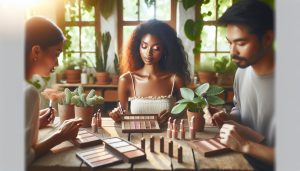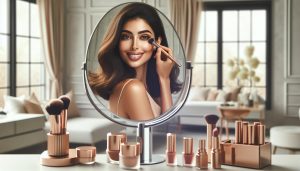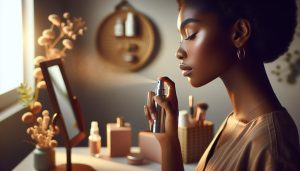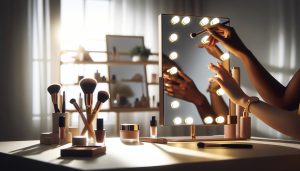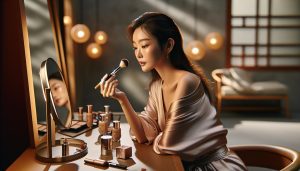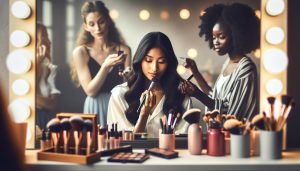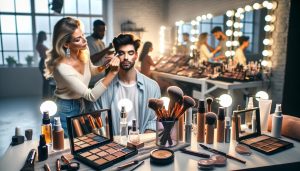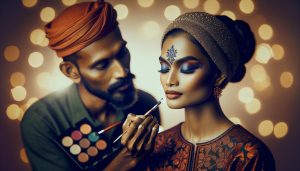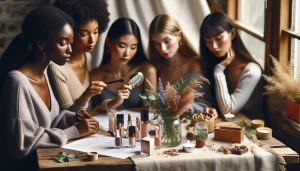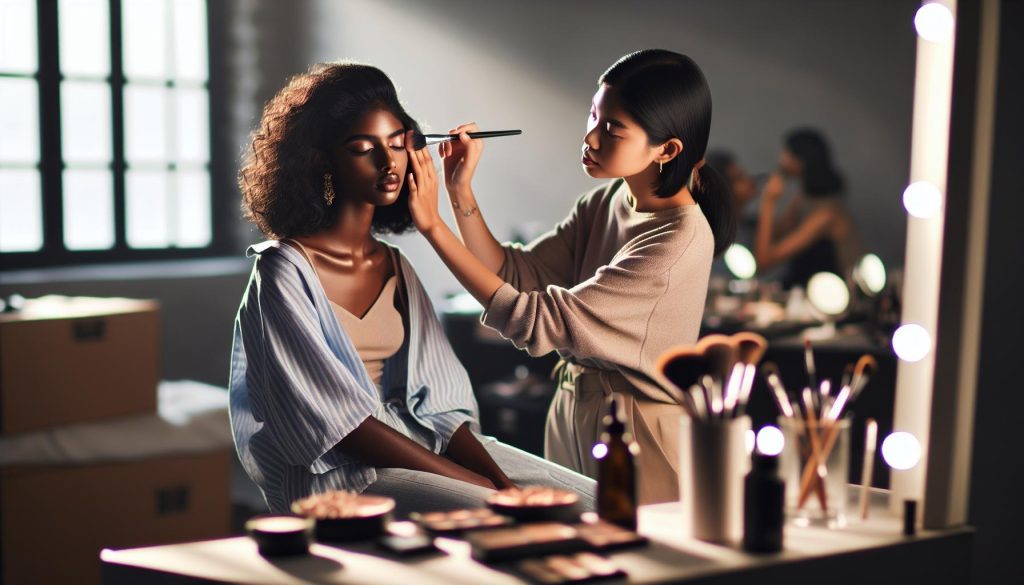
The world of makeup artistry is not only a creative outlet but also a thriving career path. With the beauty industry continually evolving, aspiring makeup artists can unlock a variety of opportunities by mastering essential skills and techniques. Whether you dream of working on glamorous photo shoots, enhancing brides’ beauty on their special day, or providing everyday makeup tips, this guide is your blueprint to achieving success.
Navigating the journey to becoming a makeup artist can be daunting, especially when faced with questions about training, certifications, and marketability. This comprehensive roadmap will equip you with the knowledge and confidence to turn your passion into a profession. From education and practical training to building a personal brand and collaborating with clients, you’re just steps away from a rewarding career filled with creativity and self-expression. Dive in to discover the essential steps that will help you thrive in this vibrant industry!
How to Choose the Right Makeup Artist Course
Choosing the right makeup artist course can be a transformative step in your journey to becoming a skilled professional. With a myriad of options available, it’s essential to evaluate your personal goals, the curriculum, and the institution’s reputation to ensure you receive the training that aligns with your aspirations. Keep in mind that a well-structured program should not only cover essential techniques but also provide insights into trends, business practices, and specialization areas.
Begin by considering what aspect of makeup artistry excites you the most. Are you drawn to fashion, special effects, or perhaps bridal makeup? Courses can differ significantly in focus; for example, programs like the MUD Beauty Essentials Makeup Certification Course offer a concentrated 84-hour curriculum that lays the foundational skills across various techniques [3[3]. On the other hand, institutions like Paul Mitchell dive deeper into advanced makeup artistry, preparing you for diverse scenarios in the beauty industry [2[2].
Moreover, research the qualifications of the instructors and the program’s accreditation. Programs with experienced faculty provide valuable insights from their own industry experiences. Look for courses that not only teach you how to apply makeup but also educate you about skin types, color theory, and product selection. Additionally, feedback from past students and professional reviews can give you a clearer picture of what to expect and the program’s overall quality.
Finally, consider practical training opportunities and networking elements that a course provides. Internships or collaborations with beauty professionals can offer real-world experience that is invaluable as you begin your career. Courses that emphasize building a strong portfolio and modern marketing strategies will prepare you to stand out in a competitive industry. With mindful choices and thorough research, you can select a program that not only imparts technical skills but also fuels your passion and creativity in the world of makeup artistry.
Essential Skills for Aspiring Makeup Artists
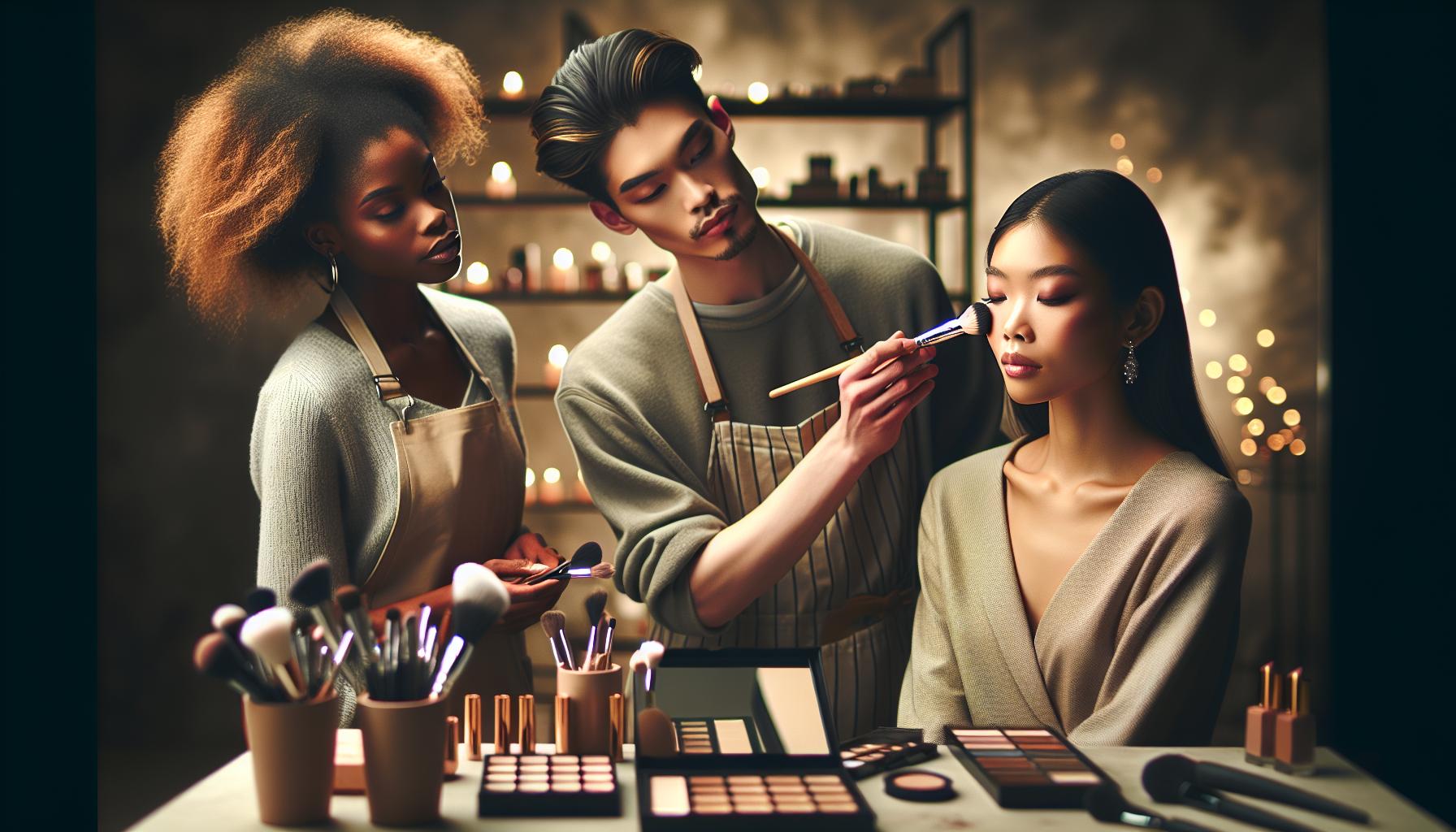
In the competitive world of makeup artistry, a combination of technical prowess and interpersonal skills is essential for aspiring makeup artists. Mastering application techniques is just the tip of the iceberg; understanding your client’s vision, skin type, and the occasion is paramount. Effective communication and a keen sense of empathy will allow you to build strong rapport with clients, ensuring they feel heard and valued. This connection not only enhances the client experience but can also lead to repeat business and referrals.
Key Technical Skills
To deliver flawless results, focus on refining your technical skills which include:
- Makeup Application Techniques: Master the fundamentals of applying foundation, contouring, and blending colors. Practicing on different skin types and tones will expand your versatility.
- Color Theory: Understanding the psychological effects of colors and how they complement different skin tones is crucial. This knowledge helps you create harmonious looks that enhance your client’s natural beauty.
- Product Knowledge: Stay updated on various products, their ingredients, and suitable skin types. Familiarity with brands such as Seint, Thrive, and Ilia will equip you to make informed recommendations.
Essential Soft Skills
Beyond technical skills, certain soft skills can elevate your artistry:
- Listening Skills: Pay attention to your client’s desires and preferences. This will help you tailor your work to their specific needs.
- Adaptability: Every client is unique. Being able to adjust quickly to different requests or challenges during an application is vital.
- Time Management: In a freelance setting, balancing multiple clients efficiently is key. Develop a reliable system to handle bookings and appointments.
Incorporating these essential skills into your practice not only fosters your growth as a makeup artist but will significantly enhance the client experience. As you embark on this journey, remember that continuous learning and adaptation are vital to staying ahead in the ever-evolving beauty industry.
Building Your Makeup Kit: Tools You Need
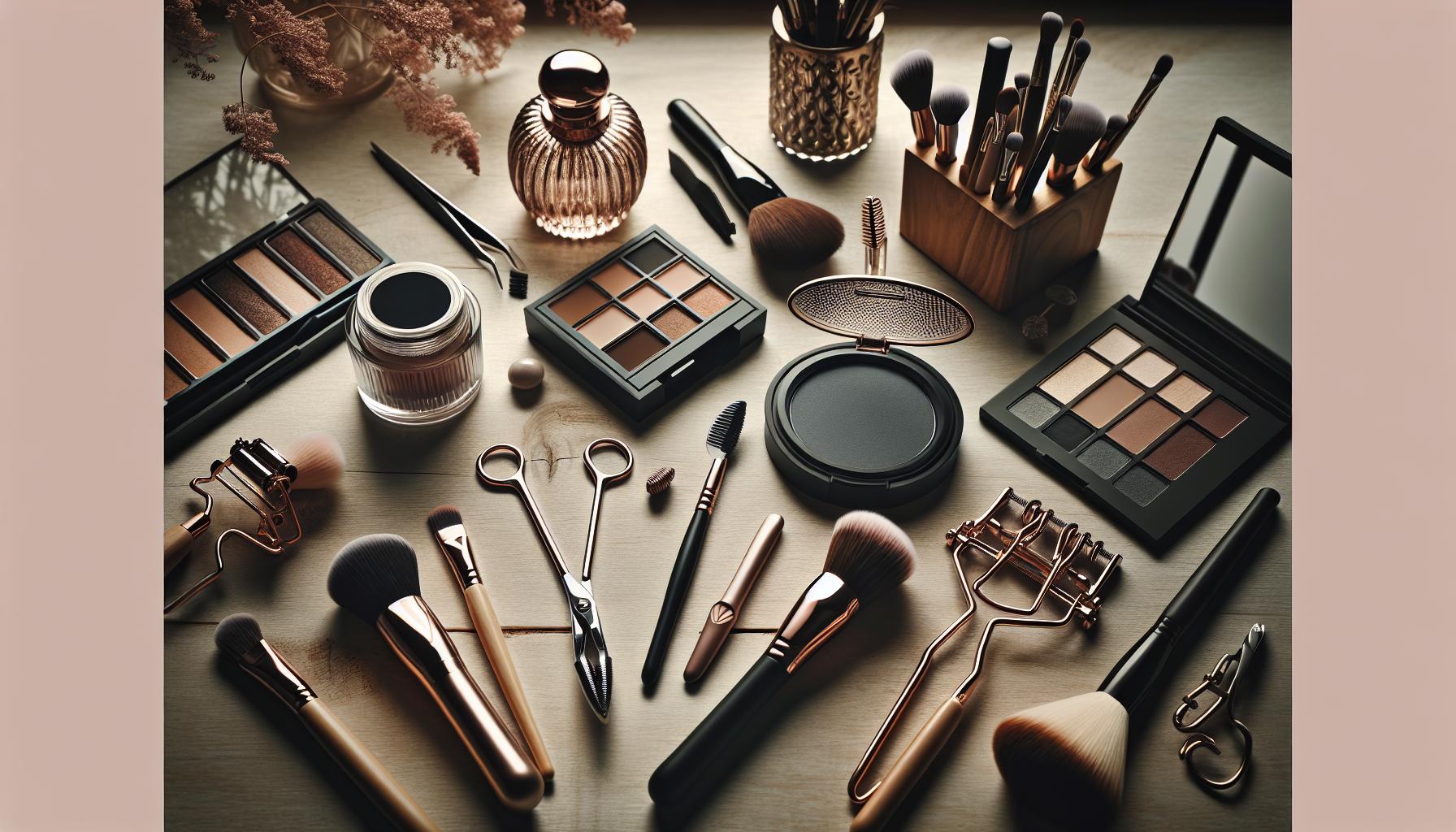
Building a comprehensive makeup kit is an essential step for any aspiring makeup artist, serving as the foundation of your artistry and enabling you to create a variety of looks for different clients. The right tools not only enhance your skills but also allow you to work efficiently and professionally. Start with the basics; a well-rounded kit includes items that cover all aspects of makeup application, from skincare to finishing touches.
Must-Have Basics
A solid makeup kit should contain the following essentials:
- Foundation: Choose a range of shades to suit various skin tones. Brands like Thrive and Ilia offer high-quality foundations that provide great coverage and a natural finish.
- Concealers: Have a variety of concealers on hand to address different imperfections, including those in liquid and cream formulas.
- Setting Powder and Spray: These products are crucial for locking in makeup and ensuring longevity, especially in diverse environments.
- Blush, Bronzer, and Highlighter: These products help shape the face and add vitality to your looks. Choose both cream and powder variations for versatility.
- Eyeshadow Palette: Invest in a versatile palette that includes a range of colors. Neutral tones for everyday looks, along with vibrant colors for artistic applications, will cater to all your clients’ needs.
- Eyeliner and Mascara: Essential for defining the eyes, these products come in various formulas. Gel, liquid, and pencil eyeliners all have different effects and applications.
- Lip Products: Include a variety of lipsticks, glosses, and liners in various shades to complement different looks and occasions.
Tools and Accessories
Beyond makeup products, your kit should also include high-quality tools that are indispensable for application:
- Brushes: A set of makeup brushes is essential for applying and blending products effectively. Prioritize a mix of foundation brushes, blending brushes for eyes, and applicators for blush and contour. Brands like ELF offer excellent quality at an affordable price.
- Sponges: Beauty sponges are perfect for seamless foundation application and touch-ups.
- Makeup Remover and Wipes: Always have tools to remove makeup. This not only helps with clean-up but also shows professionalism during client sessions.
- Sanitizers and Hygiene Products: Maintain hygiene with products specifically designed to clean brushes and tools between uses.
As you build your kit, remember that the quality of your tools often impacts the results more than the quantity. Investing in high-quality products helps ensure that your work stands out, impresses your clients, and enhances your creativity. A well-curated kit not only allows you to adapt to various styles and preferences but also instills confidence in your clients that you have what it takes to meet their beauty needs. Stay open to new products and techniques as you grow in your artistry, ensuring your kit reflects your evolving skills and the trends within the industry.
Understanding Different Makeup Techniques
Makeup artistry is both an art and a science, requiring a deep understanding of various techniques to enhance the natural beauty of clients. From everyday looks to glamorous transformations, mastering diverse makeup techniques is crucial for any aspiring makeup artist. Understanding the foundational methods will allow you to adapt your skills to different occasions, skin types, and personal preferences.
The key to achieving stunning results lies in familiarizing yourself with various application techniques. For instance, blending is one of the most critical skills you can develop; it ensures that makeup appears seamless and natural, especially when working with shadows and contours. An effective way to practice blending is by using different tools such as brushes and sponges. Each tool offers a unique texture and application method; for example, a damp beauty sponge can create a soft, airbrushed finish, while a flat brush works well for precise applications.
Additionally, color theory is essential in understanding how to achieve complementary looks for different skin tones. Knowing which shades enhance a client’s natural features will elevate your artistry. Investing time in learning about warm versus cool tones, undertones, and how colors interact can unlock new creative possibilities. You may also want to experiment with various techniques like strobing for a radiant glow or contouring for dimension, learning to adapt these styles to the individual needs and tastes of your clients.
Furthermore, exploring the realm of special effects makeup (like theatrical or photo shoot specific looks) can significantly broaden your skill set. Techniques like aging, injury simulation, or fantasy makeup require specialized products and tools. This can include latex, face paint, and airbrush systems, along with a keen eye for detail.
Embarking on your makeup journey is not just about mastering techniques but also about finding your personal style and flair within the artistry. Continuous practice, experimentation, and staying current with trends and innovative techniques through courses and workshops will further refine your abilities. Each style you embrace allows you to represent your uniqueness while meeting the diverse beauty needs of your clients.
Navigating Makeup Styles for Various Occasions
Navigating the diverse landscape of makeup styles for various occasions is essential for any makeup artist aiming to leave a lasting impression. Each event carries its own vibe and formality, from bridal bliss to a night out on the town, and understanding how to tailor your artistry accordingly can significantly enhance your client’s experience and satisfaction.
For special events such as weddings, a soft, romantic style often reigns supreme. Utilizing a natural palette with soft roses, peaches, and illuminators can create a radiant glow that captures the essence of joy and love. It’s essential to consider long-lasting products that can withstand emotional moments like tears and hugs. Setting sprays and powders are your best allies in ensuring the makeup remains flawless throughout the day.
In contrast, nighttime glam calls for bolder choices. This is the perfect opportunity to experiment with dramatic eyes and bright lips. Incorporating vibrant colors or striking metallics can transform a look from day to night effortlessly. Techniques such as a smoky eye blended with a touch of shimmer can make the eyes pop, while highlighting the cheekbones adds dimension to the face. Don’t shy away from strong eyeliner or false lashes for that added wow factor.
When working with clients preparing for professional settings, it’s crucial to adopt a polished appearance that speaks to their personal brand. Here, makeup should enhance without overwhelming-think neutral tones, well-defined brows, and a subtle flush of color on the cheeks. The use of mattifying primers and lightweight foundations can provide a seamless finish that holds up under the scrutiny of fluorescent office lights.
For seasonal trends, adaption is key. Summer calls for light, breathable formulas and fresh, dewy looks, utilizing sunscreen-infused products for added protection. In contrast, winter often necessitates richer foundations and bold colors to combat the dullness of the season. Staying attuned to the latest trends, such as the return of classic red lips or earth-toned palettes, can elevate your artistry and keep your skills relevant.
Ultimately, the skill of navigating makeup styles lies in understanding the client’s needs paired with the context of the occasion. By merging artistic knowledge with practical application, you can not only satisfy your clients but also inspire confidence in their beauty for every event on their agenda.
Gaining Experience: Internships and Portfolio Building
Gaining hands-on experience through internships and building a standout portfolio are crucial steps for anyone aspiring to thrive as a makeup artist. Real-world experience not only enhances your skills but also connects you with industry professionals who can guide and support your career. Many successful makeup artists emphasize the importance of practical experience; it allows them to apply techniques learned in courses, adapt to different makeup styles, and understand client expectations better.
Internships can be an excellent opportunity to immerse yourself in the makeup industry. Look for positions with beauty brands, salons, or photographers that focus on bridal, fashion, or editorial makeup. These experiences provide invaluable exposure to various techniques and products, allowing you to develop your unique style while learning how to interact with clients and industry insiders. Be proactive in seeking feedback from mentors and peers; this ensures you’re continuously improving your craft.
Once you have some practical experience under your belt, it’s time to focus on building a diverse portfolio that showcases your versatility and skill. Your portfolio should include high-quality photographs of your work across different styles and occasions. Consider working with photographers, models, and fellow makeup artists to create styled shoots that highlight your ability to adapt to varying themes-whether it be natural beauty, glamorous evening looks, or creative special effects. Remember to present not just finished looks but also behind-the-scenes shots that capture your working process, as these can demonstrate your professionalism and approach to clients.
For a polished portfolio, also contemplate the following elements:
- Organize Your Work: Group your images by category (bridal, fashion, editorial) to make it easy for potential clients and employers to navigate your skills.
- Personal Branding: Include a professional headshot and a brief bio that tells your story and conveys your passion for makeup artistry.
- Digital vs. Physical: Maintain both a digital portfolio-easily shared through websites or social media-and a physical portfolio for in-person interviews or client meetings.
By combining your internship experiences with a well-crafted portfolio, you’re not only gaining essential skills but also positioning yourself as a competitive candidate in the makeup industry. Every brush stroke you perfect and every look you build is a step closer to your goal, paving the way for a successful career in makeup artistry.
Marketing Yourself as a Makeup Artist
Successfully is crucial in an industry where personal branding can make all the difference. With social media platforms like Instagram and TikTok offering a fantastic stage for showcasing your skills, leveraging these tools effectively can set you apart from the competition. Many aspiring artists underestimate the power of a strong online presence; however, your digital footprint can attract potential clients and collaborations while affirming your professional credibility. Begin by creating a visually appealing profile that highlights your unique style through high-resolution images of your work, personal branding, and engaging captions that tell your story.
In addition to social media, consider building a personal website or a digital portfolio that showcases not only your work but also testimonials from clients and collaborators. Having a professional-looking website serves as a central hub for all your contact information, portfolio samples, and booking details. It can also improve your visibility in search engines, making it easier for prospective clients to discover you. When designing your site, ensure it is user-friendly and includes an “About Me” section that personalizes your brand and shares your journey as a makeup artist.
Another effective strategy involves networking within the beauty community. Attend industry events, beauty expos, and local workshops to meet fellow professionals and potential clients face-to-face. Don’t shy away from collaborating with photographers, models, and influencers who align with your aesthetic; these partnerships can help expand your reach and introduce you to new audiences. Additionally, consider offering promotional deals or trial packages to incentivize first-time clients, allowing them to experience your expertise without significant financial commitment.
Lastly, make sure to stay consistent with your marketing efforts. Regularly update your portfolio with new work, engage with your followers by sharing behind-the-scenes content, tips, or tutorials, and continuously seek feedback to refine your techniques and branding approach. Keeping your content fresh and relevant not only nurtures your relationship with existing clients but can also draw in new clientele. When you blend creativity with the right marketing strategies, you significantly increase your chances of establishing a successful career as a makeup artist.
Setting Up Your Freelance Makeup Business
Establishing a successful freelance makeup business involves a combination of artistry, entrepreneurship, and strategy. Many aspiring makeup artists find that while they are skilled in application techniques, the business side can be daunting. By identifying key steps, you can lay a solid foundation for a thriving freelance career in makeup artistry.
Begin by defining your niche. Are you passionate about bridal makeup, fashion, theatrical, or special effects? Knowing your specialty allows you to tailor your skills and marketing to attract your target clients. Create a portfolio that highlights your best work related to this niche; quality photography is crucial as it showcases your abilities and style effectively. Include a variety of looks to demonstrate your versatility while focusing specifically on your niche. A personal website or a social media profile can serve as a digital portfolio and should include your contact information and booking methods.
Next, it’s essential to set up the business infrastructure. This includes obtaining any necessary licenses or permits required in your area. Pricing your services properly is crucial; research what others in your niche and region charge and consider your experience level and overhead costs. Make sure to include expenses like makeup supplies, transportation, and potential venue fees in your pricing structure. As you develop your pricing strategy, consider offering promotional rates for first-time clients or package deals for repeat customers to incentivize bookings.
Marketing yourself effectively is another cornerstone of your freelance business. Utilize social media platforms to showcase your work and engage with your audience. Regular posts featuring your latest makeups, behind-the-scenes footage, client testimonials, and engaging tutorials can help you build a community around your brand. In addition to social media, networking in both the beauty industry and broader community is vital. Attend beauty expos, workshops, and local events to meet potential clients and collaborators. Consider partnering with photographers, models, and stylists for collaborative projects that can expand your network and reach.
Finally, continue to enhance your skills and stay informed about industry trends. Participate in advanced courses-many online options are available-to learn new techniques, such as special effects makeup or digital marketing strategies, which can further innovate your offerings. By remaining adaptive and open to learning, you’ll not only refine your craft but also set yourself apart in a competitive marketplace. Embracing both the artistry and business aspects of makeup ensures a fulfilling and lucrative career.
Networking Tips for Makeup Professionals
Networking is an essential skill for any makeup professional, as it can significantly impact your career growth and opportunities. By building a strong network, you can tap into resources, find mentorship, and connect with potential clients and collaborators. The beauty industry thrives on relationships, and having a robust network can set you apart in a competitive market.
Start by cultivating connections within your local community. Attend industry events, such as beauty expos and workshops, to meet other professionals and learn about the latest trends and techniques. Don’t shy away from introducing yourself; a simple handshake can lead to fruitful relationships. Consider joining local beauty organizations or online groups where you can engage with peers, share experiences, and exchange tips. These platforms can also provide valuable leads for job opportunities and collaborations.
Utilize social media strategically to expand your reach and visibility. Platforms like Instagram and TikTok are not only for showcasing your makeup artistry but also for networking. Share behind-the-scenes content, client makeovers, and makeup tutorials to engage your audience. Use hashtags related to the beauty industry to reach a broader audience, and don’t hesitate to comment on and share others’ posts to foster connection. Direct messaging can also be an effective way to reach out to other artists, photographers, or influencers for potential collaborations or advice.
Building Collaborative Relationships
Consider forming partnerships with other professionals in related fields, such as photographers, hairstylists, and fashion designers. These relationships can lead to joint projects, paid opportunities, or referrals. Participating in styled shoots or community events as a makeup artist not only adds to your portfolio but also provides exposure to new audiences. When you collaborate, ensure you maintain professionalism and clear communication to build a solid reputation that others will want to align with.
Incorporate feedback from your network to improve your skills and offerings. Regularly seek critiques and advise from more experienced colleagues, as they can provide insights that help elevate your artistry. Remember, networking is a two-way street-be willing to offer support and guidance to others as well. By sharing knowledge and experiences, you not only strengthen your relationships but foster a community built on mutual growth and support. Embrace these opportunities and watch as your network becomes a valuable asset in your makeup career journey.
Staying Current with Makeup Trends and Techniques
Staying aligned with the latest makeup trends and techniques is crucial for any makeup artist aspiring to thrive in the competitive beauty industry. As trends evolve at lightning speed, remaining knowledgeable and adaptable will not only elevate your artistry but also ensure that you offer clients the freshest looks. Engaging with current trends can enhance your portfolio, open opportunities for collaboration, and boost your credibility as a professional in the field.
One effective way to stay updated is by following beauty influencers and makeup artists on social media platforms like Instagram, TikTok, and YouTube. These platforms are rich with tutorials, trend discussions, and real-time demonstrations of new products or techniques. Create a dedicated time in your routine to browse through this content, allowing you to discover emerging trends and innovative approaches. Moreover, engage in conversations in the comments section or participate in live sessions to enhance your learning experience and build connections with other artists.
Another vital resource for staying current is attending industry events. Conferences, makeup expos, and workshops provide opportunities to learn from industry leaders while networking with other professionals. These settings often showcase the latest products and techniques, giving attendees firsthand experience. Additionally, consider subscribing to beauty magazines, blogs, or online courses that focus on emerging trends. This structured approach can enrich your knowledge and inspire your creativity.
Lastly, do not underestimate the power of practice. Incorporating new techniques into your routine will help you master them, whether it involves experimenting with color palettes, texture, or application tools. Keeping a beauty journal where you document your experiences with new looks and client feedback can also aid in understanding what works best. Regularly challenging yourself to recreate trending looks or develop original styles will not only refine your skills but also keep your artistry vibrant and fresh.
By actively engaging with industry trends and continually honing your craft, you’ll position yourself as a forward-thinking makeup artist who offers both skill and creativity-qualities that are pivotal for long-term success.
Advanced Techniques: Special Effects Makeup
Special effects makeup is a thrilling field that extends the boundaries of creativity, allowing artists to transform faces and bodies into fantastical characters, creatures, and landscapes. It demands a unique skill set including sculpting, mold-making, and a thorough understanding of materials that can mimic human anatomy. Aspiring artists should familiarize themselves with the essential tools and techniques necessary for advanced special effects work, which can open doors to opportunities in film, theater, and beyond.
To embark on this captivating journey, consider seeking formal education through specialized courses. For instance, the Vocational Academy of Makeup and Prosthetics offers a fully immersive 22-week course that teaches modern techniques in special effects makeup. Enrolling in such a program not only provides hands-on experience but also a solid foundation in vital skills like life casting, sculpting, and foam fabrication, all of which are essential for creating realistic effects [1]. Similarly, institutions like the Cinema Makeup School and L Makeup Institute offer comprehensive training that focuses on advanced prosthetics, mold-making, and more, enabling students to hone their craft in a supportive environment with industry professionals [2] [3].
Understanding the materials that comprise special effects makeup is equally crucial. Utilize products like latex, silicone, and various adhesives, each with their unique properties, to achieve different effects. A well-rounded toolkit might include sculpting tools, brushes for detailing, and high-quality prosthetics that can elevate your creations from amateur to professional. Experimenting with different techniques like airbrushing, face painting, and UV makeup can further expand your repertoire, making you a versatile artist in this niche.
As you develop your skills, remember that the world of special effects is constantly evolving. Staying updated on the latest trends, tools, and techniques is essential for maintaining your edge in the industry. Engaging with online tutorials and participating in specialized workshops and conventions can provide invaluable insights and networking opportunities. By continually learning and exploring new aspects of special effects makeup, you will not only enhance your portfolio but also refine your artistic vision, making you an indispensable asset in the field.
Inspiring Success Stories from Industry Experts
Success in the makeup artistry field is often driven by powerful stories of those who dared to dream big and embraced the challenges of their craft. Take the story of Alex, who started as a self-taught makeup enthusiast in a small town. Fueled by a passion for special effects makeup, Alex taught himself various techniques through online tutorials and community workshops. After years of practice, Alex decided to enroll in a formal course at a renowned institution, learning the intricacies of life casting and advanced prosthetics. Today, he works on film sets, transforming actors into unforgettable characters, proof that dedication and continuous learning pay off immensely.
Another inspiring figure is Mia, who transitioned from a career in fashion to special effects makeup. Initially hesitant about her decision, she leveraged her background in design to create stunning makeup looks that echoed her fashion sensibilities. Mia enrolled in specialized courses that enhanced her skills and revealed the artistry behind prosthetic applications and creature design. Today, she runs her own successful studio, collaborating with photographers and filmmakers, and is a sought-after presenter at industry conventions, showcasing her innovative makeup techniques.
Diverse paths to success, like those of Alex and Mia, highlight the importance of persistence, adaptability, and networking. Engaging with industry professionals can open doors to mentorship opportunities and collaborations. Joining online communities or local makeup groups fosters connection and provides avenues for feedback and growth. Whether through seeking guidance, critiquing peers’ work, or merely sharing your projects, building these relationships can significantly impact your career trajectory in the competitive world of makeup artistry.
Lastly, staying current with trends is vital. The ever-evolving nature of makeup means that what works today may change tomorrow. Following industry leaders on social media, attending workshops, and participating in skill-based challenges keeps your techniques sharp and your creativity flowing. Remember, every successful makeup artist started where you are now – embracing the journey and staying committed to your craft will lead you to remarkable achievements.
Faq
Q: What qualifications do you need to become a makeup artist?
A: To become a makeup artist, you typically need at least a high school diploma and relevant training, such as a licensed cosmetology program or a specialized makeup artistry course. Certifications can enhance credibility and job prospects. Consider courses focused on essential skills, which you can find in your makeup course section.
Q: How do I build my makeup portfolio as a beginner?
A: Start by offering free or discounted services to friends and family to gain experience and create diverse looks. Capture high-quality photos of your work and present them in a professional portfolio. Showcase various styles to attract a wider range of clients. Refer to your section on gaining experience for more tips.
Q: What are the typical job opportunities for makeup artists?
A: Makeup artists can work in various areas, including film and television, fashion shows, weddings, beauty salons, and freelance services. Specializing in specific fields, such as special effects makeup or bridal makeup, can open additional opportunities. Explore further options in your article’s career pathways section.
Q: How can I stay updated with the latest makeup trends?
A: Follow industry leaders on social media, subscribe to beauty magazines, and attend makeup trade shows or workshops. Participating in online webinars can also provide insights into current trends. Check your staying current with makeup trends section for specific resources.
Q: What should I include in my professional makeup kit?
A: A professional makeup kit should include a variety of foundation shades, mascara, eyeshadow palettes, lip products, brushes, and tools like sponges and eyelash curlers. Researching the essentials in your article’s building makeup kit section can help you create a comprehensive kit.
Q: How important is networking for a makeup artist?
A: Networking is crucial for success as a makeup artist. Building relationships with photographers, stylists, and other professionals can lead to referrals and job opportunities. Attend industry events and utilize social media to connect with potential collaborators. Your networking tips section offers detailed strategies.
Q: What steps should I take for marketing my makeup services?
A: Effective marketing can involve creating a professional website, utilizing social media platforms, and participating in local beauty events. Offering promotions or collaborations can also increase visibility. Explore marketing strategies in your dedicated article section for actionable insights.
Q: How can I find internships or apprenticeships as an aspiring makeup artist?
A: Look for internship opportunities at local salons, studios, or with established makeup artists. Utilize online job boards and networking connections to find openings. Your gaining experience section provides further advice on how to navigate these opportunities.
Wrapping Up
As you embark on your journey to become a makeup artist, remember that mastering your craft is just the beginning. Embrace the opportunity to refine your skills, connect with inspiring professionals, and explore valuable resources that can elevate your artistry. Whether you’re looking for makeup tutorials, product reviews for top brands like Seint, Thrive, Ilia, and ELF, or insights into effective business operations, we have you covered.
Don’t wait to take the next step! Dive into our related articles on advanced application techniques and building your brand in the beauty industry. Engage with our community by sharing your experiences or asking questions in the comments below. Your unique journey is what sets you apart-let’s continue to grow together in this vibrant field of beauty and grooming excellence. Sign up for our newsletter for even more tips and exclusive content to keep you motivated and informed as you navigate this exciting career path!