Acne can profoundly impact self-esteem, making the quest for flawless skin a common goal for many. Understanding how to cover acne effectively with makeup not only enhances your appearance but also empowers you to face the world with confidence. This guide will walk you through essential techniques, product recommendations, and insider tips to create an illusion of perfect skin, seamlessly blending artistry with skincare. Whether you’re a makeup beginner or a seasoned pro, mastering these methods will help you embrace your unique beauty while tackling your skin concerns. Discover how to transform your makeup routine into a powerful tool for self-expression and confidence. Let’s dive in!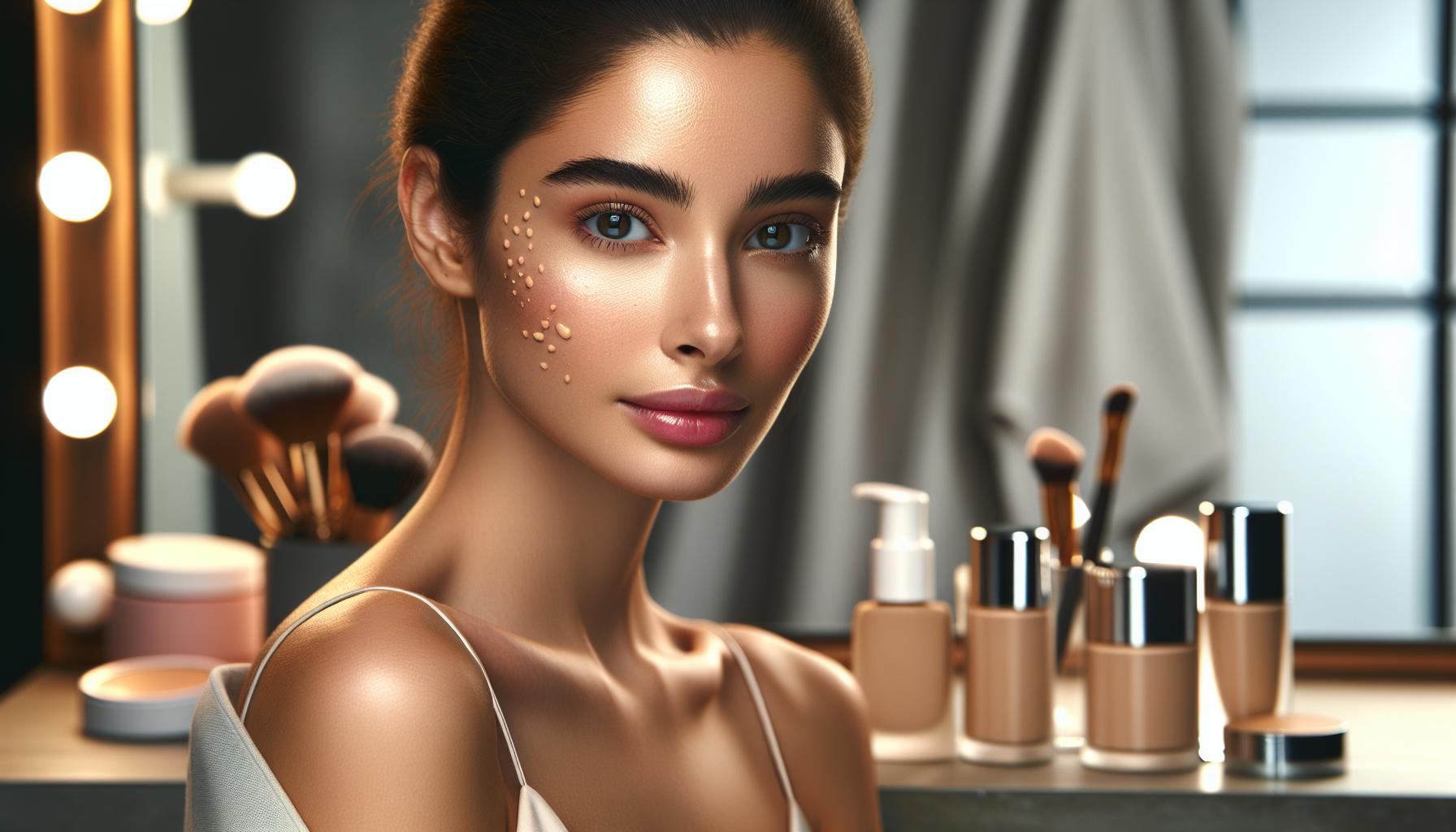
Choosing the Right Foundation for Acne Coverage
can transform how you feel about your skin. The proper foundation not only masks blemishes but also keeps your skin looking natural and fresh. It’s essential to select a formula that balances coverage with a lightweight feel, as heavy products can exacerbate breakouts and create a cakey appearance. Foundations labeled as non-comedogenic are typically the best choice, as they don’t clog pores. Look for oil-free or matte finishes that can help control shine while still offering enough coverage to conceal redness and imperfections.
When choosing shades, always test foundations on your jawline in natural light to ensure they match your skin tone. Keep in mind that your skin may change due to factors like weather or hormonal fluctuations, so considering a versatile foundation mini-range or lightening/darkening drops could be beneficial for those transitional moments. Additionally, formulas enriched with skin-care ingredients such as salicylic acid can provide treatment alongside coverage, addressing acne directly while you maintain a polished look.
Incorporating different finishes can also enhance your base. For instance, a luminous foundation can create a dewy look, while a matte foundation can help in controlling oil in areas prone to shine. Some makeup artists recommend layering a matte foundation with a hydrating mist or oil control primer for a more balanced look, which can be especially effective on combination skin. Ultimately, finding the right formula is about personal preference and understanding your skin’s needs, asking for samples when possible, and experimenting until you find the perfect match.
Essential Techniques for Flawless Application
Applying makeup to cover acne can feel daunting, but with the right techniques, you can create a seamless, flawless look that boosts your confidence. Start by ensuring your skin is properly prepped; a clean, moisturized face enhances the performance of makeup. Opt for a lightweight, oil-free moisturizer to avoid excess shine while keeping your skin hydrated. This preparation sets the stage for a smooth application, allowing products to blend effortlessly.
When it comes to application, consider using a makeup sponge or a brush for more precision. Sponges provide a natural finish, as they allow for buildable coverage without picking up too much product. Here’s a simple technique: dampen your sponge lightly before use; this will help in achieving a more airbrushed effect. For those specific breakout areas, use your ring finger to gently dab on product, as the warmth from your finger can melt the makeup into the skin, making it look more natural.
Strategic Layering:
For optimal coverage, layer products strategically. Begin with a solid foundation, applying it in thin layers. Avoid caking on too much product at once; instead, gradually build up to your desired level of coverage. This layering approach prevents a heavy appearance, allowing for a more skin-like finish. Once foundation is applied, reach for a color corrector, like green for redness counteraction, followed by a concealer that matches your skin tone to cover the targeted areas. Always blend gently, using a patting motion to prevent disturbing the initial layers.
Lastly, finish your look with a setting spray or powder. A lightweight translucent powder can absorb excess oils and reduce shine throughout the day. A misting spray can also add a beautiful glow to the skin, ensuring makeup stays in place and looks fresh. By practicing these essential techniques, you’ll be able to navigate the world of acne coverage confidently, leaving your skin looking flawless and radiant.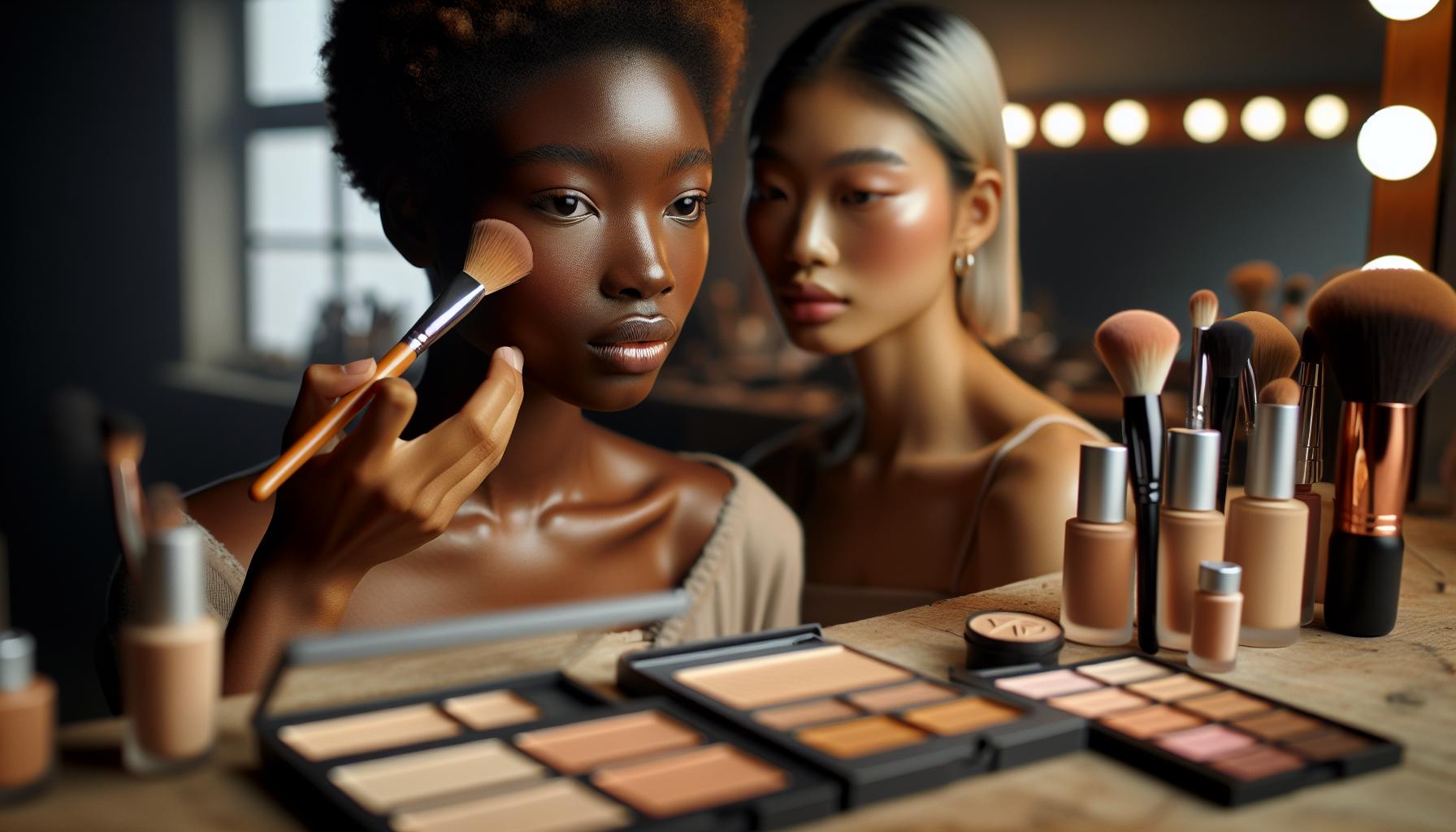
Building Layers: Concealer versus Color Corrector
Mastering the art of layering your makeup can transform the way you conceal acne and imperfections, paving the way for that flawless skin illusion. Both concealers and color correctors play vital roles in this process, but each serves a unique purpose that, when combined effectively, provides your skin with the coverage it craves. Understanding the function of each product will not only enhance your makeup game but also empower you to tackle troublesome spots with confidence.
Color correctors are often the unsung heroes in a makeup routine. A tinted base, like green, is excellent for counteracting redness from active breakouts, while peach or orange shades can neutralize blue or purple undertones, particularly under the eyes. When using a color corrector, apply a small amount directly onto the blemish or area you wish to correct, and gently blend the edges with your fingertip or a makeup sponge. This technique ensures that the color corrector lays a smooth foundation for the concealer that follows. Aim for a light touch-over-applying can lead to a noticeable mismatch in skin tone, defeating the purpose.
Once the color corrector has settled, it’s time to introduce your concealer. Choose a concealer that closely matches your natural skin tone, preferably with a matte finish to maintain a refined look throughout the day. Use a small brush or your fingertip to dab the concealer over the corrected area, blending it seamlessly into the surrounding skin. This allows the color corrector’s effects to subtly peep through while providing necessary coverage. Remember, the goal is to create an illusion of even skin texture without overpowering the area with thick layers of product.
For an optimal finish, finish the look off with a lightweight setting powder. This step helps to lock everything in place and reduce shine, especially in areas prone to oiliness. Utilizing both concealer and color corrector in harmony not only improves coverage but also allows you to tailor your makeup routine to fit your unique skin concerns, ultimately enhancing your overall appearance. Embrace these techniques, and you’ll turn the daily challenge of covering acne into an empowering beauty ritual!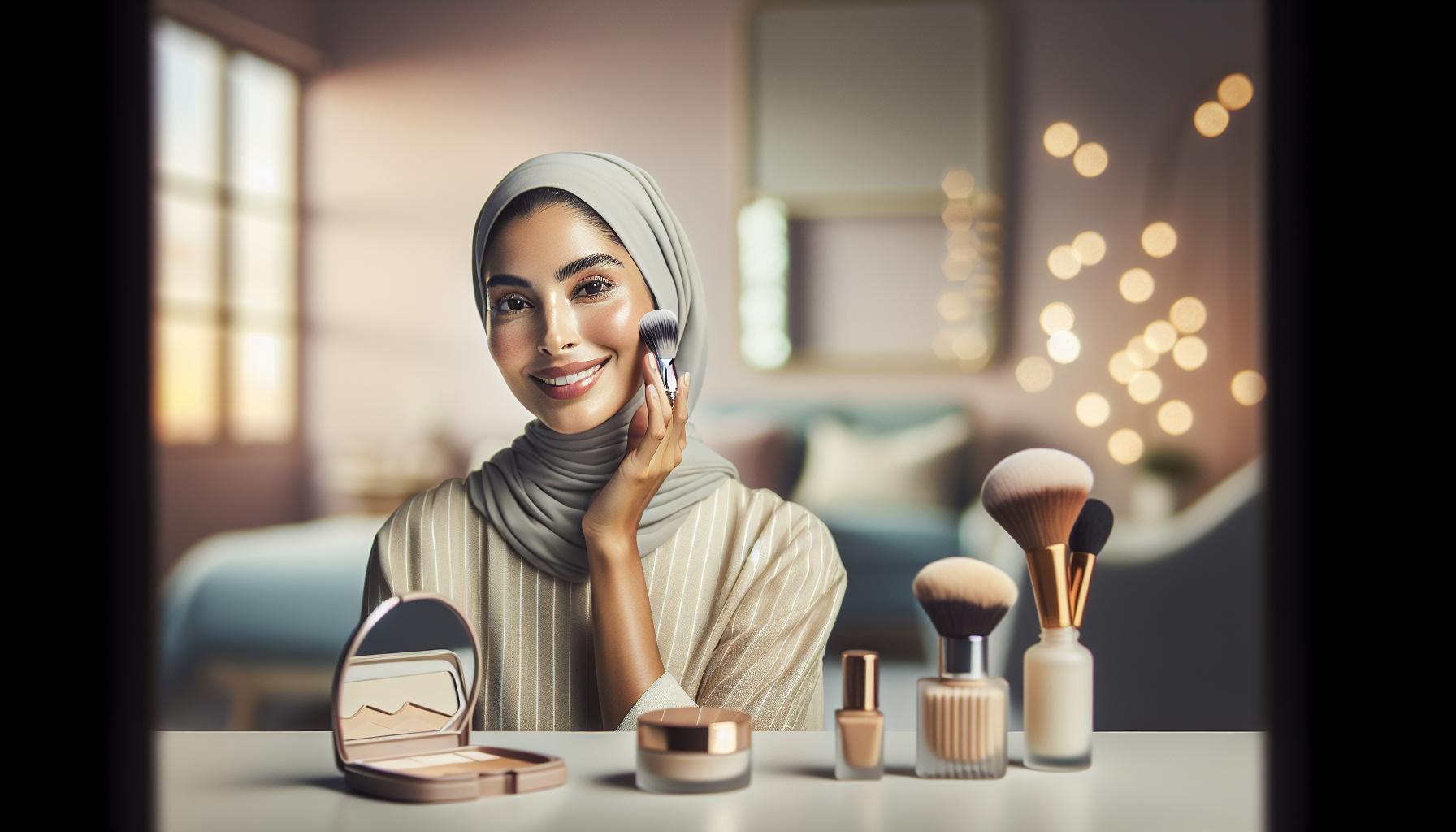
The Power of Setting Products: Powders and Sprays
The journey to achieving a flawless skin illusion doesn’t stop with the application of your foundation and concealer; it culminates in the crucial step of setting your makeup. The right setting products, whether powders or sprays, can make a significant difference in the longevity and appearance of your makeup, particularly when covering acne and imperfections. Not only do they help to secure your hard work, but they also play a pivotal role in controlling oil and shine, ensuring your look stays fresh throughout the day.
Choosing the right setting powder can elevate your makeup game. A finely milled translucent powder works wonders for keeping shine at bay without adding color or thickness, which is essential for maintaining the illusion of smooth skin. Apply it using a soft, fluffy brush, concentrating on areas that tend to get oily, such as the T-zone. For those with well-defined acne, consider using a pressed powder to spot-set problem areas for more control and precision. A light touch is key; you want to avoid overapplying, which can accentuate texture rather than minimize it.
Setting sprays are equally powerful allies in your quest for enduring makeup. After completing your look, a quick mist of setting spray can provide a protective layer that helps prevent makeup from settling into fine lines and wrinkles, giving a refreshed and dewy finish. Opt for a spray designed for oily or acne-prone skin, which typically contains mattifying agents to balance shine and help your makeup withstand humidity and sweat. Hold the spray about eight inches away from your face and mist in an ‘X’ and ‘T’ formation to ensure even coverage.
While setting products are vital for making your makeup last, the layering strategy should also consider the unique needs of your skin. If you often experience breakout or sensitivity, investing in setting formulas that are non-comedogenic and free from irritating ingredients will encourage you to wear makeup more confidently. Moreover, remember that touch-ups throughout the day can prevent the makeup from looking tired; a small travel-size powder compact or spray in your bag can help you maintain that flawless appearance without the hassle of a full reapplication. Ultimately, mastering the art of setting your makeup not only enhances your coverage but also fortifies your skin’s appearance, empowering you to face the day with confidence.
Makeup Tools That Make a Difference
To achieve a stunning and flawless makeup look that effectively covers acne, selecting the right tools is just as crucial as choosing the right products. Makeup tools can significantly impact the application and blending of your foundation and concealer, ultimately making or breaking the final appearance. The right brushes, sponges, and applicators not only enhance the coverage but also ensure a smooth, seamless finish that mimics the look of natural skin.
Essential Tools for Flawless Coverage
- Foundation Brush: A flat, dense foundation brush allows for precise application, especially in areas with active breakouts. The brush provides an even spread of product without overloading the skin.
- Beauty Sponge: Using a damp beauty sponge can create a beautiful, airbrushed finish. The sponge helps to build coverage layer by layer while ensuring that the product blends seamlessly into the skin, avoiding cakiness.
- Concealer Brush: For targeted coverage on specific blemishes, a small concealer brush is essential. Its tapered tip allows for precise application, ensuring that you only cover the areas that need it without disturbing the surrounding skin.
- Puff or Powder Brush: A soft puff or blush brush is ideal for applying setting powder. It helps to control shine and keeps your makeup in place without adding excess texture.
Additionally, investing in high-quality tools made from synthetic materials can be beneficial for those with acne-prone skin. Synthetic brushes are often easier to clean and less likely to harbor bacteria, reducing the risk of aggravating existing breakouts.
Cleaning and Maintenance
Regular cleaning of makeup tools is vital to maintaining healthy skin. Brushes and sponges should be cleaned weekly with a gentle cleanser. This practice helps eliminate oil, dirt, and bacteria, ensuring that your tools remain effective and your skin stays clear. Moreover, allow tools to dry completely before use, as damp environments can encourage bacterial growth.
Using the right tools not only improves the application quality but also enhances your confidence. A well-applied makeup with the proper tools creates a flawless canvas that lasts throughout the day, allowing you to focus on your activities instead of worrying about touch-ups. By prioritizing tool selection and maintenance, you can confidently achieve a makeup look that makes you feel beautiful and empowered, regardless of acne.
Color Theory: Understanding Undertones for Covering Acne
Understanding color theory is essential for anyone seeking to achieve a flawless makeup application, especially when it comes to covering acne and blemishes. The foundation of color theory in makeup revolves around the concept of undertones-subtle hues that exist beneath the surface of your skin and can significantly impact how makeup appears. By grasping your skin’s undertone, you can choose products that not only camouflage imperfections but also create a harmonious and natural look.
To begin, it’s crucial to identify whether your undertone is cool, warm, or neutral. Cool undertones have hints of pink or blue, warm undertones exhibit yellow or golden hues, and neutral undertones fall somewhere in between. A simple way to determine your undertone is the wrist test: if your veins appear blue, you likely have cool undertones; if they look green, you have warm undertones. For those with neutral undertones, both gold and silver jewelry tends to look flattering. Once you’ve identified your undertone, you can select foundation shades and concealers that complement your skin rather than clash with it, allowing for a more seamless blend and natural appearance.
When it comes to covering redness from acne or blemishes, color correcting is a powerful technique rooted in color theory. Green color correctors neutralize redness effectively, making them ideal for acne-prone skin. Apply the green corrector sparingly to affected areas before layering on foundation. Follow with a foundation that matches your overall skin tone-this strategic layering not only conceals but also creates depth. For those with more pronounced pink or red undertones, opt for yellow-toned foundations, which can counteract excess redness and provide a more balanced canvas.
Additionally, understanding how different shades can influence the overall look is important. When selecting blush or highlighter, consider your undertone to enhance rather than overpower your natural beauty. Warm undertones typically pair well with peachy hues, while cooler undertones shine with pinks and mauves. By aligning your makeup choices with your unique undertone, you transform your makeup application into an art form, showcasing your features beautifully while effectively covering imperfections.
In summary, mastering color theory and understanding your skin’s undertones is a game changer in your makeup journey. It empowers you to make strategic product choices, enhances your confidence, and ultimately helps achieve that flawless skin illusion you desire. Embrace this knowledge, experiment with different techniques, and enjoy the transformative power of makeup!
Tips for Long-Lasting Wear: Maintaining the Illusion
Creating a flawless finish that lasts throughout the day requires a few essential techniques and a curated selection of products designed to work together. To maintain that coveted illusion of perfect skin, it’s vital to not only apply makeup effectively but also to prep and set your face to minimize the impact of oil, sweat, and everyday wear.
One of the most important steps in achieving long-lasting makeup is to prime your skin before application. A quality makeup primer can fill in fine lines and pores while providing a smooth canvas that enhances the longevity of your foundation. Look for oil-free formulas if you’re prone to breakouts, as these can help control shine without adding extra grease to your face. Following primer, it’s essential to choose a foundation that matches your skin’s needs-consider options specifically formulated for acne-prone skin that offer both coverage and stay power.
Once you’ve applied your foundation and concealer, set your makeup with a finishing powder. A lightweight translucent powder works wonders for locking in your products and providing a matte finish that reduces shine throughout the day. For those needing extra oil control, a blotting powder or sheets can be a game changer. Carry them in your bag for quick touch-ups, ensuring your makeup stays fresh and your skin maintains that flawless appearance.
In addition to powders, setting sprays enhance your makeup’s durability while giving it a natural finish. Choose a setting spray based on your skin type-hydrating sprays work well for dry skin, while matte sprays are ideal for oily skin. A quick spritz after finishing your makeup creates a protective barrier and helps keep everything in place.
Lastly, don’t underestimate the power of regular maintenance throughout the day. Schedule short breaks during your daily routine to check your reflection, and take a moment to blot excess oil or refresh your complexion. Techniques like these will not only give you peace of mind but also maintain that illusion of perfect skin, allowing you to feel confident and beautiful from morning until night. The combination of preparation, the right product selection, and mindful maintenance ensures that your makeup looks impeccable and remains intact, no matter what the day brings.
Common Mistakes to Avoid When Covering Acne
Making mistakes while trying to cover acne can lead to a series of frustrating outcomes, such as noticeable blemishes, cakey textures, or even further breakouts. One common pitfall is over-applying products in an effort to achieve full coverage. Though it might seem effective initially, using too much foundation or concealer can create an unnatural, heavy look that draws more attention to imperfections rather than masking them. Instead, consider a more strategic approach: applying thin layers and building up coverage as needed. This technique not only helps avoid a caked appearance but allows for a more natural finish that can blend seamlessly with your skin.
Another frequent error occurs with color matching. Choosing the wrong shade of foundation can starkly contrast with your skin tone, making blemishes stand out even more. Always test foundation shades in natural light, and focus on areas close to your jawline to ensure a smooth transition between your face and neck. Remember, your skin may have different undertones-cool, warm, or neutral-so be mindful of these nuances. If you experience redness from acne, color-correcting products can be a game-changer. For instance, using a green concealer can neutralize the redness effectively before layering your foundation.
Additionally, skipping on skincare can hinder your makeup’s effectiveness. Neglecting to properly cleanse and moisturize can lead to dry patches and irritation that makeup clings to rather than smooth over. Always start with a clean, moisturized face to create an ideal base. Incorporating non-comedogenic products ensures that your efforts won’t backfire by clogging your pores. Finally, ensuring your makeup is set properly with powders or sprays will improve its longevity and keep the fresh look intact throughout the day.
To maximize the illusion of flawless skin, avoid the urge to touch up with more product during the day, as that can create a layered, uneven appearance. Instead, opt for blotting papers to manage oil without disturbing your makeup, and reserve concealer touch-ups for particularly problematic areas. Through mindful selection and application, achieving beautiful skin that minimizes the visibility of acne is entirely attainable.
Highlighting and Contouring for Enhanced Features
Highlighting and contouring are invaluable techniques for enhancing your natural features while creating a harmonious balance that minimizes the visibility of acne. By skillfully manipulating light and shadow, you can draw attention away from blemishes, reshape your face, and create an overall flawless appearance. The key lies in choosing the right products and applying them strategically to maximize their impact.
Begin with your foundation as a smooth base. Once set, use a creamy or liquid highlighter in a shade that is one to two tones lighter than your foundation. Focus the highlighter on areas that naturally catch light, such as the tops of your cheekbones, the bridge of your nose, and your brow bones. Applying highlighter to these areas draws the eyes upward and creates a more radiant complexion, which can counteract any dullness caused by blemishes. For instance, a product like Ilia’s Illuminator or Thrive’s Highlight Stick can provide a subtle glow without being overly shimmery, ensuring your skin looks fresh and luminous.
Contouring, on the other hand, involves using a product that is one to two shades darker than your skin tone to create shadows that sculpt your face. When addressing acne, it’s crucial to avoid overly harsh lines; instead, opt for a soft, blended application. Use a contour brush or sponge to apply the product along your jawline, the sides of your nose, and under your cheekbones. This technique not only enhances your bone structure but also diverts attention from problem areas. Products such as Seint’s Cream Contour or ELF’s Duo Contour Stick are excellent choices for a seamless blend and natural finish.
Keep in mind that less is more. Start with small amounts of product and build up as needed. This prevents the makeup from appearing cakey, especially on skin that may already feel sensitive due to acne. Always blend well; using a damp makeup sponge or brush can help soften edges for a more natural look. Finally, set your makeup with a translucent powder to keep these enhancements in place, ensuring they withstand the day and boost your confidence as you face the world.
By mastering highlighting and contouring, you not only enhance your features but also create an illusion of clear, beautiful skin. Experiment with different products and techniques to find what works best for you, and remember that practice makes perfect. Embrace your individuality, and let your makeup choices reflect your unique beauty.
Makeup Removal: Best Practices for Acne-Prone Skin
Understanding the importance of proper makeup removal is essential for anyone with acne-prone skin. Not only does it prevent clogged pores and breakouts, but it also aids in skin recovery, allowing your complexion to breathe and heal overnight. The key to effective makeup removal lies in adopting a gentle yet thorough cleansing routine that respects the delicate nature of acne-afflicted skin.
Start your cleansing process with an oil-based makeup remover or cleansing balm. These products are particularly effective at breaking down heavy makeup and sunscreen, which are often more challenging to remove with water-based cleansers alone. Ingredients such as plant-based jojoba oil can hydrate and soothe the skin while dissolving makeup, ensuring a more comfortable cleansing experience. Follow up with a second cleanse using a gentle, non-comedogenic water-based cleanser to remove any lingering residue. Look for products specifically labeled for acne-prone skin, as they are formulated to minimize irritation and prevent breakouts.
When it comes to application, avoid aggressive scrubbing or harsh materials like rough washcloths. Instead, use clean fingers or a soft microfiber cloth to apply your cleanser in gentle circular motions. This approach not only helps to lift away makeup but also promotes circulation, enhancing overall skin health. After cleansing, it’s crucial to rehydrate your skin; apply a light, soothing moisturizer that won’t clog pores. Products that contain ceramides can provide essential moisture while supporting your skin barrier, crucial for those dealing with acne.
Finally, pay attention to your makeup tools. Regularly cleaning your brushes and sponges is essential, as they can harbor bacteria that contribute to breakouts. A gentle brush cleaner or mild soap can be used weekly to keep these tools free of buildup. Taking these steps not only aids in effective makeup removal but also ensures a clearer complexion, allowing your skin to heal while still enjoying the benefits of makeup.
Product Recommendations for Specific Skin Types
Choosing the right products can make all the difference when it comes to covering acne-prone skin. It’s essential to consider both the formulation and the finish of the products you use to achieve a flawless illusion without exacerbating your skin concerns. For those with oily or acne-prone skin, opting for non-comedogenic formulas is crucial. These products are designed not to clog pores and can be found across various brands, including Seint and Ilia, which offer a range of options that cater to different skin types.
When it comes to foundations, look for options that provide good coverage while feeling light on the skin. Thrive Cosmetics Buildable Blur CC Cream is a great choice, as it not only covers imperfections but also has skincare benefits, thanks to its inclusion of ingredients like hyaluronic acid. Alternatively, the ELF Camo CC Cream offers a matte finish that is ideal for oily skin, providing long-lasting coverage without the heaviness. Both products are available in a wide range of shades, catering to various undertones.
In terms of concealers, consider using both a color corrector and a finish concealer for the most effective coverage. A green color corrector can neutralize redness, while a thicker, creamy concealer like the NARS Radiant Creamy Concealer can cover any residual spots without feeling cakey. For touch-ups throughout the day, a stick concealer can work wonders for quick fixes.
Setting your makeup properly is just as crucial as the initial application. Investing in a good setting spray like the Urban Decay All Nighter can lock in your look and control shine for hours. For those who prefer powders, a translucent setting powder such as the Laura Mercier Translucent Loose Setting Powder can help minimize oil without adding extra coverage.
Lastly, it’s vital to remember that the tools you use can elevate your makeup application. A good quality makeup sponge can help blend products seamlessly, especially around tricky areas such as the jawline and nose. Regular cleaning of your brushes is also essential to prevent any build-up that may lead to breakouts. By carefully curating your makeup kit with these recommendations, you can confidently cover acne and present a radiant, flawless complexion.
Inspiration: Real-Life Makeup Looks for Acne Coverage
Inspiration can be found in the shared experiences of those who navigate the challenges of covering acne with makeup. Many individuals have embraced techniques that not only conceal blemishes but also enhance their natural beauty, allowing them to feel more confident in their skin. Real-life success stories often showcase the power of a well-curated makeup routine, which can transform not only appearance but also self-esteem.
One powerful approach involves pairing high-coverage foundations with strategic application techniques. For instance, many makeup enthusiasts have found that using a combination of a lightweight, buildable foundation followed by a precise application of concealer can deliver exceptional results. Consider starting with a product like the Thrive Cosmetics Buildable Blur CC Cream, which provides a gentle, luminous finish without feeling heavy. This is ideal for layering-a technique that allows for optimal coverage of problem areas without a cakey appearance.
Elevate your look further by exploring color-correcting strategies. For those who struggle with redness, incorporating a green color corrector before applying foundation can neutralize imperfections beautifully. After that, a creamy concealer, like the NARS Radiant Creamy Concealer, can be employed to tackle any remaining spots, providing a smooth, flawless finish. Makeup artists recommend using a damp beauty sponge to blend each layer seamlessly, adapting the technique to each individual’s skin type for exceptional results.
Inspiration can also come from various makeup looks shared on social media platforms, where users demonstrate how effective these strategies can be. From everyday minimal looks to more glamorous appearances for special occasions, these real-life examples serve as reminders that achieving flawless coverage is possible for everyone. Engaging with these visuals not only offers practical techniques but also fosters a sense of community among individuals navigating similar challenges-encouraging exchange and support in overcoming insecurities related to acne.
Frequently asked questions
Q: What products work best for covering active acne?
A: To cover active acne, use a lightweight, oil-free foundation with good coverage. Pair it with a highly pigmented concealer specifically designed for acne coverage. Look for non-comedogenic formulas to avoid clogging pores. For further tips, refer to the section on product recommendations.
Q: How can I achieve a flawless finish when covering acne?
A: Achieve a flawless finish by starting with a clean and moisturized face. Use a primer suitable for acne-prone skin to smoothen your base. Apply foundation using a damp makeup sponge for an airbrushed effect, and finish with a setting spray for longevity, as discussed in the section about long-lasting wear.
Q: Why is color correcting important for acne coverage?
A: Color correcting is important because it neutralizes redness associated with acne. Green-tinted products can help cancel out red spots before applying foundation. Understanding color theory aids in selecting the right corrector for specific blemishes, as covered in the article.
Q: What are common mistakes to avoid when covering acne?
A: Common mistakes include using heavy, cakey products that accentuate blemishes, skipping primer, and failing to blend properly. Make sure to use lightweight products and build coverage gradually to prevent an overly made-up appearance, as highlighted in the common mistakes section.
Q: How do I ensure my makeup lasts all day over acne?
A: To ensure your makeup lasts, use mattifying primers and setting powders specifically formulated for acne-prone skin. Regularly touch up with blotting papers and apply a long-wearing setting spray to lock in your look. For more tips, check the section on maintaining the illusion.
Q: Can I use liquid foundation on acne-prone skin?
A: Yes, you can use liquid foundation on acne-prone skin, but opt for oil-free, non-comedogenic formulas. These foundations provide coverage without clogging pores. Always test a patch first and refer to the section on choosing the right foundation for more options.
Q: What is the best way to remove makeup after covering acne?
A: The best way to remove makeup after covering acne is to use a gentle, hydrating cleanser that removes makeup without irritation. Double cleansing can be beneficial, followed by a lightweight exfoliating cleanser to ensure all residue is gone, as outlined in the makeup removal section.
Q: How can highlighting enhance features while covering acne?
A: Highlighting can enhance your facial structure without drawing attention to acne. Apply highlighter on the high points of your face-like cheekbones and brow bones-using a cream formula for a natural finish. Balance this with a matte finish to keep the focus on your strong features, as discussed in the highlighting section.
To Conclude
Now that you’ve mastered the techniques for covering acne to achieve that flawless skin illusion, it’s time to put your newfound knowledge into practice! Remember, confidence is key-using the right products can elevate your makeup application. If you’re looking for product recommendations, check out our detailed reviews of popular brands like Seint, Thrive, and Ilia, which can further enhance your beauty routine.
Don’t hesitate to explore our other guides, such as “Essential Makeup Tools Every Beginner Needs” and “Step-by-Step Guide to a Natural Makeup Look,” to deepen your skills and broaden your beauty expertise. Your journey to mastering makeup continues here, so subscribe to our newsletter for exclusive tips, or drop a comment below to share your experiences or ask questions-we love hearing from you! With the right techniques and products, you’re well on your way to radiant skin. Let’s embark on this beauty adventure together!