Scars tell a story, but sometimes we want to keep that story private. Makeup can be a powerful tool to help conceal scars, boost confidence, and enhance our natural beauty. In this guide, we’ll explore professional techniques for covering scars effectively, using products that cater to various skin types and tones. Whether you’re new to makeup or a seasoned pro, mastering these methods will empower you to face the world with confidence. Discover how the right approach can transform not just your appearance but also your self-esteem, making every day a chance to reveal your best self. Dive in to learn step-by-step applications, product recommendations, and expert tips that will make all the difference in your makeup routine!
How to Identify Different Types of Scars for Makeup Coverage
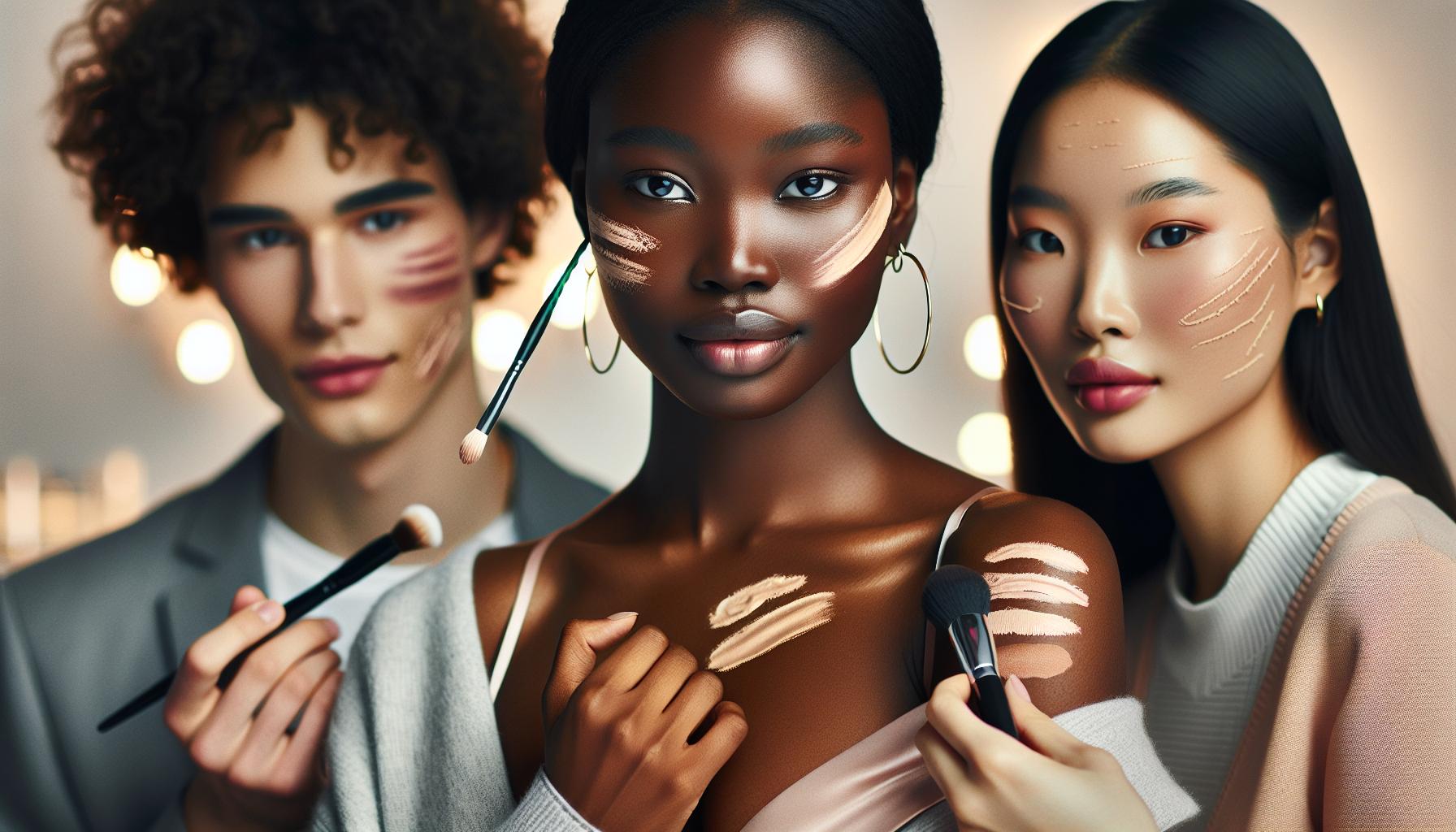
Identifying different types of scars is essential for effective makeup coverage, as each scar type has unique characteristics that require tailored approaches. Whether dealing with hypertrophic scars, keloids, or atrophic scars, understanding these nuances helps in selecting the right products and application techniques to ensure a seamless finish.
Hypertrophic scars are raised above the skin surface and often appear red or darker than the surrounding skin. These scars respond well to a mattifying primer and full-coverage foundation, as the goal is to flatten their appearance while reducing shine. Conversely, keloid scars are more pronounced and can extend beyond the initial wound site. Due to their thickness, these scars may require heavier formulations and advanced techniques like stippling with a dense brush to create an even texture.
Atrophic scars, such as acne scars, are indented and can appear shadowed, often needing brightening agents in the product mix to combat this. A silicone-based foundation provides a smooth layer that fills in these depressions, resulting in a more uniform skin appearance. The texture of the scar is just as important to observe; scars with varying textures can benefit from layering lightweight products, gradually building coverage without caking.
Recognizing these characteristics allows for a strategic approach to scar coverage. Always take the time to analyze the scar type, texture, and color before applying makeup. Utilizing the right products not only enhances your makeup’s efficacy but also boosts confidence, enabling anyone to feel their best in any situation.
Essential Makeup Products for Scar Concealment
Understanding the right makeup products to conceal scars is crucial for achieving a flawless finish. The right combination not only covers but also compliments your skin’s unique texture and tone. When you’re looking to effectively mask scars, consider incorporating a few essentials into your makeup kit that cater specifically to these skin concerns.
Innovative Primers
Start with a silicone-based mattifying primer to create a smooth canvas. This type of primer minimizes the appearance of raised scars while helping to control oil and shine. Brands like Seint provide excellent options that help to blur imperfections. For those with atrophic scars, a hydrating primer can help plump the skin and fill in the depressions, so look for products containing ingredients like hyaluronic acid.
High-Coverage Foundations
Selecting the right foundation is essential. Full-coverage formulas, such as those from Thrive Causemetics, offer the thick consistency needed to conceal various scar types effectively. Oil-free matte foundations are ideal for hypertrophic scars, while creamy foundations may work better for atrophic scars, as they can hydrate and even out the texture. Always opt for a long-wearing formula that resists fading throughout the day.
Concealers and Correctors
For additional coverage, consider high-pigment concealers, like those from Ilia. These products allow for precise application over scars without being heavy. Color correcting can also play a huge role; green-tinted formulas help neutralize redness from raised scars, while peach or orange-toned concealers can offset the gray or blue tints often seen in deeper atrophic scars.
Setting Powders and Sprays
To ensure your hard work stays in place, invest in a translucent setting powder. A finely milled formula prevents cakiness and provides a soft finish. Pair it with a setting spray to lock in your look while adding a subtle glow. A popular choice is ELF’s setting spray, which offers longevity and a dewy finish.
By integrating these essential products into your regimen, you empower yourself with the tools necessary for effective scar concealment. Always remember to blend with care, observing the unique characteristics of the scars you’re working with to achieve the most natural look possible.
Step-by-Step Guide to Applying Makeup on Scars

Creating a flawless makeup look over scars requires finesse and technique. Understanding the nuances of scar coverage can empower you to make confident choices that enhance your natural beauty while camouflaging imperfections. Follow these essential steps to prepare, apply, and set your makeup for scar coverage that lasts throughout the day.
Begin with a clean and moisturized face. Cleansing your skin removes impurities and provides a fresh base. Next, apply a mattifying silicone-based primer to smooth the skin’s texture, particularly over raised scars. This helps create an even surface for your foundation. If you’re addressing atrophic scars, consider using a hydrating primer infused with hyaluronic acid to effectively fill in any depressions.
When selecting your foundation, aim for high-coverage, long-wearing products. Using a damp makeup sponge, apply the foundation in a dabbing motion to avoid disturbing the primer underneath. Start from the center of your face and blend outwards, paying special attention to the areas surrounding the scars. For hypertrophic scars, a matte foundation helps control shine and minimizes their visibility. Conversely, creamy formulas can offer more hydration and blend more seamlessly over atrophic scars, providing a more natural finish.
For additional coverage, high-pigment concealers are invaluable. Use a small, fine-tipped brush or your fingertip to apply concealer directly over the scar. Pat gently without rubbing to blend the edges into your foundation. To neutralize color, you can incorporate color correcting techniques-green concealer for red raised scars or peach correctors for dark or ashy tones in atrophic scars. Always remember to set your concealer and foundation with a finely milled translucent setting powder to prevent creasing and keep everything in place.
To wrap up the application process, finish with a setting spray that suits your skin type. This will lock in your makeup and provide an additional layer of protection against wear throughout the day. With these thoughtful steps, you can master the art of scar coverage and feel empowered in your makeup application, embracing your beauty with confidence.
Advanced Techniques for Professional Makeup Artists
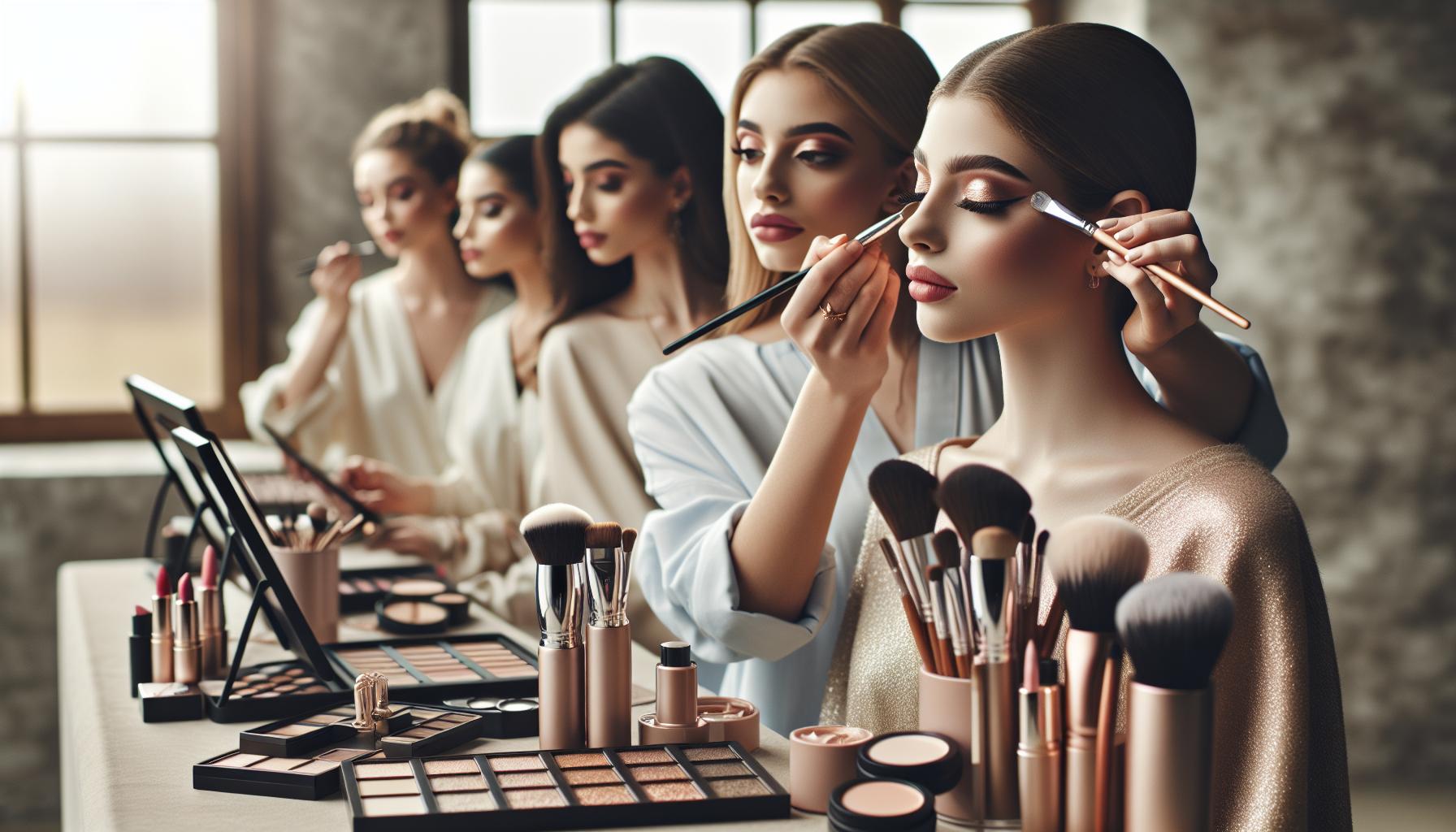
To achieve seamless scar coverage, professional makeup artists often rely on a blend of innovative techniques and high-quality products tailored to different scar types. Understanding the unique properties of scars, such as their texture and color, can significantly influence application choices and strategies. Creative layering and a detailed approach to product selection can elevate a basic makeup application into a flawless finish that enhances a person’s natural beauty.
One advanced technique is the use of multiple foundation layers. Start with a lighter, water-based foundation to create an initial even base. Then, strategically overlay a high-coverage cream foundation specifically on the scarred areas, using the stippling technique. This method involves gently tapping the brush or sponge onto the scar, allowing for better coverage without lifting the underlying layers. Consider using a color-correcting concealer before the foundation if the scar has a distinct discoloration; for instance, a peach concealer can neutralize ashy tones while a green one can tone down redness.
Texture Consideration
When dealing with raised scars, a matte finish can be essential. Matte formulas help reduce the sheen that highlights imperfections. For depressed scars, a product with a slightly reflective finish can enhance the skin’s natural glow, making hollows less noticeable. A common method is to apply a luminous cream highlighter strategically around the scars to draw attention away from them, creating an illusion of depth and dimension.
Tools and Techniques
The tools you choose also play a critical role. Using a dual-fiber brush can help soften the edges where the product meets the skin to avoid any harsh lines. Additionally, investing in a robust setting spray or powder is crucial. For a long-lasting effect, setting the makeup with a fine mist after application can seal everything in place without a heavy feel. It’s beneficial to choose products designed for sensitive skin, especially over scarred areas, to prevent irritation and ensure client comfort.
These approaches not only improve the appearance of scars but also build confidence in makeup application. By mastering these advanced techniques, makeup artists can offer transformative results that empower their clients, enhancing beauty while embracing individuality.
Tips for Selecting the Right Foundation Shade
To achieve a flawless coverage of scars, selecting the right foundation shade is essential for blending seamlessly into your natural skin tone. A well-chosen foundation can minimize the visibility of scars while enhancing your overall complexion. One of the most effective methods for determining your perfect shade is to test foundation directly on your jawline or neck, as these areas are less exposed to sunlight compared to your face. This technique helps ensure that your foundation matches both your face and body, creating a harmonious look.
Know Your Undertones
Understanding your skin’s undertone-whether it’s warm, cool, or neutral-will guide you in choosing the right foundation shade. Warm undertones typically have a yellow or golden hue, while cool undertones exhibit pink or blue subtleties. Neutral undertones can possess a mix of both. Products often indicate their undertone; for example, foundations labeled with “golden” or “honey” usually suit warm skin tones, while those marked “rose” or “cool” cater to cooler pinkish undertones. Testing a few shades on your skin and observing how they interact with your natural undertones can significantly simplify your selection process.
Foundation Finish Matters
The finish of your foundation can influence the perception of your scars and your overall makeup look. For instance, matte foundations often do an exceptional job at blurring imperfections, making them ideal for raised scars. On the other hand, dewy or satin finishes can provide a natural glow, which is helpful for depressed scars, as it can reflect light and reduce the visibility of texture differences. Determine the kind of finish that will best suit your skin type and the specific characteristics of your scars.
Finally, always remember to test the foundation in natural lighting. Artificial lighting can distort how a foundation truly appears, possibly leading to mismatched tones. Applying a small amount on your skin and stepping outside can help you gauge the true shade and finish. By using these tips, you can confidently select the right foundation shade that not only complements your skin but also enhances the concealment of scars, leading to a more polished and vibrant appearance.
Using Color Theory to Neutralize Scar Color
Understanding color theory is essential when it comes to effectively neutralizing the appearance of scars using makeup. Color theory hinges on the concept of complementary colors, which are located opposite each other on the color wheel. For instance, if a scar exhibits redness, utilizing a green-toned product can help counterbalance that hue, diminishing the scar’s visibility and creating a more uniform skin tone. This principle can be a powerful tool in a makeup artist’s arsenal, ensuring that scars are concealed seamlessly.
To implement this technique successfully, consider the nature of the scar’s pigmentation. Scars may range in color from pink to dark brown, and targeting these shades with the appropriate corrective colors can enhance coverage results. A few specific colors and their uses include:
- Green Corrector: Ideal for red or pink scars, such as those that are still healing or have experienced inflammation.
- Peach/Orange Corrector: Works well on darker or blue-toned scars, helping to neutralize discoloration on medium to deep skin tones.
- Yellow Corrector: Suitable for scars that appear purple or bruised, effectively brightening the area to match the surrounding skin.
When applying these color-correcting products, it’s crucial to use a light hand. Begin by applying a thin layer to the scarred area using a brush or your fingertip, gently tapping to blend the product into the skin. Once the corrector is in place, let it set for a moment before applying your foundation, which should be carefully selected to match your skin tone. This layering technique ensures that the scar’s color is neutralized effectively before any additional coverage is applied.
In addition to color correction, take into account the scar’s texture. For raised scars, opt for a matte finish foundation to help minimize their appearance, while for depressed scars, a dewy finish can help reflect light, drawing attention away from any textural differences. By using color theory strategically, makeup not only transforms imperfections but also boosts confidence and enhances natural beauty.
Setting Your Makeup: Best Products and Techniques
To ensure your makeup lasts throughout the day and remains flawless while covering scars, setting your makeup is crucial. The right products and techniques can enhance the appearance of your base, allowing the concealer and foundation to hold steady and resist smudging or fading, especially in textured areas. The application of setting products can mean the difference between a makeup look that lasts and one that requires constant touch-ups.
Start with a dependable setting spray. Look for formulas that cater to your skin type-matte sprays are excellent for oily skin, while hydrating sprays work wonders if your skin tends to be dry. Not only does a good setting spray lock in your makeup, but it can also help blur imperfections and create a smooth, polished finish. Brands like Urban Decay All Nighter or NYX Dewy Finish are popular choices worth exploring.
Equally important are setting powders, especially for those dealing with raised scars. A translucent setting powder can help mattify the skin without adding texture. Apply it using a fluffy brush, focusing on areas that tend to become shiny throughout the day. For clients with acne scars or larger imperfections, a finely milled powder like the Laura Mercier Translucent Loose Setting Powder can prevent creasing and contribute to a soft-focus effect. Remember to use a light hand; the goal is to set the makeup without making the scars more pronounced.
For extra staying power, consider pressing a damp beauty sponge into the skin after applying setting powder. This technique helps meld the powder with the makeup beneath, creating a seamless finish. Finish off with a final spritz of setting spray to seal everything in place. These steps not only increase longevity but also enhance the overall texture of your makeup, allowing you to feel confident and beautiful regardless of the day’s challenges.
Long-Lasting Makeup Solutions for Scar Coverage
Creating a flawless finish over scars requires not only the right products but also informed application methods that ensure longevity throughout the day. The key to long-lasting coverage lies in a careful selection of makeup techniques that can stand the test of time while providing a natural appearance. Opt for high-quality, long-wearing products designed specifically for scar coverage, which often include water-resistant and transfer-proof formulas.
When selecting your foundation, consider a full-coverage formula that can effectively disguise imperfections without feeling heavy on the skin. Brands like Seint and Thrive offer creams that not only conceal but also nourish the skin. Use a damp beauty sponge for application, as this tool allows for a seamless blend that doesn’t tug at the skin. Start by dabbing on a thin layer and build coverage gradually; this approach can provide a more natural look compared to applying a thick layer all at once.
For those with raised scars or areas that need extra attention, include a color-correcting concealer as part of your makeup regimen. Applying a green-tinted concealer can neutralize redness effectively. Follow this with a skin-matching concealer to cover the area, and then set it with a translucent powder using a fluffy brush. This will not only help prevent creasing but also maintain the integrity of your makeup through the day. Remember, moisture is your friend: incorporating hydrating primers and setting sprays can lock in your makeup and keep the skin feeling comfortable.
Additionally, don’t underestimate the power of touch-ups throughout the day. Carrying a compact powder or a blotting sheet can help manage shine and maintain the smooth appearance of the scar coverage. A final spritz of a mattifying setting spray will enhance resilience, ensuring your makeup stays put amidst humidity or activity. By integrating these long-lasting solutions, you can achieve beautiful scar coverage that inspires confidence and empowers self-expression in all situations.
The Role of Skincare in Scar Preparation
Skincare plays a pivotal role in the process of effectively covering scars with makeup. Preparing the skin properly not only enhances the appearance of the makeup but also helps it adhere better and last longer throughout the day. Implementing a thoughtful skincare routine tailored to your specific skin type is essential for creating a smooth canvas. Start with a gentle cleanser to remove any impurities, ensuring that your skin is clean and free from excess oils and debris that can interfere with makeup application.
Following cleansing, it’s beneficial to use a lightweight, hydrating moisturizer. This step is crucial, especially for scarred areas, as it helps to plump the skin and minimize the visibility of the scars. Look for products that contain ingredients like hyaluronic acid, which draws moisture into the skin, or niacinamide, known for its soothing properties and ability to reduce redness. Applying a primer specifically designed for scar coverage can further enhance the makeup application process. Silicone-based primers are excellent as they create a smooth surface, filling in gaps and helping to blur uneven textures.
Another key element in scar preparation is the use of exfoliation. Incorporating a gentle exfoliating product into your routine a few times a week can aid in sloughing off dead skin cells, revealing fresher skin beneath. This is particularly important for raised or textured scars, as regular exfoliation can help to even out the skin’s surface. For those with sensitive skin, opt for chemical exfoliants such as AHAs (alpha hydroxy acids) or BHAs (beta hydroxy acids) that can provide effective results without the harshness of physical scrubs.
Finally, never underestimate the power of hydration. Applying a rich serum or oil after your moisturizer can provide an extra layer of nourishment. Ingredients like squalane or jojoba oil can help to keep scarred areas supple and moist, which is vital for maintaining healthy skin. Prepping your skin in this way not only contributes to a flawless makeup application but also supports the healing process of the scars, giving you the confidence to embrace your beauty with each layer of coverage.
Common Mistakes to Avoid When Covering Scars
Covering scars with makeup can be a transformative experience, but common pitfalls can hinder the desired results. Many individuals, whether novice or seasoned pros, often overlook key factors that can make or break the success of their application. One crucial mistake is neglecting to prepare the skin adequately. Failing to cleanse, moisturize, and prime can result in makeup that clings unevenly to scarred areas, highlighting imperfections rather than concealing them. Ensuring that the skin is hydrated and prepped creates a smoother canvas, allowing for a more seamless application.
Another frequent error is using the wrong type of foundation or concealer. Heavy, thick products may seem like the best choice for covering scars, yet they can lead to a cakey appearance that draws more attention than it conceals. Opting for a lightweight, full-coverage formula designed for scar coverage can help achieve a natural look. Additionally, applying too much product at once can accumulate in the scar’s texture, making it puffier. Instead, build coverage gradually using a tapping motion with a makeup sponge or brush for the most flattering finish.
Color matching is another common oversight. Using a shade that doesn’t match your skin tone or applying concealer that’s too light can emphasize the scar rather than hide it. It’s essential to try different shades on the skin, ideally in natural light, to determine the best match. Utilizing color theory can also play a significant role-green concealers are effective for reducing redness in scars, while peach or orange tones can neutralize darker areas.
Finally, one of the biggest mistakes is skipping the setting process. After applying makeup, it’s vital to lock it in place with a quality setting spray or powder, especially if the scars are on areas prone to movement or sweat. This ensures longevity and prevents fading throughout the day, maintaining a flawless look that lasts. By avoiding these common mistakes and embracing the right techniques, you can enhance your scar coverage and boost your confidence in any situation.
Client Consultation: Understanding Scar Coverage Needs
Understanding the needs of clients seeking scar coverage is pivotal to achieving their desired look and enhancing their confidence. When clients come in for consultations, it’s essential to begin with a thorough discussion about their specific scars-how they were acquired, the texture and depth of the scars, and their overall skin type. This holistic approach is the cornerstone of effective scar concealment, as not all scars can be treated the same. For instance, a raised keloid scar may require different techniques compared to a flat scar with discoloration.
During the consultation, the next step is to assess the client’s skincare regimen, as healthy skin can significantly impact makeup application. Encourage clients to maintain a consistent skincare routine that includes gentle exfoliation, moisturization, and sun protection, as well-nourished skin provides a better surface for makeup. Discuss any skin conditions (such as acne or eczema) that might affect the application process. A robust skincare foundation leads to a smoother makeup application and can mean the difference between a natural appearance and a cakey finish.
Additionally, it’s essential to educate clients about the various products available and how different formulas perform on scars. Recommend lightweight, high-coverage foundations and specialized concealers, as these are often more effective for scar concealment than traditional heavy products. Provide product demonstrations during the consultation to help clients visualize the outcome, using brands known for effective coverage like Seint or Thrive. Emphasize the importance of testing shades in natural light to ensure an exact match, which can drastically improve the final look.
Lastly, gauge the client’s comfort level with makeup application-some may prefer a natural look, while others might want full glam. Tailor your approach and recommendations accordingly. By fostering an open dialogue and demonstrating empathy, you can build trust, ensuring that clients leave your consultation feeling heard, appreciated, and excited to enhance their appearance through informed makeup choices. This inclusive, personalized approach not only addresses their concerns but also empowers clients with knowledge, paving the way for a positive transformation.
Personal Stories: Transformative Makeup Experiences
Makeup has the remarkable ability to transform not just appearances but also lives, especially for individuals with scars. Many have shared their empowering journeys, highlighting how mastery of makeup techniques has allowed them to embrace their self-confidence fully. For instance, Sarah, a young woman with prominent acne scars, recounted her struggles with self-image. After discovering high-coverage concealers and learning how to layer products effectively, she celebrated a renewed sense of freedom. On special occasions, she now can go without worrying about hiding her scars, which she feels are a part of her unique story.
Transformative Techniques have played a significant role in these experiences. For example, blending products such as color-correcting creams can minimize the appearance of red scars. Using peach or orange shades to counteract blue tones found in certain scars has become a go-to method. Many clients have found that simply understanding how to apply products properly has been illuminating. Techniques like using a damp beauty sponge for seamless blending can alter even thick formulations into a soft, natural finish.
Personal anecdotes often reveal a deeper connection to the application process itself. James, a professional fighter with a collection of battle scars, shares how his journey with makeup began as an experiment to prepare for a photoshoot. By employing the right product combinations and contouring techniques, he managed to soften the harsh lines of his scars, which led him to see makeup not just as a concealment tool but a means of artistic expression. His story showcases how understanding and practicing proper techniques can lead to not only concealment but also creativity in highlighting one’s individuality.
As more individuals take ownership of their narratives through makeup, the community with shared stories grows. This collective empowerment fuels motivation among both makeup artists and clients to experiment, share tips, and celebrate their unique beauty. It’s a reminder that every scar tells a story, and with the right tools and techniques, these stories can be artfully highlighted rather than hidden away. Whether it’s a makeup novice learning to navigate their journey or a professional honing their skills, the transformative power of makeup continues to inspire confidence across diverse audiences.
Q&A
Q: What is the best way to prepare scars before applying makeup?
A: Preparing scars before makeup application is crucial for achieving seamless coverage. Begin by cleansing the area and applying a hydrating moisturizer or specialized primer to smooth the texture. This step helps in creating a base that allows concealers and foundations to adhere better, enhancing longevity and finish.
Q: How can I choose the right concealer for my scar type?
A: Selecting the right concealer depends on the scar’s color and texture. For raised scars, opt for a thicker, creamy formula to mask imperfections. For discolored scars, use a color-correcting concealer that matches your scar’s hue. This tailored approach ensures optimal coverage. Reference the “Essential Makeup Products for Scar Concealment” section for more details.
Q: Are there any specific techniques to use on keloid scars?
A: When covering keloid scars, use thin layers of foundation and avoid heavy products that may emphasize texture. Employ a stippling method with a makeup sponge for even application and finish with a translucent powder to set the coverage without adding bulk.
Q: When should I apply makeup to newly healed scars?
A: It’s best to wait until newly healed scars have fully settled and are no longer red or sensitive. Typically, wait at least 3-6 months post-healing for the best results, allowing the skin to stabilize before applying makeup. This ensures better adherence and appearance.
Q: Can color correctors really help in covering scars effectively?
A: Yes, color correctors are effective for covering scars by neutralizing unwanted hues. For red scars, use a green corrector; for brown scars, opt for peach or orange hues. This technique not only camouflages but also provides a balanced canvas for foundation application.
Q: Which setting sprays work best for long-lasting scar coverage?
A: Setting sprays with mattifying or hydrating properties work best for scar coverage, as they help lock makeup in place while maintaining a natural finish. Look for sprays designed for wear time, especially those that control oil to prevent breakdown throughout the day.
Q: How can I remove makeup from scars without causing irritation?
A: To remove makeup from scars safely, use a gentle cleansing oil or micellar water that won’t irritate the skin. Apply with a soft cotton pad, gently sweeping off makeup without rubbing the scar, followed by a soothing cleanser to complete the process effectively.
Q: What common mistakes should I avoid when covering scars with makeup?
A: Avoid using heavy layers of product, as this can accentuate scars instead of concealing them. Additionally, skipping skincare preparation, neglecting to color correct, or using the wrong shade of foundation can lead to uneven results. For optimal outcomes, follow the guided techniques outlined in the article.
In Retrospect
Mastering the art of covering scars with makeup empowers you to embrace your unique beauty confidently. With the right techniques and products, such as those from Seint, Thrive, and Ilia, you can achieve flawless results that enhance your natural features. Don’t wait-experiment with these professional techniques today and see the transformation for yourself!
To discover more about makeup application tips, including our comprehensive guides on product selection and advanced techniques, check out our related articles on makeup tutorials and product reviews. Have questions or want to share your results? Join the conversation in the comments below, and don’t forget to subscribe to our newsletter for exclusive updates and tips to enhance your beauty journey. Your radiant transformation begins now!