Getting the perfect haircut can sometimes feel like a game of chance, especially when it comes to communicating your vision to a barber. Did you know that up to 60% of clients leave the salon feeling misunderstood about their haircut preferences? Mastering the art of communication not only ensures you leave the chair looking fabulous but also enhances your relationship with your barber. Whether it’s sharing specific styles, discussing length, or addressing any concerns you have, clear and effective communication is key. In this article, you’ll discover practical tips and techniques that will empower you to articulate your haircut desires confidently, minimizing the chances of disappointment and frustration. Embrace the opportunity to achieve your desired look with ease and clarity-let’s dive in to transform your haircut experience into one that meets your expectations flawlessly!
Understanding Your Desired Hairstyle: Key Terms to Use
Understanding your desired hairstyle is crucial for achieving the perfect look at the barber. Clear communication begins with a solid foundation of hairstyling terminology. Familiarity with key terms not only enhances your ability to articulate your vision but also empowers your barber to deliver exactly what you want. For instance, knowing the difference between a fade, taper, and undercut can significantly streamline the discussion. A fade gradually shortens the hair from top to bottom, a taper maintains a slight length on the sides while blending into the scalp, and an undercut leaves the top long while the sides and back are cut very short.
When discussing styles, using descriptive words is essential. Terms such as layered, textured, or blunt describe how the hair is cut and structured. If you desire volume or movement, specifying textured layers will give your barber the context needed to create your desired outcome. Addition of terms like length and weight can also help in specifying how you want your hair to feel; for instance, asking for thin ends implies a lighter, airier silhouette compared to a more robust, thick blunt cut.
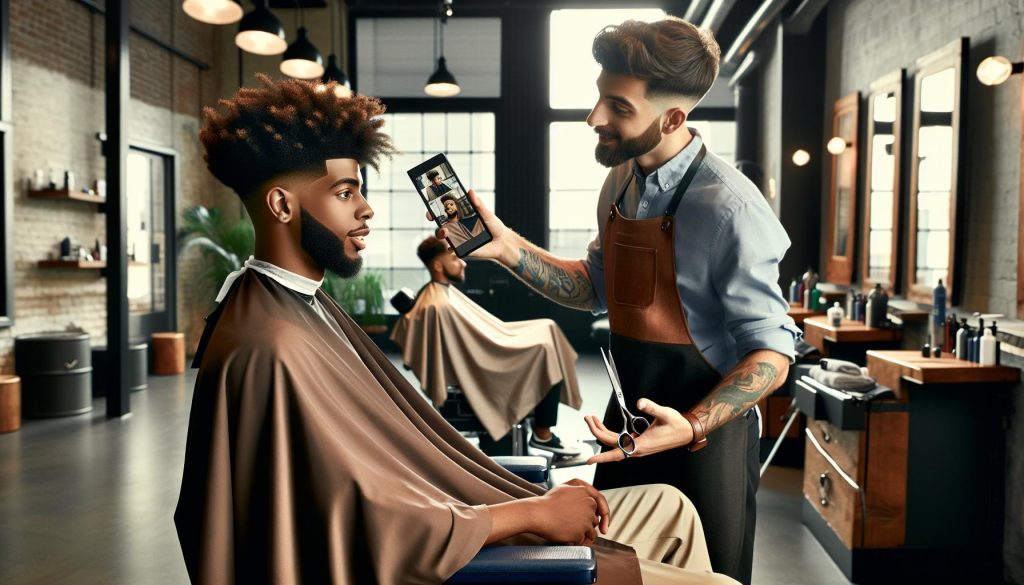
Visual aids play a significant role in this dialogue. Bringing in pictures from magazines or digital images can bridge the gap between what you describe and what your barber interprets. This visual representation offers a clear point of reference, minimizing the chance for miscommunication. Both new clients and seasoned visitors can benefit immensely from preparing with these tools and terms, ensuring a smoother, more satisfactory hairstyling experience. Engaging in this knowledgeable conversation builds confidence and rapport, setting the stage for an ongoing professional relationship with your barber.
Essential Communication Skills for a Successful Haircut

Understanding how to effectively communicate with your barber can transform not only the outcome of your haircut but also the overall experience of your visit. One powerful approach to ensuring clear communication is to adopt an open and collaborative attitude. No matter your level of comfort, expressing your preferences while inviting your barber’s expertise can foster a more productive dialogue. For instance, start with a brief description of what you liked or disliked about your previous hairstyles. This gives the barber insight into your preferences and helps them guide the conversation toward options that might suit you better.
Listening actively is just as critical as articulating your desires. When your barber offers suggestions or asks questions, make sure to engage with their input. Ask clarifying questions if something isn’t clear, such as “Can you explain how that style would look on me?” or “What products do you recommend for maintaining this look?” This not only strengthens your understanding but also builds rapport with your barber, making them feel valued as a professional with expertise in their craft.
Utilizing Descriptive Language
Being specific and descriptive in your requests can significantly enhance clarity. Instead of vague terms like “short” or “long,” try to be more precise. For instance, saying you’d like a “chin-length bob with textured layers” provides a clear visual that your barber can work with. If you’re unsure of the terminology, don’t hesitate to share visual references, like photos from magazines or online sources, to illustrate your vision clearly. Providing context-like “I want something easy to manage that suits my face shape”-can further guide your barber in tailoring the cut to your personal style and preferences.
Feedback and Follow-Up
Finally, don’t underestimate the power of feedback during and after your haircut. If at any point you feel something isn’t quite right-the length, texture, or overall style-kindly express your thoughts. A professional barber appreciates constructive input, as it helps them adjust their technique in real-time to meet your expectations. After the cut, discussing how to maintain the new style and asking for recommendations on products tailored to your hair type can empower you to recreate the look at home.
By honing these essential communication skills, you not only become an active participant in shaping your hairstyle but also create a positive environment that benefits both you and your barber. This collaborative process enhances your personal grooming journey and strengthens the relationship you build with your barber over time.
Using Visual References: Effective Tools to Show Your Barber

Visual references can significantly enhance communication between you and your barber, making it easier to achieve the desired haircut. Instead of navigating the ambiguity of verbal descriptions alone, sharing images can bridge the gap between concept and execution. Whether you’re flipping through magazines, browsing social media, or using hairstyling apps, gathering visual examples can provide your barber with a clearer understanding of your vision. For instance, if you’re interested in a specific bob style, a photo highlighting the cut’s angles and layers can offer invaluable guidance.
When collecting references, consider images that showcase not just the hairstyle itself, but also similar face shapes, hair types, and textures. A style that looks stunning on one person may not translate perfectly for another. Sharing a diverse range of references allows your barber to assess what aspects of each look may suit you best. Aim for images that encompass a variety of angles and details-full-length views, close-ups of texture, and examples of styling techniques-ensuring that every crucial detail is conveyed.
It’s also beneficial to note what you do or don’t like about the styles you’ve chosen to share. Perhaps you love the color of one image but prefer the length from another. This specificity aids your barber in grasping your preferences and reinforces the collaborative nature of the haircut process. Furthermore, engaging in discussions about the images you present enhances rapport with your barber, fostering an environment where your ideas can flourish, and the results speak volumes.
In today’s digital age, utilizing apps and platforms allows for easy organization of your inspiration. Create a mood board using tools like Pinterest or even a simple folder on your phone dedicated to haircut styles you admire. Having everything neatly compiled and easily accessible during your appointment can streamline communication and demonstrate your commitment to the look you desire. By integrating visual references into your grooming routine, you’re not only paving the way for clearer conversations but also empowering your barber to bring your style vision to life.
Describing Length and Texture: Getting Specific with Your Requests
Describing the length and texture of your hair can be the pivotal point in ensuring you get the perfect cut. Offering precise descriptions can greatly enhance your barber’s understanding of what you desire, transforming vague wishes into tangible results. Rather than relying on abstract terms, employ clear language and references that accurately convey your vision.
Begin by specifying the exact length you want. When discussing hair length, options such as “short,” “medium,” or “long” can be subjective. To avoid confusion, use specific measurements or relatable comparisons. For example, saying you want your hair “to the chin” or “just above the shoulders” provides a clearer picture. If you’re unsure about exact lengths, referencing the number of inches to be cut or using finger measurements (e.g., two fingers above the shoulder) can be particularly helpful. Furthermore, remember that different styles might require different lengths even if they appear similar; indicating the hairstyle you have in mind can help your barber adjust their cuts accordingly.
Texture is just as vital in your communication. Hair texture can influence how a style is executed and how it ultimately looks on you. Terms like “fine,” “thick,” “curly,” or “straight” provide a distinct starting point for your discussion. If you struggle to describe your hair texture, consider using adjectives that capture how your hair behaves-such as “bouncy” for layered cuts or “flat” for heavier styles. If applicable, mention any products or routines you routinely use that can help clarify your texture; for example, “I often use a curl cream” can signal to your barber that you have textured hair that can benefit from specific cutting techniques.
Engaging in a dialogue about the length and texture of your hair not only facilitates a more accurate haircut but also creates an opportunity for your barber to make professional recommendations. Bringing up personal preferences-like whether you prefer your layers subtle or structural-invites collaboration and showcases your active participation in the haircutting process. This shared understanding fosters trust and opens the door for a dynamic exchange of ideas, leading to a more tailored haircut that aligns with your unique style.
Navigating Difficult Conversations: Handling Misunderstandings
Navigating the complexities of communication with your barber can be challenging, particularly when misunderstandings arise. Haircuts are a deeply personal expression of style, and when the desired outcome doesn’t match the execution, it can lead to frustration for both parties. Understanding how to approach these conversations can significantly enhance your experience and results.
Start by embodying a positive mindset. If a miscommunication occurs, view it as an opportunity to clarify rather than a setback. Active listening plays a crucial role here; make sure to fully engage with your barber’s suggestions while clearly articulating your preferences. If the cut isn’t what you expected, try to be specific about what you feel is off. For example, instead of general comments like “I don’t like it,” you could say, “I was hoping for more volume on top” or “I can’t see the layers I wanted.” This specificity not only helps your barber understand your vision but also strengthens the collaborative nature of the haircutting process.
It can also be beneficial to prepare for your appointment with visual references that illustrate what you want. If misunderstandings arise regarding the length or style, point to specific images or examples. These visuals serve as a common language that transcends potential communication barriers. Additionally, if you notice discrepancies during the haircut itself, don’t hesitate to pause the process. Politely asking for adjustments or checking in mid-cut can prevent larger issues from developing. Phrases like, “Can we take a bit more off the sides?” help maintain a communicative atmosphere without awkwardness.
Lastly, remember that the relationship you build with your barber is a two-way street. Establishing trust means they can offer their expert opinions, while you can share your clear expectations. Should an outcome not meet your standards, providing constructive feedback in a respectful manner-such as, “I appreciate your effort, but I was looking for a slightly different style”- can empower both you and your barber to learn and improve for future visits. Embrace these conversations, viewing them as pathways to achieving the perfect haircut tailored to your unique style.
How to Provide Feedback: Enhancing Our Communication
Providing feedback during your haircut journey is essential for fostering a successful relationship with your barber or stylist. Effective feedback helps bridge the gap between your expectations and the results achieved, ensuring you leave the salon satisfied and with a hairstyle that resonates with your personal style. One vital aspect of this process is to frame your feedback constructively-approaching the conversation with clarity and positivity sets a collaborative tone that can enhance your overall experience.
Firstly, being specific with your feedback is key. Instead of vague statements like “I don’t like it,” consider detailing what elements don’t align with your vision. For example, you might say, “I think the sides are too short for my face shape” or “I was aiming for a softer blend on the back.” This allows your barber to understand your concerns more clearly and adjust accordingly. Additionally, expressing your appreciation for their effort can motivate your barber, encouraging a more receptive atmosphere for adjustments.
Another effective strategy is to schedule moments during the haircut for feedback. It’s perfectly acceptable to ask for a quick preview-this not only keeps communication lines open but also prevents significant alterations if things seem off. For instance, a simple, “Can we pause for a moment? I’d like to see how the top is turning out,” allows for a collaborative check-in. This proactive approach can mitigate major revisions later and foster a sense of teamwork.
Remember that feedback is a two-way street. Encourage your barber to share their professional insights, which can help guide your style decisions. If your barber suggests an idea that resonates with you, be open to trying it out. Ultimately, the goal is to develop a trusted relationship where both parties feel comfortable expressing thoughts and preferences, paving the way for a fulfilling grooming experience that reflects your unique style.
Shared Vocabulary: Common Barbering Terms Explained
Understanding the language of haircuts can significantly enhance your communication with barbers, ensuring you get the look you desire. By familiarizing yourself with common barbering terms, you can articulate your requests more clearly and feel more confident in your interactions. Here are several key terms that will empower you in the barber’s chair:
Essential Barbering Terms
- Fade: A gradual transition from short hair to slightly longer hair, often used on the sides and back. Fades can vary in length and intensity, such as low, mid, or high fades.
- Texturizing: A technique used to reduce bulk and add movement to the hair. This can be achieved with shears or texturizing tools, giving a more modern, relaxed look.
- Layering: A haircutting technique that involves cutting the hair at different lengths to create volume and shape, making it easier to style.
- Blending: The process of seamlessly merging different lengths or styles, especially where color or fades are involved. A well-blended haircut ensures a polished appearance.
- Undercut: A bold style where the sides and back are clipped short while leaving the hair on top longer. This creates a striking contrast and allows for various styling options.
- Buzz Cut: A very short haircut achieved with clippers, usually all one length; perfect for a low-maintenance style.
- Trim: A slight cut to remove split ends or refresh an existing style without changing the overall length significantly.
Communicating Your Preferences
Using these terms during your appointment can help bridge the gap between your vision and your barber’s execution. For example, instead of saying, “I’d like my sides short,” specify, “I’d like a low fade on the sides with about an inch left on top.” This precision ensures your barber is on the same page and can deliver results that match your expectations.
Additionally, discussing factors such as hair texture (fine, thick, curly, straight) and lifestyle can help your barber make tailored recommendations. For instance, if you have thick hair but prefer a lightweight style, mention this to prompt suggestions for texturizing or layering techniques.
Mastering common barbering vocabulary not only improves your communication but also fosters a more collaborative experience during your haircut. When both you and your barber understand each other, it sets the stage for achieving a look you will love and feel confident wearing.
Exploring Popular Haircuts: Inspiration and Options to Discuss
When it comes to choosing a haircut, the options can feel endless, especially with trends constantly evolving. Understanding popular haircuts can serve as valuable inspiration when discussing your hairstyle with your barber. This not only gives you a clearer idea of what you want but also enables more effective communication about your desired look. Here’s a closer look at some of the most sought-after styles and what you might discuss with your barber to achieve them.
Classic Cuts
- The Crew Cut: A timeless favorite, the crew cut is short on the sides and back with slightly longer hair on top. This easy-to-maintain style is perfect for a polished, professional look. To communicate this, you can say, “I’d like a crew cut, keeping an inch on top and tapered sides.”
- The Pompadour: Known for its voluminous top and slicked-back style, the pompadour offers a sophisticated flair. When discussing this look, mention the amount of volume you desire and the fade style that suits you best, like, “I’d like a high fade with a lot of volume on top.”
- The Side Part: This classic hairstyle features longer hair on top, styled to one side, and shorter sides. You might express your preference by saying, “I’d like a side part, keeping the top at about three inches with short sides.”
Modern Trends
- The Quiff: Stylish and slightly edgy, the quiff works well for all hair types. If opting for this, you could ask for “a textured quiff with about two inches on top and faded sides for a contemporary look.”
- The Textured Crop: This popular, low-maintenance style works particularly well for men. You can articulate this by saying, “I’d like a textured crop with a blended undercut to add definition.”
- The Taper Fade: This gradual fade is versatile and can be combined with most styles. Express this by specifying, “I’d like a taper fade, gradually reducing the length to zero on the sides while leaving a couple of inches on top.”
Cutting-edge Styles
- The Mohawk: For those who want to make a bold statement, the Mohawk features shaved sides with a strip of longer hair in the center. You might say, “I want a Mohawk, with about four inches on top and shaved sides to accentuate the contrast.”
- The Bro Flow: This longer hairstyle offers a relaxed, flowing look, quintessential for those who prefer a laid-back vibe. Communicate this by saying, “I want to maintain my length and texture to achieve a bro flow, with just a subtle trim to keep it manageable.”
- The Fade with Design: Adding intricate designs into a fade can elevate any haircut. You could say, “I’d like a low fade with a geometric design carved into the side for a unique touch.”
By exploring these cut options and articulating your preferences based on them, you establish a shared understanding with your barber, leading to a successful haircut experience. Remember, visuals can also play a significant role in your communication. Bringing in photos of desired styles can help reinforce what you’re aiming for, ensuring an even clearer discussion. Empower yourself by embracing these concepts in your next barbershop visit, and you’ll leave with a haircut you truly love!
Tips for First-Time Clients: What to Expect at the Barber
Visiting a barber for the first time can be an exciting yet slightly nerve-wracking experience. You may be apprehensive about how to communicate your desired style, but understanding a few essential tips can help ease your worries and ensure you leave with a haircut you love. One key aspect of your visit will be to familiarize yourself with the atmosphere of the barbershop, which is often casual and welcoming. Barbers are skilled professionals who appreciate clear communication and often enjoy helping clients bring their haircut visions to life.
It’s a great idea to arrive prepared with some knowledge about your hair type and how it tends to behave. Before stepping into the chair, think about any past haircuts you liked or disliked, as these insights can inform your discussions. Additionally, consider bringing visual references-photos of haircuts you admire can significantly enhance your communication. When you explain your preference visually, your barber can get a clearer idea of what you’re envisioning, making it easier to tailor the cut to your needs.
During your appointment, don’t hesitate to ask questions about the process, hair types, or products that may work best for you. A good barber will appreciate your curiosity and provide insights that empower you in your grooming journey. For example, you might ask about maintenance routines for your hairstyle or what styling products they recommend for the look you want to achieve. This dialogue not only builds a rapport with your barber but also makes you feel more comfortable in the space.
Finally, remember that feedback is an essential part of the haircutting process. If at any point you feel unsure about the direction the haircut is heading, speak up. Phrases like, “I’d like it a bit shorter” or “Can we adjust the fade?” are perfectly acceptable and will help ensure you leave with a haircut that meets your expectations. With an open line of communication, your first visit can set the foundations for a great ongoing relationship with your barber, leading to consistently stylish cuts and an enjoyable grooming experience.
Building a Relationship with Your Barber: Why It Matters
Building a meaningful and trustworthy relationship with your barber is one of the most valuable assets you can cultivate in your grooming journey. Just as you might rely on your dentist or mechanic for expert suggestions, a good barber can be a go-to advisor for all things related to hair. Establishing rapport means your barber will not only remember the details of your last cut but will also understand your unique style preferences and hair care needs, elevating each visit into a more personalized experience.
One essential step in nurturing this relationship is consistent communication. Always provide feedback about your previous haircuts so your barber can refine their understanding of your likes and dislikes. If they nailed a certain aspect of your last style or if something didn’t meet your expectations, share that insight. For instance, saying, “I loved how you styled the top last time!” or “Could we change the fade a bit more this time?” fosters an open dialogue. This two-way exchange helps barbers tailor their services according to your evolving style.
Your barber also benefits from getting to know you as a person. Sharing a bit about your daily routine, work environment, or hobbies can provide them insights into what hairstyles will best fit your lifestyle, not just your personal aesthetic. If you’re a gym-goer or someone who works in a corporate setting, they can suggest low-maintenance styles that reflect your personality while being practical. In return, your barber might share their expertise regarding trending styles or new products that could work for you, creating a more enriching grooming experience.
To strengthen this relationship further, consider booking regular appointments. Frequent visits not only keep you looking sharp but also reinforce the rapport you’ve built. With each visit, your barber gains a deeper understanding of your hair and styling preferences, leading to even better outcomes over time. Plus, recurring appointments can develop a friendly banter that enhances your overall barbershop experience, making it feel more like a personal grooming ritual rather than just a routine chore.
Finally, don’t underestimate the importance of appreciation. Show gratitude for their hard work with a smile, a thank you, or even a small tip when you feel particularly pleased with your haircut. Building a solid relationship with your barber will not only help you achieve the looks you desire but will also turn every haircut into an enjoyable and fulfilling experience tailored just for you.
Learning from Your Haircut Experience: Reflect and Request Adjustments
Reflecting on your haircut experience is a powerful practice that enhances both your satisfaction and your barber’s ability to meet your needs. Each haircut is not just a routine grooming task; it’s an opportunity to refine your personal style and improve communication with your barber. Start by assessing your haircut while it’s fresh; take a moment to examine not just how it looks but how it feels. Are there areas that require more texture or perhaps a stronger shape? Consider how the haircut fits into your daily life and whether it aligns with your individual preferences.
When discussing adjustments with your barber, specificity is key. Instead of general statements like “I want it shorter,” explain what that entails for you. You might say, “I’d like the back to be an inch shorter and the sides to have a tighter fade.” By using precise language, you’re offering your barber clear guidance, which can enhance the overall outcome. Additionally, discussing specific features such as the texture or layering can lead to more tailored results. For instance, mentioning a desire for a more tousled look can help your barber understand that you’re looking for a different styling approach, rather than just a length change.
It’s also essential to approach the conversation with an open mind. Sometimes, your barber might have suggestions based on their training and experience that could elevate your style. Be willing to listen; an expert eye might see potential adjustments that would benefit your overall look that you hadn’t considered. The relationship between you and your barber relies on trust, and being open to feedback not only enhances your experience but also builds a rapport that encourages further detailed conversations in the future.
Finally, after each visit, take note of what worked and what didn’t. You can keep a style diary or a folder on your smartphone with photos and notes about each cut. This way, you create a reference for future appointments, making it easier to communicate your evolving preferences. When you can articulate how you felt about your last haircut clearly, while drawing from specific aspects that resonated with you, your barber will have the insight needed to make your next visit even more satisfying. Embrace this reflective practice as part of your grooming journey, empowering both you and your barber to achieve excellence together.
Maintaining Your Style: Communicating Post-Cut Care Needs
Maintaining the beauty of your haircut doesn’t exclusively happen in the salon; it also hinges on the care you provide at home. After each visit, it’s crucial to communicate your post-cut care needs clearly to your barber, as they can provide tailored advice to help you maintain your style for as long as possible. This dialogue not only empowers you but also enhances your relationship with your barber, creating a collaborative approach to your hair care.
Understanding your specific hair type is the first step in effective communication. Let your barber know if you have straight, wavy, or curly hair, as different textures require different maintenance routines. For instance, if your hair has natural waves, you might ask for recommendations on products that enhance those waves without weighing them down. Share any specific concerns you have, such as frizz control or volume maintenance, which can guide your barber’s suggestions for effective styling products. They may recommend styling gels, creams, or serums suited for your unique hair needs, helping you retain that fresh-out-of-the-salon look.
Regular conversations about your routine can also enhance your stylist’s understanding of your preferences. For example, if you frequently use heat styling tools, let your barber know. They can recommend heat protectants or suggest cuts that adapt better to these styling habits, preventing damage over time. If you’re attempting to grow your hair while keeping a particular shape, express this to your barber so they can guide you on trims and frequency to maintain the shape without sacrificing length.
Finally, don’t hesitate to ask for post-cut maintenance tips. Your barber can provide styling techniques based on your haircut, helping you achieve the desired look with minimal effort. Whether it’s the best way to style a bob or a method to keep curls defined, gaining these insights can transform your daily routine. By maintaining open channels of communication, you can ensure not just a great haircut but the ongoing care that keeps it looking its best.
Faq
Q: How can I effectively communicate my hairstyle preferences to my barber?
A: To communicate effectively, describe the specific length, texture, and style you want. Use clear language and, if possible, show a photo for visual reference. Be prepared to explain any adjustments or features you admire in the image to help your barber understand your vision.
Q: What are some common mistakes people make when explaining a haircut to their barber?
A: Common mistakes include using vague terms, not having a reference image, or failing to clarify important details like length and texture. Avoid assuming the barber understands your expectations; instead, be specific and clear in your requests.
Q: Why is using visual references important when talking to a barber?
A: Visual references help bridge the gap between your vision and the barber’s interpretation. They provide a concrete example, reducing misunderstandings and increasing the chances of achieving your desired haircut. A good reference can be a photo from a magazine or an image from social media.
Q: How should I handle a situation when my barber doesn’t understand my request?
A: If your barber doesn’t understand, stay calm and clarify your request by using simpler language or providing visuals. It can also help to relate your hairstyle to something they recognize, such as popular cuts or styles, to ensure you’re on the same page.
Q: What specific terms should I know when discussing haircuts with my barber?
A: Familiarize yourself with key terms like “fade,” “texture,” “length,” “layers,” and “thinning.” Knowing these terms will aid your communication and help you explain exactly what you’re looking for, making it easier for your barber to deliver your desired style.
Q: How do I give constructive feedback during a haircut?
A: Provide feedback by clearly stating what you like or dislike about the current progress. Use phrases like “I’d like it shorter here” or “Can we add more texture?” Constructive feedback keeps the lines of communication open and helps achieve the desired outcome.
Q: When is the best time to discuss haircut adjustments during the appointment?
A: The best time to discuss adjustments is during the haircut, especially after your barber has completed a significant change. Politely share your thoughts before any final touches are made to ensure both you and your barber are aligned on the look.
Q: How can I build a better relationship with my barber over time?
A: Building a relationship with your barber involves regular visits, open communication, and sharing your style preferences. Be honest about your likes and dislikes, and appreciate their advice. This mutual understanding fosters trust and enhances your overall haircut experience.
The Conclusion
Mastering how to communicate your haircut preferences to your barber can significantly elevate your grooming experience. Remember, being specific about your desired length and style is key to achieving a look you love. Now is the perfect time to take action-reserve your next haircut appointment, and don’t hesitate to reference our handy tips in your conversation to ensure clarity.
For more valuable insights, explore our guides on trendy haircuts for every season and the essentials of maintaining your new style. If you’re looking to stay ahead in the grooming game, check out our detailed product reviews and application techniques.
Engage with us by sharing your haircut successes or any lingering questions in the comments below. Your feedback not only enriches our community but also fuels our passion for beauty and barbering excellence. Join us in crafting the best version of yourself-let’s keep the conversation going!