Makeup is not just an art; it’s a transformative experience that helps express individuality and boost confidence. For beginners, the world of makeup can seem daunting, with countless products and techniques to navigate. However, mastering the basics of makeup application can empower you to enhance your natural beauty and create stunning looks for any occasion. In this complete step-by-step guide, we’ll break down the essential products, tools, and techniques you’ll need to know. Whether you’re preparing for a casual outing or a special event, understanding these fundamentals will pave the way for a successful beauty journey. So, ready to unlock your potential and discover the joy of makeup? Let’s dive in and make applying makeup an enjoyable and rewarding experience!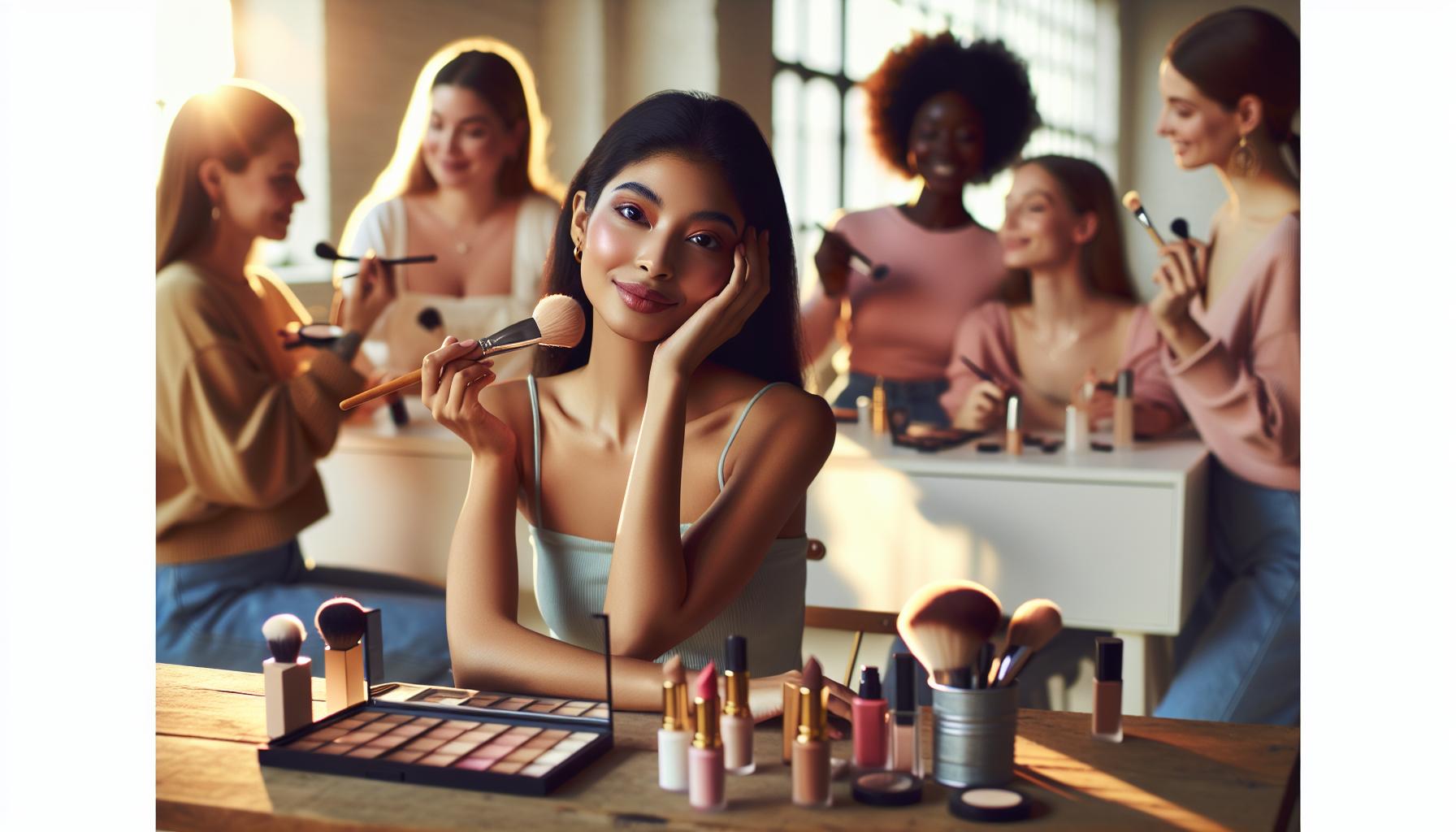
Understanding Your Skin Type for Makeup Success
Understanding your skin type is an essential first step in the makeup journey, as it directly influences product selection, application methods, and overall results. Every individual’s skin is unique, and being aware of its characteristics enables you to tailor your makeup routine to achieve a flawless look that lasts. There are generally four main skin types: normal, oily, dry, and combination. Recognizing yours will empower you to make informed choices about how to prep your skin and what products to use.
For those with normal skin, you’re in luck! This skin type is often balanced, with minimal issues regarding dryness or excess oil. Most makeup products work well, allowing you the freedom to experiment with different textures and formulations. If you have oily skin, focus on mattifying products and oil-free foundations to control shine. Primers can also be a game-changer as they help create a smooth base and keep excess oil at bay throughout the day. Conversely, if your skin tends toward dryness, opt for hydrating products that contain emollients to lock in moisture. Creamy foundations and tinted moisturizers can provide a dewy finish that complements your skin without accentuating dryness.
For those navigating combination skin, it is crucial to identify the distinct areas of your face that may either be oily or dry. Targeted products like a matte foundation in the oily spots and a hydrating formula for drier patches can yield the best results. Always remember to apply a moisturizer suited to your skin type before makeup, as proper hydration is key to achieving a smooth application.
In addition to understanding your skin type, consider factors such as the climate you live in and your specific skin concerns-like sensitivity or acne. Using the right tools, such as sponges for blending or brushes for precision, can also enhance how your makeup interacts with your skin. Whether you have normal, oily, dry, or combination skin, finding the right balance will not only improve the application process but also boost your confidence as you embark on your makeup journey.
Essential Makeup Tools Every Beginner Needs
Every beauty enthusiast starts their journey with the right tools, which can significantly impact the quality of your makeup application. Whether you’re a complete novice or looking to refine your technique, having the essential makeup tools at hand will empower you to create stunning looks effortlessly. Investing in quality tools not only enhances your makeup experience but also elevates your skills.
Foundation and Face Application Tools
To achieve a flawless base, start with a good foundation brush or a damp makeup sponge. A foundation brush typically provides a more polished finish, allowing for precise application, while a sponge, like the Beautyblender, gives a more natural look by blending seamlessly into the skin. Additionally, a concealer brush is useful for targeting blemishes and dark circles. Don’t forget a set of makeup brushes that includes a powder brush and a blush brush; these are crucial for setting your makeup and adding color to your cheeks.
Eye Makeup Essentials
When it comes to eye makeup, consider using a variety of brushes to help you achieve different looks. A flat shader brush is perfect for applying eyeshadow, while a blending brush is essential for creating soft washes of color and blending harsh lines. For eyeliner application, a fine-tipped brush or a pencil eyeliner can help you create defined lines or a smoky effect. Lastly, a good quality spoolie brush is invaluable for grooming your eyebrows and blending brow products seamlessly.
Finishing Tools and Other Must-Haves
To make your makeup last all day, a setting spray is a worthwhile addition to your toolkit. This step ensures that your hard work remains intact, regardless of heat or humidity. Additionally, a quality pair of tweezers is essential for maintaining your eyebrows, while cotton swabs and makeup remover wipes can help clean up any mistakes.
Starting your makeup journey with these essential tools will lay a solid foundation for your skills. As you grow more comfortable with application techniques, you’ll discover personal preferences and needs, allowing you to expand your toolkit further. Remember, the right tools combined with practice are key to achieving makeup prowess, so explore, experiment, and enjoy the journey to beautiful self-expression.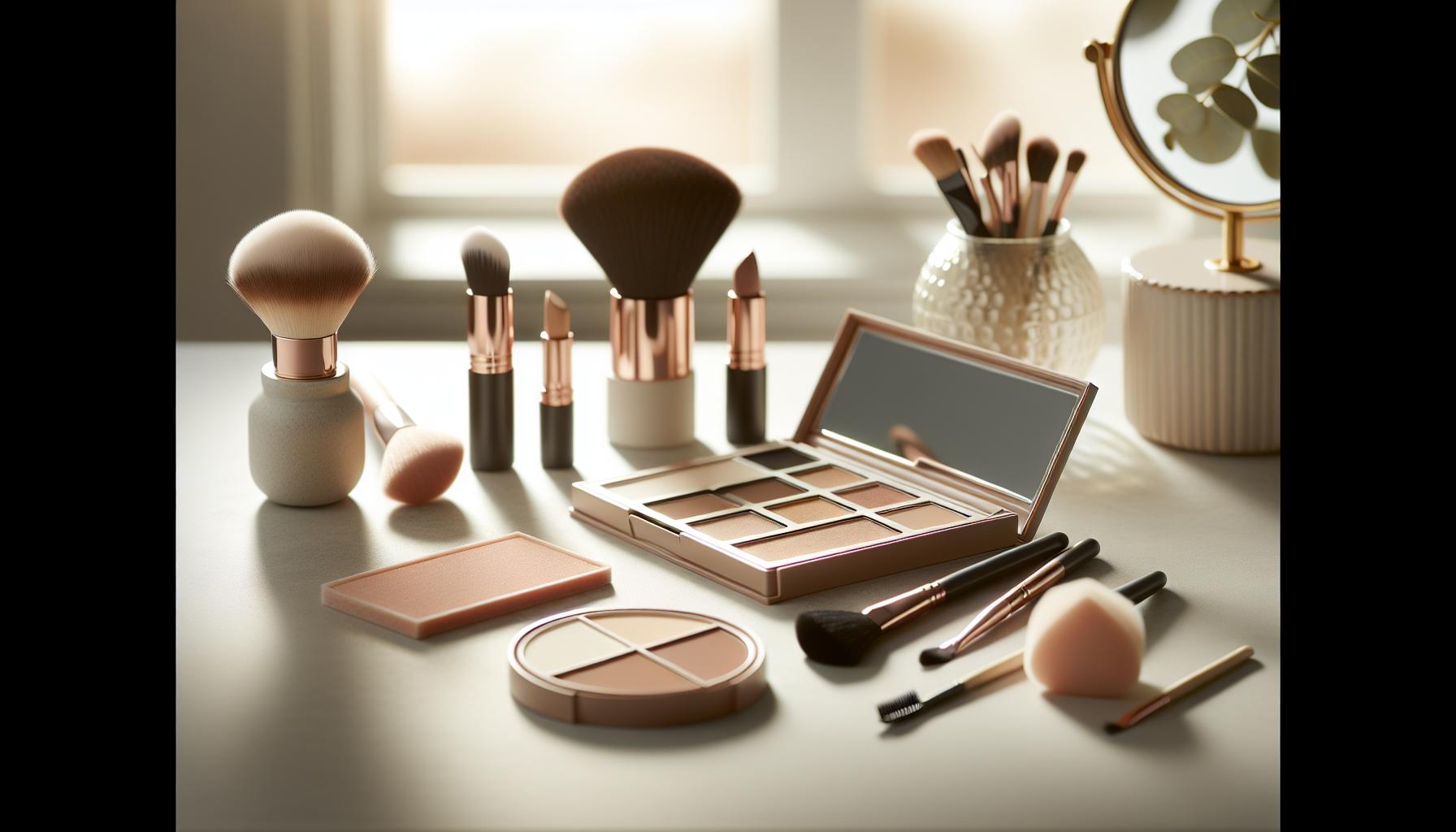
Step-by-Step Foundation Application Techniques
Achieving a flawless foundation is the cornerstone of any makeup application, and mastering it can elevate your entire beauty routine. A well-applied foundation not only evens out your skin tone but also serves as a canvas for the rest of your makeup. Follow these step-by-step techniques to achieve that perfect base, whether you’re preparing for a casual day out or a glamorous event.
To start, always prepare your skin. Begin with a clean and moisturized face to ensure your foundation glides on smoothly. Choose a primer suitable for your skin type-matte primers work wonders for oily skin, while hydrating primers are ideal for dry or combination skin. This step creates a barrier that helps your foundation adhere better, leading to longer-lasting wear.
Next, select a foundation that matches your skin tone. You can find options in various formulations, including liquid, cream, or powder. It’s helpful to test foundations on your jawline to ensure a seamless match. Once you’ve chosen the right foundation, you can apply it using your preferred tool. Here are some effective methods for application:
- Damp Makeup Sponge: For a radiant finish, use a damp sponge, such as the Beautyblender. Start by applying a small amount of foundation to the sponge and dab it onto your skin, using a bouncing motion. This technique blends the product into your skin, creating a natural look.
- Foundation Brush: If you prefer a more polished finish, a foundation brush can effectively distribute and blend the product. Use long, sweeping motions to apply while focusing on blending. Circular motions help in minimizing streaks.
- Your Fingers: This method can be surprisingly effective. Warm the foundation between your fingers and apply it directly onto your face, then blend with your fingertips using gentle, circular motions.
Once you’ve applied your foundation, it’s key to conceal any imperfections. Use a concealer that is one shade lighter than your foundation to cover blemishes, dark circles, and any areas requiring extra coverage. Blend using the same sponge or brush you used for your foundation for a seamless transition.
To finish, set your foundation with a translucent powder to control shine and increase longevity. Use a fluffy powder brush and gently dust the powder over your face, focusing on areas that tend to get oily. A setting spray can also be a beneficial addition, locking in your makeup for all-day wear.
Following these steps will not only contribute to a flawless foundation application but will also boost your confidence in your makeup skills. With practice, you’ll refine your technique and find what works best for your unique features and skin type, allowing your personal style to shine through.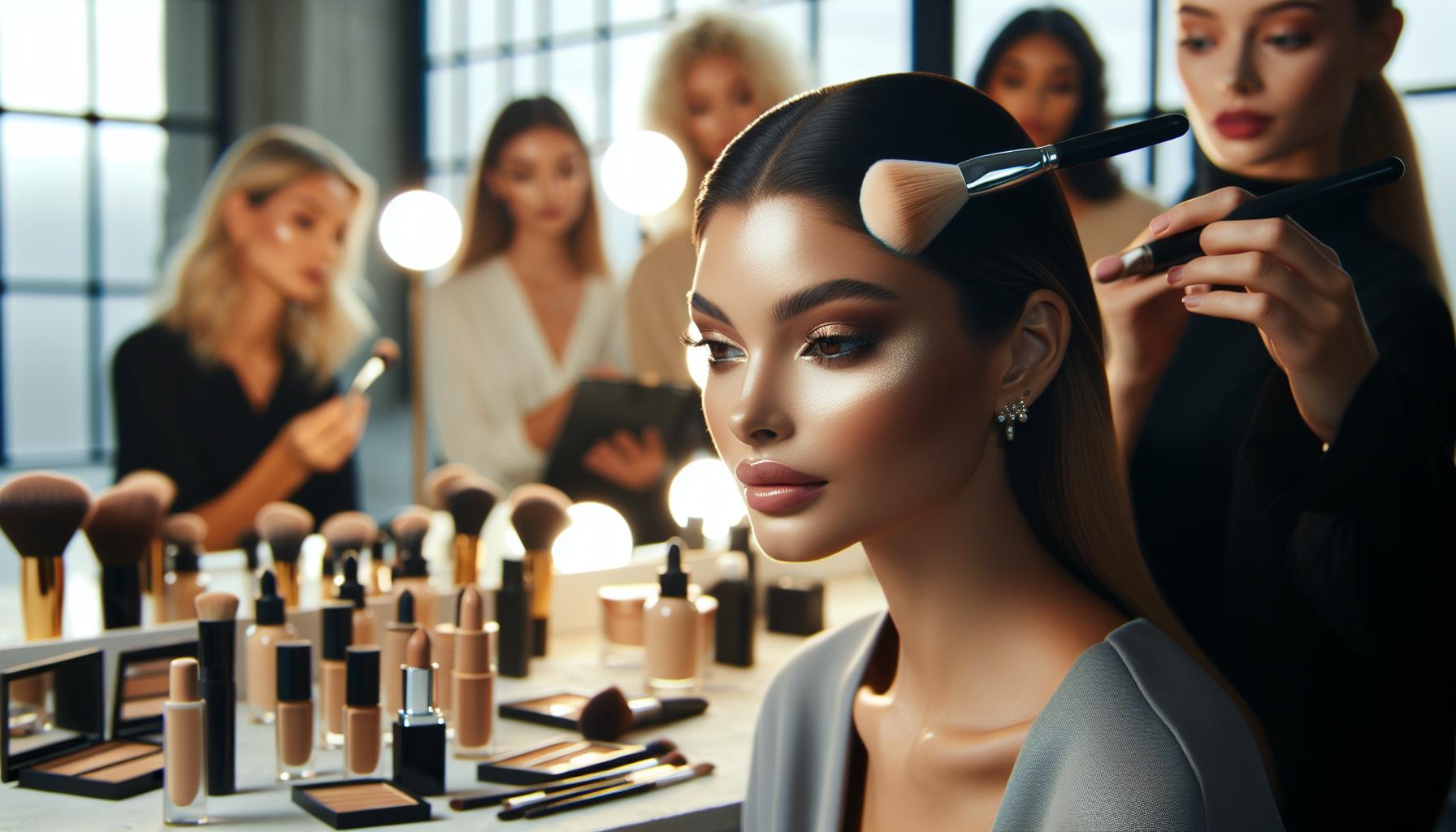
Mastering Eyeshadow: Techniques for Beginners
Creating captivating eyeshadow looks can transform your entire makeup appearance, allowing you to express your individuality and creativity. For beginners, mastering the application of eyeshadow can seem daunting, but with the right techniques and tools, you can enhance your skills and build confidence.
Begin by selecting a quality eyeshadow palette with a good mix of matte and shimmer shades. A versatile palette can help you create both subtle daytime looks and bold evening styles. Before applying any eyeshadow, it’s crucial to prep your eyelids. Use an eyeshadow primer or a concealer that matches your skin tone to create a smooth canvas, ensuring that your eyeshadow stays vibrant and lasts all day.
Step-by-Step Application
- Base Color: Start with a neutral eyeshadow that complements your skin tone. Using a fluffy brush, apply it all over the lid and up to the brow bone to create a blended base. This not only sets the tone for your look but also helps other colors blend more seamlessly.
- Define the Crease: Choose a slightly darker shade that you can use to define the crease of your eye. Use a smaller, tapered brush to apply this color, starting from the outer corner and sweeping inward. This technique adds depth and dimension to your eyes.
- Adding Dimension: For a pop of color or shimmer, select a vibrant shade or a metallic shadow. Apply it to the center of the eyelid using your finger or a flat brush to ensure maximum payoff. This technique brings focus to the eyes and makes them more striking.
- Outer Corner: For additional drama, apply a darker shade to the outer corner of your eyelid using a precise brush. Blend well to avoid harsh lines, as this step creates a beautifully blended smokey effect that elongates the eye shape.
- Highlighting the Brow Bone and Inner Corner: Finish the eyeshadow application by using a light, shimmery shade on the brow bone and the inner corners of the eyes. This step opens up the eyes and gives a broader look, making you appear more awake.
Blending is Key
Always remember that blending is key to achieving a polished eye look. Use clean brushes between shades to avoid muddy colors, and don’t be afraid to go back and add more product as needed. Each application technique is a skill that improves over time, so practice is essential.
As you gain confidence in your application skills, consider experimenting with different colors and textures, as well as eyeliners and lashes to elevate your looks further. With patience and practice, mastering eyeshadow techniques will not only be fulfilling but will also empower you to express your unique beauty boldly.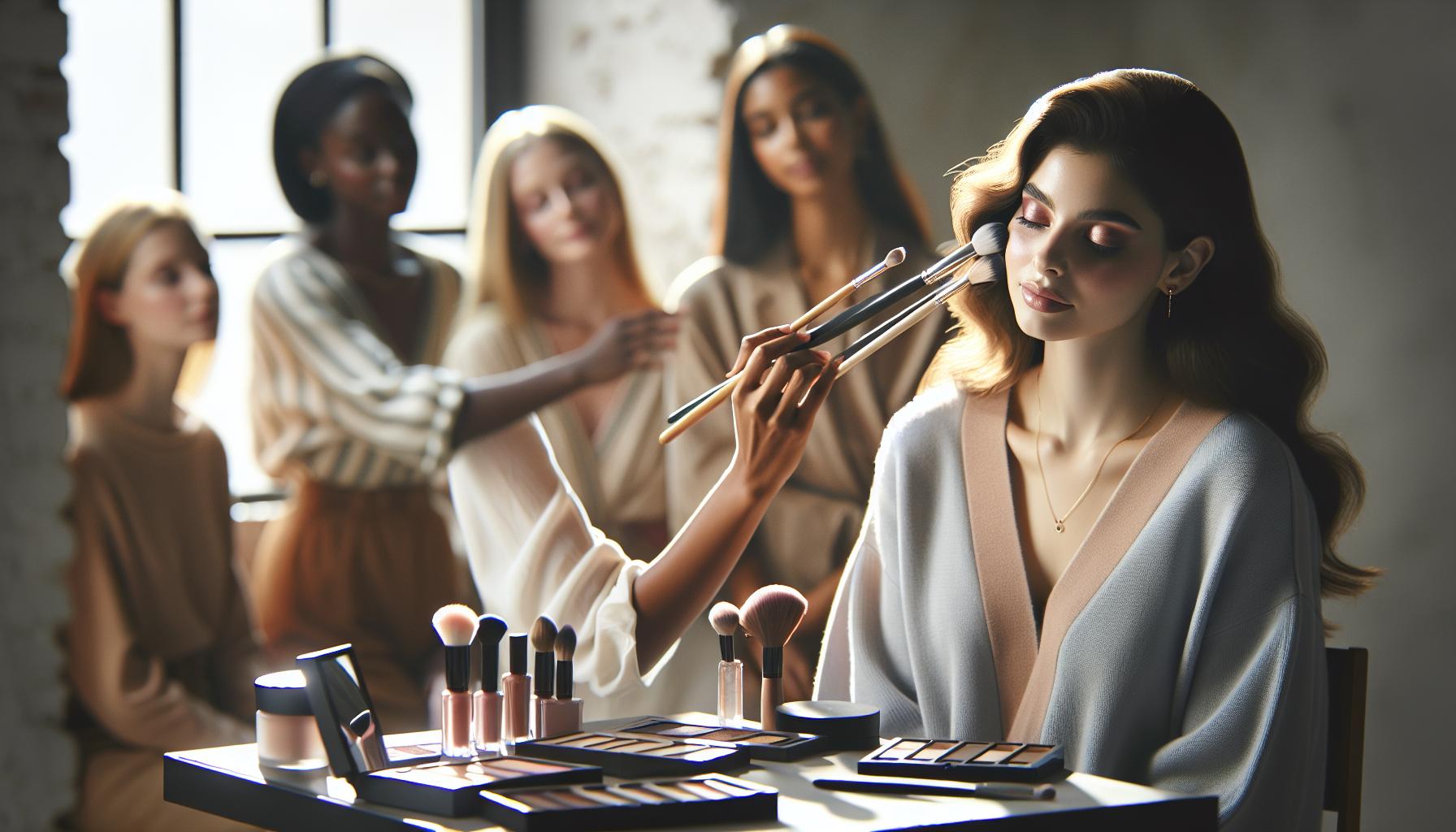
How to Apply Eyeliner Like a Pro
Applying eyeliner can elevate your makeup game, transforming your look from routine to striking with just a few strokes. Whether you opt for a subtle enhancement or a bold statement, mastering eyeliner techniques is essential for any makeup enthusiast.
To begin, choose your eyeliner type wisely. Pencil eyeliners are great for beginners due to their ease of application, while liquid and gel eyeliners offer defined lines and intensity for more experienced users. A good quality eyeliner will glide smoothly along the lash line, reducing frustration during application.
Step-by-Step Application
- Prep Your Eyes: Start with a primer or a touch of foundation on your eyelids to create a base for your eyeliner. An even canvas helps the product adhere better and enhances longevity.
- Choose Your Style: Determine whether you want a classic line, a winged effect, or something more creative. Each style has its own technique, but all begin with lining your lashes.
- Line the Upper Lash Line: Begin at the inner corner of your eye and draw a thin line along the upper lash line, gradually thickening it as you move outward. This technique enhances volume and creates a seamless look.
- Create a Wing (if desired): To add a wing, extend the line slightly beyond your outer corner and angle it upwards towards the end of your brow. You can use tape or a business card as a guide for a clean edge.
- Line the Lower Lash Line: If you’re feeling adventurous, apply a soft line on your lower lash line as well. This can be done with a pencil for a softer look or with a liquid eyeliner for a more dramatic effect.
- Finish with a Coat of Mascara: Complete your eye makeup with a generous application of mascara, which will help tie the look together and emphasize your eyeliner.
Helpful Tips
– Use a small mirror and hold it at a slight angle to give yourself a better view of your lashes.
– If you make a mistake, don’t fret! A little concealer on a small brush can clean up stray lines perfectly.
– Experiment with different colors and styles to find what flatters your eye shape and complements your skin tone.
By focusing on technique and practice, anyone can develop their eyeliner skills. With time, the process will feel natural, allowing for creativity and personal expression through your makeup choices. Remember, eyeliner is a tool to enhance your beauty-embrace the learning curve, and enjoy the transformation it brings!
Creating the Perfect Eyebrows for Your Face Shape
A well-defined eyebrow can elevate your makeup look, framing your face and enhancing your features. Understanding how to shape your brows according to your unique face shape is a crucial step in achieving a polished appearance. Different face shapes benefit from distinct brow styles that can draw attention to your best features while softening any angularity or harsh lines.
For instance, if you have a round face, aim for a more arched brow. This shape creates the illusion of length, helping to elongate your face. To achieve this look, start with a brow pencil to mark the beginning of the brow at the nose, the highest point of the arch roughly above the outer edge of your iris, and the tail, which should gently taper off towards the temples. Using a spoolie brush, blend the pencil for a natural finish.
Conversely, square faces often benefit from brows with softer, rounded arches. This helps to balance the strong jawline that characterizes a square face. Create a subtle curve in the brows rather than a sharp angle to provide a gentle softness to your overall look.
For heart-shaped faces, where the forehead is wider than the jaw, a slightly flatter brow can complement your features beautifully. This brow shape creates balance by drawing attention away from a pointed chin. Here, a soft arch that gently lifts can add a touch of elegance without adding additional width to the forehead.
Finally, if you have an oval face, you’re fortunate as most brow shapes will suit you! A subtle arch that enhances your natural shape can help to maintain balance. Regardless of your face shape, the key to achieving perfect brows lies in regular maintenance and the right tools. A quality brow powder or gel not only fills in gaps but also adds definition, while a clear brow gel will keep everything in place throughout the day.
In summary, understanding your face shape is vital to creating eyebrows that enhance your beauty. Taking the time to shape and define your brows according to these principles can significantly elevate your overall makeup look, allowing your personality and features to shine through.
Choosing the Right Blush and Lip Color
Choosing the perfect blush and lip color can dramatically enhance your overall makeup look, adding vibrancy and warmth to your complexion. Understanding how to select shades that complement not only your skin tone but also the occasion is crucial for achieving a harmonious finish that pops. The right hues can bring out your natural beauty and give you confidence, whether you’re heading to work, a special event, or a casual day out.
To start, consider your skin undertone, which generally falls into three categories: cool, warm, or neutral. Cool undertones benefit from blushes and lip colors that have pink, berry, or blue hues, while warm undertones shine with peach, coral, or golden shades. For those with neutral undertones, you’ll find that you can successfully wear both categories, allowing for versatility in your makeup choices. A simple test is to look at your veins: blue or purple veins typically indicate cool undertones, while greenish veins suggest warm undertones.
When it comes to blush application, it should be placed on the apples of your cheeks and blended towards your temples for a natural, flush look. Use a blush brush to ensure an even application. For a subtle glow, cream blushes can be particularly effective, as they blend seamlessly into the skin and provide a dewy finish. Start with a small amount and build up to your desired intensity. If you prefer powder options, look for finely milled formulas that provide easy blending without looking cakey.
Lips, just like cheeks, set the tone for your entire makeup look. For everyday wear, neutral shades such as nude pinks or soft corals are fantastic choices, whereas bold reds or deep plums can transform your appearance for a night out. For a beginner-friendly approach, lip crayons or tinted balms offer color and hydration in one, making them easier to apply. To ensure longevity, especially with more pigmented shades, consider lining your lips to prevent feathering, and finish with a touch of gloss for added dimension.
Experimenting is key in finding what suits you best. Don’t hesitate to mix and match, as trying different combinations can lead to discovering your signature look. Remember, beauty is about expressing yourself, so embrace the process of exploration!
Blending Techniques for a Flawless Finish
Achieving a flawless makeup finish often hinges on the art of blending. Whether you’re working with foundation, eyeshadow, or blush, the goal is to create a seamless look that enhances your natural beauty without visible lines or harsh edges. Mastering blending techniques can elevate your makeup game, making your application look professional, smooth, and effortlessly chic.
One of the first aspects to consider is the tools you’ll use. High-quality brushes and sponges can make a significant difference. For foundation, a damp makeup sponge is ideal for pressing product into the skin, providing a natural, airbrushed effect. Applying with a brush may give more coverage but requires more precision. When it comes to eyeshadows, investing in a good blending brush-one that’s fluffy and tapered-allows for soft transitions between colors. A clean brush is essential for further blending, helping to diffuse any harsh lines without adding more product.
As you begin blending, remember the importance of technique. For foundation, start by dabbing product onto the face in small amounts, focusing on areas that need coverage, then gently bouncing the sponge or brush in circular motions to blend outward. This prevents the product from settling into fine lines or pores. With eyeshadow, apply a darker shade in the crease of your eyelid and use the blending brush to softly sweep this color back and forth. For a lighter shade on the lid, pat it on and blend where it meets the darker color, ensuring a smooth gradient.
Another valuable tip is to work in layers. Apply a sheer layer of product to start and build up gradually. This allows for better control over the intensity while maintaining a soft finish. Ensure each layer is fully blended before adding more; this patient approach helps prevent the caking or patchiness that can occur with heavy application.
Finally, don’t underestimate the power of setting sprays or powders to lock in your blended masterpiece. A light mist can help meld the layers of your makeup together, giving a more cohesive appearance. Following up with a setting powder can control shine and keep your look intact throughout the day or night. With practice, these blending techniques will become second nature, allowing you to achieve that desired flawless finish and instilling confidence in your makeup application skills.
Setting Your Makeup for All-Day Wear
To ensure your makeup stays flawless throughout the day, understanding the importance of setting techniques is crucial. Setting your makeup not only enhances its longevity but also keeps your face looking fresh and polished. A well-set makeup look can withstand hours of wear, from your morning commute to an evening gathering. Here’s how to do it like a pro.
One of the most effective methods for setting your makeup is by using a quality setting powder. After applying your foundation and concealer, lightly dust a translucent powder over areas prone to shine, like the T-zone (forehead, nose, and chin). Use a fluffy brush to apply the powder in a patting motion rather than sweeping, which can disrupt the layer beneath. This technique absorbs excess oil and provides a smooth surface while maintaining the integrity of your foundation.
In addition to powder, a setting spray serves as an essential finishing touch. Once all your makeup is applied, hold the spray about 8-10 inches away from your face, and mist it evenly over your makeup. A setting spray can enhance the vibrancy of your look and give your skin a natural glow, reducing the overly powdered appearance. For best results, consider using a setting spray that caters to your skin type-matte formulas work great for oily skin, while hydrating sprays benefit dry skin.
Lastly, remember to reapply your setting powder or spray throughout the day if needed. Carry a compact or travel-sized setting spray in your bag for quick touch-ups, especially if you know you’ll be in challenging conditions, such as humidity or high temperatures. By establishing these simple yet effective routines, you’ll not only perfect your makeup application but also boost your confidence and ensure a radiant look that lasts from day to night.
Makeup Removal: Best Practices for Healthy Skin
It’s easy to rush through makeup removal after a long day, but taking the time to do it right is essential for healthy, glowing skin. Properly removing makeup not only prevents clogged pores and breakouts but also helps maintain skin’s natural resilience. With the right techniques and products, you can ensure your skin remains clean, hydrated, and happy.
Start with choosing an effective makeup remover that suits your skin type. For instance, if you have sensitive skin, look for gentle options like micellar water or hydrating cleansers that won’t irritate. For heavy makeup, especially waterproof products, an oil-based makeup remover can be incredibly effective, as oil breaks down the makeup without harsh scrubbing. Always prioritize double-cleansing; begin with your makeup remover and follow with a mild cleanser to thoroughly cleanse the skin.
When removing makeup, don’t forget the importance of technique. Soak a cotton pad with your makeup remover of choice, and gently press it onto your eyelids or lips for a few seconds before wiping away. This method allows the product to dissolve the makeup without excessive rubbing. For the face, apply the remover to your hands and gently massage it in circular motions, ensuring all areas are covered. Remember, the goal is to erase every trace of makeup without compromising your skin’s barrier.
After removing your makeup, follow up with a skincare routine to replenish your skin. This can include a gentle cleanser, toner, and moisturizer tailored to your skin needs. Incorporating products with soothing ingredients, such as aloe vera or chamomile, can further calm your skin while ensuring it remains hydrated. Regularly dedicating time to remove your makeup properly will contribute significantly to your skin’s health, allowing it to breathe and rejuvenate, which in turn, enhances your makeup application the following day.
Exploring Popular Makeup Brands for Beginners
Selecting the right makeup brand can significantly enhance your experience as a beginner, as some brands are specifically designed to be user-friendly while delivering high-quality results. Many popular brands offer a range of products that cater to novices with simple formulations, tutorial content, and versatile shades. This ensures that you can easily experiment with different looks while building your makeup skills.
Popular Brands to Consider
- Seint: Known for its innovative cream-to-powder formulas, Seint provides a customizable approach to makeup with a user-friendly palette system. Each product is designed to be multi-functional, allowing you to use one item for various applications. Their “Color Match” feature helps beginners select shades that suit their skin tone perfectly.
- Thrive Causemetics: Thrive offers high-quality products with a focus on hydration and performance. Their formulas are cruelty-free and often infused with skin-loving ingredients. The Easy-On™ mascara and liquid blush are particularly popular for their simplicity and effectiveness, making them staples for any beginner.
- Ilia: For those interested in clean beauty, Ilia provides a stunning array of organic and natural ingredients. Their formulations are not only good for the skin but also easy to apply. The Super Serum Skin Tint is a favorite for its lightweight feel and buildable coverage, ideal for a natural makeup look.
- e.l.f.: e.l.f. is celebrated for its affordability and broad range of products suitable for all levels. From their flawless foundation to the highly-pigmented eyeshadow palettes, e.l.f. makes it easy for beginners to experiment without breaking the bank. Plus, their online tutorials and social media presence help guide first-time users.
Building Your Beginner’s Arsenal
When exploring these brands, consider starting with a few essential items that will serve as the foundation for your makeup kit. A good quality foundation, a versatile eyeshadow palette, a reliable mascara, and a lip product that complements your skin tone are great starting points. As you grow more comfortable, you can branch into other products like contour, highlighter, and blush.
Additionally, many of these brands provide online resources, tutorials, and community support, making it easier for beginners to learn the ropes of makeup application. Engaging with these resources can help demystify techniques and inspire creative ideas, fostering a sense of confidence as you cultivate your unique makeup style. By choosing popular brands tailored to beginners, you not only simplify your journey into the beauty world but also ensure you have access to the tools and knowledge needed for successful application.
Building Your Personalized Makeup Kit Over Time
Building a personalized makeup kit is an exciting journey that allows you to express your style and enhance your natural beauty. As you delve into the world of makeup, it’s essential to start with foundational products that not only meet your current needs but also offer versatility as your skills grow. Begin by investing in key items that will serve multiple purposes and build a solid base for your collection.
A high-quality foundation tailored to your skin type is critical to achieving a flawless canvas. For beginners, opt for formulations that offer buildable coverage, like the Super Serum Skin Tint from Ilia, which provides both hydration and a lightweight finish. To complement your foundation, a versatile eyeshadow palette can unlock countless looks, allowing you to experiment with colors and textures. Brands like e.l.f. offer budget-friendly options with a wide array of pigments that can take you from day to night effortlessly.
As you explore different products, consider multi-functional tools that can streamline your application process. For instance, cream blushes from Thrive Causemetics not only add a pop of color to your cheeks but can also double as lip products for a cohesive makeup look. Including a reliable mascara and a few essential lip colors will round out your basic kit, providing you the flexibility to mix and match with ease.
Learning to build your makeup kit over time means being open to new products and techniques. Engage with online tutorials and makeup communities to discover new trends and refine your skills. Remember, your makeup collection doesn’t have to be extensive from the start; it’s about quality over quantity. Choose items that resonate with your personal style, and gradually add to your arsenal as you grow more confident in your application abilities. Ultimately, the goal is to create a makeup kit that not only meets your aesthetic desires but also empowers you to feel beautiful every day.
Frequently asked questions
Q: How do I choose the right makeup products for my skin type?
A: Choosing the right makeup products starts with understanding your skin type. If you have oily skin, opt for oil-free foundations, while dry skin benefits from hydrating formulas. For sensitive skin, look for hypoallergenic products. Always test a small area before full application to avoid reactions.
Q: What are the common mistakes beginners make when applying makeup?
A: Common mistakes include using too much product, applying foundation without blending, and neglecting skincare. Always prep your skin with moisturizer and primer, and remember to blend products for a seamless look. Refer to our blending techniques section for tips on achieving a flawless finish.
Q: How can I make my makeup last all day?
A: To make your makeup last, start with a good primer suited for your skin type, and finish with a setting spray or powder. Avoid touching your face throughout the day to reduce oil transfer. Check out our setting your makeup section for more detailed advice.
Q: What tools do I need for a basic makeup application?
A: Essential tools include a foundation brush or sponge, eyeshadow brushes, an angled brush for eyeliner, and a fluffy brush for blending blush. Investing in quality brushes can significantly improve your application. Review our essential makeup tools section for further recommendations.
Q: How do I remove makeup properly without damaging my skin?
A: Proper makeup removal starts with an oil-based cleanser or micellar water to break down products. Follow with a gentle face wash suitable for your skin type. Always finish with a moisturizer to keep your skin hydrated. For best practices, see our makeup removal section.
Q: When should I apply primer in my makeup routine?
A: Primer should be applied after your skincare routine but before foundation. It helps create a smooth canvas for makeup and can enhance longevity. For detailed application techniques, refer to our steps on foundation application.
Q: How do I select the right eyeshadow shades for my skin tone?
A: To choose the right eyeshadow shades, consider your skin tone: warm tones work well with earthy shades, while cool tones suit cooler shades. Experiment with different colors to find what complements your natural features. For techniques on mastering eyeshadow, check our dedicated section.
Q: Why is blending important in makeup, and how can I do it effectively?
A: Blending is crucial in makeup to achieve a seamless, natural look. Use clean brushes or sponges to blend edges where different products meet. Follow our blending techniques in the article for tips and tricks that ensure a flawless finish.
Insights and Conclusions
Congratulations on taking your first steps into the exciting world of makeup! Now that you’ve mastered the fundamentals with our step-by-step guide, it’s time to elevate your look even further. Consider exploring our articles on essential makeup tools and the latest product reviews of popular brands like Seint and ELF to enhance your skills and confidence. Remember, practice makes perfect-don’t be afraid to experiment and express your unique style!
Ready to dive deeper? Subscribe to our newsletter for expert tips and exclusive content that will empower you on your beauty journey. If you have any questions or want to share your makeup experiences, drop a comment below-we love hearing from you! Keep your creativity flowing and remember, beauty is all about embracing who you are. Happy makeup applying!