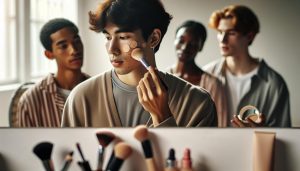
A black eye can be both painful and distressing, often drawing unwanted attention. However, with the right makeup techniques, you can transform this challenge into a canvas for creativity. Understanding how to cover bruising effectively not only enhances your appearance but also boosts your confidence. Whether you’re dealing with a lingering mark or simply want to refine your makeup skills, this guide will equip you with gentle healing coverage tips that prioritize skin health while achieving a flawless look. Let’s explore how makeup can empower you to face the world, no matter the setback.
Achieving Gentle Coverage: Overview of Techniques
Achieving effective coverage for a black eye requires a delicate balance of technique and product choice, ensuring the makeup enhances healing while providing camouflage. Start with a gentle approach; your skin, especially around the eyes, may be sensitive post-injury. Begin by applying a soothing moisturizer that contains calming ingredients like aloe vera or chamomile. This will hydrate the skin and create a smooth base for further application.
Once the skin is prepped, consider using a color-correcting concealer to neutralize the bluish or purplish hues of a black eye. A peach or orange-toned concealer is ideal for counteracting the dark tones effectively, as these shades help balance and brighten the area. Apply it sparingly, using your fingertip or a soft brush to gently tap the product into the skin, avoiding any harsh rubbing or dragging. This tapping motion helps ensure the concealer adheres well without irritating the fragile skin.
For additional coverage, layer a lightweight foundation or a skin-tone concealer over the color corrector, matching it precisely to your natural complexion. The goal is to build coverage gradually; apply thin layers, allowing each to set before adding more. A beauty blender or a damp sponge can be helpful here for a seamless finish. The use of a translucent setting powder will not only lock in the makeup but also help in preventing it from creasing or settling into fine lines.
Finally, choose a makeup setting spray to lend extra longevity and preserve the integrity of your coverage throughout the day. With these gentle techniques, you can effectively cover a black eye while supporting the healing process, allowing you to feel more confident as you recover.
Understanding the Anatomy of a Black Eye
A black eye is a common injury that occurs when there is trauma to the eye area, causing bruising around the eyelids and sometimes swelling. is essential for effective coverage and healing. Typically, the discoloration ranges from a deep purple or black immediately after the injury to various shades of green or yellow as it heals. This color change is due to the breakdown of hemoglobin in the blood that has pooled under the skin.
The eyelid skin is particularly thin and delicate, making it more susceptible to bruising. The area surrounding the eye is rich in blood vessels, which explains why even a minor impact can result in noticeable swelling and discoloration. The severity of a black eye can vary depending on factors like the amount of impact and the individual’s skin tone and sensitivity.
To effectively cover a black eye with makeup, start by recognizing that the shades you see, from blue-black to green-yellow, can be countered with color theory. For instance, peach or orange tones can neutralize the blue or purple hues, while yellow pigments can help balance out the green tones. When applying makeup, focus on gentle methods that minimize further irritation, as the area is still healing. It’s vital to use products that are kind to the skin to support recovery while achieving a natural look.
By understanding the characteristics of a black eye, you can not only apply makeup more effectively but also choose products that aid in healing, enhancing both your confidence and skin’s health during recovery.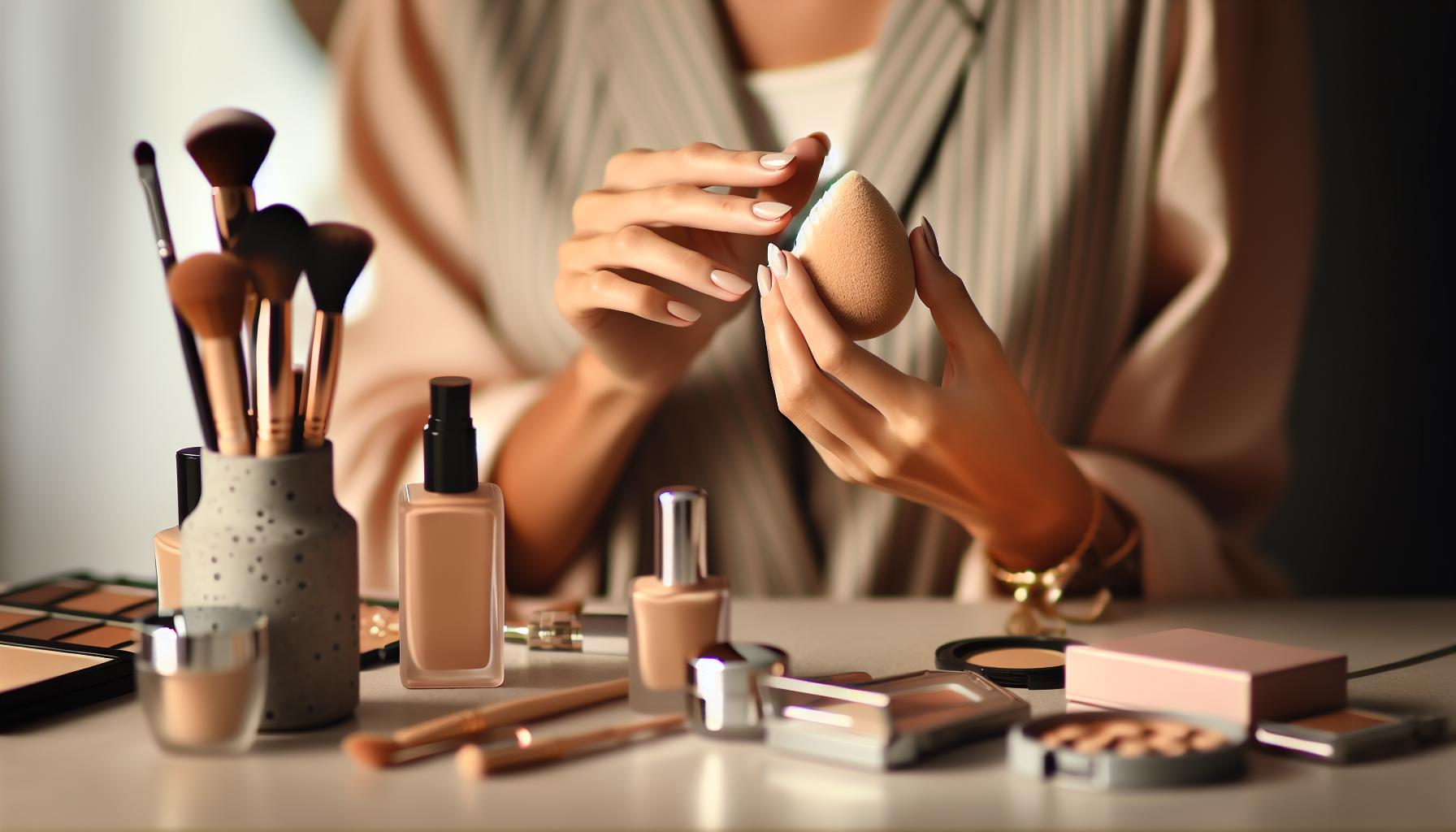
Essential Tools and Products for Concealing
When dealing with the challenge of concealing a black eye, the right tools and products can make all the difference between a seamless look and an obvious cover-up. Proper preparation with gentle, effective makeup is essential not just for aesthetics but also for nurturing the delicate skin around the eye area.
Start with a creamy concealer that provides good coverage without being heavy. Look for formulations that are hydrating, as they will glide on more easily and help to avoid additional irritation. Brands like Thrive Causemetics and Ilia are known for their clean ingredients and buildable coverage, making them ideal choices. Consider shades that are slightly peachy or orange, as they can neutralize the dark hues typical of a bruise. Pair your concealer with a good color corrector to address the varying tones within the bruise; this might include a yellow corrector for greenish shades and a peach corrector for purple or blue undertones.
Alongside your concealer, investing in a great beauty sponge is a game-changer for application. A damp sponge can blend products seamlessly and helps to create a natural finish without pulling at the fragile skin around your eyes. Another important tool is a soft, synthetic brush for precise application, especially in areas that are difficult to reach, like the inner corner of the eye.
Don’t forget to set everything with a translucent powder to help your makeup stay in place. A finely milled powder will lock in your concealer without adding excess weight or thickness, allowing your look to remain light and breathable. For a touch of luminosity that can also help brighten the eye area, consider a highlighting pen like those from Seint-this can be applied to the brow bone and upper cheek area for a fresh, awakened look.
Finally, remember that the caring approach to your makeup application is just as crucial as the products you use. Gentle patting motions and avoiding excessive rubbing will help ensure that your skin continues to heal properly while providing the coverage you need to feel confident.
Step-by-Step Application: Preparing Your Skin
Preparing the skin around a black eye requires a meticulous approach that nurtures healing while ensuring a smooth canvas for makeup application. The delicate nature of the skin in this area means any preparation must prioritize hydration and care to prevent further irritation. Start your routine by cleansing the skin gently using a mild, non-comedogenic cleanser-this will remove any impurities without causing additional sensitivity. Follow this with a soothing toner that can help restore the skin’s pH balance and calm inflammation.
Next, apply a nourishing eye cream or gel that includes ingredients like hyaluronic acid or vitamin E. These components help hydrate and heal the skin, ensuring it looks plump and refreshed. Allow the eye cream to absorb thoroughly before proceeding. This step is critical, as it not only preps the skin but also creates a barrier that enhances the application of concealer.
Once your eye area is hydrated, using a makeup primer specifically designed for the eye area can significantly improve the longevity and finish of your concealer. Opt for a lightweight, moisturizing primer to avoid heaviness. A soft, cooling applicator can also help reduce any residual swelling and provide a comforting effect.
Lastly, don’t forget to set the tone for a flawless application! Gently patting on a light layer of translucent setting powder can help control oil and prolong the wear of your makeup. This soft approach ensures your skin remains healthy while you conceal your black eye, allowing you to achieve the desired coverage with care and confidence.
Choosing the Right Concealer: Shades and Formulas
Choosing the right concealer is crucial when it comes to effectively covering a black eye while ensuring that the skin beneath is treated with care. The right shade and formula can make all the difference, allowing you to mask discoloration and achieve a natural appearance. A black eye typically presents itself with hues ranging from purples and blues to yellows and greens, depending on its stage of healing. Selecting a concealer that neutralizes these colors can significantly enhance the effectiveness of your makeup application.
When considering shades, it’s essential to opt for a concealer that sits slightly lighter than your skin tone to brighten the area. Popular color-correcting concealers can also help; for example, peach or orange hues can counteract the dark blue or purple tones of a fresh bruise, while a yellow or green hue can be used once the bruise begins to turn yellow. Remember to adjust based on your skin’s undertones-cool undertones pair well with pinkish concealers, while warm undertones benefit from yellow or peachy shades.
In terms of formula, lightweight, hydrating concealers are ideal for the delicate skin around the eyes. Look for products that contain nourishing ingredients such as hyaluronic acid or ceramides, as these will provide moisture and help avoid caking or settling into fine lines. Creamy formulations often work best, as they allow for easy blending and provide adequate coverage without being overly heavy. Brands like Ilia and Thrive offer clean beauty options that prioritize both efficacy and skin health.
Finally, application is key; using a damp makeup sponge or a soft brush can impart a natural finish while minimizing the risk of irritation. By strategically layering the concealer, you can build coverage gradually, making it easier to achieve the desired effect without overwhelming the sensitive area. Understanding these nuances will not only enhance your makeup skills but also empower you to embrace your beauty confidently, even during the healing process.
Blending Techniques for a Natural Look
Achieving a flawless, natural look when concealing a black eye relies heavily on effective blending techniques. The delicate skin around the eyes requires a gentle touch and strategic application to avoid harsh lines and ensure a seamless finish. Using the right tools and methods can help you achieve a radiant complexion that looks effortlessly beautiful and not overly made up.
Start by selecting a high-quality makeup sponge or a soft, dense brush specifically designed for blending. A damp makeup sponge can create a soft, airbrushed effect, while a brush allows for precise application. For those who want to experiment, both options can yield excellent results depending on the area and the desired coverage. When applying concealer, use a light tapping motion rather than dragging the skin; this minimizes irritation and helps protect the fragile area around your eyes. Begin by dabbing the concealer onto the darkest spots of the bruise and then gradually blend outward, feathering the edges to merge seamlessly with your natural skin tone.
Another effective technique is to layer and diffuse the product rather than applying a thick coat in one go. Start with a small amount of concealer, build up coverage where necessary, and blend as you go. This approach not only prevents caking but also allows you to control the amount of product you’re using, ensuring that your skin looks hydrated rather than dry. If you find the concealer settling into fine lines, a light mist of setting spray can help.
Consider also using a color-correcting concealer as the base, coupled with a skin-tone-matching concealer on top. First, apply a peach or orange corrector to counterbalance the bluish undertones of the bruise, then layer a skin-matching concealer over it, blending expertly using your sponge or brush. This two-step process not only neutralizes the bruised area effectively but also sets you up for a beautifully blended final look.
Finally, ensure your skin is well-prepped before applying any makeup. A hydrating primer can provide a smooth canvas and enhance the blending process, making your makeup glide on flawlessly. Remember, achieving a natural look is all about patience and manipulation-blend, observe your work, and make adjustments as you go. Embrace the art of blending to uplift your confidence and bring out your best self, regardless of a little bump in the road like a black eye.
Setting Your Makeup for Long-Lasting Results
To achieve a finish that withstands the test of time, understanding how to properly set your makeup is essential. After you’ve applied and blended your concealer, the next step is to lock that work in place, ensuring it remains intact throughout the day. A quality setting technique can enhance durability while providing a polished appearance that minimizes the chance of creasing or smudging, especially crucial for the delicate area around a black eye.
One effective method involves using a translucent setting powder. After you’ve finished applying your concealer, lightly dust the powder over the area using a small, fluffy brush or a damp makeup sponge. Be cautious to apply only a tiny amount, as heavy powder can accentuate fine lines and dry out the skin. Look for lightweight, finely milled powders that offer a matte finish without giving a cakey look, which is what you want for a natural effect. Brands like Laura Mercier and RCMA are popular for their quality and performance.
Additionally, consider incorporating a setting spray into your routine. After you’ve set your makeup with powder, a quick spritz can help meld everything together, giving your makeup a seamless, dewy finish. Opt for sprays that specifically target long-lasting hold, such as Urban Decay All-Nighter or Charlotte Tilbury Airbrush Flawless Setting Spray. Not only do these products help maintain your look, but they also hydrate the skin, creating a fresh effect that combats the dryness that can sometimes follow heavy makeup application.
Finally, remember that environmental factors like humidity and temperature can affect makeup longevity. If you anticipate a busy day, try using a mattifying primer before your concealer application. This extra layer can absorb excess oil and provide a smooth base, enhancing the staying power of your makeup. For those needing to touch up throughout the day, carry a compact powder and your favorite setting spray for convenient fixes that will keep your coverage looking fresh and natural. Emphasizing these techniques will not only elevate your makeup application but also build your confidence, allowing you to embrace each day undeterred by a temporary setback like a black eye.
Colors That Help Neutralize Dark Circles
To expertly conceal dark circles, particularly around a black eye, understanding color theory can significantly enhance your approach. Complementary colors can counteract the unwanted tones of dark circles, transforming the way you apply concealer and achieving a more harmonious and refreshed appearance.
When dealing with blue or purple undertones-common with dark circles-a peach or orange concealer can work wonders. These warm shades effectively neutralize the cooler tones, making them a go-to choice for individuals with lighter skin tones. For deeper skin tones, consider using a deeper orange or even red undertone concealer, as it brings balance to purples and blues without leaving an unnatural finish.
Choosing the Right Shades
- Peach/Orange Concealer: Ideal for fair to light skin tones. Apply lightly in the under-eye area using your fingertip or a makeup sponge, ensuring to blend well and avoid harsh lines.
- Salmon Concealer: This is perfect for fair to medium skin with blue tones. Its soft pinkish hue provides a subtle warmth that helps mask discoloration.
- Red Concealer: Extremely effective for deep skin tones with dark circles. A minute amount tapped gently can beautifully correct the deep bluish/purple undertones.
After you’ve applied a color-correcting concealer, follow up with your usual concealer shade on top. This creates a seamless blend, effectively combining correction with coverage. Always remember to set your under-eye area with a translucent powder, as this will help to lock in the product and prevent it from settling into fine lines.
Application Tips
- Layering Technique: Start with the correcting shade and gently tap a flesh-tone concealer over it for best results.
- Blend with Care: Use a damp makeup sponge or a small brush for precision. The goal is to ensure that no visible lines remain, allowing the makeup to look natural.
- Setting for Longevity: After correcting and covering, lightly dust with a translucent powder specifically designed for the under-eye area to keep everything in place.
Utilizing the right colors and application strategies can transform how you manage the appearance of dark circles, giving you the confidence to face the day beautifully. Embrace the vibrancy of your toolset, and remember, every step you take enhances not just your appearance but your self-assurance as well.
Quick Fixes: On-the-Go Solutions for Coverage
Whether you’re off to a meeting, a social event, or just running errands, having a quick and effective plan for concealing a black eye can make a significant difference in your confidence throughout the day. On-the-go solutions focus on speed and efficiency without compromising quality, ensuring you look your best even when pressed for time.
For immediate coverage, keep a compact makeup kit handy that includes essential items like a lightweight concealer, a setting powder, and a small blending sponge. A cream or stick concealer can provide quick application and high coverage while allowing for easy blending with your fingertips or a sponge. To tackle the bluish tones of a black eye, opt for a concealer with orange or peach undertones that you can quickly tap over the affected area. Remember that less is more; start with a small amount and build coverage as needed.
Quick Application Tips
- Touch & Go: Use your fingertip to gently pat on the concealer directly onto the bruise, audibly tapping the edges to blend seamlessly into your skin.
- Don’t Forget the Set: Lightly dust over the concealed area with a translucent powder to lock the coverage in place and reduce shine.
- Portable Fix: Carry a small concealer stick in your bag for easy touch-ups throughout the day to combat any fading or movement of your initial application.
In addition to concealer, a tinted moisturizer or BB cream can offer a more natural finish, blurring imperfections while providing light coverage. With these essentials in your routine, achieving a polished look on the go can be effortless. By planning ahead and ensuring you have the tools you need, you can face any situation confidently and stylishly.
Post-Coverage Care: Supporting Healing
Supporting the healing process after applying makeup to cover a black eye is essential for both comfort and recovery. While it’s tempting to focus solely on aesthetics, remember that gentle care will enhance your skin’s ability to heal. After your makeup application, it’s important to prioritize the well-being of the affected area to encourage faster recovery and minimize any potential irritation caused by cosmetic products.
Start by ensuring that all makeup is thoroughly removed at the end of the day. Use a gentle makeup remover or cleansing oil, as these can effectively dissolve makeup without harsh scrubbing, which might aggravate the bruise. Opt for products infused with soothing ingredients like aloe vera or chamomile to help calm the skin post-removal. Following the cleansing process, applying a nourishing eye cream that contains ingredients such as arnica or vitamin K can be beneficial, as these are known for their anti-inflammatory properties and may assist in reducing darkness and swelling around the eye.
In addition to topical care, it’s vital to hydrate from within. Drinking plenty of water will support your body’s repair process and maintain skin health. Implementing a balanced diet rich in vitamins C and E-found in fruits, vegetables, and nuts-can promote skin healing and enhance your overall appearance. If you’re comfortable, consider applying a cold compress for 10-15 minutes several times a day, as this can significantly reduce swelling and provide immediate relief.
Lastly, don’t forget the power of rest. Allow your body ample time to recover, as sleep plays a crucial role in the healing process. A conducive sleeping environment, including elevated positioning of the head, can also prevent any swelling from worsening overnight. By integrating these supportive care practices after your makeup routine, you can effectively nurture your skin while still looking fabulous and confident.
Common Mistakes to Avoid When Concealing
When it comes to concealing a black eye, two things matter most: protection and flawless coverage. However, many people inadvertently undermine these goals by making common mistakes that can not only hinder the effectiveness of their makeup but also compromise their skin’s health. Understanding what to avoid is crucial for achieving both a natural look and ensuring the sensitive skin around the eyes remains cared for during the healing process.
One prevalent mistake is choosing the wrong type of concealer. It’s essential to select a product that not only offers sufficient coverage but also blends well with your skin tone. A heavy, thick formula can exacerbate the appearance of a black eye by settling into fine lines and emphasizing texture. Instead, opt for creamy concealers that provide good coverage while remaining lightweight. For best results, consider formulas like those from Seint or Thrive, which are known for their blendability.
Another error is failing to prep the skin adequately before makeup application. Skipping this step can lead to uneven application and quicker wear-off. Always start with a clean slate-use a gentle cleanser to remove any impurities and follow up with a lightweight eye cream. This preps the skin, ensuring it’s hydrated and ready to receive makeup. Additionally, applying a primer specifically designed for the eye area can help the concealer adhere better and improve its longevity.
Overapplication is another common pitfall. While it might seem tempting to pile on layers of product to mask the bruising, this can do more harm than good. Thin layers applied gradually will provide better coverage while preventing a cakey appearance. Use your ring finger or a makeup sponge for a gentle touch; warmth from your fingers can help to melt the product seamlessly into the skin.
Lastly, neglecting to set the concealer properly can lead to makeup that creases and smudges throughout the day. A finely milled translucent powder, such as those from ELF or Ilia, lightly dusted over the concealed area will help lock everything in place without adding bulk. Keep in mind, applying too much powder can also emphasize dryness, so less is more in this scenario.
By avoiding these mistakes, you can elevate your makeup application and experience healing with confidence. Ultimately, a thoughtful approach to concealing a black eye not only enhances your appearance but also respects the delicate nature of your skin.
Expert Tips for Maintaining Confidence Through Healing
Maintaining confidence while healing from a black eye can be a formidable challenge, but it’s entirely achievable with the right mindset and techniques. First, it’s important to acknowledge that healing is a natural process. Embracing this period allows you to focus on self-care, which can itself enhance your confidence. Prioritizing gentle skincare routines can help soothe the area around your eyes-hydration is key. Use a nourishing eye cream with ingredients like hyaluronic acid or peptides to promote healing and improve your skin’s appearance.
As you work on concealing the bruise, remember that makeup should enhance, not mask. When applying your products, approach the process as an art form-experiment with different formulations and colors to discover what works best for you. For example, incorporating a peach-toned color corrector before applying your concealer can neutralize dark hues effectively. Choose lightweight, buildable concealers from trusted brands like Seint or Thrive, as they blend seamlessly and won’t cake under gentle application.
In addition to makeup techniques, mindset plays a critical role in your confidence during this time. Practice positive affirmations that remind you of your beauty beyond a temporary blemish. Surround yourself with supportive friends who uplift you, and consider lighter social engagements while you heal, allowing yourself space to focus on your recovery. If you’re venturing out, a subtle eye makeup look with a bit of mascara can draw attention away from the bruise without overdoing it.
Finally, enhance your overall look with striking hairstyles or accessories that reflect your personal style. A stylish headband or a statement earring can draw the eye upwards, diverting attention from your face. The focus should be on how you feel rather than how you look; confidence radiates from within, and by prioritizing self-care and using thoughtful makeup techniques, you can maintain a glowing sense of self-assuredness even during healing.
Q&A
Q: How long should I wait to apply makeup on a black eye?
A: It’s best to wait at least 24 hours after the injury before applying makeup to allow for initial healing. Ensure the skin is not too tender or swollen before starting your makeup routine for the best results.
Q: What type of concealer should I use for a black eye?
A: Choose a thick, creamy concealer with good coverage. Look for formulas that are hydrating, which can help blend seamlessly and prevent cracks, especially around sensitive areas.
Q: Can I use regular foundation to cover a black eye?
A: While foundation can provide some coverage, it’s not always sufficient for a bruise. Layering a specific concealer designed for dark circles or bruises will yield better results and offer more opacity.
Q: What colors are best for concealing a black eye?
A: Use a peach or orange concealer to neutralize the bluish tones of a black eye. Follow up with a concealer that matches your skin tone for blending and natural coverage.
Q: How do I set concealer on a black eye for long-lasting coverage?
A: After applying concealer, set it with a translucent powder. Use a light application with a soft brush to avoid excess product that can crease or settle into fine lines.
Q: Are there any specific techniques for blending concealer on a black eye?
A: Use a tapping motion with a damp makeup sponge for gentle blending. This method helps achieve a natural look without disturbing the surrounding skin, especially where it’s sensitive.
Q: What skincare products should I use after covering a black eye?
A: Opt for a gentle moisturizer or a soothing eye cream post-makeup. These products can help support the healing process while keeping the skin hydrated and smooth.
Q: Should I avoid any specific activities while healing from a black eye?
A: Yes, it’s advisable to avoid strenuous activities that may increase swelling, such as heavy workouts or exposure to heat, as this can exacerbate the bruise and slow healing.
Future Outlook
Ready to step out with confidence after your makeup transformation? Remember, mastering the art of covering a black eye isn’t just about concealment; it’s about enhancing your natural beauty while prioritizing gentle care. For more tips on refining your makeup skills, check out our tutorials on perfecting your complexion and choosing the right skincare products-essential tools in your beauty arsenal.
Don’t let a little setback hold you back! Dive deeper into the world of makeup by exploring our product reviews on top brands like Seint and Thrive for standout products that elevate your look. If you’re ready for more enriching insights, consider signing up for our newsletter to stay updated with the latest techniques and trends in beauty and grooming. Your journey to beauty empowerment starts here, so let us help you shine even brighter!