Mineral makeup has steadily gained popularity, celebrated for its skin-friendly ingredients and lightweight feel. This type of makeup is often made with natural minerals like zinc oxide and titanium dioxide, which can provide additional sun protection and are less irritating for sensitive skin. For those looking to achieve a flawless look without compromising skin health, mineral makeup stands as a compelling choice. In this guide, we’ll explore the numerous benefits of mineral makeup, introduce you to popular brands like ILIA and Thrive, and provide practical tips for application that cater to both beginners and professionals. As you navigate through this exploration, you’ll discover how mineral makeup can enhance your beauty routine while aligning with your skin’s needs. Whether you’re entering the world of makeup for the first time or seeking to refine your application skills, this comprehensive guide will empower you to make informed choices that reflect your personal style.
Benefits of Mineral Makeup for Your Skin
Mineral makeup has garnered considerable attention in the beauty world, not just for its natural aesthetic appeal but also for the numerous benefits it offers to the skin. Unlike traditional makeup, which often contains synthetic ingredients that can irritate or clog pores, mineral makeup is typically made from naturally occurring minerals that are gentle and non-comedogenic. This makes it an excellent choice for individuals with sensitive or reactive skin.
One of the primary advantages of mineral makeup is its ability to provide a breathable barrier on the skin. Due to its lightweight and finely milled formula, it allows the skin to breathe, reducing the risk of breakouts and skin irritation. Additionally, mineral makeup often includes SPF properties, offering a layer of protection against harmful UV rays, which is an essential aspect of any skincare regimen. This dual functionality not only simplifies the makeup routine but also minimizes exposure to sun damage, which can lead to premature aging.
Another significant benefit is the versatility of mineral makeup products. They can be found in various forms, including powders, creams, and liquid formulations, allowing for customization to fit different skin types and personal preferences. For those who struggle with skin conditions like rosacea or pigmentation issues, mineral makeup often provides more coverage without feeling heavy or cakey. The soothing properties of ingredients like zinc oxide can even aid in calming inflammation and redness, making it an ideal option for those looking to enhance their natural beauty while caring for their skin.
In summary, mineral makeup presents a compelling alternative to traditional cosmetics, especially for those prioritizing skin health. With its natural formulation, protective qualities, and skin-soothing benefits, it stands out as a go-to choice for beauty enthusiasts and novices alike, paving the way for a day-to-day routine that enhances one’s appearance while simultaneously considering skin wellness.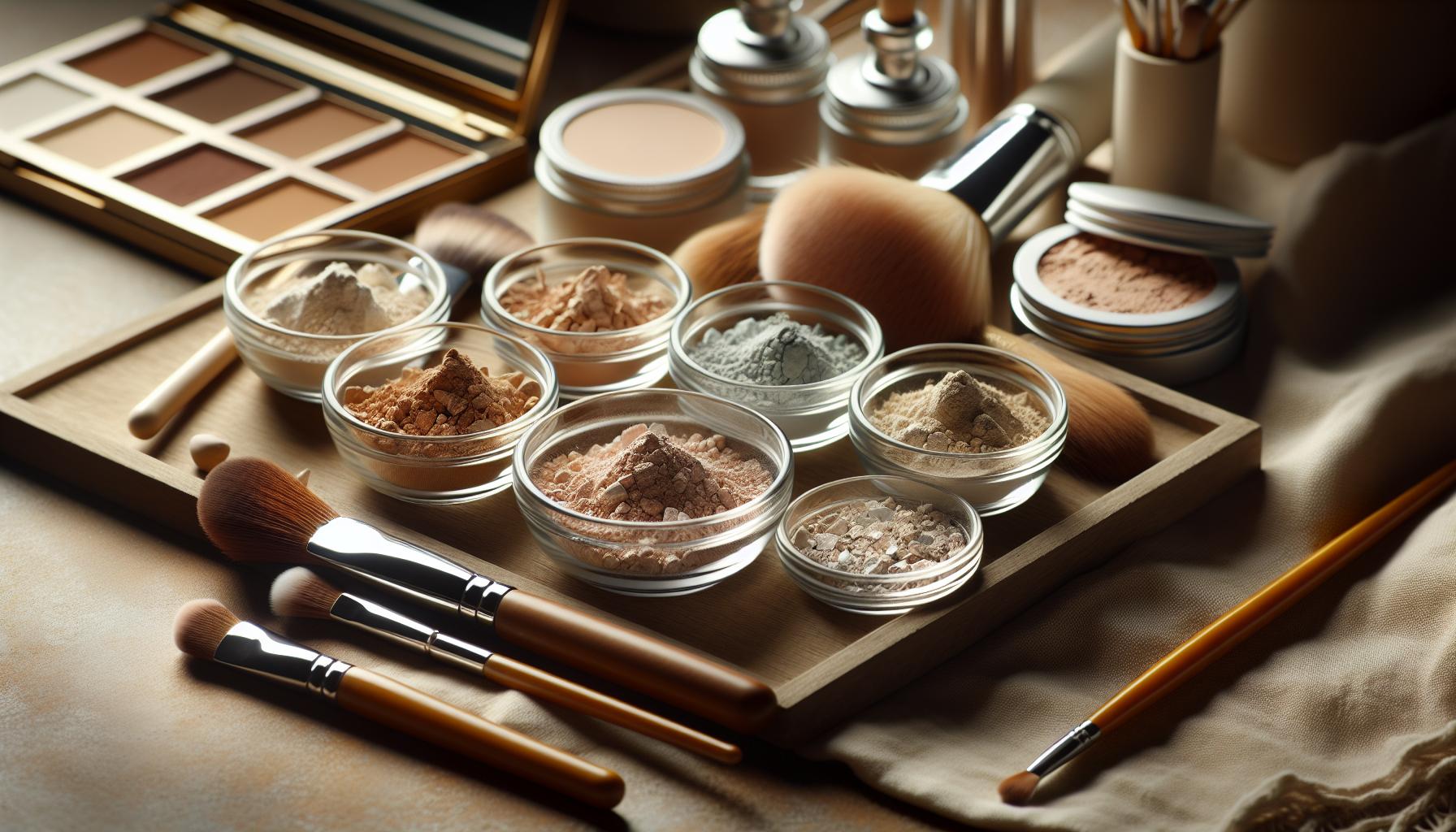
Key Ingredients in Mineral Makeup Explained
Mineral makeup stands out for its purity and skin-friendly attributes, thanks to its primary components, which are derived from natural minerals. These ingredients not only enhance the beauty of the skin but also provide a healthier alternative to conventional makeup formulations. The use of mineral-based ingredients typically results in products that are free from synthetic fillers, fragrances, and potentially irritating substances.
Common Ingredients
The core ingredients of most mineral makeup include:
- Titanium Dioxide: This natural mineral is renowned for its SPF properties, acting as a physical sunblock. It helps to protect the skin from harmful UV rays while also providing coverage to conceal imperfections.
- Zinc Oxide: Known for its soothing properties, zinc oxide is beneficial for sensitive skin types, helping to calm irritation and redness. It also provides a barrier against environmental pollutants.
- Mica: This natural mineral adds a reflective quality to mineral makeup, imparting a subtle glow and luminosity to the skin. It also helps with product glide and ease of application.
- Iron Oxides: Naturally occurring pigments that are used to provide color in mineral foundations and powders. They are stable and do not fade over time.
These ingredients not only contribute to the effectiveness of mineral makeup but also align with the growing demand for clean beauty products among consumers.
Benefits of Natural Ingredients
The natural composition of mineral makeup is particularly appealing to those with sensitive skin or conditions like rosacea and acne. Unlike traditional cosmetics that may include irritants, mineral makeup creates a breathable layer that prevents pore clogging, reducing the likelihood of breakouts. The inclusion of skin-soothing agents like sodium hyaluronate and antioxidants ensures that while you wear makeup, your skin is also receiving additional care.
Furthermore, the longevity and stability of mineral ingredients mean they typically have a longer shelf life compared to products with synthetic ingredients, allowing for consistent performance without compromising safety. Many makeup enthusiasts also appreciate how effortlessly mineral formulations blend and build coverage, catering to various looks from natural to full glam.
Understanding these key ingredients allows consumers to make informed choices that align with their beauty and skincare goals. Embracing mineral makeup can transform your routine into a more holistic approach to beauty, where aesthetics meet skin health for a radiant finish.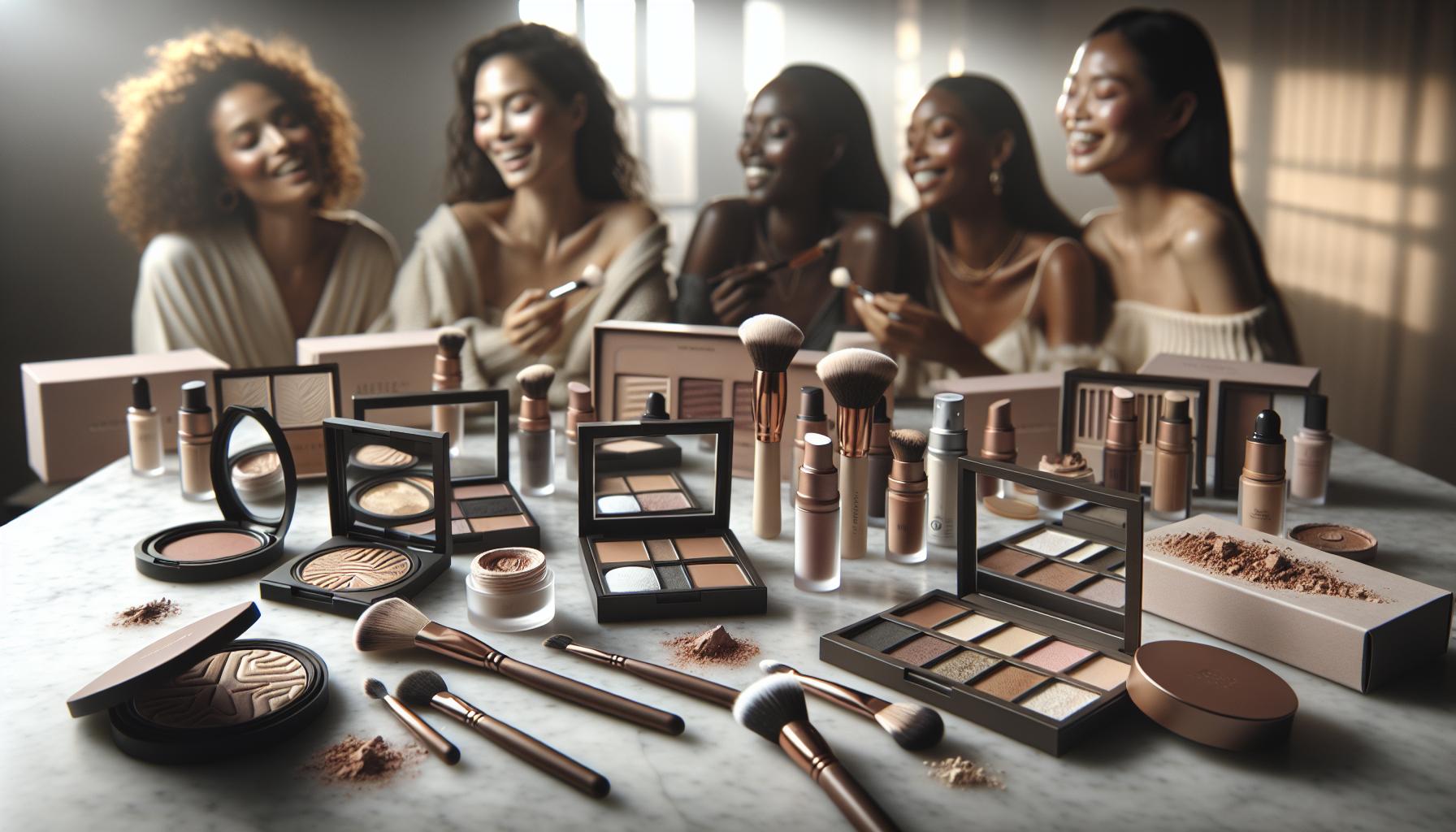
Popular Mineral Makeup Brands to Explore
When it comes to choosing mineral makeup, the variety of brands available can be overwhelming, yet exciting. Several key players in the market stand out for their commitment to quality ingredients and performance, making them worth exploring for both makeup novices and seasoned enthusiasts alike. Brands like BareMinerals and Jane Iredale have established themselves as pioneers, focusing on purity and skin health while delivering stunning results.
BareMinerals is often celebrated for its innovative approach, introducing the concept of mineral makeup to a broader audience. Their foundations provide buildable coverage and a natural finish, thanks to their finely milled formulations which harness the power of mineral-based ingredients. Jane Iredale, another frontrunner, prides itself on its comprehensive line of skin-friendly products that cater to various skin types. Their commitment to clean beauty promises minimal irritation, making it a favorite among those with sensitive skin.
Also worth considering are brands like Thrive Causemetics and ILIA Beauty. Thrive Causemetics not only delivers impressive makeup products that perform well throughout the day but also donates to charitable causes with every purchase. This socially responsible approach resonates well with conscientious consumers. Meanwhile, ILIA Beauty combines skincare benefits with cosmetics, offering products that integrate nourishing ingredients while still being vibrant and trendy.Their multi-use products are perfect for those aiming for a streamlined beauty routine.
Lastly, don’t overlook budget-friendly options like e.l.f. Cosmetics, which provides an impressive range of mineral makeup at accessible prices without compromising quality. Their products allow aspiring makeup artists to experiment without a hefty investment and are a solid option for anyone new to mineral makeup.
Investing in these well-established brands not only enhances your beauty regimen but also ensures that your skin receives the care it deserves. Whether you’re looking for a flawless foundation, a glowing bronzer, or a subtle eyeshadow, these brands offer varied solutions tailored to a range of preferences and needs. By choosing mineral makeup, you’re taking a significant step towards a healthier, more radiant complexion.
Step-by-Step Application Guide for Beginners
Applying mineral makeup can be a transformative experience, offering a lightweight feel while providing gorgeous results. Whether you’re new to makeup or seeking a fresh technique, this step-by-step guide will empower you to create a flawless look with mineral products.
Start with a clean, moisturized face. This is essential as mineral makeup performs best on a well-prepped canvas. Choose a moisturizer suited to your skin type, allowing it a few minutes to absorb fully. Once your skin is primed, grab a high-quality mineral foundation-preferably in a loose or pressed powder form. Dust a small amount into the lid or onto a makeup palette.
Application Steps
- Foundation: Using a fluffy kabuki brush, dip into the powder, tapping off any excess. Begin applying by using circular motions. Start from the center of your face, blending outward to achieve a natural finish. Layer the foundation gradually, building coverage where needed, such as on blemishes or redness.
- Concealer: If you require extra coverage, particularly for under-eye circles or specific spots, use a small concealer brush or your fingertip. Pat mineral concealer directly onto the area, blending gently for a seamless look.
- Blush and Bronzer: For blush, select a soft, natural hue. Smile to find the apples of your cheeks, then apply in a sweeping motion toward your temples. Choose a bronzer a few shades darker than your skin and apply it to the hollows of your cheeks, along your jawline, and across your forehead. This adds warmth and dimension.
- Finishing Touches: Complete your look with a finishing powder to set everything in place. Use a light hand to avoid a cakey texture. A setting spray can also enhance longevity and maintain a natural glow.
By following these steps, you’ll not only master the art of mineral makeup application but also create a beautifully radiant look that complements your natural beauty. As you gain confidence, explore experimenting with different colors and techniques to make your mineral makeup routine uniquely yours.
Tips for Choosing the Right Mineral Makeup
Choosing the right mineral makeup can significantly enhance your beauty routine, providing not only a flawless finish but also skincare benefits. The wide variety of products available today might feel overwhelming, but understanding your unique skin needs and the characteristics of mineral makeup can simplify the selection process.
Start by identifying your skin type-whether oily, dry, combination, or sensitive-as this will guide you in selecting specific formulations. For instance, those with oily skin may do well with oil-free foundations that help control shine, whereas individuals with dry skin might prefer a hydrating mineral foundation that contains moisturizing ingredients. Additionally, look for formulations labeled “non-comedogenic” if acne is a concern, ensuring the products won’t clog pores.
Color matching is another critical factor. Unlike traditional foundations, mineral makeup can be forgiving, allowing for a more natural, skin-like finish. Always test shades in natural light and start with a lighter shade, as mineral formulations tend to deepen slightly once applied. Many brands offer sample kits, letting you experiment with different shades and textures before committing to a full-size product.
Lastly, don’t overlook the ingredient list. High-quality mineral makeup typically contains natural pigments like mica, zinc oxide, and titanium dioxide, which provide coverage and protection from the sun. Be wary of synthetic fillers, fragrances, or harsh chemicals; your skin deserves products that enhance its health, not undermine it. A quick look at customer reviews can also guide your decision, revealing firsthand experiences that might resonate with your needs.
By selecting the right mineral makeup tailored to your skin type and preferences, you can achieve that beautiful, radiant look while nourishing your skin with every application.
How to Remove Mineral Makeup Effectively
Removing mineral makeup effectively is crucial not only for maintaining skin health but also for ensuring a fresh canvas for the next application. Mineral makeup can be long-wearing and resistant, so a solid removal routine is essential to avoid buildup and potential breakouts. Here are some practical steps and tips to guide you through the process.
Start with a gentle cleansing oil or balm, which can break down the mineral formulations effortlessly. Apply a small amount to dry skin and massage it in circular motions to dissolve the makeup. This step is vital because it lifts even the most stubborn pigments without stripping your skin’s natural oils. Follow this with a soft, damp washcloth to wipe away the dissolved makeup, ensuring you’re not tugging at the delicate facial skin.
Next, use a mild foaming cleanser or a gel-based cleanser suited to your skin type. This second cleanse helps to remove any remaining traces of makeup and impurities. Look for products labeled as “non-comedogenic” to prevent clogged pores. Gently massage the cleanser into your skin and rinse thoroughly with lukewarm water. If desired, incorporate a gentle exfoliating product 2-3 times a week to help remove any dead skin cells that can trap makeup and lead to dullness.
For added hydration, follow up your cleansing routine with a nourishing toner or facial mist, especially if your skin tends to be on the drier side. This step helps restore the skin’s balance and prepares it for your serums or moisturizers. Opt for ingredients like hyaluronic acid or rose water for an extra soothing touch.
Here’s a quick checklist to streamline your makeup removal process:
- Use a cleansing oil or balm to dissolve makeup.
- Follow with a gentle, skin-type appropriate cleanser.
- Rinse thoroughly with lukewarm water.
- Finish with a hydrating toner or mist.
By adopting this effective removal routine, not only will your skin feel refreshed, but you also enhance its ability to breathe and regenerate overnight, maximizing the beauty benefits of wearing mineral makeup. This thoughtful approach to makeup removal aligns seamlessly with your beauty journey, promoting a healthier and more vibrant complexion.
Comparing Mineral Makeup with Traditional Makeup
When choosing between mineral makeup and traditional products, it’s essential to understand the distinct advantages each offers. Mineral makeup is crafted primarily from natural minerals derived from the earth, such as zinc oxide and titanium dioxide, which are not just cosmetic enhancers but also serve therapeutic purposes. These ingredients offer natural sun protection and are often non-comedogenic, meaning they won’t clog pores, making them a fantastic option for sensitive or acne-prone skin.
In contrast, traditional makeup often contains synthetic chemicals, preservatives, and fillers that can irritate the skin or exacerbate existing skin issues. For instance, many liquid foundations contain oils that might lead to breakouts in those with oily skin types. Additionally, traditional cosmetics can require harsher cleansing methods to remove, which may strip the skin of its natural barrier, potentially resulting in dryness and irritation.
Another critical difference lies in the finish. Mineral makeup typically provides a more natural, sheer finish that allows the skin to breathe and glow, rather than masking it. This can create an effortless, no-makeup look that enhances natural beauty. Conversely, traditional makeup often offers a broader range of finishes-matte, dewy, or satin-allowing for various styles, but may sometimes lead to a heavier appearance and requires careful blending to avoid a cakey look.
In terms of application, mineral makeup can be forgiving: less is often more. A simple dusting can provide coverage while keeping the skin looking fresh. Traditional makeup may require multiple layers to achieve the desired coverage or longevity, and techniques can differ significantly between products, often necessitating specific tools like brushes or beauty sponges to perfect the application.
Ultimately, the choice between mineral and traditional makeup hinges on personal preferences, skin type, and desired aesthetics. Understanding these differences can empower individuals to select products that align with their beauty goals, whether that’s achieving flawless coverage, maintaining skin health, or embracing a more natural look.
Understanding Different Forms of Mineral Makeup
Mineral makeup comes in a variety of forms, each offering unique benefits and application techniques that cater to different preferences and skin types. Understanding these different forms can empower you to choose products that align with your beauty goals, be it a natural everyday look or something more polished for special occasions.
One of the most common forms of mineral makeup is mineral powders. These are finely milled mixtures of minerals like mica, zinc oxide, and titanium dioxide, often used for foundation, blush, and bronzer. The light, airy texture allows the skin to breathe while providing buildable coverage that can range from sheer to full. To apply mineral powder effectively, it’s best to use a fluffy brush for a light application, gradually layering to achieve your desired level of coverage.
Another popular option is mineral cream foundations. These creams are ideal for those who prefer a richer texture but still want to benefit from the natural properties of minerals. Formulated to blend seamlessly, mineral cream foundations often contain moisturizing ingredients, making them suitable for dry or mature skin. For application, using a damp beauty sponge can enhance the finish by providing an airbrushed effect, ensuring even coverage without settling into fine lines.
Mineral liquid foundations have gained traction in recent years, offering the convenience of a liquid while containing mineral-rich formulas. These foundations provide a dewy finish and are often suitable for normal to combination skin types. They are typically easier to apply and can be built up for more coverage as needed. For best results, try using a foundation brush or your fingers for a natural look.
Furthermore, there are mineral concealers available in both powder and cream forms, designed specifically to cover blemishes, dark circles, or redness without aggravating sensitive skin. These formulations often contain soothing ingredients like chamomile or aloe vera, making them great for skin that requires extra care. When applying concealer, tap it gently onto the skin with your ring finger or a fine-tipped brush to ensure a seamless blend.
Finally, don’t forget about mineral setting sprays and powders. These products often contain minerals that help to absorb excess oil and prolong the wear of your makeup. Setting sprays give a refreshing boost while providing a matte finish, perfect for oily or combination skin types, while setting powders help to lock in the makeup and reduce shine.
In conclusion, the variety of mineral makeup forms-from powders and creams to liquids and concealers-offers versatility and options for everyone, regardless of skill level or skin type. By experimenting with these different forms, you can discover what works best for your routine, enhancing your natural beauty while ensuring the health of your skin.
Mineral Makeup for Different Skin Types
When it comes to selecting the right makeup for your skin type, mineral makeup stands out as an excellent option due to its natural formulation and skin-loving properties. Each skin type presents its unique challenges, and mineral makeup can be tailored to suit a variety of needs, making it an invaluable addition to your beauty routine.
For those with oily skin, mineral powders work wonders. These formulations often contain oil-absorbing properties, helping to control shine throughout the day. Look for products that include talc-free minerals and ingredients like zinc oxide and kaolin clay. Using a light dusting of mineral powder can provide a matte finish without clogging pores, allowing your skin to breathe. Employ a fluffy brush for application; this allows you to build coverage while maintaining a natural look.
Individuals with dry or mature skin should opt for mineral cream foundations, which blend seamlessly and contain hydrating ingredients to prevent the makeup from settling into fine lines. These cream formulas provide a more nourishing and dewy finish that leaves skin looking fresh and revitalized. A damp beauty sponge can enhance application, creating a soft, airbrushed effect. Selecting products with moisturizing components like jojoba oil or shea butter can provide additional hydration.
For those with sensitive or combination skin, mineral makeup proves beneficial due to its hypoallergenic qualities. Light mineral liquids and cream foundations can be formulated with soothing agents like aloe vera or chamomile, which calm irritation and redness. Prioritize foundations that are fragrance-free and non-comedogenic to minimize the risk of breakouts. A gentle application technique, such as using fingers or a soft brush, can further prevent irritation during application.
In summary, tailoring your mineral makeup choices based on your specific skin type will enhance both your look and your skin’s health. Always consider your unique needs-whether controlling shine, adding hydration, or soothing sensitivity-to make informed decisions that elevate your beauty regimen. Embrace the versatility of mineral makeup and confidently showcase your radiant skin!
Common Misconceptions About Mineral Makeup
Many beauty enthusiasts have misconceptions about mineral makeup that can prevent them from fully embracing its benefits. One of the most common myths is that mineral makeup is only suitable for those with certain skin types. In reality, mineral formulas are incredibly versatile and can cater to a wide range of skin needs. Whether you have oily, dry, combination, or sensitive skin, there are specific mineral products designed to work harmoniously with your unique complexion. For instance, while mineral powder may shine for oil control, cream formulations hydrate and nourish dry or mature skin, proving that mineral makeup isn’t one-size-fits-all.
Another prevailing belief is that mineral makeup lacks coverage compared to traditional foundations. This is misleading. Many high-quality mineral foundations offer buildable coverage, allowing users to achieve anything from a sheer finish to a full-coverage look without feeling heavy on the skin. The key is in choosing the right type and applying it correctly. Utilizing the right tools, such as a dense brush for powder or a damp sponge for liquids, can significantly enhance the finish and effectiveness of mineral products.
Some people also think that applying mineral makeup is a complicated process, but it can be quite simple with a few easy techniques. For example, a basic application of mineral powder requires only a light dusting across the T-zone, followed by buffing outwards to achieve an even finish. Likewise, creams can be blended quickly using fingers or a sponge, making them accessible for novices. The emphasis on a natural look is one of the main advantages of mineral makeup, encouraging users to embrace their skin rather than conceal it.
Lastly, there’s concern about the safety of mineral makeup regarding ingredients. Surprisingly, many mineral products are free from harsh chemicals, fragrances, and irritants, making them an excellent choice for sensitive skin. When selecting products, always look for those labeled as non-comedogenic and hypoallergenic to ensure you’re making a safe and beneficial choice. By debunking these misconceptions, beauty lovers can gain the confidence to explore and enjoy the world of mineral makeup, finding options that enhance their natural beauty.
Sustainable Practices in Mineral Makeup Production
The beauty industry is increasingly being defined by its commitment to sustainability, and mineral makeup stands at the forefront of this movement. One of the key benefits of mineral formulations is their typically cleaner ingredient lists, often deriving from naturally occurring minerals that are less harmful to both the skin and the environment. Brands in this space are not only focusing on the quality of their products but also on the eco-friendliness of their production methods.
Many manufacturers are investing in sustainable sourcing practices to ensure that the minerals used in their products are extracted responsibly. This involves minimizing the impact on local ecosystems through eco-conscious mining operations and seeking out suppliers who adhere to fair trade principles. The use of recyclable packaging is also becoming a standard practice, with brands opting for glass containers and recycled plastics that reduce waste. By choosing products packaged in these materials, consumers can contribute to a reduction in plastic pollution.
Moreover, sustainable practices extend to the formulation processes themselves, where companies are increasingly avoiding harsh chemicals and synthetic additives. This clean approach not only favors consumer safety but also supports a healthier planet, as fewer toxic substances are released into the environment. Brands are often transparent about their ingredient sourcing and manufacturing processes, allowing consumers to make informed choices that align with their values.
Transitioning to mineral makeup offers a multitude of benefits, particularly in supporting a healthier planet. Each purchase can represent a commitment to sustainability, encouraging the beauty industry to uphold ethical practices. As consumers become more educated about the environmental impact of their beauty routines, opting for mineral makeup provides a proactive step towards responsible consumption. Whether you are just starting your journey with makeup or are a seasoned pro, embracing sustainable mineral options is a beautiful choice for both you and the Earth.
Expert Recommendations for Long-Lasting Wear
Achieving long-lasting wear with mineral makeup can significantly enhance your beauty routine. Many enthusiasts appreciate that mineral formulations can provide a natural finish while ensuring durability throughout the day. To maximize the staying power of your mineral makeup, consider the following expert recommendations:
- Prep Your Skin: Begin with a clean and moisturized face. Choose a lightweight, mattifying primer designed for mineral makeup to create a smooth canvas. This step helps control oil and shine, extending the life of your makeup.
- Layer Wisely: When applying mineral foundation, use a buffing brush and work in layers. Start with a small amount and build coverage gradually for a more seamless, natural look. This technique not only prevents cakiness but also enhances longevity.
- Set It Right: After applying foundation, consider using a translucent setting powder to lock everything in place. A light dusting can absorb excess oil and reduce shine without compromising the luminous finish typical of mineral products.
- Use a Setting Spray: To ensure your makeup withstands humidity and daily wear, finish with a mineral-based setting spray. This additional step can provide hydration while sealing your look for an entire day.
Remember, the type of mineral makeup you select can also influence its wear time. As you explore popular brands like ILIA or Thrive, look for products that emphasize longevity and performance. Adapting your application techniques and tools, such as using high-quality brushes, can further improve the durability of your mineral makeup, allowing you to enjoy a fresh appearance all day long. Embrace these strategies to support not only your aesthetic goals but also your confidence in your look, whether you’re a makeup novice or a seasoned pro.
Frequently asked questions
Q: What is the main difference between mineral makeup and traditional makeup?
A: The main difference is in the ingredients. Mineral makeup is made from natural minerals and is often free from artificial chemicals, preservatives, and fragrances, making it gentler on the skin. Traditional makeup typically contains synthetic ingredients that may irritate sensitive skin.
Q: How can I choose the right mineral makeup for my skin tone?
A: To choose the right mineral makeup, test a few shades on your jawline to find the closest match. Consider your undertone-warm, cool, or neutral. Many brands offer sample kits, allowing you to discover the right shades without commitment.
Q: What are the common misconceptions about mineral makeup?
A: Common misconceptions include that mineral makeup provides insufficient coverage and that it is only suitable for dry skin. In reality, there are various formulations that offer full coverage and cater to all skin types, including oily and combination skin.
Q: How should I store my mineral makeup products?
A: Store mineral makeup in a cool, dry place away from direct sunlight. Ensure that the containers are tightly closed to prevent moisture from spoiling the product. Regularly check expiration dates to maintain effectiveness and safety.
Q: Can I wear mineral makeup every day?
A: Yes, you can wear mineral makeup daily. Its non-comedogenic formula often benefits the skin by allowing it to breathe while providing sun protection. Opt for products with SPF for added skin defense in your daily routine.
Q: Are there specific application techniques for mineral makeup?
A: For best results, use a dense, flat brush for foundation to ensure even coverage, followed by a fluffier brush for blush and finishing powders. Apply in light layers, building up coverage gradually for a natural finish.
Q: What should I do if my mineral makeup looks cakey?
A: If your mineral makeup appears cakey, ensure your skin is well-prepped with moisturizer before application. Use a setting spray to meld the makeup into your skin and apply a light touch of powder, avoiding over-application.
Q: Is mineral makeup safe for sensitive skin?
A: Yes, mineral makeup is generally safe for sensitive skin due to its natural ingredients and lack of harsh chemicals. However, always check ingredient lists for potential allergens and conduct a patch test before full use.
To Wrap It Up
In conclusion, mineral makeup offers a unique blend of benefits-lightweight coverage, skin-friendly ingredients, and a range of options that cater to various skin types and concerns. Now that you’re equipped with the insights on the leading brands and application techniques, it’s time to transform your beauty routine! Explore our comprehensive makeup tutorials for step-by-step guidance on perfecting your application, or check out our product reviews of favorites like Seint, Thrive, and Ilia to make informed choices that elevate your beauty game.
If you’re eager to dive deeper, consider signing up for our newsletter for exclusive tips and industry updates, and don’t miss our articles on essential beauty tools and cleansing routines. Let your beauty journey continue-share your thoughts with us, explore our related content, and embrace the confidence that comes with mastering mineral makeup. Your skin deserves this, and so do you!