Did you know that a good makeup primer can extend the life of your foundation by hours? If you’ve ever faced the frustration of your makeup fading by midday or settling into fine lines, you’re not alone. Primer acts as a vital first step in your beauty routine, creating a smooth canvas and enhancing the performance of your foundation. Whether you’re a makeup enthusiast looking to achieve a flawless finish or a professional barber seeking to elevate your grooming services, understanding what makeup primer does can be a game-changer. With the right primer in your toolkit, you can boost your makeup’s longevity, improve its texture, and achieve a perfectly polished look. Ready to discover the secrets behind this essential product and how it can transform your routine? Let’s dive in!
What is Makeup Primer and How it Works
Makeup primer serves as the essential foundation for achieving a flawless makeup application. Essentially, it is a cosmetic product applied before foundation to create a smooth canvas for makeup. By filling in fine lines, pores, and blemishes, primers greatly enhance skin texture, making the subsequent application of foundation look more even and refined. Primers work by adhering to the skin, allowing foundation to glide on with ease and stay put throughout the day.
The various formulations of primers cater to different skin types and concerns. For instance, matte primers help control oil and shine, making them perfect for those with oily skin, while hydrating primers are ideal for dry skin, providing a nourishing layer that prevents makeup from flaking. Moreover, some primers contain additional benefits like pore-blurring technology, SPF protection, or color correction properties, enhancing both the look and longevity of your makeup.
When applied correctly, a primer can extend the wear of foundation, making it essential for all-day occasions. It acts as a barrier, preventing makeup from settling into fine lines and ensuring a fresh appearance, even hours after application. Using the right primer can dramatically change the effectiveness of your overall makeup routine, allowing for creative expression and lasting confidence.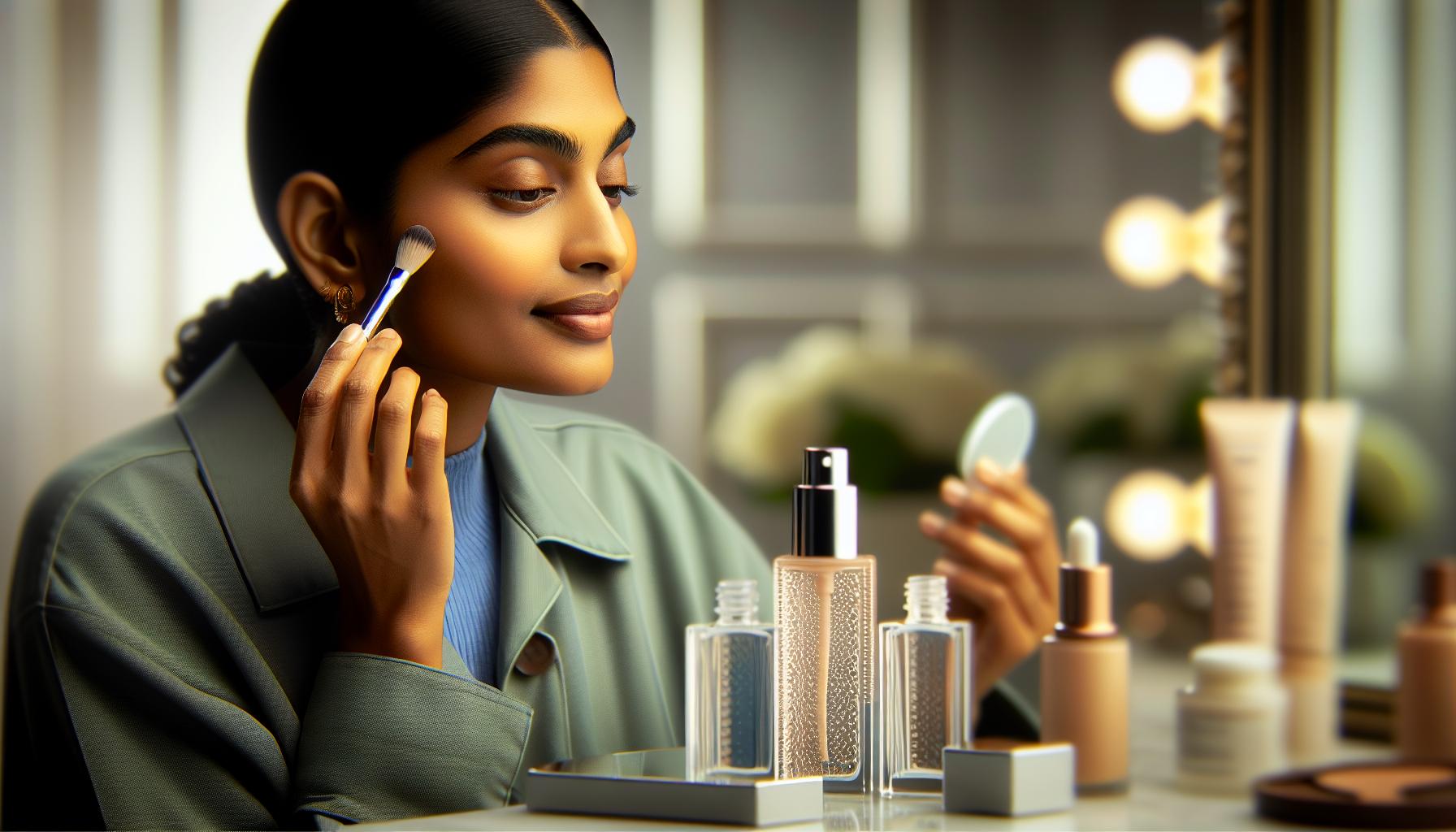
The Benefits of Using a Makeup Primer
The transformative power of a makeup primer cannot be overstated; it truly is the foundation’s best friend. Think of a primer as the unsung hero of your beauty routine-no one sees it, but its effect is unmistakable. By creating a smooth, even canvas for foundation, a good primer enhances the overall appearance of makeup, ensuring that it appears professional and polished. Primers are formulated to tackle common skin concerns, such as minimizing the appearance of pores, controlling shine, or providing essential hydration. Because of this versatility, using a primer can significantly elevate your makeup game.
Using makeup primer leads to several tangible benefits. For starters, it greatly increases the longevity of your makeup. A high-quality primer acts as a protective barrier against oil and sweat, helping foundation adhere to the skin better throughout the day. This is particularly beneficial for those with busy lifestyles or special occasions where makeup needs to last from morning to night. Furthermore, primers can help mitigate the wear and tear that makeup can impose on the skin, ultimately providing a healthier finish long-term.
In addition to enhancing wear-time, primers also improve the overall aesthetic of your makeup. For instance, a luminizing primer can impart a fresh, radiant glow, making your skin appear more youthful and vibrant. On the other hand, for those struggling with oiliness, a mattifying primer can help control excessive shine, leading to a smoother, more refined complexion. The right primer can also even out skin texture, making foundation application seamless and requiring less product to achieve desired coverage. With these combined benefits, it’s no wonder that making primer a staple in your makeup routine can lead to enhanced confidence and a more polished appearance.
When choosing a primer, consider your skin type and the finish you desire. Beyond conventional primers that focus solely on longevity, innovative formulations are now available that incorporate skincare ingredients and specialized benefits. Whether you’re a makeup novice or a seasoned pro, integrating a primer into your beauty regimen can be a game-changing step toward achieving makeup excellence.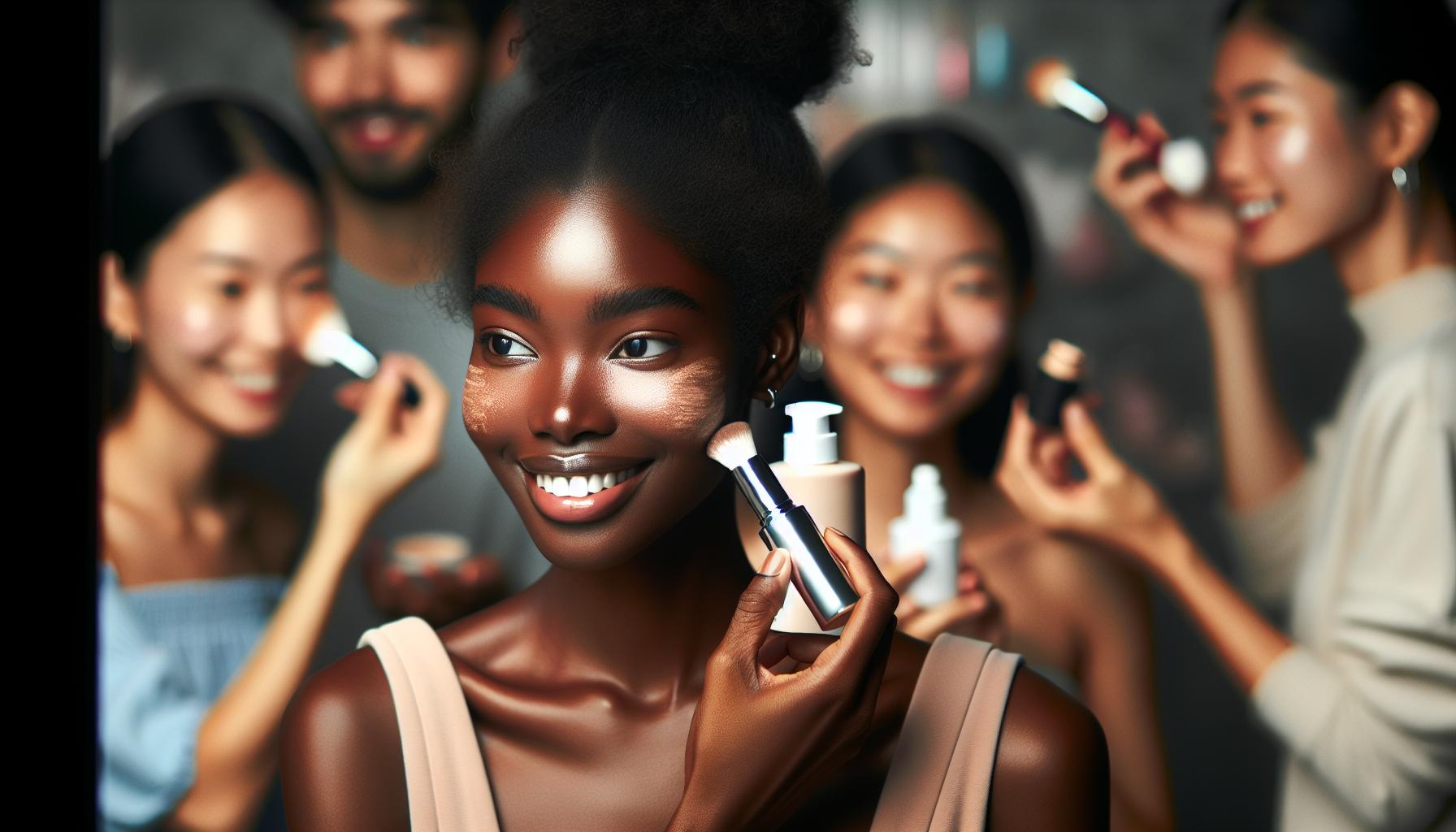
Different Types of Makeup Primers Explained
Makeup primers have evolved significantly, catering to a wide array of skin types and beauty goals. Understanding the different types of primers can empower you to make informed choices that best complement your makeup routine. Below is an overview of various primer categories, each designed to enhance the way your foundation performs, addressing specific concerns and preferences.
Silicone-Based Primers
Silicone-based primers are favorites for their silky texture and ability to fill in fine lines and pores, resulting in an incredibly smooth surface. They create a light, breathable barrier over the skin, allowing makeup to glide on effortlessly and enhancing its wear-time. This category is ideal for individuals seeking a flawless finish and provides a soft-focus effect that minimizes imperfection visibility. For best results, apply a pea-sized amount and blend it across the face, focusing on areas that require extra smoothing.
Gel Primers
Gel primers are excellent for those with oily or combination skin types. Their lightweight, non-greasy formulas help control shine and absorb excess oil without clogging pores. They provide a refreshing feel and often feature hydrating ingredients that balance the skin’s moisture levels. Apply a gel primer as you would any other, but consider using it strategically only in areas prone to oiliness to maximize its effects.
Luminizing Primers
For a radiant, dewy complexion, luminizing primers are the perfect choice. These primers contain light-reflecting particles that brighten the skin and give it a healthy glow. They’re particularly suitable for dull or dry skin types, as they not only hydrate the skin but also serve as a subtle highlighter under foundation. To achieve a natural luminosity, mix the primer with your foundation or apply it directly onto the high points of your face.
Mattifying Primers
Mattifying primers are designed for oily or acne-prone skin, working to absorb excess oil and minimize shine, particularly in the T-zone. These formulas often contain ingredients like salicylic acid or kaolin clay, which help control breakout activity. When using a mattifying primer, apply it only in areas where you typically shine for a balanced finish. Pair with a matte foundation for the best results in achieving a long-lasting, shine-free look.
Color-Correcting Primers
Color-correcting primers address specific skin tone issues; for instance, green primers neutralize redness, while lavender primers brighten sallow skin. They work beneath your foundation to balance your complexion, reducing the need for heavy concealing products. When using color-correcting primers, apply them only where needed, and layer your foundation on top for a seamless blend.
Incorporating the right type of primer into your routine can be a game-changer in achieving that coveted flawless makeup application. As you explore various products, consider how each primer aligns with your unique skin needs and makeup goals, allowing you to elevate your overall beauty routine.
How to Choose the Right Primer for Your Skin Type
Choosing the right makeup primer can drastically enhance the look and longevity of your foundation. With a plethora of options available, selecting one tailored to your skin type is crucial for achieving a flawless finish. Here’s how you can navigate this essential beauty step with confidence.
For those with oily or combination skin, a mattifying primer is a game changer. Look for ingredients like salicylic acid or kaolin clay, which help control oil and shine, particularly in the T-zone. This type of primer not only absorbs excess oil but also creates a smooth canvas for your foundation to adhere without sliding off. If you tend to shine throughout the day, applying a mattifying primer only in these high-oil areas can balance your complexion effortlessly.
If your skin is on the dry or dull side, consider a luminizing primer. These primers often contain hydrating ingredients and light-reflecting particles that can revive a lackluster complexion, imparting a healthy glow. For a beautifully dewy finish, apply it either mixed with your foundation or directly to the high points of your face, like the cheekbones and brow bones. This technique not only treats dryness but also enhances your facial structure for a radiant look.
For normal or sensitive skin types, a silicone-based primer may be particularly beneficial. This type fills fine lines and pores, providing a velvety texture that allows makeup to glide on smoothly. Silicone primers create a breathable barrier that can help protect your skin while ensuring that your foundation lasts longer. Just remember to use a small amount; a pea-sized dot is usually sufficient.
Lastly, if you struggle with redness or uneven skin tone, you might want to explore color-correcting primers. These colorful formulas reduce specific complexion concerns, such as green primers neutralizing redness or peach primers brightening dullness. Apply these targeted treatments only where necessary, allowing your foundation to seamlessly blend over top without heavy concealing.
By identifying your skin concerns and selecting primers that cater to those specific needs, you can establish a personalized makeup regimen that enhances your natural beauty while ensuring your foundation stands the test of time. Don’t hesitate to experiment with samples, as finding the perfect match may take a little trial and error, but the right primer can make all the difference in your makeup application.
Step-by-Step Guide to Applying Primer Effectively
Applying makeup primer correctly can transform your beauty routine, setting a flawless base for your foundation and enhancing its longevity. Effective application is crucial whether you’re preparing for a casual day out or a special event. Here’s how to make the most of this essential step in your makeup regimen.
Start with a clean canvas. Before applying primer, ensure your face is freshly cleansed and moisturized. Allow your moisturizer to absorb fully into the skin, as this prevents the primer from sliding off and helps it adhere better. Opt for a lightweight moisturizer if you are using a mattifying primer, and a richer formula if you’re going for a luminous finish.
When applying primer, use a small amount-roughly the size of a pea. This is typically sufficient for full coverage. Using your fingertips or a makeup sponge, gently tap the primer onto key areas where you need it most. Focus on your T-zone (forehead, nose, and chin) if dealing with oiliness, or apply it to areas with fine lines or large pores to smooth the surface. For a luminous primer, consider using a stippling motion on the high points of your face, like the cheeks and brow bones, for an extra glow.
Allow the primer a minute or two to dry before moving on to foundation application. This drying time lets the product set, creating a smooth canvas for your foundation. If you’re using a silicone-based primer, be sure to apply your foundation using a similar texture-a liquid or stick foundation works best-for seamless blending. Remember to avoid rubbing the primer into your skin; gentle movements will maintain its effective barrier, ensuring your makeup lasts throughout the day.
By mastering the art of primer application, you can achieve a more radiant complexion and ensure your makeup withstands the test of time. With practice, this crucial step won’t just enhance your foundation’s look but also boost your overall confidence in your beauty routine.
Common Mistakes When Using Makeup Primer
Getting the most out of makeup primer is all about avoiding common pitfalls that can compromise the effectiveness of your makeup routine. Many makeup enthusiasts, both novice and experienced, may unknowingly make mistakes that diminish the potential of this versatile product. When applied correctly, primer acts as a game-changer, providing a smooth canvas and enhancing the longevity of foundation. Here are some common missteps to avoid for a flawless makeup application.
One of the frequent mistakes is applying primer on moist skin. While it’s essential to start with a clean face, applying primer immediately after skincare without allowing adequate drying time can lead to unsatisfactory results. Moisturizers need time to absorb fully into the skin; otherwise, the primer may slip off or not adhere properly. Always give your skin a few minutes post-moisturizing to create an optimal base for the primer.
Another common error is using too much product. Many people believe that more primer equals better results; however, this is far from the truth. Overapplication can lead to a heavy feeling and cause makeup to shift or slide throughout the day. A pea-sized amount is usually sufficient. Dabbing the product strategically in areas like the T-zone or where pores are more pronounced ensures even coverage without excess product weighing your look down.
Moreover, neglecting to choose the right primer for your skin type is a critical misstep. Different primers serve various functions – mattifying formulas help control oil, while hydrating options are perfect for dry skin. Lacking a tailored approach can lead to makeup that doesn’t sit well or lasts long. Always consider your specific skin needs when selecting a primer to ensure that it complements your foundation effectively.
Lastly, failing to let the primer set before applying foundation can diminish its effectiveness. It’s crucial to wait at least a minute after applying primer before moving on to foundation. This waiting period allows the primer to form a smooth layer, creating a better grip for your makeup. Practicing these steps can transform your makeup routine, allowing you to unlock the full potential that primer has to offer, and set the stage for a flawless look all day long.
Can Primer Extend Your Foundation’s Wear?
Using a makeup primer can dramatically extend the wear of your foundation, transforming your makeup routine from fleeting to flawless. Think of primer as the groundwork for your look-much like a painter prepares a canvas before applying color. When correctly applied, primer allows foundation to adhere more effectively, creating a stable base that resists fading, creasing, and transferring throughout the day.
A quality primer typically contains ingredients designed to grip makeup and improve its longevity. For instance, silicone-based primers fill in fine lines and pores, providing a smoother surface for your foundation. They create a barrier that not only helps to lock makeup in place but also minimizes the wear from environmental factors such as humidity or sweat. In addition, hydrating primers can help maintain moisture levels in the skin, which can prevent makeup from breaking down due to dryness-another significant cause of weariness.
To maximize the potential of your primer in extending foundation wear, consider your skin type and the specific benefits you need. Oily skin types may benefit from mattifying and oil-controlling primers, which help reduce shine and keep makeup fresh for longer. In contrast, dry skin could leverage hydrating primers to create a plump, supple surface that aids in even application and longevity. Remember, the importance of allowing the primer sufficient time to set before applying foundation cannot be overstated; a minute or two can make a significant difference in results.
Investing in the right primer not only enhances your makeup’s staying power but elevates your entire application process. The confidence derived from knowing your look will withstand the test of time enables you to face any day-from a long work shift to a night out-with ease and poise.
Makeup Primer vs. Foundation: What’s the Difference?
When navigating the world of beauty, understanding the difference between makeup primer and foundation is essential for achieving a flawless look. While both products play critical roles in your makeup routine, they serve distinct functions that can impact the overall efficacy of your makeup application. Primer is like the foundation for a beautiful home; it creates a smooth, even surface that prepares your skin for the next layers. In contrast, foundation is the color that provides coverage and evens out your complexion.
Makeup primers are designed primarily to enhance the performance of foundation, creating a barrier that helps makeup adhere better. They often contain beneficial ingredients targeted to address specific skin concerns-like blurring imperfections, controlling oil, or offering hydration-making them essential for a long-lasting finish. On the other hand, foundation provides the actual color and coverage, working to conceal blemishes, hyperpigmentation, and uneven skin tone.
Choosing to use a primer also offers an opportunity to cater to your unique skin type and the look you’re aiming to achieve. For instance, a mattifying primer can help those with oily skin control excess shine, whereas a hydrating primer is ideal for dry or dehydrated skin types, allowing for a smoother application of foundation. To maximize results, think of your primer as setting the stage and your foundation as the performance-it’s the synergy between the two that leads to spectacular results.
In summary, while they may seem similar, makeup primer and foundation fulfill different yet complementary roles in your makeup routine. Investing in a quality primer not only enhances the wear and appearance of your foundation but builds a solid foundation on which your entire look rests, transforming your makeup experience into one that is truly professional and polished.
Innovative Ingredients in Modern Primers
Modern makeup primers have evolved significantly, incorporating innovative ingredients that not only enhance the wear of foundation but also cater to various skin concerns. For instance, many primers now feature cutting-edge compounds such as silicones, which create a silky smooth canvas by filling in fine lines and pores, ultimately promoting a flawless finish. These advanced formulations not only improve adherence but also provide a subtle blurring effect that softens the appearance of imperfections.
Similarly, hyaluronic acid has become a staple in hydrating primers. Known for its ability to attract and retain moisture, this ingredient helps to keep the skin plump and hydrated throughout the day. Using a primer with hyaluronic acid can make a noticeable difference for those with dry or dehydrated skin, setting the stage for a radiant, even foundation application. Moreover, such primers can contribute to a more comfortable wear experience by preventing the foundation from settling into dry patches.
Another trend is the inclusion of antioxidants like vitamins C and E, which not only protect the skin from environmental damage but also improve its overall appearance. These ingredients offer additional benefits, such as promoting a more youthful look and enhancing skin tone, making them ideal for primers targeting mature skin. Additionally, some modern primers infuse botanical extracts that help soothe and calm irritated or sensitive skin, ensuring that makeup application feels as good as it looks.
The range of formulations available today allows users to select products tailored to their specific skin needs. Whether aiming for a matte finish, a dewy glow, or extra hydration, the innovative ingredients in contemporary primers empower individuals to create a signature look that lasts. As the beauty industry continues to evolve, the versatility and efficiency of primers make them indispensable tools in any makeup routine.
DIY Makeup Primer: Natural Alternatives You Can Try
Creating your own makeup primer at home can not only save you money but also allow you to customize the ingredients to suit your skin’s unique needs. Many store-bought primers are loaded with chemicals, while DIY options enable you to harness the benefits of natural ingredients that nourish and protect your skin. Here are some effective and easy-to-make natural alternatives that will keep your foundation looking flawless all day long.
Simple DIY Primer Recipes
- Aloe Vera Gel Primer: Aloe vera is known for its soothing and hydrating properties. Simply mix 2 tablespoons of pure aloe vera gel with 1 teaspoon of witch hazel. Apply this mixture to your face before foundation. It not only hydrates but also creates a smooth base.
- Coconut Oil & Foundation Primer: Coconut oil serves as a great moisturizer and forms a protective barrier on the skin. Mix equal parts of organic coconut oil and your favorite lotion. This will give you a dewy look and moisture lock. Just remember, this option is best for those with dry skin.
- Green Tea & Vitamin E Primer: Brew a strong cup of green tea, allow it to cool, and mix with a few drops of vitamin E oil. This combination helps to bind makeup and offers antioxidant protection. Use a cotton ball to apply it to your clean skin.
How to Personalize Your Primer
Your skin type significantly impacts how well your DIY primer will perform. For oily skin, consider adding a few drops of tea tree oil to any of the above recipes to help control shine. If you have sensitive skin, you might opt for chamomile tea as your base for a more calming effect. Experimenting with various oils (like jojoba or argan oil) can also help in tailoring your primer.
When to Use Your DIY Primer
It’s not just about what you put on your skin; it’s also about when you apply it. Allow your DIY primer to sit for at least 5-10 minutes before applying foundation. This waiting period lets your skin absorb the moisture and aids in creating a more effective base.
Embracing DIY beauty solutions opens up a world of fresh possibilities, making your makeup routine not only more fun but also tailored specifically to your skincare needs. As you explore these options, remember that confidence in your makeup application will only enhance your overall creativity and personal style.
How to Pair Primer with Different Foundation Types
Choosing the right primer can dramatically affect how your foundation performs, allowing each product to complement the other for a seamless look. When pairing primer with foundation, it’s essential to consider both the consistency of the primer and the finish of the foundation. By understanding these relationships, you can create a flawless canvas that enhances not only the makeup but also your natural beauty.
For liquid foundations, which tend to blend seamlessly and promise a fresh finish, opt for lightweight, hydrating primers. These primers enhance the texture of the foundation while adding moisture. If you’re seeking a dewy complexion, a serum-like primer infused with vitamins or antioxidants can effectively nourish the skin while ensuring a luminous finish. Brands like ILIA and Thrive offer fantastic options that hydrate without overwhelming oiler skin types.
Alternatively, if you are using a matte foundation, it is crucial to pair it with a silicone-based or smoothing primer. These primers fill in fine lines and create a smooth, even surface, which is especially beneficial if your skin tends to be on the drier side or if you struggle with imperfections. Look for products that have a velvety finish to keep your matte foundation from appearing overly flat. Seint makeup offers favorites that can enhance the matte experience while controlling oil production for a balanced all-day wear.
For those who love cream foundations, primers with a velvety or high-slip formula can prevent the foundation from settling into pores and fine lines. A silicone-based primer can act as a barrier, allowing the cream foundation to glide on effortlessly, creating a radiant, just-applied look that lasts.
When it comes to powder foundations, your options for primers expand even more. A moisturizing primer can work wonders, providing the necessary hydration without making the powdered finish look cakey. However, for those who prefer a more oil-absorbing result, look toward a mattifying primer. This duo will help in achieving an even, flawless finish while controlling shine throughout the day.
Incorporating these strategies into your makeup routine not only ensures that your foundation sits beautifully on your skin but also maximizes its longevity and effectiveness. Experiment with different combinations to find what works best for your unique skin type and desired look, making your makeup application both an artistic expression and a personalized experience.
Engaging Beauty Tips for Primer Application
When it comes to achieving a flawless makeup application, using the right primer can be a game changer. Many makeup enthusiasts often overlook this essential step, leading to uneven foundation and a less polished look. Here are some engaging beauty tips that can elevate your primer application, ensuring your foundation looks stunning and lasts throughout the day.
Start by prepping your skin correctly for optimal primer performance. Cleanse your face to remove any dirt and oils, then hydrate with a suitable moisturizer for your skin type. This creates a smooth canvas for the primer to adhere to. For best results, allow your moisturizer to absorb before applying primer. Choose the right primer based on your skin concerns and foundation type-hydrating primers work wonders for dry skin, while silicone-based formulas effectively minimize pores and fine lines.
Application Techniques
The method of application is just as important as the product choice. Use your fingertips for a more personal touch, as the warmth from your fingers helps the product melt into your skin. For expansive areas, such as the cheeks and forehead, consider a makeup sponge or a flat brush for an airbrushed finish. Techniques like stippling can help distribute the primer evenly without moving your moisturizer underneath. Don’t forget to bring the primer down to your neck; this ensures a seamless transition between your foundation and natural skin tone.
Timing is Everything
Another key aspect is timing. Give your primer a few minutes to settle and dry before applying foundation. This waiting period allows the primer to form a perfect barrier, enhancing the staying power of your makeup. Use this time to prep your tools, clean your brushes, or even enjoy a cup of coffee. Breaking the habit of rushing can significantly improve your overall application process.
Monitor Conditions
Make sure to assess your environment as well. Depending on the climate or the occasion, you may need specific primers-opt for mattifying primers in humid conditions or extra-hydrating formulas during colder months. Always keep in mind that makeup artistry is about adapting to your skin’s needs and external conditions.
By implementing these tips, you empower yourself with knowledge that enriches not only your makeup game but also your overall beauty routine. The right approach can transform the way your foundation sits on your skin, ensuring you feel confident and radiant throughout your day.
FAQ
Q: What does a makeup primer do for your skin?
A: A makeup primer creates a smooth base for foundation application, helping to fill in imperfections, minimize pores, and enhance the longevity of makeup. It prepares your skin, ensuring better adhesion and a more even application, which results in a flawless finish.
Q: How does makeup primer enhance foundation wear?
A: Makeup primer acts as a barrier between your skin and foundation, preventing oils and sweat from breaking down your makeup. It helps maintain the complexion’s vibrancy and can extend the wear time significantly, making your makeup stay intact throughout the day.
Q: Should I use a makeup primer every day?
A: While it’s not necessary to use a primer daily, incorporating it into your makeup routine can enhance the overall look and longevity of your foundation, especially for special occasions or long wear days. Choose a lightweight primer for daily use to avoid feeling heavy on the skin.
Q: Can a makeup primer improve skin texture?
A: Yes, many primers contain smoothing agents that help refine skin texture, making pores less noticeable and creating a soft focus effect. This can particularly benefit those with uneven skin surfaces or fine lines, enhancing the overall look of foundation.
Q: What skin types benefit most from makeup primers?
A: Makeup primers can benefit all skin types, but specific formulas cater to particular needs. For oily skin, mattifying primers reduce shine, while hydrating primers help dry skin. Knowing your skin type can help you choose the right primer for the best results.
Q: How can I tell if a primer is working?
A: You can tell if a primer is effective by observing how your foundation applies and wears throughout the day. If your makeup appears smoother, lasts longer, and requires less touch-up, your primer is likely doing its job well.
Q: Is there a difference between a hydrating primer and a mattifying primer?
A: Yes, hydrating primers add moisture and create a dewy finish, ideal for dry skin types. In contrast, mattifying primers absorb excess oil and reduce shine, making them suitable for oily or combination skin. Choosing based on your skin’s needs can enhance makeup performance.
Q: Can I skip primer if I use a moisturizing foundation?
A: While a moisturizing foundation may provide some level of hydration, skipping primer can lead to uneven application and reduced wear. A primer specifically designed for your skin type can complement your foundation, ensuring a smoother application and longer-lasting finish.
To Conclude
Understanding the role of primer as foundation’s best friend is essential for a flawless makeup application. With the right primer, you can enhance longevity, smooth texture, and achieve a radiant look that lasts all day. Don’t miss out on optimizing your routine-try incorporating a high-quality primer to see the difference for yourself!
For more expert insights, explore our guides on makeup techniques and product reviews to enhance your beauty skills. Ready to elevate your makeup game? Join our newsletter for exclusive tips and the latest trends. Your journey to achieving stunning looks continues here-dive deeper into our resources and transform your makeup routine today!